

I’m going to cut through the usual sugarcoated nonsense you read online about cute little bugs and their “benefits to the ecosystem.” Let me tell you something straight: insects in Connecticut are not here to cuddle you—they are tiny, merciless predators that could end your miserable existence in minutes if you aren’t prepared. And yes, I say this with authority, because I’ve seen the brutality of nature up close—my brother was torn apart by a brown bear in Alaska when we were kids. That trauma doesn’t leave you; it haunts every raindrop, every creepy-crawly sensation, every whisper of wind through the trees.
If you think Connecticut is some tame, suburban paradise where the worst you’ll face is a bee sting, think again. Mother Nature has no mercy here, and the insects lurking in your yard or local park are far deadlier than most people realize. This isn’t a drill. I’m writing this because I want you to survive—and because, frankly, the world is full of idiots who underestimate the smallest killers.
1. The Lone Star Tick – Tiny Vampire of Terror
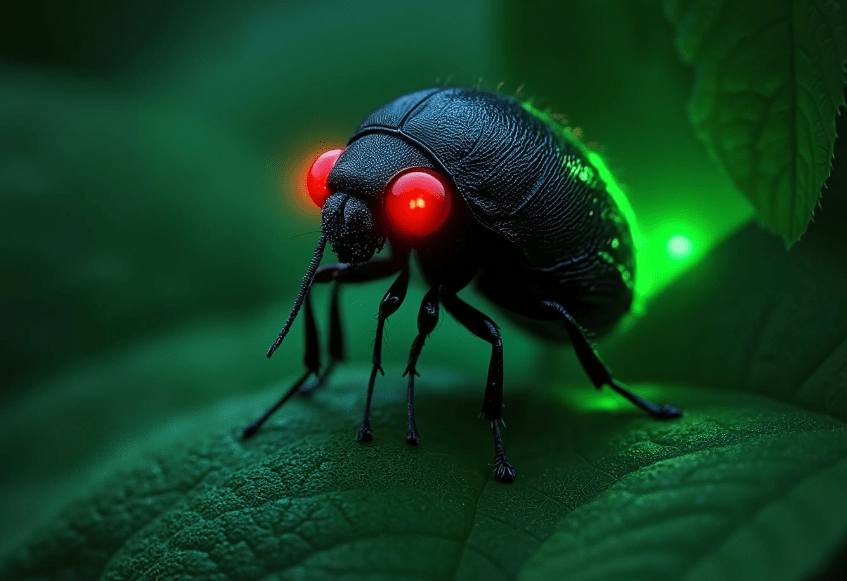
If you think ticks are just annoying, think again. The Lone Star Tick is the silent predator hiding in Connecticut’s forests, shrubs, and even in suburban lawns. These tiny bloodsuckers aren’t just pests—they are carriers of some of the deadliest infections known to humans.
Why it’s dangerous:
- Alpha-Gal Allergy: A bite from this tick can trigger a rare condition called alpha-gal syndrome. It makes your body react violently to red meat. You could go into anaphylactic shock without warning.
- Ehrlichiosis: A bacterial infection that can cause fever, fatigue, and even death if left untreated.
- Heartland Virus: A relatively new threat in the US that can induce severe flu-like symptoms, sometimes fatal.
Survival tips:
- Avoid tall grasses and shrubs. Wear long sleeves and pants, preferably tucked into boots.
- Use tick repellents containing DEET or permethrin.
- Conduct a thorough body check immediately after being outdoors. A tick can inject its venom before you even realize it’s there.
- Remove ticks properly using tweezers, pulling straight out without twisting. If left improperly, the bite can escalate into infection.
I don’t sugarcoat these things because I’ve seen what happens when people do. Nature doesn’t care. The Lone Star Tick doesn’t care. You are meat on the hoof for these parasites if you’re careless.
2. The Brown Recluse Spider – Stealthy Assassin in the Shadows
Connecticut isn’t famous for spiders, but don’t let your guard down. The Brown Recluse Spider is a nightmare hiding in plain sight, usually in basements, garages, or attics—places where humans feel safe.
Why it’s dangerous:
- Necrotic Venom: Its bite may seem minor at first, but the venom destroys tissue over time. A wound that looks like a small puncture can balloon into a horrific, slow-healing ulcer.
- Systemic Effects: In rare cases, the venom can trigger fever, chills, nausea, or even organ failure. Death is uncommon but possible, especially in children or the elderly.
Survival tips:
- Inspect dark corners, shoes, and clothing before use.
- Seal cracks and gaps in your home to prevent these intruders from moving in.
- Wear gloves when handling storage boxes or woodpiles.
- If bitten, seek medical attention immediately—don’t waste time with home remedies.
Trust me: I’ve seen people underestimate a spider bite, thinking “it’s just a bug.” That “just a bug” can ruin your life if it’s a Brown Recluse.
3. The Asian Giant Hornet – Flying Death
Yes, Connecticut has hornets, and yes, one of them is a flying nightmare imported from overseas. The Asian Giant Hornet isn’t just a bigger wasp—it’s a full-scale biological weapon in insect form.
Why it’s dangerous:
- Multiple stings can be fatal, even to healthy adults.
- Its venom contains neurotoxins that destroy tissue and can cause kidney failure.
- The pain is excruciating—people describe it as “hot metal being poured under the skin.”
Survival tips:
- Never provoke a hornet. If you see a nest, leave it alone and alert professionals.
- Cover exposed skin when outdoors in wooded areas.
- Have a plan for allergic reactions—epinephrine injectors aren’t optional if you’re in hornet territory.
Hornets, like bears, don’t give second chances. One wrong move and it’s game over. And if you think you’re safe because they’re rare, you’re living in a delusion.
4. Deer Ticks – Tiny Silent Killers
Deer ticks aren’t just annoying—they are vectors for Lyme disease, an infection that can ruin your life. But don’t stop at Lyme; deer ticks also carry anaplasmosis, babesiosis, and Powassan virus, all of which can be fatal in extreme cases.
Why it’s dangerous:
- Lyme disease can cause paralysis, chronic pain, and neurological damage if untreated.
- Powassan virus can infect your brain and spinal cord, sometimes killing within a week.
- Ticks are nearly invisible and can stay attached for hours before detection.
Survival tips:
- Wear insect-repellent clothing and use DEET-based sprays.
- Check every inch of your body after spending time outdoors, especially in wooded or grassy areas.
- Keep your yard trimmed and remove leaf litter where ticks thrive.
Deer ticks are the little monsters that make you regret ever leaving the house. They are a slow, patient assassin. Unlike bears, they don’t roar—they sneak. And the worst part? You won’t even know they’re there until it’s almost too late.
5. Wasps and Yellowjackets – Nature’s Tiny Kamikazes
Wasps and yellowjackets are aggressive, territorial, and relentless. One sting can send you into anaphylactic shock if you’re unlucky—or unprepared. And let me tell you something: they don’t need a reason to attack. You breathe wrong near a nest, and they’ll go full kamikaze.
Why it’s dangerous:
- Allergic reactions can escalate to death in minutes.
- Multiple stings can cause toxic reactions, kidney failure, or cardiac complications.
- They are intelligent hunters—disturb a nest, and the swarm will coordinate attacks.
Survival tips:
- Identify nests around your home and have professionals remove them safely.
- Avoid wearing bright colors or floral patterns outside—these attract stinging insects.
- If you are stung and show symptoms of a severe reaction, administer epinephrine immediately and get medical help.
I’ve seen the aftermath of a yellowjacket attack. It’s not pretty, and it’s a lesson in humility and rage toward nature all at once.
6. Mosquitoes – Tiny Vectors of Doom
Don’t let the idea that mosquitoes are “just annoying” fool you. In Connecticut, they are carriers of West Nile virus and Eastern Equine Encephalitis (EEE). Both can kill. Both can ruin your life permanently.
Why it’s dangerous:
- West Nile Virus: Can cause encephalitis (swelling of the brain), paralysis, and death in severe cases.
- EEE Virus: Rare but deadly—fatal in around 30% of cases with severe neurological symptoms.
- Mosquitoes bite at dawn and dusk, often unnoticed until it’s too late.
Survival tips:
- Use repellents containing DEET or picaridin.
- Avoid standing water where mosquitoes breed—don’t let your property become a breeding ground.
- Wear long sleeves and pants when outdoors, especially at peak mosquito hours.
These tiny flying pests are nature’s spiteful joke. You think you’re safe because you live in a “civilized” state. You’re not.
Conclusion – Survival Isn’t Optional
Connecticut may look calm on the surface, but beneath its leaves and undergrowth, a silent army of deadly insects waits for careless humans. I’ve seen real death in the wilderness, and I can tell you this: the insects won’t stop, they won’t negotiate, and they certainly won’t care about your excuses.
If you want to survive here, you must respect the threat, prepare for it, and always be vigilant. Wear protective clothing, use repellents, check your body daily, and keep your home secure. Nature doesn’t forgive mistakes, and neither will these small, lethal assassins.
So next time it rains, don’t complain. Don’t curse the weather. Remember that the same wet soil that feeds your lawn also gives life to some of the most dangerous insects you will ever encounter—and if you’re not prepared, they could be the end of you.
Connecticut isn’t paradise. It’s a battlefield. And the enemy is often smaller than you’d ever imagine—but infinitely more deadly.



 TheDailyChristian