Georgia Crime Shockwave 2026: The Most Dangerous City, the Safest City, State Rankings & Political Power Revealed
If you think Georgia is all peaches, pecan pie, and porch swings — buckle up. Beneath the Southern charm lies a tale of two realities: one city battling serious crime challenges, and another that feels almost too peaceful to be real.
Today we’re diving into the most dangerous and criminally active city in Georgia, the safest city in Georgia, how they rank nationally, where Georgia stands among all 50 states, and how politics has shaped the landscape since 1990.
This isn’t fear-mongering. It’s data. But I promise — it’s the kind of data that might make you double-check your car doors tonight.
The Most Dangerous City in Georgia is College Park
Based on recent FBI Uniform Crime Reporting (UCR) data and aggregated crime analysis platforms, College Park, Georgia consistently ranks as the most dangerous city in the state when measured by total crime rate per capita.
📊 Crime Snapshot – College Park
Population: ~13,000
Violent crime rate: ~15–20 incidents per 1,000 residents
Property crime rate: ~60–70 incidents per 1,000 residents
Total crime rate: Roughly 3–4 times higher than the national average
That’s not just elevated — that’s flashing red lights elevated.
Why Is College Park So High in Crime?
College Park sits just south of Atlanta and borders Hartsfield-Jackson Atlanta International Airport. Its proximity to:
Major highways
Dense commercial corridors
Transit hubs
High population turnover
…creates an environment where property crime thrives.
Vehicle theft, burglary, and robbery are the primary drivers. Violent crime also trends significantly above state averages. It’s a small city handling big-city problems.
Now let’s zoom out.
🇺🇸 National Ranking
When compared to cities nationwide, College Park typically falls within the Top 25–35 most dangerous cities in the United States (depending on population thresholds used in rankings). That places it solidly in the upper tier of crime-heavy municipalities nationally.
It’s not Detroit-level chaos — but it’s definitely not Mayberry.
The Safest City in Georgia: Johns Creek
Now for the plot twist.
Johns Creek, Georgia consistently ranks as the safest city in the state among municipalities with significant population size.
📊 Crime Snapshot – Johns Creek
Population: ~82,000
Violent crime rate: ~0.5–0.8 incidents per 1,000 residents
Property crime rate: ~8–10 per 1,000 residents
Total crime rate: Significantly below both Georgia and U.S. averages
To put that in perspective, Johns Creek residents are statistically over 10 times less likely to experience violent crime compared to College Park residents.
Why Is Johns Creek So Safe?
Several factors contribute:
✔️ Higher median household income ✔️ Strong public school systems ✔️ Planned suburban development ✔️ Active community policing ✔️ Low population density compared to urban centers
Johns Creek is structured, organized, and meticulously managed. Crime exists — nowhere is immune — but it’s rare.
🇺🇸 National Ranking
Johns Creek frequently appears in rankings of the Top 20–40 safest cities in the United States, depending on methodology. Among mid-sized cities, it often lands in the Top 25 safest nationwide.
That’s elite territory.
5 Most Dangerous Cities in Georgia
College Park
East Point
Forest Park
Americus
Atlanta
Atlanta deserves context — it has far more total crime incidents due to its size, but per capita, smaller cities like College Park often rank higher.
Safest Cities in Georgia – Top 5
Johns Creek
Milton
Peachtree City
Suwanee
Woodstock
Common patterns:
Affluent suburbs
Strong homeowner occupancy
Low-density residential planning
Proactive law enforcement
Where Georgia Ranks Among the 50 States
Georgia typically ranks in the middle tier nationally for overall safety.
Violent crime rate: Slightly above U.S. average
Property crime rate: Near national average
Overall state ranking: Around 25th–30th safest state
Georgia is not among the top safest states like Maine or Vermont, nor is it in the bottom tier like Louisiana or New Mexico.
It’s middle-of-the-pack — with sharp contrasts between cities.
Political Landscape Since 1990
Crime policy doesn’t exist in a vacuum. Let’s examine Georgia’s political leadership.
U.S. Senate Representation Since 1990
Democrats:
Several Democratic senators served prior to the early 2000s.
Since 2021, both U.S. Senate seats are held by Democrats.
Total Democratic U.S. Senators since 1990: 4 individuals.
Republicans:
From roughly 2003–2021, both Senate seats were Republican.
Several long-term Republican senators served during that time.
Total Republican U.S. Senators since 1990: 4 individuals.
U.S. House of Representatives Since 1990
Georgia currently has 14 congressional districts.
Since 1990:
Republicans have held the majority of House seats for most election cycles since the mid-1990s.
Democrats have regained several seats in metro Atlanta in recent years.
Both parties have had strong representation, with Republicans dominating for most of the last 30 years.
Governors of Georgia Since 1990
Democratic Governors:
Zell Miller (1991–1999)
Roy Barnes (1999–2003)
Total Democratic Governors since 1990: 2
Republican Governors:
Sonny Perdue (2003–2011)
Nathan Deal (2011–2019)
Brian Kemp (2019–present)
Total Republican Governors since 1990: 3
Georgia shifted from Democratic dominance in the early 1990s to Republican leadership from 2003 onward.
Why This All Matters
Georgia tells a powerful story:
Urban density + transit corridors = higher crime clusters.
Georgia is not immune to winter storms. It’s vulnerable to them.
And that difference matters.
Georgia doesn’t deal with winter often, which means when snow or ice does hit, the state grinds to a halt. Roads aren’t treated. Drivers aren’t trained. Power grids aren’t hardened. Grocery stores aren’t stocked for panic buying. And people don’t have food, heat, or backup power ready.
I’ve watched Georgia ice storms turn entire metro areas into parking lots, shut down power for days, and leave families trapped in cold homes with nothing but excuses.
This article breaks down:
The top ways people die during winter storms in Georgia
Why grocery stores empty almost instantly
Why survival food and backup power are essential here
What supplies actually matter
How to survive when ice hits a state that isn’t built for it
If you live in Georgia and think winter storms are rare enough to ignore, that mindset will get you hurt—or worse.
Why Winter Storms in Georgia Are So Dangerous
Georgia winter storms don’t need deep snow. They just need ice.
Here’s what makes Georgia especially dangerous during winter weather:
Freezing rain that coats roads and bridges
Hills and elevation changes across much of the state
Minimal snow and ice treatment infrastructure
Power lines and trees vulnerable to ice loads
A population with little ice-driving experience
Rapid shutdown of businesses and services
Georgia isn’t built for winter—and winter doesn’t care.
The Top Ways People Die in Winter Storms in Georgia
These deaths are tragically predictable.
1. Vehicle Accidents on Ice-Covered Roads
This is the leading cause of winter storm deaths in Georgia.
Icy interstates like I-75, I-85, and I-20
Bridges and overpasses freezing instantly
Drivers with no ice experience
Gridlock that leaves people stranded for hours
Georgia’s roads turn into ice rinks fast—and once traffic locks up, emergency response slows to a crawl.
If ice is forecast, stay off the roads. Period.
2. Hypothermia Inside the Home
This one surprises people every time—and it shouldn’t.
Most Georgia homes rely entirely on electricity for heat. Ice storms knock power out fast and keep it out.
People die from hypothermia:
Sitting in cold homes
Wearing light clothing indoors
Trying to “wait it out”
Falling asleep and never waking up
Cold kills quietly, especially in homes not designed to retain heat.
3. Carbon Monoxide Poisoning
Every Georgia winter storm brings the same preventable tragedy.
Generators run inside garages
Propane heaters misused
Charcoal grills used indoors
Gas stoves used as heaters
Carbon monoxide is invisible and odorless. Families go to sleep and don’t wake up.
If you don’t have carbon monoxide detectors, you are risking your life for no reason.
4. Medical Emergencies With Delayed Response
During winter storms:
Ambulances are delayed
Roads are impassable
Clinics and pharmacies close
Emergency response times skyrocket
People die from:
Heart attacks while shoveling ice
Missed medications
Respiratory distress
Diabetic complications
The storm doesn’t cause these emergencies—it cuts off help.
5. Falling Trees and Downed Power Lines
Ice storms turn Georgia’s trees into weapons.
Branches snap under ice load
Trees fall onto homes and cars
Power lines come down
People are crushed or electrocuted
Trying to clean up during or immediately after a storm is how people get seriously hurt.
Will Grocery Stores Go Empty in Georgia?
Yes—and faster than almost anywhere else.
Georgia grocery stores run on just-in-time inventory, which means:
Minimal back stock
Constant truck deliveries
No buffer when roads ice over
What disappears first:
Bread
Milk
Eggs
Meat
Bottled water
Baby formula
Once roads shut down, shelves stay empty.
If you wait until the storm hits to shop, you’ve already lost.
Why Survival Food Prepping Matters in Georgia
Georgia storms may not last weeks—but 3–7 days without power or stores is common.
Survival food buys you time and stability.
Every household should have:
7–10 days of food per person
No refrigeration required
Minimal cooking needs
Best Survival Food Options
Freeze-dried meals
Canned soups and meats
Rice and beans
Pasta
Protein bars
Peanut butter
Instant oatmeal
If your food depends on electricity, it’s not dependable.
Solar Generators: The Best Backup Power Option for Georgia
Gas generators fail people every ice storm:
Fuel shortages
Carbon monoxide risk
Noise and theft
Cold-start issues
Solar generators with battery storage are safer and more reliable for Georgia homes.
They can power:
Phones and radios
Medical equipment
LED lights
Refrigerators
Internet routers
Small heaters
No fuel runs. No fumes. No chaos.
If you don’t have backup power, you’re trusting a grid that isn’t designed for ice.
Essential Winter Survival Supplies for Georgia
This is the minimum setup to survive a Georgia winter storm:
Power & Heat
Solar generator with battery storage
Power banks
Indoor-safe heater
Warm blankets and sleeping bags
Clothing & Warmth
Thermal layers
Wool socks
Hats and gloves
Emergency bivy blankets
Food & Water
1 gallon of water per person per day
Non-perishable food
Manual can opener
Safety & Medical
First aid kit
Prescription medication backups
Carbon monoxide detectors
Fire extinguisher
Communication
NOAA weather radio
Flashlights and headlamps
Extra batteries
If you don’t own these, you’re not prepared—you’re exposed.
They die because they didn’t see it coming, didn’t respect risk, or assumed it wouldn’t happen to them.
I’ve spent years studying survival—real survival, not Hollywood nonsense. The kind that happens on highways, job sites, back roads, lakes, neighborhoods, and during ordinary days that turn deadly fast.
If you live in Georgia, this article is for you.
Not because Georgia is uniquely dangerous—but because Georgia has a very specific risk profile shaped by:
• Heavy vehicle traffic • Rural and urban overlap • Heat and humidity • Firearm prevalence • Severe weather • Outdoor culture • Long commutes • Industrial and construction work
This article covers the top 10 non-disease, non-age-related ways people die in Georgia, why those deaths happen, and—most importantly—how to stay alive.
This is about personal responsibility, situational awareness, and stacking the odds in your favor.
Let’s get into it.
#1 Motor Vehicle Crashes (Cars, Trucks, Motorcycles)
Why This Is the #1 Killer
If there’s one thing that quietly kills more Georgians than anything else on this list, it’s traffic accidents.
High-speed interstates. Long commutes. Distracted driving. Rural roads with poor lighting. Aggressive driving culture. Motorcycle fatalities. Large trucks.
Cars are weapons when handled carelessly.
People die because: • Speed is normalized • Phones steal attention • Fatigue is ignored • Seatbelts aren’t used consistently • Motorcycles are treated as invisible • Weather is underestimated
Survival truth: Most crashes happen close to home, during routine drives.
How to Survive Georgia Roads
Adopt the survival driver mindset: • Drive like everyone else is distracted—because they are • Leave space. Space equals reaction time • Never assume someone sees you • Slow down in rain (Georgia roads get slick fast) • Treat intersections as danger zones
Non-negotiables: • Seatbelt. Every time. No excuses. • No phone use—not even “quick checks” • Don’t drive tired. Fatigue kills like alcohol. • Motorcyclists: wear full protective gear, not just a helmet
Life coach reminder: You don’t get bonus points for arriving fast. You only win by arriving alive.
#2 Firearm-Related Deaths (Accidental, Homicide, and Self-Inflicted)
People die because: • Firearms are handled casually • Guns are stored improperly • Safety rules are ignored • Emotional moments escalate • Alcohol mixes with firearms
This category includes accidents, violence, and self-inflicted harm. Each one is preventable.
How to Stay Alive Around Firearms
If you own a gun: • Treat every firearm as loaded • Secure firearms from unauthorized access • Separate guns and ammunition when not in use • Never mix alcohol or drugs with firearms
If you don’t own a gun: • Be aware of your environment • Avoid emotionally charged confrontations • Leave situations that feel unstable
Life coach perspective: Strength isn’t pulling a trigger—it’s walking away when your ego wants control.
If you’re struggling emotionally, survival sometimes means asking for help. That’s not weakness. That’s leadership over your own life.
#3 Accidental Poisoning & Drug Overdose
Why This Happens So Often
Overdoses don’t just happen to “addicts.”
They happen because: • Dosages are misunderstood • Substances are mixed • Pills are shared • Tolerance changes • Illicit substances are unpredictable
Survival rules: • Never mix substances without medical guidance • Store medications locked and labeled • Install carbon monoxide detectors • Ventilate fuel-burning appliances • Avoid using generators indoors or in garages
Life coach truth: Your body is not a testing ground. Respect it like the survival asset it is.
#4 Falls (Construction, Ladders, Heights, and Work-Related Accidents)
Why Falls Kill Younger People Than You Think
Falls aren’t just “old people problems.”
In Georgia, they happen on: • Construction sites • Roofing jobs • Ladders • Trees • Warehouses
People die because: • Safety gear is skipped • Heights are underestimated • Fatigue sets in • “I’ve done this a hundred times” mentality
How to Stay Vertical and Alive
Non-negotiables: • Use proper fall protection • Inspect ladders and scaffolding • Don’t rush jobs at height • Stop when tired
Life coach reminder: Experience doesn’t make you immune—it makes you responsible.
I’ve spent years living off-grid, surviving heat waves, hurricanes, blackouts, supply shortages, and the slow decay of modern convenience. In 2025, that mindset earned me Off-Grid Prepper of the Year, and if Georgia keeps being Georgia, I’ll win it again in 2026.
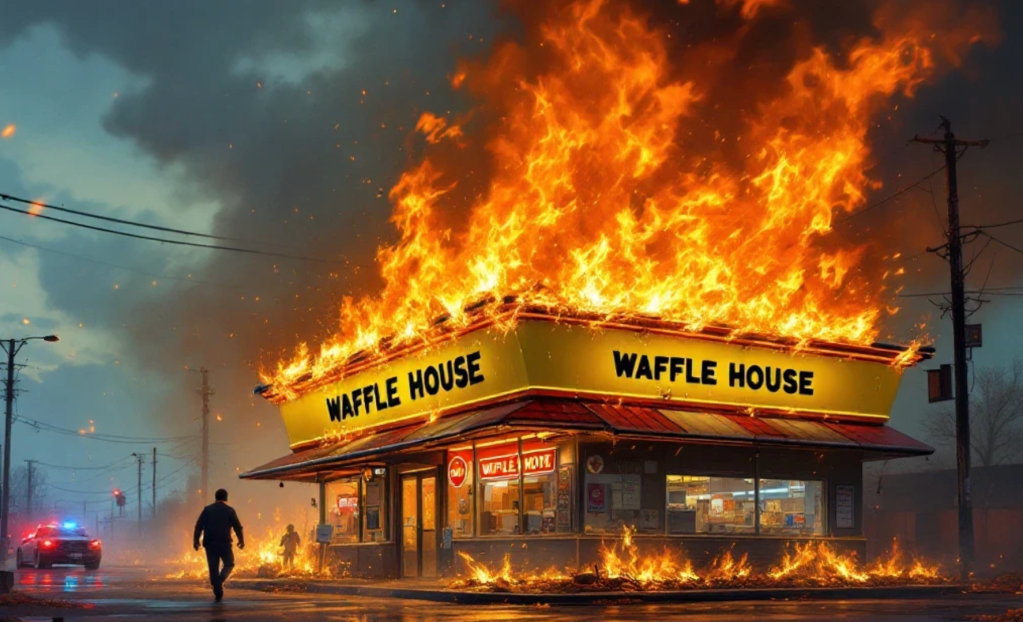
I love this state. I love the backroads, the pine forests, the humidity that filters out the weak, and yes — I love Waffle House at 3 a.m. and Zaxby’s on a long road trip. But loving Georgia doesn’t mean trusting it. Especially when it comes to insects.
Georgia is bug country. Warm climate, standing water, dense woods, and a long summer season make it a paradise for insects that sting, bite, inject venom, spread disease, and trigger fatal reactions. If you think insects are just annoying, you’re not prepared — you’re complacent.
Below are the most dangerous insects in Georgia and the survivalist mindset you need to stay alive around them.
1. Eastern Diamondback Rattlesnake (Honorable Mention, Because It Hunts Like an Insect)
No, it’s not an insect — but it feeds on the same ecosystem, and it shares the same hiding tactics. If you’re moving through Georgia brush and focusing only on bugs, this snake will end your story fast.
Why it’s deadly:
Highly potent venom
Camouflage that blends into pine straw
Often encountered while avoiding insects
Survival Tip: Watch the ground, not your phone. Wear boots. Clear campsites before settling in. Bugs distract — predators capitalize.
2. Fire Ants (Solenopsis invicta)
Fire ants aren’t just painful — they’re strategic. Step on a mound, and they swarm. Hundreds of stings in seconds. For some people, anaphylaxis can kill them before help arrives.
Why they’re dangerous:
Aggressive swarming behavior
Venom causes intense burning and tissue damage
Fatal allergic reactions are real
Survival Tip: Clear camp areas aggressively. Treat boots and pants with permethrin. Never sit on bare ground in Georgia without checking first.
3. Black Widow Spider
Georgia has plenty of them, and they love woodpiles, sheds, garages, and old equipment — exactly where preppers spend time.
Why it’s dangerous:
Neurotoxic venom
Severe muscle cramps, nausea, and breathing issues
High risk for children and elderly
Survival Tip: Gloves are non-negotiable. Shake out boots. Keep storage areas clean. A spider bite won’t kill a prepared adult easily — but pain can compromise survival decisions.
4. Brown Recluse Spider
Quiet. Reclusive. Deadly if ignored.
Why it’s dangerous:
Necrotic venom that destroys tissue
Infections can become systemic
Bites often go unnoticed until damage is severe
Survival Tip: Reduce clutter. Seal cracks. Don’t sleep on the floor. In survival situations, infection kills more people than venom.
5. Mosquitoes (The Real Apex Predator)
Mosquitoes kill more humans globally than any animal on Earth — and Georgia is prime breeding territory.
Why they’re deadly:
West Nile Virus
Eastern Equine Encephalitis
Zika and other emerging diseases
Survival Tip: Eliminate standing water. Use mosquito netting. Treat clothing. If you think bug spray is optional, you’re not serious about survival.
6. Assassin Bugs (Including Kissing Bugs)
These look harmless until they aren’t.
Why they’re dangerous:
Can transmit Chagas disease
Bites can cause severe allergic reactions
Often mistaken for beetles
Survival Tip: Seal sleeping areas. Avoid outdoor lights near camps. Learn insect identification — ignorance is the enemy.
7. Yellow Jackets
If you’ve ever been hit by one, you know they don’t warn — they punish.
Why they’re dangerous:
Aggressive and territorial
Multiple stings per insect
Anaphylaxis risk is high
Survival Tip: Avoid sugary smells outdoors. Never swat blindly. Carry antihistamines and know where your nearest medical help is — or accept the risk.
8. Africanized Honey Bees (Expanding Range)
They’re moving north. Georgia is not immune.
Why they’re dangerous:
Highly aggressive defensive behavior
Swarm attacks can be fatal
Panic increases venom absorption
Survival Tip: Cover face, protect airways, and move fast — not randomly. Water can help. Standing your ground will not.
Survival Tip: Observe, don’t touch. Teach kids early: bright colors and weird shapes usually mean danger.
Final Survivalist Mindset for Georgia Bug Country
Georgia rewards preparation and punishes laziness. Bugs don’t care how tough you think you are. They exploit sweat, distraction, clutter, and poor planning.
If you live here, camp here, hunt here, or bug out here, remember this:
Protect your skin
Protect your sleep
Protect your awareness
I love Georgia. I love its food, its people, and its grit. But survival isn’t about comfort — it’s about respect for the environment. And in Georgia, insects demand respect.
Stay sharp. Stay fed. And don’t let something with six legs write your obituary.
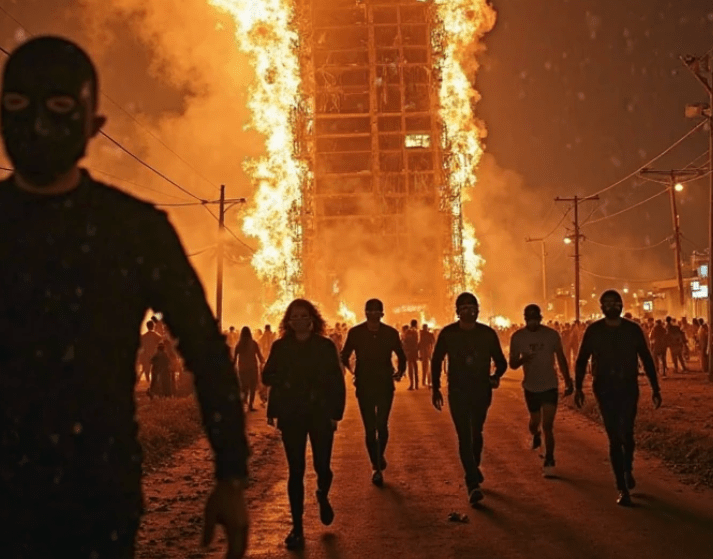
If you’re reading this, you’re already ahead of the pack. You understand that survival isn’t about panic—it’s about preparation. In times of social unrest, especially during a riot, staying safe demands a blend of street smarts, calm decision-making, self-defense training, and practical survival know-how. Living in Georgia, where protests and civil unrest have occasionally escalated into full-blown riots, makes understanding how to navigate this type of chaos not just useful—but necessary.
First Rule: Avoidance Is Victory
The first step in any survival situation is avoidance. Don’t play the hero. You’re not there to take sides. You’re there to get yourself and your loved ones home safe. Situational awareness is your most powerful ally.
Keep up with local news, police scanners, and community alerts. If you hear about demonstrations turning volatile in Atlanta, Macon, Augusta, or any major city, change your route or stay put. Avoid bottlenecked roads, city centers, and anywhere there’s a chance of getting trapped.
But if you’re already caught in a riot, here’s how to survive—and how to protect yourself.
8 Self-Defense Skills Every Urban Survivor Must Know
1. The Fence (Verbal and Physical Boundary Setting)
Before things turn physical, you need to manage the space between you and an aggressor. The Fence is a stance that places your hands non-threateningly in front of your torso, giving you a barrier to block, strike, or push off if needed. It also sends a clear message: Back off.
2. Close-Quarter Striking (Palm Strikes & Elbows)
Forget fancy martial arts kicks. In a riot, space is tight. Learn to deliver powerful palm strikes to the nose or chin, and sharp elbow strikes to vulnerable areas like the temple or throat. These techniques are quick, devastating, and don’t damage your hands like punching might.
3. Escape and Evasion Footwork
Riots are mobile. If you’re stationary, you’re a target. Train your footwork to move through crowds, avoid stampedes, and navigate obstacles. Zigzag, stay low when needed, and don’t run in straight lines when being chased. Learn the terrain like a ghost.
4. Clinch Defense
If someone grabs you, you need to control the clinch. A basic overhook or underhook can help you break the hold or control their body. Head control is key—push their head down and away to break their balance and escape.
5. Improvised Weapons Training
Learn how to use what’s around you. A belt with a heavy buckle becomes a flail. A tactical flashlight blinds and bludgeons. A pen? That’s a spike. Look at your environment as an arsenal, not an obstacle.
6. Knife Defense and Offense
You don’t need to be a Navy SEAL, but you must understand the basics of blade work. Know how to defend against slashes and thrusts, and more importantly—how to use a knife as a deterrent or tool. Keep a fixed-blade or quality folding knife accessible.
7. Ground Survival (Getting Back Up)
You may get knocked down. Your ability to get back up could save your life. Practice “technical stand-ups” and rolling maneuvers to regain your footing. Never stay on the ground in a riot. You’re vulnerable there.
8. Mental Conditioning
Your mind is your ultimate weapon. Practice controlled breathing, visualization, and scenario planning. Staying calm under pressure allows you to think clearly while everyone else is panicking. Panic kills—mental prep saves.
DIY Survival Weapon Skills: When You Need More Than Your Hands
When chaos reigns and law enforcement is overwhelmed, it’s your responsibility to protect yourself. These simple DIY weapons can give you the upper hand if things go south.
1. The Pipe Baton
Grab a 12-18 inch section of galvanized steel pipe, wrap the grip with paracord or duct tape, and you’ve got a riot-ready baton. Keep it in a go-bag or vehicle. Compact, brutal, and easy to carry.
Pro Tip: Use a hollow pipe and stuff the inside with lead fishing weights to give it more density. Secure with end caps.
2. The Survival Spear
Lash a knife or sharpened steel rod onto a broomstick or sturdy wooden pole. Use paracord, zip ties, or duct tape to secure it. A spear extends your reach and gives you a major advantage in keeping aggressors at a distance.
Bonus: In rural Georgia or wooded areas, this also serves for hunting small game.
3. Pepper Slingshot with Glass Beads
Take a heavy-duty slingshot and load it with marbles or steel/glass beads. Easy to aim, silent, and painful. If you want non-lethal deterrence, fill balloons with powdered cayenne or crushed peppercorns—when they burst on impact, they irritate eyes and lungs.
Warning: Practice accuracy before relying on it.
Strategic Tips: Before, During, and After the Riot
Before the Riot
Stock up: Water, food, first-aid, batteries, and comms gear.
Harden your home: Reinforce doors, install security cameras, and set up motion lights.
Plan multiple escape routes out of your neighborhood.
Build a Go-Bag: First aid, fire-starting tools, knife, flashlight, spare clothes, cash, radio, mask, gloves, ID copies.
During the Riot
Stay off main roads. Take backstreets or service alleys.
Avoid police lines and aggressive crowds alike.
Carry a mask and goggles to protect against tear gas and smoke.
If you’re in your vehicle, avoid confrontation—turn around or abandon it if you’re surrounded.
Debrief your family or group. What worked, what didn’t?
Train harder. Get better. Adapt your gear and skills.
Know Georgia’s Unique Risks
In Georgia, weather can change fast—riots during high heat can cause mass dehydration and faster escalation. Also, gun ownership here is common. That means you must assume others are armed.
Stay legal. Know Georgia’s stand-your-ground and concealed carry laws. If you use force in self-defense, it must be justified. Learn when to fight and when to walk.
Also, the urban/rural divide in Georgia is real. What works in downtown Atlanta won’t help you in the Georgia backwoods. Adapt accordingly.
Final Words from a Survivalist
Riot survival is 30% gear and 70% mindset. Gear breaks. Batteries die. But your awareness, training, and willpower? That sticks. Teach your kids. Train your spouse. Don’t hope for the best—prepare for the worst.
Always remember: When the system breaks down, your preparation is your only safety net. Be smart, stay light on your feet, and never stop learning.
Let me tell you something, and you better damn listen because nobody else is gonna say it straight. This cushy, convenience-ridden, store-bought, gadget-chasing society is on its last legs. Out here in Georgia—where the red clay runs deep and the air smells like pine and old sweat—you either learn to stand on your own two feet or you get buried in the next wave of chaos. That’s not a threat. That’s a cold, brutal fact.
You want freedom? Real, bone-deep freedom? Then you stop depending on supply chains, power grids, and processed garbage wrapped in plastic. You dig in, you wise up, and you build a damn life worth defending. That’s the Georgia homestead lifestyle. Not for the weak. Not for the lazy. And sure as hell not for those still waiting for someone else to solve their problems.
15 SKILLS EVERY HOMESTEADER IN GEORGIA NEEDS BEFORE IT’S TOO DAMN LATE:
1. Canning and Preserving
If you can’t preserve food, you’re just playing house. Georgia grows a bounty—peaches, okra, tomatoes—but if you’re letting it rot because you don’t know a water bath from a pressure canner, you’re wasting survival currency.
2. Seed Saving
Don’t be a fool, thinking seeds grow on shelves. Save your own. Heirloom, non-GMO, regional-adapted seeds are gold. And I mean gold in a world where the grocery store is one blackout away from being a tomb.
3. Rainwater Harvesting
Rain is free. Water bills ain’t. Install gutters and barrels. Georgia’s rain patterns can save your garden or your ass—if you’re smart enough to collect it.
4. Animal Husbandry
You don’t need a damn zoo, but if you can’t raise chickens for eggs, goats for milk, or rabbits for meat, then enjoy your vegan diet when stores dry up. Livestock is life.
5. Butchering and Processing Meat
This one separates the weekend warriors from the real ones. If you can’t slit a throat and process the animal yourself, you’re not ready to survive—period.
6. Composting
Nothing is waste on a real homestead. Table scraps? Chicken feed. Manure? Garden gold. Build a compost system and stop acting like a landfill operator.
7. Solar Power Basics
Georgia’s sun isn’t just for burning your back. Set up a few solar panels and get off the grid. Even a basic battery bank can keep lights and comms running when the lights go out.
8. First Aid and Herbal Medicine
Out here, you’re the doctor, the nurse, and the pharmacist. Learn how to make salves, poultices, and tinctures from Georgia-native plants like yarrow, elderberry, and plantain.
9. Firearm Use and Maintenance
If you’re squeamish about guns, good luck defending your chickens from coyotes—or worse. Know how to clean, shoot, and store every piece you own. And train with them regularly.
10. Trap Setting and Hunting
Grocery store’s closed. Now what? If you don’t know how to trap a squirrel or hunt a deer, you’re just a hungry pacifist with a useless rifle.
11. Basic Carpentry
If you can’t build a shed, fix a fence, or hammer two boards without supervision, go back to the suburbs. Homesteads fall apart unless you can keep them standing.
12. Soap and Candle Making
You think hygiene’s optional? Good luck avoiding infection when you can’t wash your hands. Lye, fat, and essential oils—that’s all it takes. And don’t forget candles. The grid dies first.
13. Welding and Metal Repair
It ain’t just lumber that needs fixing. Fences, tools, trailers—all need welding now and then. Find a used welder. Practice until sparks are your new normal.
14. Food Dehydration
Sun-dried tomatoes aren’t just fancy pizza toppings. They’re survival food. Dry fruit, jerky, herbs—Georgia’s heat will help, if you know how to use it.
15. Permaculture Design
Stop fighting the land. Work with it. Swales, companion planting, food forests—these are your insurance policy when fertilizers and feed run out.
3 DIY HOMESTEAD HACKS STRAIGHT FROM THE BACKWOODS
🔧 DIY Rocket Stove from Cinder Blocks
Forget propane. Build a rocket stove using four cinder blocks, a bit of insulation, and some dry sticks. It’ll boil water in minutes, cook your food, and burn cleaner than that gas range you’ll be crying over when the grid crashes.
🌱 Upside-Down Tomato Buckets
Space is tight? String up five-gallon buckets from a crossbeam and plant tomatoes upside-down. Keeps pests off, saves space, and makes watering easier. Bonus points if you catch rainwater and rig up a drip line.
🔋 Battery Bank from Junkyard Golf Carts
Solar panels are great—until you realize batteries cost a fortune. Go to the scrap yard, salvage old golf cart batteries, and link them up. You’ll get a reliable power bank for tools, lights, even a fridge if you’re smart.
WHY GEORGIA?
Let me spell it out: Georgia has the land, the climate, and the resources to be a haven or a hellhole—depending on how damn prepared you are. You’ve got long growing seasons, rich wild game, clay that’ll hold a root cellar, and woods thick enough to disappear into. But it’ll chew you up and spit you out if you come at it soft.
Ticks, heat, venomous snakes, summer droughts, winter ice storms—they don’t care how many YouTube videos you watched. You either build up your skills or you bury your dreams.
There’s no excuse anymore. Not when you can collect rain in barrels, build a coop from pallets, and grow a forest of food with just an axe and a shovel. It ain’t about aesthetics. It’s about survival. And thriving like a damn king while the world loses its mind.
FINAL WARNING
If you think the system’s gonna hold… keep watching. Grocery store shelves won’t stay full. Electricity doesn’t run on hope. And the government? They’ll be the last ones to care when things get ugly.
But you? You got land. You got tools. You got willpower.
So get to work. Grow it, build it, raise it, fix it, defend it.
Or get out of the way.
The Georgia homestead lifestyle ain’t for dreamers.
It’s for doers with dirt under their nails, blood on their boots, and fire in their hearts.
Listen up, because I’m only going to say this once: if you’re still trusting any public water supply—especially in Georgia—you’ve already lost. The question isn’t “Is Georgia’s drinking water safe?” It’s “What are you doing to survive when it’s not?”
And spoiler alert: it’s not.
Wake Up: This Ain’t Mayberry
They tell you your tap water is “safe.” They send you colorful little brochures and PDF reports about lead levels and industrial runoff, acting like they’ve got your best interests at heart. You think the local water board is your friend? Think again. That utility worker doesn’t know what PFAS is. The mayor doesn’t know where the aquifer starts or ends. And guess what? Most of them wouldn’t drink that chemical cocktail from the tap if their lives depended on it. But you do—every single day.
Georgia’s had issues: radon in well water, E. coli in rural systems, lead pipes in aging infrastructure, and runoff from God-knows-what in urban areas like Atlanta. Don’t even get me started on agricultural waste leaching into sources across south Georgia. And the Flint, Michigan catastrophe? That was a warning shot. Not a one-off. You think your town’s immune? You think contamination gives a damn about your ZIP code?
You want safety? Take it. Own it. Filter it. Purify it.
So if you’re ready to break free from the propaganda and actually take your survival into your own hands, listen close. These 15 water filtration survival skills and 3 DIY hacks aren’t just “nice to know.” They’re life-saving, SHTF essentials.
15 Water Filtration Survival Skills Every Georgian Needs Yesterday
Screenshot
1. Boiling Water Like a Warrior
It’s primitive, but it works. Boil for at least 1 minute at sea level, 3 minutes in higher elevations. Kills most bacteria, viruses, and parasites. No power? Build a Dakota fire hole.
2. DIY Gravity Filter
Layer a 2-liter bottle with sand, gravel, charcoal, and cloth. It won’t kill everything, but it’ll take the mud and chunks out. Think of it as pre-filtration before purification.
3. Charcoal Crafting
Make your own activated charcoal by cooking hardwood (oak, hickory) in a sealed can over a fire. Use it in your filters to absorb chemicals, metals, and foul tastes.
4. Solar Disinfection (SODIS)
Fill clear PET bottles, leave them in direct sunlight for 6+ hours. UV rays kill most pathogens. Works best when water’s clear. Georgia sun is your ally here—use it.
5. LifeStraw & Personal Filters
You better have a LifeStraw or Sawyer Mini in your go-bag. Filters out protozoa and bacteria, easy to carry, no moving parts. Trust me—one of these can be the difference between sipping life and sipping death.
6. Learn Your Local Sources
Creeks, springs, lakes—know them. Map them. Hike them. Test them. Do not rely solely on taps and wells. The moment things collapse, those become poison.
7. Build a Slow Sand Filter
It’s not fast, but it’s deadly effective. Layers of sand and gravel with a biofilm on top that digests bacteria and viruses. Requires time and space, but in a semi-permanent bug-out spot? Gold.
8. Know the Enemy
Learn to test for nitrates, chlorine, and heavy metals. Home test kits are cheap. Knowledge is power—don’t drink blind.
9. Purification Tablets & Drops
Iodine, chlorine dioxide—carry them. Stockpile them. Rotate them. Perfect as backup when your filters fail or you’re on the move.
10. Distillation Mastery
Got fire? Got metal pots? You can distill. Boil water, capture the steam, condense it. Removes salt, metals, microbes—almost everything. Need clean water from saltwater or swamp muck? This is your answer.
11. Rainwater Collection & First Flush
Collect off a tarp or roof, but always discard the first few gallons. That’s where bird crap, dust, and chemicals settle. THEN collect. Store in food-grade barrels only.
12. DIY Berkey-Style Filter
Use two food-grade buckets, drill holes, install ceramic or carbon filters. You’ve just built a gravity-fed powerhouse.
13. Emergency Bleach Use
In a crisis? Use 8 drops of unscented bleach per gallon of clear water. Stir and wait 30 minutes. If it’s cloudy, double the dose. Better alive with bleach than dead from dysentery.
14. Moss and Plant Filtration
Sphagnum moss has antibacterial properties. Wrap water in it and drip through—primitive, but effective in a pinch. Works best for visual clarity and partial purification.
15. Filter Maintenance and Redundancy
Don’t just own a filter—know how to clean it, backflush it, replace parts. Have backups, spare parts, and multiple methods. One is none. Two is one. You know the rule.
3 DIY Survival Drinking Water Hacks
1. Emergency Tarp Still
Dig a pit. Put a container in the center. Cover with plastic tarp. Put a small rock in the middle to create a dip. The sun evaporates moisture from soil or plants inside; condensation forms and drips into the container. Pure water, desert island style.
2. Tree Transpiration Bag
Tie a clear plastic bag around a leafy tree branch. Sunlight causes the plant to release moisture, which collects in the bag. Safe to drink, free from the plant’s natural filtration system.
3. Hot Bottle Pasteurization
Don’t have firewood for a full boil? Use a water bottle and a black pot in the sun. If water reaches 160°F for 30 minutes, it’s pasteurized—pathogens dead. A WAPI (water pasteurization indicator) helps you track temp.
So… Is Georgia’s Water Safe?
Maybe sometimes. For some people. Under certain conditions. That’s not good enough for me. And it damn well shouldn’t be good enough for you.
Municipal water systems are fragile. Just one bad flood, chemical spill, or infrastructure failure and you’re drinking liquid death. Your best-case scenario? Warnings show up after you’ve already had a few glasses of cancer juice.
You think your HOA is gonna help when things go sideways? Think the city’s gonna truck in clean water when every other county is screaming for it? Think again.
Get Angry, Get Ready
This world is not your friend. The grid is not your safety net. The system is not your savior.
You want safe water in Georgia? Make it yourself.
You want to live when the rest panic, puke, and perish? Start today. Train your hands. Harden your mindset. Stock your supplies. Practice every one of these 15 filtration methods and 3 hacks like your life depends on it—because one day, it might.
I’ll leave you with this:
The greatest danger isn’t what’s in your water. It’s thinking someone else is going to fix it for you.
Georgia Hiking Trails have a way of calling to your soul. Towering Appalachian peaks, moss-covered hollows, waterfalls crashing like ancient drums—this state was carved by nature’s raw hand, and if you’ve ever set foot on the Benton MacKaye or tackled a slice of the Appalachian Trail here, you know the magic. But too many folks forget: what’s beautiful can also be brutal. These mountains don’t care how many Instagram followers you’ve got. They don’t care if you’ve read Wild or watched Into the Wild. They’ll chew you up and spit you out if you walk in unprepared.
I’ve hiked Georgia’s trails for over 30 years. I’ve bushwhacked where the map says “trail ends,” and I’ve taught survival classes in the Blue Ridge backcountry. I love this land. But let me tell you something straight: danger lives in these woods. If you don’t respect it, you might not come back.
1. The Siren Song of Blood Mountain
Blood Mountain—just the name should raise the hair on your neck. It’s the highest peak on Georgia’s portion of the Appalachian Trail, and it lures thousands of day hikers every year. The view from the summit is breathtaking, sure. But too many folks don’t realize what they’re walking into.
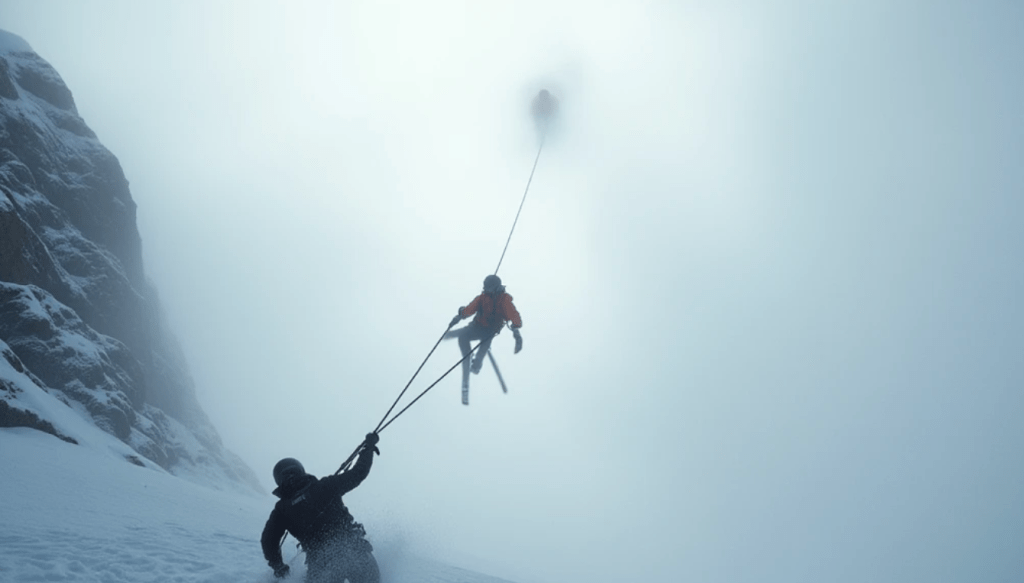
Weather up there turns on a dime. You can start in warm sunshine and be in freezing fog two hours later. I’ve seen it happen. I’ve rescued folks it’s happened to. Hypothermia can set in fast, especially when you’re wet and the wind picks up. One guy I met on the trail last year was wearing a cotton hoodie and mesh sneakers… in November. He thought it was just a “little hike.” That “little hike” could’ve cost him his toes if I hadn’t handed him dry socks and a Mylar blanket.
Preppers like me always hike with layers, a poncho, and an emergency bivvy. You should too.
2. Wild Animals: Not Your Disney Friends
We’ve got bears here, sure. Black bears mostly. But bears aren’t even the top concern if you ask me. It’s the feral hogs that’ll mess you up if you’re not watching. These suckers are smart, aggressive, and fast. I had a close call down near Cohutta Wilderness one dusk when a pack—yeah, a pack—came charging through the underbrush. You don’t outrun hogs in thick woods. You don’t reason with them either. I had to climb a pine and wait ‘em out.
Rattlesnakes too. Copperheads. Cottonmouths if you’re low enough. I wear snake gaiters every summer and carry a suction kit—not because I’m paranoid, but because I’ve seen the aftermath. One bite and you’re three hours from help, minimum. If you’re lucky, you’ll get cell service. If not? You’d better know how to improvise a splint and start hiking.
People ask me if I carry a gun. Damn right I do. Not for people. For wild things that don’t blink when they charge. Know the law, get your license, and carry responsibly.
3. Flash Floods and Deadly Streams
You’d think water is life. Out here, it can be death. Georgia gets some heavy rain, and when it comes fast, it doesn’t seep—it runs. I’ve seen creeks turn to rivers in an hour flat. Once, deep in the Tallulah Gorge area, I watched a gentle stream rise four feet while we broke camp. A couple hikers upstream tried crossing, lost their footing, and one of them almost didn’t make it.
Rule of thumb: never cross moving water above your knees. And don’t trust every “ford” on a trail map. I keep a paracord line and a compact throw bag in my pack for exactly this reason.
Also, water purification is non-negotiable. I don’t care if the spring looks crystal clear—it could be carrying giardia or cryptosporidium. Every prepper should carry a Sawyer filter or at least iodine tablets. Diarrhea in the woods is more than unpleasant—it’s dangerous.
4. Navigation Nightmares
“Just follow the trail,” people say. Yeah, until a storm knocks down blazes, or fog rolls in and you can’t see five feet in front of you. Georgia trails are notoriously rugged and sometimes poorly marked, especially in the wilderness areas where maintenance is spotty at best.
I always hike with a physical topo map and compass in addition to GPS. Electronics fail. Batteries die. Phones lose signal. The number of people who wander off the trail and end up miles in the wrong direction would shock you. Some are never found. Look up the case of Meredith Emerson, God rest her soul. She went missing on Blood Mountain. That trail isn’t a city park—it’s remote and isolated. Evil can hide in paradise.
5. People Problems: The Real Monsters
Nature can be brutal, but let’s not kid ourselves—humans can be worse. I hate to say it, but remote trails attract more than just outdoorsmen. Over the years I’ve crossed paths with some shady characters, especially when hiking solo or in the off-season.
Illegal hunters, drug runners, paranoid squatters—you name it. One time, I stumbled on what looked like an abandoned grow site way off the Benton MacKaye. Booby traps were still set up. You think you’re out there alone? Think again. I always advise hikers to let someone know your route and expected return. Better yet, carry a Garmin inReach or satellite messenger. One press of a button and you’ve got a lifeline.
6. Overconfidence Will Kill You
I’ve seen it too many times—young hikers, trail runners, or overconfident backpackers charging into Georgia’s backcountry without a clue. They underestimate the elevation gain, the terrain, and how fast the weather turns. By the time they realize they’re in trouble, it’s already too late.
It’s not about fear—it’s about respect. Respect for the land. Respect for what can go wrong. That’s what separates survivalists from statistics.
Here’s a bare-bones list every hiker should carry, no exceptions:
Fire starter (ferro rod + waterproof matches)
Water filter + backup purification tablets
Mylar emergency bivvy
Map, compass, GPS
Headlamp (with spare batteries)
Trauma kit (not just a few Band-Aids)
Knife or multitool
Extra food (calorie dense, non-perishable)
Signaling tools (whistle, mirror, flashlight)
Paracord
Pepper spray or sidearm (if trained)
10 Hiking Trail Wilderness Skills for the State of Georgia
Essential Know-How for Surviving and Thriving in the Peach State’s Backcountry
Georgia’s wilderness is stunning—lush with hardwood forests, rolling mountains, rocky outcrops, and countless miles of trails weaving through it all. But if you plan to explore trails like the Appalachian Trail, Raven Cliffs, or the Cohutta Wilderness, you need more than sturdy boots and a water bottle. Georgia’s backcountry can be as unforgiving as it is beautiful, and having the right wilderness skills could make the difference between a great hike and a dangerous situation.
Here are 10 must-have hiking trail wilderness skills every Georgia hiker should master:
1. Navigation with Map and Compass Trails in Georgia’s wilderness areas aren’t always clearly marked. Learn to read topographic maps and use a compass—without relying solely on GPS—especially in remote areas like Tray Mountain or the Cohutta backcountry.
2. Water Purification Creeks and springs are plentiful, but drinking untreated water can lead to serious illness. Carry a filtration system and chemical backup like iodine tablets.
3. Shelter Building Weather can change fast, especially in the mountains. Know how to build an emergency shelter using a tarp, paracord, or even natural materials in case you’re forced to hunker down.
4. Fire Starting Always carry waterproof matches, a lighter, and a ferro rod. Practice building fires safely, even with damp wood. Fire provides warmth, a signal, and psychological comfort.
5. First Aid Basics From snake bites to blisters, injuries can escalate quickly. Learn basic wound care, how to splint limbs, and carry a trauma-ready first aid kit.
6. Wildlife Awareness Georgia is home to black bears, rattlesnakes, feral hogs, and more. Know how to store food, react to encounters, and avoid surprising animals on the trail.
7. Weather Reading Thunderstorms can roll in fast, especially in the summer. Learn to read clouds, watch barometric pressure, and recognize lightning danger zones.
8. Route Planning and Time Management Know your pace, trail conditions, and daylight hours. Many rescues in Georgia happen because hikers misjudge how long a trail will take.
9. Leave No Trace Ethics Georgia’s natural beauty relies on responsible hikers. Know the seven Leave No Trace principles to protect the land for future generations.
10. Emergency Signaling A whistle, mirror, or flashlight can help you be found if you’re lost. Three sharp whistle blasts is the universal distress signal.
Closing Thoughts from the Trail
I love these trails. I love Georgia’s wild, unpredictable, often unforgiving terrain. But I’ve learned the hard way, and I’ve taught others so they don’t have to. Every scar I carry tells a story—and every story holds a lesson.
So the next time you lace up your boots and head toward that breathtaking ridge or secluded waterfall, remember: beauty hides danger. But if you prep like your life depends on it—because it just might—you’ll come back stronger, wiser, and with a deeper connection to the wild heart of Georgia.
Now get out there… but don’t forget your headlamp. The woods don’t care if you make it back by sundown.
























 TheDailyChristian