(PICTURED: 2025 Female Survivalist of the Year: Brooke Homestead)
Georgia Survival Gardening & Why It Matters
“Hey Georgia — Brooke here.
If you think survival gardening is extreme, wait until you see grocery shelves during a panic storm warning.”
Why Survival Gardening in Georgia Is So Important

Georgia is one of the most agriculturally capable states in the Southeast. Long growing seasons. Mild winters. Strong rainfall.
But that’s exactly why survival gardening matters here.
Here’s why someone in Georgia may need a survival garden one day:
- Hurricane Supply Disruptions – Coastal and metro supply chains can freeze during storms.
- Grid Failures & Ice Storms – North Georgia has seen outages lasting days.
- Economic Instability – Inflation affects food prices quickly.
- Urban Dependency – Large metro areas like Atlanta rely heavily on just-in-time delivery systems.
- Civil Unrest or Emergency Events – Major cities can experience disruptions that affect food access.
“If trucks stop rolling for even 72 hours,” Brooke says, “store shelves empty faster than most people think.”
A survival garden isn’t paranoia.
It’s insurance.
Brooke’s Georgia Survival Gardening Blueprint

“Georgia is generous — if you work with it.”
1. Use the Long Growing Season
Georgia’s growing season can exceed 200 days in many regions.
Plant:
- Collard greens
- Okra
- Sweet potatoes
- Field peas
- Tomatoes
- Peppers
- Corn
- Squash
You can often grow spring, summer, and fall crops without heavy season extension.
2. Manage Humidity & Pests
“Humidity invites fungus and insects.”
Use:
- Spacing for airflow
- Mulch barriers
- Companion planting (marigolds, basil)
- Neem oil treatments when necessary
Prevention beats reaction.
3. Focus on Calorie-Dense Crops
“If SHTF, Instagram tomatoes won’t cut it.”
Grow:
- Potatoes
- Dry beans
- Corn
- Sweet potatoes
- Winter squash
Calories = resilience.
4. Water Management
Georgia receives good rainfall — but summer droughts happen.
Install:
- Rain barrels
- Drip irrigation
- Soil compost systems to retain moisture
Healthy soil reduces watering needs dramatically.
Best Survival Garden Vegetables to Grow in Georgia
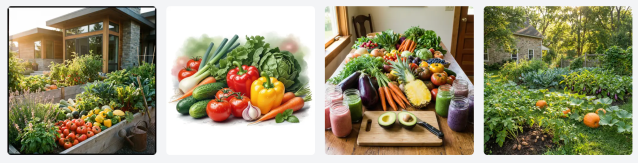
Georgia’s humid subtropical climate provides a long growing season, hot summers, and mild winters—ideal conditions for a productive survival garden. The key is choosing vegetables that tolerate heat, resist humidity-related diseases, and provide high yields.
Sweet potatoes are one of the best survival crops for Georgia. They thrive in warm soil, tolerate drought once established, and produce calorie-dense tubers that store well for months. Even the leafy greens are edible, making them a dual-purpose crop.
Okra is practically built for Georgia summers. It loves heat and humidity and continues producing when other vegetables struggle. Okra can be eaten fresh, pickled, frozen, or dehydrated.
Southern peas, including black-eyed peas and crowder peas, are dependable staples. They grow well in poor soils, fix nitrogen to improve garden fertility, and can be dried for long-term storage.
Collard greens are a cool-season powerhouse. They tolerate light frosts and provide steady harvests through fall and winter. Rich in vitamins and minerals, collards are a reliable nutritional anchor.
Pole beans and bush beans grow quickly and produce heavily. They can be eaten fresh or dried for protein-rich storage.
Winter squash, such as butternut and Seminole pumpkin, perform well in Georgia’s long summers. Properly cured, they store for months without refrigeration.
By planting in both spring and late summer for fall harvests, Georgia gardeners can maintain nearly year-round production—building a resilient and dependable survival vegetable garden.
Best Survival Garden Fruits to Grow in Georgia
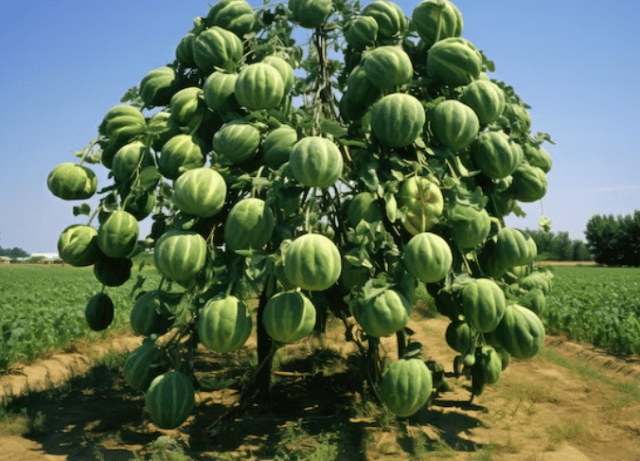
Georgia’s warm climate and long summers make it ideal for a thriving survival fruit garden. The focus should be on perennial, heat-tolerant fruits that handle humidity and provide reliable yields.
Peach trees are famously successful in Georgia’s climate. With proper care and disease management, they produce abundant summer harvests perfect for canning and preserving.
Blueberries, especially rabbiteye varieties, thrive in Georgia’s acidic soils. They are heavy producers and store well when frozen or dried.
Blackberries grow vigorously across the state and require minimal care. Thornless varieties offer easy harvesting and dependable early summer fruit.
Figs are heat-tolerant and highly productive once established. They provide sweet summer fruit that can be eaten fresh or dried for long-term storage.
Muscadine grapes, native to the Southeast, are exceptionally suited to Georgia’s humidity. They resist many fungal diseases and produce reliable harvests ideal for juice, jelly, or fresh eating.
Pears, particularly Southern-adapted varieties, tolerate heat and humidity better than many other tree fruits and provide dependable fall harvests.
For added resilience, persimmon trees—both native and Asian types—offer low-maintenance, late-season fruit production.
By building a survival orchard around hardy, humidity-resistant fruits, Georgia gardeners can create a long-term food source that produces year after year with minimal intervention.
Georgia Food Storage Strategy

“Growing is phase one. Storing is phase two.”
1. Combat Humidity
Georgia humidity destroys poorly stored food.
Use:
- Mylar bags
- Oxygen absorbers
- Airtight buckets
- Dehumidifiers in storage areas
2. Pressure Canning
Pressure can:
- Green beans
- Chicken
- Beef
- Soups
Protein storage provides long-term stability.
3. Dehydration
Georgia’s summer heat supports dehydration (use electric dehydrators for consistency).
Dry:
- Herbs
- Fruit
- Peppers
Vacuum seal for long-term storage.
Brooke’s Final Survival Gardening Tip for Residents of The Peach State

Georgia gives you the climate advantage.
If you’re not growing something here, you’re leaving resilience on the table.
A small 10×10 garden can supplement months of food.
Preparedness isn’t about fear.
It’s about freedom.