Is Hawaii’s Drinking Water Safe? Hell No, and Here’s Why You Better Be Ready!

Let me tell you something about paradise, folks. Just because you’re surrounded by white sand and turquoise water doesn’t mean you’re safe—or hydrated. You think Hawaii’s drinking water is safe just because it’s America’s 50th state? Think again. If you’re sipping from the tap thinking you’re fine, you’re already behind the survival curve. Complacency kills, and in Hawaii, where volcanic rock, outdated infrastructure, and jet fuel-contaminated aquifers are part of the equation, that tap water might as well be poison.

Let’s talk about what they don’t tell you on your fancy resort brochure.

The Red Hill Disaster: You Still Thirsty?

In 2021, the U.S. Navy leaked jet fuel into the Red Hill aquifer, which supplies Oahu’s drinking water. Thousands of people—civilians and military alike—got sick. Headaches, vomiting, skin rashes. The government called it a “mishap.” I call it a warning shot. And guess what? That aquifer’s not fully recovered. You think the islands just magically healed?

If the water system on a U.S. military base in the middle of the Pacific can get poisoned, then you’d better believe the rest of us are vulnerable. Earthquakes, tsunamis, hurricanes—they don’t knock. They bulldoze. And you want to be caught with your mouth open under a faucet like a fool?

Let’s get one thing straight: You better know how to filter your own water, or you’re screwed.


15 Water Filtration Survival Skills You Better Learn Before You Need Them
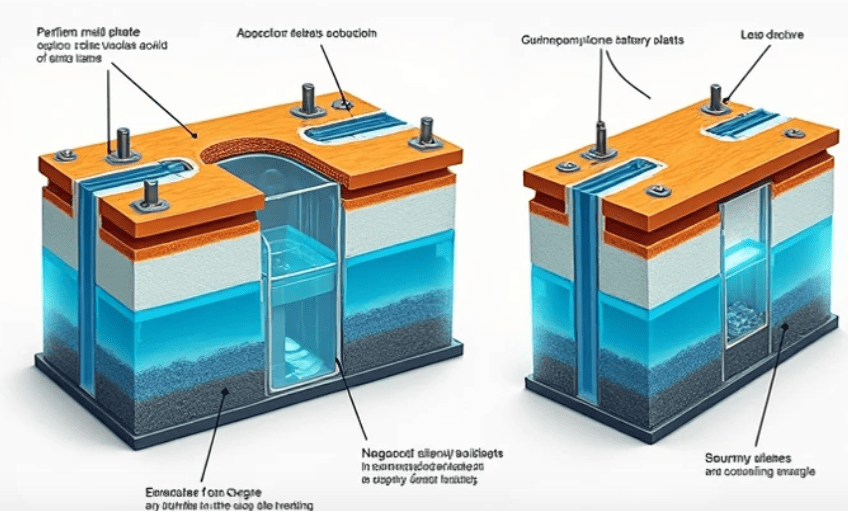
These aren’t fancy TikTok tricks. These are hard-earned survival skills. Master them, or die thirsty.

  1. Boil the Hell Out of It – At sea level, a full boil for one minute kills most pathogens. In Hawaii’s higher elevations? Make that three minutes.
  2. DIY Charcoal Filter – Crush up charcoal, layer it with sand and gravel in a bottle. Pour water through. Slower is cleaner. Every jungle survivor worth their salt knows this.
  3. Solar Still Construction – Dig a pit, put a container in the middle, cover with plastic, and weight the center. Let the sun evaporate and condense clean water. Works damn well in the tropics.
  4. UV Disinfection (SODIS) – Fill a clear PET plastic bottle with water and leave it in direct sunlight for six hours. UV rays kill most viruses and bacteria. Simple, slow, effective.
  5. Build a Bamboo Pipe Filter – Split a piece of bamboo, fill it with charcoal and sand. Tropical and effective. Locals in SE Asia have done it for centuries.
  6. Use Native Plants – Hibiscus and moringa seeds can help coagulate particulates in murky water. Strain, then boil. Nature’s water treatment.
  7. Rain Catchment System – Set up tarps and gutters to collect rain into clean barrels. Keep them covered. Mosquitoes and debris are no joke.
  8. Cloth Pre-Filtration – Dirty water? Filter it through a T-shirt to remove sediments before treating. Better for your filters. Less clogging. More drinking.
  9. Portable Water Filter Use (Lifestraw, Sawyer Mini) – If you don’t already have one of these in your bug-out bag, stop reading. Go buy two.
  10. Distillation Over Fire – Dirty water, saltwater, or urine can be distilled by boiling and capturing the vapor into a clean container. Only the vapor is drinkable. The rest is death.
  11. Iodine Tablet Dosing – Use these carefully. 5 drops per quart, shake, wait 30 minutes. Don’t overdose unless you like thyroid issues.
  12. Bleach Purification – 2 drops of unscented bleach per liter of water. Shake, wait 30 minutes. Cloudy? Double the dose. Taste nasty but saves lives.
  13. Sand Filter Construction – A layered system of gravel, fine sand, and charcoal can purify gallons of water. Make one near your shelter for redundancy.
  14. Heat Pasteurization Indicator (HPI) – You don’t need to boil water to make it safe—just heat it to 149°F (65°C). Use wax that melts at that temp to know when it’s safe.
  15. Multi-stage Survival Filters – Combine cloth, sand, charcoal, and UV. Redundancy is safety. Never trust one method. Use two or three if your life’s on the line.

3 DIY Survival Drinking Water Hacks – Use These or Get Used to Dehydration

Want to survive when everything goes south and FEMA’s still three islands away? Use these DIY water tricks like your life depends on it—because it does.

1. Tarp Rain Trap

String up a tarp in a V-shape between two trees, pointing the low end into a container. It’ll collect rainwater fast during Hawaii’s frequent showers. Filter with cloth, then boil. Never miss a storm—storms mean free, fresh water.

2. Banana Tree Reservoir

Banana trees store water in their stalks. Cut one down, carve out a bowl-like section, and leave it overnight. Water will pool inside. Filter and boil. Works in the humid jungle and tropical zones like Puna or Hana.

3. Condom Canteen

In a pinch, condoms hold a lot of water (up to a gallon if you double them up). Boil water, cool it, pour into the condom, tie off, and keep it in the shade. Lightweight, flexible, and absurdly useful. Don’t be squeamish. Be smart.


Final Rant: Don’t Trust the System

You think the Hawaii Department of Health is watching your back? I don’t. They downplayed the Red Hill disaster until people started puking in the streets. They issue boil-water notices after the damage is done. When your tap smells like diesel, that’s not a time for bureaucracy. That’s a time for preparedness.

You need to build water independence. Rain barrels, filters, multiple purification methods—hell, even a desalination backup if you’re on the coast. Because when disaster hits, stores go empty in hours. And water—water disappears first. Not bread. Not toilet paper. Water.


Parting Words from a Paranoid Bastard Who’s Still Alive

I don’t care if you live in Waikiki, Hilo, or on the edge of a volcano with a pet chicken named Moe. If you don’t know how to get clean water when the taps run dry, you’re just a future headline.

Learn the skills. Practice them. And for the love of everything that’s holy and hydrated, stop trusting the system to save you.

Paradise is no excuse for ignorance. Hawaii’s drinking water is only safe until it’s not.

So ask yourself, are you ready?

The Hawaiian Hiking Trails Everyone Talks About— But Few Survive

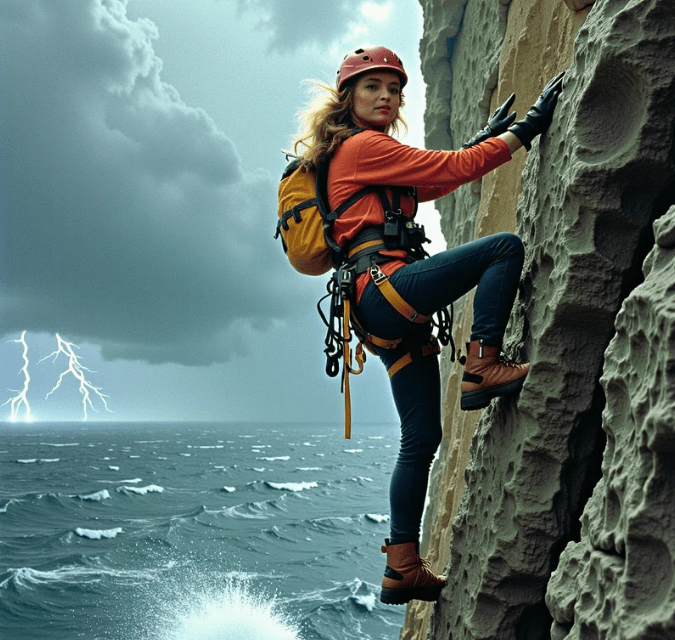
Let me start by saying this: when people think of Hawaii, they picture beaches, cocktails, and tourists waddling around in flip-flops. But me? I think of cliffs that drop off into nothing, jungle trails that vanish in the rain, and knife-edge ridgelines that’ll have your knees knocking.

Hawaii Hiking Trails: Hawaii Trails

See, Hawaii isn’t just a tropical paradise—it’s a survivalist’s dream and nightmare rolled into one. These islands don’t play by mainland rules. One wrong step out here and you’re not spraining an ankle—you’re disappearing into a ravine. You’ll hear the same names floating around in hiking circles: Kalalau, Olomana, Mauna Loa… But what most people don’t tell you is how these trails chew up the unprepared.

So, if you’re thinking of tackling Hawaii’s most infamous trails, listen up. I’m not here to sugarcoat. I’m here to lay it out—real, raw, and brutally honest. These are the Hawaiian trails everyone talks about… but few truly survive—mentally, physically, or sometimes literally.

Best Hiking Gear and Tools to Keep You Safe at All Times – Click Here


1. Kalalau Trail – Kauai’s Jungle Gauntlet

You’ve seen the photos—lush coastline, towering sea cliffs, waterfalls. But let me tell you something: the Kalalau Trail isn’t a postcard—it’s a trap for the unready.

At 11 miles one way, it might not sound like much. But the trail is narrow, often slick, and it hugs cliffs hundreds of feet above the surf. Then there’s Crawler’s Ledge—a sketchy, eroded section where one slip can launch you into the Pacific.

Flash floods are another killer here. Streams that are ankle-deep when you cross in the morning can become chest-high torrents by afternoon. People have died trying to turn back.

Survival Tips:

  • Bring real traction, not tourist sneakers. Microspikes help in muddy areas.
  • Monitor rain forecasts like your life depends on it—because it does.
  • Don’t underestimate the return trip. That’s when exhaustion hits hardest.

2. Olomana Trail (Three Peaks) – Oahu’s Deadly Skyline

Locals call it a challenge. I call it a wake-up call. The Olomana Trail takes you up and across three jagged ridgelines, with ropes, vertical drops, and wind that’ll try to knock you sideways.

The first peak gives you views and ego. The second humbles you. The third? That one’s just a dare from the mountain gods.

People have fallen here. There are memorials along the trail for a reason. Most accidents happen because folks push beyond their skill set. One slip on the crumbly ridge and it’s over.

Survival Tips:

  • Gloves for grip. These ropes are exposed to the elements and not maintained.
  • Go early—afternoon clouds roll in fast and reduce visibility to nothing.
  • Stop at Peak One if you’re unsure. No shame in knowing your limit.

3. Mauna Loa Summit Trail – Big Island’s Martian Test Zone

Ever want to hike on Mars? Head to Mauna Loa. At 13,681 feet, it’s one of the largest volcanoes on Earth, and hiking it is more mental than physical.

It’s not steep. It’s not jungly. It’s endless. Lava fields stretch forever, and trail markers are little rock cairns that disappear in bad weather. If fog rolls in—and it does often—you can lose your bearings in minutes. No water. No shade. No mercy.

The altitude gets to people too. You’ll start to feel it around 10,000 feet, and there’s no rescue team waiting nearby.

Survival Tips:

  • Hydration is king. At elevation, dehydration sneaks up fast.
  • GPS is your friend—but know how to navigate old-school in case it dies.
  • Hike with someone. If you go solo out here, you better be experienced and leave a plan.

4. Ka’au Crater Trail – Oahu’s Mud Pit of Mayhem

This one’s hidden in the back of Palolo Valley, and it’s got everything: waterfalls, ridge hiking, rope climbs, and mud that’ll swallow your boots. What starts as a scenic trail quickly becomes a slippery, technical climb along narrow paths and over roots.

Fall in the wrong spot and you’re in for a rough time—or worse. And when it rains (which it often does), this trail turns into a slick death slide.

Survival Tips:

  • Leave the white shoes at home. You’ll never see that color again.
  • Use trekking poles or gloves to help with vertical climbs.
  • Know that the crater ridge section is long and exposed—pace yourself.

5. Pu’u Manamana – Oahu’s Secret Knife Edge

Not officially sanctioned. Not recommended for beginners. But hikers whisper about it because it’s one of the most adrenaline-pumping ridges on Oahu.

We’re talking narrow as a balance beam—with drops on either side that don’t forgive mistakes. It’s technical, steep, and totally exposed. One gust of tradewind and you’re done.

There are ropes, but again—who installed them? When? Are they still secure? Don’t count on anything but your own balance and instincts.

Survival Tips:

  • If you’re not 100% confident in your ridge hiking skills, don’t do it.
  • Keep your pack light and your footing lighter.
  • Don’t go alone. And don’t go when wet.

6. Waimanu Valley via Muliwai Trail – Big Island’s Jungle Isolation

This one flies under the radar—but it’s one of the most challenging hikes in the state. Starting from the black sand beach of Waipio Valley, the trail climbs 1,200 feet straight up before taking you through 13 switchbacks, multiple stream crossings, and thick jungle.

You’ll feel like you’ve stepped into a different time. Waimanu is remote. Cell service? Forget it. If something happens out here, you’re on your own.

And the mosquitoes? Let’s just say, bring the strongest repellent you can find—or prepare to be eaten alive.

Survival Tips:

  • Take your time. This is a two-day hike, minimum.
  • Water filtration is critical. The streams are beautiful—and full of bacteria.
  • Bear bag your food—feral pigs will try to raid your stash.

10 Hiking Trail Wilderness Skills for the State of Hawaii

Hiking in Hawaii might sound like a dream—lush rainforests, volcanic ridgelines, and ocean views—but don’t be fooled. These islands are as dangerous as they are beautiful. Trails are steep, narrow, muddy, and often poorly marked. Flash floods, unstable cliffs, and sudden weather changes make wilderness skills not just useful—but essential.

Here are 10 survival-minded trail skills every hiker needs before stepping onto a Hawaiian trail:


1. Navigation Without Cell Signal

Most Hawaiian trails lack reliable cell service. Learn to read topographic maps and use a compass. Offline GPS apps like Gaia GPS or AllTrails (with downloaded maps) are helpful—but don’t rely solely on electronics.


2. Rain and Flash Flood Awareness

Know how to read the terrain for flood risk. If you’re hiking near streams or through gulches, be alert. Learn how to identify rising water and signs of upstream rainfall—because in Hawaii, flash floods can be deadly.


3. Ridge Line Safety and Rope Use

Many Hawaiian trails involve narrow, exposed ridgelines. Practice balance, foot placement, and how to test ropes for safety before trusting them. Gloves can help on steep ascents and descents with ropes.


4. Jungle Navigation Skills

Dense vegetation can hide trails. Learn how to recognize and follow overgrown paths, and how to backtrack effectively if you lose your way. Carry a whistle in case you need to signal.


5. Water Purification

Never assume stream water is safe to drink. Giardia and leptospirosis are real concerns in Hawaii. Always carry a filter or purification tablets.


6. Mud and Terrain Management

Trails can be extremely slick. Master the skill of moving through mud—side-stepping, grabbing roots for balance, and using trekking poles for stability.


7. First Aid for Tropical Hazards

Know how to treat cuts (which can get infected quickly in humidity), heat exhaustion, insect bites, and dehydration. Carry a compact, waterproof first aid kit.


8. Weather Pattern Recognition

Clouds roll in fast. Know how to spot signs of an incoming storm. Being caught in heavy rain on a ridgeline can be fatal.


9. Respect for Sacred and Restricted Areas

Understand and follow cultural boundaries. Treading where you shouldn’t can lead to real trouble—culturally, legally, and spiritually.


10. Self-Reliance and Preparedness

Never hike in Hawaii assuming rescue is easy. Carry essentials, know your route, and hike like no one’s coming for you. Because they might not.


Master these skills—and the islands just might let you walk away in one piece.

7 Survival Items to Always Take on a Hike in the State of Hawaii

Hiking in Hawaii isn’t all sunshine and waterfalls—it’s slippery ridgelines, sudden rainstorms, and remote terrain that doesn’t forgive mistakes. Whether you’re trekking through dense jungle or scaling volcanic ridges, you need to come prepared. These 7 survival essentials could mean the difference between a beautiful adventure and a life-threatening situation.


1. Water Filtration or Purification System

Hawaii’s heat and humidity will dehydrate you fast, and while streams are common, they aren’t always safe to drink from. Leptospirosis, a bacterial disease found in Hawaiian freshwater, is a serious threat. Always carry a compact water filter or chemical tablets to treat any water you collect.


2. Fully Charged Phone with Offline GPS

Cell service is unreliable on most Hawaiian trails. Download offline maps using Gaia GPS, AllTrails, or OnX Hunt before you head out. A fully charged phone—with a backup battery or power bank—is your lifeline for navigation and emergency calls if you reach a signal.


3. Lightweight Rain Gear

In Hawaii, it can go from sunny to storming in under 10 minutes. A compact, waterproof rain jacket or poncho is essential, especially at higher elevations or on ridgelines. Getting soaked can lead to hypothermia, even in a tropical climate.


4. Headlamp or Flashlight with Extra Batteries

Trails can take longer than expected, and Hawaii’s dense forests get dark fast. A headlamp keeps your hands free and helps you find your way out if night falls. Don’t rely on your phone’s flashlight—it’ll drain your battery in minutes.


5. First Aid Kit

Scrapes and blisters are common on muddy, uneven trails. Pack a small first aid kit with bandages, antiseptic wipes, tweezers (for thorns or centipedes), and antihistamines for allergic reactions. In Hawaii’s jungle environment, even minor cuts can become infected quickly.


6. Emergency Whistle or Signal Device

Many Hawaiian trails are isolated. A whistle or signal mirror can help rescuers find you if you get lost or injured. Three short blasts is the universal distress signal.


7. High-Energy Snacks

Bring more food than you think you’ll need. Energy bars, nuts, jerky—calorie-dense fuel is critical on long or unexpected hikes, especially in the heat and humidity.


In Hawaii’s wilderness, nature calls the shots—pack like your life depends on it.

Hawaii Hiking Is No Joke

People come to Hawaii expecting easy trails and ocean views. But the truth is, these islands are wild. They’re alive. The terrain changes with every rainfall, and nature doesn’t care if you’re here for Instagram or enlightenment.

This isn’t the mainland. This is survival hiking.

Every step can be slick, every trail deceptive. You don’t have the luxury of ignoring gear lists or skipping preparation. One bad choice and you might not make it back down.

So if you’re planning to hike in Hawaii—really hike, not just meander to a waterfall with a coconut drink in hand—treat the land with respect. Gear up. Know your limits. Train for it. And remember:

You don’t conquer these trails. You survive them.

Survival Camping in Hawaii: 30 Locations You Can’t Miss

Survival Preppers and Hawaii Camping: A Match Made in Paradise

Living in Hawaii offers a unique challenge for survival preppers. The beauty of these islands is undeniable, but as preppers, we know that beauty often masks the need for serious preparation. Whether you’re gearing up for a bug-out situation, seeking to improve your wilderness survival skills, or simply looking for a peaceful yet practical location to hone your craft, Hawaii has some of the best survival camping spots on the planet.

In this guide, I’m going to share 30 of the best campsites in Hawaii that are not only breathtakingly beautiful but also give you the perfect environment for testing and refining your survival skills. From remote jungle campsites to coastal hideaways, these locations will push your limits and prepare you for any survival scenario in Hawaii’s tropical wilderness.

Why Hawaii is Perfect for Preppers

Hawaii is home to diverse ecosystems, ranging from lush rainforests and volcanic terrains to arid deserts and towering mountains. The state’s isolated nature also makes it a great place for preppers who want to practice homesteading and long-term survival strategies without the interference of city life. However, you need to know where to go to test your skills effectively.

You’ll find both government-managed campsites and privately owned areas, each offering its own set of challenges. Whether you’re hiking into the backcountry to test your skills in food gathering, water purification, or shelter-building, Hawaii’s unique environments provide plenty of opportunities to practice and become self-sufficient.

30 Best Camping Sites for Survival Preppers in Hawaii

  1. Koke’e State Park (Kauai)
    With its high elevation and dense forest, this park is ideal for testing your wilderness survival abilities. You’ll find plenty of hiking trails that lead into the heart of the island’s rugged terrain.
  2. Napali Coast State Park (Kauai)
    A remote and challenging spot to reach, the Napali Coast offers towering sea cliffs, hidden beaches, and a wilderness experience like no other. If you’re looking to practice coastal survival skills, this is the place.
  3. Polipoli Spring State Recreation Area (Maui)
    Located in the slopes of Haleakalā, this spot offers cool temperatures and thick forests perfect for shelter-building, navigation, and even foraging.
  4. Waiʻānapanapa State Park (Maui)
    Known for its black sand beach, this site offers a range of coastal survival challenges. The rocky shorelines and dramatic sea cliffs will put your resourcefulness to the test.
  5. Haleakalā National Park (Maui)
    A vast, diverse landscape from volcanic craters to lush valleys makes this park perfect for those wanting to experience diverse survival scenarios. A great place for learning fire-starting techniques and shelter building.
  6. Na Ala Hele Trail System (Big Island)
    This extensive network of trails offers access to a variety of terrains, from dense rainforests to dry lava flows. It’s the perfect place to work on navigation and endurance.
  7. Hilo Forest Reserve (Big Island)
    If you want to practice your foraging and shelter-building skills, the Hilo Forest Reserve provides the lush, tropical environment for all sorts of survival tasks.
  8. Kailua Beach (Oahu)
    Ideal for practicing beach and coastal survival techniques, you can learn to catch fish, forage for food, and build shelters in this relatively accessible area.
  9. Diamond Head State Monument (Oahu)
    While it’s a popular tourist spot, the backcountry surrounding the Diamond Head crater provides a range of survival training opportunities, including navigation, shelter, and foraging.
  10. Pipiwai Trail (Maui)
    Located within the Haleakalā National Park, the Pipiwai Trail takes you through rainforests and bamboo groves, offering diverse challenges for any prepper.
  11. Kīlauea Iki Trail (Big Island)
    This volcanic trail offers both challenges and rewards as you practice wilderness survival in a unique volcanic landscape.
  12. Makua Valley (Oahu)
    Isolated and remote, this valley offers a chance to work on your self-sufficiency skills, with rugged terrain and little outside assistance.
  13. Manini’owali Beach (Kona, Big Island)
    A quiet and beautiful beach perfect for practicing coastal survival, with opportunities for fishing and building beach shelters.
  14. Makapu’u Point (Oahu)
    The coastline around Makapu’u provides a tough, rocky environment ideal for coastal survival. The area also has a variety of wildlife, great for learning about tracking.
  15. Pololu Valley (Big Island)
    Known for its breathtaking views, Pololu Valley is perfect for preppers wanting to test their skills in dense vegetation and rocky, challenging terrains.
  16. Kohala Forest Reserve (Big Island)
    With its challenging slopes and diverse ecosystem, this reserve provides a great spot for testing your ability to navigate, forage, and create shelter.
  17. Camp Olowalu (Maui)
    This campsite is located right by the beach and offers a peaceful, practical environment for practicing beachside survival techniques.
  18. Kalalau Valley (Kauai)
    Remote and stunning, Kalalau Valley is a hiking challenge and offers opportunities for practicing wilderness survival in an isolated tropical environment.
  19. Waimea Canyon State Park (Kauai)
    Known as the “Grand Canyon of the Pacific,” Waimea Canyon is perfect for testing your survival skills in a rugged, isolated environment.
  20. Kaʻena Point State Park (Oahu)
    A remote, coastal wilderness area where you can practice survival skills in isolation, focusing on water collection, shelter building, and food foraging.
  21. Mauna Loa (Big Island)
    For those looking to practice in a volcanic environment, Mauna Loa offers a unique and challenging terrain.
  22. Polipoli State Park (Maui)
    Located in the cooler highlands, this spot provides ample opportunities for testing your cold-weather survival strategies in a Hawaiian setting.
  23. Waimanu Valley (Big Island)
    This remote spot can only be accessed by foot or boat, offering an isolated area to practice foraging, shelter building, and survival tactics.
  24. Kona Coast (Big Island)
    A great spot for coastal preppers looking to test their ability to survive in a more arid, rocky environment.
  25. Hawai’i Volcanoes National Park (Big Island)
    Famous for its volcanic activity, this park offers unique challenges for any prepper—especially in learning to work with volcanic environments.
  26. Kahua Ranch (Big Island)
    A secluded ranch where you can practice homesteading and survival skills, such as animal husbandry and sustainable living.
  27. Kauai Backcountry Adventures (Kauai)
    If you’re looking to practice more extreme survival techniques, this company offers guided tours of Kauai’s rugged and remote backcountry.
  28. Makaha Beach (Oahu)
    Known for its seclusion, Makaha is perfect for practicing water purification and coastal survival techniques in a challenging environment.
  29. Kona Coffee Trail (Big Island)
    While walking this trail, you’ll learn about traditional coffee farming and how to forage, along with how to create a sustainable living in Hawaii’s wilderness.
  30. Waipio Valley (Big Island)
    Known for its steep cliffs and rugged beauty, Waipio Valley is perfect for honing your navigation, water collection, and shelter-building techniques.

Preparing for the Ultimate Survival Test in Hawaii

Each of these campsites offers unique challenges that will test your mental and physical limits as a prepper. The best thing about survival camping in Hawaii is the diversity of environments available. You can go from the coast to the jungle and even the highlands, all in a single day’s journey.

If you’re preparing for long-term survival or simply want to explore the island’s wildest, most isolated places, each of these campsites offers the chance to develop crucial skills—whether it’s fire building, water purification, food sourcing, or shelter construction.

Being a survival prepper in Hawaii is more than just enjoying the beauty of the islands—it’s about adapting to the natural environment and becoming self-sufficient, no matter what comes your way.

How Hawaii Residents Prepare for the State’s Worst Natural Disasters

Living in Hawaii is paradise, but it’s also a place where nature can turn unpredictable in the blink of an eye. As beautiful as the islands are, the state’s unique geography and weather patterns make it prone to several types of natural disasters. From hurricanes and earthquakes to tsunamis and volcanic eruptions, Hawaii’s residents have learned the hard way how to be ready for the worst. If you’re living in Hawaii—or planning to move there—you need to know how to prepare yourself, your family, and your home for the unpredictable nature of island living. Here’s how survival preppers in Hawaii gear up for the island’s worst disasters and some tips that might just save your life.

CLICK HERE TO LEARN HOW TO SURVIVE A FAMINE

1. Hurricane Season: It’s a Reality

The first and most obvious threat that Hawaii faces every year is hurricane season. From June to November, the islands are vulnerable to tropical storms that can quickly escalate into full-blown hurricanes. In 1992, Hurricane Iniki showed just how devastating a hurricane can be to the islands. The storm destroyed homes, downed power lines, and left thousands without electricity for weeks. Many residents still remember how critical preparation was during that storm.

Being ready for hurricanes is about more than just having an emergency kit. It involves knowing evacuation routes, securing your home, and having a family communication plan in place.

Tip 1: Emergency Kit: Stock up on essential supplies like food, water, flashlights, batteries, a first-aid kit, and essential medications. Keep these supplies in waterproof containers, as flooding is a common consequence of storms.

Tip 2: Know Your Evacuation Routes: Make sure you know the evacuation routes and have a plan for where to go if your area is at risk. Don’t wait until the last minute to figure this out—hurricane warnings can come with little notice.

Tip 3: Fortify Your Home: If you live in a hurricane-prone area, consider installing hurricane shutters, securing outdoor furniture, and reinforcing your roof and windows. Wind damage is one of the most common forms of destruction during a hurricane.

2. Earthquakes: The Silent Threat

Hawaii is also at risk for earthquakes. The islands are situated on the Pacific “Ring of Fire,” where tectonic activity is common. In 2006, a magnitude 6.7 earthquake hit the Big Island, causing damage to buildings, power outages, and landslides. Earthquakes are unpredictable, but knowing how to protect yourself during a quake can make a difference.

Tip 4: Drop, Cover, and Hold On: If you feel the ground shaking, drop to the ground, cover your head and neck, and hold onto something sturdy. This simple action could save your life.

Tip 5: Secure Heavy Items: Ensure that heavy furniture, appliances, and décor are securely anchored to walls. During an earthquake, these items can become dangerous projectiles.

Tip 6: Have an Earthquake Plan: Identify safe areas in your home (under a sturdy table or against an interior wall) and make sure your family knows what to do when the shaking starts. Have a communication plan in place to reunite if you get separated.

3. Tsunamis: The Wall of Water

Hawaii is surrounded by the Pacific Ocean, and while the ocean is often calm and beautiful, it can also be deadly. Tsunamis are a rare but serious threat. Triggered by undersea earthquakes or volcanic eruptions, tsunamis can bring waves up to 100 feet or more, devastating coastal areas in a matter of minutes. The 1960 Chilean earthquake generated a tsunami that hit Hawaii, killing over 60 people.

Tip 7: Know the Tsunami Warning Signs: A sudden, noticeable drop in water levels, followed by an unusual rise in water, is a classic sign that a tsunami is coming. If you notice this happening, evacuate to higher ground immediately.

Tip 8: Tsunami Evacuation Routes: Ensure that your family is aware of the nearest tsunami evacuation routes and has a plan to get there quickly. Tsunamis can hit fast, so you need to be prepared to move quickly to higher ground.

Tip 9: Tsunami Preparedness Kit: Pack a special emergency kit with essentials for a tsunami evacuation. Include sturdy shoes, extra clothing, a flashlight, and a portable phone charger, as well as important documents in a waterproof bag.

4. Volcanic Eruptions: Living Near Fire

Hawaii is home to the most active volcanoes in the world, and residents of the Big Island live with the constant threat of lava flows, ash clouds, and gas emissions. In 2018, the eruption of Kilauea caused widespread damage, with entire neighborhoods being destroyed by lava flows. While lava can be slow-moving, it is unstoppable once it begins, and the ash that erupts from volcanoes can travel hundreds of miles, disrupting air travel and causing breathing problems.

Tip 10: Know Your Lava Zone: Hawaii Volcanoes National Park has a detailed map of lava zones, which helps residents know whether they are in a high-risk area. If you live near an active volcano, you should regularly monitor lava flow maps and have a plan in place in case you need to evacuate.

Tip 11: Prepare for Ash Fall: Keep an emergency kit that includes masks to protect against volcanic ash inhalation, goggles, and a shovel for clearing ash from your property. Ash can damage lungs, machines, and crops, so it’s crucial to take it seriously.

5. Flooding and Landslides: Heavy Rains Can Bring Chaos

Although Hawaii’s terrain is beautiful, it also means that when heavy rains come, the potential for landslides and flooding increases. Flash floods are especially common during the rainy season. Whether you live in a coastal area or inland, flooding can cause major damage.

Tip 12: Flood Insurance: If you live in an area prone to flooding, consider investing in flood insurance. Standard homeowners’ insurance may not cover flood damage, so it’s important to have the right protection.

Tip 13: Elevation Is Key: If possible, try to live in a home situated on higher ground. If you already live in a flood-prone area, elevate your important possessions above potential flood levels.

Tip 14: Create a Flood Plan: Know the nearest evacuation routes, and always have a plan in place for your family to follow if flooding becomes a risk.

Hawaii-Specific Prepper Tips

  • Stay Informed: Sign up for local alerts and warnings. Hawaii has systems in place to notify residents of earthquakes, tsunamis, and other threats.
  • Practice Regular Drills: In Hawaii, it’s crucial to run family drills for various types of disasters. Whether it’s a tsunami, hurricane, or volcanic eruption, knowing exactly what to do can save time—and lives.
  • Keep Emergency Cash: After a natural disaster, ATMs and banks may be down. Keep a stash of emergency cash in small denominations, as this can be critical during times when access to funds is limited.
  • Wildlife Preparedness: Hawaii is home to unique wildlife, including invasive species like rats that can damage crops. Have traps or repellents on hand to protect your food supply.
  • Consider Off-Grid Power Solutions: Power outages during hurricanes, earthquakes, and volcanic eruptions can last for days. Solar power systems or backup generators can provide a reliable energy source when the grid is down.