

Brooke: The 2025 Female Survival Prepper of the Year
There are survivalists… and then there is Brooke.
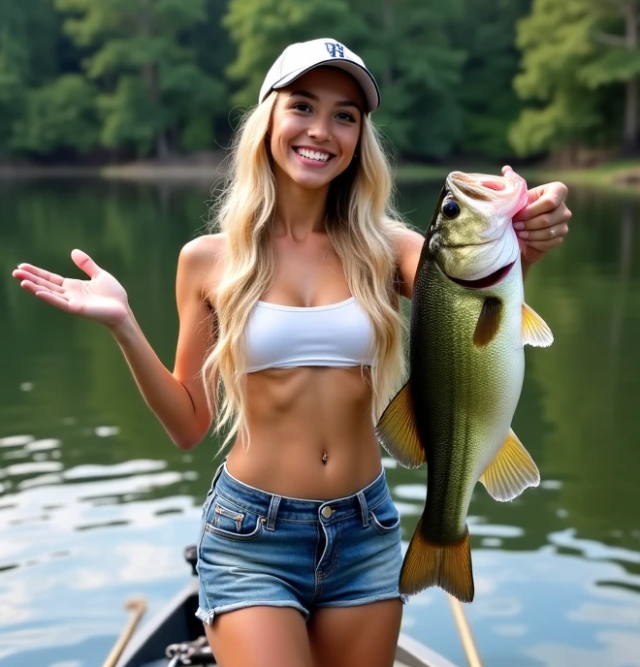
At just 26 years old, she has already accomplished what many spend a lifetime trying to build. Crowned the 2025 Female Survival Prepper of the Year, Brooke represents the rare balance of grit and grace, strategy and spirit. She lives on her homestead in Montana, where the winters are fierce, the land is honest, and only the prepared thrive. And thrive she does.
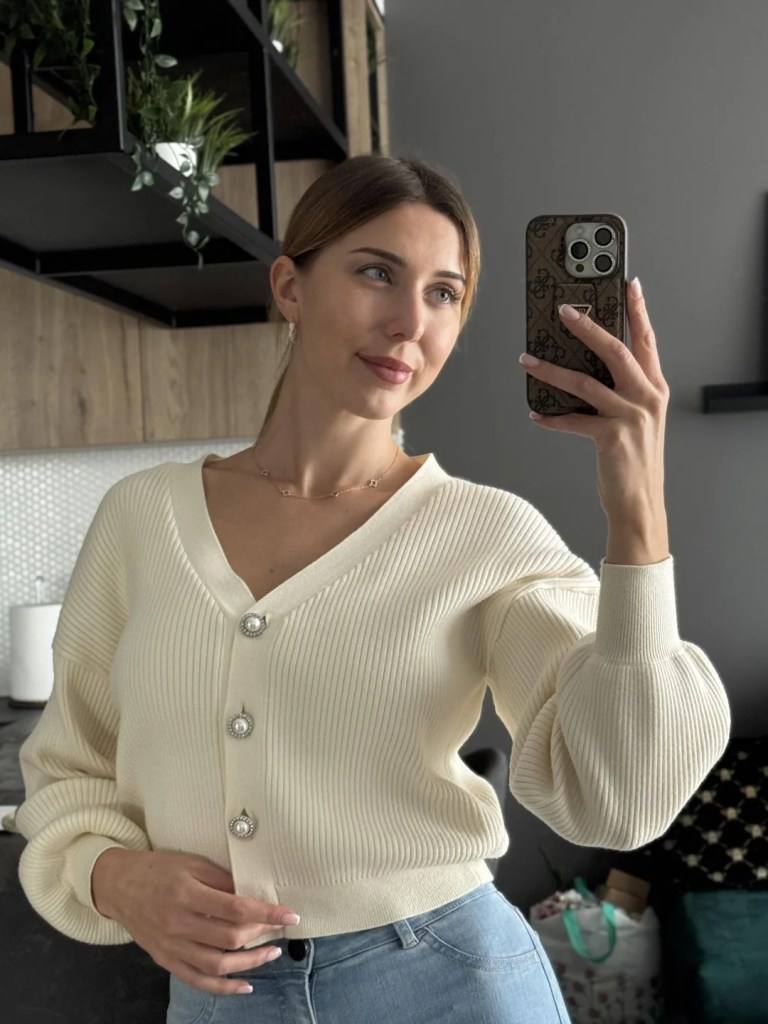
I have met many preppers in my years of living off-grid and studying self-reliance. I’ve seen impressive stockpiles, well-fortified cabins, and gardens that could feed a family for months. But Brooke is different. She doesn’t just prepare for survival — she embodies it. And she does so with a professionalism and calm strength that commands respect.
A Homestead Built on Vision and Discipline
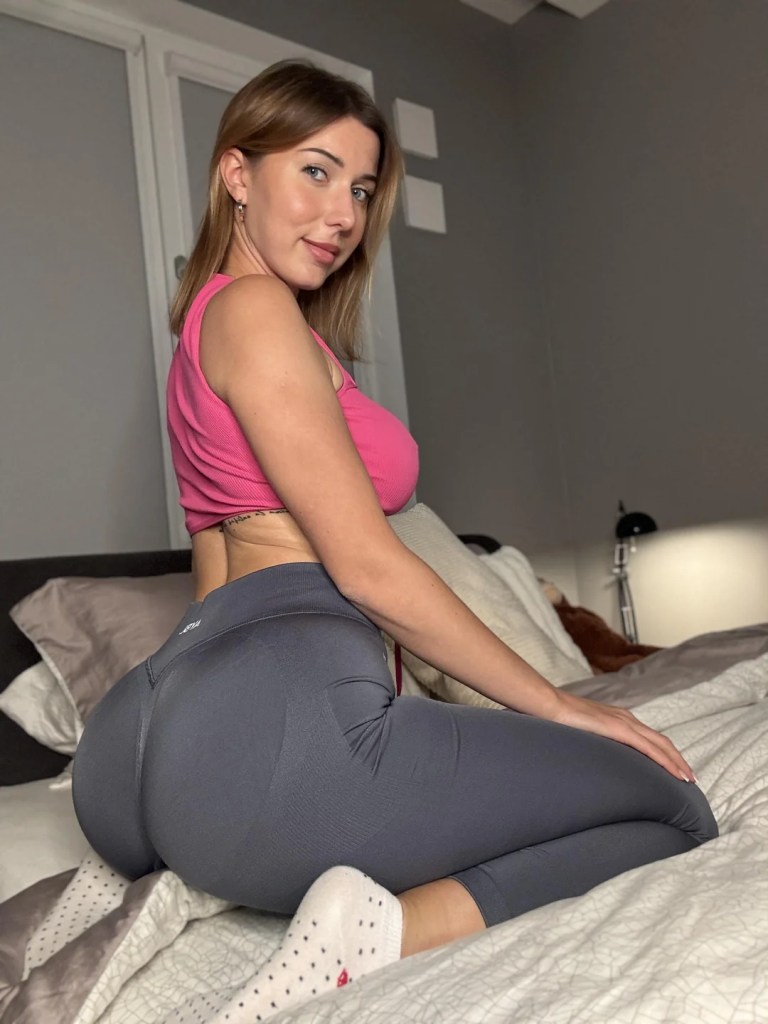
Brooke’s homestead is not accidental. It is engineered with intention.
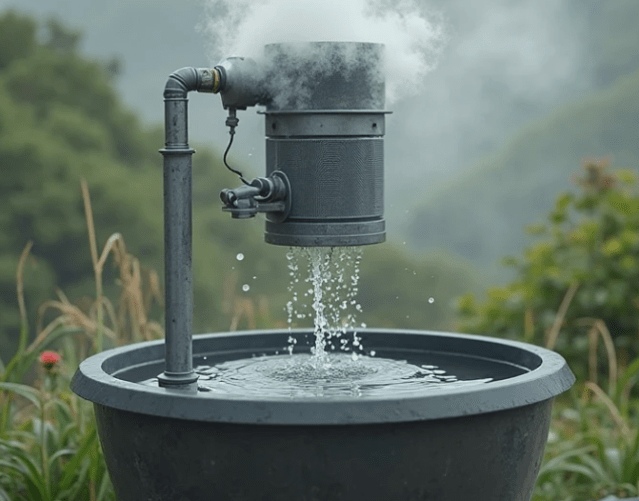
From the moment you step onto her land, you can see systems at work. Water catchment barrels are positioned with precision. Solar panels are angled for maximum year-round efficiency. Firewood is stacked not just for winter, but for multi-season planning. Every structure, every tool, every raised bed has a purpose.
Her layout reflects true preparedness:
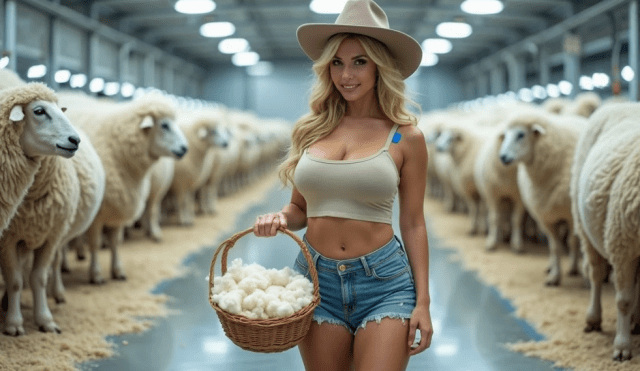
- Rotational grazing areas for small livestock
- Wind-protected garden corridors
- A root cellar built below frost depth
- Backup power redundancy
- Perimeter awareness without paranoia
She plans three seasons ahead at all times. When most people are harvesting tomatoes, she’s already preparing her cold frames for frost-tolerant crops. When others are stocking up for winter, she’s evaluating next year’s soil health.
That is what separates hobbyists from professionals.
The Perfect Survival Garden

If you ask Brooke what her greatest asset is, she won’t point to her solar system or her food storage shelves. She will walk you straight to her garden.
And what a garden it is.
Her survival garden isn’t decorative — it’s strategic. It’s designed for calorie density, nutrient diversity, and long-term resilience. She grows:
- Heirloom potatoes for dependable calories
- Dry beans and lentils for protein
- Winter squash that store for months
- Brassicas for cold resistance
- Medicinal herbs like echinacea, calendula, and yarrow
- Perennial berries for low-maintenance yields
What impresses me most is her layered approach. Annuals are interplanted with perennials. Companion planting reduces pests without chemicals. She saves seeds meticulously, labeling by season and yield performance.
Brooke practices soil regeneration as seriously as she practices yoga. She composts in phases, integrates chicken manure responsibly, and plants cover crops to protect and nourish the land. Her soil is alive — dark, rich, and resilient.
Many preppers focus only on stockpiling. Brooke focuses on production.
That is true survival.
Tiny Houses for the Prepared
Perhaps one of the most remarkable aspects of Brooke’s work is her craft in building tiny houses for fellow survivalists.
These are not trendy Instagram cabins. They are functional, efficient, and designed for durability.
Each structure she builds emphasizes:
- Passive solar heating
- Compact wood stove integration
- Insulated water systems
- Space-saving storage
- Off-grid electrical compatibility
- Rainwater harvesting setups
She studies wind direction before positioning a structure. She understands thermal mass. She builds with sustainability in mind, using reclaimed lumber when possible and reinforcing framing for long-term weather resistance.
I’ve walked through one of her completed tiny homes. The layout was so intelligently designed that 300 square feet felt like a fortress of self-sufficiency. Every inch had a purpose. Nothing was wasted.
What moves me is not just her craftsmanship — it’s her heart. She builds these homes to help others escape dependency. She empowers families to step into preparedness with confidence.
Brooke doesn’t compete with other survivalists. She elevates them.
The Yoga Teacher Who Trains for Crisis

Now here’s where Brooke becomes something truly rare.
She is also a certified yoga teacher.
Some might see that as contradictory — survivalism and yoga. I see it as genius.
Preparedness is not only about tools and food. It’s about the body and mind. Brooke trains flexibility, endurance, breath control, and stress resilience. In a crisis, panic kills. Calm thinking saves lives.
Her daily discipline includes:
- Sunrise mobility practice
- Breathwork for nervous system regulation
- Cold exposure training
- Functional strength training
- Meditation for mental clarity
She teaches local classes, but she also integrates survival scenarios into her philosophy. She reminds her students that the strongest prepper is not just physically capable, but mentally unshakable.
In a grid-down scenario, mobility matters. Injury prevention matters. Mental stability matters.
Brooke trains for all of it.
And she does it with quiet humility.
Leadership at 26
What astonishes many is her age.
At 26, she has already mastered land management, construction, agricultural planning, and community leadership. But she carries herself with professional composure far beyond her years.
She tracks data. She keeps detailed harvest logs. She evaluates seed viability percentages. She measures energy consumption and adjusts seasonally.
Her systems are not emotional guesses. They are calculated decisions.
And yet, she never loses her warmth.
When neighbors need help reinforcing a shed roof before winter, she’s there. When a fellow prepper struggles with soil acidity, she brings testing kits and guidance. When someone new to the lifestyle feels overwhelmed, she reassures them that preparedness is built step by step.
She leads without ego.
Why She Deserves “Female Survival Prepper of the Year”

Awards in the prepper world should not be about popularity. They should be about competence, contribution, and character.
Brooke embodies all three.
- She produces more food than she consumes.
- She builds structures that enhance others’ independence.
- She maintains physical and mental readiness.
- She strengthens her local preparedness network.
- She demonstrates sustainability rather than fear-driven hoarding.
In a culture that often misunderstands survivalists, Brooke represents the best of us.
She is not driven by paranoia.
She is driven by responsibility.
She does not preach collapse.
She prepares for possibility.
She doesn’t chase attention.
She cultivates excellence.
The Future of Preparedness Is Strong — and Graceful
Watching Brooke work her land at sunrise is something I will never forget. There is intention in every movement. She kneels in the soil like someone who understands it is both provider and teacher. She measures twice before cutting lumber. She studies weather patterns like a scientist.
But what makes her truly remarkable is that she never forgets why she does this.
Freedom.
Resilience.
Service.
Brooke is not simply surviving in Montana. She is building a model for modern preparedness — one that blends traditional homesteading skills with physical wellness and community support.
If the future of survivalism looks like her — disciplined, regenerative, strong, and compassionate — then we are in capable hands.
And as someone who has spent years in this lifestyle, I say this with complete professional certainty:
Brooke has earned her title.
The 2025 Female Survival Prepper of the Year is not just a headline.
It is a testament to what is possible when preparation meets purpose.


 TheDailyChristian