Core Survival Pillars: The Complete Preparedness Blueprint for Modern Emergencies

Brooke Homestead’s Core Survival Pillars: The Essential Preparedness Guide for When Things Go Wrong

Brooke Homestead often tells her audience that preparedness isn’t about fear — it’s about responsibility.

Modern life is incredibly convenient, but it is also fragile. Supply chains stretch across the globe, power grids connect millions of homes, and digital systems control everything from banking to communication. When those systems fail — even temporarily — the consequences can arrive quickly.

As Brooke often says:

“Preparedness isn’t about expecting the worst every day. It’s about building the kind of life where your family is safe even when things go wrong.”

Through years of sharing preparedness knowledge, Brooke has broken survival planning down into core pillars — essential categories every household should address before worrying about advanced gear or extreme scenarios.

These pillars cover basic survival needs, essential gear, practical skills, and realistic emergency planning.

Below is Brooke Homestead’s framework for core survival preparedness.


1. Core Survival Pillars (The Essentials)

Every preparedness plan begins with the most fundamental human needs.

Without these basics, even the most advanced survival gear becomes useless.

Water

Water is the single most important survival resource. Humans can survive weeks without food but only a few days without water.

Brooke recommends storing at least one gallon of water per person per day as a baseline. This includes both drinking and minimal hygiene needs.

For longer emergencies, households should have multiple water solutions, including:

  • Stored water containers or barrels
  • Water purification tablets
  • Portable filters such as Sawyer-style filters or straw filters
  • Knowledge of nearby water sources like rivers, lakes, or wells

Water purification is critical because untreated water can contain bacteria, parasites, and other contaminants.

Simple methods like boiling, filtering, or chemical treatment can make many water sources safe to drink.

Brooke emphasizes redundancy.

“Never rely on just one water source. Storage, filtration, and purification together create real security.”


Food Storage

Food security is another core pillar of preparedness.

Most households rely on grocery stores that carry only a few days’ worth of inventory. When supply chains break down — whether from storms, strikes, or panic buying — shelves can empty quickly.

Brooke recommends building a 3-month to 1-year food supply gradually over time.

A well-balanced emergency pantry often includes:

  • Rice
  • Beans
  • Lentils
  • Pasta
  • Oats
  • Canned vegetables
  • Canned meats
  • Shelf-stable soups

Many preppers also store freeze-dried meals, which can last 20–30 years when properly sealed.

Beyond stockpiling food, Brooke encourages learning food preservation techniques, including:

  • Canning
  • Dehydrating
  • Fermenting
  • Vacuum sealing

These skills allow families to extend food supplies and reduce dependence on external systems.


First Aid & Hygiene

Medical care becomes much harder to access during major disasters. Hospitals may be overwhelmed, transportation may be limited, and pharmacies could run out of essential medications.

For this reason, Brooke encourages building comprehensive medical kits that go beyond basic bandages.

Prepared households often include:

  • Trauma bandages
  • Gauze and compression wraps
  • Antiseptics
  • Pain relievers
  • Allergy medications
  • Tourniquets
  • Medical gloves
  • Thermometers

Prescription medications are also important. Many preparedness experts recommend keeping extra medication supplies whenever legally possible.

Hygiene is equally critical.

When sanitation systems break down, disease can spread rapidly. Emergency hygiene supplies may include:

  • Portable toilet bags
  • Soap and disinfectant
  • Hand sanitizer
  • Wet wipes
  • Waterless hygiene products

Cleanliness can prevent many illnesses that become dangerous during emergencies.


Shelter & Warmth
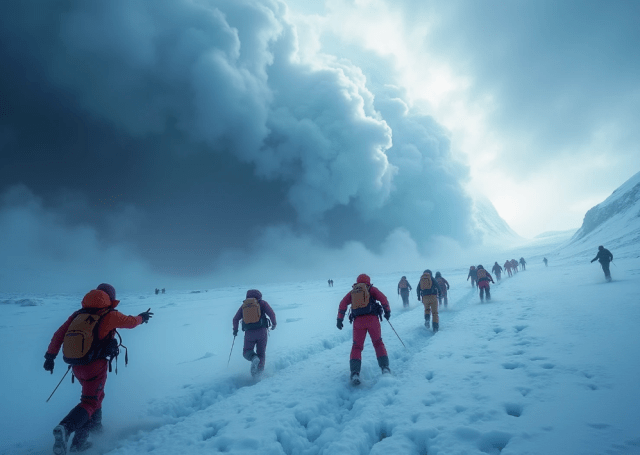
Protection from the elements is another survival priority.

Even mild weather can become dangerous without proper shelter, especially during extended outages or evacuations.

Essential shelter equipment includes:

  • Tents
  • Sleeping bags
  • Tarps
  • Emergency blankets
  • Ground pads

Fire-starting tools are also crucial. Brooke recommends carrying multiple fire-starting methods, including:

  • Ferro rods
  • Stormproof matches
  • Lighters

Fire provides warmth, light, cooking capability, and morale during difficult situations.


2. Gear & Infrastructure

Once the core survival needs are addressed, the next layer of preparedness focuses on mobility, communication, and infrastructure.


Bug-Out Bags (BOB)
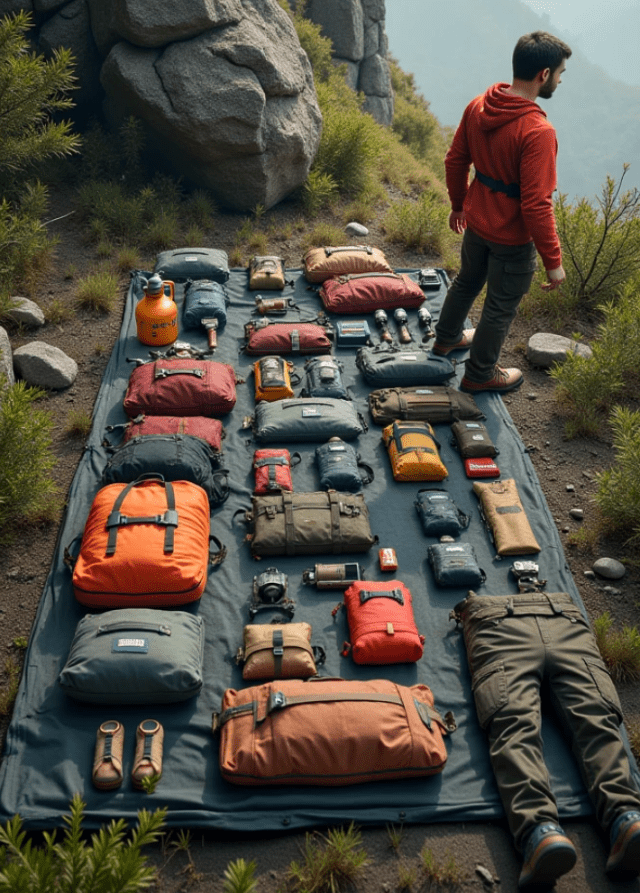
A bug-out bag is a portable emergency kit designed to sustain a person for 72 hours during evacuation.

These bags typically contain:

  • Food and water
  • First aid supplies
  • Flashlights
  • Fire-starting tools
  • Extra clothing
  • Emergency shelter

Every family member should ideally have their own bag prepared in advance.


Everyday Carry (EDC)

Everyday Carry refers to small, practical tools people keep with them daily.

Common EDC items include:

  • Pocket knives
  • Flashlights
  • Multi-tools
  • Lighters
  • Compact first aid supplies

While small, these tools can solve many problems during emergencies.


Power & Light

Electricity powers nearly every part of modern life.

Prepared households often keep backup lighting and power options such as:

  • Solar generators
  • Flashlights
  • Lanterns
  • Spare batteries
  • Candles

Solar charging systems are increasingly popular because they allow renewable power generation during long outages.


Communication

Communication becomes vital during disasters.

Cell networks can fail, making alternative systems important.

Emergency communication tools include:

  • NOAA weather radios
  • HAM radios
  • Two-way radios
  • Satellite messengers

These systems allow people to receive updates and communicate when traditional networks fail.


Security

Emergencies can sometimes create unstable environments.

Prepared households focus on situational awareness and practical home security measures.

This may include:

  • Reinforced doors and locks
  • Outdoor lighting
  • Neighborhood cooperation
  • Personal safety planning

The goal is not confrontation but awareness and protection.


3. Skills & Knowledge
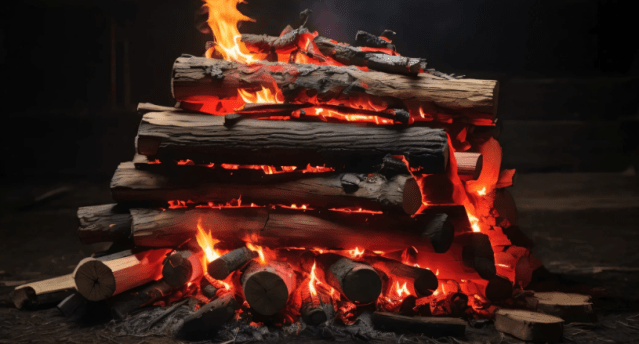
Gear alone does not create preparedness.

Brooke frequently reminds her audience that skills outweigh equipment.


Survival Skills
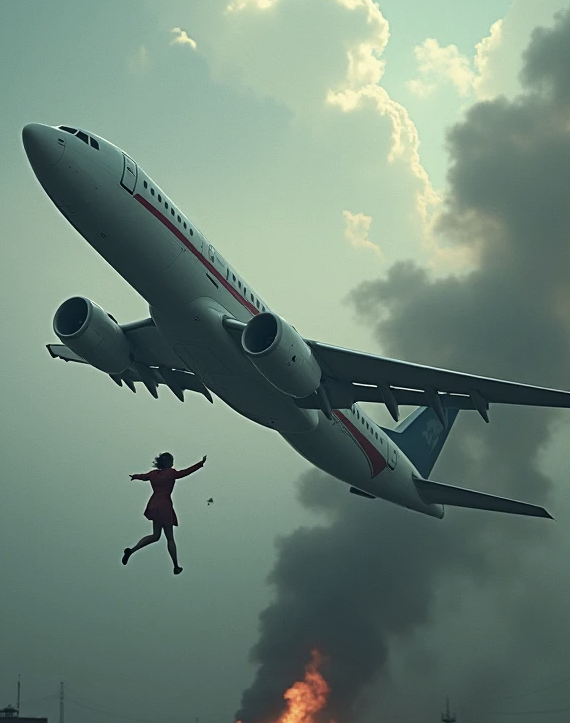
Basic survival skills can dramatically improve resilience.

Important skills include:

  • Fire-starting
  • Knot-tying
  • Navigation with map and compass
  • Foraging for edible plants

These abilities allow people to function even if equipment is lost or unavailable.


Medical Training

Medical knowledge is especially valuable when professional help is delayed.

Useful training includes:

  • CPR certification
  • Tourniquet application
  • Basic trauma care
  • Wound treatment

Many communities offer emergency medical training classes that can build life-saving skills.


Urban Survival

Preparedness isn’t only for wilderness environments.

Urban areas present their own unique challenges.

Urban survival knowledge may include:

  • Using silcock keys to access exterior water valves
  • Navigating city lockdowns
  • Growing food through urban gardening

Cities contain many hidden resources for those who know where to look.


4. Common Emergency Scenarios
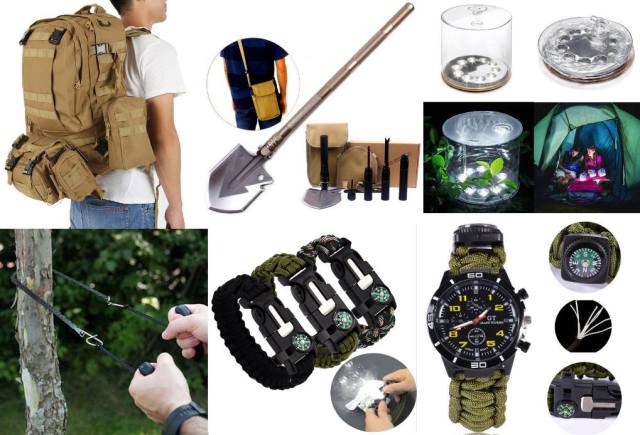
Preparedness planning should focus on realistic events, not just extreme possibilities.

Brooke encourages people to start with the disasters most likely to occur in their region.

Common emergencies include:

Natural Disasters

Events like earthquakes, hurricanes, floods, and wildfires can disrupt communities for weeks.

These disasters often cause:

  • Power outages
  • Road closures
  • Water contamination
  • Supply shortages

Prepared households can remain safe and self-sufficient during recovery periods.


Power Outages and Grid Failures

Large power outages have become increasingly common.

A grid failure can affect:

  • Water systems
  • refrigeration
  • communication networks
  • fuel pumps

Backup lighting, food storage, and alternative power sources help families manage extended outages.


Economic Disruptions

Economic instability can also disrupt supply chains.

Shortages, inflation, and transportation issues can affect food and fuel availability.

Prepared households with stocked pantries and emergency supplies experience far less stress during these events.


5. Specialized Prepping Areas

Once the basic pillars are in place, many preparedness enthusiasts explore additional areas of resilience.


Financial Preparedness

Digital payment systems depend on electricity and internet access.

During outages or cyber disruptions, cash becomes essential.

Brooke recommends keeping small bills stored safely for emergencies.


Emergency Cooking

If power or gas systems fail, cooking becomes difficult.

Prepared households often keep backup cooking options such as:

  • Coleman camping stoves
  • Solar ovens
  • Rocket stoves

These tools allow food preparation even during extended outages.


Vehicle Preparedness

Vehicles can become vital during evacuations.

Many preppers keep a “Get Home Bag” in their car containing:

  • Water
  • Snacks
  • Flashlights
  • First aid supplies
  • Navigation tools

This kit helps people return home safely if transportation systems fail.


DIY Emergency Repairs

Small infrastructure problems can become major issues during disasters.

Basic repair skills can solve many emergencies.

Useful supplies include:

  • Plumber’s epoxy for pipe leaks
  • Specialized repair tapes
  • Multi-tools
  • Spare hardware

Quick fixes can prevent serious damage to homes and vehicles.


Final Thoughts

Brooke Homestead’s preparedness philosophy focuses on layered resilience.

Instead of obsessing over worst-case scenarios, she encourages people to gradually build systems that support their families through disruptions.

Her core survival pillars emphasize:

  • Water
  • Food
  • Medical readiness
  • Shelter
  • Skills
  • Practical tools

As Brooke often reminds her audience:

“Preparedness isn’t about predicting the future. It’s about building the ability to handle whatever the future brings.”

By focusing on these core survival pillars, families can build confidence, security, and peace of mind — no matter what challenges come their way.


Featured

From Yoga Mat to Homestead Mastery: Meet Brooke, the 2025 Female Survival Prepper of the Year

Brooke: The 2025 Female Survival Prepper of the Year

There are survivalists… and then there is Brooke.

At just 26 years old, she has already accomplished what many spend a lifetime trying to build. Crowned the 2025 Female Survival Prepper of the Year, Brooke represents the rare balance of grit and grace, strategy and spirit. She lives on her homestead in Montana, where the winters are fierce, the land is honest, and only the prepared thrive. And thrive she does.

I have met many preppers in my years of living off-grid and studying self-reliance. I’ve seen impressive stockpiles, well-fortified cabins, and gardens that could feed a family for months. But Brooke is different. She doesn’t just prepare for survival — she embodies it. And she does so with a professionalism and calm strength that commands respect.

A Homestead Built on Vision and Discipline

Brooke’s homestead is not accidental. It is engineered with intention.

From the moment you step onto her land, you can see systems at work. Water catchment barrels are positioned with precision. Solar panels are angled for maximum year-round efficiency. Firewood is stacked not just for winter, but for multi-season planning. Every structure, every tool, every raised bed has a purpose.

Her layout reflects true preparedness:

  • Rotational grazing areas for small livestock
  • Wind-protected garden corridors
  • A root cellar built below frost depth
  • Backup power redundancy
  • Perimeter awareness without paranoia

She plans three seasons ahead at all times. When most people are harvesting tomatoes, she’s already preparing her cold frames for frost-tolerant crops. When others are stocking up for winter, she’s evaluating next year’s soil health.

That is what separates hobbyists from professionals.

The Perfect Survival Garden

If you ask Brooke what her greatest asset is, she won’t point to her solar system or her food storage shelves. She will walk you straight to her garden.

And what a garden it is.

Her survival garden isn’t decorative — it’s strategic. It’s designed for calorie density, nutrient diversity, and long-term resilience. She grows:

  • Heirloom potatoes for dependable calories
  • Dry beans and lentils for protein
  • Winter squash that store for months
  • Brassicas for cold resistance
  • Medicinal herbs like echinacea, calendula, and yarrow
  • Perennial berries for low-maintenance yields

What impresses me most is her layered approach. Annuals are interplanted with perennials. Companion planting reduces pests without chemicals. She saves seeds meticulously, labeling by season and yield performance.

Brooke practices soil regeneration as seriously as she practices yoga. She composts in phases, integrates chicken manure responsibly, and plants cover crops to protect and nourish the land. Her soil is alive — dark, rich, and resilient.

Many preppers focus only on stockpiling. Brooke focuses on production.

That is true survival.

Tiny Houses for the Prepared

Perhaps one of the most remarkable aspects of Brooke’s work is her craft in building tiny houses for fellow survivalists.

These are not trendy Instagram cabins. They are functional, efficient, and designed for durability.

Each structure she builds emphasizes:

  • Passive solar heating
  • Compact wood stove integration
  • Insulated water systems
  • Space-saving storage
  • Off-grid electrical compatibility
  • Rainwater harvesting setups

She studies wind direction before positioning a structure. She understands thermal mass. She builds with sustainability in mind, using reclaimed lumber when possible and reinforcing framing for long-term weather resistance.

I’ve walked through one of her completed tiny homes. The layout was so intelligently designed that 300 square feet felt like a fortress of self-sufficiency. Every inch had a purpose. Nothing was wasted.

What moves me is not just her craftsmanship — it’s her heart. She builds these homes to help others escape dependency. She empowers families to step into preparedness with confidence.

Brooke doesn’t compete with other survivalists. She elevates them.

The Yoga Teacher Who Trains for Crisis

Now here’s where Brooke becomes something truly rare.

She is also a certified yoga teacher.

Some might see that as contradictory — survivalism and yoga. I see it as genius.

Preparedness is not only about tools and food. It’s about the body and mind. Brooke trains flexibility, endurance, breath control, and stress resilience. In a crisis, panic kills. Calm thinking saves lives.

Her daily discipline includes:

  • Sunrise mobility practice
  • Breathwork for nervous system regulation
  • Cold exposure training
  • Functional strength training
  • Meditation for mental clarity

She teaches local classes, but she also integrates survival scenarios into her philosophy. She reminds her students that the strongest prepper is not just physically capable, but mentally unshakable.

In a grid-down scenario, mobility matters. Injury prevention matters. Mental stability matters.

Brooke trains for all of it.

And she does it with quiet humility.

Leadership at 26

What astonishes many is her age.

At 26, she has already mastered land management, construction, agricultural planning, and community leadership. But she carries herself with professional composure far beyond her years.

She tracks data. She keeps detailed harvest logs. She evaluates seed viability percentages. She measures energy consumption and adjusts seasonally.

Her systems are not emotional guesses. They are calculated decisions.

And yet, she never loses her warmth.

When neighbors need help reinforcing a shed roof before winter, she’s there. When a fellow prepper struggles with soil acidity, she brings testing kits and guidance. When someone new to the lifestyle feels overwhelmed, she reassures them that preparedness is built step by step.

She leads without ego.

Why She Deserves “Female Survival Prepper of the Year”

Awards in the prepper world should not be about popularity. They should be about competence, contribution, and character.

Brooke embodies all three.

  • She produces more food than she consumes.
  • She builds structures that enhance others’ independence.
  • She maintains physical and mental readiness.
  • She strengthens her local preparedness network.
  • She demonstrates sustainability rather than fear-driven hoarding.

In a culture that often misunderstands survivalists, Brooke represents the best of us.

She is not driven by paranoia.
She is driven by responsibility.

She does not preach collapse.
She prepares for possibility.

She doesn’t chase attention.
She cultivates excellence.

The Future of Preparedness Is Strong — and Graceful

Watching Brooke work her land at sunrise is something I will never forget. There is intention in every movement. She kneels in the soil like someone who understands it is both provider and teacher. She measures twice before cutting lumber. She studies weather patterns like a scientist.

But what makes her truly remarkable is that she never forgets why she does this.

Freedom.

Resilience.

Service.

Brooke is not simply surviving in Montana. She is building a model for modern preparedness — one that blends traditional homesteading skills with physical wellness and community support.

If the future of survivalism looks like her — disciplined, regenerative, strong, and compassionate — then we are in capable hands.

And as someone who has spent years in this lifestyle, I say this with complete professional certainty:

Brooke has earned her title.

The 2025 Female Survival Prepper of the Year is not just a headline.

It is a testament to what is possible when preparation meets purpose.

The Last Frontier Doesn’t Kill By Accident – Top Ways People Die in Alaska

I’ve spent my life studying how people die—not because I enjoy it, but because knowing how people die is how you learn how to stay alive.

As a survivalist, I prepare for worst-case scenarios.
As a private investigator, I follow patterns.
And Alaska? Alaska leaves patterns everywhere.

Here’s the truth most travel brochures won’t tell you: Alaska doesn’t forgive mistakes.
It doesn’t care how tough you think you are.
It doesn’t care how expensive your gear is.
And it certainly doesn’t care what state you came from.

People don’t die in Alaska because they’re unlucky.
They die because they misunderstand where they are.

This article breaks down the Top 10 ways people most commonly die in Alaska, excluding old age, cancer, and disease. These are preventable deaths, the kind that show up again and again in accident reports, missing person files, Coast Guard logs, and coroner summaries.

I’ll explain:

  • Why people die this way
  • The warning signs they ignored
  • What you must do differently if you want to survive

This isn’t fear porn.
This is preparation.


1. Exposure to Extreme Cold (Hypothermia & Frostbite Deaths)

Why People Die This Way in Alaska

Hypothermia is Alaska’s silent hitman.

Most people think hypothermia only happens in blizzards. That’s false. I’ve reviewed cases where people died in temperatures just above freezing, with no snow, wearing jeans and a hoodie.

Hypothermia kills because:

  • Cold drains energy faster than the body can replace it
  • Wet clothing accelerates heat loss
  • Wind strips heat invisibly
  • People underestimate how fast judgment collapses

Once hypothermia starts, your brain lies to you. You feel tired instead of alarmed. Calm instead of scared. People sit down “for a minute” and never get up again.

Common Fatal Mistakes

  • Dressing for comfort, not survival
  • Ignoring wind chill
  • Sweating during activity and not changing layers
  • Believing “I’m only going a short distance”

How to Survive Cold Exposure in Alaska

A private investigator survives by never trusting assumptions. Do the same.

Survival Rules:

  • Dress in layers: moisture-wicking base, insulation, windproof shell
  • Never allow cotton against skin
  • Carry dry backup clothing—even on short trips
  • Stop sweating before it starts
  • If wet, treat it as an emergency

Cold Truth:
In Alaska, cold isn’t weather.
It’s a predator.


2. Drowning (Rivers, Lakes, Ocean, and Ice Breakthroughs)

Why Drowning Is So Common in Alaska

Alaska has more water than roads, and that water is lethal year-round.

Cold water shock incapacitates even strong swimmers in seconds. I’ve reviewed multiple cases where victims drowned within 30 seconds of entry.

Ice doesn’t break politely.
Rivers don’t flow predictably.
The ocean doesn’t wait.

Common Fatal Mistakes

  • No life jacket
  • Assuming swimming skill matters in cold water
  • Standing on “safe-looking” ice
  • Falling into rivers during fishing or hunting

How to Survive Alaska’s Waters

Survival Rules:

  • Wear a flotation device anytime you’re near water
  • Treat ice as guilty until proven safe
  • Learn cold-water self-rescue techniques
  • Carry ice picks in winter
  • Never fish or travel alone near water

Investigator Insight:
Every drowning victim thought they had one more second.


3. Plane Crashes (Bush Planes & Small Aircraft)

Why Alaska Leads the Nation in Aviation Deaths

In Alaska, airplanes are pickup trucks with wings.

Bush planes fly low, land rough, and operate in brutal conditions. Weather changes faster than forecasts can keep up, and terrain doesn’t forgive miscalculations.

Common Fatal Mistakes

  • Flying in marginal weather
  • Overloading aircraft
  • Pressure to “make the trip anyway”
  • Trusting schedules over conditions

How to Survive Bush Plane Travel

Survival Rules:

  • Fly with experienced pilots only
  • Never pressure a pilot to fly
  • Carry survival gear even on short flights
  • Dress for walking out, not sitting comfortably

Detective Rule:
If the pilot hesitates, you cancel. Pride kills faster than gravity.


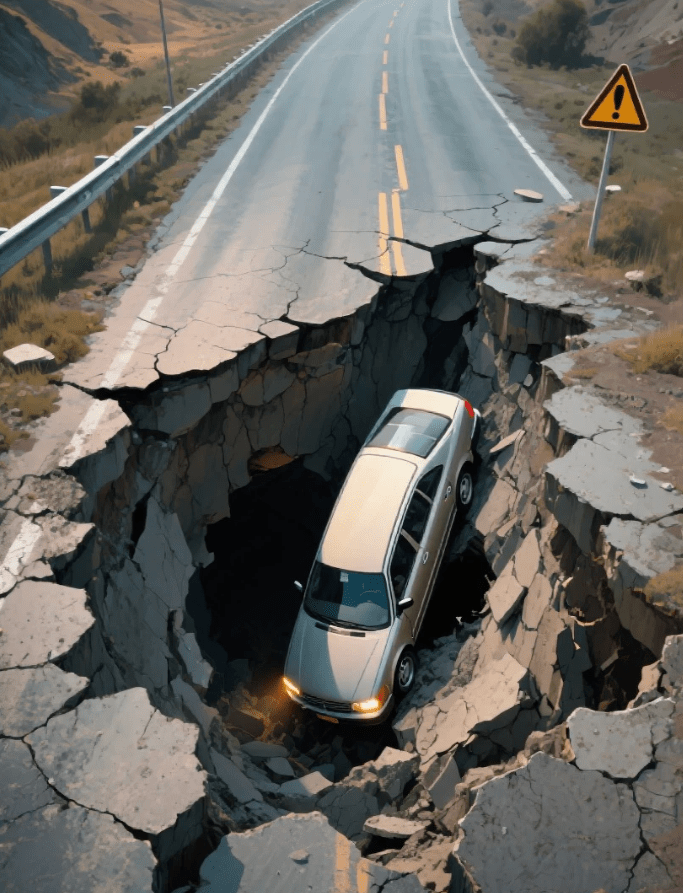
4. Vehicle Accidents (Highways, Ice Roads, Remote Trails)

Why Driving Kills in Alaska

Alaska’s roads are deceptive. Long stretches lull drivers into overconfidence. Ice, wildlife, fatigue, and isolation combine into a perfect trap.

Common Fatal Mistakes

  • Speeding on icy roads
  • Not carrying emergency supplies
  • Driving tired or intoxicated
  • Swerving for animals

How to Survive Alaska Roads

Survival Rules:

  • Carry winter survival kits in vehicles
  • Slow down—always
  • Never swerve for wildlife
  • Treat breakdowns as survival situations

PI Pattern Recognition:
Most fatal crashes happen when drivers think nothing will happen.


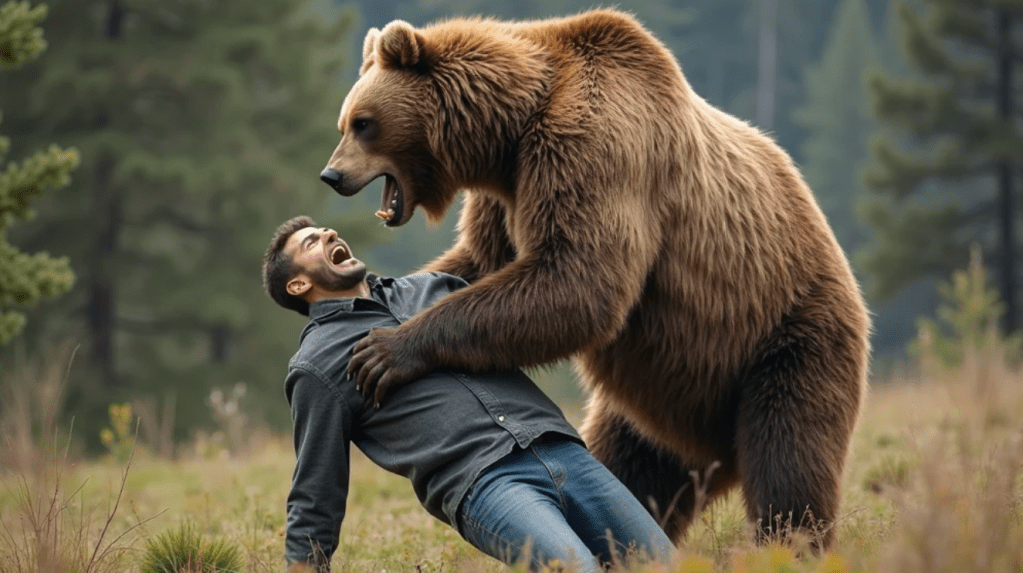
5. Wildlife Attacks (Bears, Moose, Wolves)

Why Wildlife Encounters Turn Deadly

Animals don’t attack randomly. People place themselves where attacks become inevitable.

Moose kill more Alaskans than bears. Bears kill when surprised. Wolves rarely attack, but when they do, it’s because warning signs were ignored.

Common Fatal Mistakes

  • Approaching wildlife
  • Poor food storage
  • Ignoring animal behavior cues
  • No bear deterrents

How to Survive Wildlife Encounters

Survival Rules:

  • Carry bear spray, not bravado
  • Make noise in dense areas
  • Secure food properly
  • Learn animal behavior signals

Investigator Truth:
Every attack scene shows signs of escalation that went ignored.


6. Falling (Cliffs, Ice, Mountains, Rooftops)

Why Falls Are So Deadly

Ice turns gravity into a weapon. Mountains remove margin for error. Many fatal falls occur during “routine” tasks.

Common Fatal Mistakes

  • Underestimating ice
  • No traction gear
  • Working alone
  • Taking shortcuts

How to Prevent Fatal Falls

Survival Rules:

  • Use traction devices
  • Rope up in exposed terrain
  • Avoid edges in poor conditions
  • Assume surfaces are slippery

7. Snowmachine (Snowmobile) Accidents

Why Snowmachines Kill

Speed plus terrain plus weather equals sudden death. Machines go places humans shouldn’t, and confidence rises faster than skill.

Common Fatal Mistakes

  • Excessive speed
  • Alcohol use
  • Thin ice crossings
  • Night riding

How to Survive Snowmachine Travel

Survival Rules:

  • Wear helmets
  • Scout terrain
  • Avoid alcohol completely
  • Carry emergency gear

8. Firearms Accidents (Hunting & Handling)

Why Accidental Shootings Happen

Complacency. That’s the root cause.

Common Fatal Mistakes

  • Poor muzzle discipline
  • Loaded firearms in vehicles
  • Improper storage
  • Rushed shots

How to Stay Alive Around Firearms

Survival Rules:

  • Treat every firearm as loaded
  • Maintain strict muzzle control
  • Store weapons safely
  • Train constantly

9. Avalanche Deaths

Why Avalanches Kill Experienced People

Experience breeds confidence. Confidence breeds risk.

Common Fatal Mistakes

  • Ignoring avalanche forecasts
  • No rescue gear
  • Traveling alone
  • Poor terrain choices

How to Survive Avalanche Terrain

Survival Rules:

  • Carry beacon, shovel, probe
  • Travel one at a time
  • Study snowpack conditions
  • Avoid high-risk slopes

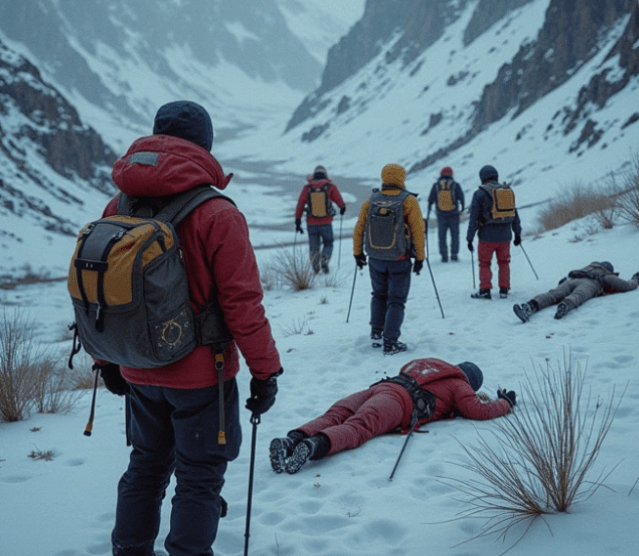
10. Getting Lost and Dying While “Almost Found”

Why This Is the Most Tragic Death

People die within miles of safety because they panic, move without a plan, or refuse to stop.

Common Fatal Mistakes

  • No navigation tools
  • Leaving known positions
  • Not signaling
  • Overestimating endurance

How to Survive Being Lost

Survival Rules:

  • Stop moving
  • Signal early
  • Stay visible
  • Conserve energy

Investigator’s Final Lesson:
Most lost victims weren’t lost long—they just made the wrong decisions early.


Alaska Rewards Respect, Not Confidence

Alaska doesn’t care who you are.
It only cares what you do.

Every fatality I’ve studied shared one thing in common: the victim believed they were the exception.

Survival isn’t about toughness.
It’s about preparation, humility, and pattern recognition.

Stay alive by learning from the dead—without joining them.

The Top 10 Ways Kentuckians Die Too Young—and How to Beat Every One of Them

Kentucky is a beautiful, resource-rich state with deep traditions, strong communities, and a resilient people. But it is also a state where avoidable deaths happen every single day—not from old age, but from environmental hazards, lifestyle risks, infrastructure weaknesses, and human behavior.

As a professional survivalist and preparedness educator, I’ll tell you this plainly:

Most people who die prematurely in Kentucky did not have to die.

They weren’t killed by freak accidents or unstoppable forces of nature. They died because they were unprepared, uninformed, or overconfident. Survival is not about paranoia—it’s about education, planning, and disciplined habits.

This article breaks down the top 10 non–old-age causes of death in Kentucky, explains why they happen, and—most importantly—details what you must do to survive them.

This isn’t fear-mongering.
This is reality-based preparedness.


1. Heart Disease and Sudden Cardiac Events

Why People Die From It in Kentucky

Heart disease is the single largest killer in Kentucky, even among people who are not elderly. The state consistently ranks near the top nationally for:

  • Obesity
  • Smoking
  • High blood pressure
  • Poor diet
  • Low physical activity

Many Kentuckians live in rural areas where medical response times are longer, and heart attacks often occur at home, at work, or while driving—not in hospitals.

The most dangerous factor?

People ignore early warning signs.

Chest tightness, fatigue, shortness of breath, jaw pain, arm pain—these are brushed off until it’s too late.

How to Survive It

Survival from heart disease is not complicated—but it requires discipline.

Survival Actions:

  • Quit smoking completely (no “cutting back”)
  • Maintain a survival-ready body: strength, stamina, and flexibility
  • Control blood pressure and cholesterol through testing—not guesswork
  • Keep aspirin and emergency contact plans accessible
  • Learn CPR and insist your household does too
  • Never ignore chest pain—ever

A prepper’s body is a tool. If your heart fails, nothing else you own matters.


2. Drug Overdoses (Prescription & Illicit)

Why People Die From It in Kentucky

Kentucky has been hit hard by the opioid epidemic. Overdose deaths come from:

  • Prescription painkillers
  • Fentanyl-laced street drugs
  • Mixing opioids with alcohol or benzodiazepines
  • Lack of overdose awareness

Many overdoses happen alone, meaning no one is present to help.

How to Survive It

Preparedness here means harm reduction and situational awareness.

Survival Actions:

  • Avoid illicit drugs entirely—this is survival, not moral judgment
  • If prescribed opioids, follow dosage exactly
  • Never mix opioids with alcohol
  • Keep Naloxone (Narcan) in your home and vehicle
  • Learn overdose signs: slowed breathing, blue lips, unconsciousness
  • Call emergency services immediately—do not hesitate

A true prepper understands that addiction is a survival threat, not a character flaw.


3. Motor Vehicle Accidents

Why People Die From It in Kentucky

Kentucky’s rural roads, narrow highways, and winding terrain create dangerous driving conditions. Fatal crashes often involve:

  • Speeding
  • Impaired driving
  • Distracted driving
  • No seatbelt use
  • Poor road lighting
  • Wildlife collisions

Rural crashes are especially deadly due to delayed medical response.

How to Survive It

Vehicles are survival tools—or coffins.

Survival Actions:

  • Always wear a seatbelt
  • Drive defensively, not emotionally
  • Avoid driving fatigued
  • Slow down on back roads and in bad weather
  • Keep emergency gear in your vehicle:
    • First aid kit
    • Tourniquet
    • Flashlight
    • Water
    • Blanket
  • Watch for deer—especially dawn and dusk

Prepared drivers live longer. Reckless ones become statistics.


4. Firearms Accidents and Violence

Why People Die From It in Kentucky

Firearms are common in Kentucky households, which increases both responsibility and risk. Deaths occur from:

  • Improper storage
  • Accidental discharges
  • Domestic disputes
  • Suicide
  • Lack of firearms training

The most dangerous belief?

“I’ve been around guns my whole life—I don’t need training.”

How to Survive It

Firearm ownership demands professional-level discipline.

Survival Actions:

  • Store firearms locked and unloaded when not in use
  • Keep ammunition stored separately
  • Use trigger discipline at all times
  • Never mix firearms and alcohol
  • Seek firearms training regularly
  • Address mental health struggles early and seriously

A prepared person treats firearms as tools of last resort, not toys.


5. Suicide

Why People Die From It in Kentucky

Suicide is one of the most tragic—and preventable—causes of death. Contributing factors include:

  • Economic stress
  • Social isolation
  • Chronic pain
  • Substance abuse
  • Untreated mental illness
  • Access to lethal means

Rural isolation makes help harder to reach.

How to Survive It

Preparedness includes mental resilience.

Survival Actions:

  • Build strong social connections
  • Talk openly about mental health
  • Secure firearms during emotional crises
  • Seek professional help early
  • Know crisis resources and hotlines
  • Check on your neighbors—especially the quiet ones

Survival is not weakness. Asking for help is preparedness.


6. Falls and Traumatic Injuries

Why People Die From It in Kentucky

Falls are not just an elderly problem. Fatal falls happen from:

  • Ladders
  • Roofs
  • Construction work
  • Farming equipment
  • Alcohol use

Head injuries and internal bleeding are often underestimated.

How to Survive It

Preparedness means respecting gravity.

Survival Actions:

  • Use safety equipment: harnesses, helmets
  • Avoid working alone at heights
  • Stay sober during physical labor
  • Learn first aid for head injuries
  • Seek medical care after significant falls

A ladder can kill faster than a storm if you’re careless.


7. Workplace and Farm Accidents

Why People Die From It in Kentucky

Agriculture, mining, logging, and manufacturing are dangerous fields. Fatal accidents involve:

  • Heavy machinery
  • Lack of safety training
  • Fatigue
  • Equipment failure

Many incidents happen because someone “cut a corner.”

How to Survive It

Survival favors patience.

Survival Actions:

  • Follow lock-out/tag-out procedures
  • Wear proper PPE
  • Take breaks
  • Inspect equipment regularly
  • Never rush heavy equipment tasks

No job is worth your life.


8. House Fires and Carbon Monoxide Poisoning

Why People Die From It in Kentucky

House fires kill quickly due to:

  • Lack of smoke detectors
  • Faulty wiring
  • Space heaters
  • Cooking fires
  • Carbon monoxide buildup

Many victims never wake up.

How to Survive It

Prepared homes save lives.

Survival Actions:

  • Install smoke and CO detectors on every level
  • Test alarms monthly
  • Have fire extinguishers accessible
  • Create and practice escape plans
  • Never run generators indoors

Fire does not forgive mistakes.


9. Severe Weather Events

Why People Die From It in Kentucky

Kentucky experiences:

  • Tornadoes
  • Flooding
  • Ice storms
  • Heat waves

Deaths often occur because people wait too long to act.

How to Survive It

Weather survival requires early action.

Survival Actions:

  • Monitor weather alerts
  • Have shelter plans for tornadoes
  • Avoid floodwaters—never drive through them
  • Keep emergency supplies stocked
  • Prepare for power outages

Nature always wins. Preparation lets you endure.


10. Infectious Diseases and Preventable Illness

Why People Die From It in Kentucky

Preventable diseases still kill due to:

  • Delayed treatment
  • Poor hygiene
  • Chronic illness
  • Vaccine hesitancy
  • Overloaded healthcare systems

How to Survive It

Preparedness is proactive health.

Survival Actions:

  • Maintain basic hygiene
  • Treat wounds immediately
  • Keep medical supplies stocked
  • Stay informed during outbreaks
  • Seek early treatment

Survival favors those who act early—not those who wait.


Final Thoughts: Preparedness Is a Lifestyle

Every cause of death listed here shares one truth:

Prepared people survive longer.

Survival is not about hoarding gear—it’s about:

  • Knowledge
  • Discipline
  • Awareness
  • Responsibility

If you live in Kentucky, you live in a state that rewards self-reliance. Learn the risks. Respect them. Prepare accordingly.

Because survival isn’t luck.

It’s a choice.

The Deadliest Insects in Minnesota Are Waiting To Bite Anything That Comes Near Them!

I’ve spent decades preparing for worst-case scenarios. I’m not talking about weekend camping mishaps or mild power outages. I’m talking about SHTF, grid-down, no-hospital, no-pharmacy, end-of-time situations where your survival depends entirely on what you know and what you prepared ahead of time.

When most people think of deadly threats in Minnesota, they think of winter storms, hypothermia, or starvation. What they don’t think about—until it’s too late—are insects.

And that’s a fatal mistake.

In a functioning society, a bug bite is an inconvenience. In a collapsed one, the wrong insect can kill you in days—or hours. Minnesota is home to several insects and insect-borne threats that can end your life through venom, infection, disease, allergic reaction, or secondary complications.

The Most Dangerous Insects in the State of Minnesota That Can Easily End Your Life — And What You Can Do to Survive

This article exists for one reason: to keep you alive when modern medicine is no longer an option.

Let’s break down the most dangerous insects in Minnesota and exactly how you survive them.


1. Minnesota’s Silent Mass Killers are also Annoying

If the world ends in Minnesota, it won’t be dramatic. It’ll be quiet. Feverish. Delirious.

It’ll come from mosquitoes.

Minnesota consistently ranks among the worst mosquito states in the nation, and these insects are not just annoying—they are efficient disease delivery systems.

Deadly Diseases Spread by Minnesota Mosquitoes

  • West Nile Virus
  • Eastern Equine Encephalitis (EEE)
  • Jamestown Canyon Virus
  • La Crosse Encephalitis

EEE in particular has a mortality rate up to 30%, and survivors often suffer permanent brain damage. Without hospitals, IV fluids, or fever management, your odds drop fast.

Why Mosquitoes Become More Dangerous After SHTF

  • No insect control programs
  • Standing water everywhere
  • No repellents being manufactured
  • No antivirals or ICU care

A single infected bite can spiral into seizures, coma, or death.

Survival Tactics

  • Eliminate standing water within 300 feet of camp or shelter
  • Wear long sleeves, pants, and head netting
  • Stockpile DEET, picaridin, and permethrin
  • Sleep elevated with mosquito netting
  • Burn mosquito-repelling plants (sage, cedar, sweetgrass)

In a collapse, mosquitoes become apex predators.


2. Slow, Invisible Death By Ticks

Ticks are technically arachnids, but in survival reality, they are one of Minnesota’s deadliest insect-adjacent threats, and ignoring them gets people killed.

Minnesota is ground zero for tick-borne disease.

Life-Ending Tick Diseases

  • Lyme Disease
  • Anaplasmosis
  • Babesiosis
  • Powassan Virus (often fatal)

Powassan Virus can kill within days and has no treatment. Babesiosis destroys red blood cells, leading to organ failure if untreated.

Why Ticks Are Worse Without Medicine

  • No antibiotics
  • No diagnostic testing
  • Infections go untreated for months
  • Chronic neurological damage becomes fatal

Survival Tactics

  • Treat clothing with permethrin
  • Wear light-colored clothing to spot ticks
  • Daily full-body tick checks
  • Remove ticks immediately with fine tweezers
  • Avoid tall grass and deer trails

Ticks don’t rush. They wait. And they kill slowly.


3. Death by Bees, Wasps, and Hornets

Most people underestimate stinging insects—until they can’t breathe.

Minnesota’s Most Dangerous Stingers

  • Yellowjackets
  • Paper Wasps
  • Bald-Faced Hornets
  • Honey Bees

For people with undiagnosed allergies, a single sting can cause anaphylactic shock. Without epinephrine or emergency care, death can occur in minutes.

Even without allergies, multiple stings can cause:

  • Toxic venom overload
  • Organ failure
  • Cardiac arrest

Why They’re More Dangerous Post-Collapse

  • No EpiPens
  • No EMS
  • Nests multiply unchecked
  • Aggressive defense of territory

Survival Tactics

  • Learn to identify nests early
  • Never disturb hives unless necessary
  • Wear protective clothing when scavenging
  • Smoke can calm aggressive insects
  • Avoid sweet smells and exposed food

In SHTF conditions, one wrong step near a nest can be your last.


4. Black Flies: The Blood Loss Threat Nobody Talks About

Minnesotans know black flies. They don’t just bite—they slice.

Black flies swarm, and in large enough numbers they can cause:

  • Severe blood loss
  • Infections
  • Shock (especially in children and elderly)

Why Black Flies Kill After SHTF

  • No wound care
  • No antibiotics
  • Open bites become infected
  • Swarming behavior overwhelms victims

Historically, black fly swarms have killed livestock and humans.

Survival Tactics

  • Cover all exposed skin
  • Use head nets
  • Avoid riverbanks during peak season
  • Smoke fires deter swarms
  • Treat bites immediately

5. Deer Flies and Horse Flies: Infection Machines

These large biting flies deliver deep, painful wounds that bleed heavily.

Why They’re Deadly

  • Wounds easily become infected
  • Blood loss accumulates
  • Bites attract other insects
  • Stress and shock weaken survivors

In a collapse, infection equals death.

Survival Tactics

  • Avoid movement during peak daylight hours
  • Wear hats and neck coverings
  • Use visual deterrents
  • Clean bites immediately

6. Kissing Bugs: A Growing Threat

Rare, but expanding north.

Kissing bugs can transmit Chagas disease, which causes:

  • Heart failure
  • Digestive system paralysis
  • Sudden death years later

With no long-term medical monitoring, Chagas becomes a delayed death sentence.

Survival Tactics

  • Seal shelters completely
  • Avoid sleeping near cracks or debris
  • Use bed nets
  • Maintain clean sleeping areas

7. Spiders That Matter (Even If They’re Rare)

While Minnesota isn’t known for deadly spiders, black widows exist, and their venom can be fatal to:

  • Children
  • Elderly
  • Immunocompromised individuals

Pain, paralysis, and respiratory failure are possible without treatment.

Survival Tactics

  • Shake out boots and clothing
  • Use gloves when handling debris
  • Seal shelters
  • Avoid woodpiles indoors

Why Insects Will Kill More People Than Guns After SHTF

In a functioning society, insects are managed.

In a collapse:

  • Disease spreads unchecked
  • Small wounds turn fatal
  • Weak survivors die first
  • Children and elderly perish rapidly

Insects don’t need ammo, batteries, or fuel. They will outlast you if you’re unprepared.


Minnesota Survival Checklist For Women: Insect Defense 101

If you want to survive long-term:

  • Stockpile insect repellents
  • Learn natural deterrents
  • Carry protective clothing
  • Master wound care
  • Understand disease symptoms
  • Control your environment aggressively

This is not fear.
This is preparedness.

When the world ends, it won’t be the big threats that get most people.

It’ll be the small ones.

Know Your Enemy: The Most Dangerous Bugs in Rhode Island and How to Beat Them

I’ve spent my life preparing for disasters most people never think will happen. Fires, floods, storms, grid-down scenarios—those are the big ones. But the truth most folks don’t want to hear is this: sometimes the deadliest threats are the smallest. In the state of Rhode Island, you don’t need jungles, deserts, or exotic creatures to die from an insect encounter. All it takes is the wrong bite, the wrong sting, or the wrong moment of ignorance.

I don’t write this to scare you. I write this because knowledge saves lives—and if I had to choose between my life and yours, I’d choose yours without hesitation. Even if you were once my enemy. Survival isn’t about fear. It’s about respect for reality.

Let’s talk about the insects in Rhode Island that can, under the right circumstances, end a human life—and what you must do to stay alive.


1. Mosquitoes: The Silent Killers of New England

People laugh when I tell them mosquitoes are the most dangerous insect in Rhode Island. They shouldn’t. Mosquitoes are responsible for more human deaths worldwide than any other animal—and Rhode Island is not immune.

The Real Danger

Mosquitoes in Rhode Island can carry serious diseases, including:

  • Eastern Equine Encephalitis (EEE)
  • West Nile Virus

EEE, while rare, is especially deadly. It attacks the brain and can cause severe neurological damage or death. Survival isn’t guaranteed, and those who live may never fully recover.

How to Stay Alive

  • Eliminate standing water around your home—gutters, buckets, birdbaths.
  • Wear long sleeves and pants at dawn and dusk.
  • Use EPA-approved insect repellent.
  • Repair window and door screens immediately.
  • If you develop fever, headache, confusion, or stiff neck after mosquito exposure, seek medical help immediately.

Ignoring mosquito bites is how people die quietly.


2. Ticks: Slow Death Through Disease

Ticks are not insects—they’re arachnids—but they deserve a place on this list because they kill more Rhode Islanders than any spider ever will.

The Real Danger

The black-legged tick (deer tick) is common throughout Rhode Island. These ticks transmit:

  • Lyme disease
  • Anaplasmosis
  • Babesiosis

While Lyme disease itself is rarely immediately fatal, untreated infections can lead to heart complications, neurological damage, and immune system breakdown. Babesiosis, in particular, can be deadly in older adults or those with weakened immune systems.

How to Stay Alive

  • Perform full-body tick checks after outdoor activity.
  • Shower within two hours of being outdoors.
  • Wear light-colored clothing to spot ticks easily.
  • Use permethrin-treated clothing or tick repellent.
  • Remove ticks promptly with fine-tipped tweezers.

Time matters. The longer a tick feeds, the closer death creeps in.


3. Bees, Wasps, and Hornets: Death by Allergy

Most people survive bee and wasp stings. Some don’t. And when it goes wrong, it goes wrong fast.

The Real Danger

For individuals with severe allergies, a single sting can cause anaphylaxis—a rapid, life-threatening allergic reaction that can shut down the airway and drop blood pressure to fatal levels.

Yellowjackets and wasps are particularly aggressive in late summer and early fall. Unlike bees, they can sting multiple times.

How to Stay Alive

  • Know if you or family members have insect sting allergies.
  • Carry an epinephrine auto-injector if prescribed.
  • Avoid wearing strong fragrances outdoors.
  • Stay calm around flying insects—panic triggers attacks.
  • Seek emergency medical care immediately after signs of an allergic reaction.

I’ve seen strong men collapse in minutes. Don’t underestimate a sting.


4. Black Widow Spiders: Rare but Real

Rhode Island is not crawling with deadly spiders—but the black widow does exist here, though sightings are uncommon.

The Real Danger

Black widow venom attacks the nervous system. Bites are rarely fatal but can cause intense pain, muscle cramps, breathing difficulty, and dangerous complications in children, elderly individuals, or those with health conditions.

How to Stay Alive

  • Wear gloves when working in sheds, garages, or woodpiles.
  • Shake out shoes and clothing stored in dark places.
  • Seek medical care if bitten and symptoms worsen.

Survival means respecting even rare threats.


5. Fleas: The Forgotten Risk

Fleas aren’t just itchy—they’ve shaped human history.

The Real Danger

While plague is extremely rare in modern Rhode Island, fleas can still transmit serious bacterial infections and cause dangerous reactions in vulnerable individuals.

Pets that aren’t treated for fleas can bring risk directly into your home.

How to Stay Alive

  • Keep pets on veterinarian-approved flea prevention.
  • Wash bedding regularly.
  • Vacuum frequently.
  • Treat infestations immediately.

Neglect invites disaster.


Rhode Island’s Best Survival Rules I Live By—and You Should Too

If you remember nothing else, remember this:

  1. Small doesn’t mean harmless.
  2. Early action saves lives.
  3. Prevention is stronger than treatment.
  4. Respect nature—or pay for it.

I’ve trained for collapse scenarios that may never come. But insect threats are here every summer. Every backyard. Every walk in the woods.

If I could stand between you and danger, I would. Since I can’t, I give you this knowledge instead. Use it. Teach it. Pass it on.

Survival isn’t selfish. It’s a duty.

Stay alert. Stay prepared. Stay alive.

Healing A Broken Bone in the Apocalypse When All the Doctors Are Dead

In the apocalypse, nobody is coming to save you.

No ambulance. No urgent care. No orthopedic surgeon with clean scrubs and a shiny smile. Just you, whatever gear you bothered to stockpile before the world fell apart, and a broken bone that doesn’t care about your feelings.

This is the part of preparedness nobody wants to talk about because it’s ugly, painful, slow, and unforgiving. You can stock ammo, water filters, and freeze-dried food until your garage collapses, but one bad fall, one wrong step, or one unlucky encounter, and suddenly your survival fantasy gets real uncomfortable.

This article isn’t optimistic. It isn’t gentle. And it sure as hell isn’t pretending things will “work out.” This is about damage control when civilization is gone and the human body is still fragile as ever.

If that makes you uncomfortable, good. It should have motivated you years ago.


First, Accept the Brutal Reality of a Broken Bone

A broken bone in the end times is not an inconvenience. It’s a survival event.

You’re slower. Weaker. Louder. Less useful. More vulnerable. Every predator—human or otherwise—can sense weakness, and injury broadcasts it like a radio signal. Anyone telling you otherwise is lying to themselves or selling something.

Healing is possible, yes. Humans have been doing it long before hospitals existed. But healing well is not guaranteed. Infection, poor alignment, chronic pain, permanent disability—these are all on the table now.

So before we even talk about “healing,” understand the goal:

Stay alive long enough for the bone to mend.

Not “walk it off.” Not “power through.” Survival doesn’t care about your pride.


Step One: Stop Making It Worse (The Most Ignored Rule)

The moment a bone breaks, the damage isn’t finished. Every unnecessary movement, every attempt to “test it,” every stubborn step you take can turn a survivable fracture into a crippling one.

In the apocalypse, stupidity kills faster than starvation.

At a basic level, your priority is immobilization. That means keeping the injured area from moving in ways it shouldn’t. Bones heal when they’re stable. They don’t heal when you keep grinding them together because you “don’t have time to rest.”

If you break a leg and keep walking on it, congratulations—you’ve just volunteered for lifelong pain, assuming you live that long.

You don’t need fancy gear to understand the principle: movement equals damage.


Alignment: Because Crooked Healing Is Still Broken

Here’s another truth preppers hate hearing: bones heal in the position they’re held.

If a fracture heals out of alignment, that’s your new normal. No corrective surgery later. No physical therapist. No redo.

In a functioning world, doctors use imaging and traction to line bones up properly. In the end times, you’re working blind. That means gentle correction only and only if it’s obvious something is severely out of place.

This is where ego gets people killed.

Forcing bones into place without training can cause nerve damage, blood loss, or turn a closed fracture into an open one. If the limb is reasonably straight and circulation is intact, stabilizing it where it is may be the lesser evil.

Perfect healing is a luxury of civilization. Survival healing is about avoiding catastrophe.


Immobilization Without Modern Comforts

No, you won’t have a fiberglass cast and a nurse signing it in Sharpie.

You’ll have sticks, boards, torn clothing, duct tape if you were smart, and whatever else you scavenged before the shelves went bare. The principle is simple even if the execution is miserable: support the bone and limit motion above and below the break.

Immobilization isn’t about squeezing tight. It’s about support. Cut off circulation and you’ll trade a fracture for tissue death, which is a fast track to infection and amputation—assuming anyone is left who knows how.

Check circulation. Check sensation. Check color. And then check again later. The body changes, swelling happens, and what was “fine earlier” can become deadly overnight.

This is not a “set it and forget it” situation.


Infection: The Silent Killer Nobody Plans For

You don’t die from the break. You die from what comes after.

In a collapsed world, infection is the real threat. Dirt, blood, open wounds, compromised immune systems, stress, poor nutrition—it’s a perfect storm. Even a closed fracture can become a problem if swelling breaks skin or blisters form.

Cleanliness becomes sacred. Water that’s safe enough to drink is barely safe enough to clean wounds, but you use what you have. Dirty wounds kill. Period.

Antibiotics, if you have them, become priceless. But misuse them and they’re gone forever—or worse, ineffective when you truly need them. This isn’t a pharmacy with automatic refills. Every pill is a strategic decision.

If you never stocked medical supplies because they weren’t “cool,” congratulations again. You planned for gunfights and forgot about gravity.


Nutrition: You Can’t Heal on Empty

Here’s something most survival fantasies ignore: bone healing requires resources.

Calories. Protein. Minerals. Hydration.

Your body doesn’t magically fix itself because you want it to. It needs raw materials, and in the apocalypse, those materials are scarce. Healing a fracture is metabolically expensive. If you’re already malnourished, the process slows to a crawl or stops altogether.

That means food allocation matters. The injured person may need more, not less. Yes, that feels unfair when everyone is hungry. Survival isn’t fair.

Weak nutrition leads to weak healing, which leads to prolonged immobility, which leads to increased risk. Everything compounds. The world is very good at punishing mistakes.


Time: The One Resource You Can’t Rush

Bones take weeks to months to heal under ideal conditions. The apocalypse is not ideal.

There is no shortcut. No hack. No motivational speech that speeds up cellular repair. Anyone telling you otherwise is selling nonsense.

Rest is mandatory. Movement is calculated. Pain is information, not something to ignore. Every day you’re injured is a day you’re less capable of defending yourself, gathering supplies, or relocating.

This is why injury avoidance is the most underrated survival skill. You don’t get bonus points for bravery when you fall off a ladder and break your arm because you were rushing.

The end times reward caution, not heroics.


Mental Health: The Part No One Wants to Admit Matters

Lying still while the world burns does things to your head.

Anger. Depression. Paranoia. Hopelessness. All normal. All dangerous.

A broken bone doesn’t just weaken the body; it messes with morale. And morale affects decision-making. Bad decisions get you killed faster than bad luck.

Staying mentally engaged—planning, observing, maintaining routines—can matter as much as physical healing. Giving up because “what’s the point” is how people fade out quietly.

The world may be over, but you’re not done yet. Not unless you decide you are.


When Healing Isn’t Perfect (And It Often Won’t Be)

Here’s the bitter end of the truth: you may never fully recover.

Reduced mobility. Chronic pain. Limited strength. That might be the price of survival. In a functioning society, that’s tragic but manageable. In a collapsed one, it changes your role permanently.

Adaptation becomes the new survival skill. You do what you can. You stop pretending life will go back to “normal.” Normal is dead. You’re living in the aftermath.

Those who survive long-term aren’t the strongest. They’re the ones who adjust fastest to the damage they’ve taken.


Final Thoughts from an Angry, Tired Prepper

I’m not writing this to scare you. I’m writing it because most people refuse to think past the fantasy phase.

Broken bones don’t care about your political opinions, your stockpile size, or how many forums you argued on. They happen quietly, randomly, and at the worst possible time.

If the apocalypse comes—and history says something always does eventually—your survival won’t hinge on how tough you are. It will hinge on how well you prepared for being fragile.

Because in the end times, the world isn’t just dangerous.

It’s indifferent.

And it will break you without a second thought if you give it the chance.

Surviving the Apocalypse While Pregnant: How to Deliver a Healthy Baby When the World Falls Apart

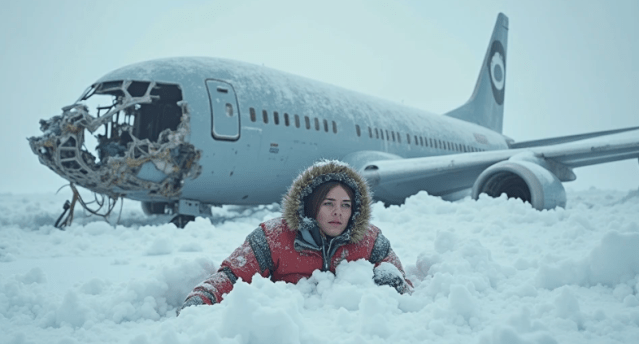
I want to start by saying something important: pregnancy is not a weakness, even at the end of the world. It is proof that life insists on continuing. I know this not just as a preparedness specialist who has lived off-grid for decades, but as someone who once helped deliver a baby on a sinking airplane that crashed into Lake Michigan. Cold water, chaos, no hospital, no backup—just knowledge, calm hands, and the unshakable will of a mother who refused to let her child’s first day be their last.

How Can a Pregnant Woman Survive During the Apocalypse, Give Birth to a Healthy Baby, and Live to Tell the Story

If a woman can give birth in freezing water after a plane crash, she can give birth during an apocalypse.

This article is not about fear. It’s about practical optimism, grounded skills, and the truth that women have been delivering babies in harsh conditions since long before modern hospitals existed. With preparation, mindset, and community—even a small one—a pregnant woman can survive the apocalypse, deliver a healthy baby, and live.

Let’s talk about how.


First Rule: Survival Starts Before Labor Ever Begins

The most important factor in surviving pregnancy during a collapse is early preparation. Pregnancy is a long journey, and the apocalypse rarely sends a polite invitation.

Nutrition Is Non-Negotiable

Calories are currency. During pregnancy, a woman needs more protein, more fat, and more minerals—especially iron, calcium, magnesium, iodine, and folate.

In an off-grid or post-collapse environment, prioritize:

  • Eggs (fresh or preserved)
  • Bone broth (for minerals and hydration)
  • Beans, lentils, and dried peas
  • Wild greens (dandelion, lamb’s quarters, nettle)
  • Animal fats and oils
  • Fermented foods for gut health

A malnourished mother produces a malnourished baby. Even during scarcity, the pregnant woman eats first. This isn’t selfish; it’s survival math.

Hydration Saves Lives

Dehydration triggers premature labor and complications. Clean water is more important than almost anything else.

Have:

  • Multiple water purification methods (boiling, filters, solar stills)
  • Electrolyte sources (salt, ash water, broths)
  • Daily hydration habits, not emergency-only use

Second Rule: Stress Is the Silent Killer

In that Lake Michigan crash, panic would have killed everyone. Calm saved lives.

Pregnant women under extreme stress face higher risks of miscarriage, preterm birth, and postpartum complications. While you can’t eliminate danger during an apocalypse, you can control perception and response.

Techniques that work even without modern comforts:

  • Slow nasal breathing
  • Routine (meals, walking, rest at the same times daily)
  • Limited exposure to chaos and conflict
  • Assigning others to stand guard so the mother can rest

The body follows the mind. A calm mother births better.


Third Rule: Prepare for Birth Like It’s a Wilderness Expedition

Birth is not a medical emergency by default. It is a physiological process. Most births, even without hospitals, go well when left undisturbed and supported.

Build a Birth Kit Now

Even off-grid, you can assemble a functional birth kit:

  • Clean cloths or boiled rags
  • Soap and clean water
  • A sharp, sterilized cutting tool
  • String or cord for tying the umbilical cord
  • Gloves (if available)
  • Honey or herbal antiseptics
  • Extra blankets for warmth

You do not need fancy tools. You need cleanliness, warmth, and patience.

Learn the Signs of Normal Labor

Every woman in a survival group should know:

  • How to identify early labor vs. active labor
  • That pushing should not be rushed
  • That tearing is reduced when the mother follows her body’s urge

In that freezing plane wreck, we didn’t force anything. We supported the mother’s instincts. That baby came into the world breathing and crying because no one panicked.


Fourth Rule: Birth Position and Environment Matter

Forget the hospital bed. The best birth positions during an apocalypse are:

  • Squatting
  • Hands and knees
  • Side-lying
  • Leaning forward

Gravity is your ally. Privacy is your ally. Quiet is your ally.

The birth space should be:

  • Warm
  • Dimly lit
  • As private as possible
  • Free from unnecessary observers

The body releases oxytocin—essential for labor—when the mother feels safe. Even in a ruined world, safety can be created.


Fifth Rule: Immediate Newborn Care Is Simple but Critical

Once the baby is born:

  1. Place the baby skin-to-skin with the mother.
  2. Do not rush to cut the cord; allow it to stop pulsing.
  3. Keep both mother and baby warm.
  4. Initiate breastfeeding as soon as possible.

Breast milk is the ultimate survival food:

  • Sterile
  • Perfectly balanced
  • Immune-boosting
  • Always available

In an apocalypse, breastfeeding is not optional—it’s lifesaving.


Sixth Rule: The Mother Must Survive Postpartum

Here’s where many survival plans fail. Birth isn’t the finish line.

Watch for Postpartum Dangers

The biggest threats after birth:

  • Excessive bleeding
  • Infection
  • Dehydration
  • Exhaustion

Preventative steps:

  • Rest for at least 10 days
  • Warmth and nutrition
  • Herbal support (yarrow for bleeding, garlic for infection)
  • Community protection so the mother is not forced back into labor too soon

A mother who is pushed too hard too fast may not survive.


Final Rule: Hope Is a Survival Skill

I’ve seen life begin where death was expected. In icy water. In broken metal. In the middle of chaos.

A pregnant woman surviving the apocalypse is not a fantasy. It’s a return to how humanity has always endured—through knowledge, cooperation, and trust in the body’s design.

If you are pregnant or planning for a future where the grid goes dark, remember this:

Women are not fragile. Babies are not doomed. And hope is renewable.

Prepare your body. Prepare your mind. Prepare your community.

Life will find a way—especially when we help it.

Pennsylvania’s Top 10 Life-Threatening Hazards and How to Beat Them

Pennsylvania might look like a nice, sleepy state with rolling hills, charming small towns, and overpriced hipster coffee shops, but underneath it all, the place is a death trap just waiting to claim your lazy, unprepared soul. If you’ve ever thought, “I’ll be fine,” you’re already on the fast track to becoming a statistic. I’ve spent years studying survival, prepping for worst-case scenarios, and watching people make boneheaded mistakes that end in tragedy. So let’s get brutally honest. Here are the top ten most dangerous things in Pennsylvania that could wipe you off this Earth—and, more importantly, how to survive them.


1. Venomous Snakes – Timber Rattlesnakes and Copperheads

Don’t let their slow, slithering demeanor fool you. Pennsylvania’s venomous snakes are a ticking time bomb. Timber rattlesnakes are shy, sure, but one careless step in the right (wrong) spot and you could be staring down an emergency that will cost you your life if you aren’t prepared. Copperheads? They’re sneaky, blending into leaf litter like masters of camouflage.

Survival Tip: Always wear thick boots and long pants when hiking. Never stick your hands under rocks or fallen logs. Carry a snake bite kit and know the fastest route to the nearest hospital. And for the love of sanity, don’t try to play “catch the snake” for Instagram.


2. White-Tailed Deer – Not as Harmless as They Seem

I swear, half the people in this state treat deer like friendly woodland mascots, but those graceful creatures are death on four legs. Pennsylvania has one of the highest deer populations in the U.S., and collisions with vehicles are more common than people think. A 2,000-pound deer slamming into a car at 60 mph doesn’t negotiate—it destroys.

Survival Tip: Drive cautiously, especially at dawn and dusk. Use high beams when appropriate and install deer whistles on your vehicle if you’re serious about not becoming roadkill.


3. Pennsylvania’s Rivers – Silent Killers

Rivers are beautiful until they try to drown you. Fast currents, cold temperatures, hidden rocks—Pennsylvania has more than its fair share of deadly waterways. People underestimate the force of water, and you don’t get a do-over once it drags you under.

Survival Tip: Never swim alone. Wear a life jacket if you’re boating or kayaking. And for god’s sake, don’t assume “it looks shallow” means it’s safe.


4. Extreme Weather – Tornadoes, Floods, and Blizzards

Pennsylvania may not be Tornado Alley, but don’t think that spares you. Freak storms can strike with zero warning. Winter brings ice storms, blizzards, and hypothermia-inducing winds. Flooding can wash away entire neighborhoods faster than your brain can process what’s happening.

Survival Tip: Always check the weather before leaving home. Keep an emergency kit stocked with food, water, blankets, and a hand-crank weather radio. Know the safest location in your house for tornadoes or flash floods. And keep warm clothing in your car at all times—because the state doesn’t care if you’re comfortable.


5. Black Bears – Big, Hairy, and Deadly if Provoked

Yeah, they look like something out of a nature documentary, but black bears don’t read scripts. If you stumble across one in the woods—or worse, in your backyard—they can attack if threatened, hungry, or just plain annoyed.

Survival Tip: Make noise when hiking to avoid surprise encounters. Carry bear spray. Keep garbage secured in bear-proof containers. And under no circumstances, ever, attempt to feed a bear. I don’t care if you think it’s cute.


6. Venomous Insects – Ticks, Bees, and Wasps

Lyme disease, anaphylactic shock—these little monsters are silent killers. Pennsylvania is one of the top states for Lyme disease. Ticks are everywhere, from your backyard to hiking trails. And if you’re allergic to bees or wasps, one sting could be fatal.

Survival Tip: Wear light-colored, long-sleeved clothing in tick-prone areas. Use insect repellent. Always check yourself and pets after outdoor excursions. Carry an EpiPen if you’re allergic to stings. Ignoring this could be the last mistake you ever make.


7. Poisonous Plants – Deadly Beauty

Poison ivy is just the tip of the iceberg. Pennsylvania hosts a host of plants that can cause severe reactions if ingested or touched. Giant Hogweed, for instance, can cause third-degree burns from simple skin contact with its sap.

Survival Tip: Learn to identify poisonous plants. Don’t touch plants you don’t recognize. Gloves and long sleeves are your friends. And if exposure occurs, wash immediately and seek medical attention.


8. Urban Hazards – Traffic, Construction, and Crime

You think rural dangers are bad? Welcome to the cities. Philadelphia, Pittsburgh, and other urban areas have traffic, construction zones, and a level of crime that can turn an ordinary day into a nightmare. Distracted drivers, falling debris, and opportunistic criminals are everywhere.

Survival Tip: Stay vigilant. Don’t walk alone in poorly lit areas. Follow traffic rules meticulously, and always assume the worst-case scenario when crossing streets or navigating construction zones.


9. Hypothermia and Exposure – The Cold Will Kill You

Pennsylvania winters are merciless. The snow, ice, and wind are not “quaint seasonal annoyances.” They are death sentences if you are unprepared. Hypothermia can set in before you realize you’re in danger, and exposure can incapacitate you in minutes.

Survival Tip: Dress in layers, wear insulated boots, and always carry emergency thermal blankets in your car or hiking pack. Never underestimate the cold, because it certainly won’t underestimate you.


10. Your Own Complacency – The Quiet Killer

This isn’t a bear or a snake—it’s worse. Your own laziness, overconfidence, and ignorance are the number-one reason Pennsylvanians die in preventable accidents every year. You ignore the warnings, you think “it won’t happen to me,” and then the universe slaps you down.

Survival Tip: Stay alert. Prepare for worst-case scenarios. Read, research, and rehearse survival strategies constantly. Your survival depends on it.

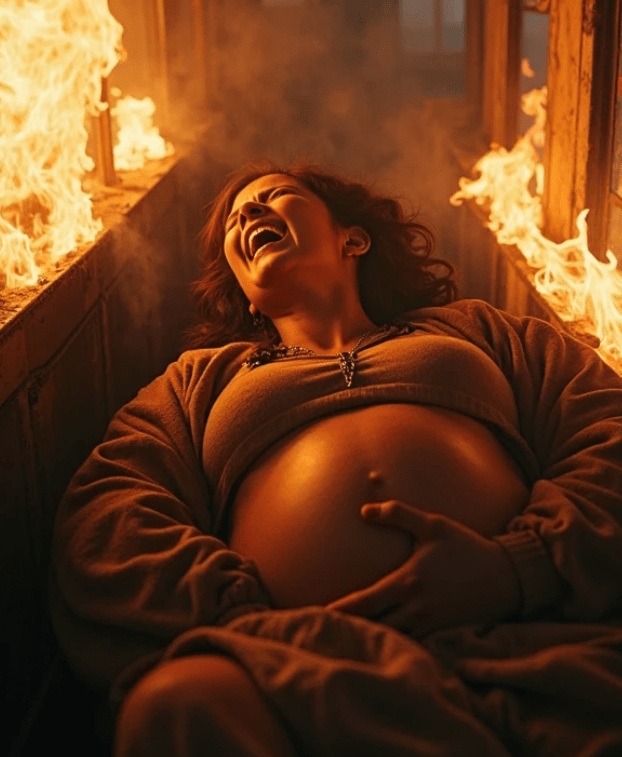

Conclusion: Survive or Become Just Another Statistic

Pennsylvania is a state with deadly wildlife, unpredictable weather, and hazards lurking around every corner. It doesn’t care about your plans, your feelings, or your sense of adventure. The only way to make it out alive is to approach life like a paranoid survivalist: always prepared, always skeptical, and always ready to fight for your life.

Take this list seriously. Learn the dangers, respect them, and equip yourself to handle them. Underestimate any of these threats, and you’re nothing more than another sad statistic waiting to happen.

Survival isn’t glamorous. It isn’t easy. And it certainly isn’t fair. But if you’re willing to fight, if you’re willing to prepare, you might just make it through another day in Pennsylvania—alive, bitter, and a little wiser.

Surviving Ohio: The 10 Most Dangerous Things That Could Kill You at Any Moment

The state of Ohio, with its cornfields, sleepy suburbs, and so-called “friendly people,” is quietly plotting your demise. Most of the population strolls around blind to the fact that death is lurking behind seemingly innocent facades—your local forest, a quiet pond, even the air you breathe. I’m done watching idiots get themselves killed while pretending everything is “fine.”

Here’s a cold, unfiltered rundown of the top 10 most dangerous things in Ohio that can easily end your life, and what you absolutely must do to survive them. Spoiler alert: if you think luck or a polite smile will save you, you’re already halfway to the morgue.


1. Tornadoes

Ohio isn’t Oklahoma, but don’t let that fool you—tornadoes are unpredictable, brutal, and they love Ohio in spring. These rotating death funnels can obliterate homes in seconds, hurl cars like toys, and turn your entire life into a nightmare in minutes.

How to survive:

  • Never, ever ignore tornado warnings. Your “I’ll wait it out” mentality will get you killed.
  • Have a storm cellar or a reinforced basement stocked with essentials.
  • Keep helmets and heavy blankets on hand—anything to protect your skull from flying debris.

Ignoring tornadoes is like challenging a bear to a thumb war. You’ll lose.


2. Rattlesnakes and Other Venomous Critters

Ohio is home to the Eastern Massasauga rattlesnake. Cute? Sure. Deadly? Absolutely. Most people never see them until it’s too late. Combine that with aggressive bees, spiders, and other venomous creatures, and your backyard can quickly become a death trap.

How to survive:

  • Watch your step in tall grass or near rivers.
  • Keep a snakebite kit handy and know how to use it.
  • Do NOT try to handle any venomous animals. You are not a superhero.

3. Flooding

Flooding in Ohio is subtle and sinister. A seemingly calm river can swell in hours, destroying homes, sweeping cars away, and drowning the unprepared. Many deaths happen not because people can’t swim, but because they underestimate water power.

How to survive:

  • Monitor local flood alerts—this isn’t optional.
  • Never drive or walk through floodwaters. A few inches can turn into a swift, deadly current.
  • Elevate critical items in your home and have an evacuation plan.

4. Poisonous Plants

Yes, you read that right. Ohio’s forests are full of plants that can slowly, painfully kill you if ingested or touched. Poison hemlock, wild parsnip, and deadly mushrooms aren’t folklore—they’re real, and they’re everywhere.

How to survive:

  • Learn to identify toxic flora. Ignorance is fatal.
  • Never eat foraged plants unless you are 100% sure they are safe.
  • Protect your skin when walking through thick vegetation.

5. The Ohio Highways

Forget bears, snakes, or tornadoes—humans on the road are just as deadly. Ohio’s highways are crawling with reckless drivers, distracted teenagers, and commuters fueled by coffee and rage. Statistics show thousands die in car accidents each year, many preventable.

How to survive:

  • Defensive driving isn’t optional. Assume every driver is trying to kill you.
  • Avoid driving at night on rural roads; wildlife is just waiting to plow into your car.
  • Seatbelts are the bare minimum—think of them as life insurance, not a suggestion.

6. Extreme Weather

Ohio doesn’t just have tornadoes. Winters bring bone-chilling cold, ice storms, and hypothermia-inducing blizzards. Summers are sweltering, humid, and perfect for heatstroke. Nature here will test your body, patience, and survival skills.

How to survive:

  • Stock layered clothing for winter and hydration strategies for summer.
  • Never underestimate exposure—frostbite and heatstroke are silent killers.
  • Have backup heat sources and cooling methods in case the grid fails.

7. Drowning in Lakes and Rivers

Ohio has thousands of lakes, rivers, and ponds. People go to swim, fish, or boat without realizing that water can end their life in moments. Currents, cold water shock, or even just poor swimming skills can kill you faster than you think.

How to survive:

  • Always wear a life jacket while boating or fishing.
  • Swim only in designated areas with lifeguards if possible.
  • Never underestimate cold water—it can incapacitate you in minutes.

8. Rabid Animals

Rabies isn’t a legend here; it’s a very real and very deadly threat. Bats, raccoons, and even stray dogs can carry the virus. A single bite can be fatal if not treated immediately.

How to survive:

  • Avoid wild animals, especially if they are acting unusually aggressive or tame.
  • Vaccinate pets and keep them away from wildlife.
  • Seek immediate medical attention if bitten—time is critical.

9. Foodborne Illnesses

You think dying in Ohio means a tornado or snakebite? Think again. Contaminated food, whether from local farms, restaurants, or your own kitchen, kills hundreds every year. Bacteria like E. coli and Salmonella are stealthy killers.

How to survive:

  • Wash hands, cook meat thoroughly, and store food properly.
  • Be skeptical of “fresh” produce from unknown sources.
  • When in doubt, throw it out. Your life is worth more than a moldy tomato.

10. The Complacent Mindset

Finally, the most lethal danger of all is your own ignorance. People assume Ohio is “safe” because it’s not New Orleans, not California, not Alaska. That complacency kills more than snakes, floods, and tornadoes combined.

How to survive:

  • Always be aware of your surroundings.
  • Learn survival skills, first aid, and basic self-defense.
  • Never trust that luck will keep you alive. It won’t.

Conclusion

Ohio might look peaceful with its rolling hills, cornfields, and “friendly” neighborhoods, but underneath lurks a deadly cocktail of natural, human, and environmental hazards. Tornadoes, floods, venomous creatures, and your own stupidity are waiting to end your life.

If you want to survive, you need to wake up. Be vigilant, be prepared, and respect every threat like it has a vendetta against your sorry existence—because, honestly, it does. Don’t wait until it’s too late. In Ohio, death doesn’t send a warning; it just comes for you quietly, and often, ruthlessly.

You’ve been warned.