Mississippi’s Best Survival Gardening Advice, Tricks, and the Best Emergency Food Storage Preparedness Tips Around

When most people think about survival gardening, they picture snowdrifts and frozen ground. But let me tell you something — the Deep South brings its own battlefield. Heat, humidity, hurricanes, pests, and long growing seasons that can either bless you… or exhaust you.

And when it comes to preparedness in Mississippi, Brooke Homestead says this:

“Mississippi doesn’t freeze you out. It wears you down.”

Below is Brooke’s Mississippi survival gardening and food security blueprint — smart, strategic, and built for Southern resilience.


🌾 Brooke Homestead Introduces Herself

“Hey friends — Brooke here.

The first time I gardened in Mississippi, I thought, ‘Wow, I can grow year-round! This will be easy.’

Then the humidity hit.
Then the bugs came.
Then a summer storm flattened half my tomatoes in one afternoon.

That’s when I realized — Mississippi isn’t hard because it’s cold. It’s hard because it’s relentless.

But if you understand this climate? It can feed you almost all year long.”


Brooke’s Survival Gardening Strategy for Mississippi
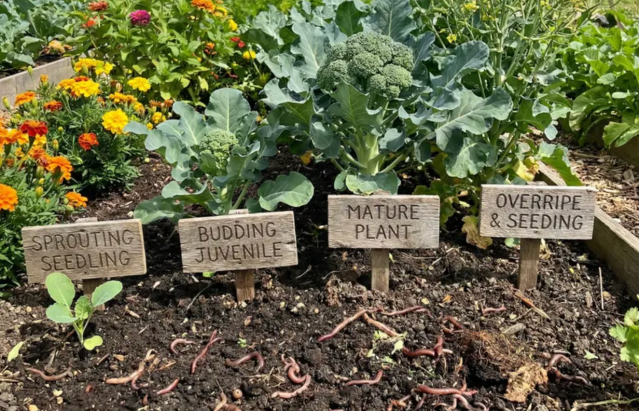
Mississippi offers a long growing season — often 200+ frost-free days. That’s a survival advantage if managed correctly.


1 – Grow in Seasons — Not Just Summer

“In Mississippi, summer gardening can actually be the hardest season.”

Brooke divides the year into:

Cool Season (Fall/Winter/Early Spring):

  • Kale
  • Collards
  • Spinach
  • Carrots
  • Beets
  • Cabbage
  • Broccoli
  • Lettuce

Warm Season (Late Spring/Summer):

  • Okra
  • Sweet potatoes
  • Field peas
  • Southern beans
  • Corn
  • Squash
  • Peppers

“Cool-season crops are your secret weapon in Mississippi. You can harvest when much of the country is frozen.”


2 – Heat & Humidity Management

Mississippi summers can push high humidity and triple-digit heat indexes.

Brooke’s approach:

  • 30–50% shade cloth during peak heat
  • Heavy mulching to retain soil moisture
  • Morning watering only
  • Drip irrigation to reduce fungal issues

“Humidity grows food — but it also grows fungus. Airflow is everything.”


3 – Pest & Disease Pressure Is Real

Southern climates mean aggressive pests.

Brooke uses:

  • Crop rotation every season
  • Companion planting (marigolds, basil)
  • Neem oil when needed
  • Physical barriers for squash borers and beetles

“If you don’t stay proactive, bugs will eat your survival plan.”


4 – Prepare for Hurricanes & Storms

Mississippi faces tropical storms and heavy rains.

Her strategy:

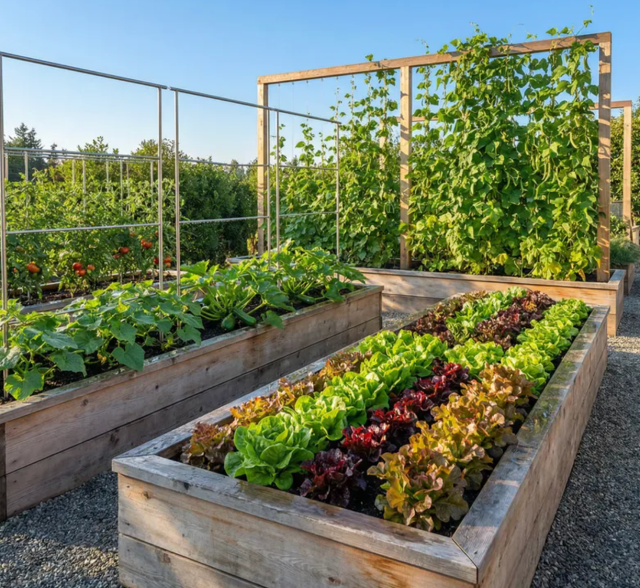
  • Raised beds for drainage
  • Deep-rooted crops
  • Trellising systems anchored firmly
  • Backup seedlings started indoors

“Storm resilience is just as important as crop selection.”


Mississippi Food Storage Strategy

“Here’s the blessing: Mississippi grows abundance.

Here’s the challenge: You must preserve that abundance.”


Pressure Canning & Water Bath Canning

Brooke cans:

  • Green beans
  • Field peas
  • Okra
  • Tomato sauce
  • Chicken
  • Broth

“Summer harvests must become winter security.”


Root Storage (Modified for the South)

Traditional root cellars can struggle in humid climates.

Brooke recommends:

  • Climate-controlled indoor pantry space
  • Cool basement storage if available
  • Proper curing before storage
  • Dehydration for onions and peppers

“Humidity control matters more than cold in Mississippi.”


Long-Term Staples

She stores:

  • White rice
  • Pinto beans
  • Cornmeal
  • Oats
  • Salt
  • Sugar
  • Flour

Stored in:

  • Mylar bags
  • Oxygen absorbers
  • Airtight food-grade buckets

“Hurricanes can empty shelves fast. I don’t gamble with food security.”


Why Survival Gardening in Mississippi Is So Important

Brooke lays it out clearly:

  • Hurricane season can disrupt supply chains.
  • Rural areas may have limited grocery access.
  • Power outages can last days or weeks.
  • Heat waves can impact commercial agriculture.
  • Food prices fluctuate heavily in storm seasons.

“In Mississippi, preparedness isn’t dramatic. It’s practical.”


Brooke’s Final Mississippi Advice

Use the long growing season to your advantage.

Grow in fall.
Grow in spring.
Preserve in summer.
Store for storms.

Build shade systems.
Control moisture.
Stay ahead of pests.

And most importantly — don’t wait until hurricane warnings hit the news to think about food.

Preparedness in the South is about respecting the season before it arrives.

If your pantry is full before storm clouds form, you’ve already won.
Pennsylvania’s Best Survival Gardening Advice, Tricks, and the Best Emergency Food Storage Preparedness Tips Around

Pennsylvania is a state of varied terrain and weather — from the rolling hills of the Piedmont and the fertile valleys of Lancaster to the mountainous regions of the Alleghenies. Cold winters, hot and humid summers, and unpredictable spring and fall frosts make survival gardening both a challenge and an opportunity. Brooke Homestead, 2025 Female Survivalist of the Year, has mastered Pennsylvania’s climate and knows how to build a resilient, productive homestead.

Below is her Pennsylvania-focused survival gardening and food storage strategy — practical, tested, and designed for Northeastern resilience.


2025 Survivalist of the Year: Brooke Homestead

“Hey friends — Brooke here.

Pennsylvania is beautiful but unpredictable. I’ve experienced early spring frosts wiping out seedlings, summer humidity encouraging disease, and unexpected winter storms arriving before fall crops were harvested. The first season I gardened here, I learned quickly that timing, placement, and crop selection are critical to success.”

Brooke’s Survival Gardening Strategy for Pennsylvania

Pennsylvania has roughly 150–180 frost-free days depending on the region. Temperature swings, humidity, and diverse terrain make careful planning essential.

Choose Resilient Crops

Brooke focuses on crops that thrive in Pennsylvania’s climate and store well:

  • Kale and collard greens
  • Spinach and lettuce
  • Carrots and beets
  • Cabbage
  • Potatoes
  • Onions
  • Tomatoes (short-season, disease-resistant varieties)
  • Peppers
  • Summer and winter squash

“These crops handle Pennsylvania’s variable climate and provide long-term storage for winter months.”

Season Extension & Microclimates

“With a growing season that can be cut short by frost or storms, every week counts,” Brooke says.

  • Cold frames for early spring seedlings
  • Hoop houses for frost protection
  • Floating row covers to protect crops from late frosts or pests
  • Raised beds for better drainage and warmer soil in valleys

“Using microclimates effectively can maximize your harvest.”

Humidity & Pest Management

Pennsylvania summers are humid, which can encourage fungal disease and attract pests. Brooke’s strategies:

  • Proper spacing for airflow
  • Mulching to regulate soil moisture
  • Companion planting (marigolds, basil, nasturtiums)
  • Organic fungicides or neem oil when necessary
  • Netting to protect from insects and birds

“Humidity is a double-edged sword — it can feed your crops or destroy them if not managed.”

Soil Preparation

Soils vary from fertile valleys to rocky mountainous areas. Brooke advises:

  • Mixing native soil with compost and aged manure
  • Using raised beds in areas with poor drainage
  • Cover crops during the off-season to build fertility
  • Mulching to retain moisture and prevent erosion

“Healthy soil is the foundation of consistent yields.”

Pennsylvania Food Storage Strategy

“Winter can be long and isolation is real in rural areas. Food storage is essential.”


Root Cellaring

Brooke stores:

  • Potatoes
  • Carrots
  • Beets
  • Onions
  • Cabbage
  • Winter squash

Optimal storage: 32–40°F with proper ventilation and moderate humidity.


Pressure Canning

She preserves:

  • Tomatoes and sauces
  • Beans and peas
  • Peppers
  • Chicken and stews
  • Bone broth

“Protein and vegetables preserved early guarantee food security during winter or unexpected disruptions.”


Long-Term Dry Storage

Staples Brooke keeps for survival:

  • White rice
  • Pinto beans
  • Hard wheat
  • Rolled oats
  • Cornmeal
  • Salt and sugar

Stored in Mylar bags, oxygen absorbers, and food-grade buckets.

“Preparedness in Pennsylvania means maximizing your growing season and storing harvests effectively.”


Why Survival Gardening in Pennsylvania Matters

Brooke emphasizes:

  • Frosts can arrive early or late, threatening crops
  • Humidity fosters disease and pests in summer
  • Rural areas may face limited grocery access during storms
  • Soil fertility varies widely, requiring planning
  • Preservation ensures long-term food security

“Survival gardening in Pennsylvania is practical, not optional — it ensures independence.”


Brooke’s Final Advice for Pennsylvania

“Plan for frost, use microclimates wisely, grow resilient crops, preserve early, and store smart.

When winter storms hit and your pantry is full, that’s not luck — that’s strategy.”

— Brooke Homestead

Wyoming Survival Garden Blueprint: Advice, Tips & Tricks that You Need to Know in Case of SHTF

(CLICK ON ANY IMAGE FOR VIDEOS)

If you’ve followed the survival world for any length of time, you already know the name Brooke Homestead. At just 26 years old, this former yoga model turned hardened homesteader has built a reputation for grit, grace, and downright ruthless preparedness. And when it comes to surviving in the high plains of Wyoming, Brooke doesn’t just talk theory — she lives it.

Below is her Wyoming-specific survival gardening and food storage playbook, delivered in her own voice.


Brooke Homestead Introduces Herself

“Hey friends, Brooke here.

If you had told me five years ago that I’d be hauling water, pressure-canning elk stew, and growing potatoes at 7,000 feet above sea level — I probably would’ve laughed.

But Wyoming changed me.

This state is beautiful… and brutal.

The wind doesn’t care about your feelings. The frost doesn’t check your calendar. And if you don’t prepare for winter in July, you’re already behind.

Survival gardening in Wyoming isn’t a hobby. It’s a discipline. And once you understand the land, it will feed you for life.”


Brooke’s Survival Gardening Tips for Wyoming

Wyoming’s short growing season (often just 90–120 frost-free days), dry climate, intense wind, and high elevation mean you must garden differently than most of the country.

Here’s Brooke’s blueprint:

Grow Cold-Hardy Crops — Period.

“You don’t fight Wyoming. You work with it.”

Brooke recommends focusing on:

  • Potatoes
  • Carrots
  • Beets
  • Turnips
  • Cabbage
  • Kale
  • Peas
  • Onions
  • Winter squash (short-season varieties)

“These crops laugh at light frost. Tomatoes? Sure, but only if you’re running protection systems.”


Use Season Extension Aggressively

Brooke swears by:

  • Cold frames
  • Hoop houses
  • Low tunnels
  • Heavy mulch (straw or wood chips)
  • Black plastic for soil warming

“In Wyoming, your garden needs armor.”

She recommends starting seeds indoors 6–8 weeks early and hardening them off slowly because high-altitude sun can scorch plants quickly.


Wind Is Your Real Enemy

“People think it’s the cold. It’s not. It’s the wind.”

Wyoming winds dry soil fast and stress plants. Brooke suggests:

  • Planting windbreaks (shrubs, trees, even temporary fencing)
  • Using raised beds with side protection
  • Heavier soil amendments to retain moisture

Soil Is Everything

Much of Wyoming’s soil is sandy or clay-heavy.

Brooke’s survival mix:

  • 40% native soil
  • 30% compost
  • 20% aged manure
  • 10% peat or coconut coir

“And compost like your life depends on it — because it might.”


Brooke’s Food Storage Strategy for Wyoming

“In Wyoming, winter isn’t three months. It’s an attitude.”

Snow can hit early and linger late. That means food storage isn’t optional.

Root Cellaring

Wyoming’s climate is perfect for root storage.

Brooke stores:

  • Potatoes
  • Carrots
  • Beets
  • Onions
  • Cabbage

Ideal conditions:

  • 32–40°F
  • High humidity (except onions — keep those dry)

“You can feed a family for months with properly cured root crops.”


Pressure Canning

Brooke pressure cans:

  • Meat (elk, venison, beef)
  • Bone broth
  • Stews
  • Beans

“Protein security is survival security.”


Long-Term Dry Storage

For 10+ year storage:

  • Mylar bags
  • Oxygen absorbers
  • Food-grade buckets

Staples she keeps stocked:

  • Hard red wheat
  • White rice
  • Pinto beans
  • Lentils
  • Rolled oats

“Wyoming storms shut roads down fast. You don’t want to depend on weekly grocery runs.”


Why Survival Gardening in Wyoming Matters

Brooke explains it plainly:

  • Rural isolation means supply chains are thin.
  • Winter storms can block highways for days.
  • High altitude and climate unpredictability demand food resilience.
  • Economic swings in energy-based communities can impact food access.

“If you live in Wyoming and don’t have at least some food independence, you’re trusting a fragile system.”


Top 7 Best Survival Garden Vegetables to Grow in Wyoming

Wyoming’s high elevation, strong winds, cool nights, and short growing season make survival gardening more challenging than in many states. Success depends on choosing cold-hardy, fast-maturing, and resilient crops that can handle temperature swings.

Potatoes are one of the best survival crops for Wyoming. They tolerate cool soil, mature reliably in shorter seasons, and provide calorie-dense harvests. When stored in a cool, dark place, potatoes can last for months.

Carrots and beets thrive in Wyoming’s cool climate. Root vegetables tolerate light frosts and often develop sweeter flavor after exposure to cold. They also store well when properly cured.

Cabbage is another cold-hardy staple. It handles frost and cool temperatures better than heat and can be stored for weeks in proper conditions. It’s ideal for fermentation into sauerkraut for long-term preservation.

Kale and Swiss chard are dependable leafy greens. Kale, especially, survives frost and can continue producing late into the fall.

Peas are well suited for Wyoming’s cool spring weather. They mature quickly and provide both fresh food and dried seeds for storage.

Bush beans with short maturity dates can succeed during Wyoming’s warmer months, especially when planted after frost danger passes.

Turnips and rutabagas are excellent survival crops because they tolerate frost and provide both edible roots and greens.

Using windbreaks, raised beds, and season-extension tools like cold frames or row covers can dramatically improve success. With smart planning, Wyoming gardeners can grow a resilient vegetable supply even in a shorter growing window.


Top 6 Best Survival Garden Fruits to Grow in Wyoming

Wyoming’s cold winters and short summers require fruit plants that are extremely hardy and capable of handling frost. Selecting cold-resistant varieties is critical for a productive survival fruit garden.

Apple trees are one of the most reliable fruit options in Wyoming. Cold-hardy varieties bred for northern climates can survive harsh winters and produce dependable fall harvests that store well for months.

Chokecherries, native to the region, are highly resilient. They tolerate cold, drought, and poor soils while producing fruit ideal for jams and syrups.

Currants and gooseberries perform well in cooler climates and partial shade. They are hardy, productive, and relatively low maintenance.

Raspberries, particularly hardy red varieties, grow successfully in many parts of Wyoming. They provide dependable summer harvests and return year after year.

Strawberries are another cold-tolerant option. With mulch protection in winter, they produce early-season fruit reliably.

Plum trees, especially cold-hardy cultivars, can succeed in sheltered locations.

For maximum resilience, consider native serviceberries (also called Juneberries). These hardy shrubs tolerate cold and produce sweet, nutrient-rich fruit.

By focusing on cold-hardy, perennial fruit plants, Wyoming gardeners can establish a survival orchard that withstands harsh winters while delivering dependable harvests season after season.

Brooke’s Final Advice

“Start small. Learn your frost dates. Watch the wind. Build soil. Store more than you think you need.

And remember — survival gardening isn’t fear-based. It’s freedom-based.

When your pantry is full and the wind is howling outside… you sleep differently.

Trust me.”