Maryland’s Tiny Home Movement: Best and Worst Counties
by Brooke Homestead — 2025 Female Survival Prepper of the Year
Maryland may be small geographically, but it offers big opportunities for tiny home living — if you know where to look. From the Chesapeake Bay shores to the mountains of western Maryland, the state has a mix of welcoming counties and strict zoning areas that can make or break your tiny home dream. I’m Brooke Homestead, and after years of off-grid living, tiny home building, and survival prep, I know that location, zoning, and climate planning are everything when downsizing.
Here’s my guide to Maryland’s best and worst counties for tiny home living, with practical advice for building sustainably and thriving off-grid.
Best Counties for Tiny Homes in Maryland: Allegany & Garrett Counties
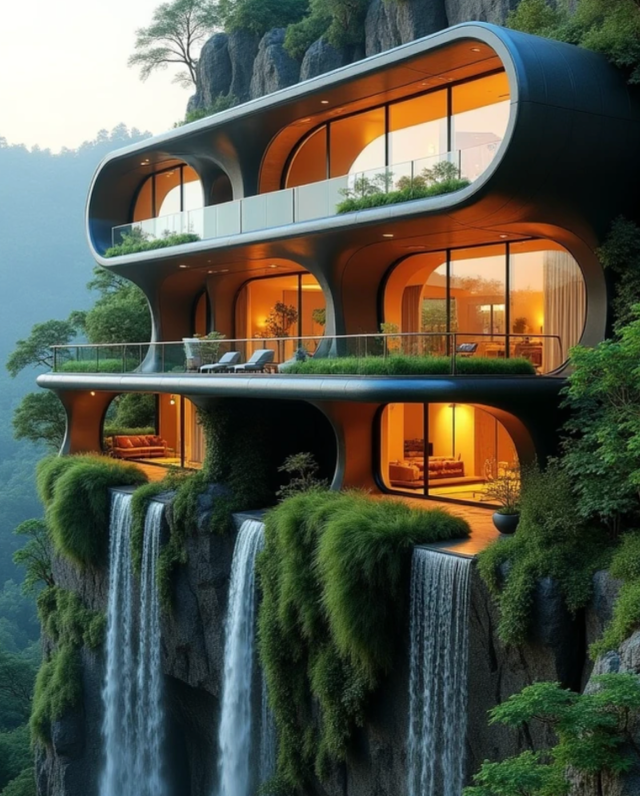
Allegany County — Affordable and Rural-Friendly
Allegany County, in western Maryland, offers plenty of open land and rural freedom, making it ideal for tiny homes.
Why Allegany works:
- Rural zoning flexibility: Many parcels allow tiny homes, both foundation-based and on wheels, especially outside densely populated areas.
- Affordable land: Acreage is reasonably priced, often $3,000–$10,000 per acre.
- Natural resources: Rivers, forests, and hills make sustainable living practical — firewood, gardening, and water collection are all feasible.
💡 Brooke Tip: Check each parcel for well access and septic approval — utilities may not be included on more remote lots. A tiny home thrives with a reliable water source.
Garrett County — Mountain Retreat for Off-Grid Living
Garrett County, Maryland’s westernmost county, is ideal if you’re seeking quiet, forested surroundings and off-grid potential.
Why Garrett works:
- Zoning and building codes: County codes are more accommodating in rural zones, allowing tiny homes as primary residences with proper permits.
- Outdoor opportunities: Hiking, lakes, and forests make this county perfect for tiny home gardens, solar power, and wood heating systems.
- Community acceptance: Small towns value independence and self-sufficiency, which aligns perfectly with tiny living.
Brooke Survival Insight: Winters are cold and snowy — plan insulation, heating, and roof load carefully. A tiny home in Garrett County must be winter-ready.
Worst Counties for Tiny Homes in Maryland: Montgomery & Howard Counties
Montgomery and Howard Counties are desirable, but zoning and regulations can make tiny home living challenging:
- Montgomery County: Strict zoning ordinances, minimum lot sizes, and building codes make standalone tiny homes difficult. Tiny homes on wheels are often treated as RVs, limiting full-time residency.
- Howard County: Minimum dwelling sizes, tight suburban development, and limited rural parcels restrict freedom for tiny home builders.
💡 Brooke Tip: If your heart is in these counties, consider tiny homes as ADUs behind an existing house or explore small modular homes that meet minimum square footage requirements.
Zoning Laws in Maryland — Tiny Home Considerations
Maryland does not have a statewide tiny home law, so everything depends on county and municipal rules:
- Accessory Dwelling Units (ADUs): Allowed in many progressive counties and cities, often 200–400 sq. ft.
- Tiny Homes on Wheels (THOWs): Treated as RVs; generally allowed in rural areas, private land, or RV parks with permits.
- Foundation-based Tiny Homes: Must meet state and local residential building codes, including electrical, plumbing, insulation, and structural requirements.
Brooke Advice: Always contact the county zoning office before purchasing land. A parcel may seem perfect, but zoning, setbacks, or easements can prevent tiny home placement.
Cost of Land in Maryland — What to Budget For
Land prices vary widely depending on county:
- Western Maryland (Allegany & Garrett): $3,000–$10,000 per acre — affordable and ideal for off-grid setups.
- Central Maryland (Howard & Montgomery suburbs): $75,000–$150,000+ per small lot. Tiny home feasibility is limited due to zoning and cost.
- Eastern Shore: $10,000–$25,000 per acre, often flood-prone; careful site selection is required.
Other costs: septic systems, wells, solar panels, and road access. Off-grid readiness pays off, especially in rural western counties.
Climate Considerations — Maryland Weather for Tiny Homes
Maryland has a four-season climate that affects tiny home design:
- Western Maryland (mountains): Cold winters with snow; proper insulation, heating, and roof design are essential.
- Central Maryland (Baltimore suburbs): Hot summers, mild winters; consider ventilation and humidity control.
- Eastern Shore & coastal areas: Humid summers, occasional storms; drainage and flood planning are crucial.
Brooke Survival Insight: Tiny homes are compact — winter storms, flooding, or humidity missteps can impact your entire space. Plan accordingly.
Final Homestead Thoughts

Maryland can be a tiny home haven if you pick the right county and plan carefully:
- Best Counties: Allegany for affordable rural land and zoning flexibility; Garrett for forested, off-grid retreats.
- Challenging Counties: Montgomery and Howard due to strict suburban zoning and high costs.
- Planning Essentials: Verify zoning, check utilities and water access, and prepare for seasonal weather.
Tiny home living in Maryland is about freedom, resilience, and smart planning. Choose your county wisely, build responsibly, and you can thrive in a small home surrounded by forests, rivers, and open land.
— Brooke Homestead