
Nebraska Tiny Homes: Best Small Cities for Simple Living
by Brooke Homestead — 2025 Female Survival Prepper of the Year
Nebraska is a state of wide-open prairies, rivers, and small towns that perfectly suit the tiny home lifestyle. If you’re seeking affordable land, rural freedom, and a slower pace of life, Nebraska offers some of the best opportunities in the Midwest. Downsizing here isn’t just about having less; it’s about gaining freedom, living sustainably, and embracing off-grid possibilities. I’m Brooke Homestead, and after years of building tiny homes, surviving in remote settings, and thriving off-grid, I can guide you through Nebraska’s best small cities for simple living, zoning challenges, land costs, and climate considerations.
Best Small Cities for Tiny Homes in Nebraska: Grand Island and Kearney
Grand Island — Accessible, Friendly, and Tiny Home Ready
Grand Island, located in central Nebraska, is ideal for tiny home enthusiasts seeking affordable land and a supportive community:
- Zoning flexibility in outskirts: Many parcels allow tiny homes on wheels (THOWs) or foundation-based tiny homes.
- Affordable land: Lots range from $15,000–$40,000 per acre, giving space for gardens, solar panels, and off-grid systems.
- Community mindset: Residents value practicality and simplicity, making downsizing socially accepted.
💡 Brooke Tip: Focus on parcels outside city limits in Hall County to maximize zoning flexibility and off-grid potential.
Kearney — Small Town Convenience Meets Rural Space
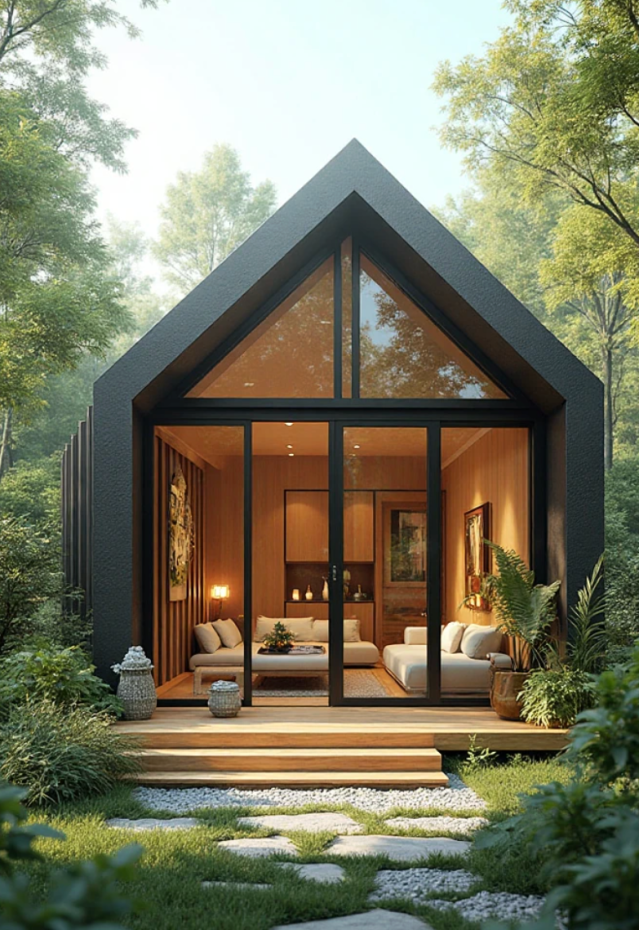
Kearney offers a perfect mix of suburban access and rural living, ideal for tiny homes:
- Rural-friendly zoning: County regulations permit tiny homes as primary residences on private lots, especially in low-density areas.
- Affordable land: Parcels typically range from $12,000–$35,000 per acre — excellent for THOWs or foundation-based homes.
- Outdoor access: Parks, trails, and nearby rivers allow off-grid water, gardens, and solar energy setups.
Brooke Survival Insight: Nebraska winters are cold and windy. Proper insulation, heating systems, and snow-load roof designs are essential for comfort and safety.
Challenging Areas for Tiny Homes in Nebraska: Omaha & Lincoln Metro
While the state has rural freedom, urban centers pose difficulties:
- Zoning restrictions: Minimum lot sizes, building codes, and urban planning limit tiny home placement.
- High land costs: Urban lots often exceed $50,000–$100,000 per small parcel.
- Limited off-grid options: Dense development reduces opportunities for independent water, septic, and solar systems.
💡 Brooke Tip: Tiny homes in Omaha or Lincoln are mostly feasible as ADUs behind existing homes or in planned eco-friendly tiny home communities.
Zoning Laws in Nebraska — Tiny Home Considerations

Nebraska does not have a statewide tiny home law; local regulations vary widely:
- Accessory Dwelling Units (ADUs): Allowed in some towns, typically 200–500 sq. ft.
- Tiny Homes on Wheels (THOWs): Treated as RVs; generally allowed on rural private land or permitted RV parks.
- Foundation-based Tiny Homes: Must meet state and local building codes, including structural, electrical, plumbing, and insulation requirements.
Brooke Advice: Always confirm zoning with county planning offices before purchasing land. Even neighboring parcels may have very different rules.
Cost of Land in Nebraska — Budgeting for Tiny Homes
Land in Nebraska is generally affordable and abundant:
- Grand Island outskirts: $15,000–$40,000 per acre — perfect for off-grid tiny homes.
- Kearney rural lots: $12,000–$35,000 per acre — excellent for THOWs or foundation-based homes.
- Omaha & Lincoln metro: $50,000+ per lot — tiny homes mostly feasible as ADUs.
- Western Nebraska small towns: $5,000–$20,000 per acre — ideal for off-grid, minimalist living.
Other costs: wells, septic systems, solar panels, driveway access, and storm preparedness.
Climate Considerations — Nebraska Weather for Tiny Homes
Nebraska has a continental climate, which impacts tiny home design:
- Winter: Cold, windy, and snowy — insulation, heating, and snow-load roofs are essential.
- Summer: Hot and humid — ventilation, shading, and cooling are important.
- Storms: Tornadoes are common in the Plains — anchoring, reinforced construction, and emergency shelters are crucial.
- Rain & flooding: Proper drainage and site selection prevent water damage.
Brooke Survival Insight: Tiny homes are compact — poor insulation, storm prep, or ventilation can quickly create discomfort or hazards. Plan carefully.
Brooke Homestead’s Final Thoughts About Nebraska‘s Tiny Home Lifestyle

Nebraska is a great state for tiny home living, especially in small towns that value simplicity, space, and community:
- Best Small Cities: Grand Island for affordability and supportive community; Kearney for rural-suburban balance and outdoor living.
- Challenging Areas: Omaha and Lincoln metro due to zoning, density, and higher land costs.
- Planning Essentials: Verify zoning, plan for winter, tornadoes, and summer heat, and consider off-grid setups for water and energy.
Tiny home living in Nebraska is about resilience, minimalism, and embracing wide-open spaces. With smart planning and the right location, you can thrive in a small, sustainable home surrounded by prairies, rivers, and small-town charm.
— Brooke Homestead