

Deadly Bugs of New Jersey – A New Jersey Survival Prepper’s Guide to Staying Alive

When most people think of New Jersey, they picture shorelines, forests, small towns, diners, and hardworking people who know how to get things done. What they don’t usually picture is danger lurking in the grass, the woods, or even their own backyard. As an optimistic professional New Jersey survival prepper, I’m here to tell you something important: you don’t need to fear nature—but you absolutely must respect it.

New Jersey may not have deserts or jungles, but it does have insects capable of causing severe injury, permanent damage, or even death under the wrong circumstances. The good news? With the right mindset, awareness, and preparation, every one of these threats is survivable.

Let’s break down the most dangerous insects in New Jersey, how they can kill you, and—more importantly—exactly what you can do to stay alive and thriving.


1. Ticks: New Jersey’s Most Lethal Insect Threat

If there is one insect that has quietly earned the title of most dangerous in New Jersey, it’s the tick. Ticks don’t kill you with venom or stingers. They kill through disease, and New Jersey is a hotspot.

Why Ticks Are So Dangerous

Ticks in New Jersey can transmit:

  • Lyme disease
  • Anaplasmosis
  • Babesiosis
  • Powassan virus (rare but often fatal)

Left untreated, these diseases can cause neurological damage, heart failure, organ damage, and death.

Survival Strategy

  • Wear light-colored clothing to spot ticks easily
  • Tuck pants into socks when hiking or working outdoors
  • Use permethrin-treated clothing and EPA-approved repellents
  • Perform full-body tick checks after outdoor activity
  • Shower within two hours of coming indoors

Prepper mindset: Early detection saves lives. Pull ticks quickly and correctly using fine-tipped tweezers.


2. Mosquitoes: Small Wings, Big Consequences

Mosquitoes are everywhere in New Jersey, especially in summer. Most bites are annoying—but some carry life-threatening viruses.

Diseases Spread by NJ Mosquitoes

  • West Nile virus
  • Eastern Equine Encephalitis (EEE)
  • Zika virus (rare but possible)

EEE, in particular, has a high fatality rate and can cause brain swelling.

Survival Strategy

  • Eliminate standing water around your home
  • Use window screens and fans
  • Wear long sleeves at dusk and dawn
  • Apply insect repellent with DEET or picaridin

Optimistic truth: Mosquito control is one of the easiest survival wins—small actions drastically reduce risk.


3. Bald-Faced Hornets and Yellow Jackets: Aggressive and Dangerous

These insects aren’t just painful—they’re strategic attackers. Bald-faced hornets and yellow jackets are common across New Jersey and will attack in groups.

Why They Can Kill

  • Multiple stings can cause toxic venom overload
  • Allergic reactions (anaphylaxis) can be fatal within minutes
  • Attacks often target the face and neck

Survival Strategy

  • Never disturb nests—especially in trees or under eaves
  • Move away calmly; don’t swat or flail
  • Carry an epinephrine injector if you’re allergic
  • Seek emergency care after multiple stings

Prepper rule: Avoidance beats confrontation every time.


4. Fire Ants: An Expanding Threat
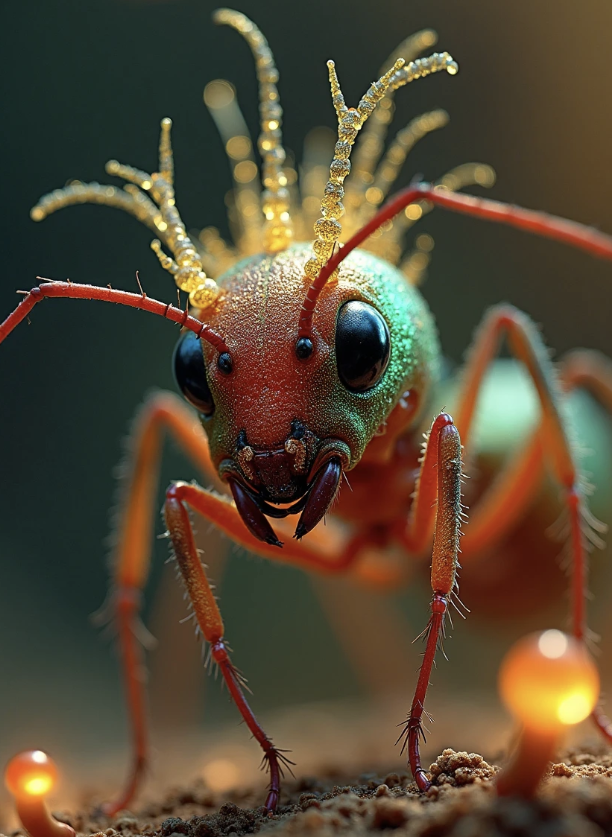
Fire ants are slowly expanding northward, and sightings in southern New Jersey are increasing.

Why Fire Ants Are Dangerous

  • Swarm attacks
  • Repeated venom injections
  • Risk of infection and allergic reaction

Survival Strategy

  • Watch where you step, especially near sandy soil
  • Avoid disturbing mounds
  • Wash stings immediately with soap and water
  • Apply cold packs and monitor for allergic response

Preparedness isn’t panic—it’s paying attention.


5. Kissing Bugs: Rare but Deadly

Kissing bugs are uncommon in New Jersey, but climate changes have increased sightings.

Why They’re Dangerous

They can transmit Chagas disease, which damages the heart over time and can be fatal if untreated.

Survival Strategy

  • Seal cracks in homes
  • Reduce outdoor lighting that attracts insects
  • Seek medical testing if bitten and symptoms develop

Low probability does not mean zero risk—preppers plan for both.


6. Spiders That Aren’t Insects (But Still Matter)
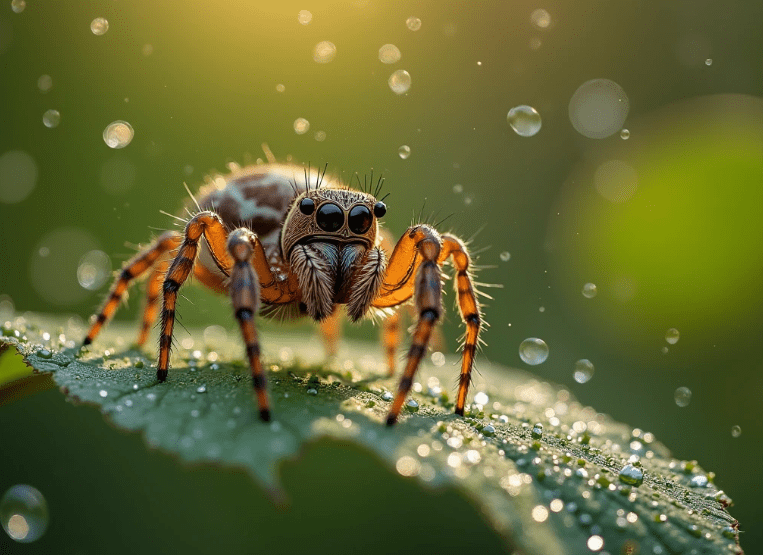
While technically arachnids, spiders often get lumped into insect threats—and for good reason.

Venomous Spiders in NJ

  • Black widow (rare but present)
  • Brown recluse (extremely rare, usually imported)

Survival Strategy

  • Shake out shoes and gloves
  • Keep storage areas clean
  • Seek medical help for severe reactions

Knowledge removes fear—and fear causes mistakes.


What to Do If You’re Bitten or Stung

A true New Jersey survival prepper keeps a calm head:

  1. Assess the situation
  2. Remove the insect safely
  3. Clean the wound immediately
  4. Monitor symptoms
  5. Seek medical help early

Never “tough it out” when symptoms escalate. Survival isn’t about ego—it’s about living to see tomorrow.


The Optimistic Prepper’s Mindset

Here’s the truth: New Jersey is not out to kill you. These insects exist whether you notice them or not. Prepared people don’t live in fear—they live in confidence.

By learning your environment, using common-sense protection, and staying alert, you dramatically reduce risk. Preparedness is not paranoia—it’s responsibility.


New Jersey Survival Prepper’s Final Thoughts: Stay Ready, Stay Positive

The most dangerous insects in New Jersey don’t need to end your life. With awareness, preparation, and a steady mindset, you can enjoy everything this state offers—from forests to shorelines—safely and confidently.

Survival is about adapting, learning, and staying optimistic. And in New Jersey, that mindset will carry you a long way.

Stay ready. Stay smart. And take care of each other.

New Jersey Homestead Lifestyle: A Gritty Guide from a New Jersey Homesteader

Listen here, city slickers and wannabe suburban farmers! If you think setting up a homestead in New Jersey is all quaint little gardens and Instagrammable mason jars, you’re dead wrong. This lifestyle will chew you up and spit you out unless you come prepared and tough as nails. I’m here to tell you what it REALLY takes — with no sugarcoating, just pure, unfiltered homesteader grit.

New Jersey might be small, but it’s no joke. Between the urban sprawl creeping in, the unpredictable weather, and the constant pest problems, you better have a full arsenal of homestead skills to survive and thrive. This ain’t a vacation or a cute weekend project — this is life-or-death hard work. So, strap on your boots and listen close. Here’s my top 15 skills you’d better master if you want to call yourself a New Jersey homesteader:

1. Soil Management and Composting

Don’t think you can just throw seeds in any patch of dirt and get a bounty. New Jersey’s soil can be stubborn, acidic in places, and downright crappy in others. You better know how to test, amend, and compost like a pro. Composting isn’t just a nice thing — it’s the backbone of your garden’s health.

2. Water Harvesting and Management

NJ weather swings from drought to deluge. You gotta build rain barrels, swales, or ponds to catch every drop. Wasting water is a death sentence for your crops and animals.

3. Animal Husbandry

Chickens, goats, bees, rabbits — whatever you keep, you better know their needs, diseases, and how to butcher if it comes to that. This isn’t a petting zoo. It’s food production.

4. Seed Saving

Store-bought seeds? Ha! Those hybrids won’t save you next year. Learn to save seeds from your best plants. That’s how you maintain resilience against pests and weather.

5. Pest and Predator Control

Raccoons, groundhogs, deer, and crows will raid your garden like it’s an all-you-can-eat buffet. You need fences, traps, scare tactics, and good old-fashioned vigilance.

6. Basic Carpentry and Fence Building

Got a busted fence or a coop that’s falling apart? You’d better fix it yourself or watch everything inside get slaughtered overnight. Knowing how to build and maintain structures is non-negotiable.

7. Preserving and Canning

Your garden will flood you with tomatoes, peppers, and beans in the summer. Can, pickle, freeze, dry — if you don’t preserve, your bounty will rot and you’ll starve in winter.

8. Firewood Cutting and Stacking

Central heating might be a luxury here, especially in older farmhouses or cabins. Know how to chop, split, and stack firewood efficiently. A warm home in January isn’t going to happen by magic.

9. Butchering and Meat Processing

If you raise meat animals, you better be ready to butcher or find someone who can. This skill saves you a fortune and guarantees you know exactly what’s going on your plate.

10. Herbal Medicine and First Aid

Pharmacies might be close in New Jersey, but if you’re off-grid or during an emergency, you better know how to use local plants for healing and treat wounds.

11. Trap and Snare Setting

Small game is a vital protein source. Learn to trap rabbits, squirrels, or even coons. It’s not pretty, but it’s survival.

12. Tool Maintenance and Sharpening

Nothing slows you down faster than dull blades or broken tools. Know how to keep your saws, axes, knives, and pruners razor-sharp and ready.

13. Welding and Metalworking

Fence posts broken? Gates sagging? Knowing how to weld or at least do basic metal repairs can save you a small fortune and endless frustration.

14. Crop Rotation and Polyculture

Planting the same thing year after year will kill your soil and invite pests. You need a solid plan for rotating crops and mixing species to keep your land healthy.

15. Weather Forecasting and Reading Nature

New Jersey weather is fickle — sometimes brutal. Learn to read the skies, feel the wind shifts, and use old-timer signs to prepare your homestead for storms, freezes, or heatwaves.


Now that you’ve got a rough idea of the skills it takes to live this life, let me drop three DIY homestead hacks that will save your sanity — and maybe your life.

DIY Hack #1: The Easy Rain Barrel Overflow Diverter

Here’s a no-brainer that saved me tons of headaches. Most rain barrels overflow and flood your foundation or garden beds. Grab a cheap garden hose, cut a hole near the top of your barrel, and attach the hose with a hose clamp. Run the hose to a soak-away pit or a dry well. This simple trick keeps water from pooling around your house and channels it where you want it — no fancy plumbing needed.

DIY Hack #2: Chicken Tractor from Pallets

If you want fresh eggs and pest control but don’t have space for a permanent coop, build a cheap chicken tractor with used pallets and scrap lumber. Just lash pallets together into a moveable pen, add some wheels or handles, and your hens can graze new ground every day, fertilizing and eating bugs without destroying your garden.

DIY Hack #3: Solar Food Dehydrator on the Cheap

Canning and freezing take power and time. Build a solar dehydrator from a wooden box, black-painted metal trays, and some old window glass. The sun does all the work drying your herbs, fruits, and veggies. It’s perfect for those hot New Jersey summers and cuts down on your energy bills.


Look, homesteading in New Jersey isn’t for the faint of heart. Between the crowded suburbs, hungry critters, unpredictable weather, and the damn bureaucracy, it can grind you down faster than a root cellar full of moldy potatoes. But if you roll up your sleeves, master these skills, and use hacks like these, you can build something real — a self-reliant, gritty, New Jersey homestead that feeds your family and keeps you off the grid.

And if you think it’s easy? Well, I’ve got news for you. It’s not. It’s one heck of a fight every single day. But it’s worth it. Because in the end, there’s nothing sweeter than the taste of food you grew yourself, the satisfaction of a warm fire on a cold night, and the knowledge that you can survive without begging the system for scraps.

So quit whining, get out there, and get your hands dirty. Your homestead isn’t going to build itself, and that Jersey devil of a garden sure isn’t gonna tend itself either. You want this life? You better work for it. No excuses. No shortcuts. Just hard work, smart skills, and a whole lot of stubborn Jersey pride.