The Ultimate Survivalist In-Car Checklist: 7 Items You Need

Disaster doesn’t announce itself.

It strikes when you’re least ready—when your guard is down, and your mind is elsewhere. You might be thinking about dinner plans, your kids’ soccer game, or just getting home to a warm bed. But emergencies don’t care about your schedule.

CLICK HERE TO LEARN HOW TO NEVER STARVE WHEN DOOMSDAY HITS!

Picture this: It’s Friday evening. You’re finally off work. You’re cruising down a quiet stretch of road, miles away from the nearest gas station, thinking about how you’ll spend the weekend with your family. And then—BAM. A loud thud. Your car jerks violently. You lose control for a split second before steering to the shoulder. You get out, and there it is… a flat tire.

And just your luck—it’s raining sideways. Not a streetlamp in sight.

CLICK HERE TO LEARN HOW TO NEVER STARVE WHEN DOOMSDAY HITS!

Now let me ask you: Are you ready?

Because if you’re not, that flat tire could turn into a full-blown survival scenario. As any seasoned prepper will tell you, your vehicle isn’t just a means of transportation. It’s a mobile command center. It’s your lifeline when SHTF. Whether you’re evacuating due to wildfires, stranded in a snowstorm, or simply stuck with a mechanical failure, your car must be prepped for anything.

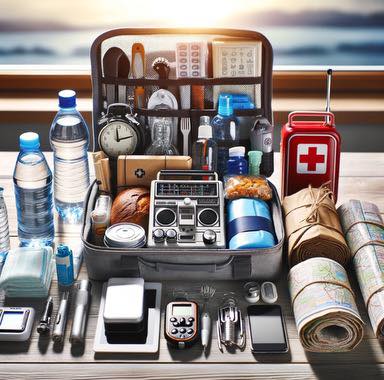
Here are the 7 essential items every survival-minded individual needs in their vehicle—and 10 additional prepper tips to keep you one step ahead when the unexpected hits.


1. Spare Tire, Jack, and Lug Wrench

Let’s start with the basics. A flat tire is more than just an inconvenience—it can leave you stranded for hours, or worse, overnight in the middle of nowhere. You need a fully inflated spare tire, a sturdy jack, and a reliable lug wrench.

Prepper Tip #1: Rotate and inspect your spare every three months. A flat spare is as useless as no spare at all.

Prepper Tip #2: Consider adding a tire plug kit and portable air compressor. Sometimes a quick patch and refill is all you need to get moving again.


2. Jumper Cables (or Jump Starter)

A dead battery is another common issue, especially in extreme temperatures. Having a solid pair of jumper cables can save you hours of waiting for help—or worse, being stuck in hostile conditions.

Prepper Tip #3: Upgrade to a lithium-ion jump starter. These compact power packs can jump your car without needing another vehicle. Plus, they usually have USB ports to charge your phone.


3. First-Aid Kit

This is non-negotiable. From minor cuts and scrapes to more serious injuries, a well-stocked first-aid kit can save lives.

Prepper Tip #4: Customize your kit. Add painkillers, antiseptics, trauma supplies (like a tourniquet), and allergy meds. Don’t forget a laminated card with CPR instructions and your personal medical info.


4. Flashlight and Extra Batteries

When darkness falls, you’ll need a dependable flashlight. Whether you’re checking under the hood, flagging down help, or navigating on foot, a solid light source is crucial.

Prepper Tip #5: Invest in a high-lumen LED flashlight with a strobe or SOS function. Keep extra batteries in a waterproof container, or go with a solar/crank-powered model for infinite power.


5. Emergency Blankets and Warm Clothing

Hypothermia can set in faster than you’d think, especially if your car won’t start and you’re trapped in cold weather. Emergency mylar blankets are compact, lightweight, and designed to reflect 90% of body heat.

Prepper Tip #6: Include a wool hat, gloves, socks, and a waterproof poncho. Hypothermia often starts with extremities, and you’ll be thankful for that added layer.


6. Non-Perishable Food and Water

If you’re stuck for hours—or days—you’ll need calories and hydration. Keep a stash of non-perishable, high-energy food and bottled water in your vehicle.

Prepper Tip #7: Use vacuum-sealed ration bars and emergency water pouches with a 5-year shelf life. They’re space-efficient and built for survival.

Prepper Tip #8: Toss in a LifeStraw or water purification tablets. If you run out of bottled water, these could keep you alive in a longer crisis.


7. Portable Charger or Power Bank

Your phone is your most powerful tool in a crisis—but only if it’s charged. A high-capacity portable power bank ensures you stay connected when your car battery isn’t an option.

Prepper Tip #9: Look for solar-powered models. Even if the grid’s down, you’ll still be able to charge your devices.


10 Bonus Survival Prepper Tips for Your Car

Now that you’ve got the 7 essentials, take it a step further. Hardcore preppers know that redundancy and versatility are key.

1. Multi-tool or Survival Knife

From cutting seatbelts to making repairs or defending yourself, a quality multi-tool is invaluable.

2. Duct Tape

Fix a hose, seal a window, secure gear, or even splint an injury. The uses are endless.

3. Maps and Compass

Don’t rely on GPS. If the grid’s down or you’re in a dead zone, paper maps and a compass will keep you on track.

4. Fire Starter Kit

Waterproof matches, ferro rods, or lighters—fire can provide warmth, boil water, signal for help, or keep predators away.

5. Reflective Triangle or Road Flares

Increase your visibility to other drivers, especially during night or low-visibility conditions.

6. Cash in Small Bills

ATMs might be down or inaccessible. Keep a stash of $1s, $5s, and $10s hidden in your car.

7. Toilet Paper and Hygiene Kit

Sanitation can be crucial. A small hygiene kit with TP, wipes, and hand sanitizer is easy to store and highly valuable.

8. Gloves and Safety Glasses

Whether fixing a tire or clearing debris, protect your hands and eyes.

9. Tow Strap

Help others—or get helped—without relying on a tow truck.

10. Notebook and Pencil

Record important details, leave a note if you have to leave your vehicle, or track resources. It’s old-school, but it works.


Final Word

Emergencies aren’t a matter of if, they’re a matter of when. Your vehicle is your mobile bug-out location—treat it like one. A well-stocked car can mean the difference between inconvenience and catastrophe.

So prep it now. Load it with gear. Check your supplies. Refresh items regularly.

Because when the moment comes—and it will—you won’t rise to the occasion.

You’ll fall back on your preparation.

And that, my fellow survivalist, is how you thrive when the rest of the world panics.

Survival Gourmet: Crafting Mouthwatering Meals from Foraged Foods

As survivalists, we’re not here just to endure when things go south—we’re here to thrive. It’s about living comfortably and even enjoying a level of self-sufficiency that would leave most people scratching their heads in disbelief. When the world seems to crumble around us, why should we settle for just surviving? We should be aiming to live well, even in the worst of situations.

If you’ve been reading this newsletter for a while, you know that we’re not just focusing on scraping by on the bare essentials. We’re looking for ways to elevate our prepping and survival strategies—ways that allow us to thrive. One of the most overlooked aspects of prepping is the culinary potential of foraged foods.

When people think of foraged foods, they often ask, “Can I eat that?” or “How many calories does this have?” But have you ever considered that you can actually make gourmet meals from the wild ingredients you find around you? You heard me right—gourmet meals. In an emergency, it might seem a little far-fetched, as we often focus on surviving with the bare minimum, but it doesn’t have to be that way.

Nature, my fellow preppers, is an overflowing pantry, full of edible plants, roots, and berries that can be transformed into meals that not only nourish you, but actually delight your taste buds. Sure, it takes a little time to learn what’s safe to eat, and it requires some knowledge and skill. But once you’ve got a grip on your local foraged foods, turning them into meals that others would envy—whether it’s during normal times or post-collapse—isn’t as difficult as it might seem.

Getting Started: Learn Your Local Flora

Before we dive into recipes, the first step is to learn how to identify edible plants in your area. Knowledge is power when it comes to foraging. You don’t want to find yourself looking at a plant you think is edible only to realize it’s toxic or inedible. Start by getting a field guide specific to your area, or even better, attend foraging courses, and practice regularly.

Some basics to focus on include:

  • Wild greens like dandelion, lamb’s quarters, and purslane.
  • Nuts and seeds such as acorns and pine nuts.
  • Roots and tubers like Jerusalem artichokes and cattails.
  • Fruits and berries like elderberries, wild strawberries, and blackberries.

By studying these plants, you’ll build the foundation for successful foraging. Once you know what’s safe to eat, you can begin experimenting with different ways to prepare and combine your finds.

Gourmet Meals in the Wilderness? Absolutely.

Here’s where it gets interesting: once you’re comfortable with your foraging knowledge, you can move beyond survival foods and start creating delicious, gourmet-style meals. The key is in how you approach these wild ingredients. You’re not just throwing plants into a pot and calling it good; you’re using what nature has to offer to elevate your meals to something special.

For example:

  • Jerusalem Artichokes: These little tubers are often overlooked, but they can make a delicious faux potato salad when boiled and mixed with wild herbs, mustard, and olive oil (or whatever fat you’ve got).
  • Acorn Flour: If you’ve never tried it, acorn flour can be used to thicken stews or even make rustic flatbreads. It has a nutty, earthy flavor that gives your meal an amazing depth.
  • Wild Mushrooms: Certain wild mushrooms like morels and chanterelles can be sautéed in fat and added to just about anything for a gourmet touch. They provide a savory, meaty flavor that’s perfect for adding richness to a simple dish.

While it may seem complicated at first, you’ll find that once you get the hang of it, preparing meals from foraged ingredients becomes a skill that’s not only practical but also enjoyable. It requires creativity, an understanding of what flavors complement each other, and a willingness to experiment.

Cooking Without Your Gadgets

One of the biggest challenges when it comes to preparing meals in a post-SHTF world is cooking without your usual kitchen gadgets. Don’t worry, though—primitive cooking methods can be incredibly effective, and many of them can be done over an open fire or with minimal tools.

Here are some primitive cooking methods to consider:

  • Open Fire Cooking: A well-constructed fire pit can serve as your cooking hub. You can cook food in cast iron pots, or even use foil to wrap food and place it in the coals.
  • Dutch Oven: If you have a Dutch oven, it’s one of the best tools for slow cooking. Perfect for stews, soups, or even bread, a Dutch oven can withstand the heat of an open fire.
  • Clay Cooking: You can fashion cooking vessels out of clay or use stones to make primitive “bake ovens.” Just remember to test any homemade stoneware in a fire before using it for actual cooking.
  • Smoking and Drying: Learn to preserve meat and fish by smoking it or drying it over a fire. This is a valuable skill that will keep your foraged meats from spoiling.

10 Prepper Tips for Foraging and Cooking with Wild Foods

  1. Start Small and Build Knowledge: Don’t try to learn everything at once. Start with a few easily identifiable edible plants and build from there. Familiarize yourself with seasonal foraging to ensure you’re never left without options.
  2. Have a Foraging Kit Ready: Pack a foraging bag with a few essential items, such as a small knife, a notebook for notes, a field guide, and some gloves to protect your hands from rough plants or potential toxins.
  3. Practice Safe Foraging: Always be 100% sure that the plant is safe to eat. If in doubt, don’t eat it. Make use of online groups or local experts to double-check your finds.
  4. Know Your Toxic Plants: Familiarize yourself with the plants that are toxic or unsafe to eat. These include poison ivy, poison oak, and certain species of mushrooms. Avoid them at all costs.
  5. Prioritize Nutrition: When foraging, focus on plants that are rich in nutrients. Wild greens, nuts, berries, and tubers can provide the vitamins and calories needed to sustain you.
  6. Use Natural Condiments: Foraged plants like wild garlic, mustard, or even wild herbs can make excellent seasonings. Use them to bring flavor to otherwise bland meals.
  7. Stockpile Dried Foraged Foods: Preserve what you find by drying or dehydrating it. Herbs, fruits, and even mushrooms can be dried for long-term storage. This gives you a pantry to draw from in leaner times.
  8. Try Wild Game: In addition to plant foraging, learn how to hunt and fish. Wild game, including small animals like squirrels or rabbits, can be an essential protein source. Make sure you have a solid hunting or trapping plan.
  9. Practice Primitive Cooking Techniques: Set up a small campfire and practice cooking with primitive methods. This could include roasting food on sticks, using foil, or learning to cook in a Dutch oven.
  10. Stay Creative: The beauty of foraging is that it forces you to be resourceful. Look at wild ingredients and experiment—wild berries can be turned into jam, wild mushrooms into gravy, and greens into hearty salads.

Conclusion: Thrive with Foraged Foods

In a survival situation, you don’t have to settle for bland or basic meals. Nature is a treasure trove of delicious, nutritious, and varied ingredients just waiting for you to discover them. By learning how to identify and cook with foraged foods, you’ll be able to not just survive—but thrive.

So go ahead, prepper. Don’t just survive; live well, even when times are tough. Expand your knowledge, sharpen your skills, and get creative with the wild ingredients that are all around you. When the world falls apart, you’ll be eating gourmet meals over an open fire—and that’s a luxury worth having.

Plant These During Late Spring and How To Protect Your Garden From Storms

Spring is the greatest time to plan your garden.

The long days, the mild temperatures, the frequent rainfall

These conditions create the ideal environment for plants to flourish.

Below I’ve listed several crops that don’t just thrive during spring or late spring, but are also hardy, resilient, and packed with nutrients.

Making them excellent for this season.

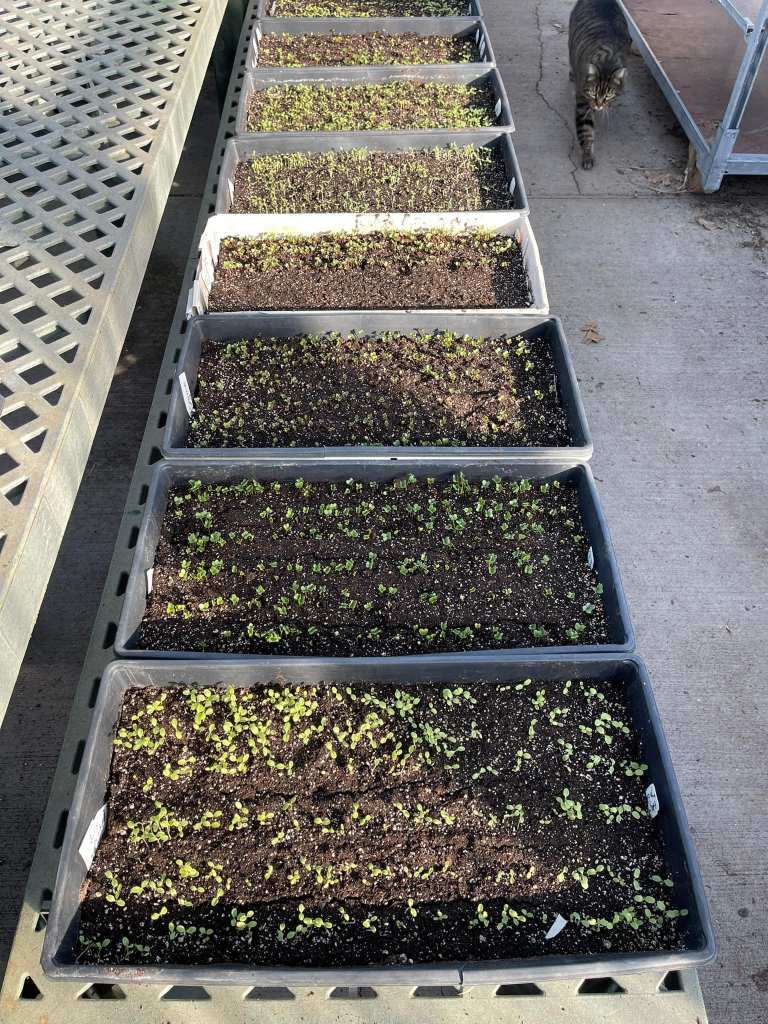
1) Tomatoes. These sunny-weather loving plants are an essential part of any survival garden. Start them indoors if there is still frost outside, and move them outdoors to soak up the spring sunshine.

2) Lettuce. Lettuce can be planted right when the soil is workable. Its quick growth cycle means you’ll have a fresh, crunchy harvest in no time.

3) Spinach. Spinach thrives in the cooler temperatures of spring. Packed with nutrients, it’s an excellent addition to your survival garden.

4) Peas. Plant these directly into the ground when the soil softens. The young shoots add a burst of green to your spring salads, and the peas are a sweet treat.

5) Radishes. Quick to mature, radishes bring a spicy crunch to your dishes. They prefer the cooler weather of spring and can be ready to harvest in just a few weeks.

6) Carrots. Carrots require a bit of patience and loose, sandy soil, but the result is worth it. They are rich in B vitamins, like niacin and B6, which are important for being able to use the energy from food.

7) Beets. Beets provide two harvests in one. Tasty, sweet roots, and leafy greens that can be used in salads or cooked like spinach.

Each of these crops brings something unique to the table.

They can ensure that your prepping garden is not just varied and vibrant, but also nutrient-dense and hardy.

If you haven’t already, why don’t you plant some?

How To Protect Your Garden From Storms

Last summer, my cousin Jimmy shared a devastating story with me.

He meticulously cared for his garden.

He spent countless hours cultivating it.

And you would always see the pride in his eyes and he talked about it.

But a sudden hurricane changed everything overnight.

The strong winds destroyed his garden.

His tough work vanished before his eyes, leaving him without a vital food source for the coming months.

I don’t want this to happen to any of you.

Your garden is more than just a hobby. It’s a vital food source and a lifeline during emergencies.

When tragedy strikes, protecting your garden is essential for ensuring your’s and your family’s safety.

An easy way to weather-proof your garden is to choose resilient plants.

Some plants are naturally more resistant to extreme weather conditions.

Look for varieties that can handle heavy winds, excessive rain, or fluctuating temperatures.

Sturdy plants with strong root systems are your safest bet.

Opt for crops like kale, collard greens, and Swiss chard.

These plants can bounce back after a storm, and regain their strength.

Once you’ve chosen your crops, you need to place them in the right places.

When designing your garden, consider the natural windbreaks and barriers on your property.

Planting near fences, walls, or shrubs can shield your garden from strong winds.

Additionally, space your plants appropriately to allow for proper root development, which contributes to their overall stability.

But you are still not done.

You have to keep an eye on weather reports.

When you know a storm is on the horizon, take the necessary steps to reinforce them.

Install stakes or cages to provide additional support, especially for taller or top-heavy plants.

For smaller plants, you can use cloches or protective coverings to shield them from harsh weather.

Preventing damage to your garden during a hurricane may not be possible sometimes

But by taking these steps, you can minimize its impact.

And you can allow your crops to make it through the storm.

In the end, protecting your garden means protecting your food source.

It is something we shouldn’t neglect.

So folks, let’s fortify our gardens against the elements and ensure that we can weather even the strongest hurricane.

What No One Considers When Bugging Out…Until It’s Too Late

Imagine you’re coming back from work one day, and you receive this message.

“Emergency Alert – Hurricane Warning”

You are being instructed to evacuate as quickly as possible.

But that doesn’t scare you.

You grab your bug-out bag, gather your family, and head for the road.

Following your carefully planned escape route.

But there’s one factor you haven’t considered. Everyone else is trying to do the same thing.

The reality is, when emergency strikes, roads will be congested, gas stations will run dry, and tensions will be high.

And the approaching hurricane will not be making things any easier.

Doesn’t sound ideal, does it?

This is why having one escape route is not enough.

You need multiple options.

Begin by evaluating your escape routes and identifying less-traveled alternatives that could allow you to stay away from congested areas.

Also, consider the timing of your departure. Leaving at the first sign of trouble, before the masses clog the road, could give you a critical head start.

Additionally, it’s essential to prepare for the possibility that you may need to abandon your vehicle and continue on foot.

Ensure that your bug-out bag is equipped with the necessary items for a long trek and that your loved ones are physically prepared for such a journey.

And don’t forget to have a backup plan.

In the unpredictable world we live in, it’s essential to be adaptable and ready to alter course if your initial plan proves unfeasible.

I know people who are dead set on their emergency plans, and refuse to modify them.

However, adaptability is essential in emergency situations.

Follow these 10 survivalism steps to craft multiple emergency plans quickly.

By taking the time to rethink your bug-out plan you can account for the often-overlooked risk of getting caught in the disarray of a mass evacuation.

And you can make more informed decisions when emergency strikes.

Remember, it’s not just about planning for things you can expect. It’s also about being ready to face unexpected challenges that may arise along the way.

So take the time to consider every option available.

Don’t Bug Out Unless You’ve Thought About This

Sometimes we have to make tough decisions.

Decisions that can determine the fate of our families and our own future.

One of these decisions is knowing when to bug out, and when to stay put.

Deciding whether you should bug out or not is like choosing a partner.

It can either make you or break you.

Sometimes, it can be a lifesaving choice.

But bug out when you shouldn’t, and the consequences could be catastrophic.

I will tell you everything you need to know before you make a decision.

So you can protect yourself and your family with confidence.

First and foremost, always trust your instincts.

As I’ve mentioned in previous articles, our intuition is an incredible thing that can assist in guiding us in high-stress situations.

If your gut is telling you that it’s time to bug out, take that feeling seriously.

Next, consider the severity of the hazard.

Is it something that’s likely to escalate?

Or is it a situation that may subside without causing any significant harm?

For example, if you’re facing a natural emergency like a wildfire or hurricane, bugging out might be the greatest option to escape imminent risk.

On the other hand, if it’s a temporary power outage or a localized matter, staying put might be wise.

So these are the factors that you can’t control

Let’s talk about the things you can control.

Your resources.

When deciding whether to bug out or not, take a good look at your stockpiles.

If you have enough food, water, and first aid to last you throughout the whole emergency, then might want to stay indoors.

But if you need to look elsewhere for gear and essentials, then evacuating could be a necessity.

Then there’s the condition of your vehicle.

Whether we like it or not, our cars are essential for bugging out.

Evacuating on foot can be a hundred times tougher.

Another critical factor is the well-being of your family.

If you have young children, elderly relatives, or anyone with special needs, bugging out may be more challenging.

In some cases, staying put and fortifying your house could be safer.

Making the decision to bug out or not isn’t easy.

By considering these factors, however, you can pick the correct option.

Remember, having a well-thought-out plan in place will always beat getting caught unprepared.

So think about the things that you can and can’t control, and choose wisely.

Keep This Versatile Item In Your Bug-Out Bag.

Did you know you have an incredible prepping tool in your bathroom cabinet?

It’s true. No one thinks about it.

And yet dental floss has many uses that might come in handy when the chips are down.

First and foremost, it is essential for maintaining oral hygiene.

In a post-emergency scenario, dental care may be nonexistent.

Taking care of your teeth and gums is essential for preventing infections and other health hazards.

Dental floss can allow you to maintain good oral health, even in the most challenging circumstances.

But beyond its primary use, it has a surprising number of other applications that can come in handy in an emergency situation.

Its thin yet incredibly strong nature makes it a versatile tool.

For example, dental floss can be used as a makeshift fishing line.

If you find yourself needing to catch fish for sustenance, simply attach a hook to the end of the floss and cast it into the water.

Its inconspicuous appearance makes it less likely to scare fish, and its strength ensures that it can handle the weight of your catch.

Another practical use for dental floss is as a sturdy thread for sewing.

Whether you need to mend torn clothing, stitch up a wound, or create makeshift gear, dental floss is a reliable option.

Dental floss can also be used to create a tripwire alarm system around your camp or bug-out location.

By stretching it taut between trees or other anchor points, you can create a simple perimeter that will alert you if someone or something attempts to enter your area.

Tie a few aluminum cans or other noise-making objects to the floss, and you’ll have an early warning system in place.

These are just a few examples of the many uses for dental floss in an emergency situation.

What I love the most about it is that it comes in small packaging, so it doesn’t take up any space in your bug-out bag.

It’s light, compact, and versatile.

Why don’t you throw one in your bug out bag?

4 Times That Hunting For Food Can Be Deadly

I was reminiscing about a hunting trip I took a few years back.

It was supposed to be a quiet couple of days, just me and nature. But, as fate would have it, it wasn’t quite that simple.

As the dawn broke, I spotted a fine-looking deer.

However, I noticed something odd about its movements.

The deer seemed disoriented, stumbling, and acting unnaturally. It struck me then that this was not a safe animal to hunt.

See, it wasn’t about the deer itself, but with what might be lurking inside it.

This deer could have been exposed to harmful contaminants that can make the meat unsafe to consume.

Think about it like this.

When SHTF, the air we breathe, the water we drink, and the food we eat can become contaminated.

And the same applies to the wildlife around us.

Certain times and places make it risky to hunt due to the likelihood of contamination.

These are the 4 most common scenarios when you should steer clear of hunting

Post-Industrial Areas

Industrial waste can seep into the environment and contaminate local wildlife.

Don’t hunt near abandoned factories or industrial zones where the local animals might have been exposed to harmful pollutants.

Post-Nuclear Events

If there’s been a nuclear event in your area, radiation can contaminate animals for a significant time. The risk isn’t worth the potential food source.

During and After Wildfires

Wildfires can release heavy metals and toxins from burnt materials into the atmosphere. Animals exposed to these contaminants can become unsafe to eat.

Disease Outbreaks

Certain diseases like Chronic Wasting Disease (CWD) in deer can affect the safety of the meat.

Look out for erratic behavior, drooling, or lack of coordination in animals as signs of potential disease.

Hunting is more than just getting a good shot.

It’s about understanding the animal, the environment, and the potential risks involved.

It’s crucial to be aware of these dangers and make informed decisions about when to hunt and when to let it go.

So next time you’re out in the wilderness, remember to consider more than just the size of the game you spot.

We also have to ensure that food is safe to eat.

What NOT to eat in a crisis

I wasn’t planning on writing an article today…

Especially since the Mrs always tells me how I should be spending more time with her and the kids.

But I just saw something at the grocery store that I had to let you know about.

And to make sure you’re not making the same mistake.

There was this dude with a cart filled with canned food.

You know, canned beans, canned soup, canned meat, and the like.

And I overheard him saying how he’s creating an emergency stockpile.

And how these cans will be essential in bad times.

While I appreciate a man who’s trying to look out for his family,

Canned food ain’t it, brother.

What some folks don’t know is that canned food has a high sodium content.

A single can of minestrone soup contains around 1,550 mg of sodium.

That’s more than half a teaspoon of salt!

You might be thinking that’s nothing,

But let me tell you, if you give that to your family in an emergency,

This is what you’re risking.

Picture this.

The power’s been out for days.

The storm of the century has hit.

And you have your water supply starting to run low.

Then you reach for those canned beans.

And you’re stuffing down salt even though you’re dehydrated!

I’m no doc, but this isn’t healthy.

Take a look at what happens when you’re dehydrated.

The last thing you need in an emergency is for your kids and you to have high fever, sweating, or vomiting.

See how easily things can take a turn for the worse?

Everyone thinks canned goods are ideal for emergencies.

But if you think one step ahead, you begin to see the flaws.

So what’s the moral of our story? Balance, folks, and a keen eye on the details.

It’s not just about having enough to eat but having the right things to eat.

Foods that provide sustained energy, require minimal processing and don’t sap your precious water supply are your real allies in a crisis.

Stay safe, stay smart, and remember, survival is as much about what you don’t do as what you do.

Until next time, please stay safe, God bless, and keep your head on a swivel!

Can you bug out on foot?

Ask anyone what their plan when SHTF is, and they’ll you,

“I’ll just grab my family, hop in the car, and head out.”

And I don’t blame them.

Our vehicles are essential when it comes to a solid evacuation plan during an emergency.

But the reality is, your car might not always be there for you, brother.

It might run out of gas, have a flat tire, or become stuck in a traffic jam when you need it the most.

Or it might not be safe to evacuate with a car when there are major floods going on.

The point is, knowing how to evacuate on foot is a skill that everyone must have.

This goes beyond stamina and grit.

Because of its nature, bugging out on foot requires smart planning.

And knowing the lay of the land.

So let’s talk survival gear.

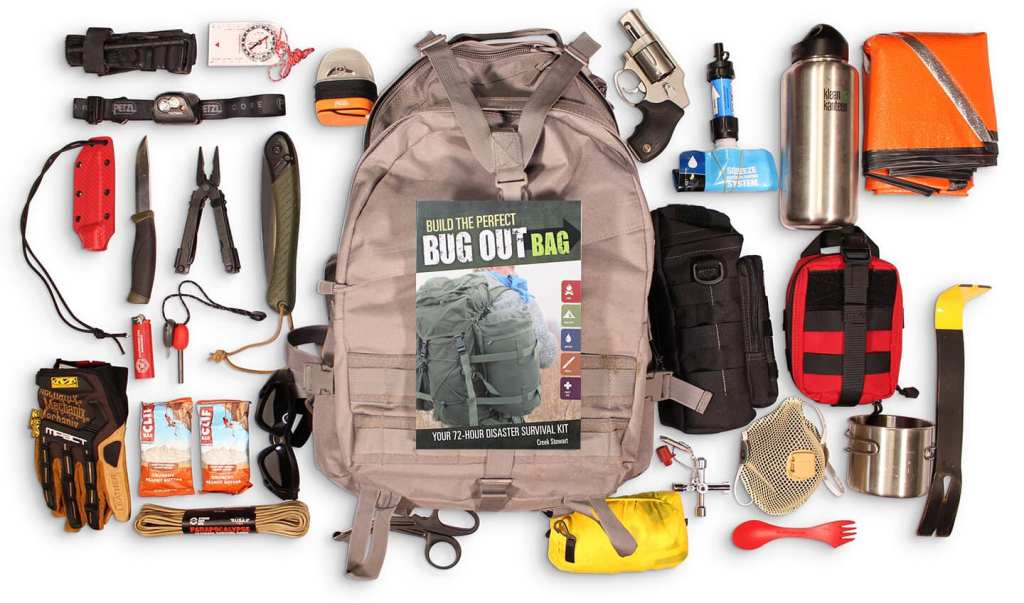
Your bug-out bag is your lifeline. It should be light but packed with essentials.

Water, non-perishable snacks, a map,

As well as these crucial items shown in this survivalist YouTube video.

Next we are going to consider the route.

Pre-planning multiple escape paths is essential, as is a solid understanding of your area’s geography.

Remember, the shortest route isn’t always the safest. Stay away from bottlenecks and high-conflict areas where possible.

Next on the list, footwear.

Everyone forgets about the importance of proper footwear until their feet become filled with blisters and they can’t even walk, let alone run.

See how to choose the appropriate footwear for off-the-grid survival before the worst happens.

And let’s not forget about stealth and security.

Traveling by foot requires you to be more aware of your surroundings.

Use natural cover, move at times when visibility is in your favor, and always have a plan for evading unwanted attention.

I’m also sure you understand that fitness plays a crucial role.

Regular walks, jogs, or hikes with your bug-out bag can prepare you for the demands of a real SHTF scenario.

Both physically and mentally.

While I hope it will not ever come this,

It’s always better to be safe than sorry.

Equip yourself with knowledge, gear, and the physical readiness to face whatever comes your way.

And remember, it’s not just about getting out, it’s about getting to safety.