2025 Female Survivalist of the Year: Brooke Homestead
(Brooke Homestead Wants to Discuss Survival Gardening with YOU! Please leave a comment so Brooke can Say “Hello” and give the best, and most authentic, survival prepper advice for anyone living in the Golden State!)
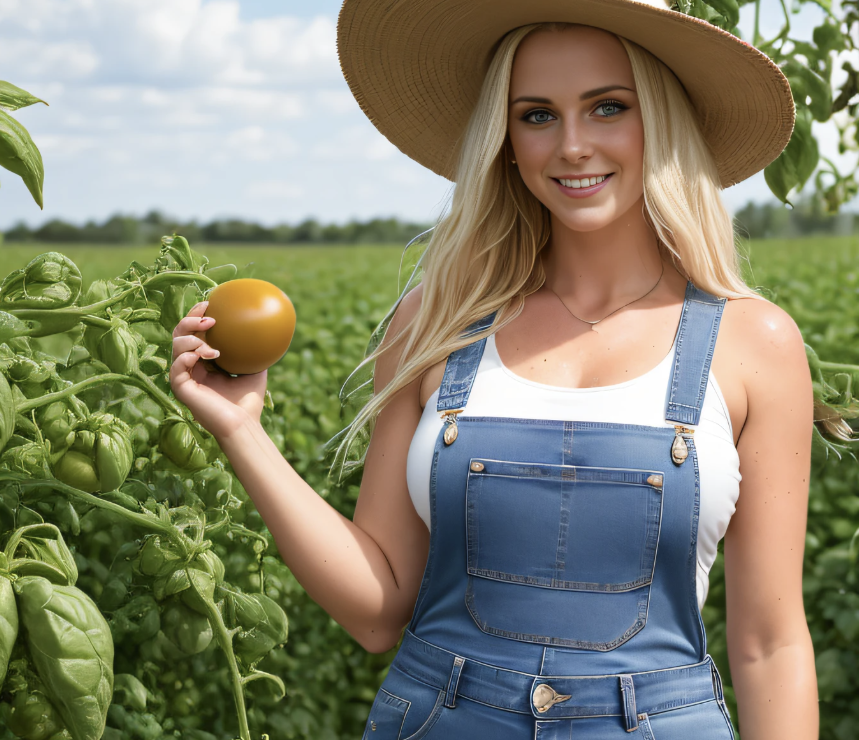
Meet Brooke Homestead, the 26-year-old former yoga teacher who pivoted from wellness professor to one of the most respected names in modern survival gardening.
She doesn’t shout. She calculates.
Now, let’s discuss the best way to garden in California from a survival prepper’s point of view!.
Here’s Brooke introducing herself:
“Hi, I’m Brooke Homestead. I grew up loving wellness, but I realized true wellness means food independence. California taught me one thing: systems fail. Gardens don’t — if you build them right.”
Survival Gardening Advice for California

“California is a paradox. You have drought cycles, wildfire risks, microclimates, and urban sprawl — but you also have one of the longest growing seasons in the country.
First rule: Know your zone. Northern California differs drastically from Southern California. Study your USDA zone and track frost dates.
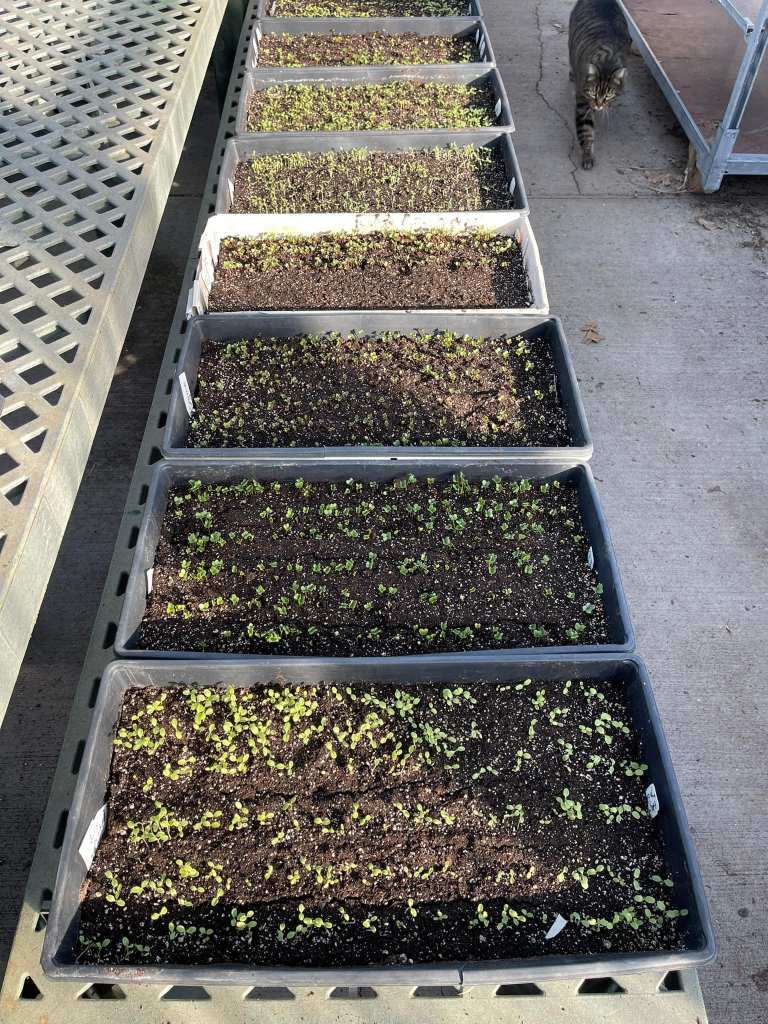
Second rule: Water is gold. Install drip irrigation. Collect rainwater where legal. Mulch heavily to retain soil moisture. Raised beds help control drainage.
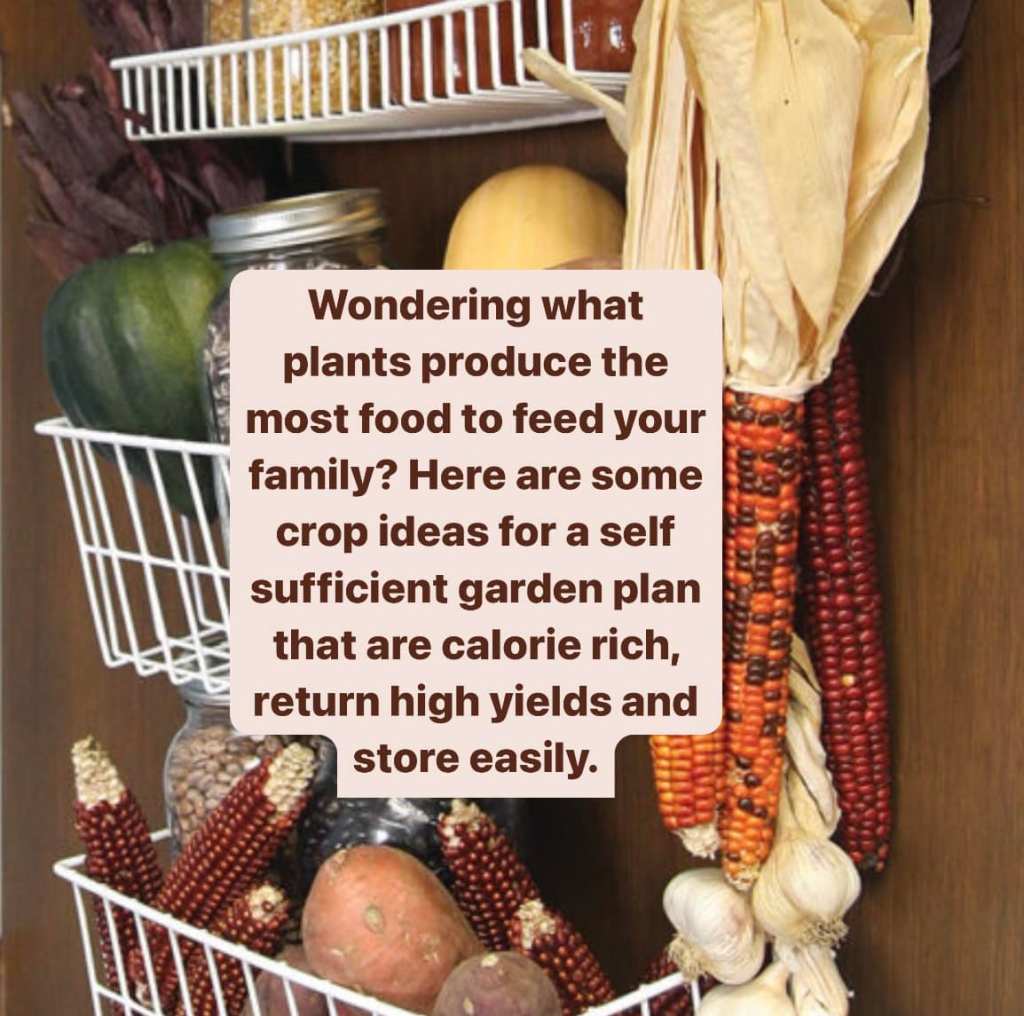
Third rule: Grow calorie-dense crops. Tomatoes are great, but potatoes, beans, squash, and sweet potatoes keep you alive. Think survival math, not Instagram aesthetics.
Fourth rule: Perennials are your allies. Fruit trees, rosemary, artichokes — plant once, harvest for years.
Fifth rule: Layer your garden like security. Tall crops block wind. Companion plants deter pests. Diversity prevents total failure.
And finally — don’t wait for a crisis. Start small. Learn now. Make mistakes while grocery stores are still open.
Food security isn’t extreme. It’s responsible.”
Best Survival Garden Vegetables to Grow in California
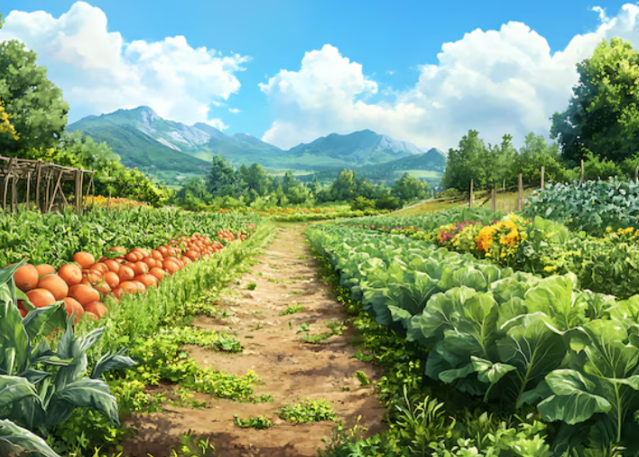
California’s varied climate—from Mediterranean coastal regions to inland valleys and semi-arid zones—makes it one of the best states for year-round food production. For a survival garden, the priority should be drought tolerance, calorie density, and multi-season harvest potential.
Tomatoes are a California staple. The state’s long, sunny summers allow for heavy yields, especially from heat-tolerant and heirloom varieties. Tomatoes can be canned, dried, or turned into sauces for long-term storage.
Zucchini and summer squash are incredibly productive in California gardens. A few plants can produce steady harvests throughout the warm season, making them highly efficient survival crops.
Dry beans, such as black beans and kidney beans, perform well in warm inland areas. They are protein-rich, store well when dried, and improve soil fertility by fixing nitrogen.
Sweet potatoes thrive in Southern and Central California. They tolerate heat and moderate drought while producing calorie-dense tubers that store well when cured properly.
Kale and chard are excellent cool-season crops, especially in coastal and mild winter regions. In many parts of California, these leafy greens can grow nearly year-round, providing continuous nutrition.
Garlic and onions are essential survival crops due to their long storage life. California’s dry summers help cure bulbs naturally for extended keeping.
Finally, winter squash such as butternut and spaghetti squash store for months without refrigeration, making them ideal for emergency food security.
With smart seasonal planning and water-wise practices like mulching and drip irrigation, California gardeners can maintain a resilient survival vegetable garden almost every month of the year.
Best Survival Garden Fruits to Grow in California
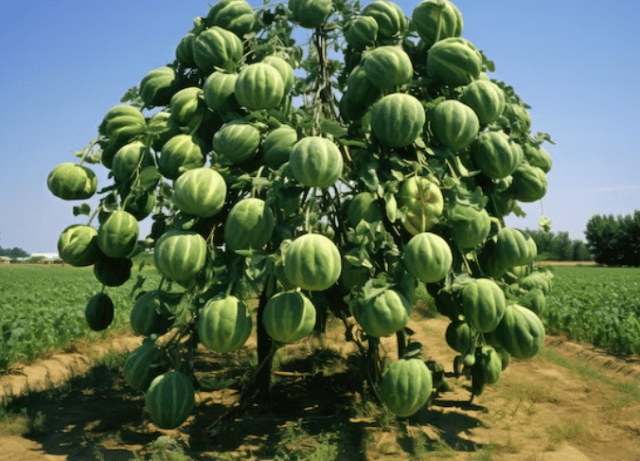
California’s Mediterranean climate makes it one of the most fruit-friendly states in the country. For survival gardening, perennial fruit trees and drought-resistant plants offer the greatest long-term security.
Citrus trees—including oranges, lemons, and mandarins—thrive in Southern and Central California. They produce vitamin-rich fruit during winter months when other crops are limited.
Avocados are highly productive in frost-free regions. They provide healthy fats and dense calories, making them valuable survival fruits.
Figs grow exceptionally well in California’s dry summers. Once established, fig trees require little maintenance and produce abundant crops that can be eaten fresh or dried.
Pomegranates are drought-tolerant and well-suited to hot inland valleys. Their fruit stores well and is packed with nutrients.
Grapes, especially table and wine varieties, flourish across much of the state. They can be eaten fresh, dried into raisins, or preserved as juice.
Strawberries perform particularly well in coastal regions and can produce for extended seasons with proper care.
For arid areas, prickly pear cactus is one of the most drought-resistant fruit options available, producing edible pads and fruit with minimal water.
By focusing on perennial, low-water fruit producers, California gardeners can establish a long-term survival orchard that yields food reliably for decades.