Silent Killers at the County Fair: Iowa’s Most Dangerous Insects and How to Avoid Them

I’ve spent years traveling the Midwest teaching preparedness, and every summer I make my way through Iowa during county fair season. The smell of funnel cakes, the sound of livestock auctions, and the crowds packed into fairgrounds are as Iowa as it gets. But when you spend enough time sleeping in rural campgrounds, walking fence lines, and standing in hot crowds, you learn quickly that Iowa’s greatest threats aren’t always storms or accidents. Sometimes, the smallest creatures carry the biggest risks.

Iowa doesn’t have tropical monsters or jungle predators, but it does have insects and insect-like pests that can seriously injure or even kill you under the wrong circumstances. As a survival prepper, I don’t believe in panic—I believe in awareness, preparation, and simple habits that keep you alive. Let’s talk about the deadliest insects you’ll realistically encounter in Iowa, why they’re dangerous, and how to protect yourself during fair season and beyond.


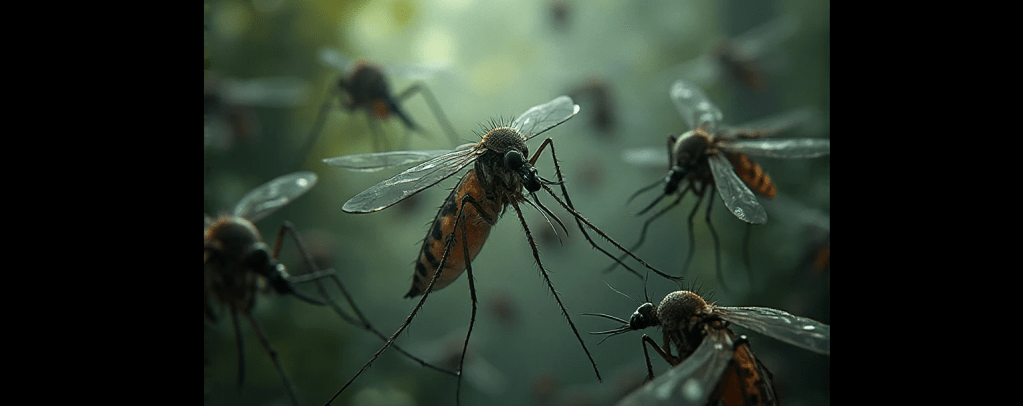
The Golden Mosquito: Iowa’s Most Dangerous Killer by Numbers

If I had to name the deadliest insect in Iowa, it wouldn’t be the scariest-looking one. It would be the mosquito.

Mosquitoes in Iowa are capable of transmitting serious diseases, including West Nile virus and other mosquito-borne illnesses. Most people brush off bites as itchy annoyances, but disease transmission is where the real danger lies. Every year, Iowans are hospitalized due to complications from mosquito-borne illnesses, especially older adults and those with weakened immune systems.

Why they’re deadly:

  • Disease transmission rather than venom
  • High population during warm, wet summers
  • Active at dusk, dawn, and during humid evenings

Survival prepper tips:

  • Wear long sleeves and pants during evening fair events
  • Use insect repellent when outdoors for extended periods
  • Avoid standing water near campsites or lodging
  • Use light-colored clothing to reduce attraction

At county fairs, mosquitoes thrive near livestock barns, food waste areas, and temporary water sources. I always assume mosquitoes are present and plan accordingly.


Small Stings, Big Consequences
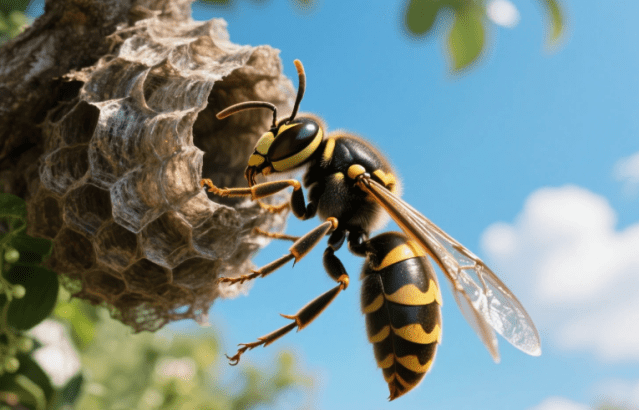
Stinging insects are a constant at Iowa fairs, picnics, and outdoor events. Yellowjackets, paper wasps, honeybees, and hornets are all common across the state.

For most people, a sting is painful but survivable. For others, especially those with allergies, a single sting can become life-threatening within minutes.

Why they’re deadly:

  • Severe allergic reactions (anaphylaxis)
  • Multiple stings from disturbed nests
  • Aggressive behavior near food and sugary drinks

Survival prepper tips:

  • Never swat at flying insects—it increases aggression
  • Keep food covered when eating outdoors
  • Check drink cans before sipping
  • Identify nest locations and keep your distance

At county fairs, I see people accidentally step on yellowjackets near trash cans more than anywhere else. Trash areas are danger zones—move deliberately and stay alert.


The Silent Hitchhikers

While ticks aren’t technically insects, any prepper would be irresponsible not to include them. Iowa is prime tick territory, especially in grassy areas, wooded edges, and rural fairgrounds.

Ticks can transmit serious illnesses, including Lyme disease. The danger isn’t immediate pain—it’s delayed symptoms that many people ignore until it’s too late.

Why they’re deadly:

  • Disease transmission
  • Often unnoticed for hours or days
  • High exposure risk in rural environments

Survival prepper tips:

  • Wear long pants and tuck them into socks
  • Perform full-body tick checks daily
  • Shower after spending time outdoors
  • Remove ticks promptly with proper technique

If you camp near fairgrounds or park in tall grass, assume ticks are present. I check myself every night, no exceptions.


Blister Beetles: The Hidden Hazard Most People Miss
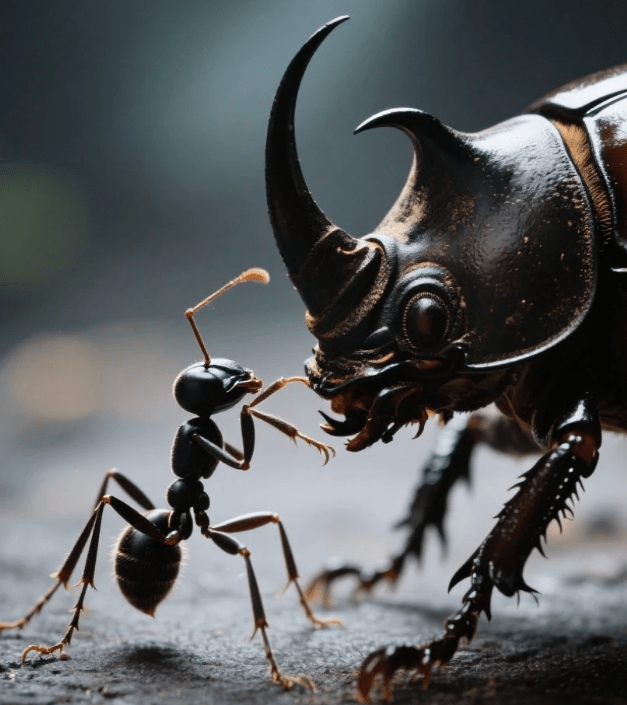
Blister beetles don’t look dangerous, which is what makes them risky. These beetles produce a chemical called cantharidin, which can cause severe skin blistering if crushed against the skin.

While human fatalities are rare, severe exposure or ingestion can be dangerous. They’re more commonly known for harming livestock, but fairgoers who handle hay, straw, or agricultural displays should be aware.

Why they’re dangerous:

  • Toxic chemical secretion
  • Skin injury and possible systemic reactions
  • Found near agricultural materials

Survival prepper tips:

  • Avoid handling beetles or crushing insects on bare skin
  • Wash hands after touching hay or straw displays
  • Wear gloves when handling farm materials

At agricultural fairs, people forget that not every danger flies or stings.


Horseflies and Deer Flies: Painful and Persistent

Horseflies and deer flies are aggressive biters found in rural Iowa during summer. Their bites can break the skin and become infected if not treated.

Why they’re dangerous:

  • Painful bites that can lead to infection
  • Aggressive behavior
  • Often found near livestock and water

Survival prepper tips:

  • Wear long sleeves near livestock areas
  • Clean bites immediately
  • Avoid swatting—move away calmly

While rarely fatal, infections can become serious if ignored.


Final Prepper Rules for Staying Alive in Iowa

Survival isn’t about fear—it’s about habits. When I walk Iowa fairgrounds, I follow simple rules:

  1. Assume insects are present everywhere
  2. Cover skin during peak insect hours
  3. Carry basic first-aid supplies
  4. Stay calm and observant
  5. Teach kids awareness without panic

Iowa is a great state with great people, but nature doesn’t take the summer off. Whether you’re visiting a county fair, camping nearby, or working outdoors, respecting Iowa’s smallest threats can make the difference between a good memory and a medical emergency.

Stay alert, stay prepared, and enjoy the fair—you’ll live longer that way.

Pennsylvania’s Most Dangerous and Deadly Insects That Will Sneak Up On You!

I’ve slept in deserts where the sand could cook your boots, jungles where the bugs were more dangerous than the enemy, and urban environments where complacency gets you hurt fast. These days I live in New York City, but every summer I pack up and head west into Pennsylvania—woods, mountains, rivers, and quiet towns that look peaceful until you stop paying attention.

And that’s the problem.

Pennsylvania doesn’t have lions, crocodiles, or venomous snakes crawling through every campsite. What it does have is something more dangerous: insects that people underestimate. Small. Quiet. Easy to ignore. Until they put you in the hospital—or worse.

This article isn’t written to scare you. It’s written to prepare you. Whether you’re hiking, camping, gardening, hunting, fishing, or just enjoying a backyard barbecue, you need to know what’s out there, what can hurt you, and how to stay alive and operational.

Because survival isn’t about panic.
It’s about awareness.


Why Insects Are a Serious Threat in Pennsylvania

Pennsylvania sits in a perfect storm of geography and climate. Warm summers, high humidity, dense forests, wetlands, farmland, and expanding suburbs create an ideal breeding ground for insects that bite, sting, inject venom, transmit disease, or trigger severe allergic reactions.

Here’s the reality most people don’t want to hear:

  • More people are injured by insects each year than by large wildlife
  • Allergic reactions kill more Americans annually than venomous animals
  • Disease-carrying insects are increasing due to climate shifts

The danger isn’t always immediate. Sometimes it’s delayed. Sometimes it’s invisible. Sometimes it starts as “just a bite” and ends in a hospital room.

Let’s break down the most dangerous and deadly insects in Pennsylvania, ranked by real-world threat—not hype.


1. Ticks – The Silent Killers of Pennsylvania

If I could eliminate one insect from Pennsylvania, it would be ticks. No debate.

Ticks are responsible for more long-term illness and suffering in this state than any other insect. They don’t sting. They don’t buzz. They don’t warn you. They wait.

Why Ticks Are So Dangerous

Pennsylvania is consistently ranked among the top states in the U.S. for tick-borne diseases, especially Lyme disease.

Ticks in Pennsylvania transmit:

  • Lyme disease
  • Anaplasmosis
  • Babesiosis
  • Ehrlichiosis
  • Powassan virus (rare but severe)

The most dangerous species include:

  • Blacklegged Tick (Deer Tick)
  • American Dog Tick
  • Lone Star Tick

Survival Reality

I’ve seen strong, athletic people reduced to chronic fatigue, joint pain, and neurological problems because they didn’t take ticks seriously.

Ticks can attach without pain. Symptoms may take weeks or months. Early detection is critical.

Prevention Is Non-Negotiable

  • Wear long sleeves and pants in wooded areas
  • Use EPA-approved insect repellents
  • Perform full-body tick checks daily
  • Shower immediately after outdoor exposure
  • Remove ticks properly with fine-tipped tweezers

In survival terms: ticks are patient predators. Treat them like one.


2. Mosquitoes – Pennsylvania’s Most Efficient Killers

Mosquitoes don’t look dangerous. That’s why they win.

Worldwide, mosquitoes kill more humans than any other animal. Pennsylvania isn’t immune.

Diseases Spread by Mosquitoes in PA

  • West Nile Virus
  • Eastern Equine Encephalitis (EEE)
  • Zika (rare but present in travel cases)
  • La Crosse encephalitis

While most mosquito bites are mild, the diseases they transmit can cause:

  • Brain inflammation
  • Permanent neurological damage
  • Death in vulnerable individuals

Why They’re Hard to Defend Against

Mosquitoes breed fast. They adapt. They thrive in:

  • Standing water
  • Wetlands
  • Suburban yards
  • Urban environments

You don’t need wilderness to encounter them.

Prepper’s Rule

Control what you can:

  • Eliminate standing water
  • Use window screens
  • Wear protective clothing at dusk and dawn
  • Use repellents consistently

Never assume “it’s just a mosquito.”


3. Eastern Yellow Jacket – Aggression with Air Support

Yellow jackets aren’t just wasps. They’re organized, territorial, and aggressive.

In Pennsylvania, they are responsible for more emergency stings than bees or hornets combined.

Why Yellow Jackets Are Dangerous

  • They attack in swarms
  • They can sting multiple times
  • They defend ground nests aggressively
  • They are attracted to food, trash, and sugary drinks

Real Risk

For people with allergies, a single sting can trigger anaphylaxis, a life-threatening condition that requires immediate medical intervention.

Even without allergies, multiple stings can cause:

  • Severe pain
  • Swelling
  • Infection
  • Toxic reactions

Survival Advice

  • Never swat at them
  • Identify and avoid ground nests
  • Keep food sealed outdoors
  • Move calmly if one approaches

Confidence and calm save you. Panic gets you stung.


4. Bald-Faced Hornet – The Black-and-White Enforcer

Don’t let the name fool you. The bald-faced hornet is not a hornet—it’s a highly aggressive wasp.

Why They’re a Problem

  • Extremely territorial
  • Large, painful stingers
  • Will pursue perceived threats
  • Nests often hidden in trees and shrubs

Tactical Reality

If you disturb a nest, you may not get one sting—you may get many.

Bald-faced hornets release alarm pheromones when they sting, calling in reinforcements.

Best Practice

  • Identify nests early
  • Never approach or disturb
  • Use professionals for removal
  • Maintain situational awareness while hiking or doing yard work

This is not an insect you “test.”


5. Brown Recluse Spider – Rare, But Serious

While not common across all of Pennsylvania, brown recluse spiders have been confirmed in isolated areas, often transported via boxes, firewood, or storage items.

Why It Matters

Their venom can cause:

  • Tissue damage
  • Severe skin reactions
  • Infection
  • Rare systemic complications

Survival Perspective

You’re unlikely to encounter one outdoors—but basements, sheds, and storage areas are risk zones.

Prevention

  • Shake out clothing and shoes
  • Wear gloves when moving stored items
  • Reduce clutter
  • Seal cracks and entry points

Respect the environment. Don’t blindly reach.


6. Fire Ants – An Expanding Threat

Fire ants are not historically native to Pennsylvania, but warming temperatures and human transport are allowing them to expand northward.

Why Fire Ants Are Dangerous

  • They attack in groups
  • Multiple stings per ant
  • Painful, burning sensation
  • Can cause allergic reactions

Future Risk

Fire ants are a watch list insect. What isn’t widespread now may be in the future.

Preparedness means anticipating change.


7. Kissing Bugs – Rare but Worth Knowing

Kissing bugs are uncommon in Pennsylvania but have been reported.

They can transmit Chagas disease, which can cause serious heart complications over time.

Risk Assessment

Low probability. High impact.

Prepper Rule

Know what they look like. Awareness is half the battle.


Why Insects Kill More People Than You Think

Insects don’t need claws or teeth. They use:

  • Venom
  • Bacteria
  • Viruses
  • Allergic reactions
  • Delayed illness

Most fatalities are not instant. They are preventable.

And prevention is a mindset.


Survival Principles for Insect Safety in Pennsylvania

  1. Awareness beats strength
  2. Preparation beats reaction
  3. Knowledge beats fear
  4. Complacency kills

You don’t need to live scared. You need to live smart.


Final Thoughts from a Former SEAL and Lifelong Prepper

Pennsylvania is beautiful. I vacation there for a reason. But nature doesn’t care about your comfort, your schedule, or your assumptions.

The most dangerous threats often come in the smallest packages.

Respect the insects. Prepare for them. Stay alert.

That’s how you enjoy the woods—and come home intact.

Stay sharp. Stay safe.