Pennsylvania Tiny Homes: Where Downsizing Is Taking Off
by Brooke Homestead — 2025 Female Survival Prepper of the Year
Pennsylvania is a state of historic cities, rolling hills, forests, and farmland — making it an intriguing option for tiny home living. Whether you’re looking to embrace minimalism in the countryside or settle into a small urban-friendly community, downsizing is gaining traction across the Keystone State. I’m Brooke Homestead, and after years of building tiny homes, surviving off-grid, and helping people live minimally, I know that location, zoning, and climate planning are the keys to a successful tiny home lifestyle.

Best Places for Tiny Homes in Pennsylvania: Lancaster and State College
Lancaster — Rural Charm and Tiny Home Potential
Lancaster, in southeastern Pennsylvania, is perfect if you want affordable land, farmland views, and a strong community focus:
- Zoning flexibility in rural areas: Many parcels in Lancaster County allow tiny homes on foundations or on wheels.
- Affordable land: Rural lots often range from $20,000–$50,000 per acre, providing room for gardens, solar setups, and rainwater collection.
- Community mindset: Residents value sustainable living, small-scale farming, and practical off-grid solutions.
💡 Brooke Tip: Focus on parcels outside city limits to maximize zoning flexibility and off-grid potential.
State College — Progressive Town for Small Living
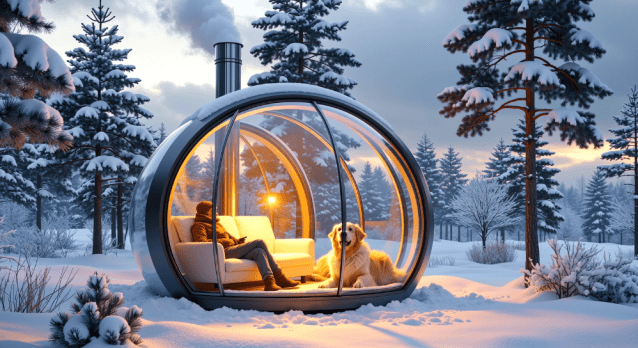
State College offers college-town energy combined with suburban-rural flexibility, ideal for tiny home enthusiasts:
- Rural/suburban zoning: County regulations often permit tiny homes as primary residences or accessory dwellings in low-density areas.
- Community support: Progressive, environmentally conscious residents embrace downsizing and alternative lifestyles.
- Access to amenities: Nearby markets, services, and recreational areas make tiny living more convenient without urban congestion.
Brooke Survival Insight: Winters are cold and snowy. Proper insulation, heating, and snow-load roof design are essential.
Challenging Areas for Tiny Homes in Pennsylvania: Philadelphia & Pittsburgh Metro
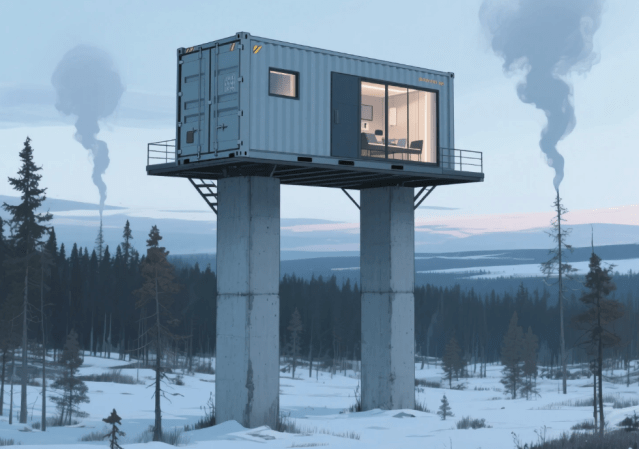
Urban centers pose challenges for downsizing and off-grid living:
- Zoning restrictions: Minimum lot sizes, historic district codes, and urban planning limit tiny home placement.
- High land costs: Urban lots can exceed $100,000–$300,000, reducing the financial advantage of tiny living.
- Limited off-grid potential: Dense development limits water, septic, and solar independence.
Brooke Tip: Tiny homes in Philadelphia or Pittsburgh are mostly feasible as ADUs behind existing homes or in planned tiny home or eco-communities.
Zoning Laws in Pennsylvania — Tiny Home Considerations
Pennsylvania has no statewide tiny home law, so regulations vary by municipality:
- Accessory Dwelling Units (ADUs): Increasingly allowed in progressive towns, typically 200–500 sq. ft.
- Tiny Homes on Wheels (THOWs): Treated as RVs; allowed mainly on rural private land or in permitted RV parks.
- Foundation-based Tiny Homes: Must comply with state and local building codes, including electrical, plumbing, structural, and insulation requirements.
Brooke Advice: Always verify with your township or county planning office before purchasing land — legal tiny home placement can vary widely, even between neighboring parcels.
Cost of Land in Pennsylvania — Budgeting for Tiny Homes
Land in Pennsylvania varies depending on location:
- Lancaster County outskirts: $20,000–$50,000 per acre — ideal for off-grid or semi-rural living.
- State College rural/suburban lots: $25,000–$60,000 per acre — offers space for small-scale gardens and solar.
- Philadelphia & Pittsburgh metro: $100,000+ per lot — tiny homes mostly feasible as ADUs or secondary dwellings.
- Northern PA small towns: $5,000–$20,000 per acre — excellent for off-grid setups and minimalist living.
Additional costs include wells, septic systems, solar panels, driveway access, and winter weather preparedness.
Climate Considerations — Pennsylvania Weather for Tiny Homes
Pennsylvania has four distinct seasons, which affects tiny home design:
- Winter: Cold, snowy, and windy — insulation, heating, and roof load capacity are critical.
- Summer: Hot and humid — ventilation, shade, and cooling systems are essential.
- Spring/Fall: Rain and storms require proper drainage and weatherproofing.
Brooke Survival Insight: Tiny homes are compact — poor insulation, inadequate ventilation, or water management mistakes can quickly create discomfort or hazards.
Final Homestead Thoughts
Pennsylvania is a state where tiny homes are gaining popularity, especially in rural and progressive areas:
- Best Places: Lancaster for farmland and rural freedom; State College for progressive, small-town living.
- Challenging Areas: Philadelphia and Pittsburgh metro due to zoning, density, and high land costs.
- Planning Essentials: Verify zoning, plan for all seasons, and prepare for off-grid readiness when possible.
Tiny home living in Pennsylvania is about resilience, minimalism, and connecting with your environment. With careful planning and the right location, you can thrive in a small, sustainable home surrounded by forests, farmland, and small-town communities.
— Brooke Homestead