Pennsylvania’s Most Dangerous and Deadly Insects That Will Sneak Up On You!

I’ve slept in deserts where the sand could cook your boots, jungles where the bugs were more dangerous than the enemy, and urban environments where complacency gets you hurt fast. These days I live in New York City, but every summer I pack up and head west into Pennsylvania—woods, mountains, rivers, and quiet towns that look peaceful until you stop paying attention.

And that’s the problem.

Pennsylvania doesn’t have lions, crocodiles, or venomous snakes crawling through every campsite. What it does have is something more dangerous: insects that people underestimate. Small. Quiet. Easy to ignore. Until they put you in the hospital—or worse.

This article isn’t written to scare you. It’s written to prepare you. Whether you’re hiking, camping, gardening, hunting, fishing, or just enjoying a backyard barbecue, you need to know what’s out there, what can hurt you, and how to stay alive and operational.

Because survival isn’t about panic.
It’s about awareness.


Why Insects Are a Serious Threat in Pennsylvania

Pennsylvania sits in a perfect storm of geography and climate. Warm summers, high humidity, dense forests, wetlands, farmland, and expanding suburbs create an ideal breeding ground for insects that bite, sting, inject venom, transmit disease, or trigger severe allergic reactions.

Here’s the reality most people don’t want to hear:

  • More people are injured by insects each year than by large wildlife
  • Allergic reactions kill more Americans annually than venomous animals
  • Disease-carrying insects are increasing due to climate shifts

The danger isn’t always immediate. Sometimes it’s delayed. Sometimes it’s invisible. Sometimes it starts as “just a bite” and ends in a hospital room.

Let’s break down the most dangerous and deadly insects in Pennsylvania, ranked by real-world threat—not hype.


1. Ticks – The Silent Killers of Pennsylvania

If I could eliminate one insect from Pennsylvania, it would be ticks. No debate.

Ticks are responsible for more long-term illness and suffering in this state than any other insect. They don’t sting. They don’t buzz. They don’t warn you. They wait.

Why Ticks Are So Dangerous

Pennsylvania is consistently ranked among the top states in the U.S. for tick-borne diseases, especially Lyme disease.

Ticks in Pennsylvania transmit:

  • Lyme disease
  • Anaplasmosis
  • Babesiosis
  • Ehrlichiosis
  • Powassan virus (rare but severe)

The most dangerous species include:

  • Blacklegged Tick (Deer Tick)
  • American Dog Tick
  • Lone Star Tick

Survival Reality

I’ve seen strong, athletic people reduced to chronic fatigue, joint pain, and neurological problems because they didn’t take ticks seriously.

Ticks can attach without pain. Symptoms may take weeks or months. Early detection is critical.

Prevention Is Non-Negotiable

  • Wear long sleeves and pants in wooded areas
  • Use EPA-approved insect repellents
  • Perform full-body tick checks daily
  • Shower immediately after outdoor exposure
  • Remove ticks properly with fine-tipped tweezers

In survival terms: ticks are patient predators. Treat them like one.


2. Mosquitoes – Pennsylvania’s Most Efficient Killers

Mosquitoes don’t look dangerous. That’s why they win.

Worldwide, mosquitoes kill more humans than any other animal. Pennsylvania isn’t immune.

Diseases Spread by Mosquitoes in PA

  • West Nile Virus
  • Eastern Equine Encephalitis (EEE)
  • Zika (rare but present in travel cases)
  • La Crosse encephalitis

While most mosquito bites are mild, the diseases they transmit can cause:

  • Brain inflammation
  • Permanent neurological damage
  • Death in vulnerable individuals

Why They’re Hard to Defend Against

Mosquitoes breed fast. They adapt. They thrive in:

  • Standing water
  • Wetlands
  • Suburban yards
  • Urban environments

You don’t need wilderness to encounter them.

Prepper’s Rule

Control what you can:

  • Eliminate standing water
  • Use window screens
  • Wear protective clothing at dusk and dawn
  • Use repellents consistently

Never assume “it’s just a mosquito.”


3. Eastern Yellow Jacket – Aggression with Air Support
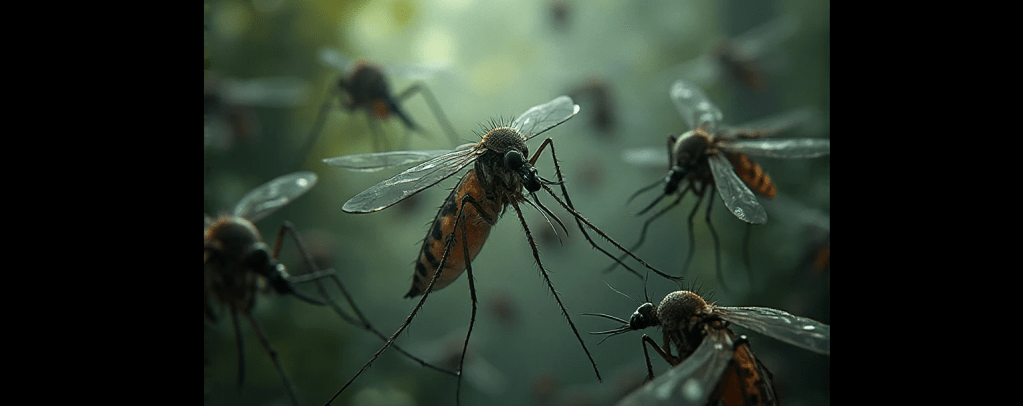
Yellow jackets aren’t just wasps. They’re organized, territorial, and aggressive.

In Pennsylvania, they are responsible for more emergency stings than bees or hornets combined.

Why Yellow Jackets Are Dangerous

  • They attack in swarms
  • They can sting multiple times
  • They defend ground nests aggressively
  • They are attracted to food, trash, and sugary drinks

Real Risk

For people with allergies, a single sting can trigger anaphylaxis, a life-threatening condition that requires immediate medical intervention.

Even without allergies, multiple stings can cause:

  • Severe pain
  • Swelling
  • Infection
  • Toxic reactions

Survival Advice

  • Never swat at them
  • Identify and avoid ground nests
  • Keep food sealed outdoors
  • Move calmly if one approaches

Confidence and calm save you. Panic gets you stung.


4. Bald-Faced Hornet – The Black-and-White Enforcer

Don’t let the name fool you. The bald-faced hornet is not a hornet—it’s a highly aggressive wasp.

Why They’re a Problem

  • Extremely territorial
  • Large, painful stingers
  • Will pursue perceived threats
  • Nests often hidden in trees and shrubs

Tactical Reality

If you disturb a nest, you may not get one sting—you may get many.

Bald-faced hornets release alarm pheromones when they sting, calling in reinforcements.

Best Practice

  • Identify nests early
  • Never approach or disturb
  • Use professionals for removal
  • Maintain situational awareness while hiking or doing yard work

This is not an insect you “test.”


5. Brown Recluse Spider – Rare, But Serious

While not common across all of Pennsylvania, brown recluse spiders have been confirmed in isolated areas, often transported via boxes, firewood, or storage items.

Why It Matters

Their venom can cause:

  • Tissue damage
  • Severe skin reactions
  • Infection
  • Rare systemic complications

Survival Perspective

You’re unlikely to encounter one outdoors—but basements, sheds, and storage areas are risk zones.

Prevention

  • Shake out clothing and shoes
  • Wear gloves when moving stored items
  • Reduce clutter
  • Seal cracks and entry points

Respect the environment. Don’t blindly reach.


6. Fire Ants – An Expanding Threat

Fire ants are not historically native to Pennsylvania, but warming temperatures and human transport are allowing them to expand northward.

Why Fire Ants Are Dangerous

  • They attack in groups
  • Multiple stings per ant
  • Painful, burning sensation
  • Can cause allergic reactions

Future Risk

Fire ants are a watch list insect. What isn’t widespread now may be in the future.

Preparedness means anticipating change.


7. Kissing Bugs – Rare but Worth Knowing

Kissing bugs are uncommon in Pennsylvania but have been reported.

They can transmit Chagas disease, which can cause serious heart complications over time.

Risk Assessment

Low probability. High impact.

Prepper Rule

Know what they look like. Awareness is half the battle.


Why Insects Kill More People Than You Think

Insects don’t need claws or teeth. They use:

  • Venom
  • Bacteria
  • Viruses
  • Allergic reactions
  • Delayed illness

Most fatalities are not instant. They are preventable.

And prevention is a mindset.


Survival Principles for Insect Safety in Pennsylvania

  1. Awareness beats strength
  2. Preparation beats reaction
  3. Knowledge beats fear
  4. Complacency kills

You don’t need to live scared. You need to live smart.


Final Thoughts from a Former SEAL and Lifelong Prepper

Pennsylvania is beautiful. I vacation there for a reason. But nature doesn’t care about your comfort, your schedule, or your assumptions.

The most dangerous threats often come in the smallest packages.

Respect the insects. Prepare for them. Stay alert.

That’s how you enjoy the woods—and come home intact.

Stay sharp. Stay safe.

How To Stay Safe and Survive During a Riot in Pennsylvania

When civil unrest erupts, the rules of normal society get tossed out the window. If you find yourself in Pennsylvania during a riot—whether in Philly, Pittsburgh, or a small town—you need to shift from civilian mindset to survivalist instinct fast. I’ve lived through hurricanes, blackouts, and civil unrest. Let me tell you: chaos doesn’t send a warning text.

If you’re caught unprepared, you’re a target. But with the right mindset, skills, and tools, you can protect yourself and your loved ones. Here’s how a seasoned survival prepper handles a riot scenario.


First: Situational Awareness is Your Survival Bedrock

Before you ever have to throw a punch or swing a bat, your awareness will keep you alive. Monitor your surroundings constantly. Know the difference between a peaceful crowd and a mob ready to burn everything in sight. Stay updated on local news, and if something starts brewing, trust your gut. Don’t wait. Get out early if you can.

Install police scanner apps and follow local emergency channels. If you’re on foot, avoid bottlenecks like alleyways or fences. If you’re in a vehicle, keep your gas tank above half at all times and know at least three alternate routes out of town.


8 Self-Defense Skills Every Prepper Should Master

In a riot, 911 is likely overwhelmed or unavailable. That means you are your own first responder. Whether you’re defending yourself or your family, here are the self-defense skills that matter most:

  1. Situational De-escalation
    Learn how to defuse tension verbally and with body language. Sometimes not fighting is the smartest fight you’ll win.
  2. Krav Maga Basics
    This Israeli martial art was designed for real-world violence. Focus on neutralizing threats fast—groin strikes, eye gouges, and throat punches are not dirty; they’re smart.
  3. Palm Heel Strikes
    Avoid hurting your own hand. A palm heel to the nose or jaw is devastating and easy to learn.
  4. Elbow Strikes
    In close quarters, nothing beats the elbow. Short, fast, and bone-breaking.
  5. Improvised Weapon Training
    Know how to turn a flashlight, pen, or belt buckle into a weapon. A sturdy tactical pen can be life-saving.
  6. Ground Defense
    If you end up on the ground, know how to protect your face and get back up. Jiu-jitsu fundamentals are invaluable here.
  7. Escape From Grabs
    Practice breaking holds. A wrist grab can lead to a beatdown—or a quick reversal if you’ve trained properly.
  8. Weapon Retention & Disarmament
    If someone pulls a weapon on you, your goal is either to flee or disarm fast. Learn the basics of redirecting a knife or firearm—timing and confidence are everything.

3 DIY Survival Weapons You Can Make at Home

Even if you don’t own firearms or they’re not accessible, you can arm yourself legally and discreetly with DIY tools that pack serious deterrent value.

1. PVC Pipe Baton

  • Materials: 1-inch diameter PVC pipe (2 feet), sand or BBs, duct tape.
  • Instructions: Fill the pipe with BBs or sand to give it weight, seal both ends, wrap with duct tape for grip. It hits hard and won’t attract as much attention as a metal bat.

2. Improvised Spear

  • Materials: A broomstick, kitchen knife, duct tape, paracord.
  • Instructions: Lash the knife to the end of the stick tightly. Works for both defense and deterrent purposes, especially if you’re defending your home.

3. Slingshot with Metal Ammo

  • Materials: Commercial slingshot, ball bearings or marbles.
  • Instructions: Practice accuracy. A slingshot can take down small game or discourage an aggressive attacker without the noise of a firearm.

How To Fortify & Escape Your Home During a Riot

If a riot is headed your way, bugging in is your first line of defense. Fortify your home with these quick strategies:

  • Block ground-floor windows with furniture or plywood. You’re not trying to win a war, just discourage entry.
  • Turn off all lights at night to avoid drawing attention.
  • Create a safe room. If intruders enter, you need one locked, fortified space to regroup and plan an escape if needed.

If the situation escalates and you must bug out:

  • Don’t take major roads. They’re likely jammed or under police/military lockdown.
  • Move at dawn or dusk. Less visibility, less risk.
  • Dress like a grey man. Neutral colors, no tactical gear that screams “prepared.” You want to blend in, not stand out.

Quick-Access Riot Survival Kit

Here’s what every Pennsylvanian should keep ready when unrest flares up:

  • Tactical flashlight with strobe
  • Filtered water bottle or Lifestraw
  • Multi-tool or fixed blade knife
  • First aid kit with blood clotting gauze
  • Smoke mask or N95
  • Sturdy gloves (for climbing or dealing with debris)
  • Copies of ID in a waterproof bag
  • Map with marked safe routes out of town
  • Cash in small bills
  • Energy bars or MREs

Mindset: The Ultimate Survival Tool

If you panic, you lose. Stay calm, focused, and decisive. Panic is contagious. So is confidence. Your demeanor will influence your family and those around you. In a riot, fear spreads like fire. Be the firebreak.

Trust your instincts. Don’t hesitate. If you see things are spiraling, don’t wait for permission to act. It’s always better to leave too early than one minute too late.


Final Thoughts From a Seasoned Prepper

Riots in Pennsylvania aren’t just a big-city problem anymore. With social tension boiling across the country, even rural towns can become hotspots overnight. You don’t need to be a doomsday bunker-dweller to be prepared. You just need to take your safety seriously.

Train your body. Train your mind. Prepare your home. Learn to defend yourself and protect what matters.

Because in the end, when the system fails, you’re all you’ve got.

Pennsylvania’s Worst Roads to Drive on During a Disaster

I’ve seen roads that chew tires like stale jerky, highways that turn into parking lots during hurricanes, and backroads where GPS gets you killed. But nowhere quite matches the unpredictable cocktail of terrain, weather, and infrastructure decay you’ll find on Pennsylvania’s worst roads during a disaster.

I’ve been up and down this state more times than I can count—bugging out from Philly riots, cutting across the Alleghenies during winter blackouts, even towing a broke-down Ford out of a Susquehanna flood zone. So when I say Pennsylvania’s roads can kill you if you’re not prepared, I mean it literally.

Let’s break down the worst offenders, give you some hard-earned survival driving skills, and toss in a few gas hacks you’ll thank me for when the pumps run dry.


The Worst Roads in PA During a Disaster

1. I-76 (Schuylkill Expressway – Philly)

Locals call it the “Surekill” for a reason. During any major disaster—be it a snowstorm, protest, or chemical spill—you’re crawling at 5 mph. Collisions are common, and escape routes are limited. The shoulder? Nonexistent in some areas.

2. I-78 Through Berks and Lehigh Counties

When the snow hits, this becomes a graveyard of jackknifed semis. With poor visibility and heavy freight traffic, you better know how to maneuver or you’ll end up part of the wreckage.

3. Route 222 (Lancaster to Reading)

Rural traffic meets sudden urban congestion. This road gets slick fast and is prone to flash flooding in low-lying farmland areas. When farmers bug out, they bring big machines—and they’ll clog up these narrow lanes.

4. PA Turnpike (Especially the Tunnel Sections)

Tunnels like Allegheny and Tuscarora can become traps during earthquakes, fire, or even just a multi-car pile-up. And let’s not forget the cash-only exits—ever try bartering jerky for a toll? Doesn’t work.

5. Route 22 (Central PA near Altoona)

This road is a mess in winter. Ice, fog, and steep curves make for lethal conditions. If you’re not ready for low visibility and tight maneuvering, stay off.

6. I-95 in Delaware County

Gridlock heaven, even on a good day. One overturned truck and you’re stuck with nowhere to go. Add panic evac traffic? Forget it.

7. Route 33 near Wind Gap

When winds scream down the mountains, semis start dancing. I’ve seen campers rolled like dice on this stretch.

8. I-81 Through Scranton

Trucker central and full of steep grades. One fuel shortage and the whole artery clogs with stalled rigs and desperate drivers.

9. Route 30 Through the Appalachian Foothills

Beautiful, sure—but it’ll get you killed if you’re not paying attention. Fallen trees, rockslides, and zero cell signal in spots.

10. Kelly Drive – Philadelphia

Scenic and suicidal during flooding. This road turns into a river every other big storm. Locals sometimes risk it, and they often regret it.


15 Survival Driving Skills to Master Now

  1. Throttle Control on Ice
    Ease into the gas. Hammering it just spins tires. Survival driving is about finesse, not force.
  2. Threshold Braking
    Master this on wet asphalt. It’s that fine line between locked wheels and total stop. Crucial during fast-developing pile-ups.
  3. Handbrake Turning
    Sometimes a 3-point turn gets you killed. A handbrake pivot can swing you 180 in seconds on gravel or ice.
  4. Engine Braking on Descents
    In mountainous terrain like the Laurel Highlands, use low gear. Don’t ride the brakes—you’ll cook ’em before you reach the valley.
  5. Spotting Escape Routes
    Constantly scan for drainage ditches, medians, and off-road paths. Sometimes you go through a field, not around it.
  6. Driving in Convoys
    Keep radio contact. Maintain enough space to swerve if the lead car gets ambushed—or crashes.
  7. Navigating Without GPS
    Old-school maps never run out of batteries. Know the stars, know the sun, and read the land.
  8. Reverse Maneuvers Under Stress
    Practice backing up full speed, around bends. You’ll need it in alleys or tunnel retreats.
  9. Driving With a Trailer
    Evac with a bug-out trailer? Learn how to reverse it properly—especially in tight spots.
  10. Night Driving Without Lights
    Use night vision if you got it. Otherwise, drive under starlight to avoid detection.
  11. Spotting Road Hazards
    Sinkholes, black ice, and fallen power lines are all over PA. Keep your eyes moving, and trust your gut.
  12. Wading Across Flooded Roads
    Know your vehicle’s fording depth. When in doubt, don’t. Most cars get swept in less than 2 feet of water.
  13. Changing a Tire Fast, in the Dark
    Practice this blindfolded. One flare or flashlight gives away your position. Silence and speed are life-saving.
  14. Driving with Broken Windows or No Windshield
    A shattered front glass can blind you. Keep goggles in your kit and know how to clear glass safely.
  15. Reading Tire Tracks
    You can tell what passed before you—how recently, how heavy, and how fast. Useful for tracking—or avoiding—others.

3 DIY Survival Driving Hacks When You Run Out of Gas

  1. Siphon the Smart Way
    Carry a hand-pump siphon. Look for stranded vehicles (RV parks are goldmines). Newer cars have anti-siphon valves, so know where to puncture the fuel line if needed—just don’t light a smoke while doing it.
  2. DIY Alcohol Fuel
    You can burn high-proof alcohol (like Everclear) in small quantities in older engines or multi-fuel vehicles. Filter it through a rag and pour small amounts mixed with regular gas. Not ideal—but it’ll get you moving.
  3. Gravity Feed System
    If your fuel pump dies, mount a gas can on your roof or roof rack and gravity-feed it to your carburetor (won’t work with fuel injection unless modified). Emergency-level stuff, but it’s saved my bacon once in West Virginia.

Final Word from the Road

Pennsylvania isn’t the easiest state to drive through on a sunny day—let alone when the sky’s falling, the roads are crumbling, and people are panicking. But survival isn’t about convenience. It’s about being ready when others freeze, flee, or fail.

Your vehicle is your lifeline—but only if you treat it like your rifle or your firestarter: with knowledge, respect, and readiness. Know the terrain, master the skills, and for the love of all things diesel, keep your tank half-full at all times.

Whether you’re dodging a storm, a riot, or just plain bad luck, remember: roads don’t kill people. Unprepared drivers do.

The Pennsylvania Homesteader: A Cold Reality Check for the Soft-Handed Dreamers

You think you’re ready for this life? Really? You saw a couple TikToks of someone in a Carhartt jacket holding a mason jar and now you’re a “homesteader”? Let me tell you something: homesteading in Pennsylvania ain’t no aesthetic daydream. It’s grit. It’s weather that turns on you faster than your cousin during deer season. It’s learning to live without modern conveniences—not because it’s cute, but because the power’s out and the propane truck got stuck at the bottom of your half-mile dirt driveway. Again.

You want the truth? This lifestyle will chew you up and spit you out if you come into it half-hearted. If you’re not ready to work like your life depends on it—and out here, it does—you might as well go back to your overpriced rental in Philly.

Skill #1: Firewood Management

Cutting, splitting, stacking, drying. Then doing it all over again because winter in Pennsylvania doesn’t care about your schedule or your feelings. You better learn how to read wood like a book and how to swing a maul like your ancestors are watching.

Skill #2: Canning and Preserving

We’re not talking about “fun jam day with the gals.” I’m talking about turning 60 pounds of tomatoes into shelf-stable food so you don’t starve in February. Pressure canner knowledge is non-negotiable. Botulism isn’t a joke.

Skill #3: Livestock Care

Chickens, goats, pigs, and if you’re brave (or stupid) enough—cattle. That means feeding, watering, birthing, butchering, doctoring, and yes, digging graves when things go sideways. Nature is cruel. So is this life.

Skill #4: Carpentry

You’re not calling a contractor every time something breaks, which is every day if your structures are older than your grandpa’s shotgun. Learn framing, roofing, and basic joinery—or get real comfortable watching your barn collapse.

Skill #5: Fencing

Good fences aren’t just about neighborly etiquette; they’re the only thing keeping your goats from demolishing your garden and your pigs from wandering into Route 6. Build it right, or build it again with fewer animals.

Skill #6: Gardening

This isn’t container gardening on a balcony. This is rows and rows of hard soil, invasive weeds, and groundhogs with a vendetta. You’ll battle blight, bugs, and burnout. Still want that heirloom tomato?

Skill #7: Butchering

You eat meat? Learn to process it. Know where your food comes from—right down to the blood, the guts, and the time your pig screamed like a banshee when it figured out what was happening. Respect the life, honor the death.

Skill #8: Beekeeping

Honey’s not just for tea; it’s medicinal and long-lasting. But you better learn fast, because if you don’t know how to manage mites or read a hive, you’ll lose them all before the first frost.

Skill #9: Food Fermentation

Sauerkraut, sourdough, kefir—if it bubbles and smells funky, you’re doing it right. Fermenting is not a trend out here. It’s preservation, nutrition, and flavor in one jar.

Skill #10: Seed Saving

Why keep buying seeds every season like a chump? Learn how to collect and store your own. It’s insurance for your food supply and a big ol’ middle finger to corporate agriculture.

Skill #11: Herbal Medicine

Healthcare’s a joke out here. Got a fever? A gash? A weird rash? You better know how to make a tincture, salve, or poultice, because the ER is an hour away and closed on Sundays.

Skill #12: Welding

Yes, welding. Because you will break things that can’t be fixed with screws and duct tape. Being able to fabricate or repair metal saves time, money, and your whole operation.

Skill #13: Weather Reading

If you wait for a forecast, you’re already screwed. Learn cloud types, wind direction, animal behavior, and that special smell the air gets right before a downpour. Your crops, animals, and firewood depend on it.

Skill #14: Hunting and Trapping

Deer meat fills the freezer, squirrels ruin the garden, and coyotes will eat your chickens. Don’t like guns or traps? Then get used to losing sleep and food to predators.

Skill #15: Water System Management

Rain catchment, graywater reuse, well pump repair—you need to control your water supply. If you’re relying on the town water line, you’re not homesteading—you’re cosplaying.


And Now… 3 DIY Homestead Hacks (That Actually Work)

Hack #1: Gravity-Fed Watering System

Run a length of PVC pipe or garden hose from a rain barrel or elevated tank to a drip irrigation line. Gravity does the work—no electricity needed. It’s a lifesaver when the grid goes down or you forget to water because your goat gave birth in the compost pile.

Hack #2: Solar Dehydrator Built from Scrap

Got old windows and leftover wood? Build yourself a solar dehydrator. Dry herbs, fruit, and meat without plugging in anything. Perfect for Pennsylvania summers when the sun’s out just enough to make you think it won’t storm later (spoiler: it will).

Hack #3: Five-Gallon Bucket Chicken Feeder

Drill 2-inch holes around the base of a bucket, set it inside a pan, and fill with feed. Chickens peck, feed doesn’t scatter, and your mornings get easier. Bonus: it keeps mice out. Mostly.


Final Thoughts from a Fed-Up Homesteader

Listen, I’m not here to crush your dreams. I’m just tired of watching folks think this is a vacation lifestyle. It’s not. It’s a fight—every damn day. But if you’ve got the backbone to match your Pinterest board, you might just make it. Pennsylvania’s a beautiful, brutal place to build a homestead. The soil’s rich, the woods are deep, and the seasons will humble you.

You want cozy? Fine. Come winter, we’ll see how cozy you feel when you’re breaking ice out of the goats’ water at 6 a.m., your kerosene ran out, and the rooster thinks 4:15 is a good time to start screaming.

But if you survive that first year? You’ll never want to go back. There’s power in self-reliance, in working with your hands, in building something that lasts. And when the world outside feels like it’s crumbling, you’ll be here—feeding yourself, heating your home, and sleeping with a clear conscience.

Welcome to the real Pennsylvania homestead lifestyle. Now grab a shovel and earn your keep.

Is Pennsylvania’s Drinking Water Safe? A Survivalist’s Rant and Guide

Listen up, because I’m about to lay down some harsh truths about Pennsylvania’s drinking water. If you think you can just twist a faucet and drink without a second thought, think again. The so-called “safety” of water in Pennsylvania is a ticking time bomb, a disaster waiting to happen, and I’m here to tell you how to survive the inevitable collapse of that fragile infrastructure. This is no joke. From chemical runoff to old pipelines, contamination is lurking beneath your feet. And if you’re not prepared to filter and purify your water, you’re going to be the first one down when the grid fails or the tap runs toxic.


Why Pennsylvania’s Drinking Water Is a Disaster Waiting to Happen

Pennsylvania, with its rich industrial past and sprawling agriculture, has a long history of pollution. Coal mining, fracking, factories dumping chemicals, and heavy use of fertilizers mean that water sources here are constantly under siege. The state’s water treatment plants do their best, but let’s be honest—what happens when the power goes out or when an accident releases hazardous chemicals into the rivers? You don’t want to rely on the “tap” as your lifeline. It’s not just about “safe enough” or “EPA standards met.” Those are minimums, often tested under controlled conditions that don’t reflect real-time emergencies or hidden toxins.


The Harsh Reality: Contamination and Risk Factors

  • Chemical pollutants: Pennsylvania’s legacy industries and modern fracking activities have introduced heavy metals, benzene, and radioactive elements into water sources.
  • Agricultural runoff: Nitrates and pesticides from farms flood rivers and reservoirs, causing algae blooms and toxicity.
  • Aging infrastructure: Lead pipes and corroded systems leak contaminants directly into household water.
  • Biological threats: Bacteria, viruses, and parasites from sewage overflows can contaminate water during floods or system failures.

You think your water is safe because it looks clear? That’s what they want you to believe. Clear does not mean clean.


15 Water Filtration Survival Skills Every Pennsylvanian Should Master

If you value your life, these are the essential skills you need to filter and purify water in the worst of conditions:

  1. Boiling Water Properly
    Always boil water vigorously for at least 5 minutes (longer at higher altitudes) to kill bacteria, viruses, and parasites. Don’t skimp on this.
  2. Using a Portable Water Filter
    Invest in a quality portable filter like a Sawyer or LifeStraw. Know how to disassemble and clean it to avoid clogging.
  3. Improvised Sediment Filtering
    Use cloth, bandanas, or coffee filters to strain out large particles before further purification.
  4. Charcoal Filtration
    Activated charcoal (charred wood) can absorb some chemicals and improve taste—learn to make your own charcoal filter.
  5. Solar Water Disinfection (SODIS)
    Fill clear plastic bottles with water and leave them in direct sunlight for 6 hours to use UV rays to kill pathogens.
  6. Chemical Disinfection (Bleach or Iodine)
    Add unscented household bleach (2-4 drops per quart) or iodine tablets; let sit 30 minutes. Know how to use this safely.
  7. Constructing a Sand and Gravel Filter
    Layer sand, gravel, and charcoal in a container to filter out sediment and some impurities.
  8. Using a Cloth Bag for Pre-Filtering
    Before any purification, pour water through a tightly woven cloth bag to remove debris.
  9. Distillation Techniques
    Use a solar still or improvised distillation setup to separate pure water from contaminants.
  10. Collecting Rainwater Safely
    Use clean tarps or containers to gather rainwater—make sure to filter and disinfect before drinking.
  11. Ice and Snow Melting for Water
    Melt ice or snow, but never eat it directly—low temperature weakens your core.
  12. Harvesting Dew
    Use plastic sheets to collect dew in the early morning, then filter before use.
  13. Testing Water Quality by Taste and Smell
    While not foolproof, recognize bad odors or metallic tastes as red flags.
  14. Recognizing Safe Water Sources in the Wild
    Fast-flowing mountain streams are safer than stagnant ponds, but still need purification.
  15. Using Natural Antimicrobial Plants
    Some plants (like watercress or certain herbs) can help reduce bacteria—learn local flora.

3 DIY Survival Drinking Water Hacks That Could Save Your Life

When standard gear is unavailable, improvisation is your best friend:

  1. DIY Charcoal Filter from Burnt Wood
    Burn hardwood until it’s charcoal, crush it into small pieces, and layer it with sand and gravel in a container. Pour water slowly through this setup to trap sediment and absorb toxins.
  2. Solar Still from Plastic and Dirt
    Dig a hole, place a container in the center, cover the hole with plastic sheeting weighted down at the edges and a small stone in the middle, and collect the condensation that drips into the container. This distills water using sunlight.
  3. Boiling Water in a Tin Can Using a Fire
    If you lack a pot, clean a tin can, fill it with water, and place it near or above your fire using makeshift supports. Boiling kills pathogens, so this hack is essential when gear fails.

The Bottom Line: Don’t Trust the Tap, Prepare to Fight for Every Drop

Pennsylvania’s water system is a patchwork of vulnerability. Pollution, aging pipes, and the possibility of disasters mean that when push comes to shove, you’re on your own. If you haven’t mastered these filtration and purification skills, you are gambling with your life and your family’s health.

I’ve seen it all—people blindly trusting their water only to fall sick or worse because they didn’t prepare. Don’t be that person. Start training yourself now, stock up on essential filters and chemicals, and learn to create safe water from practically nothing.

The water crisis isn’t coming someday. It’s already here in pockets and will spread. When Pennsylvania’s water turns unsafe, will you be ready to survive? Because if you’re not, no one else will save you.


Final Word: Water is Life, But It Can Also Be Death

No matter where you live, especially here in Pennsylvania, your survival depends on understanding the dangers lurking in every drop of water. Get your hands dirty, build those DIY filters, memorize those skills, and always question the safety of your drinking water. Don’t rely on the government or utilities—trust your own knowledge and preparation.

The moment you stop taking water seriously is the moment you start sliding toward disaster. So get angry, get prepared, and protect your most vital resource with everything you’ve got.

Think You’re Ready for Pennsylvania’s Hiking Trails? You Might Be Wrong

Think You’re Ready for Pennsylvania’s Hiking Trails? You Might Be Wrong

Hiking Trails: Pennsylvania Hiking Trails

Listen, I’ve walked trails in deserts that could bake a lizard’s tongue dry in two minutes flat. I’ve hiked through rain forests so thick you couldn’t tell where the vine ended and the snake began. But nothing—and I mean nothing—tests your grit like Pennsylvania’s wilderness.

You think you’re ready for it? You might be. But probably not.

See, Pennsylvania doesn’t mess around. It’s not Yellowstone with the families in cargo shorts and selfie sticks. It’s not the Smokies with their high-traffic pull-offs. This is Appalachia, baby. This is rugged, root-tangled, rock-littered terrain that doesn’t ask if you’re prepared. It demands it.

Let me get one thing straight before I hand over my list of the top 20 trails in the Keystone State: if your idea of hiking is strolling through a park with a granola bar and Bluetooth earbuds, stop reading now. This isn’t for you.

But if your blood hums at the thought of wilderness, if you sleep better under a tarp in the rain than under a roof, if you understand why duct tape and iodine tablets are worth their weight in gold—then you’re in the right place.

What Makes Pennsylvania Trails So Brutal—and So Beautiful?

The state is a geographical beast. We’ve got ridges that shoot up like dragon spines, forest so thick it swallows sound, and creek beds slick enough to drop a grown man on his backside faster than you can say “I told you so.”

Weather here turns on a dime. You’ll start a trail in sunshine, climb through a thunderstorm, and end in freezing fog. No joke—I’ve had frost on my sleeping bag in May.

Ticks? Everywhere. Poison ivy? Like wallpaper. Black bears? You bet. This is a land where your GPS doesn’t always work, where cell service gives up on you, and where your success—your survival, in the worst case—is tied directly to your skill, your gear, and your grit.

Still think you’re ready?

The Gear Checklist (The Stuff You Don’t Forget)

Before we dive into the trails, let me prep your pack. These are non-negotiables for a real hiker in PA:

  • Water filter or purifier: Springs might look clean, but they’re full of lies and giardia.
  • Map & compass: Don’t trust your phone. Paper doesn’t run out of batteries.
  • First aid kit: For everything from ticks to twisted ankles.
  • Knife/multi-tool: Don’t leave home without it.
  • Emergency shelter: Even if you’re day hiking, the woods don’t care about your ETA.
  • Food: High-protein, high-fat, and high-calorie.
  • Headlamp + extra batteries: Night hits hard and early in the woods.
  • Firestarter: Wet matches won’t save your life, but a ferro rod might.
  • Layers: Think merino wool and quick-dry synthetics.
  • Bear bag or canister: You’re in their house now.

Got it? Good. Now let’s talk about the top 20 trails where you’ll need every ounce of that gear—and every ounce of your will.


Top 20 Hiking Trails in Pennsylvania

(In no particular order—because they’re all beastly in their own right.)

  1. The Appalachian Trail (PA Section)
    Don’t let the nickname “Rocksylvania” fool you—this part of the AT earns it. Brutal footwork, but incredible ridgelines.
  2. Black Forest Trail
    47 miles of punishment and reward. Steep climbs, sharp switchbacks, and jaw-dropping views. One of the hardest loops in the state.
  3. Loyalsock Trail
    59 miles of waterfalls, rock outcrops, and deep solitude. Unblazed in places—so pay attention.
  4. West Rim Trail
    The “Grand Canyon of Pennsylvania.” 30 miles of pine-scented glory. Camp with views you’ll remember forever.
  5. Standing Stone Trail
    84 miles of rugged, remote hiking. Rock scrambles and a ton of elevation. Pure grit.
  6. Tuscarora Trail (PA Section)
    A lesser-known alternative to the AT. Steep, wild, and way less trafficked.
  7. Quehanna Trail
    75 miles through remote wilds. Elk sightings are possible. Bring your backcountry chops.
  8. Chuck Keiper Trail
    A loop that gives no mercy. Stream crossings, dense brush, and elevation swings. You’ll earn every mile.
  9. Thunder Swamp Trail System
    Located in the Poconos. Wet, wild, and weird. Navigation skills required.
  10. Donut Hole Trail
    A hidden 94-mile monster. Deep woods and river crossings—true isolation.
  11. Mid State Trail (PA’s Wildest Long Trail)
    327 miles cutting through the state’s heart. Not for the faint-hearted. Remote and relentless.
  12. Pinchot Trail System
    Located in Pinchot State Forest. Ideal for short backpacking trips but still remote and beautiful.
  13. Ricketts Glen Falls Trail
    Sure, it’s a tourist draw—but those waterfalls? Worth every step. Slippery rocks make this more dangerous than it looks.
  14. Mason-Dixon Trail
    200 miles along PA’s southern border. Mix of farmland, river views, and gnarly woods.
  15. Bear Meadows Loop
    Located near State College. Hauntingly beautiful bogs and quiet solitude. Watch for wet conditions.
  16. Minister Creek Trail
    A 7-mile loop in Allegheny National Forest. Short, but don’t underestimate the rock outcrops and steep switchbacks.
  17. Golden Eagle Trail
    Often called the best day hike in PA. Killer views over Pine Creek Gorge. Rugged and rewarding.
  18. Jakes Rocks Trails
    Near the Allegheny Reservoir. Technical terrain for day hikes, mountain bikers, and tough trekkers.
  19. Pine Grove Furnace Trails
    Where many AT hikers celebrate the halfway point. Short hikes nearby are deceptively steep.
  20. Rimrock Overlook Trail
    Not long, but the payoff is huge. One of the best sunset spots in PA. A great finale after a long trip in the forest.

Final Words from a Prepped Soul

I’ve seen people lose boots in the mud. I’ve carried out more than one hiker who thought five miles “wasn’t that far.” The truth is, Pennsylvania’s trails don’t care about your gym membership or your TikTok following. They chew up egos and spit out truth.

But that’s why we hike them, isn’t it? To feel real. To sweat out the lies and breathe in something cleaner. To find ourselves under stars so thick it feels like the sky’s about to cave in.

So ask yourself: are you ready? Or just pretending?

Because out there, between the black bears and the blazing sunsets, between the blistered heels and the high ridgelines—that’s where the truth lives.

And the trail? The trail’s just the way you get there.