

Driving in the fog is one of those experiences that reminds you of a simple truth: you are completely on your own out there. Nobody else seems to take danger seriously anymore. Most drivers barrel down the road like they’re invincible, assuming that the weather, physics, and common sense will magically rearrange themselves to suit their recklessness. Meanwhile, the fog thickens, your visibility shrinks to nothing, and you’re left trying to survive in a world where everyone else acts like they’re starring in an action movie.
But unlike them, you actually want to live. And in this age where attention spans have shriveled to the size of a raindrop, it’s up to the few remaining realists—preppers like us—to understand the real dangers and take responsibility for our survival. Fog isn’t just moisture hanging in the air; it’s a silent disaster waiting to happen. It hides hazards, confuses your senses, and turns ordinary roads into death traps.
So let’s talk about how to drive in the fog like someone who actually values their life, even if the rest of the world is too busy being oblivious.
1. Slow Down—Because Everyone Else Is Going Too Fast
If you think you’re going slow, slow down more. Most people treat fog like an annoying inconvenience rather than the lethal hazard it really is. They assume their headlights and overconfidence will substitute for actual caution. They’re wrong.
Fog kills visibility, depth perception, and reaction time. If you’re moving faster than you can see, then you’re not driving—you’re gambling. And the house always wins.
Driving slower gives you more time to react when another driver—probably scrolling on their phone—drifts into your lane or slams on their brakes.
2. Use Low Beams, Not High Beams—Unless You Enjoy Blinding Yourself
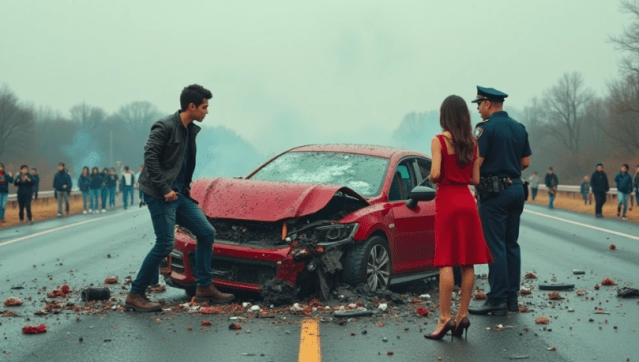
Here’s a fact that should be obvious, yet somehow isn’t: high beams make fog worse. They reflect light back at you like a giant glowing wall, cutting visibility even more.
Low beams and fog lights are your friends. They spread the light downward, closer to the road, where it matters. But every day, you’ll still see some genius blasting their high beams straight into the mist, wondering why they can’t see anything. Don’t be like them. The world already has enough fools.
3. Increase Following Distance—Because People Will Slam Their Brakes at the Worst Time
Fog has a cruel way of making ordinary drivers panic. The moment they feel uneasy, they slam on the brakes with zero warning. If you’re tailgating, you’re done.
Increase your following distance—double it, triple it, whatever it takes. If the person in front of you decides to reenact a scene from a disaster movie, you’ll need the space to save yourself from becoming part of the collision.
4. Stay in Your Lane—And Don’t Trust Anyone Else to Stay in Theirs
Fog makes borders blur. Road lines disappear. And other drivers? They drift, wander, and overcorrect like they’re hypnotized.
Use the right-side white line (not the center line) as your guide. It’s usually easier to see and safer to follow. Staying away from the center reduces your chances of colliding with oncoming traffic—especially the kind that refuses to respect their side of the road.
You can’t trust other drivers to stay where they’re supposed to. But you can control your own path.
5. Avoid Stopping on the Road—Unless You Want to Be Hit
Stopping in the fog is practically inviting someone to plow into you. Visibility is too low, and people drive too unpredictably. If you absolutely have to stop, pull as far off the road as humanly possible.
Turn on your hazard lights. Make your vehicle visible. Stand away from the road if you exit the car—because being outside the vehicle is often safer than sitting in it during a pileup.
Survival rule: never assume other drivers can see you. In fact, assume they can’t.
6. Eliminate Distractions—This Is Not the Time for Music, Snacks, or Daydreaming
Driving in fog requires the kind of attention most people reserve for watching the last slice of pizza disappear. You need to be alert, focused, and free of distractions.
Turn off the radio if you must. Put away your phone. Forget the coffee cup. You need every sense operating at full capacity.
Fog has a way of tricking your brain into thinking you’re going slower or faster than you really are. Staying fully aware helps you avoid falling into that trap.
7. Use Your Defrosters and Wipers—Fog Loves Turning Your Windshield Into a Mess
Fog often brings moisture, and moisture loves sticking to your windshield. Combine that with temperature changes and you’ve got the perfect recipe for fogged-up glass.
Use your front and rear defrosters. Adjust your AC to circulate dry air. Run your wipers if needed. A clear windshield is one of the few advantages you still have.
8. Know When to Pull Over—Your Survival Comes First
Sometimes the fog is simply too dense. If you can’t see the hood of your own car, you’re not driving anymore—you’re guessing.
Pull off the road completely (not just partly). Don’t rely on the kindness or intelligence of other drivers to avoid hitting you. Wait for conditions to improve. It’s better to arrive late than not at all.
The world won’t look out for your safety—you have to do that yourself.
9. Prepare Before You Drive—Because Emergencies Don’t Wait
A true prepper knows that half of survival happens before disaster strikes. Before you even put the key in the ignition:
- Check your lights
- Top off your windshield washer fluid
- Keep an emergency kit in the car
- Carry a flashlight
- Keep blankets and supplies
- Maintain your tires
Fog can turn a simple drive into a full-blown emergency faster than you think.
10. Don’t Expect Others to Know What They’re Doing
This is maybe the most important fog-driving rule of all: trust no one.
Not the teenager speeding in his sports car.
Not the commuter rushing to work.
Not the driver who doesn’t even know what fog lights are.
Everyone out there is guessing, hoping, and pretending. You’re the only one taking survival seriously. Their mistakes can become your tragedy—unless you’re prepared.
Final Thoughts: Survive Because No One Else Will Save You
Driving in the fog isn’t just about visibility—it’s about mindset. It’s about understanding that the road is unforgiving, other drivers are unpredictable, and danger doesn’t care how confident you feel.
But you’re not like the others. You’re a survival prepper. You think ahead. You stay alert. You know the world is full of hazards—and you prepare for them.
Fog may hide the road, but it doesn’t hide the truth:
You’re responsible for your own survival. And if you stay vigilant, you’ll make it through the mist while others get lost in it.
 TheDailyChristian