South Dakota’s Deadliest Insects: Survival Prepper Warnings You Need to Read

Most people assume that South Dakota is “safe” because we don’t have tropical jungles or deserts full of exotic killers. That assumption gets people hurt. Sometimes killed. Insects don’t need size or strength — they rely on venom, disease, and human ignorance.

This article isn’t written to scare you. It’s written to prepare you. Because survival favors those who respect the threat before it bites.

Below are the most dangerous insects found in South Dakota, why they matter, and exactly what to do if you encounter them.


1. Ticks (Blacklegged Tick & American Dog Tick)

Ticks are, without question, the most dangerous insects in South Dakota.

They don’t need venom. They don’t need aggression. They kill through disease transmission, and they do it slowly.

Why They’re Deadly

South Dakota ticks carry:

  • Lyme disease
  • Rocky Mountain spotted fever
  • Anaplasmosis
  • Tularemia

Untreated, some of these diseases can cause:

  • Organ failure
  • Neurological damage
  • Long-term disability
  • Death

Many fatalities occur because people ignore early symptoms.

Where You’ll Encounter Them

  • Tall grass and prairie
  • River bottoms
  • Wooded shelter belts
  • Hunting land
  • Campgrounds

Survival Protocol

  • Wear light-colored clothing to spot ticks early
  • Tuck pants into socks when in tall grass
  • Use permethrin-treated clothing
  • Perform full body checks after outdoor exposure
  • Remove ticks immediately with fine-tip tweezers
  • Seek medical attention if symptoms appear within 30 days

Ticks don’t rush. They wait. That patience is what makes them lethal.


2. Black Widow Spiders

Yes, spiders matter. And the black widow is not folklore.

Why They’re Dangerous

Black widow venom attacks the nervous system. While healthy adults usually survive with treatment, children, elderly individuals, and people with heart conditions are at real risk.

Symptoms include:

  • Severe muscle cramping
  • Chest pain that mimics heart attack
  • Nausea and sweating
  • Elevated blood pressure

Where They Hide

  • Woodpiles
  • Sheds and barns
  • Basements
  • Undisturbed corners
  • Farm equipment

Survival Protocol

  • Wear gloves when handling stored items
  • Shake out boots and clothing before wearing
  • Seek medical help immediately after a bite
  • Do NOT attempt home remedies

A black widow bite won’t always kill you — but it can incapacitate you long enough for other threats to finish the job.


3. Brown Recluse Spiders (Rare but Present)

Brown recluses are uncommon in South Dakota, but confirmed sightings exist, especially in transported goods and buildings.

Why They’re Dangerous

Their venom causes necrotic tissue damage, meaning flesh dies around the bite.

In severe cases:

  • Open wounds
  • Secondary infections
  • Sepsis
  • Permanent tissue loss

Where They Hide

  • Cardboard boxes
  • Storage areas
  • Closets
  • Attics

Survival Protocol

  • Reduce clutter
  • Use sticky traps in basements
  • Seek medical care immediately
  • Document the bite progression

The danger isn’t the bite — it’s ignoring it.


4. Mosquitoes (Yes, They Belong on This List)

Mosquitoes kill more humans globally than any other animal. South Dakota is no exception.

Diseases They Carry

  • West Nile virus
  • Encephalitis
  • Heartworm (fatal to pets)

West Nile can cause:

  • Brain swelling
  • Paralysis
  • Death

High-Risk Areas

  • Standing water
  • Wetlands
  • Late summer evenings
  • Flood-prone areas

Survival Protocol

  • Eliminate standing water around your property
  • Use EPA-approved repellents
  • Wear long sleeves at dusk and dawn
  • Install window screens
  • Take symptoms seriously

If you think mosquitoes are “just annoying,” you’re not paying attention.


5. Wasps, Hornets, and Yellow Jackets

These insects kill every single year — usually through allergic reactions.

Why They’re Dangerous

  • Multiple stings can overwhelm the body
  • Anaphylaxis can occur even in people with no known allergy
  • Swelling can block airways

Where They Attack

  • Eaves and soffits
  • Underground nests
  • Trees
  • Garbage areas

Survival Protocol

  • Never disturb nests
  • Wear protective clothing
  • Carry an epinephrine injector if allergic
  • Seek emergency care after multiple stings
  • Remove nests professionally

Underestimating stinging insects is one of the fastest ways to end up in an ER — or worse.


6. Fire Ants (Rare, But Expanding North)

Fire ants are not common yet, but climate shifts are pushing them northward.

Why They’re Dangerous

  • Aggressive swarm behavior
  • Painful venom
  • Secondary infections
  • Allergic reactions

Survival Protocol

  • Avoid unknown mounds
  • Wear boots outdoors
  • Wash stings immediately
  • Seek help if breathing issues occur

Survival means planning for what’s coming — not just what’s already here.


Final Survival Principles Every South Dakotan Should Follow

  1. Never dismiss insect exposure
  2. Act early — delay kills
  3. Protect skin before exposure
  4. Know symptoms and timelines
  5. Teach children awareness
  6. Keep medical kits accessible
  7. Respect the small threats

Insects don’t chase you. They wait for mistakes.


Final Thoughts from a South Dakota Survival Prepper

The most dangerous threats in South Dakota aren’t always loud or obvious. They don’t roar. They don’t stalk. They land, bite, sting, or latch on — and then disappear.

Survival isn’t about fear. It’s about respect, preparation, and discipline.

If you can survive the smallest threats, you can survive anything this state throws at you.

Stay sharp. Stay prepared. Stay alive.

South Dakota’s Worst Roads to Drive on During a Disaster

South Dakota’s Worst Roads to Drive on During a Disaster: A Survivalist’s Guide to Driving Your Way Out

I’ve spent decades on the road—across continents, through unforgiving terrain, and in every imaginable disaster scenario. Whether navigating flooded highways, treacherous mountain passes, or icy backroads, one truth stands firm: your vehicle can be your lifeline—or your coffin. South Dakota is no exception. Its wide-open prairies hide some dangerous choke points and stretches that become death traps when disaster strikes.

If you ever find yourself needing to bug out or escape a disaster in South Dakota, knowing which roads to avoid—and how to drive like your life depends on it—is crucial. I’ve mapped out some of the worst roads for disaster driving here, along with survival driving skills you need to master, and a few DIY hacks for when you run out of fuel. Buckle up; this is not a ride for the faint of heart.


The Worst Roads in South Dakota to Avoid in Disaster Scenarios

South Dakota’s terrain may look gentle, but disaster turns it into a death zone quickly. These roads are notoriously difficult during floods, ice storms, or structural failures:

  1. Highway 34 through the Badlands
    Narrow, winding, and often exposed to high winds and sudden rockslides, this highway can become a nightmare when disaster strikes. The Badlands are known for unpredictable weather and limited cell service, meaning if you get stuck here, help could be days away.
  2. Interstate 90 near the Missouri River Bridges
    During floods, these bridges can be compromised or closed without warning. Traffic congestion becomes a death trap in disaster evacuations, and the surrounding lowlands flood fast, trapping vehicles.
  3. Highway 79 south of Belle Fourche
    This stretch is exposed prairie with few alternative routes and is prone to heavy snow drifts in winter storms. In a disaster, this road can quickly become impassable, with limited places to pull over safely.
  4. State Route 34 between Huron and Mitchell
    Flood plains dominate this region, making it vulnerable to flash floods. The flat terrain means water pools quickly, and drainage systems can be overwhelmed.
  5. County Roads near the Black Hills National Forest
    Rugged, poorly maintained, and winding through dense forest, these roads are prone to landslides and fallen trees during storms or wildfires.

Survival Driving Skills for Disaster Scenarios in South Dakota

When the stakes are life or death, normal driving techniques won’t cut it. Here are 15 survival driving skills I swear by when navigating disaster zones on South Dakota’s worst roads:

  1. Controlled Skid Recovery
    When ice or mud takes the wheel from you, don’t slam the brakes. Steer into the skid and gently ease off the accelerator until control is regained.
  2. Throttle Modulation
    Smooth throttle application prevents wheel spin on slippery surfaces like ice or loose gravel.
  3. Defensive Scanning
    Constantly scan the horizon and roadside for obstacles, fallen trees, animals, or sudden drops. This also helps you anticipate road collapses or flood zones.
  4. Weight Transfer Management
    Understanding how your vehicle’s weight shifts during turns and braking helps prevent rollovers on narrow roads like Highway 34 through the Badlands.
  5. Emergency Braking Without ABS
    If your vehicle doesn’t have ABS, pump the brakes to avoid skidding. ABS systems behave differently; learn your vehicle’s braking response before disaster hits.
  6. High-Centering Avoidance
    When driving on uneven gravel roads or flood debris, know how to navigate to avoid your vehicle getting stuck high on an obstacle.
  7. Low-Speed Manoeuvring
    Master slow, precise steering to navigate tight, damaged, or obstructed roads.
  8. Hill Start Control
    On steep, icy inclines, use clutch control or the parking brake to prevent rollback.
  9. Use of Engine Braking
    On steep descents, downshift instead of relying solely on brakes to avoid overheating.
  10. Crosswind Stability
    South Dakota’s open plains expose vehicles to fierce crosswinds; keep a firm grip and slight steering correction to maintain lane control.
  11. Night Driving Preparedness
    Disasters often strike without warning; keep your night vision sharp and drive with minimal light pollution—use high beams only when safe.
  12. Water Fording Judgement
    Know the depth and current of floodwaters before crossing. Water above the axle is almost always a no-go.
  13. Tire Pressure Adjustments
    Lowering tire pressure can increase traction on soft surfaces like mud or sand, but be ready to reinflate as soon as possible.
  14. Vehicle Positioning for Escape Routes
    Always park or stop your vehicle so you can drive out quickly in any direction, especially on roads prone to sudden closures or blockages.
  15. Emergency Communication Readiness
    Keep a charged radio or satellite communicator to receive updates on road closures or hazards.

DIY Survival Driving Hacks When You Run Out of Gas

Running out of fuel during a disaster is a nightmare, but being a survivalist means preparing for the worst and improvising solutions. Here are three hacks that can keep you moving—or at least help you escape:

  1. Create a Gravity-Fed Fuel Transfer System
    If you find a fuel source in a nearby container (a damaged vehicle, storage tank, or jerrycan), use a clean hose or even a sturdy, flexible tube to siphon fuel. Gravity-fed siphoning is safer and more effective than mouth suction. Remember: always filter fuel through a clean cloth to avoid clogging your fuel lines.
  2. Use Dry Wood or Charcoal Briquettes to Generate Heat and Signal
    If you can’t move your vehicle, use dry wood or charcoal to create a controlled fire nearby. This can serve multiple purposes: keeping you warm, signaling rescuers, and deterring predators. Don’t leave your vehicle unguarded while you gather materials.
  3. Build a Makeshift Pulley or Tow System
    If your vehicle is stuck and fuel is low, rig a pulley system from sturdy branches or vehicle parts. Use your tow straps, rope, or even seat belts to leverage moving your vehicle to safer ground or toward a known fuel source. This requires some muscle and ingenuity but can save hours waiting for rescue.

Putting It All Together: Preparing for South Dakota’s Roads in Disaster

In my travels, I’ve learned that knowledge combined with preparation is survival’s foundation. South Dakota may seem calm, but when disaster hits, these roads become high-risk zones. Always:

  • Scout your route beforehand.
  • Pack extra fuel, emergency repair kits, and communication devices.
  • Know your vehicle’s limits.
  • Practice the survival driving skills until they become second nature.

When roads narrow or floodwaters rise, your mindset will determine if you’re just another statistic—or the one who makes it through.


Final Thoughts

South Dakota’s rural and sometimes wild landscape tests every driver, but especially in disaster scenarios. Your vehicle is a tool—one that requires skill, respect, and constant readiness. Learn the terrain, anticipate hazards, and never rely solely on modern conveniences like GPS or mobile networks. These will fail when you need them most.

Remember: disaster driving isn’t about speed; it’s about control, patience, and survival instincts honed by experience. If you master these 15 survival driving skills and know the worst roads to avoid, you’ll dramatically increase your chances of bugging out safely.

And if you do run out of gas, those three DIY hacks might just be the difference between staying stranded and making it home.

Stay sharp, stay ready, and drive smart.

This Ain’t Pinterest: Real Talk from a South Dakota Homesteader

Let me tell you something right now: if you think homesteading in South Dakota is all sourdough starters, chickens in cute aprons, and sun-dappled Instagram reels, you’re dead wrong. This ain’t some aesthetic lifestyle trend. This is hard, raw, gut-punching work. It’s frostbitten fingers, mud-caked boots, and waking up at 4:30 a.m. to milk goats in a -20°F blizzard while the wind rips through your soul like a rusty saw.

I’m not here to coddle you. I’m here to warn you — and, yeah, maybe light a fire under your backside. Because if you’re dreaming about “going off-grid” without knowing how to keep your pipes from freezing solid or your chickens from keeling over in the heat, you’ll get chewed up and spit out by South Dakota faster than you can say “sourdough discard.”

Let’s start with the weather, because Mother Nature out here doesn’t give a damn about your plans. Winter will try to kill you. Summer will try to dehydrate you. Spring is a cruel joke, and fall lasts about 12 minutes before winter kicks the door down again.

If you’re gonna survive here, you better get serious.

Here are 15 homesteading skills you’d damn well better know if you want to keep your sanity and your livestock alive in this state:

  1. Basic Carpentry – You’ll be fixing fences, building coops, and patching barns. No time for YouTube tutorials when your roof’s blown off in a storm.
  2. Animal Husbandry – Not just cuddling goats. I’m talking birthing, deworming, castrating, and dealing with an unexpected chicken massacre at 2 a.m.
  3. Seed Saving – Because next year’s food depends on this year’s seeds. Don’t trust Big Ag to bail you out.
  4. Composting – You’re gonna generate waste. Learn to turn it into black gold or you’ll drown in chicken crap.
  5. Butchering – If you can’t kill and process what you raise, you’ve got no business raising it.
  6. Water Management – Wells freeze. Hoses crack. You better know how to move, store, and thaw water without burning your house down.
  7. Soap Making – You will get filthy. Might as well smell like goat milk and lye while you do it.
  8. Canning & Preserving – Freezers aren’t dependable when the power cuts out for three days in a whiteout.
  9. Firewood Chopping – Forget electric heat. You’ll need cords of wood and the strength of a bear to stay warm out here.
  10. First Aid – The ER isn’t next door. You better know how to stitch, splint, and stop bleeding on your own.
  11. Foraging – Not every meal will come from your garden. Learn your wild edibles — chokecherries, morels, lamb’s quarters.
  12. Solar/Energy Know-How – Grid down? Windstorm take out the lines? Your backup better work, or you’re toast.
  13. Fencing – Livestock can’t stay in a dreamcatcher circle. Barbed wire, electric — learn it, use it, respect it.
  14. Mechanical Repair – Tractors, tillers, and generators break down. You need to be able to tear ‘em apart and put ‘em back together.
  15. Weather Forecasting (Old School) – If you wait for the weatherman, you’re already three days behind. Watch the sky. Smell the wind.

And don’t get me started on the DIY hacks — because out here, there’s no running to Lowe’s every time a hinge snaps. You rig it, you fix it, you improvise like your great-grandpa did. Here are three of my favorites that have saved my bacon more than once:


DIY Homestead Hack #1: The Heated Water Bucket on a Budget

Forget paying $50 a pop for fancy heated buckets. Take an old cooler, run a heated stock tank de-icer through the lid, seal it with silicone caulk, and boom — insulated, heated water bucket that keeps your animals hydrated even when it’s colder than a banker’s heart.


DIY Homestead Hack #2: Windbreak Wall from Pallets

South Dakota wind will drive you to madness if you let it. Stack free pallets, bolt them together, anchor them with t-posts, and fill the gaps with straw bales or snow. You’ll cut the wind chill for your animals and keep your coop from becoming a popsicle overnight.


DIY Homestead Hack #3: Egg Carton Fire Starters

Take your leftover egg cartons, fill the cups with dryer lint or sawdust, then pour melted candle wax or bacon grease over the top. Let ’em cool, then break off one or two when you need to light a fire fast — even in howling prairie wind.


And now, a word about expectations. Homesteading in South Dakota isn’t a weekend hobby. It’s not a way to “unplug” or “reconnect with nature.” It’s a full-blown life commitment, and it will test every part of your body and brain.

You will cry over dead piglets. You will rage at frozen pipes. You will feel like a failure at least once a week. But if you stick it out, there’s something deeper here. Something solid. Something that doesn’t blow away with the next windstorm.

Because when you finally harvest that first meal — every bite grown, raised, or foraged by you — it’ll taste better than anything you ever bought at a store.

When your kids learn to fix a fence before they learn to text, or when your partner brags about their pickled beets like they just won a blue ribbon at the state fair — you’ll know you’re doing something that matters.

We aren’t living in the past — we’re reclaiming the skills the world forgot. The ability to be independent. The courage to be prepared. The guts to face a world that thinks we’re crazy for wanting to work this damn hard.

So yeah, maybe I’m angry. I’m angry at a society that thinks we’re backward for wanting to know where our food comes from. I’m angry at every influencer who romanticizes this life but never shows the blood, frostbite, or exhaustion.

But most of all, I’m angry that more people don’t realize they can do this. You don’t need 100 acres. You don’t need a trust fund. You need grit, knowledge, and the humility to learn.

So get out there. Chop wood. Raise pigs. Plant seeds. Fail, learn, and keep going.

Because the wind may blow, the frost may bite, and the state may try to bury you — but out here, we endure.

Is South Dakota’s Drinking Water Safe

Is South Dakota’s Drinking Water Safe? An Angry Survivalist’s No-Nonsense Take

Alright, listen up. I don’t have time for sugarcoating or wishy-washy half-truths. If you’re living in South Dakota—or anywhere for that matter—and you think your drinking water is safe just because some government report says so, you’re dangerously naïve. Water is life. And if you don’t know how to secure, filter, and purify it, you’re asking for trouble. Plain and simple.

South Dakota may look like a peaceful, wide-open state with its rolling plains and serene lakes, but don’t let that fool you. Beneath that calm surface, contaminants—industrial pollutants, agricultural runoff, bacteria, viruses, heavy metals—are waiting to wreck your gut, your health, or worse. The water in municipal supplies, private wells, and natural sources can all harbor threats. Trusting blindly in tap water or any “officially safe” label is a survival mistake you don’t get to make twice.

So here’s the deal: Whether you’re bugging out or bugging in, you MUST master water filtration and purification skills. If you don’t, you’re dead in the water—literally. I’m laying out 15 water filtration survival skills that could save your life. Then I’m hitting you with 3 DIY survival drinking water hacks, because when push comes to shove, you gotta improvise with what you have.

15 Water Filtration Survival Skills to Keep You Alive

  1. Know Your Sources
    First, identify all possible water sources around you: rivers, lakes, ponds, rainwater, even puddles. Never assume clear water is safe—often the most polluted water looks deceptively clean.
  2. Pre-Filter Sediment
    Always filter out large particles and sediment before any purification. Use cloth, coffee filters, or even layers of sand and charcoal in a homemade filter.
  3. Boiling Water Properly
    This is survival 101. Boil water vigorously for at least one full minute (3 minutes if you’re above 6,500 feet elevation). Boiling kills most pathogens—bacteria, viruses, and protozoa.
  4. Use Activated Charcoal
    Charcoal removes chemical contaminants, toxins, and improves taste. If you can’t get activated charcoal, make charcoal by burning hardwood and crushing the blackened remains.
  5. DIY Sand and Gravel Filter
    Layer fine sand, coarse sand, and gravel in a container to filter out suspended solids. Pour water through slowly to trap particles.
  6. Solar Disinfection (SODIS)
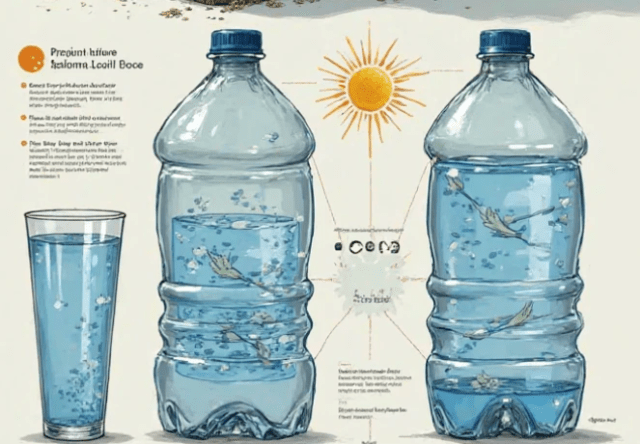
    In a pinch, fill a clear plastic bottle with water and leave it in direct sunlight for 6 hours. UV rays kill many bacteria and viruses.
  7. Chemical Purification
    Use iodine or chlorine tablets. Follow the instructions closely. Iodine is effective but not recommended for pregnant women or people with thyroid problems.
  8. Construct a Bio-Sand Filter
    This more advanced filter uses layers of sand and gravel combined with beneficial bacteria colonies to biologically purify water.
  9. Know Your Filters
    Carry a portable water filter rated to remove bacteria and protozoa. Some filter systems don’t handle viruses—know your gear’s limits.
  10. DIY Coffee Filter + Charcoal + Sand System
    Layer coffee filters, charcoal, sand, and gravel inside a plastic bottle with holes cut in the bottom for a makeshift filter.
  11. Distillation
    Set up a solar still or distillation apparatus if you have salty or chemically contaminated water. It’s slow but effective.
  12. Test for Contaminants
    If you have test strips or kits, use them to check for nitrates, lead, bacteria, and other toxins. It’s better than flying blind.
  13. Avoid Stagnant Water
    Avoid collecting water from stagnant sources that breed bacteria and parasites. Move water or let it flow before collecting.
  14. Maintain Your Equipment
    Clean your filters regularly. Don’t let mold or algae grow inside your water gear, or it defeats the purpose.
  15. Store Water Safely
    After filtration, store water in clean, food-grade containers. Cover them tightly and keep away from direct sunlight to prevent recontamination.

3 DIY Survival Drinking Water Hacks

Hack 1: The Bottle and Charcoal Filter
Take a clean plastic bottle and cut the bottom off. Invert it to make a funnel. Add a layer of cloth or coffee filter at the neck, then add crushed charcoal, fine sand, and gravel in layers. Pour water through slowly. This removes sediment, chemicals, and improves taste. Follow with boiling or chemical treatment for safety.

Hack 2: Solar Still for Distillation
Dig a hole in the ground. Place a container in the center to collect water. Cover the hole with plastic sheeting and weigh down the edges. Put a small stone in the middle of the plastic so it dips down over the container. Condensation will collect and drip into the container, leaving contaminants behind. Great for salty or dirty water.

Hack 3: Boiling with Pine Needles for Flavor and Detox
Boil water with fresh pine needles or spruce twigs. Not only does this add vitamins and improve taste, but the heat and natural oils can help neutralize some toxins. Just don’t rely on this alone; always filter first and purify.


Why You Can’t Trust “Safe” Water Reports in South Dakota

South Dakota’s surface water and groundwater come under increasing pressure from agricultural chemicals—nitrates, pesticides, herbicides—that seep into the water table. Reports often highlight compliance with EPA standards, but those standards don’t cover every harmful chemical or emerging contaminant. Industrial operations and old mining activities add heavy metals like arsenic and lead. Aging municipal infrastructure can cause pipe corrosion or contamination events.

You may have heard about nitrate contamination in parts of eastern South Dakota affecting private wells. Infants and pregnant women are especially vulnerable to nitrate poisoning (blue baby syndrome). And let’s not forget the occasional harmful algal blooms in lakes and reservoirs, which release deadly toxins into the water.

If you rely on untreated well water or natural sources, you’re rolling the dice without proper filtration and purification. Municipal tap water might be treated, but that doesn’t mean it’s 100% clean by your survivalist standards. Aging pipes, unknown contaminants, and possible boil water advisories during emergencies can all make tap water unsafe.


The Bottom Line

You have two choices: blindly trust whatever water comes out of your faucet or learn the skills to secure your own water supply no matter what. I don’t care if you live in a small South Dakota town or a farmstead miles from anywhere. You need to be your own water quality inspector, filtration engineer, and purification expert.

Ignoring this reality is an invitation to sickness or death. I’m not here to coddle you with feel-good talk or let you off the hook with “the government says it’s safe.” When the grid goes down, the rivers run dirty, or your well tests high on nitrates, what then? Don’t say I didn’t warn you.

Invest in a reliable water filter, learn to build your own, practice boiling and chemical purification. Carry test strips. Collect rainwater and know how to treat it. Build solar stills. Keep activated charcoal on hand. Don’t waste time complaining about water quality—fix it. Your life depends on it.

Remember, survival isn’t about hoping things get better. It’s about preparing for when they don’t. And when South Dakota’s drinking water turns bad—and it will—you better be ready. Because you won’t get a second chance.

The Truth Behind South Dakota’s Most Treacherous Hiking Trails

Let me tell you something most folks won’t: South Dakota is a sleeping beast.

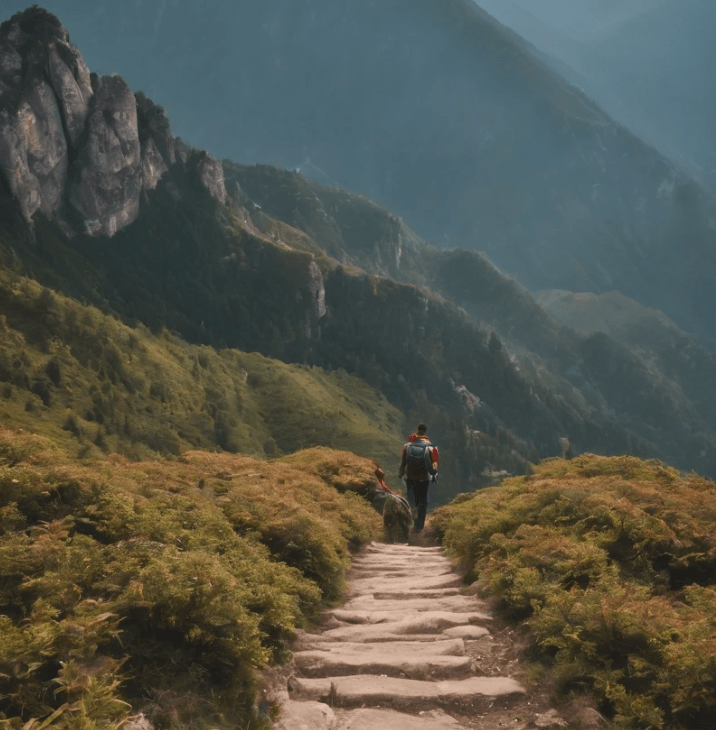
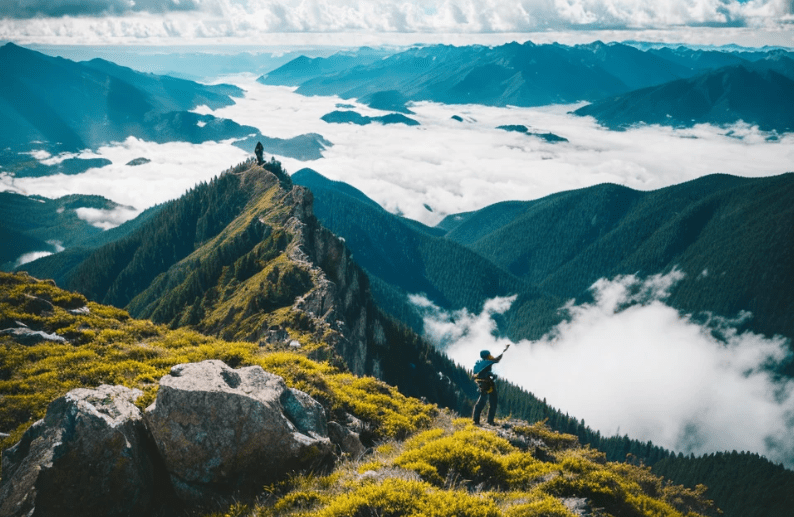
People think of it as flat prairie, Mount Rushmore, maybe some bison and cornfields. But if that’s all you know, then you’ve never laced up your boots and walked into the Black Hills with a pack on your back and silence all around you — the kind of silence that tells you you’re not at the top of the food chain anymore. Hiking Trails: South Dakota Hiking Trails

As someone who lives and breathes survival prepping and lives for the long, lung-burning hikes most people quit halfway through, South Dakota has earned my respect — and that’s saying something. The terrain may look tame from the road, but step off the trailhead and you’ll find out quick that this state has teeth.

Flash storms, rattlesnakes, sheer drop-offs, wildfire zones, and terrain that will chew up the soft and spit them into ravines. Some of these trails are so remote, you could break a leg and wait two days before another human stumbles across your body. That’s real. That’s why I don’t hike without a first-aid kit, survival knife, paracord, and enough water filtration gear to last me a week in case I get pinned down by a storm or worse.

So if you’re itching for the truth — the real truth — about South Dakota’s wildest, most treacherous hiking trails, you came to the right place. This isn’t some Instagrammable “top 10 list.” This is the rundown from someone who has walked them, sweated through them, and seen what happens when the land doesn’t care if you make it back.


⚠️ The Top 20 Most Treacherous Hiking Trails in South Dakota

By someone who hikes to survive and survives to hike.


1. Harney Peak (Black Elk Peak via Norbeck Trail)

Location: Black Hills National Forest
Length: ~7 miles round trip
Why it might kill you: Steep ascents, unpredictable weather, and altitude exposure at 7,242 feet — South Dakota’s highest point.


2. Cathedral Spires Trail

Location: Custer State Park
Length: ~1.5 miles one-way
Why it might kill you: Sharp rock formations, loose gravel, and narrow ledges. One wrong step and you’re toast.


3. Black Elk Wilderness Loop

Location: Black Hills
Length: 12–13 miles
Why it might kill you: Remote wilderness, poor cell reception, aggressive wildlife. No shortcut out.


4. Lover’s Leap Trail

Location: Custer State Park
Length: ~4 miles loop
Why it might kill you: Misleading name. Slippery when wet, cliffs at the overlook, and rattlers near the trail.


5. Sunday Gulch Trail

Location: Sylvan Lake
Length: ~4 miles loop
Why it might kill you: Boulder scrambles, creek crossings, and slick footing. One of the most physically demanding short hikes in the state.


6. French Creek Natural Area Trail

Location: Custer State Park
Length: 12 miles one-way
Why it might kill you: Wild bison territory, river crossings, and deep isolation. Bring a topo map — the trail markers vanish.


7. Crow Peak Trail

Location: Black Hills National Forest
Length: ~7 miles
Why it might kill you: Bears, blowdowns, and rapid elevation gain. Wind gusts on the peak can knock you flat.


8. Hell Canyon Trail

Location: Black Hills
Length: ~5.5 miles
Why it might kill you: Heatstroke danger in summer, rattlesnakes along the trail, and some dicey ledges.


9. Buzzard’s Roost Trail

Location: Near Rapid City
Length: ~3.5 miles
Why it might kill you: Popular with mountain lions in off-seasons. Bring your situational awareness.


10. Badlands Notch Trail (includes Saddle Pass & Castle Trail)

Location: Badlands National Park
Length: Varies, up to 10 miles combined
Why it might kill you: Extreme heat, disorienting terrain, and sudden drops. Water is life — and it’s scarce.


11. Sheep Mountain Table Trail

Location: Badlands National Park
Length: ~4.5 miles
Why it might kill you: Remote and exposed with unstable cliff edges. No shade, no water, no mercy.


12. Bear Butte Summit Trail

Location: Bear Butte State Park
Length: ~2 miles
Why it might kill you: Lightning magnet in storms, sacred land (respect it), and steep, wind-exposed switchbacks.


13. Centennial Trail (Full Thru-Hike)

Location: Wind Cave to Bear Butte
Length: ~111 miles
Why it might kill you: Long-distance isolation, dehydration risks, and rugged elevation changes. Not for first-timers.


14. Little Devils Tower Trail

Location: Custer State Park
Length: ~3 miles
Why it might kill you: Rock scramble at the summit. One misstep, and it’s a long, hard fall.


15. Willow Creek Trail

Location: Black Hills National Forest
Length: ~2.5 miles
Why it might kill you: Hidden by dense pine, easy to lose trail. Mountain lions are active here.


16. Medicine Root Loop

Location: Badlands
Length: ~4 miles
Why it might kill you: Exposed sun, badlands terrain tears up boots, no water access. Bring electrolytes or regret it.


17. Poet’s Table (Unofficial Trail)

Location: Black Hills
Length: ~2 miles (off-map)
Why it might kill you: Not on official maps. Off-trail scrambling, private property risks, and zero rescue access.


18. Cold Brook Canyon Trail

Location: Wind Cave National Park
Length: ~1.5 miles
Why it might kill you: Tall grass hides snakes and burrows. Bring gaiters and watch your step.


19. Rankin Ridge Trail

Location: Wind Cave National Park
Length: ~1 mile
Why it might kill you: Looks easy — until a sudden storm rolls in. Lightning strikes here often.


20. Savoy Trail System (Roughlock Falls to 11th Hour Gulch)

Location: Spearfish Canyon
Length: Varies
Why it might kill you: Ice patches in shoulder seasons, rockfall, and flash flood zones. Check weather before you go.


🧭 Survival Musts for South Dakota Trails

If you’re planning to hike any of these bad boys, don’t be a fool — prep like your life depends on it. Because out there, it might.

My Go-To Loadout:

  • Water filter pump + backup iodine tabs
  • Fixed-blade knife with fire-starting capability
  • Metal canteen (boil water ready)
  • Snake bite kit + full trauma-first aid
  • Survival bivvy + mylar blanket
  • Topo map, compass, and backup headlamp
  • Beef jerky, nuts, electrolyte packets
  • Bear spray + whistle
  • Lightweight tarp (shelter or emergency signal)

South Dakota may not be Alaska, but it doesn’t have to be. A six-mile trail can turn into a survival situation fast if the weather shifts or your ankle rolls 3 miles from help. Be ready, and you’ll walk away stronger. Come in cocky, and the land will teach you some hard lessons.