South Dakota Tiny Home Living: Where Simple Living Thrives
by Brooke Homestead — 2025 Female Survival Prepper of the Year

South Dakota is a state of wide-open skies, rolling prairies, and rugged hills — a place that naturally lends itself to simple, off-grid, and tiny home living. From the Badlands to the Black Hills, the landscape invites a slower pace and a deeper connection with nature. I’m Brooke Homestead, and after years of surviving off-grid, building tiny homes, and testing my skills in challenging environments, I can tell you: South Dakota is a tiny home dream if you choose your location carefully and plan wisely.
Let’s explore the best places to live tiny in South Dakota, what to watch for with zoning, land costs, climate considerations, and how to thrive in this beautiful state.
Best Cities and Areas for Tiny Homes in South Dakota: Rapid City and Spearfish
Rapid City — Gateway to the Black Hills
Rapid City is the perfect balance of small-city convenience and access to wilderness. If you want to live tiny while having access to shops, healthcare, and community resources, Rapid City and its outskirts are ideal.
Why Rapid City works:
- Supportive rural and suburban zoning: Many parcels outside the city core allow for tiny homes, ADUs, or modular structures with proper permitting.
- Proximity to nature: The Black Hills provide trails, rivers, and forests for sustainable living, hunting, gardening, and off-grid adventures.
- Community openness: Many locals embrace non-traditional housing, especially when it blends with the natural landscape.
💡 Brooke Tip: Look slightly outside Rapid City city limits. You get more flexibility, larger plots for solar, gardens, and water storage, and fewer bureaucratic headaches.
Spearfish — Small-Town Charm with Rural Freedom
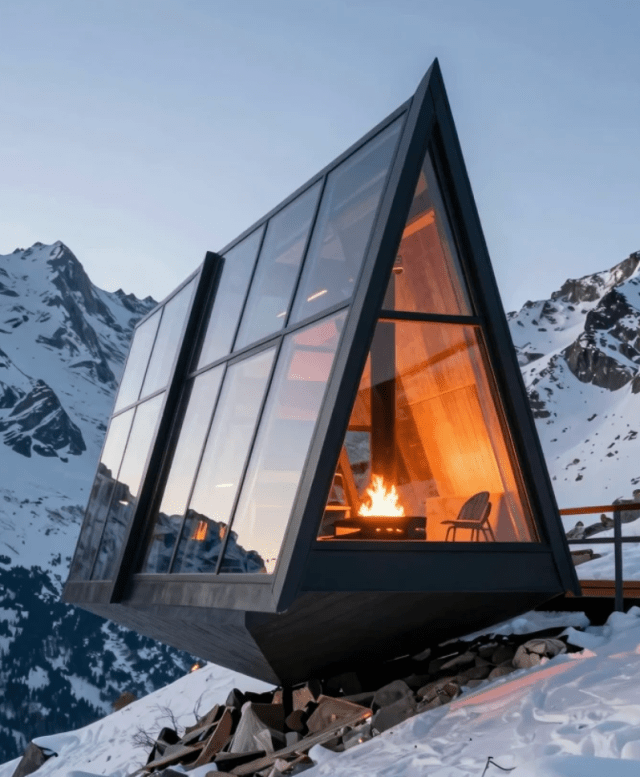
Spearfish is a hidden gem in western South Dakota. It offers mountain views, open land, and a slower pace, which is perfect for anyone serious about tiny living.
Why Spearfish works:
- Rural zoning flexibility: County codes often allow tiny homes on private property, both on wheels and foundation-based.
- Outdoor lifestyle: Hiking, rivers, and nearby forests make it easy to integrate sustainable living systems like rainwater collection or wood heating.
- Community-minded residents: Smaller towns tend to value self-sufficiency, giving you more freedom to build responsibly.
Brooke Insight: Water access is critical. Check if the parcel has well access or reliable utilities. Tiny homes thrive when you can store and manage water efficiently.
Toughest Zoning Areas for Tiny Homes in South Dakota: Sioux Falls and Urban Metro Areas
Sioux Falls is the largest city in South Dakota. While it has amenities, urban zoning makes tiny home living trickier:
- Strict minimum lot sizes: Tiny homes often don’t meet minimum square footage requirements for single-family residential zones.
- Tiny homes on wheels: Often treated as RVs, which limits full-time residency on private lots.
- High demand and cost: Even small parcels are expensive compared to rural areas, making tiny homes less cost-effective.
Other urban centers like Rapid City’s inner city or Aberdeen have similar restrictions. If your heart is set on city living, consider ADUs or planned tiny home communities.
Zoning Laws in South Dakota — Tiny Home Considerations
South Dakota doesn’t have statewide tiny home laws. Zoning depends on city, town, or county regulations:
- Accessory Dwelling Units (ADUs): Allowed in some suburban areas, typically 200–400 square feet.
- Tiny Homes on Wheels (THOWs): Treated as RVs; allowed in RV parks or rural land with proper permits.
- Foundation-based Tiny Homes: Must meet state building codes, including structural, plumbing, and electrical standards.
💡 Brooke Advice: Contact county or city planning offices before buying land. Tiny home legality can vary dramatically between neighboring parcels.
Cost of Land in South Dakota — Budgeting for Tiny Homes
Land costs vary by region:
- Western South Dakota (Black Hills, Rapid City outskirts): $5,000–$15,000 per acre. Utilities may need installation.
- Eastern South Dakota (Sioux Falls suburbs): $20,000–$50,000 per small lot. Urban regulations often limit free-standing tiny homes.
- Remote rural areas: As low as $2,000–$5,000 per acre, offering plenty of space for off-grid systems.
Other expenses include wells, septic systems, solar panels, and access roads. Off-grid readiness is key in South Dakota’s rural areas.
Climate Considerations — South Dakota Weather for Tiny Homes
South Dakota is not gentle — cold winters, hot summers, and strong winds are the norm:
- Winter cold: Snow and ice require insulation, strong roofing, and reliable heating (wood stove, propane, or electric backup).
- Summer heat and thunderstorms: Proper ventilation and rainwater management are essential.
- Wind: Tiny homes must be secured with tie-downs or permanent foundations in open prairie areas.
Brooke Survival Insight: Compact living doesn’t excuse planning failures. Always design for extreme weather — wind, snow, and rain can challenge any tiny home if it isn’t prepared.
Final Homestead Thoughts

South Dakota is ideal for tiny living for those who embrace simplicity, planning, and nature:
- Best Spots: Rapid City for access to Black Hills, Spearfish for rural charm.
- Challenging Areas: Sioux Falls and urban centers with restrictive zoning.
- Planning Essentials: Check zoning, water access, infrastructure costs, and climate preparedness before committing.
Tiny home living in South Dakota isn’t just about saving space — it’s about freedom, resilience, and connection to the land. Choose wisely, plan carefully, and the prairies, hills, and rivers of South Dakota will reward your tiny lifestyle.
— Brooke Homestead