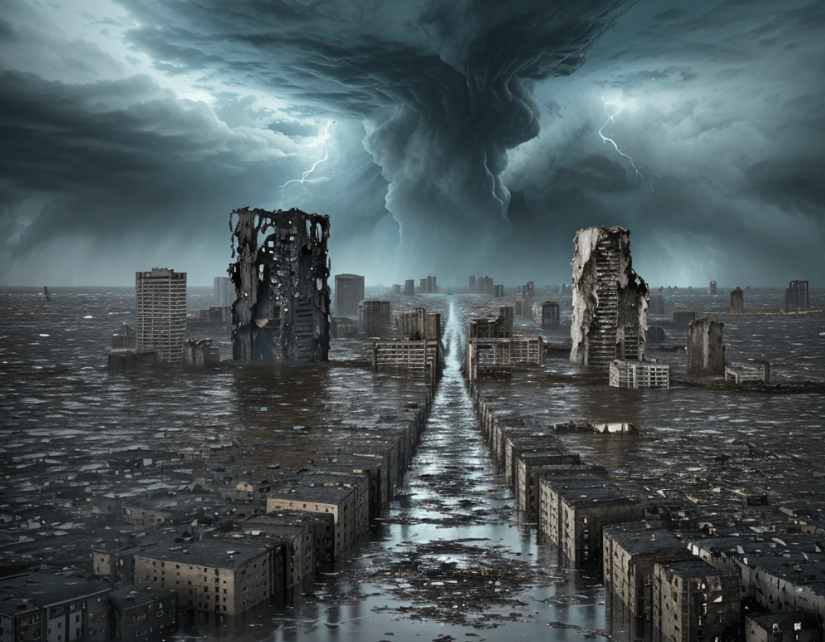
South Dakota’s Worst Roads to Drive on During a Disaster

South Dakota’s Worst Roads to Drive on During a Disaster: A Survivalist’s Guide to Driving Your Way Out

I’ve spent decades on the road—across continents, through unforgiving terrain, and in every imaginable disaster scenario. Whether navigating flooded highways, treacherous mountain passes, or icy backroads, one truth stands firm: your vehicle can be your lifeline—or your coffin. South Dakota is no exception. Its wide-open prairies hide some dangerous choke points and stretches that become death traps when disaster strikes.

If you ever find yourself needing to bug out or escape a disaster in South Dakota, knowing which roads to avoid—and how to drive like your life depends on it—is crucial. I’ve mapped out some of the worst roads for disaster driving here, along with survival driving skills you need to master, and a few DIY hacks for when you run out of fuel. Buckle up; this is not a ride for the faint of heart.


The Worst Roads in South Dakota to Avoid in Disaster Scenarios

South Dakota’s terrain may look gentle, but disaster turns it into a death zone quickly. These roads are notoriously difficult during floods, ice storms, or structural failures:

  1. Highway 34 through the Badlands
    Narrow, winding, and often exposed to high winds and sudden rockslides, this highway can become a nightmare when disaster strikes. The Badlands are known for unpredictable weather and limited cell service, meaning if you get stuck here, help could be days away.
  2. Interstate 90 near the Missouri River Bridges
    During floods, these bridges can be compromised or closed without warning. Traffic congestion becomes a death trap in disaster evacuations, and the surrounding lowlands flood fast, trapping vehicles.
  3. Highway 79 south of Belle Fourche
    This stretch is exposed prairie with few alternative routes and is prone to heavy snow drifts in winter storms. In a disaster, this road can quickly become impassable, with limited places to pull over safely.
  4. State Route 34 between Huron and Mitchell
    Flood plains dominate this region, making it vulnerable to flash floods. The flat terrain means water pools quickly, and drainage systems can be overwhelmed.
  5. County Roads near the Black Hills National Forest
    Rugged, poorly maintained, and winding through dense forest, these roads are prone to landslides and fallen trees during storms or wildfires.

Survival Driving Skills for Disaster Scenarios in South Dakota

When the stakes are life or death, normal driving techniques won’t cut it. Here are 15 survival driving skills I swear by when navigating disaster zones on South Dakota’s worst roads:

  1. Controlled Skid Recovery
    When ice or mud takes the wheel from you, don’t slam the brakes. Steer into the skid and gently ease off the accelerator until control is regained.
  2. Throttle Modulation
    Smooth throttle application prevents wheel spin on slippery surfaces like ice or loose gravel.
  3. Defensive Scanning
    Constantly scan the horizon and roadside for obstacles, fallen trees, animals, or sudden drops. This also helps you anticipate road collapses or flood zones.
  4. Weight Transfer Management
    Understanding how your vehicle’s weight shifts during turns and braking helps prevent rollovers on narrow roads like Highway 34 through the Badlands.
  5. Emergency Braking Without ABS
    If your vehicle doesn’t have ABS, pump the brakes to avoid skidding. ABS systems behave differently; learn your vehicle’s braking response before disaster hits.
  6. High-Centering Avoidance
    When driving on uneven gravel roads or flood debris, know how to navigate to avoid your vehicle getting stuck high on an obstacle.
  7. Low-Speed Manoeuvring
    Master slow, precise steering to navigate tight, damaged, or obstructed roads.
  8. Hill Start Control
    On steep, icy inclines, use clutch control or the parking brake to prevent rollback.
  9. Use of Engine Braking
    On steep descents, downshift instead of relying solely on brakes to avoid overheating.
  10. Crosswind Stability
    South Dakota’s open plains expose vehicles to fierce crosswinds; keep a firm grip and slight steering correction to maintain lane control.
  11. Night Driving Preparedness
    Disasters often strike without warning; keep your night vision sharp and drive with minimal light pollution—use high beams only when safe.
  12. Water Fording Judgement
    Know the depth and current of floodwaters before crossing. Water above the axle is almost always a no-go.
  13. Tire Pressure Adjustments
    Lowering tire pressure can increase traction on soft surfaces like mud or sand, but be ready to reinflate as soon as possible.
  14. Vehicle Positioning for Escape Routes
    Always park or stop your vehicle so you can drive out quickly in any direction, especially on roads prone to sudden closures or blockages.
  15. Emergency Communication Readiness
    Keep a charged radio or satellite communicator to receive updates on road closures or hazards.

DIY Survival Driving Hacks When You Run Out of Gas

Running out of fuel during a disaster is a nightmare, but being a survivalist means preparing for the worst and improvising solutions. Here are three hacks that can keep you moving—or at least help you escape:

  1. Create a Gravity-Fed Fuel Transfer System
    If you find a fuel source in a nearby container (a damaged vehicle, storage tank, or jerrycan), use a clean hose or even a sturdy, flexible tube to siphon fuel. Gravity-fed siphoning is safer and more effective than mouth suction. Remember: always filter fuel through a clean cloth to avoid clogging your fuel lines.
  2. Use Dry Wood or Charcoal Briquettes to Generate Heat and Signal
    If you can’t move your vehicle, use dry wood or charcoal to create a controlled fire nearby. This can serve multiple purposes: keeping you warm, signaling rescuers, and deterring predators. Don’t leave your vehicle unguarded while you gather materials.
  3. Build a Makeshift Pulley or Tow System
    If your vehicle is stuck and fuel is low, rig a pulley system from sturdy branches or vehicle parts. Use your tow straps, rope, or even seat belts to leverage moving your vehicle to safer ground or toward a known fuel source. This requires some muscle and ingenuity but can save hours waiting for rescue.

Putting It All Together: Preparing for South Dakota’s Roads in Disaster

In my travels, I’ve learned that knowledge combined with preparation is survival’s foundation. South Dakota may seem calm, but when disaster hits, these roads become high-risk zones. Always:

  • Scout your route beforehand.
  • Pack extra fuel, emergency repair kits, and communication devices.
  • Know your vehicle’s limits.
  • Practice the survival driving skills until they become second nature.

When roads narrow or floodwaters rise, your mindset will determine if you’re just another statistic—or the one who makes it through.


Final Thoughts

South Dakota’s rural and sometimes wild landscape tests every driver, but especially in disaster scenarios. Your vehicle is a tool—one that requires skill, respect, and constant readiness. Learn the terrain, anticipate hazards, and never rely solely on modern conveniences like GPS or mobile networks. These will fail when you need them most.

Remember: disaster driving isn’t about speed; it’s about control, patience, and survival instincts honed by experience. If you master these 15 survival driving skills and know the worst roads to avoid, you’ll dramatically increase your chances of bugging out safely.

And if you do run out of gas, those three DIY hacks might just be the difference between staying stranded and making it home.

Stay sharp, stay ready, and drive smart.
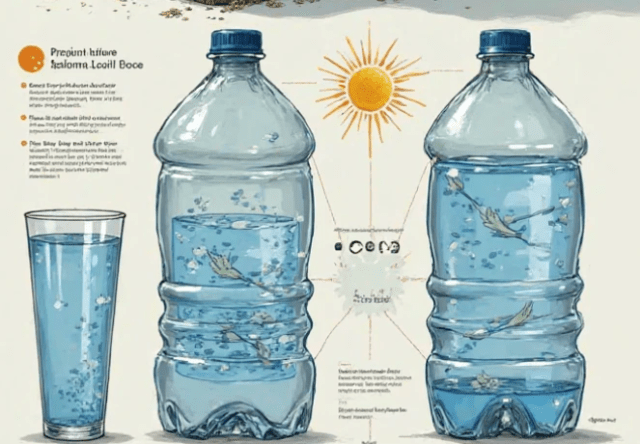
Is South Dakota’s Drinking Water Safe

Is South Dakota’s Drinking Water Safe? An Angry Survivalist’s No-Nonsense Take

Alright, listen up. I don’t have time for sugarcoating or wishy-washy half-truths. If you’re living in South Dakota—or anywhere for that matter—and you think your drinking water is safe just because some government report says so, you’re dangerously naïve. Water is life. And if you don’t know how to secure, filter, and purify it, you’re asking for trouble. Plain and simple.

South Dakota may look like a peaceful, wide-open state with its rolling plains and serene lakes, but don’t let that fool you. Beneath that calm surface, contaminants—industrial pollutants, agricultural runoff, bacteria, viruses, heavy metals—are waiting to wreck your gut, your health, or worse. The water in municipal supplies, private wells, and natural sources can all harbor threats. Trusting blindly in tap water or any “officially safe” label is a survival mistake you don’t get to make twice.

So here’s the deal: Whether you’re bugging out or bugging in, you MUST master water filtration and purification skills. If you don’t, you’re dead in the water—literally. I’m laying out 15 water filtration survival skills that could save your life. Then I’m hitting you with 3 DIY survival drinking water hacks, because when push comes to shove, you gotta improvise with what you have.

15 Water Filtration Survival Skills to Keep You Alive

  1. Know Your Sources
    First, identify all possible water sources around you: rivers, lakes, ponds, rainwater, even puddles. Never assume clear water is safe—often the most polluted water looks deceptively clean.
  2. Pre-Filter Sediment
    Always filter out large particles and sediment before any purification. Use cloth, coffee filters, or even layers of sand and charcoal in a homemade filter.
  3. Boiling Water Properly
    This is survival 101. Boil water vigorously for at least one full minute (3 minutes if you’re above 6,500 feet elevation). Boiling kills most pathogens—bacteria, viruses, and protozoa.
  4. Use Activated Charcoal
    Charcoal removes chemical contaminants, toxins, and improves taste. If you can’t get activated charcoal, make charcoal by burning hardwood and crushing the blackened remains.
  5. DIY Sand and Gravel Filter
    Layer fine sand, coarse sand, and gravel in a container to filter out suspended solids. Pour water through slowly to trap particles.
  6. Solar Disinfection (SODIS)
    In a pinch, fill a clear plastic bottle with water and leave it in direct sunlight for 6 hours. UV rays kill many bacteria and viruses.
  7. Chemical Purification
    Use iodine or chlorine tablets. Follow the instructions closely. Iodine is effective but not recommended for pregnant women or people with thyroid problems.
  8. Construct a Bio-Sand Filter
    This more advanced filter uses layers of sand and gravel combined with beneficial bacteria colonies to biologically purify water.
  9. Know Your Filters
    Carry a portable water filter rated to remove bacteria and protozoa. Some filter systems don’t handle viruses—know your gear’s limits.
  10. DIY Coffee Filter + Charcoal + Sand System
    Layer coffee filters, charcoal, sand, and gravel inside a plastic bottle with holes cut in the bottom for a makeshift filter.
  11. Distillation
    Set up a solar still or distillation apparatus if you have salty or chemically contaminated water. It’s slow but effective.
  12. Test for Contaminants
    If you have test strips or kits, use them to check for nitrates, lead, bacteria, and other toxins. It’s better than flying blind.
  13. Avoid Stagnant Water
    Avoid collecting water from stagnant sources that breed bacteria and parasites. Move water or let it flow before collecting.
  14. Maintain Your Equipment
    Clean your filters regularly. Don’t let mold or algae grow inside your water gear, or it defeats the purpose.
  15. Store Water Safely
    After filtration, store water in clean, food-grade containers. Cover them tightly and keep away from direct sunlight to prevent recontamination.

3 DIY Survival Drinking Water Hacks

Hack 1: The Bottle and Charcoal Filter
Take a clean plastic bottle and cut the bottom off. Invert it to make a funnel. Add a layer of cloth or coffee filter at the neck, then add crushed charcoal, fine sand, and gravel in layers. Pour water through slowly. This removes sediment, chemicals, and improves taste. Follow with boiling or chemical treatment for safety.

Hack 2: Solar Still for Distillation
Dig a hole in the ground. Place a container in the center to collect water. Cover the hole with plastic sheeting and weigh down the edges. Put a small stone in the middle of the plastic so it dips down over the container. Condensation will collect and drip into the container, leaving contaminants behind. Great for salty or dirty water.

Hack 3: Boiling with Pine Needles for Flavor and Detox
Boil water with fresh pine needles or spruce twigs. Not only does this add vitamins and improve taste, but the heat and natural oils can help neutralize some toxins. Just don’t rely on this alone; always filter first and purify.


Why You Can’t Trust “Safe” Water Reports in South Dakota

South Dakota’s surface water and groundwater come under increasing pressure from agricultural chemicals—nitrates, pesticides, herbicides—that seep into the water table. Reports often highlight compliance with EPA standards, but those standards don’t cover every harmful chemical or emerging contaminant. Industrial operations and old mining activities add heavy metals like arsenic and lead. Aging municipal infrastructure can cause pipe corrosion or contamination events.

You may have heard about nitrate contamination in parts of eastern South Dakota affecting private wells. Infants and pregnant women are especially vulnerable to nitrate poisoning (blue baby syndrome). And let’s not forget the occasional harmful algal blooms in lakes and reservoirs, which release deadly toxins into the water.

If you rely on untreated well water or natural sources, you’re rolling the dice without proper filtration and purification. Municipal tap water might be treated, but that doesn’t mean it’s 100% clean by your survivalist standards. Aging pipes, unknown contaminants, and possible boil water advisories during emergencies can all make tap water unsafe.


The Bottom Line

You have two choices: blindly trust whatever water comes out of your faucet or learn the skills to secure your own water supply no matter what. I don’t care if you live in a small South Dakota town or a farmstead miles from anywhere. You need to be your own water quality inspector, filtration engineer, and purification expert.

Ignoring this reality is an invitation to sickness or death. I’m not here to coddle you with feel-good talk or let you off the hook with “the government says it’s safe.” When the grid goes down, the rivers run dirty, or your well tests high on nitrates, what then? Don’t say I didn’t warn you.

Invest in a reliable water filter, learn to build your own, practice boiling and chemical purification. Carry test strips. Collect rainwater and know how to treat it. Build solar stills. Keep activated charcoal on hand. Don’t waste time complaining about water quality—fix it. Your life depends on it.

Remember, survival isn’t about hoping things get better. It’s about preparing for when they don’t. And when South Dakota’s drinking water turns bad—and it will—you better be ready. Because you won’t get a second chance.

Surviving South Carolina: Your Guide to Preparing for the Worst Natural Disasters

As a survival prepper living in South Carolina, I’ve learned to take the unpredictable nature of our state’s weather seriously. From hurricanes to flooding to the occasional tornado, it’s a constant reminder that Mother Nature can be both beautiful and deadly. Prepping isn’t just about collecting gear; it’s about understanding the threats and putting strategies in place to protect yourself and your family. For South Carolinians, it’s about being ready for the worst, no matter when it strikes. Here’s what you need to know to survive and thrive during the state’s worst natural disasters.

Hurricanes in South Carolina

One of the biggest threats to residents of South Carolina is hurricanes. These monstrous storms are not only a risk along the coast but also inland, especially when they dump torrential rains and cause massive flooding. As someone who lives in the Lowcountry, I’ve experienced firsthand the devastation these storms can cause. You can’t control the weather, but you can control how you prepare.

CLICK HERE TO LEARN HOW TO SURVIVE A FAMINE

For hurricane season, which runs from June to November, it’s vital to have a comprehensive disaster plan in place. First, make sure you have a well-stocked emergency kit with enough food and water to last at least 72 hours. Don’t forget non-perishable foods, a can opener, and batteries for flashlights. A portable power bank to keep your phone charged is a must—communication is critical during these times.

Another thing you must consider is evacuation. Know your evacuation routes, and if you live in a flood-prone area, have a plan to leave early. Don’t wait for the last minute. Hurricanes move fast, and evacuation orders can come with little notice. I’ve seen roads become impassable due to downed trees, and gas stations can quickly run out of fuel. Keep your vehicle’s gas tank full and have extra gas cans if possible.

Lastly, secure your home. Install storm shutters, reinforce doors, and check your roof for vulnerabilities. I’ve spent a few evenings reinforcing windows and ensuring the gutters are clear of debris—small steps that can make a big difference in protecting your home.

Flooding in South Carolina

Flooding is a significant risk for South Carolina, especially with our low-lying coastal areas and numerous rivers. While hurricanes can certainly contribute to flooding, you don’t need a hurricane for floodwaters to rise. Heavy rainfall, especially after a few days of consistent storms, can overwhelm the landscape. Flash floods are particularly dangerous because they can strike with little warning.

When it comes to prepping for flooding, there’s no such thing as being too prepared. Start by checking if your property is in a flood zone. If you live in a flood-prone area, consider installing sump pumps or French drains to divert water away from your home. Elevating electrical appliances, utilities, and valuables above potential flood levels is essential. I know people who have elevated their HVAC units to avoid water damage, and it’s a strategy I recommend.

In addition to these physical precautions, you need to be able to respond quickly when floods strike. A good rule of thumb is to have a set of waterproof bags to store important documents, such as insurance papers and IDs. Consider a portable, battery-powered radio or a weather radio with an alert system to stay informed about incoming storms and potential flash floods.

Tornadoes in South Carolina

While tornadoes aren’t as common in South Carolina as they are in places like Oklahoma, they’re still a real threat. Our state can experience severe thunderstorms and tornadoes, especially during the spring and fall months. These storms can form quickly and without warning, so it’s important to have a plan in place.

If you live in an area susceptible to tornadoes, make sure you know the safest areas in your home. Basements or interior rooms on the lowest floor, away from windows, are the best places to shelter. Have a “go-bag” ready with essentials like a flashlight, extra batteries, a first-aid kit, and a whistle in case you’re trapped and need to signal for help.

Be sure to invest in a reliable weather alert system or download an app on your phone that can warn you of impending storms. I also recommend having a sturdy helmet or padded headgear on hand to protect your head in case of flying debris.

Severe Thunderstorms

South Carolina is no stranger to severe thunderstorms. These storms often bring high winds, heavy rainfall, and hail. They can knock down trees, cause power outages, and create dangerous driving conditions. If you’re caught outside, the most dangerous hazard is the risk of falling branches or flying debris. The best way to prepare for these storms is to know when they’re coming and stay indoors during the worst of it.

Before a storm hits, trim trees and remove any loose items from your yard. High winds can turn anything into a projectile. Make sure your home is protected by reinforcing your roof and windows and securing loose shutters or screens. If a power outage occurs, keep flashlights, lanterns, and batteries in a designated, easily accessible place. Keep a portable power bank charged to maintain phone communication and access to emergency alerts.

Wildfires

Though not as common as in some Western states, wildfires have started to pose a growing risk to areas of South Carolina, especially in forested or rural regions. Drought conditions, combined with high winds, can turn even a small spark into a raging wildfire. If you live near wooded areas, you’ll want to take steps to prevent fires from reaching your home.

Creating defensible space around your home is a crucial strategy. Clear brush, leaves, and debris from your property, and keep firewood and other flammable materials away from the home. Installing fire-resistant materials on your roof and siding can also help protect against the spread of fire. Always stay aware of burn bans in your area, and be cautious when using grills or outdoor fires during dry spells.

10 Survival Prepper Tips for South Carolina Natural Disasters

  1. Create a Family Emergency Plan: Know where to meet, how to contact each other, and what routes to take during evacuation.
  2. Stock Up on Water: Have at least one gallon per person per day for at least three days in case of a disaster.
  3. Keep a “Go-Bag” Ready: A well-stocked emergency kit is crucial. Include medical supplies, non-perishable food, and a flashlight.
  4. Maintain a Weather Radio: Stay up-to-date with the latest forecasts and warnings, even when the power goes out.
  5. Fortify Your Home: Install storm shutters, reinforce doors, and ensure your roof and windows are secure.
  6. Plan for Pets: Make sure you have food, water, and other supplies for your pets in case of evacuation.
  7. Have Cash On Hand: In case of power outages or bank closures, cash can be essential for purchasing necessities.
  8. Be Prepared for Power Outages: Keep extra batteries, a generator, and an alternative light source for extended outages.
  9. Stay Informed: Download apps or sign up for weather alerts to stay on top of emergency situations.
  10. Learn First Aid and CPR: Knowing basic life-saving skills can be invaluable during emergencies.

By keeping these survival tips in mind and preparing yourself for South Carolina’s unique threats, you’ll be ready for whatever nature throws your way. Stay safe, stay smart, and always be prepared!

Emergency Preparedness: South Dakota’s Statewide Strategy

Dakota Drift: Surviving Off-Grid in South Dakota

Living in South Dakota isn’t for the faint of heart. From the flat plains to the rugged Black Hills, this state offers both beauty and peril. As a seasoned prepper, I’ve learned that surviving here isn’t just about having the right gear—it’s about understanding the land, the weather, and the threats that come with them.

🧭 Final Word from a South Dakota Survivalist: Preparedness Isn’t Paranoia—It’s a Way of Life

CLICK HERE TO LEARN HOW TO SURVIVE A FAMINE

Living in South Dakota teaches you a few hard truths early on—Mother Nature doesn’t negotiate, warnings don’t always come in time, and hope isn’t a plan. Whether it’s a blinding blizzard screaming across the plains, a tornado ripping across the horizon, or a flood swallowing the Black Hills in the dead of night, this state will test your grit. That’s why we don’t just prepare—we live prepared.

This isn’t about fear. It’s about freedom. When you’ve got six feet of snow outside, the grid goes down, and your driveway disappears under a sheet of ice, you’ll thank yourself for every gallon of water stored, every can of food sealed, every spare battery and radio tested. You’re not waiting on a rescue—you are the rescue.

Preparedness in South Dakota isn’t a weekend hobby—it’s woven into our daily routine. From stacking firewood and rotating food stores to training with our community and keeping tabs on weather alerts, we make it a lifestyle. Because out here, self-reliance isn’t old-fashioned. It’s survival.

The biggest threat isn’t just the storm itself—it’s the mindset that says, “It probably won’t happen to me.” That attitude gets people hurt. But when you’ve got a plan, when you’ve run the drills, when your gear is checked and your crew is ready, you replace panic with purpose.

Natural disasters may strike without warning, but you don’t have to be caught off guard. Whether you live in the heart of Sioux Falls, a ranch near Belle Fourche, or a cabin tucked in the Black Hills, you owe it to yourself—and your family—to be ready for anything.

So take that first step, or the next one. Check your supplies. Walk through your bug-out plan. Talk to your neighbors. Update your emergency contacts. Invest in a radio, sharpen your axe, charge your solar bank. Get after it.

Because in South Dakota, surviving the worst isn’t just about making it through the storm—it’s about being strong enough to rebuild after it.

And that, fellow preppers, is the real measure of preparedness.


🌪️ 1. Tornadoes: The Silent Destroyers

South Dakota lies in “Tornado Alley,” where twisters can form with little warning. The 1972 Black Hills Flood serves as a grim reminder of nature’s fury. In 1972, Rapid City experienced a devastating flash flood that claimed lives and reshaped the community. Visit Rapid City

Prepper Tip: Invest in a NOAA Weather Radio with tone alert and Specific Area Message Encoding (SAME) capability. These devices can provide critical warnings and are essential during power outages.Wikipedia


❄️ 2. Blizzards: Winter’s Wrath

Winters in South Dakota are brutal. Blizzards can drop temperatures to life-threatening levels, making travel impossible and power outages common.

Prepper Tip: Keep a winter survival kit in your vehicle, including blankets, non-perishable food, water, and a shovel. Ensure your home is stocked with heating fuel and backup power sources.


🌊 3. Flooding: The Hidden Threat

While not as frequent as other disasters, flooding can occur, especially in areas near rivers and streams. The 1972 flood in Rapid City is a stark reminder of this threat. Visit Rapid City

Prepper Tip: Elevate electrical appliances and utilities above potential flood levels. Consider installing sump pumps and backflow valves to protect your property.National Geographic


🔥 4. Wildfires: The Summer Menace

Dry conditions in the summer can lead to wildfires, especially during Red Flag Warnings when winds and low humidity create ideal fire conditions.

Prepper Tip: Create a defensible space around your home by clearing dead vegetation and using fire-resistant materials in construction.


🌪️ 5. Severe Thunderstorms: The Summer Squall

Summer brings severe thunderstorms with the potential for hail, damaging winds, and even tornadoes. These storms can cause significant property damage and power outages.

Prepper Tip: Secure loose objects outdoors and trim trees near your home to prevent wind damage. Keep an emergency kit with flashlights, batteries, and a first aid kit readily available.


🧭 6. Civil Air Patrol: Community Support

The South Dakota Wing Civil Air Patrol (CAP) plays a vital role in disaster response, offering aerial search and rescue, disaster relief, and humanitarian assistance. Wikipedia

Prepper Tip: Stay informed about CAP activities and consider volunteering or supporting their missions to enhance community resilience.Wikipedia


🛠️ 7. Emergency Preparedness: A Statewide Effort

South Dakota’s commitment to disaster preparedness is evident through initiatives like the Stephenson Disaster Management Institute, which provides geospatial data to assist in hazard mitigation and emergency planning. Wikipedia

Prepper Tip: Familiarize yourself with local emergency plans and participate in community preparedness programs to stay informed and ready.


🔥 8. Fire Safety: Year-Round Vigilance

Fire safety isn’t just a summer concern. In winter, heating equipment can pose fire risks, while dry conditions in spring and fall can lead to wildfires.

Prepper Tip: Install smoke detectors and fire extinguishers in key areas of your home. Regularly inspect and maintain heating equipment to prevent fire hazards.


🧊 9. Ice Storms: Slick and Dangerous

Ice storms can coat trees and power lines, leading to widespread outages and hazardous travel conditions.

Prepper Tip: Keep a battery-powered radio and extra blankets on hand. Avoid travel during icy conditions and ensure your vehicle is equipped with emergency supplies.


🚨 10. Stay Informed: Knowledge is Power

Being aware of potential threats and staying updated on weather conditions can make a significant difference in disaster preparedness.

Prepper Tip: Subscribe to local weather alerts and follow emergency management agencies on social media for real-time updates.

🧭 Final Word from a South Dakota Survivalist: Preparedness Isn’t Paranoia—It’s a Way of Life

Living in South Dakota teaches you a few hard truths early on—Mother Nature doesn’t negotiate, warnings don’t always come in time, and hope isn’t a plan. Whether it’s a blinding blizzard screaming across the plains, a tornado ripping across the horizon, or a flood swallowing the Black Hills in the dead of night, this state will test your grit. That’s why we don’t just prepare—we live prepared.

This isn’t about fear. It’s about freedom. When you’ve got six feet of snow outside, the grid goes down, and your driveway disappears under a sheet of ice, you’ll thank yourself for every gallon of water stored, every can of food sealed, every spare battery and radio tested. You’re not waiting on a rescue—you are the rescue.

Preparedness in South Dakota isn’t a weekend hobby—it’s woven into our daily routine. From stacking firewood and rotating food stores to training with our community and keeping tabs on weather alerts, we make it a lifestyle. Because out here, self-reliance isn’t old-fashioned. It’s survival.

The biggest threat isn’t just the storm itself—it’s the mindset that says, “It probably won’t happen to me.” That attitude gets people hurt. But when you’ve got a plan, when you’ve run the drills, when your gear is checked and your crew is ready, you replace panic with purpose.

Natural disasters may strike without warning, but you don’t have to be caught off guard. Whether you live in the heart of Sioux Falls, a ranch near Belle Fourche, or a cabin tucked in the Black Hills, you owe it to yourself—and your family—to be ready for anything.

So take that first step, or the next one. Check your supplies. Walk through your bug-out plan. Talk to your neighbors. Update your emergency contacts. Invest in a radio, sharpen your axe, charge your solar bank. Get after it.

Because in South Dakota, surviving the worst isn’t just about making it through the storm—it’s about being strong enough to rebuild after it.

And that, fellow preppers, is the real measure of preparedness.