Signs For End Of Times: What Preppers Need to Know
Many people today are asking themselves: Are we truly living in the end times? From global instability to natural disasters, there are signals that can’t be ignored. As Brooke Homestead often emphasizes, preparedness isn’t about fear—it’s about responsibility. Understanding the warning signs and being ready is the best way to protect yourself, your family, and your loved ones.
Modern life is convenient, but also fragile. Supply chains stretch across the globe, power grids connect millions of homes, and digital systems control almost everything, from banking to communication. When these systems fail—even temporarily—the consequences can arrive quickly. Recognizing the signs early allows you to take steps to ensure your household is prepared for emergencies and worst-case scenarios.
Unusual Natural Events
One of the first categories to watch is natural events. These include extreme weather patterns, earthquakes, floods, and unusual climate anomalies. While isolated incidents are common, a noticeable increase in frequency or severity can signal larger disruptions ahead. Preppers should monitor weather reports, geological activity, and unusual natural phenomena to stay informed and adjust their preparedness strategies.
Social and Political Unrest
Another critical sign is increasing social or political instability. Widespread protests, government instability, economic turmoil, and breakdowns in local communities can all indicate societal stress. Observing trends in your own community and across the globe helps you anticipate disruptions and prepare accordingly. Being prepared doesn’t mean expecting the worst every day—it means building resilience into your lifestyle so that you and your family remain safe regardless of circumstances.
Supply Chain and Resource Issues
Supply chain disruptions and shortages of essential goods are also key indicators. Empty store shelves, rising prices of food and fuel, or delays in essential products can be early warning signs of larger problems. Preppers focus on having emergency supplies and food storage plans in place, ensuring that their family has access to necessities during unexpected crises.
Health and Medical Signals
Pandemics, new diseases, or overwhelming medical systems can also be a sign that things are shifting. Having basic survival and medical skills—including first aid, CPR, and trauma care—can make a major difference during emergencies. Communities that invest in localized training or preparedness programs are often better equipped to handle sudden health crises.
Spiritual and Personal Awareness
Brooke Homestead also encourages preppers to remain spiritually and mentally aware. Being alert, practicing self-reliance, and cultivating a mindset that balances caution with practical action are essential pillars of preparedness. Recognizing warning signs doesn’t mean living in fear; it means building a lifestyle of readiness and resilience.
Staying Prepared
Preparation is not about predicting doom—it’s about creating a secure environment for your family no matter what happens. Monitoring signs like extreme weather, social unrest, supply chain issues, and health risks, combined with practical survival skills, can help you stay ahead of potential crises. Simple steps, such as maintaining emergency food and water supplies, learning survival skills, and building a self-reliant mindset, will make all the difference when unexpected challenges arise.
In conclusion, the end times—or at least major disruptions—may be closer than some think. By paying attention to early warning signs and prioritizing preparedness, you can ensure that your family is safe, resilient, and ready for anything. Remember Brooke Homestead’s words: preparedness isn’t about fear, it’s about responsibility. Stay informed, stay vigilant, and stay prepared.
I’ve spent most of my adult life preparing for disasters that may never come. Economic collapse. Grid failure. Pandemics. Solar flares. Supply-chain breakdowns. Civil unrest. Volcanic eruptions.
I’ve also spent the last football season making decisions that, in hindsight, were far more catastrophic to my personal economy than any of the above. Losing over $110,000 betting on games will humble you in ways few things can. You start asking hard questions—like whether the universe is indifferent to preparation, or just enjoys irony.
Still, preparation matters. Especially when the threat isn’t just another bad season, but something that could legitimately alter the course of human civilization.
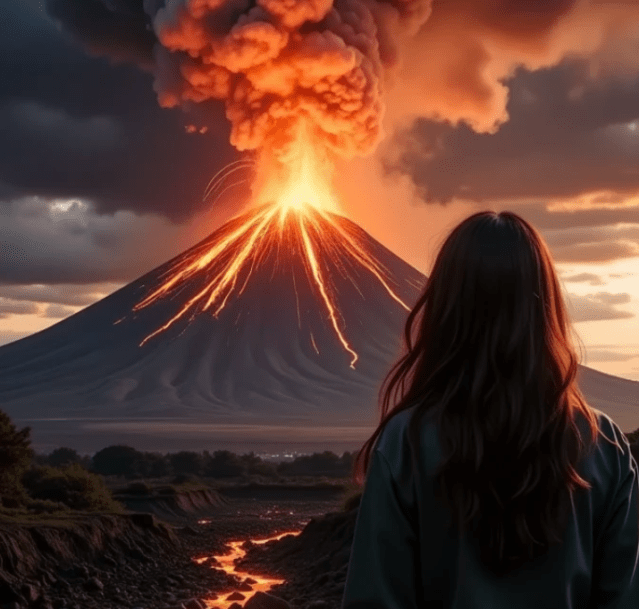
So let’s talk about super volcanoes. Not Hollywood volcanoes with dramatic lava fountains and heroic music. I’m talking about planet-altering, sun-blocking, food-chain-destroying geological events that don’t care if you recycled or bought the extended warranty.
The big question is simple but uncomfortable:
Could the world survive a super volcano eruption? Or would humanity go extinct?
The answer is… complicated. But not hopeless.
What Is a Super Volcano (And Why It’s Not Just a Big Volcano)
A super volcano isn’t just a volcano that’s “extra mad.” It’s a geological system capable of erupting more than 1,000 cubic kilometers of material in a single event. For comparison, Mount St. Helens released about 1 cubic kilometer in 1980 and wrecked an entire region.
Super volcanoes don’t build towering cones. They collapse inward, forming massive depressions called calderas. Yellowstone is the most famous example, but it’s not alone. Others include:
Toba (Indonesia)
Taupo (New Zealand)
Campi Flegrei (Italy)
When one of these erupts, it’s not a local disaster. It’s a planetary event.
We’re talking:
Ash clouds covering continents
Global temperatures dropping several degrees
Agricultural collapse lasting years
Transportation grinding to a halt
Supply chains failing simultaneously
This isn’t a movie. This is physics.
Would a Super Volcano Cause Human Extinction?
Let’s address the headline fear right away.
No, a super volcano would not instantly wipe out humanity.
But—and this is the part people gloss over—it could kill billions through indirect effects.
Human extinction is unlikely. Civilizational collapse, mass starvation, and geopolitical chaos? Entirely plausible.
The danger isn’t lava. Lava is actually the least of your problems unless you live very close to ground zero (in which case your survival plan should include “don’t”).
The real killers are:
Volcanic ash
Volcanic winter
Crop failure
Food distribution collapse
Political instability
Most people won’t die on Day One. They’ll die slowly, months or years later, when the systems they rely on stop working.
The Immediate Effects: The First Days and Weeks
If a super volcano erupts, the first phase is chaos—fast, violent, and overwhelming.
Ashfall: The Silent Destroyer
Volcanic ash isn’t soft like fireplace ash. It’s microscopic shards of rock and glass. It:
Destroys engines
Collapses roofs
Contaminates water
Destroys crops
Causes respiratory failure
A few inches can collapse buildings. A few feet makes areas uninhabitable.
If you’re within a thousand miles, you’re dealing with ash. And ash doesn’t care if you’re prepared—it just cares about gravity.
Power and Infrastructure Failure
Ash shorts transformers, clogs cooling systems, and grounds aircraft worldwide. No flights. No shipping. No just-in-time logistics.
Power grids fail fast. Backup systems fail shortly after.
This is when modern life starts coming apart at the seams.
Volcanic Winter: The Real Apocalypse
Here’s where things get truly dangerous.
A super volcano injects sulfur dioxide into the stratosphere, forming aerosols that reflect sunlight back into space. This causes global cooling—often called a volcanic winter.
Depending on the eruption size, we could see:
Average global temperature drops of 2–5°C
Shortened growing seasons
Summer frosts
Multi-year crop failures
After the Toba eruption ~74,000 years ago, the planet may have cooled by several degrees for years. Some researchers believe human population numbers dropped drastically.
Now imagine that happening to a world with 8+ billion people and industrial agriculture that depends on precision timing.
Food: Where Most People Lose the Game
Let me be blunt: food is the bottleneck.
Modern agriculture is fragile. It depends on:
Predictable seasons
Synthetic fertilizers
Fuel
Transportation
Stable governments
A volcanic winter breaks all of those.
Grain-producing regions would suffer catastrophic losses. Livestock would die due to lack of feed. Fisheries would be disrupted by ocean cooling.
Grocery stores—already running on razor-thin inventory—would empty in days.
And no, your neighbor’s garden isn’t saving the block.
Would Governments Save Us?
Some would try. Some would fail. Some would turn authoritarian faster than you can say “emergency powers.”
Expect:
Rationing
Export bans on food
Military control of key infrastructure
Population movements and border closures
Countries with strong agricultural resilience, energy independence, and lower population density would fare better.
Countries dependent on imports? Not so much.
If you think the pandemic response was messy, imagine that—but global, permanent, and colder.
So How Would Someone Actually Survive a Super Volcano?
This is where the prepper in me kicks in—and where my football losses remind me that hoping you’ll figure it out later is not a strategy.
Survival wouldn’t depend on luck alone. It would depend on positioning, resources, and discipline.
1. Location Is Everything
You want to be:
Far from the eruption zone
Away from heavy ashfall regions
In a politically stable country
In a climate that can still grow food during cooler temperatures
High latitudes might struggle with sunlight loss. Equatorial regions may fare better—but only if they have food sovereignty.
Rural beats urban. Every time.
Cities are consumption machines. When the supply chain breaks, cities starve.
2. Food Storage (Measured in Years, Not Weeks)
Forget 72-hour kits. This is a multi-year problem.
Survival means:
12–24 months of shelf-stable food minimum
Grains, legumes, fats, and protein
Knowledge of food preservation
Seed banks for cold-tolerant crops
If you don’t already know how to cook from raw staples, you’re behind.
3. Water and Filtration
Ash contaminates water sources. Surface water becomes dangerous.
You need:
Stored water
Gravity filtration
Chemical purification backups
No water = no survival, regardless of how many canned beans you own.
4. Heat and Energy Independence
Volcanic winters are cold. Fuel shortages are guaranteed.
Survival means:
Wood heat
Alternative fuels
Insulation
The ability to stay warm without electricity
Solar still works—but less efficiently. You need redundancy.
5. Respiratory Protection
Ash will kill people who otherwise would survive.
This isn’t optional:
N95 or better masks
Eye protection
Sealed living spaces
If you can’t breathe, nothing else matters.
The Psychological Side of Survival (The Part Nobody Likes)
Here’s the truth most prepping blogs avoid:
Long-term disasters break people mentally before they break them physically.
Isolation. Cold. Hunger. Uncertainty. Loss of normalcy.
You need:
Routine
Purpose
Community
Emotional resilience
I’ve watched grown adults melt down over a bad playoff loss (myself included, apparently). Multiply that stress by a thousand.
Survival isn’t just gear. It’s mindset.
How Long Would Recovery Take?
This is not a “bounce back in six months” situation.
We’re talking:
5–10 years of global disruption
Decades for climate normalization
Permanent geopolitical shifts
Humanity would survive—but the world you knew would not.
And that’s the hardest thing to prep for: grief for a future that never happened.
Final Verdict: Would Humanity Survive?
Yes.
But not comfortably. Not equally. Not without scars.
A super volcano wouldn’t be the end of the human species—but it could be the end of modern civilization as we understand it.
Survival would favor those who:
Planned ahead
Lived simply
Understood systems
Didn’t assume “someone else will handle it”
And if there’s one lesson I’ve learned—from disasters, from prepping, and from losing six figures on football—it’s this:
Hope is not a plan. And overconfidence is expensive.
The Earth doesn’t care about our schedules, our economies, or our bets. It will do what it does. The only real question is whether we’re ready to adapt when it does.