How We Survive Maine’s Toughest Natural Disasters

Living in Maine, you learn quickly that it’s not just the harsh winters that demand your respect—it’s the full range of natural disasters that can strike this rugged, wild state. As a prepper, I’ve spent years developing a strategy for dealing with everything from ice storms to wildfires. Whether you live near the coast, out in the woods, or in one of the towns tucked into the heart of the state, there are always steps you can take to ensure you’re ready for the worst. Let’s break down how Mainers prepare for natural disasters, and I’ll give you a few tips that could save your life when disaster strikes.

CLICK HERE TO LEARN HOW TO SURVIVE A FAMINE

The Natural Disasters of Maine
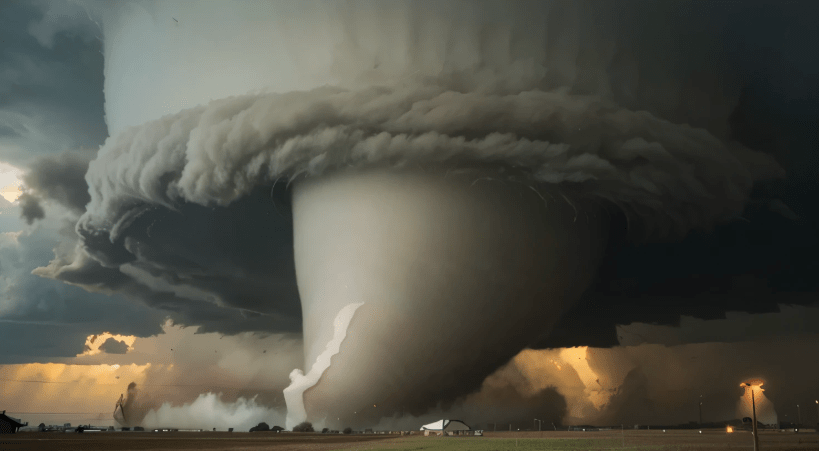
Maine is known for its beautiful forests, snowy winters, and coastal towns. But this beauty comes with its share of dangerous forces of nature. Here’s a rundown of the most common disasters you should be preparing for if you live here:

  1. Winter Storms & Ice Storms: Maine’s winters can be brutal. Snowstorms can bury you in feet of snow, and ice storms can knock out power for days on end. These weather conditions can make travel dangerous and leave people stranded for extended periods.
  2. Flooding: Although Maine isn’t known for massive floods like those in other parts of the country, heavy rains in the spring or intense summer storms can cause flash floods, especially in coastal or low-lying areas. And don’t forget about rising sea levels in the future—they’ll likely increase the frequency of coastal flooding.
  3. Wildfires: While Maine’s forests are beautiful, they can also be a fire hazard, particularly during dry spells. A wildfire may not be as common here as it is in the West, but they do happen, especially in more rural areas where firefighting resources are spread thin.
  4. Coastal Storms & Hurricanes: Maine’s coastline is no stranger to hurricanes and nor’easters. These storms bring high winds, heavy rain, and coastal flooding, and they can knock out power and damage buildings. As our climate shifts, these storms may become more frequent and intense.
  5. Earthquakes: While we aren’t dealing with the kind of seismic activity found out West, Maine does experience occasional small earthquakes. Though rare, these tremors are a reminder that no area is completely immune to nature’s unpredictability.

How We Prepare for Maine’s Worst Natural Disasters

Living in Maine, preparing for natural disasters isn’t a luxury—it’s a necessity. With the state’s unpredictable weather, it’s essential to plan ahead, build strong shelters, and develop emergency strategies for your family. Here’s how I’ve prepared for the worst:

  1. Stockpile Essential Supplies: First and foremost, every prepper in Maine should have a well-stocked emergency kit. When winter storms hit and power goes out for days, or when a wildfire forces you to evacuate, you’ll want to have non-perishable food, water, a first-aid kit, and other essentials like flashlights, batteries, and warm clothing. I’ve made sure to stock up for at least two weeks—food that doesn’t need refrigeration is key, like freeze-dried meals, canned goods, and dried fruits and nuts. For water, a simple filtration system or purification tablets are worth their weight in gold.
  2. Cold-Weather Gear: If you live here in Maine, you know the cold is real. When preparing for winter storms or ice storms, a solid set of cold-weather gear is essential. Waterproof boots, insulated gloves, thick wool socks, and a few warm coats that can withstand the coldest temperatures are must-haves. I also suggest getting a quality sleeping bag that’s rated for subzero temperatures—because when you lose heat in a storm, you’ll need something to help you survive through the night.
  3. Firewood and Fuel: One of the biggest dangers during a Maine winter is losing power for extended periods. That’s why I have a fireplace stocked with firewood, as well as a backup generator that can run on gas or propane. For the generator, make sure you have enough fuel to last a few days in case you can’t get to a store. You’ll also need extra propane for cooking and heating.
  4. Weatherproofing Your Home: Mainers need homes that can handle the worst nature throws at them. If you’re building or renovating, make sure your home is well-insulated and can withstand strong winds and heavy snow. If you’re in a coastal area, invest in storm windows, durable roofing, and an extra layer of protection against flooding.
  5. Emergency Communication Plan: When disaster strikes, traditional communication lines can go down. That’s why I’ve invested in a reliable satellite phone and walkie-talkies. The goal is to stay connected with family members even if cell towers go down. Keep in mind, battery life is critical—invest in solar chargers to keep devices running if the power’s out for an extended period.
  6. Evacuation Routes & Shelters: Know your evacuation routes, and always have a few backup options. Maine’s backroads can get tricky in a storm, so make sure you’ve scouted out the safest routes ahead of time. Have a shelter plan, whether it’s a family member’s house or a designated local shelter. I also suggest having a “bug-out bag” ready to go with essentials in case you need to leave in a hurry.
  7. Stay Informed: The key to surviving any disaster is staying informed. Keep an eye on weather alerts, flood warnings, and wildfire advisories. Sign up for emergency alerts on your phone and make sure your radio is equipped to receive emergency broadcasts, especially if the power goes out.
  8. Maintain Your Vehicle: Having a reliable vehicle is crucial when natural disasters strike. Make sure your car is always in good shape, and keep a kit in your vehicle with jumper cables, blankets, food, and water. A full tank of gas is essential, especially in winter when gas stations might be down for a while.
  9. Practice Your Plan: It’s all well and good to have a plan, but it’s important to practice it. Run through evacuation drills with your family and test your emergency gear regularly. In a real emergency, you don’t want to be fumbling around trying to figure out how your generator works or where you stored the emergency blankets.
  10. Keep an Eye on Climate Trends: Maine’s weather patterns are changing. Warmer summers and more intense storms are becoming the new normal. Stay on top of climate-related news and adjust your preparations as needed. Wildfires, coastal flooding, and other threats might increase in the coming years, so being proactive is the best defense.

10 Survival Prepper Tips for Maine’s Natural Disasters

  1. Keep an eye on weather forecasts—especially during winter and hurricane seasons.
  2. Invest in a wood-burning stove for heating during power outages.
  3. Stock up on alternative lighting sources like lanterns and candles.
  4. Prepare a backup heat source like a kerosene heater or propane space heater.
  5. Know how to turn off utilities like gas and electricity in case of an emergency.
  6. Carry a portable water filter for emergency hydration.
  7. Have a “bug-out bag” ready for quick evacuations with food, water, and medical supplies.
  8. Monitor local fire danger levels in the summer to avoid wildfires.
  9. Check your insurance coverage to make sure your home is protected against flooding and storm damage.
  10. Get a weather radio to listen for storm warnings even when the power’s out.

When you’re living in Maine, it’s all about being prepared. From harsh winters to unpredictable coastal storms, the more you can do now to get ready for the worst, the better you’ll be able to handle whatever comes your way. Stay safe, stay prepared, and stay ready to weather any storm—literally.


Utah’s Worst Natural Disasters and How to Prepare Like a Pro

Surviving Utah: A Prepper’s Guide to Natural Disaster Readiness

As a seasoned prepper in Utah, I know firsthand that survival isn’t just about gear—it’s about mindset, strategy, and community. Utah’s diverse terrain and climate present unique challenges, from the seismic risks along the Wasatch Front to the wildfire-prone regions in the south. Here’s how we prepare for the worst, ensuring we not only survive but thrive when disaster strikes.

CLICK HERE TO LEARN HOW TO SURVIVE A FAMINE


1. Earthquakes: Brace for the Big One

The Wasatch Front is overdue for a significant earthquake. With a 57% chance of a magnitude 6.0 or greater quake in the next 50 years, preparedness is paramount. Securing heavy furniture, retrofitting homes, and assembling a comprehensive emergency kit are essential steps. Additionally, practicing the “drop, cover, and hold on” technique can save lives during the shaking. KSL News+5KSL News+5KSL News+5KSL News+5KSL News+5KSL News+5dspd.utah.gov+6KSL News+6KSL News+6


2. Wildfires: Defend Your Homestead

Utah’s hot, dry summers create prime conditions for wildfires. Residents in areas like St. George and Cedar City are particularly vulnerable. Creating defensible space around your property, using fire-resistant materials, and having a go-bag ready can make all the difference. Stay informed through local fire alerts and always have an evacuation plan in place.


3. Flooding: Know Your Terrain

While floods aren’t as common as other disasters, Utah’s mountainous terrain and rapid snowmelt can lead to sudden flash floods. Living near rivers or in valleys increases this risk. It’s crucial to understand your local flood zone and have a plan to move to higher ground if necessary. Avoid driving through flooded areas, as even shallow waters can be deadly. Utah State University Extension


4. Winter Storms: Winterize Everything

Utah’s winters can be brutal, with blizzards and subzero temperatures. Winterizing your vehicle, stocking up on essentials like blankets and non-perishable food, and ensuring your home heating systems are functional are vital steps. Always keep a battery-powered radio to receive weather updates during power outages. dspd.utah.gov+1Vox+1


5. Heatwaves: Stay Cool and Hydrated

Utah’s summer heat can be intense, especially in southern regions. To combat heat-related illnesses, drink plenty of water, avoid strenuous activities during peak heat hours, and stay in air-conditioned environments when possible. Having a cooling center plan and understanding the signs of heat exhaustion can be lifesaving.


10 Survival Prepper Tips for Utah’s Natural Disasters

  1. Diversify Water Sources: Don’t rely solely on city water. Collect rainwater and store it in barrels. Ensure you have a portable water filter for purification.Utah State University Extension
  2. Emergency Communication Plan: Establish a family meeting point and an out-of-state contact. Use walkie-talkies or satellite phones when cell networks are down.KSL News
  3. Food Storage: Maintain a 72-hour emergency food supply. Rotate stock regularly and include comfort foods to maintain morale.dspd.utah.gov+1Be Ready Utah+1

  4. First Aid Training: Take CPR and first aid courses. Equip your kit with essential medical supplies, including prescription medications.AP News
  5. Fire Safety: Keep fire extinguishers accessible and learn how to use them. Regularly clear dry brush and debris from around your property.Be Ready Utah
  6. Power Backup: Invest in solar-powered chargers and backup generators. Ensure you have extra fuel stored safely.
  7. Emergency Shelter: Have tents, tarps, and sleeping bags ready. Know the locations of nearby shelters and evacuation routes.
  8. Security Measures: Install motion-sensor lights and security cameras. Consider firearms training and legal firearm ownership for self-defense.
  9. Community Involvement: Join local CERT (Community Emergency Response Team) groups. Participate in neighborhood preparedness drills.Utah State University ExtensionKSL News+6Be Ready Utah+6Vox+6
  10. Stay Informed: Use apps like FEMA, MyShake, and NOAA Weather Radio for real-time alerts. Regularly check local hazard maps and updates.Utah State University Extension+2WIRED+2Vox+2Be Ready Utah

Conclusion

In Utah, survival isn’t just about having the right gear; it’s about being proactive, staying informed, and fostering a community of preparedness. By understanding the unique risks our state faces and taking deliberate steps to mitigate them, we ensure that when disaster strikes, we’re not just surviving—we’re thriving.

Idaho’s Survival Blueprint: How to Thrive Amidst Nature’s Fury

How Idaho Residents Prepare for the State’s Worst Natural Disasters

Living in Idaho means embracing the rugged beauty of the land while acknowledging the unpredictable forces of nature. From the towering peaks of the Sawtooths to the vast plains of the Snake River Valley, Idahoans are no strangers to the challenges posed by natural disasters. Whether it’s the scorching wildfires of summer, the bone-chilling blizzards of winter, or the occasional seismic tremor, preparation is key to survival.

CLICK HERE TO LEARN HOW TO SURVIVE A FAMINE

As a seasoned prepper residing in the Gem State, I’ve honed strategies and amassed knowledge to ensure my family’s safety and self-sufficiency. Here’s an in-depth look at how we prepare for Idaho’s most formidable natural disasters.


1. Wildfires: Defensible Space and Fire-Resistant Landscaping

Idaho’s dry summers and abundant vegetation make wildfires a significant threat. To mitigate this risk, creating a defensible space around your property is paramount. The Idaho Department of Lands recommends maintaining a defensible space of at least 100 feet on flat ground and up to 200 feet on sloped sites. This involves clearing dead vegetation, trimming trees, and using fire-resistant plants to create a buffer zone that can slow or stop the spread of fire.Idaho Digital Library

Additionally, maintaining a well-watered lawn and using fire-resistant roofing materials can further protect your home.


2. Winter Storms: Winterizing Your Home and Vehicle

Idaho’s winters can be harsh, with heavy snow, ice, and extreme cold. Preparing for these conditions involves:Office of Emergency Management

  • Home Winterization: Insulate pipes to prevent freezing, seal gaps and drafts in doors and windows, and ensure your heating system is functioning efficiently.Office of Emergency Management
  • Vehicle Preparation: Equip your vehicle with winter tires or chains, keep the gas tank at least half full, and stock an emergency kit with blankets, non-perishable food, water, and a flashlight.Office of Emergency Management

The Idaho Office of Emergency Management provides detailed guidelines on winter weather preparedness to help residents stay safe during the cold months. Office of Emergency Management


3. Earthquakes: Securing Your Home and Emergency Planning

While Idaho isn’t as seismically active as some states, earthquakes can and do occur. To prepare:

  • Home Safety: Secure heavy furniture, water heaters, and appliances to walls. Use safety straps and brackets to prevent tipping.
  • Emergency Plan: Establish a family emergency plan that includes meeting points and communication strategies. Regularly practice earthquake drills to ensure everyone knows what to do.

The Idaho Office of Emergency Management offers resources to help residents prepare for earthquakes and other hazards. Office of Emergency Management


4. Flooding: Understanding Risks and Mitigation Measures

Idaho’s diverse geography means that flooding can occur in various regions, especially during spring runoff or after heavy rains. To reduce flood risk:

  • Know Your Zone: Understand if your property is in a floodplain by checking FEMA’s Flood Map Service Center.
  • Mitigation Measures: Elevate electrical appliances above potential flood levels, install sump pumps in basements, and use flood barriers where appropriate.

The Idaho Department of Water Resources provides information on floodplain management and mitigation strategies.


5. Power Outages: Backup Power and Energy Independence

Extended power outages can occur due to winter storms, wildfires, or other disasters. To stay prepared:

The Idaho Office of Emergency Management offers guidance on building an emergency kit, which includes items like flashlights, batteries, and a manual can opener. Office of Emergency Management+1Office of Emergency Management+1


6. Emergency Kits: Essentials for Every Household

An emergency kit is a fundamental component of disaster preparedness. Essential items include:

The Idaho Office of Emergency Management provides a comprehensive checklist to help residents build their emergency kits.


7. Financial Preparedness: Protecting Your Assets

Disasters can disrupt financial systems, making it crucial to safeguard your assets:

  • Important Documents: Store copies of insurance policies, identification, and financial records in a fireproof and waterproof safe.AP News
  • Cash Reserves: Keep a small amount of cash on hand, as ATMs and credit card systems may be down during emergencies.

The Idaho Department of Insurance offers resources to help residents protect their finances before and after a disaster. Department of Insurance


8. Community Involvement: Building Resilience Together

Community preparedness can enhance individual readiness:Office of Emergency Management

  • Neighborhood Plans: Collaborate with neighbors to establish communication strategies and shared resources.

Viral Tags (continued): earthquake readiness, off-grid Idaho, prepper lifestyle, emergency food storage, disaster-proof living


Surviving Idaho: A Prepper’s Guide to Natural Disaster Readiness

Out here in Idaho, we don’t wait for FEMA or the government to save us. We take care of our own. We live close to the land, we respect Mother Nature’s might, and we prepare for the worst so we can keep our families safe when it hits. Idaho may be a beautiful place to call home, but she’s not without her dangers. Earthquakes, wildfires, floods, and snowstorms—these aren’t just possibilities; they’re facts of life. So we don’t take chances. We get ready.

I’ve been living off-grid outside of Salmon for over two decades, and what I’ve learned is simple: prepping isn’t paranoia—it’s practicality. If you live in Idaho, you owe it to yourself and your family to be ready for whatever this land might throw at you. Here’s how I prepare, and how you can too.


The Big Threats in Idaho

Let’s talk about the disasters most likely to knock you off your feet here in Idaho:

  • Wildfires: Summers are getting hotter and drier. One lightning strike or careless campfire can set off a blaze that scorches thousands of acres and cuts off roads in minutes.
  • Earthquakes: You might not think of Idaho as quake country, but we sit on active faults. The 2020 6.5 magnitude quake near Stanley was a wake-up call.
  • Floods: Spring thaws and fast snowmelt from the mountains can swell rivers and wipe out entire roads and bridges.
  • Winter Storms: When the snow hits hard—and it does—you can be snowed in for days or weeks. Power goes out, roads vanish, and help doesn’t come fast.
  • Drought: It doesn’t feel like a disaster until your well runs dry or your crops fail. Water is life.

My Idaho Prepper Philosophy

You don’t need a million-dollar bunker to be prepared. What you need is knowledge, skills, and the right gear. I focus on three pillars: Self-reliance, sustainability, and situational awareness. Here’s what that looks like:

  • Food security: I keep a year’s worth of preserved food on hand—home-canned veggies, dried meats, grains, and MREs.
  • Water storage and filtration: A 250-gallon tank in the barn and a hand-pump well backed up by gravity-fed filters.
  • Power backup: Solar panels and a diesel generator—plus a stash of propane and firewood.
  • Comms: HAM radio with a solar charger. Cell towers fail, but radio waves travel.
  • Defense: Let’s just say I’m not relying on 911 if the grid goes down. From bear attacks to looters, you need to be able to protect your homestead.

10 Idaho-Specific Survival Tips

Here are my top 10 prepper tips specific to Idaho’s natural disasters:

  1. Create a Wildfire Buffer Zone – Keep 100 feet of defensible space around your home. Clear brush, dead trees, and dry grass. Invest in metal roofing if you can.
  2. Have an Earthquake “Grab Bag” – Include boots, gloves, headlamp, dust masks, and first-aid in a backpack by the bed. Quakes come without warning, and glass goes flying.
  3. Know Your Snow Load Limits – Make sure your roof can take 60+ pounds per square foot. Reinforce older cabins and barns before a heavy winter.
  4. Install a Manual Well Pump – Electricity goes out a lot in rural Idaho. If you’ve got a well, get a manual or solar-powered backup pump.
  5. Practice River Evacuation Routes – Floods move fast in places like the Boise and Salmon River valleys. Know how to reach high ground fast—on foot if needed.
  6. Stockpile Firewood Early – Don’t wait until fall. Cut and cure your wood in summer. You’ll need at least 4 cords per winter, maybe more if you’re at elevation.
  7. Rotate Stored Water Every 6 Months – Even sealed containers degrade. I label every barrel with a date and keep bleach on hand to treat questionable sources.
  8. Keep Chains and Tow Gear in Your Truck – Winter roads can trap even the best 4x4s. A come-along, tire chains, and sandbags can get you out of a jam.
  9. Harden Your Pantry – Store supplies in metal bins or sealed totes. Idaho’s rodent population explodes in winter.
  10. Keep Paper Maps – GPS doesn’t always work in canyons or during solar storms. Have printed maps of your region, trail networks, and topography.

Don’t Rely on Luck—Rely on Skill

Too many folks think they’ll figure it out when the time comes. That’s wishful thinking, and it gets people killed. Out here, when the road washes out or the power’s gone for a week, no one’s flying in to save you. You need to be your own first responder, your own mechanic, your own medic. Take a first-aid course. Learn to preserve meat. Practice fire drills with your kids. Build your tribe—neighbors you trust who you can count on when the going gets rough.


The Community Factor

Prepping isn’t just about hoarding supplies. It’s about building a network. In rural Idaho, we help each other out. If you’ve got a skill—like welding, herbal medicine, or animal husbandry—you’ve got something valuable. Trade, barter, teach. A lone wolf won’t last long when disaster really hits.


Wrapping It Up

Idaho’s a rugged, beautiful land—but she’s not forgiving. Living here means living smart, planning ahead, and staying humble in the face of nature. I prep because I want to thrive, not just survive. I do it for my family, my community, and for the legacy I want to leave behind.

Whether you’re new to prepping or a seasoned off-gridder, remember: Preparedness is a lifestyle, not a weekend hobby. Keep your gear tight, your mind sharp, and your boots ready.

And as we say around here—stay ready, so you don’t have to get ready.

Dehydration Dangers: The 518,000-Case Wake-Up Call

518,000 Health Crises Later: Still Ignoring Dehydration?

Let me hit you with a cold, hard fact: over 518,000 Americans end up in the hospital every single year because of dehydration. And even more alarming—10,000 of them don’t walk back out.

Now if that number doesn’t stop you in your tracks, I don’t know what will. That’s 10,000 preventable deaths—from something as simple and essential as water.

As survival preppers, we spend our time thinking ahead, planning for the worst, and gearing up for the unexpected. We stockpile food, purify air, build bug-out bags, and plan for social collapse. But how many of us are truly ready to face a silent, creeping killer that’s already knocking on our door—right now, every summer, and in every disaster scenario?

You guessed it. Dehydration.


Don’t Be Fooled by a Sunny Day

Summer can fool the unprepared. Warm weather lulls folks into a false sense of comfort. The grills are fired up, beaches are packed, the kids are running through sprinklers—and right under our noses, people are dropping like flies from something that could’ve been fixed with a bottle of water and a little know-how.

But listen closely—dehydration doesn’t wait for you to feel thirsty. That’s right. By the time you’re thirsty, you’re already dehydrated.

Let me repeat that: thirst is not an early warning system—it’s a distress signal.


Dehydration Symptoms You Can’t Afford to Miss

If you’re building a prepper mindset, you need to know the early indicators. I’m not talking about some vague, optional side effects—these are battlefield-level warning signs that your body is running low on its most critical resource: water.

Here’s what to watch for—on the homestead, in the woods, or during the next grid-down scenario:

  • Fatigue or Dizziness – When you’re low on fluids, your blood volume drops, your pressure tanks, and next thing you know, you’re woozy and weak. That’s a liability in any emergency.
  • Infrequent Urination – Not peeing regularly? That’s a classic sign you’re drying up inside.
  • Dark-Colored Urine – If your urine looks like strong coffee, sound the alarm. You’re dehydrated.
  • Headaches – This isn’t just a nuisance; it’s your brain screaming that it’s running on low coolant.
  • Irritability or Confusion – If you or someone else starts acting out of sorts, don’t assume it’s stress. It could be dehydration impairing brain function.

These symptoms are red flags, and any one of them should have you reaching for water immediately.


Why This Matters More in Survival Situations

Now imagine this: the power grid goes down. It’s 100 degrees outside. The municipal water supply is compromised. You’re rationing food, the fridge is dead, and the only thing between your family and heat stroke is your emergency water reserve.

Dehydration becomes a life-or-death threat real fast.

And when that SHTF moment comes, there won’t be ambulances, IV fluids, or hospital beds waiting for you.

That’s why staying ahead of dehydration isn’t just smart—it’s survival.


10 Survival Prepper Tips to Combat Dehydration

Let’s get into some real prepper solutions—not just theory, but tactics that can help you and your family survive when clean water becomes a luxury.

1. Store More Water Than You Think You Need

FEMA recommends one gallon per person, per day. That’s a joke in a real emergency. Aim for three gallons per person, per day—minimum. Store it in food-grade containers, rotated every 6 months.

2. Invest in Water Filtration and Purification

A quality gravity-fed filter like a Berkey or Sawyer can turn sketchy river water into drinkable gold. Keep bleach drops, iodine tablets, and UV purifiers as backups.

3. Don’t Forget Electrolytes

Water alone won’t cut it. Salt, potassium, and magnesium are vital. Stock up on electrolyte powders or make your own rehydration mix with salt, sugar, and baking soda.

4. Monitor Urine Color Daily

Make this a family habit during hot months or crises. Light yellow = good. Dark yellow or amber = bad.

5. Drink Regularly—Not Just When Thirsty

Set a timer if you must. Sip water throughout the day—especially if you’re outside working, sweating, or exposed to the heat.

6. Eat Hydrating Foods

Canned fruits, cucumbers, tomatoes, and watermelon are high in water content. They also provide natural sugars and minerals that aid absorption.

7. Avoid Alcohol and Caffeine in Survival Scenarios

These are diuretics. They’ll drain your water reserves and leave you worse off. Save the whiskey for when the crisis is over.

8. Cool Your Body with Shade and Clothing

Reduce the need for water by keeping your core temperature down. Use tarps, wear light-colored clothing, and take breaks from the sun.

9. Educate Your Group or Family

Hold a 10-minute hydration drill. Teach everyone—from kids to elders—how to spot dehydration early and how to react fast.

10. Track Inventory and Rotate Supplies

Water and electrolyte supplies can go stale or expire. Log what you have, mark dates, and rotate stock like you would food.


Your Body Is Your First Survival Tool

Your knives, radios, and MREs won’t mean a thing if you collapse from heat exhaustion or dehydration. In every emergency, the first line of defense is your own health and awareness.

So while others are soaking up the sun this summer, let’s be the ones thinking two steps ahead. Let’s be the ones who teach our families that hydration is more than a habit—it’s an essential survival skill.


Final Word

Over half a million people every year in America alone suffer dehydration so severe it lands them in the hospital. 10,000 die. Most of them never saw it coming. Don’t be one of them. Don’t let your loved ones be one of them.

In uncertain times, we can’t afford to be reactive. We need to be proactive. Prepared. Trained. Aware.

Hydrate, stay alert, and stay alive.

Pest-Proof Your Survival Garden: Natural and Effective Protection Strategies

Pest-Proof Your Survival Garden: Natural and Effective Protection Strategies

When you’ve invested months of hard work into your survival garden, seeing it destroyed by pests feels like a punch to the gut. One moment, your garden is flourishing with ripe fruits and vegetables, and the next, it looks like a battlefield after a squirrel-led assault. It’s enough to make you want to throw in the towel—but don’t. This is where your skills as a prepper come in. Protecting your garden from pests is just another part of survival.

In a world where self-sufficiency is becoming increasingly important, your garden isn’t just a source of food; it’s a lifeline. You depend on it for nourishment, and you’ve put everything into it, from planting seeds to tending to the soil. So, what do you do when critters come along and start making a feast out of your harvest?

The answer: you fight back with knowledge, strategy, and resourcefulness. The first step is understanding your enemies. Knowing what kind of pests are common in your area is critical to crafting an effective defense plan. Is it the neighborhood deer, rabbits, raccoons, or maybe squirrels causing all the damage? Each of these invaders requires different countermeasures.

10 Survival Prepper Tips for Protecting Your Garden:

1. Identify the Pests: Before you can defend your garden, you need to know what you’re up against. Research the common garden pests in your area and understand their behaviors. Is it herbivores like rabbits and deer or burrowing critters like squirrels and raccoons? Different pests require different strategies, so take the time to figure out what’s causing the damage.

2. Invest in Strong Fencing: Fencing is one of the most basic, yet effective, ways to protect your garden. However, not all fences are created equal. A flimsy fence won’t stop a determined raccoon or a deer from reaching your crops. Go for a sturdy, high fence made of chicken wire or hardware cloth. If you’re dealing with burrowing pests, make sure the bottom of the fence is buried several inches underground to prevent digging.

3. Use Natural Repellents: Nature can provide us with a wealth of natural deterrents. Strong-smelling plants like garlic, onions, and lavender can repel deer, while herbs like mint, marigolds, and rosemary can keep rabbits and insects at bay. Another effective method is to make your own natural spray using garlic, hot pepper, or vinegar. Just mix these ingredients with water and spray them directly onto your plants. Be sure to reapply the spray after rain or heavy watering.

4. Create a Physical Barrier: If you’re dealing with smaller pests, consider creating a physical barrier around individual plants. For example, use mesh bags or plant covers to protect delicate seedlings from being eaten by insects or rodents. Row covers can also be used to create a barrier around larger sections of your garden.

5. Try Motion-Activated Sprinklers: For more persistent or larger pests like deer, raccoons, or even cats, motion-activated sprinklers can be an excellent tool. The sudden burst of water startles the animals and sends them running, giving your plants some peace and quiet. This solution works best for larger gardens with a wide perimeter.

6. Use Reflective Objects and Noises: Animals, especially birds and small rodents, tend to be frightened by sudden movements or unfamiliar sounds. Hang up reflective materials such as aluminum foil strips or Mylar tape around your garden to confuse and scare pests. Wind chimes, old CDs, and even a whirling flag can create unsettling noise or movement that keeps critters at bay.

7. Set Traps (Legally): If you have a particularly persistent pest, a live trap might be necessary. Make sure to research the local laws regarding trapping, as they vary by region. Set up live traps around the perimeter of your garden or near problem areas. Once you trap the intruder, relocate it far away from your property to prevent it from coming back. Always check traps frequently to ensure that no animals suffer.

8. Rotate Your Crops: Pests often target specific types of plants, so rotating your crops from season to season can be an effective way to prevent them from becoming entrenched in your garden. Moving your crops around ensures that pests don’t find their preferred meals year after year.

9. Use Companion Planting: Companion planting is an old-school strategy that works wonders for keeping pests away. Certain plants naturally repel pests that would otherwise destroy your crops. For example, planting basil alongside tomatoes can deter hornworms, and marigolds planted near vegetables can repel aphids. Educate yourself on which plants work best together and take advantage of nature’s built-in defenses.

10. Regularly Inspect Your Garden: Prevention is key to keeping pests from overrunning your garden. Make it a habit to regularly inspect your plants for signs of damage or pest activity. Early detection can help you act quickly before the problem escalates. If you spot a pest, remove it immediately or apply the appropriate deterrent.


Going Beyond the Basics

When preparing for a survival situation, it’s easy to focus only on the bare essentials—water, food, shelter. But having a productive garden that can provide you with a consistent source of nutrition can be just as important. That means you must protect your crops with the same level of care and strategy you would use for any other prepper asset.

In a SHTF scenario, the last thing you need is a swarm of hungry animals ruining your garden and depleting your food supply. Every vegetable you grow is a potential meal, and every fruit or herb is a life-sustaining resource. To maintain that, you’ll need to be proactive and creative in defending your garden.

Additional Prepper Tips:

  • Use raised beds to keep your crops out of reach of burrowing pests.
  • Install a compost bin far from your garden to avoid attracting rodents and raccoons.
  • Keep your garden clean and free from debris to reduce hiding spots for pests.
  • Consider planting drought-tolerant crops that are less attractive to pests.
  • Build a root cellar to store surplus crops and keep them safe from wildlife.

In Conclusion

Your survival garden isn’t just a patch of earth—it’s a vital part of your survival plan. You’ve already taken the time to grow it, so don’t let pests steal the fruits of your labor. By identifying the critters in your area and using a variety of tactics, you can defend your crops and ensure that your garden continues to produce when you need it most.

Remember, survival isn’t just about the big, dramatic moments—it’s about the small, consistent steps you take every day to keep yourself fed, protected, and thriving. And that includes learning how to protect your garden from the many forces of nature that would love to feast on your hard work.

So, prep smart, protect your garden, and keep thriving!

Fueling Your Survival: How Many Calories Should You Consume in an Emergency?

Fueling Your Survival: How Many Calories Should You Consume in an Emergency?

When it comes to surviving a crisis, one of the most overlooked yet essential factors is nutrition. Sure, you can stockpile cans of beans and bags of rice, but do you know how much food you and your family actually need to stay alive when the worst hits? How many calories do you need to keep your body functioning during an emergency, and how should you prepare for the long haul? Let’s break it down.

The Basics of Caloric Needs

First off, let’s address a fundamental question: How many calories does a person really need to survive?

It turns out that the average adult requires only about 1,200 to 1,500 calories per day for basic survival. This number might seem low, but it’s based on the bare minimum your body needs to perform essential physiological functions—like keeping your heart pumping, your lungs breathing, and your body temperature stable. Researchers have shown that the body can survive on this minimal caloric intake for a period, provided there’s no physical exertion involved.

But here’s the catch: Survival is not the same as thriving. When you’re in an emergency situation, especially when it’s long-term, your body is going to be put under serious stress. It’s not just about staying alive—it’s about staying sharp, staying strong, and keeping your mental focus intact. You’ll be moving, lifting, thinking, and possibly defending yourself. Your calorie needs will increase.

What’s Your Actual Caloric Need in a Crisis?

If you’re in a situation where you’re physically active—whether it’s from preparing your shelter, gathering water, scavenging, building a fire, or defending yourself from threats—your caloric intake needs will skyrocket. In an emergency or survival situation, your body will burn through calories much faster than when you’re just sitting around.

For an average, moderately active man, the caloric requirement could easily be around 2,500 calories per day, and for an average, moderately active woman, about 2,000 calories per day. But even that might not be enough if you’re really working hard. If you’re chopping wood for hours, hiking long distances to find supplies, or performing other strenuous tasks, your body could easily demand an extra 500 to 1,000 calories per day.

Now, keep in mind, that’s just to maintain your weight and health. If you want to thrive, if you want to keep your energy levels high and your mind sharp, you’ll need to be even more strategic with what you eat.

Fueling for Long-Term Survival

When you’re preparing for a survival situation, you’re not just stocking up on food. You need to think about the quality of food, not just the quantity. High-calorie, nutrient-dense foods are a must. Your body needs more than just empty calories. It needs protein for muscle repair, healthy fats for energy, and carbohydrates for sustained fuel. The trick is choosing foods that pack a punch without being too bulky or hard to store.

Here are a few suggestions for survival-friendly foods that should be at the top of your list:

  • Nuts and seeds: These are calorie-dense and packed with healthy fats, protein, and fiber. A small handful of almonds or sunflower seeds can provide a substantial amount of energy.
  • Dried fruits: High in natural sugars, dried fruits like apricots, raisins, and figs can give you an instant energy boost. Plus, they’re lightweight and easy to store.
  • Canned goods: Canned beans, vegetables, and meats are calorie-rich and don’t require refrigeration. Just be sure to rotate them regularly and consider the sodium content, as too much salt can be a problem in large quantities.
  • Protein bars: A great way to get protein, carbs, and fat all in one portable package. They’re lightweight and easy to carry with you, making them perfect for survival situations.
  • MREs (Meals Ready to Eat): MREs are designed to be lightweight, nutrient-dense, and easy to prepare in the field. While they can be expensive, they’re a great addition to any prepper’s pantry for emergencies.
  • Dehydrated meals: These are a bit more convenient than MREs, and they offer a variety of meal options. Just add water, and you’ve got a decent meal that’s loaded with the calories you need.

The Importance of Prepping for Nutrient-Rich Calories

While stockpiling enough food for your family is essential, you need to make sure your food stores are not just full of empty calories. A steady diet of nothing but high-carb foods like ramen noodles or white bread will give you the calories you need to survive for a short period, but it won’t provide the nutrients your body needs to function at its best.

In an emergency, you’ll need foods that keep you alert and give you the stamina to keep moving. If you’re relying on canned chili and potato chips, your energy levels will plummet, and your mind will become sluggish. That’s why it’s so important to prioritize high-calorie, nutrient-dense foods—things that offer a full spectrum of vitamins, minerals, and other nutrients, not just calories.

Survival Prepper Tips for Managing Caloric Intake

Here are 10 survival prepper tips to make sure you have the calories you need when the worst happens:

  1. Know Your Caloric Needs: Understanding how many calories you need is the first step. Factor in your level of activity, your age, and your weight to determine the calories necessary to keep you going during a crisis.
  2. Prioritize High-Calorie, Nutrient-Dense Foods: Focus on calorie-dense foods that are rich in protein, healthy fats, and fiber. These will give you sustained energy without weighing you down.
  3. Stockpile Diverse Foods: Don’t just store one type of food. A variety of proteins, carbs, fats, and vitamins will keep your body functioning properly.
  4. Consider Freeze-Dried Meals: Freeze-dried foods have a long shelf life, are lightweight, and are packed with calories. Just add water, and you’ve got a hearty meal.
  5. Rotate Your Stock: Regularly rotate your food supply to ensure everything remains fresh and doesn’t go to waste. Set a schedule for checking expiration dates and using up older food.
  6. Carry Compact, High-Energy Snacks: Have portable, high-calorie snacks like protein bars, trail mix, or beef jerky on hand for when you need a quick energy boost on the go.
  7. Focus on Food Preservation: Learn how to preserve food in various ways—canning, drying, fermenting, and smoking. This will give you access to a variety of nutrient-dense foods for long-term storage.
  8. Hydrate Properly: Water is essential for survival, but so is the electrolyte balance. Keep a stash of electrolyte powders or sports drinks to replenish lost minerals during physical exertion.
  9. Think About Sustainable Sources: If you’re relying on wild foraging or hunting, know what’s edible and calorie-dense. Learn about local plants, nuts, and berries, and how to trap or fish.
  10. Avoid Junk Food: It’s tempting to buy cheap junk food that’s calorie-dense, but it’s often full of empty calories and won’t keep you feeling energized or healthy. Avoid overly processed, sugary, or high-sodium options.

Conclusion: Fueling the Fight for Survival

When SHTF, survival is a marathon, not a sprint. Keeping your body in peak condition is critical to navigating the challenges that lie ahead. Whether you’re holed up in a shelter or out scavenging for supplies, your body will need proper fuel to perform at its best.

By calculating your caloric needs and prioritizing high-energy, nutrient-rich foods, you can ensure that you and your loved ones will have the stamina to thrive, not just survive. Make sure your food stores are stocked with the right items, and plan for a long-term emergency. When the worst happens, you’ll be ready to keep moving, thinking clearly, and ultimately, surviving.

Prepping on Autopilot: Unlocking the Power of Muscle Memory

Prepping on Autopilot: Unlocking the Power of Muscle Memory

As survivalists, we understand that in a crisis, hesitation can be fatal. The difference between life and death often comes down to how quickly and effectively we can respond to threats. This is where muscle memory becomes invaluable. By training our bodies to react instinctively, we can perform critical tasks without conscious thought, allowing us to focus on strategy and adaptation.


What Is Muscle Memory?

Muscle memory refers to the ability to perform movements without conscious thought, developed through repetition and practice. It’s a form of procedural memory, where the brain stores motor tasks, enabling quick and efficient execution under pressure. In survival situations, this means being able to handle weapons, navigate terrain, or administer first aid without having to deliberate on each action.


10 Survival Prepper Tips to Build and Utilize Muscle Memory

  1. Start Slow and Deliberate Begin with slow, controlled movements to ensure proper technique. Rushing through exercises can reinforce bad habits. For instance, when practicing firearm handling, focus on smooth draws and accurate aiming before increasing speed.
  2. Consistent Practice Regular repetition is key to developing muscle memory. Set aside time each day to practice essential skills, such as shelter building or fire starting, to reinforce these actions until they become second nature.
  3. Mental Rehearsal Visualization can enhance muscle memory. Mentally rehearse tasks like navigating a map or performing CPR. This mental practice activates the same neural pathways as physical practice, strengthening your ability to perform under stress.
  4. Vary Your Training Conditions Practice skills in different environments and scenarios. This variability prevents your body from becoming too accustomed to a single routine, ensuring adaptability in real-world situations.
  5. Focus on Quality, Not Quantity It’s more effective to practice a skill correctly a few times than to perform it incorrectly numerous times. Pay attention to detail and form to build accurate muscle memory.
  6. Use Dry Runs Perform tasks without equipment to simulate real conditions. For example, practice setting up a tent without using the actual tent to familiarize yourself with the process and identify potential issues.
  7. Teach Others Teaching a skill reinforces your own understanding and proficiency. Share your knowledge with fellow preppers to solidify your muscle memory and build a stronger community.
  8. Incorporate Stress Drills Simulate stressful conditions to train your body to perform under pressure. This could include timed tasks or scenarios with distractions, helping you maintain focus during emergencies.
  9. Track Your Progress Keep a log of your training sessions, noting improvements and areas needing attention. Regularly reviewing your progress can highlight patterns and guide your practice sessions.
  10. Rest and Recovery Adequate rest is essential for muscle recovery and memory consolidation. Ensure you’re getting enough sleep and taking breaks between intense training sessions to allow your body to heal and retain information.

The Importance of Muscle Memory in Survival Situations

In survival scenarios, time is often limited, and decisions must be made swiftly. Muscle memory allows you to perform necessary tasks efficiently, without the need for conscious thought. Whether it’s defending your home, navigating through the wilderness, or providing first aid, having these skills ingrained can be the difference between survival and failure.


Training Tips for Specific Survival Skills

  • Firearm Handling: Practice drawing and aiming your weapon in various positions and scenarios to ensure quick and accurate responses.
  • First Aid: Regularly perform CPR and other first aid procedures on mannequins or dummies to build confidence and proficiency.
  • Navigation: Use a map and compass to navigate different terrains, simulating real-world conditions to enhance your orientation skills.
  • Shelter Building: Practice constructing shelters using natural materials to become proficient in creating safe havens in the wild.
  • Water Procurement: Learn and practice methods of collecting and purifying water from various sources to ensure access to clean drinking water.

Conclusion

Building muscle memory is an investment in your survival. By training your body to perform essential tasks automatically, you free up mental resources to focus on strategy and adaptation. Remember, in a crisis, your body will do what you’ve trained it to do. Make sure that training prepares you for success.

Stay vigilant, stay prepared, and let muscle memory be your ally in the face of adversity.

Top Survival Foods You Can Grab from Any Grocery Store

As a survival prepper, you understand that the key to enduring any crisis lies in preparation. The grocery store isn’t just a place for weekly shopping—it’s a treasure trove of essential supplies that can sustain you through emergencies. Whether it’s a natural disaster, economic collapse, or societal unrest, having a well-stocked pantry is your first line of defense. Here’s a comprehensive guide to the top survival foods you can find at any grocery store, ensuring you’re ready for whatever comes your way.


1. Canned Meats: Protein Powerhouses

Canned meats are indispensable in any survival stockpile. They offer a long shelf life, are easy to store, and provide essential protein. Options like canned tuna, chicken, salmon, and even Spam can be rotated into your meals or eaten directly from the can. These meats are particularly valuable when refrigeration isn’t available.

Storage Tip: Store canned meats in a cool, dry place. Rotate your stock regularly to ensure freshness.


2. Dried and Canned Beans: Nutrient-Rich Staples

Beans are a prepper’s best friend. They’re rich in protein, fiber, and essential nutrients. Both dried and canned beans have their place in your pantry. Dried beans, when stored properly, can last up to 25 years, while canned beans offer convenience and a shelf life of 4-5 years.

Varieties to Consider:

  • Pinto Beans
  • Black Beans
  • Kidney Beans
  • Garbanzo Beans (Chickpeas)
  • Split Peas

Storage Tip: Keep dried beans in airtight containers to protect them from moisture and pests.


3. Rice and Pasta: Caloric Staples

Carbohydrates are crucial for energy, and rice and pasta are excellent sources. White rice has a longer shelf life compared to brown rice, lasting up to 10 years when stored correctly. Pasta is versatile, easy to cook, and pairs well with various sauces and canned meats.

Storage Tip: Store rice and pasta in airtight containers to prevent insect infestations.


4. Oats: Versatile and Nutritious

Oats are not only for breakfast. They’re a versatile ingredient that can be used in baking, as a thickener for soups, or even to make granola. Oats have a long shelf life and are a good source of fiber and nutrients.

Storage Tip: Keep oats in a cool, dry place to maintain their freshness.


5. Peanut Butter and Nut Butters: High-Energy Foods

Peanut butter is a calorie-dense food that provides healthy fats and protein. It’s perfect for quick meals or snacks. If you have nut allergies, consider alternatives like almond or cashew butter.

Storage Tip: Store nut butters in a cool, dry place. Natural varieties may require stirring due to oil separation.


6. Canned Vegetables and Fruits: Essential Nutrients

While fresh produce is ideal, canned vegetables and fruits are a practical alternative during emergencies. They retain most of their nutrients and have a long shelf life. Opt for low-sodium canned vegetables and fruits packed in water or their own juice.

Storage Tip: Check cans for dents or bulges before purchasing, as these can indicate spoilage.


7. Spices and Seasonings: Enhancing Flavor

In a survival situation, morale is just as important as nutrition. Spices and seasonings can make even the most basic meals more palatable. Essential spices to stockpile include salt, pepper, garlic powder, and chili powder.

Storage Tip: Store spices in airtight containers away from light and heat to preserve their potency.


8. Cooking Oils and Fats: Necessary for Meal Preparation

Cooking oils and fats are essential for preparing meals and adding flavor. Options like olive oil, coconut oil, and lard have long shelf lives and can be used in various cooking methods.

Storage Tip: Keep oils in a cool, dark place to prevent them from becoming rancid.


9. Shelf-Stable Dairy Products: Nutritional Supplements

While fresh dairy requires refrigeration, shelf-stable alternatives like powdered milk, evaporated milk, and shelf-stable UHT milk can be valuable additions to your pantry. They provide essential calcium and can be used in cooking or as beverages.

Storage Tip: Store in a cool, dry place and check expiration dates regularly.


10. Emergency Food Kits: Ready-to-Eat Meals

While not a grocery store staple, many preppers supplement their pantry with emergency food kits. These kits offer ready-to-eat meals with long shelf lives, ideal for situations where cooking isn’t feasible.

Storage Tip: Store in a cool, dry place and rotate stock as per the manufacturer’s recommendations.


10 Survival Prepper Tips for Grocery Store Shopping

  1. Prioritize Nutrient-Dense Foods: Focus on foods that provide the most nutrition per calorie, such as beans, rice, and canned meats.
  2. Buy in Bulk: Purchasing in bulk can save money and ensure you have enough supplies for extended periods.
  3. Rotate Your Stock: Use the FIFO (First In, First Out) method to ensure older items are used first, keeping your stock fresh.
  4. Diversify Your Pantry: Include a variety of foods to prevent diet fatigue and ensure balanced nutrition.
  5. Consider Special Dietary Needs: If you have allergies or dietary restrictions, plan accordingly and stockpile suitable alternatives.
  6. Invest in Water Storage: Water is essential for survival. Store at least one gallon per person per day for a minimum of two weeks.
  7. Learn Basic Cooking Skills: Knowing how to prepare meals from basic ingredients can be invaluable during emergencies.
  8. Stay Informed: Keep abreast of potential threats and adjust your stockpile as necessary.
  9. Maintain a Survival Kit: In addition to food, ensure you have other essentials like first aid supplies, tools, and communication devices.
  10. Practice Self-Reliance: Cultivate skills like gardening, food preservation, and basic repairs to reduce dependence on external resources.

In conclusion, the grocery store is a goldmine for survival preppers. By strategically selecting and storing these top survival foods, you can ensure that you’re prepared for any crisis. Remember, preparation is the key to survival. Stay vigilant, stay prepared, and stay safe.

DAY 10 AFTER THE SHTF — SURVIVAL ISN’T JUST ABOUT FINDING FOOD

It’s Day 10 since everything went sideways. The grid’s down. The streets are lawless. You’re living off what’s left of your preps and what you can scavenge in the ruins. Your family comes first—your kids eat before you do—because that’s what a real protector does.

Your gut’s been gnawing at itself for days now, that deep hunger turning into something primal. You’ve grown used to the emptiness. It becomes part of you. A constant reminder: you’re still alive.


Watch What The Off Grid Survivalist of the Year Has to Say About Survival Prepper!

Then it happens. You strike gold—a hidden stash of food. Maybe it was buried, maybe left behind in a rush, maybe a forgotten emergency cache. Either way, it’s yours now.

You dig in like a starving wolf. Your family devours every bite. For a moment, you taste victory.

And then—bam. Nausea. Dizziness. Weakness. Your body betrays you. What you thought was salvation turns into a full-blown emergency.

You’ve just met the silent killer called refeeding syndrome.


WHAT IS REFEEDING SYNDROME?

When you go without food for an extended time—say 10 days or more—your body hits the brakes. It slows your metabolism, conserves every last ounce of energy. You’re running on fumes, and your electrolytes (magnesium, potassium, phosphorus) get drained.

Then, you eat like it’s Thanksgiving. Your system gets shocked. That sudden spike in nutrients flips the metabolic switch, demanding electrolytes you no longer have. The result? Cardiac failure, seizures, coma—or worse.


SURVIVAL PREPPER TIPS: AVOIDING THE REFEEDING TRAP

  1. Reintroduce food SLOWLY after extended starvation.
    Start with fluids or broths. Give your system time to adjust.
  2. Focus on electrolyte-rich foods first.
    Bananas, bone broth, leafy greens, nuts—these can restock your depleted reserves.
  3. Avoid carbs in the first refeeding stage.
    Carbs spike insulin and demand phosphorus. Go with fats and proteins first.
  4. Keep oral rehydration salts (ORS) in your bug-out bag.
    They’re lightweight and can save your life during refeeding.
  5. Know the symptoms: weakness, confusion, shortness of breath.
    Don’t mistake these signs for just being “tired.” It could be fatal.
  6. Keep a stash of electrolyte tablets or powders.
    A little prep now can prevent a deadly crash later.
  7. Always rotate your food preps to avoid long fasts.
    Prevent running out altogether by tracking expiry dates and cycling through supplies.
  8. Train your body to adapt with occasional fasts before disaster strikes.
    This builds metabolic resilience and makes you more adaptable.
  9. Teach your family about phased eating.
    Survival isn’t just about feeding them—it’s about feeding them smart.
  10. Don’t let relief override discipline.
    Finding food isn’t the finish line—it’s just another checkpoint. Stay sharp.

Remember: In survival, it’s not always the obvious threats that take you down. Sometimes it’s the first meal after the storm that does it.

Stay vigilant. Stay smart. And for the love of all that’s sacred, don’t let your guard down just because you’ve found food. Survival is a marathon, not a sprint.

Prep hard. Stay ready. Live to tell the tale.

What Most People Misunderstand About Survival Prepping

A hurricane almost reached my house once.

I was just discussing it with my neighbor yesterday.

The weather forecasts were dire, warning us of potentially catastrophic damage.

So I didn’t waste any time.

I quickly secured my house and stocked up on essential items.

As fate would have it, the hurricane changed course at the last minute, and our town was spared from its wrath.

My neighbor chuckled as he recalled my diligent preparations, suggesting that everything was a waste since the storm didn’t hit.

But was it, really?

Upon reflecting on the situation, I realized that even though the hurricane didn’t reach my house, I gained something invaluable from my preparations. Peace of mind.

You see, while everyone else was frantically scrambling and praying that the storm went away…I didn’t have to.

I knew I had done everything in my power to keep my family safe.

And I remained calm.

That, folks, is the true value of prepping.

When we invest in emergency preparedness, we’re not just planning for worst-case scenarios; we’re investing in our own mental and emotional well-being.

It’s like having a safety net for our minds.

Sure, it’s easy for my neighbor to laugh at my hurricane preparations in hindsight.

But in the moment, when the threat felt real, I knew I was ready for whatever Mother Nature had in store.

Plus, thanks to that, I know I am ready for when a real storm strikes our house.

And I am proud to say I can protect my family when that time comes.

So the next time someone tells you that prepping is a waste of time, remember this:

The peace of mind you gain from knowing you’re ready for anything is worth every bit of effort you put into it.

Besides, in a world full of uncertainties, who’s to say when the next storm might strike?

We can’t predict the weather, but we can certainly be ready for it.

The Answer To “Prepping Overwhelm”

If there’s one thing that everyone agrees about when it comes to prepping.

It’s that your “to-do” list doesn’t ever end.

One month you’re planting crops to ensure a bountiful harvest during the summer

And the next you’re gathering wood to prepare for the winter.

With so many different things to do, and variables to consider, how can you keep track of everything? And how can you measure your progress?

Well, this is why I recommend that everyone keeps a weekly prepping journal.

Before you roll your eyes and think, “Not another chore, Paul,” hear me out.

This isn’t just another task to add to your endless to-do list.

This is about having a clear, well-recorded journey of your survival prepping efforts.

It’s about acknowledging every little victory along the way. And most importantly, it’s about the progression.

Imagine this. You’ve been working on your skills, stockpiling resources, and making your house more secure.

But as the weeks go by, you don’t have a tangible way to gauge how far you’ve come.

You don’t know which area to focus on next, or which area needs more improvement.

This is very easily solved with a brief journal.

Take a few minutes at the end of every week to jot down what you’ve done towards your emergency readiness.

It could be ”I bought X amount of canned food.”

This doesn’t sound like a lot, but it’s more than what most people do.

Over time, this simple practice will give you a clear view of your journey.

You’ll see not just the biggest milestones but also the little steps you took along the way.

And trust me, those little steps add up faster than you think.

In the past, people used to say that “unexamined lives are not worth living.”

The same goes for prepping.

We need to constantly re-examine our prepping efforts. And we need to know how far we’ve come and where we need to improve.

Journaling might sound boring, but it makes everything easier.

And it takes just less time than most people think.

Why don’t you try it out?