Killer Bugs of Tennessee: A Survival Prepper’s Guide to Avoiding the State’s Deadliest Insects

When you live close to the woods, work with your hands, and believe in self-reliance, you learn quickly that the smallest threats are often the ones that hurt you the most.

In Tennessee, the terrain is generous but unforgiving. Thick forests, rolling farmland, humid summers, and mild winters make it prime territory not just for people, but for insects that can seriously injure—or in rare cases, kill—an unprepared individual.

This article isn’t written to scare you. Fear is useless in survival. Information, on the other hand, is a tool. My goal is to lay out the most dangerous insects found in the state of Tennessee, explain why they matter, and give you clear, practical steps to keep yourself and your family safe.

If you live, hunt, hike, camp, garden, or simply enjoy sitting on a back porch in this state, this knowledge belongs in your mental survival kit.


Why Insects Are a Serious Survival Threat in Tennessee
Most people think of survival threats as storms, power outages, or civil unrest. Insects rarely get the respect they deserve. That’s a mistake.

Insects are dangerous because:

  • They are easy to overlook
  • They thrive near homes and campsites
  • They often attack without warning
  • Some carry diseases with long-term consequences
  • Medical treatment may not be immediately available in rural areas

In a grid-down or disaster scenario, even a minor bite can become life-threatening if infection sets in or medical care is delayed. Prepared people don’t dismiss small threats—they manage them.


1. Mosquitoes: Tennessee’s Deadliest Insect by Numbers

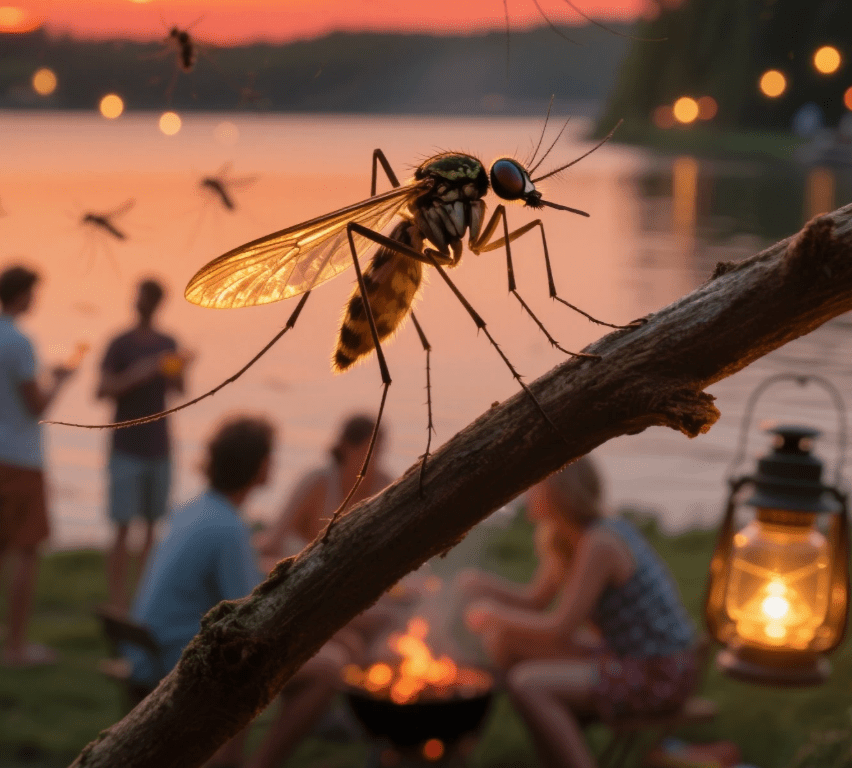
If we’re talking strictly about human deaths, mosquitoes top the list—not just in Tennessee, but worldwide.

Why Mosquitoes Are Dangerous

Mosquitoes themselves aren’t the problem. What they carry is.

In Tennessee, mosquitoes are known vectors for:

  • West Nile Virus
  • Eastern Equine Encephalitis (EEE)
  • Zika Virus
  • La Crosse Encephalitis

While many infected individuals show mild or no symptoms, others—especially children, the elderly, and immunocompromised adults—can suffer severe neurological complications.

From a prepper’s perspective, disease-carrying insects are a long-term threat. You may not feel the damage immediately, but once symptoms appear, you’re already behind the curve.

Where You’ll Encounter Them

  • Standing water (ditches, buckets, birdbaths)
  • Creek bottoms and riverbanks
  • Shaded yards and overgrown brush
  • Campsites and hunting areas

How to Stay Safe from Mosquitoes

  • Eliminate standing water around your home weekly
  • Wear long sleeves and pants during dawn and dusk
  • Use proven repellents (DEET, picaridin, or oil of lemon eucalyptus)
  • Install window screens and repair holes
  • Run fans on porches—mosquitoes are weak flyers

Prepared households treat mosquito control as routine maintenance, not a seasonal afterthought.


2. Ticks: Silent, Patient, and Potentially Life-Altering

Ticks are not insects, but most folks group them together—and for good reason. In Tennessee, ticks are one of the most serious outdoor health threats.

Dangerous Tick Species in Tennessee

  • Lone Star Tick
  • Blacklegged Tick (Deer Tick)
  • American Dog Tick

These ticks can transmit:

  • Lyme disease
  • Rocky Mountain spotted fever
  • Ehrlichiosis
  • Alpha-gal syndrome (a red meat allergy caused by Lone Star ticks)

Alpha-gal alone has changed the lives of many outdoorsmen who suddenly can’t eat beef or pork without severe reactions.

Why Ticks Are a Prepper’s Concern

Ticks don’t bite and leave. They embed themselves, feed slowly, and often go unnoticed for hours or days. In a long-term emergency scenario, untreated tick-borne illness can remove a capable adult from usefulness entirely.

Tick Prevention Strategies

  • Treat clothing with permethrin
  • Wear light-colored pants to spot ticks
  • Tuck pants into boots when in tall grass
  • Perform full-body tick checks after outdoor activity
  • Shower within two hours of exposure

In my household, tick checks are non-negotiable. Discipline prevents disease.


3. Brown Recluse Spiders: Small, Reclusive, and Dangerous

The brown recluse spider is well established in Tennessee and deserves respect.

Why Brown Recluses Are Dangerous

Their venom can cause:

  • Severe skin damage
  • Necrotic wounds
  • Secondary infections

While fatalities are rare, untreated bites can result in long healing times and permanent tissue damage.

Where Brown Recluses Hide

  • Garages
  • Sheds
  • Woodpiles
  • Closets
  • Cardboard boxes
  • Undisturbed storage areas

They don’t roam looking to bite you. Most bites happen when someone puts on clothing or reaches into storage without looking.

How to Avoid Brown Recluse Bites

  • Shake out shoes and clothing
  • Store items in plastic bins, not cardboard
  • Reduce clutter
  • Wear gloves when moving stored items
  • Seal cracks and crevices in structures

Prepared living spaces are orderly for a reason—it limits hiding places for threats.


4. Black Widow Spiders: Recognizable and Medically Significant

Black widows are less common than brown recluses but still present throughout Tennessee.

Why Black Widows Are Dangerous

Their venom attacks the nervous system and can cause:

  • Severe muscle pain
  • Cramping
  • Nausea
  • Elevated blood pressure

Children and elderly individuals are at higher risk for complications.

Common Black Widow Locations

  • Under decks
  • In woodpiles
  • Crawl spaces
  • Outdoor furniture
  • Utility boxes

Safety Measures

  • Wear gloves when handling firewood
  • Inspect outdoor furniture before use
  • Keep woodpiles away from the home
  • Reduce insect populations that attract spiders

Respect their space, and they usually return the favor.


5. Fire Ants: Aggressive and Relentless

Imported fire ants are spreading in parts of Tennessee, particularly in the southern and western regions.

Why Fire Ants Are Dangerous

Fire ants attack as a group. Their stings cause:

  • Intense burning pain
  • Pustules
  • Secondary infections
  • Allergic reactions, including anaphylaxis

Multiple stings can overwhelm children or pets quickly.

Fire Ant Survival Tips

  • Learn to recognize mounds
  • Avoid standing still in infested areas
  • Treat mounds promptly
  • Keep yards maintained
  • Teach children what fire ant mounds look like

Prepared families educate early. Recognition saves pain.


6. Wasps, Hornets, and Yellowjackets: Territorial Defenders

Stinging insects account for more insect-related deaths in the U.S. than spiders.

Why They’re Dangerous

  • They sting repeatedly
  • They attack in groups
  • They defend nests aggressively
  • Allergic reactions can be fatal without epinephrine

Yellowjackets are especially aggressive and commonly encountered during late summer and fall.

Where Encounters Happen

  • Trash cans
  • Picnic areas
  • Attics and eaves
  • Underground nests
  • Campsites

Staying Safe Around Stinging Insects

  • Avoid swatting
  • Cover food outdoors
  • Secure garbage lids
  • Inspect structures regularly
  • Remove nests early (or hire professionals)

In a survival scenario, stings are more than painful—they can be disabling.


7. Kissing Bugs: Rare but Worth Knowing

Kissing bugs are present in Tennessee, though encounters are uncommon.

Why They Matter

They can carry Chagas disease, a serious illness affecting the heart and digestive system. Transmission is rare in the U.S., but awareness matters.

Prepper Takeaway

  • Seal cracks in homes
  • Reduce outdoor lighting near doors
  • Keep pets indoors at night

Preparedness isn’t paranoia—it’s awareness.


Practical Survival Principles for Bug Safety

Here’s how a prepper thinks about insects:

  1. Control the environment – Reduce habitat and access
  2. Protect the body – Clothing, repellents, inspections
  3. Recognize early signs – Bites, rashes, unusual symptoms
  4. Maintain medical readiness – First aid supplies and knowledge
  5. Educate the family – Everyone plays a role

Insects don’t care how tough you are. They exploit complacency.


Essential Bug Defense Gear for Tennessee Homes

Every prepared household should have:

  • Insect repellent
  • Tick removal tools
  • Antihistamines
  • Hydrocortisone cream
  • Epinephrine (if prescribed)
  • Protective clothing
  • Mosquito netting for emergencies

These items are inexpensive compared to the cost of treatment—or regret.


Final Thoughts from a Prepper

Living prepared doesn’t mean living afraid. It means respecting reality.

Tennessee’s insects are part of the ecosystem, but they don’t have to be part of your medical history. Most injuries happen because people assume “it won’t happen to me.” Survival-minded folks don’t rely on luck—they rely on knowledge, habits, and discipline.

If you take nothing else from this article, remember this: the smallest threats succeed when ignored. Pay attention, prepare your space, and teach the next generation how to live smart in bug country.

Stay alert. Stay capable. Stay safe.

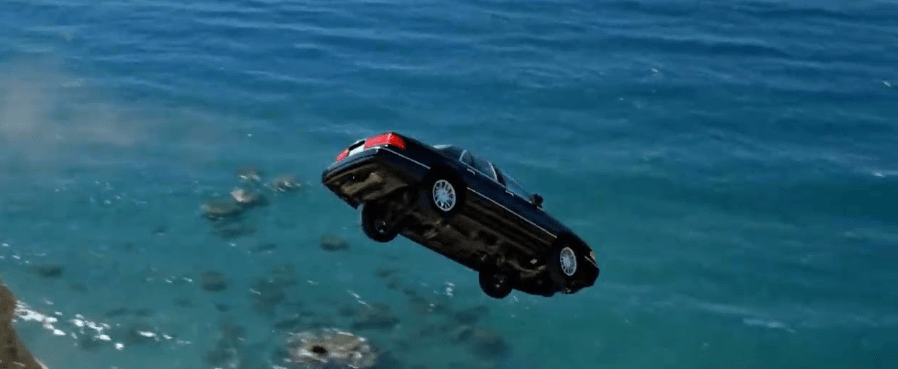
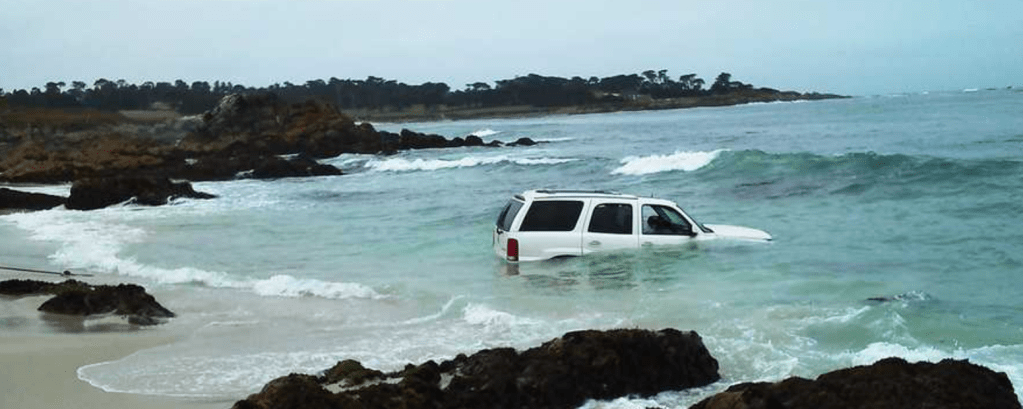
Surviving a Sinking Car in a World That Doesn’t Care If You Drown

Let’s get something straight right out of the gate: if your car is sinking, the world has already failed you. Society has crumbled long before you ever hit the water. Whether it’s shoddy infrastructure, distracted drivers, or the laughable excuse for “emergency preparedness” drilled into us by people who have never been in an actual emergency, the system isn’t coming to save you. And your precious online “life hacks”? They’ll be as useless as a seatbelt on the Titanic.

If you’re sinking in a car, you have one job: get out before the vehicle becomes a steel coffin. And the irony, the absolute cosmic joke of it all, is that escaping a sinking car is actually simple—if you know what you’re doing. But of course, most people don’t. People think the car will float serenely like a movie stunt scene while they calmly dial 911. No. Your car sinks faster than the average attention span on social media.

So here’s the truth—the bleak, harsh, angry truth—about how to escape a sinking car in a world determined to drag you down with it.


Step 1: Accept That You Are On Your Own

First things first. The moment your car hits water, you must assume no one is coming. Not quickly enough, not competently enough, and definitely not before the water fills your lungs. You don’t have time to wait. You don’t have time to debate. And you sure as hell don’t have time to panic.

You have between 30 seconds and 2 minutes in most sinking-car scenarios. That’s it. That’s your survival window. Every second you waste looking around like a confused tourist brings you closer to the bottom.

Everyone always says, “Call emergency services!”
Sure—if you want rescuers to retrieve your body rather than rescue it. Your phone call should happen after you reach dry land, not while you’re still strapped in watching water rise.

Your life is in your hands. Everyone else is just part of the background noise.


Step 2: Unbuckle Immediately—Not After You Debate It

People underestimate how fast panic sets in. They freeze in denial, thinking the car will stop sinking, or someone will magically show up, or that they’ll “figure it out in a second.” That second never comes.

The moment you hit the water, unbuckle your seatbelt.
No speeches. No hesitation. No dramatic last phone calls.

And for the love of survival, unbuckle the kids first if you have them. Children often can’t free themselves; adults can. Secure them, then move.

Seatbelts save lives—until they don’t. In water, they become shackles.


Step 3: Forget the Door—It’s a Trap

Hollywood lies. It lies about everything, but especially this.

You can’t just open the door when your car’s sinking. Unless you’re built like a hydraulic press, that door won’t budge. Water pressure makes sure of that.

If you try, you will fail.
If you keep trying, you will drown trying.
The door is a lost cause until the inside is fully flooded—and if you wait that long, well, good luck making it to the surface in time.

The door is not your friend. In fact, in a sinking car, it might as well be welded shut.


Step 4: The Window Is Your Way Out—Break It or Open It Fast

The window is your escape route. It is the ONLY escape route in the crucial early moments.

You cannot rely on power windows when your electrical system is immersed in water, but here’s the rough truth: they typically work for a few seconds after impact. That’s your grace period. A gift from the universe, even though the universe doesn’t care.

Best-case scenario: Open the window immediately.

Power windows still working? Good. Hit the button the instant the car touches water.
Rolling down a window could save your life faster than any rescue team ever will.

Worst-case scenario: Break the window.

Use a spring-loaded window punch. Not a hammer. Not your fist (unless you’re trying to break bones). A small, cheap punch. The kind every realist carries but most people don’t, because they’re too busy trusting society to protect them.

Aim for a corner of the window, not the center. Breaking the center is like trying to knock down a brick wall with good intentions.

And don’t even try the windshield. It’s laminated and designed to resist shattering. Focus on the side windows.

This is the life-or-death moment. Get that window open or broken, and you’ve bought yourself a chance.


Step 5: Escape Through the Window and Forget Your Belongings

Once the window is open, escape immediately. Do not turn around for your phone, your purse, your laptop, or the sentimental trinket you think you can grab in two seconds. Those seconds will drown you.

Every survival prepper knows this truth: stuff can be replaced, oxygen cannot.

If you’re helping others—kids, elderly passengers—push them through the window first. They may not have the strength to fight the outward pressure or the rising water.

Then get yourself out.

Push out and swim upward at an angle, because cars often drift downward while sinking. The surface isn’t always directly above you anymore.


Step 6: Swim Away From the Car

Cars don’t sink vertically like stones—they tilt, shift, and churn the water around them. Some even release air pockets that can disorient you. That’s the world for you: even in death, it tries to confuse you.

Swim upward and away. Put distance between you and the vehicle. Use strong kicks. Don’t waste breath. Don’t fight physics—work with it.

When you reach the surface, then you can inhale panic. Not before.


Step 7: Only After Survival—Call for Help

Congratulations. If you reached this point, you’ve done what many cannot: you took responsibility for your own survival.

Now, and only now, do you call for help. Emergency services can take it from here, but they won’t get the credit. Your instincts will.


Final Thoughts From Your Resident Angry Prepper

The world doesn’t prepare you for real emergencies. It hands you pretty safety slogans and expects you to be grateful. But reality is cruel, and water is unforgiving. When your car starts sinking, the only person you can count on is yourself.

I’m not here to sugarcoat anything. I’m here to tell you the truth the world hides because it scares people: most emergencies give you one shot. One window. One moment to act.

And now you know how to use it.

Learn these steps, prepare for the worst, and maybe—just maybe—the world won’t get the satisfaction of dragging you under.

Self-Sufficient Living: Possible Dream or Doomed Fantasy?

People love to romanticize the idea of “self-sufficient living.” They picture themselves wandering off into the woods, building a cute cabin, milking a goat at sunrise, harvesting vegetables in perfect weather, and somehow producing everything they need without ever depending on the collapsing society they’re supposedly escaping. It sounds wonderful—if you live in a fantasy novel. Out here in the real world, the one unraveling a little more every day, true self-sufficiency is a lot closer to a mirage than a lifestyle.

Let’s cut through the delusion: self-sufficient living is possible, but only in the same way surviving a plane crash is possible. Technically. Maybe. If a long list of things go right and the universe decides to let you live another day. But for most people who imagine they can just wander off and “live off the land,” the truth is brutal—nature does not care about your feelings, your Pinterest gardening boards, or your prepper fantasies.

And honestly, neither do I. I’m too busy watching society burn itself down while people still pretend the grocery store will always magically restock itself.


The Myth of the Lone Wolf Homesteader

Let’s get this out of the way: nobody—literally nobody—has ever been fully self-sufficient by themselves. Historically, self-reliance took communities, families, groups, tribes, villages. Tools were traded. Skills were shared. Labor was pooled. Even the toughest mountain men still relied on trade posts or the occasional supply run.

But today? The average person can’t even go a week without Wi-Fi before they start to unravel. Yet somehow they think they’re going to raise livestock, manage solar power, filter water, preserve food, heat a homestead, grow crops, defend their property, and stay sane—all by themselves.

It’s delusional. And it’s exactly why the idea of total self-sufficiency triggers me like nothing else. People treat it like a lifestyle aesthetic, not the grueling, backbreaking, year-round work that it really is.


Modern Society Has Made Us Too Dependent

Even most “preppers” are lying to themselves. They stock up on rice and canned food, but they still rely on gasoline, spare parts, batteries, tools, equipment, insulation, and seed companies. Everyone depends on something. And in a world where everything is mass-produced in distant factories, good luck trying to forge your own screws or manufacture your own water pump.

People forget that real self-sufficient living means:

  • No Amazon replacements
  • No hardware store quick fixes
  • No easy food refills
  • No electricity unless you generate it
  • No medicine unless you grow or make it
  • No heat unless you cut it, haul it, and split it

It’s astonishing how many folks think they’re ready, yet couldn’t keep a tomato plant alive on their balcony if their life depended on it.


Nature Will Test You, Then Break You

Everyone wants to be “independent” until reality shows up: droughts, pests, diseases, predators, cold snaps, equipment failures, injuries—just pick one and it can wipe out your entire year of effort.

You don’t get a refund.
You don’t get a do-over.
And you definitely don’t get a second growing season.

Imagine relying on a garden for survival, only to have hornworms chew through your food supply in two nights. Or your chickens get wiped out by a raccoon because you underestimated it. Or your water source dries up because the rain stopped coming when the planet decided you weren’t important enough to hydrate.

Self-sufficiency isn’t a dream. It’s a nonstop fight against everything around you that doesn’t care whether you live or not.


So Is Self-Sufficient Living Possible?

Here’s the honest, infuriating truth:

Self-sufficiency is possible in degree, but not in totality.

You can reduce dependence.
You can grow a lot of your own food.
You can produce some of your own power.
You can store and filter your own water.
You can build resilience.

But you will still need tools.
You will still need parts.
You will still need knowledge.
You will still need community.
You will still need something from the outside world.

Anyone who claims they’re “fully self-sufficient” is either lying, delusional, or conveniently ignoring the dozens of modern resources they still rely on.


The Real Goal Isn’t Isolation—It’s Resilience

If you want to survive what’s coming—and let’s be honest, what’s already happening—don’t chase the fantasy of being 100% independent. Chase resilience. Learn skills. Reduce reliance where you can. Build community with people who actually know what they’re doing. Prepare for reality, not fantasy.

Because self-sufficient living isn’t about escaping the world.
It’s about surviving it when everyone else realizes too late that the world was never built to take care of them.

Bug-Out with Tent, Trailer, or Something Else? Why Your Choice Might Still Get You Killed

Let’s face it: most people wandering through life today think “bugging out” means grabbing a backpack, hopping in an SUV, and heading toward some fantasy cabin in the mountains like they’re starring in a low-budget survival movie. Meanwhile, those of us who actually prepare—really prepare—know that the world is teetering on the edge of collapse, and the worst part isn’t the chaos coming. It’s the crowds of clueless citizens who think they’re going to “figure it out” as everything burns.

So here’s the ugly truth: your bug-out shelter—tent, trailer, or whatever else you’ve romanticized—is probably not the miracle solution you think it is. Every option has weaknesses. Every option can fail you. And if you expect otherwise, you’ve already lost.

Still, we’re stuck in this doomed civilization together, so let’s break down the realities of the three main bug-out shelter paths and why they might, if you’re lucky, give you a microscopic edge when everything goes dark.


Option 1: The Tent — Lightweight, Portable, and Pathetically Vulnerable

Ah yes, the favorite of ultralight backpackers and YouTube survival “influencers” who pretend they know cold, hunger, and terror. The tent is the bug-out choice for those who prefer mobility—but it’s also the choice for those who are comfortable sleeping inside a nylon bag while the entire forest listens to them breathe.

But here’s why tents do matter despite their fragility:

The Pros:

  • You can move fast. Mobility is survival when the masses are fleeing like sheep without GPS.
  • No fuel requirement. Unlike trailers or RVs, you don’t become dependent on gas—something most people won’t plan for until they’re siphoning fuel in the middle of the night.
  • Cheap enough that even beginners can buy a real one. And yes, beginners will still manage to buy the wrong one, but at least they have a shot.

The Cons:

  • Zero protection. Rainfly or not, if the weather wants to punish you, it will. If wildlife wants to investigate your midnight snack, it will. If humans want your supplies, you’re done.
  • Terrible insulation. You’re a warm, edible burrito to the world.
  • Setup requires calm hands—something you won’t have on Day 3 of societal collapse.

Let’s put it simply: tents are fast, but fragile. Good for escaping the chaos, but dangerous for surviving it long-term. If your bug-out strategy relies solely on a tent, then congratulations—you’re planning for mobility, not protection.


Option 2: The Trailer — Sturdier, Heavier, and a Beacon for Desperate People

A trailer might seem like the balanced choice. It offers shelter, mobility, and storage. A place to sleep without waking up soaked from condensation or frost. A place where your food isn’t stored inches from your pillow. A place that doesn’t flap like a dying bird every time the wind blows.

But don’t fool yourself: trailers come with their own demons.

The Pros:

  • Protection from the elements. Real walls do wonders during storms, even if they’re thin aluminum.
  • More storage space. Your supplies can actually be organized instead of bursting out of a backpack like a sad garage-sale explosion.
  • You look less desperate. And in survival terms, “less desperate” often means “less likely to be targeted.”

The Cons:

  • You’re married to your vehicle. No truck, no mobility. Lose the key? You’re a stationary buffet for anyone who stumbles upon you.
  • Fuel dependency. And no—storing 20 gas cans “just in case” doesn’t magically fix this issue.
  • Visibility. Trailers scream: “I have supplies!” to anyone passing by.

Worse, navigating rough terrain with a trailer means you’ll be stuck on roads longer than someone with a tent. And roads will be where chaos lives.

Trailers are great—until you can’t move them. Then they’re nothing but a tiny metal coffin with cabinets.


Option 3: Other Options — The Fantasy Land of Improvised Survival

Some preppers swear by alternative bug-out shelters: hammocks, rooftop tents, converted school buses, vans, DIY off-grid carts, or even old hunting blinds. Innovation is great—right up until reality slaps you in the face.

The Pros:

  • Niche advantages. Hammocks are phenomenal in humid areas. Vans provide stealth. Rooftop tents keep you away from ground predators.
  • Customizability. You can tailor these setups exactly to your environment.

The Cons:

  • Specialized means limited. A hammock is useless in the desert. A rooftop tent is a liability in high winds. A van becomes your prison if people block the exit.
  • High learning curve. Most people don’t know how to use these systems correctly even in perfect conditions—much less during apocalypse-lite.
  • Maintenance. The more moving parts, the more chances something fails when you need it most.

In short, alternative shelters can be brilliant for specific environments—but they demand actual skill, discipline, and scenario planning. And let’s be real: most people won’t do any of that.


So Which Bug-Out Shelter Should You Choose?

The answer is as grim as you expect:

None of Them Are Perfect.

Because you don’t get perfection in collapse scenarios. You get trade-offs. You get compromises. You get options that are all flawed, and you choose the flaw you’re most prepared to survive.

Here’s the mindset you actually need:

  • If you expect chaos early: choose mobility. Tents win.
  • If you expect long-term off-grid living: choose protection. Trailers win.
  • If you know your terrain better than most people know their own families: choose alternatives. Specialized gear wins.

But the real truth—the one nobody likes to say out loud—is this:

Your shelter choice doesn’t save you. Your preparedness, discipline, skills, and planning save you. The shelter is just the tool.

And if society collapses tomorrow, the masses will flood the highways, destroy the forests, raid anyone with visible gear, and burn through resources like toddlers with matches. And you’ll be out there, choosing between nylon, aluminum, and creative madness.