Good evening, California! As we brace for another fire season, it’s crucial to be prepared. Recent wildfires, like the devastating January 2025 Eaton and Palisades fires, have underscored the importance of readiness. Over 200,000 residents were evacuated, and more than 18,000 structures were destroyed.
🔥 Top 10 Wildfire Survival Tips for Preppers
Create Defensible Space: Maintain a defensible space of at least 100 feet around your home. Trim trees and shrubs, mow grass to a height of 4 inches, and remove dead vegetation. CAL FIRE
Harden Your Home: Use fire-resistant materials for roofing, siding, and decks. Install ember-resistant vents and cover eaves and decks with fire-resistant materials. CAL FIRE
Prepare a ‘Go Bag’: Pack essential items such as water, non-perishable food, medications, important documents, and a flashlight. CAL FIRE+2Ready for Wildfire+2AP News+2
Know Multiple Evacuation Routes: Familiarize yourself with at least two routes out of your area. Roads can become congested or blocked during evacuations.
Stay Informed: Sign up for local alert systems to receive timely evacuation orders and updates. AP News+1AP News+1
Secure Your Home: Before evacuating, close all windows and doors, remove flammable window coverings, and shut off gas and propane tanks. Ready for Wildfire
Protect Pets and Livestock: Have carriers and leashes ready for pets. Arrange transportation for larger animals and know where to take them. Ready for Wildfire
Maintain Emergency Supplies: Keep a battery-powered radio, extra batteries, and a first aid kit in your emergency kit.
Practice Evacuation Drills: Regularly rehearse your evacuation plan with all family members to ensure everyone knows what to do. Ready for Wildfire
Stay Calm and Follow Official Instructions: During an evacuation, remain calm, follow official instructions, and avoid taking unnecessary risks.
🏙️ Most Fire-Prone Cities in California
Recent studies have identified several California cities as being particularly vulnerable to wildfires:
Pacific Palisades: Located in Los Angeles County, this coastal community has experienced devastating fires, including the January 2025 Palisades Fire. Wikipedia+1San Francisco Chronicle+1
Altadena: Situated northeast of Pasadena, Altadena was severely affected by the Eaton Fire, resulting in significant property damage. The Washington Post+1Wikipedia+1
Moraga and Orinda: These East Bay towns are characterized by fire-prone ecology and narrow roads, making firefighting challenging. San Francisco Chronicle
Santa Rosa: Located in Sonoma County, Santa Rosa has experienced multiple devastating wildfires, including the 2017 Tubbs Fire.
Redding: Situated in Shasta County, Redding has been impacted by several large wildfires, including the 2018 Carr Fire.
🌡️ Climate Change and Wildfire Risk
A recent analysis by The Washington Post reveals that approximately 5.1 million Californians now reside in areas classified as having “very high” or “high” fire hazard severity. Factors such as climate change, expanded development into wildland areas, and increased vegetation from previous winters contribute to this heightened risk.The Washington PostThe Guardian+1Wikipedia+1
Charge Devices in Advance: Ensure your cell phone and other essential devices are fully charged.UC Davis
Have Backup Power: Consider investing in a portable power bank or generator.
🧯 Final Thoughts
Being prepared is the best defense against wildfires. By creating a comprehensive wildfire action plan, hardening your home, and staying informed, you can significantly increase your chances of safety during a wildfire. Remember, it’s not just about protecting property; it’s about safeguarding lives.CAL FIRE+2AP News+2Ready for Wildfire+2
Prepper Priorities: Must-Have Items Before the Collapse
In today’s uncertain world, the notion of self-reliance is becoming more important than ever. With rising concerns over political instability, economic uncertainty, and the unpredictability of natural disasters, it’s clear that the need to prepare for potential crises is something that we can no longer ignore. Whether it’s the possibility of hyperinflation, power grid failures, or even the collapse of social order, being ready for the worst can ensure that you, your family, and your community are protected.
As conservative-minded individuals, we value independence, personal responsibility, and the ability to weather any storm that comes our way. Preparing for a collapse—whether political, economic, or otherwise—requires the right mindset, skills, and tools. Let’s take a look at the must-have items every prepper should stock up on, with a focus on practical, common-sense solutions.
1. Water Filtration System
You don’t have to look far to see that clean water is becoming an increasingly precious commodity. The fact that many cities across the U.S. are experiencing water shortages, and that the quality of municipal water is increasingly suspect, makes having a reliable water filtration system essential. Whether you prefer a portable filter like the Lifestraw or a larger, home-based filtration system, ensuring access to clean water is a top priority. As recent reports have highlighted the contamination of water supplies in cities like Flint, Michigan, the need for self-sufficiency when it comes to water is crystal clear.
2. Food Storage and Emergency Supplies
With inflation at historic highs and the global food supply chain under increasing strain, securing a long-term food supply is more critical than ever. Stocking up on non-perishable foods, freeze-dried meals, and essentials like rice, beans, and canned goods will help ensure your family is well-fed during a crisis. In recent years, we’ve seen shortages in everything from toilet paper to baby formula—what if the next shortage impacts your ability to feed your family? Given the government’s unpredictable handling of supply chain issues, it’s up to you to ensure you’re prepared.
3. Firearms and Ammunition
As we’ve witnessed in the past year, political and social tensions in the U.S. are rising, and the need for personal protection is becoming more pressing. The Second Amendment is an essential part of our nation’s foundation, and being able to defend your home and loved ones is paramount. From unpredictable civil unrest to the increasing possibility of government overreach, firearms and ammunition are not just for hunting—they’re a tool for preserving life and liberty. Recent political debates on gun control have only further solidified the importance of having the right to bear arms and the necessity of being prepared.
4. Medical Supplies and First Aid Kit
In any emergency situation, the ability to treat wounds, illnesses, and injuries is crucial. As hospitals become overwhelmed in times of crisis—whether due to pandemics, civil unrest, or natural disasters—a well-stocked first aid kit can make a life-or-death difference. Essential items include bandages, antiseptics, medications, and tools for dealing with serious injuries. When you rely on government-run healthcare systems that are increasingly overwhelmed, having the knowledge and resources to care for yourself and your family becomes indispensable.
5. Solar-Powered Battery Chargers
The rising risk of power grid failures should be a wake-up call to anyone who values self-sufficiency. From cyberattacks on critical infrastructure to natural disasters like hurricanes and wildfires, power outages are becoming more common. Solar-powered battery chargers allow you to keep your communications running, charge important devices, and maintain a basic level of connectivity, even during extended outages. With the increasing instability of both domestic and international politics, it’s important to ensure that you can maintain your independence, even when the grid goes down.
6. Emergency Shelter
When disaster strikes, the ability to secure shelter can make all the difference in your survival. Whether it’s a temporary bug-out shelter or a more permanent setup, having the right gear—such as tents, tarps, or a well-built shelter in your backyard—can provide safety and comfort in times of chaos. Just look at the mass exodus from urban areas in the wake of natural disasters or civil unrest—having a backup plan for shelter can help you escape the fray when the world goes sideways.
7. Survival Tools and Multi-Tools
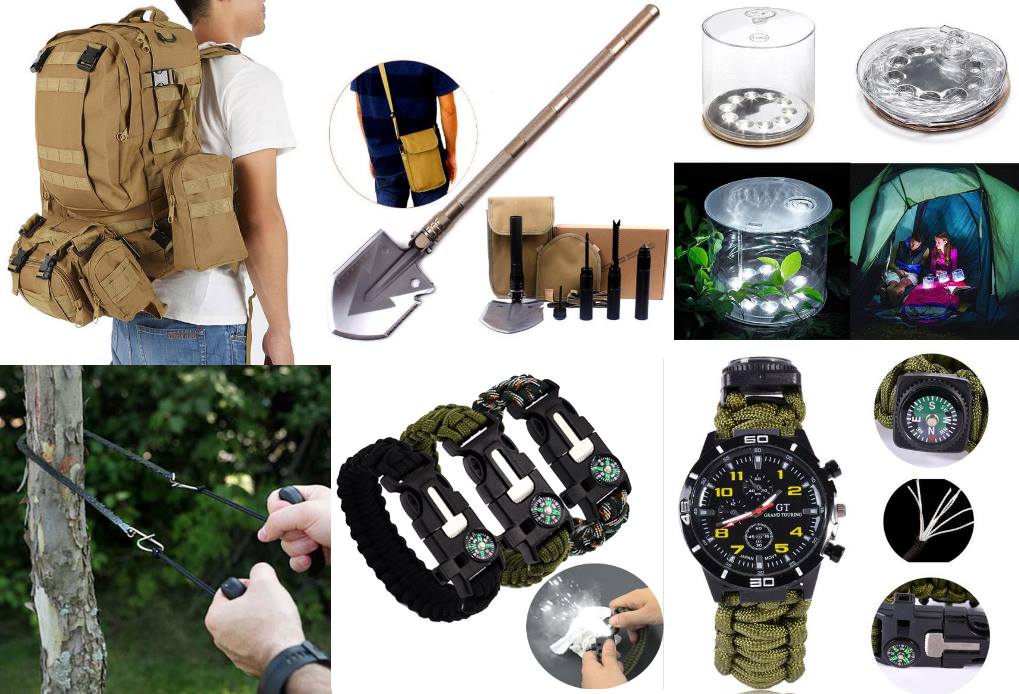
The right tools can mean the difference between life and death in a survival situation. A high-quality multi-tool, such as a Leatherman or Swiss Army knife, can serve a multitude of purposes, from building shelter to defending yourself. Additionally, having specialized tools for tasks like fire-starting, hunting, and cooking can make your survival efforts much more manageable. As we’ve seen with the growing unpredictability of global conflicts and natural disasters, there’s no telling when you may need to rely on your own two hands to survive.
8. Fuel and Energy Resources
As power grids and gas supplies become more vulnerable to both cyberattacks and supply chain breakdowns, securing alternative energy sources is becoming more critical. This can include fuel for cooking and heating, as well as renewable resources like solar panels or generators. With the rising cost of energy and increasing energy dependency in times of crisis, being able to manage your own energy resources will be key to maintaining your independence. Political tensions in energy-rich regions only further highlight the importance of securing your energy needs now.
9. Communication Devices
Staying informed and connected during an emergency is crucial. While smartphones are convenient, they are also dependent on the grid. Investing in alternative communication devices—such as two-way radios or satellite phones—can keep you in touch with loved ones and provide critical information when all other forms of communication fail. The recent power outages in California and Texas have demonstrated how fragile our communication systems can be when disaster strikes, and having a backup plan is essential for survival.
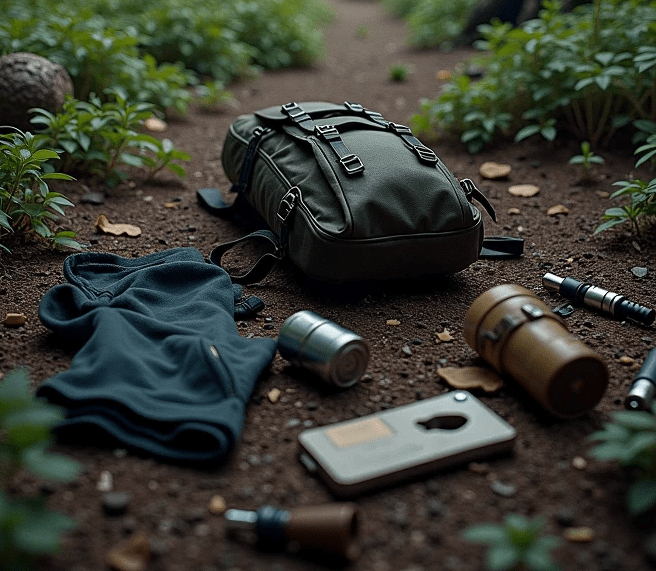
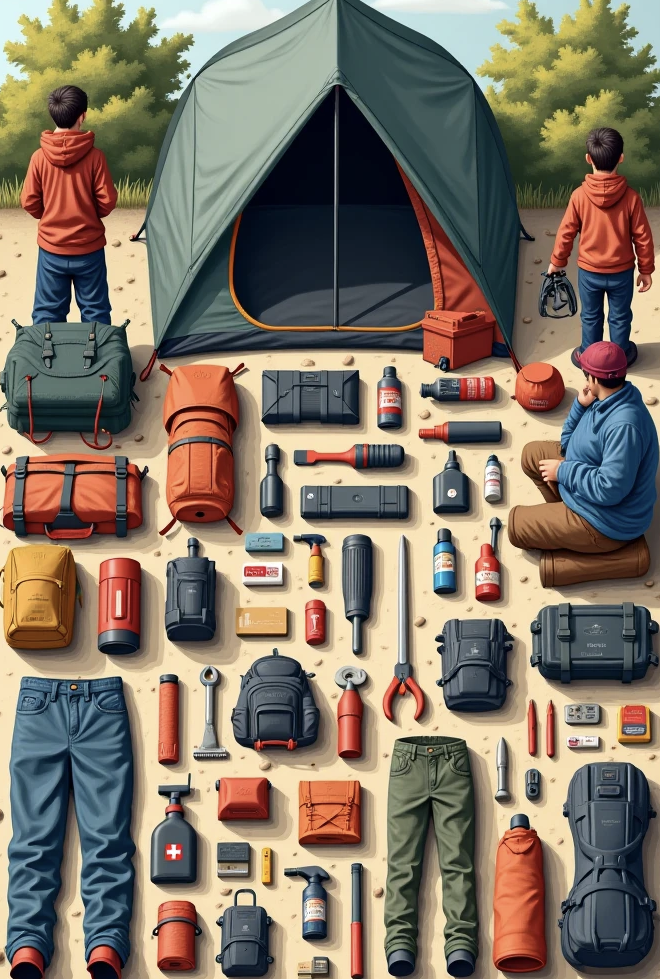
10. Bug-Out Bag
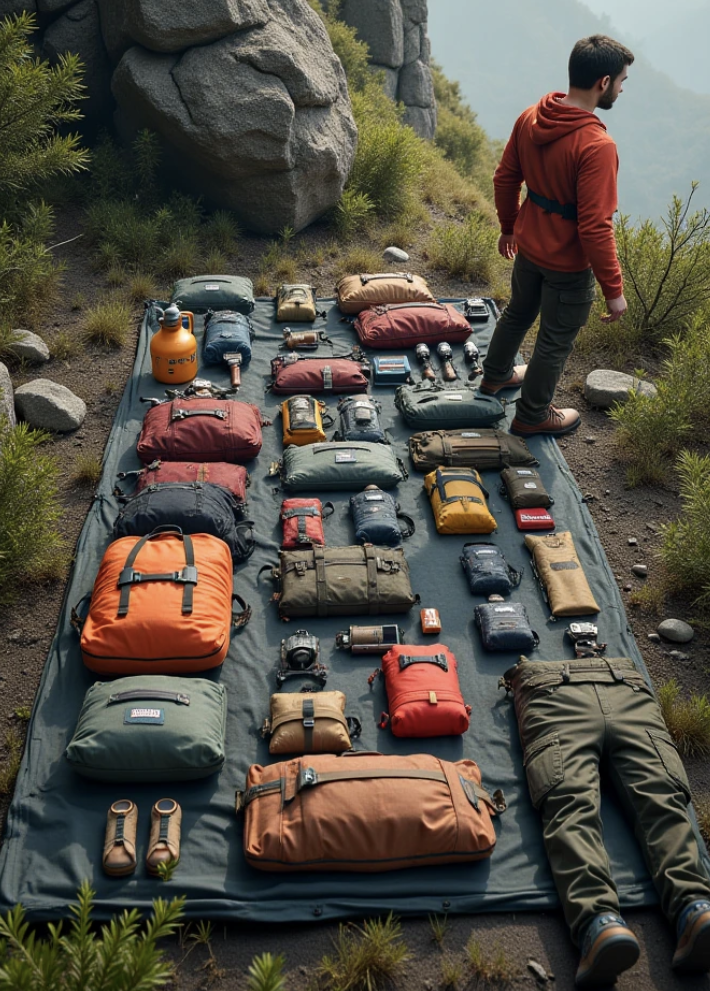
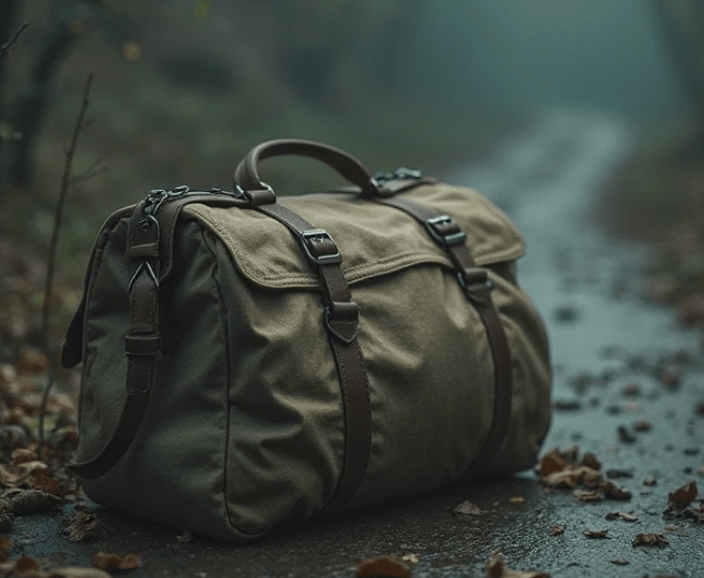
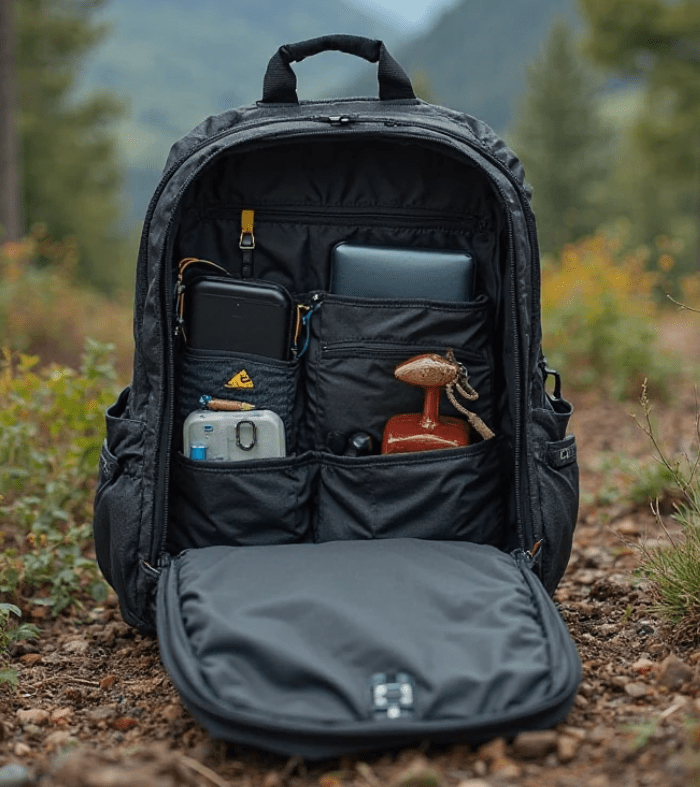
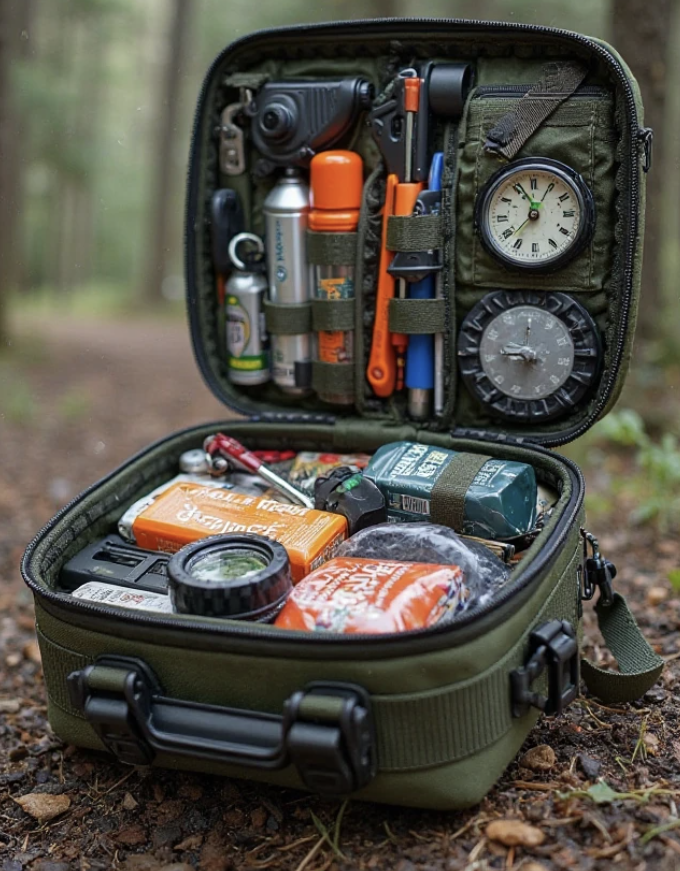
A bug-out bag is your go-to survival kit that should include everything you need to survive for at least 72 hours in a crisis. This should include water, food, medical supplies, fire-starting tools, and clothing, all packed in a durable, easy-to-carry bag. Recent political developments, such as civil unrest and the rising risk of natural disasters, have shown that being able to quickly evacuate your home is not just a smart move—it could be life-saving.
11. Mental and Physical Conditioning
Survival isn’t just about having the right gear—it’s also about being mentally and physically prepared to endure. Building physical strength, stamina, and mental resilience can help you handle the stress and strain that comes with survival situations. Whether it’s training for self-defense, practicing mindfulness, or strengthening your body through regular exercise, conditioning is crucial to maintaining a survival mindset.
11 Survival Prepper Tips
Develop a comprehensive emergency plan – Include family members and ensure everyone knows the steps to take in case of evacuation or lockdown.
Stay informed – Always monitor reliable news sources for updates on local and global crises.
Learn essential survival skills – Learn how to forage, hunt, and fish; practice fire-starting and shelter-building.
Create a bug-out plan – Know multiple escape routes and have a trusted destination in mind.
Practice financial preparedness – Have cash on hand and precious metals for bartering in case the financial system collapses.
Stockpile essentials – Think beyond food and water—get tools, batteries, and other long-term supplies.
Communicate your plan – Share your emergency plans with loved ones and practice regularly.
Strengthen community ties – Build relationships with neighbors and like-minded individuals who can help in a crisis.
Stay fit and healthy – In an emergency, your health and stamina will be critical to your survival.
Learn basic first aid – Knowing how to treat injuries and illnesses could save lives during a disaster.
Have a backup energy source – Solar-powered tools and alternative energy sources will keep you off the grid.
Current Events Political Moments Impacting Prepping
Recent political events—from the chaotic withdrawal from Afghanistan to escalating tensions over inflation—serve as stark reminders of the instability in our world. Policies that affect energy, gun rights, and government intervention are all part of the equation when planning for a collapse. As government actions grow more unpredictable, self-reliance becomes more necessary for ensuring your future security.
As preppers, we plan for the worst-case scenario. We stockpile supplies, create bug-out bags, and rehearse evacuation plans. But in the heat of the moment, with panic and adrenaline running high, things can go terribly wrong. And if you’re not careful, even the best-prepared bug-out plan can quickly turn into a nightmare.
The truth is, there are hidden hazards when bugging out—dangers that many people overlook when creating their survival strategies. These aren’t just the obvious risks like bad weather, wild animals, or hostile individuals. The real threats are often things we don’t expect, the hazards that are easy to dismiss, but which can be just as deadly in a collapse situation.
The Hidden Hazards When Bugging Out
When the time comes to bug out, you need to be prepared for more than just getting from point A to point B. The hazards of the journey and survival in the wild can be numerous, and even the smallest oversight can lead to disaster. Let’s break down some of the often-forgotten risks that can make bugging out much more dangerous than you anticipate.
1. Overpacking Your Bug-Out Bag
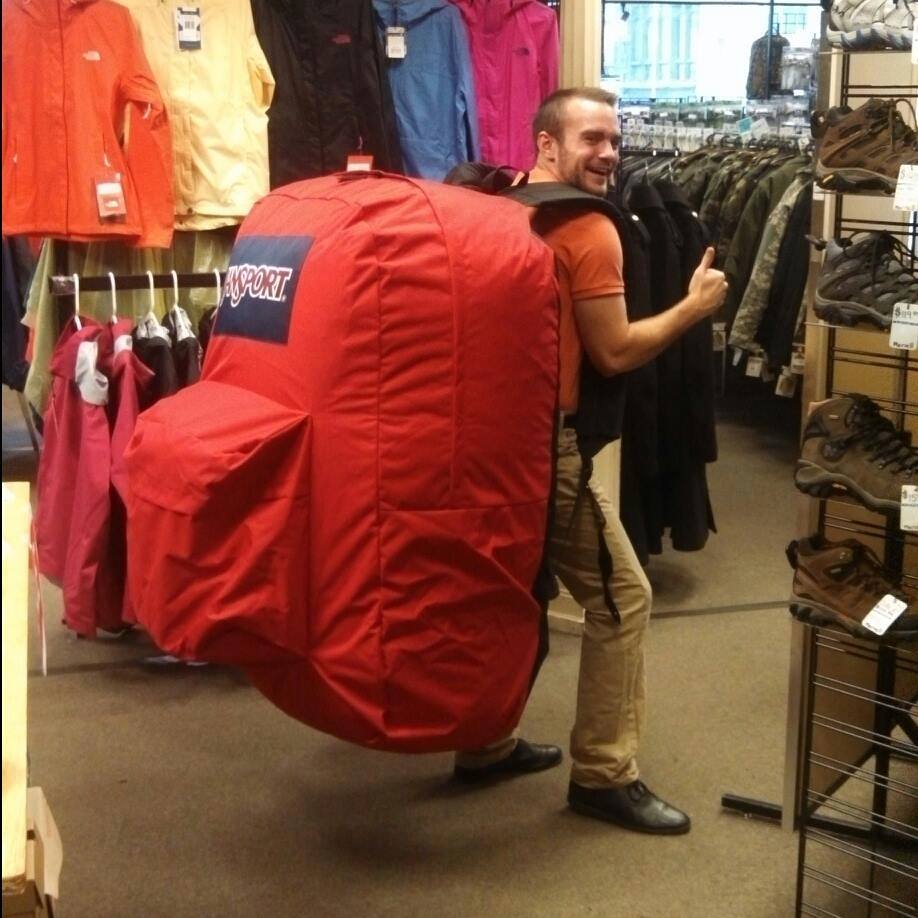
Prepper Tip #1: Don’t overpack your bug-out bag. Focus on lightweight, high-utility items. Prioritize quality over quantity.
It’s easy to get excited and pack everything you think you’ll need, but this is one of the most common mistakes preppers make. A heavy, overstuffed bug-out bag can slow you down and wear you out faster than you think. You might be carrying extra weight that you don’t need, making it harder to move efficiently or even causing physical injury if you’re not used to carrying heavy loads over long distances.
When bugging out, your goal should be mobility and endurance. Focus on essential survival gear that serves multiple purposes. Choose lightweight, compact tools and space-efficient items that you can rely on. If your bag is too heavy, you’re less likely to reach your destination—and you’ll waste valuable energy and time.
2. Failing to Consider Terrain and Route
Prepper Tip #2:Scout multiple routes and plan for terrain challenges. Always have a secondary escape route.
When you’re bugging out, the route you take is just as important as the gear you carry. Terrain can be one of the most dangerous hidden hazards when you’re trying to escape from danger. You might think you know the land around you, but terrain can change drastically depending on weather, local geography, or even human interference.
Hiking through dense forests, crossing rivers, or scaling steep hills can take more time and energy than you anticipate. These challenges can not only delay your travel, but they can also exhaust you or lead to injury.
Tip: Plan your routes carefully. Avoid areas with difficult terrain, and always have a secondary route in case you run into unforeseen obstacles. When scouting, look for natural barriers like mountains or swamps that could either help you or hinder your progress, and always account for the distance and time it will take to travel through each area.
3. Not Taking into Account Wildlife Risks
Prepper Tip #3:Learn to identify dangerous wildlife and practice defensive tactics. Know which animals to avoid and how to deal with them.
Wildlife can be both a source of food and a deadly threat during a bug-out. In a survival situation, animals like deer, wild boar, and rabbits may seem like an easy food source, but you need to understand the dangers that come with interacting with wildlife. Dangerous animals—like bears, mountain lions, and wolves—can be an immediate threat if you’re not prepared to defend yourself.
Additionally, animals may carry diseases like rabies, ticks that spread Lyme disease, or parasites that can seriously affect your health. When bugging out, always be cautious of the wildlife in your surroundings. Keep a safe distance, avoid provoking animals, and know the proper defensive measures for any encounters.
4. Underestimating the Importance of Water Sources
Prepper Tip #4: Always carry a water filtration system and know how to purify natural water sources.
You can survive for weeks without food, but only a few days without water. That’s why ensuring you have access to clean, safe drinking water is one of the most critical components of a successful bug-out plan. Many preppers make the mistake of underestimating the importance of water sources and assume they’ll be able to find it when they need it.
While it’s true that there are plenty of natural water sources—rivers, streams, lakes, and springs—many of these are contaminated with bacteria, parasites, or harmful chemicals. Even if the water looks clean, it may still be unsafe to drink. Without proper filtration, you risk drinking contaminated water, which could lead to severe illness or even death.
Always carry a high-quality water filtration system in your bug-out bag, such as a LifeStraw or a portable water filter, and know how to purify water using boiling or chemical treatments if necessary.
5. Not Accounting for Food and Caloric Needs
Prepper Tip #5: Have high-calorie, lightweight food in your bug-out bag and know how to forage or hunt for more.
Food is another hidden hazard in the bug-out equation. While you may have a bug-out bag full of supplies, your food may not last as long as you think. Rationing becomes critical when you’re on the move for extended periods of time. And relying solely on packed food without considering the possibility of foraging or hunting can limit your options.
By the time you run out of food, you may find yourself stuck in an area with few edible plants or animals. Carry a variety of high-calorie, lightweight food items like energy bars, dried fruits, and trail mix. And make sure you have fishing gear or small game hunting tools like snares or traps to supplement your food supply.
6. Ignoring Medical Risks and First Aid
Prepper Tip #6: Always carry a comprehensive first aid kit and know basic wilderness medicine to treat injuries and illness on the spot.
In the wilderness, injuries or illnesses can escalate quickly. Without proper medical care, even a small cut or scrape can turn into a serious infection. Bugging out without a first aid kit is a critical mistake that could cost you your survival.
A well-stocked first aid kit is an essential part of your bug-out gear. Make sure it includes antibiotics, bandages, splints, painkillers, burn creams, and antiseptic wipes. Learn basic first aid skills like wound care, splinting fractures, and performing CPR.
7. Not Having a Good Shelter Plan
Prepper Tip #7: Pack portable shelter such as a tarp, emergency bivy sack, or tent to ensure a safe place to sleep each night.
When bugging out, you may not be able to find shelter right away. Building a fire and finding a place to sleep in the wild requires careful planning. If you don’t have a pre-made shelter, such as a tent or tarp, you may find yourself exposed to the elements, which can lead to hypothermia, dehydration, and exhaustion.
Plan ahead for shelter construction, and always have a weather-resistant shelter option that will keep you protected from the elements, particularly in colder climates.
8. Underestimating the Psychological Impact
Prepper Tip #8: Mentally prepare for the psychological stress of bugging out and have a plan to stay calm under pressure.
Bugging out isn’t just physically demanding—it’s mentally exhausting. The emotional toll of leaving your home, traveling through unfamiliar territory, and dealing with constant danger can be overwhelming. Fear, panic, and anxiety can cloud your judgment, leading to rash decisions or mistakes that could cost you dearly.
Prepare your mind as much as you prepare your body. Practice mindfulness, stress management techniques, and focus on staying calm in emergency situations. Keep a positive attitude and have a clear mental strategy for handling challenges along the way.
9. Misjudging the Threat of Hostile Individuals
Prepper Tip #9: Be aware of your surroundings and always be ready for potential conflict with other survivors.
In a post-collapse scenario, other people might pose a bigger threat than wildlife. Roving bands of hostile individuals, other desperate preppers, or even those who are simply unprepared could target you for your resources. These threats can escalate quickly if you’re caught off guard.
Be mindful of your surroundings, traveling in groups if possible, and keep defensive weapons at the ready. Always be prepared to handle a confrontation—either through negotiation or force if necessary.
10. Failure to Stay Low-Key and Stealthy
Prepper Tip #10:Move quietly and avoid drawing attention to your location. Stealth is your best defense against both nature and hostile individuals.
One of the best ways to avoid drawing attention to yourself is by moving quietly and subtly. Making noise or being too flashy with your gear can alert others to your presence, making you a target. Blend in with nature and stay as discreet as possible.
Conclusion
When bugging out, the hazards are everywhere. The obvious risks like wild animals or dangerous terrain are easy to spot, but it’s the hidden dangers that can be your undoing. From underestimating the psychological toll to failing to account for wildlife or terrain risks, you must consider every aspect of your survival strategy. By preparing for the unexpected, you can increase your chances of making it to safety and surviving long enough to rebuild.
Bugging out is a risky endeavor, but with careful planning and vigilance, you can minimize the threats and maximize your chances of success.
Living in New Hampshire means dealing with a variety of natural disasters that can strike at any moment. Whether it’s the extreme cold of winter, the torrential rains of spring, or the occasional blizzard, we Granite Staters have learned that preparation is key. In a state as unpredictable as New Hampshire, being ready for any emergency can mean the difference between life and death. From building the right emergency kit to ensuring your home is fortified against the elements, here’s how New Hampshire residents are preparing for the worst that Mother Nature can throw at us.
1. Winter Storms and Blizzards
Let’s start with winter, which is probably the most well-known challenge in New Hampshire. With its long, harsh winters, snowstorms, and blizzards can easily leave roads impassable and power outages lasting for days. The first line of defense against a New Hampshire winter storm is a well-stocked emergency kit. Make sure you’ve got enough food, water, and other essential supplies to last for at least 72 hours.
Tip #1: Keep extra blankets, sleeping bags, and warm clothing on hand in case your heating system goes down. You might also want to have a wood stove or alternative heat source to keep your home warm.
Tip #2: Stock up on emergency food supplies such as canned goods, freeze-dried meals, and high-calorie snacks. Don’t forget about a manual can opener!
Tip #3: Ensure you have an emergency power source. A generator is a great investment, but if you can’t afford one, invest in a good supply of rechargeable batteries, solar-powered chargers, and power banks.
2. Flooding
New Hampshire has its share of rivers and streams, and during heavy rainstorms or the spring thaw, flooding can be a serious risk. The Merrimack and Connecticut Rivers, among others, have a history of flooding when storms hit or when the snowpack melts too quickly. If you live in a flood zone, it’s vital to be aware of evacuation routes and have a plan in place.
Tip #4: Install sump pumps in your basement and have backup power in case the electricity goes out. A flooded basement can cause irreversible damage if left unattended.
Tip #5: Elevate electrical appliances and items like important documents to higher ground. Consider waterproofing your basement if you live in a flood-prone area.
3. Tornadoes
While New Hampshire is not typically known for tornadoes, these vicious storms have been known to strike, particularly during the spring and summer months. Strong tornadoes are rare, but they can still cause significant damage.
Tip #6: Build a safe room or basement in your home where you can take shelter during a tornado. Make sure your family knows where to go and how to stay safe.
Tip #7: Invest in a NOAA weather radio with a battery backup. This way, you’ll always be informed of severe weather warnings.
4. Earthquakes
Earthquakes aren’t a daily concern in New Hampshire, but that doesn’t mean we’re immune. The state has experienced tremors in the past, and scientists believe the area is capable of more significant seismic activity in the future. Though rare, it’s always smart to be prepared.
Tip #8: Secure heavy furniture and appliances to the walls to prevent them from falling during an earthquake. Have an evacuation plan in place, and know where the safest areas are in your home.
Tip #9: Keep a stash of water and food that doesn’t require cooking or refrigeration in case utilities are disrupted.
5. Wildfires
With increasing temperatures and drier conditions, New Hampshire is beginning to see a rise in wildfires. While the risk is lower than in other parts of the country, we’ve had a few out-of-control blazes in recent years.
Tip #10: If you live near wooded areas, create defensible space around your home by clearing dead leaves, branches, and brush. Keep a hose, shovel, and rake nearby to help manage smaller fires.
6. Hurricanes and Tropical Storms
While New Hampshire is located far from the usual hurricane tracks, we are still vulnerable to the tail ends of major storms that make their way up the coast. These storms can bring heavy rains, high winds, and dangerous coastal flooding.
Tip #11: Keep your gutters clean and ensure that your property’s drainage system is functioning properly. Heavy rainfall can cause rapid flooding if there’s nowhere for the water to go.
Tip #12: Have a sturdy emergency kit on hand, especially if you live near the coast. Consider investing in storm shutters or plywood to protect your windows from high winds.
7. Severe Winter Cold
New Hampshire’s winters can get so cold that frostbite and hypothermia become a real risk. In some areas, temperatures can dip well below freezing for weeks at a time. It’s important to know how to stay warm and how to care for others in these extreme conditions.
Tip #13: Keep extra layers of clothing available, including insulated gloves, boots, and socks. A good winter coat and thermal underwear are lifesavers during long bouts of cold.
Tip #14: If you have elderly family members or neighbors, check in on them regularly. They’re more susceptible to the cold, and their homes may not be as well-insulated.
8. Food and Water Storage
New Hampshire’s varied weather conditions mean that emergencies can come in all seasons. Stocking up on food and water supplies is an absolute necessity, as grocery stores and other essential services may not be readily available during or after a natural disaster.
Tip #15: Store at least a two-week supply of non-perishable food and water. Don’t forget about pets or other animals—make sure you have enough food and water for them too.
Tip #16: Invest in high-quality water filters, as flooding can often contaminate local water supplies. Having a way to purify water from lakes or rivers could save your life in a worst-case scenario.
9. Communication Plans
During a disaster, communication can be challenging. Cell towers may go down, and landlines may be cut off. New Hampshire residents need to ensure they have a reliable means of communicating with family and emergency responders.
Tip #17: Establish a family emergency plan. Ensure everyone knows where to meet in the event of a disaster, and keep a list of emergency contacts, including out-of-state relatives.
Tip #18: Consider investing in satellite phones or two-way radios as a backup communication system. These can be life-saving if traditional cell networks fail.
10. Home Fortification
The state of New Hampshire can experience a variety of natural disasters, and it’s crucial to fortify your home against the elements. Whether it’s reinforcing your roof to withstand heavy snow, installing storm-resistant windows, or ensuring your foundation is strong enough to hold up during flooding, preparation starts with your home.
Tip #19: Keep your roof clear of snow and ice in the winter months. Ice dams can cause major water damage if left unchecked. Regularly check your roof’s condition and make necessary repairs before winter hits.
Conclusion
New Hampshire residents know that survival isn’t just about having a few canned goods and a flashlight. It’s about being prepared for any situation. From snowstorms to flooding, tornadoes, and hurricanes, the state’s weather can change on a dime, and it’s up to us to be ready for whatever comes our way.
Being prepared means staying vigilant, having the right supplies, and knowing how to react in an emergency. It’s about taking the time to create a plan, fortifying your home, and stocking up on essentials so that you can weather any storm that comes your way. Living in New Hampshire means facing the best and worst of nature’s fury, but with the right preparation, we’ll be ready for whatever the future holds.
Imagine you’re planning a road trip for a week. You plot your route, book places to stay, pack meals, and maybe schedule a few scenic stops along the way. You’ve got a plan, and you’re feeling good about it.
Now imagine that trip doesn’t last a week… but a year. No hotels. No grocery stores. No running water. No gas stations. No internet. No police. Just you, your family, and whatever you can carry—or grow, build, and protect.
Could you survive it?
That’s not just a hypothetical. That’s a real possibility. And if you think it can’t happen, you’re already in danger.
When SHTF—and it will, sooner or later—your life won’t just change for a few days. It could change forever. Most people are prepping for the wrong timeline. They prepare for a blackout or a short-term emergency. But they’re not thinking long-term. They’re not ready for the hard truth: the collapse of society won’t have a set expiration date.
Why Most People Will Fail
The average person is prepping for a weekend storm, not for societal collapse. When the shelves are empty, the power grid fails, and law enforcement is overwhelmed or gone, most people will fall apart in less than 72 hours.
Why? Because survival isn’t just about stuff. It’s about mindset, adaptability, and skills. Most folks are comfortable and soft. They rely on systems they don’t control. And when those systems go offline, they freeze, panic, or turn dangerous.
You and I both know: survival is a lifestyle, not a hobby.
The Shift in Thinking That Saves Lives
Canned food, bottled water, a flashlight, and a pack of batteries might get you through a blizzard or a flood. Maybe even a week-long power outage. But what happens when that stockpile runs dry?
The real preppers—the ones who’ll survive—aren’t just storing supplies. They’re building skills. They’re thinking five, ten, twenty years down the road.
That’s the difference between short-term survival and long-term resilience.
Your ancestors didn’t stockpile snack packs and battery-powered lanterns. They lived off the land. They built what they needed. They fixed what broke. They worked with the seasons and respected nature. And they didn’t wait for someone else to save them.
If we want to survive when SHTF—really survive—we’ve got to reclaim that mindset.
10 Survival Prepper Tips for Long-Term SHTF Living
These aren’t just “nice to haves.” These are the skills and principles that will separate the survivors from the statistics.
1. Learn to Grow Your Own Food
Canned beans won’t feed you forever. Learn to plant, cultivate, and harvest. Start small: lettuce, tomatoes, beans, potatoes. Expand into seed-saving, composting, and year-round gardening.
Tip: Practice crop rotation and companion planting to maintain soil health and improve yields.
2. Master Water Collection and Purification
Clean water is non-negotiable. Store it, but more importantly—know how to find it and purify it. Streams, rainwater, dew traps—learn them all.
Tip: Keep multiple purification options on hand—boiling, filters, tablets—and practice using each.
3. Practice Food Preservation
Dehydrating, canning, fermenting, smoking, salting—learn how to stretch your harvest. Your food isn’t useful if it spoils before you can eat it.
Tip: Build a root cellar or create a cool, dry place for long-term storage.
4. Build Practical First Aid Skills
You won’t be calling 911 when you’re miles from help. Learn wound care, splinting, infection control, and herbal remedies.
Tip: Take a wilderness first aid course and stock your kits accordingly.
5. Strengthen Your Body
A weak body can’t hike, haul, build, or fight. Prepping isn’t about having six-pack abs—it’s about stamina, mobility, and resilience.
Tip: Include lifting, cardio, and real-world movements (chopping wood, carrying loads) in your fitness routine.
6. Hone Situational Awareness
The unprepared walk blindly into danger. You need to be alert—always. The more you notice, the safer you’ll be.
Tip: Practice the OODA loop (Observe, Orient, Decide, Act) until it becomes automatic.
7. Learn Basic Carpentry and Repair
When things break—and they will—you need to know how to fix them. Simple tools, strong hands, and know-how can save the day.
Tip: Focus on multi-purpose tools and basic mechanical skills like using hand drills, patching roofs, or fixing plumbing without modern parts.
8. Create Community (But Choose Wisely)
A strong community is a force multiplier. Lone wolves get exhausted. But beware: not everyone is an asset. Some are leeches—or worse.
Tip: Vet people now. Build trust slowly. Train together. Have clear plans for roles, barter, and defense.
9. Get Comfortable With Discomfort
Most people are addicted to comfort. But discomfort builds toughness. Sleep on the ground. Work in the rain. Get dirty.
Tip: Do at least one thing every month that pushes you out of your comfort zone. Cold weather drills. Off-grid weekends. No electricity challenges.
10. Commit to Lifelong Learning
Prepping is never “done.” The world changes. Threats evolve. Your skills need to grow. Read. Practice. Repeat.
Tip: Keep a “prepper journal” to track skills, failures, and lessons learned. Teach others—it reinforces your own knowledge.
It’s a Marathon, Not a Sprint
Most people will fail when SHTF because they never truly committed. They bought gear but didn’t train. They stored food but never grew it. They talked tough but stayed soft.
But you? You know better.
You’re training now—not just to survive, but to thrive. You’re building a future where your family doesn’t just get by… but stands strong, off-grid, self-reliant, and untouchable.
Prepping isn’t about fear—it’s about freedom.
Don’t be like most people. Think long-term. Build real skills. And when the world changes—you’ll already be ready for it.
Fueling Your Survival: How Many Calories Should You Consume in an Emergency?
When it comes to surviving a crisis, one of the most overlooked yet essential factors is nutrition. Sure, you can stockpile cans of beans and bags of rice, but do you know how much food you and your family actually need to stay alive when the worst hits? How many calories do you need to keep your body functioning during an emergency, and how should you prepare for the long haul? Let’s break it down.
The Basics of Caloric Needs
First off, let’s address a fundamental question: How many calories does a person really need to survive?
It turns out that the average adult requires only about 1,200 to 1,500 calories per day for basic survival. This number might seem low, but it’s based on the bare minimum your body needs to perform essential physiological functions—like keeping your heart pumping, your lungs breathing, and your body temperature stable. Researchers have shown that the body can survive on this minimal caloric intake for a period, provided there’s no physical exertion involved.
But here’s the catch: Survival is not the same as thriving. When you’re in an emergency situation, especially when it’s long-term, your body is going to be put under serious stress. It’s not just about staying alive—it’s about staying sharp, staying strong, and keeping your mental focus intact. You’ll be moving, lifting, thinking, and possibly defending yourself. Your calorie needs will increase.
What’s Your Actual Caloric Need in a Crisis?
If you’re in a situation where you’re physically active—whether it’s from preparing your shelter, gathering water, scavenging, building a fire, or defending yourself from threats—your caloric intake needs will skyrocket. In an emergency or survival situation, your body will burn through calories much faster than when you’re just sitting around.
For an average, moderately active man, the caloric requirement could easily be around 2,500 calories per day, and for an average, moderately active woman, about 2,000 calories per day. But even that might not be enough if you’re really working hard. If you’re chopping wood for hours, hiking long distances to find supplies, or performing other strenuous tasks, your body could easily demand an extra 500 to 1,000 calories per day.
Now, keep in mind, that’s just to maintain your weight and health. If you want to thrive, if you want to keep your energy levels high and your mind sharp, you’ll need to be even more strategic with what you eat.
Fueling for Long-Term Survival
When you’re preparing for a survival situation, you’re not just stocking up on food. You need to think about the quality of food, not just the quantity. High-calorie, nutrient-dense foods are a must. Your body needs more than just empty calories. It needs protein for muscle repair, healthy fats for energy, and carbohydrates for sustained fuel. The trick is choosing foods that pack a punch without being too bulky or hard to store.
Here are a few suggestions for survival-friendly foods that should be at the top of your list:
Nuts and seeds: These are calorie-dense and packed with healthy fats, protein, and fiber. A small handful of almonds or sunflower seeds can provide a substantial amount of energy.
Dried fruits: High in natural sugars, dried fruits like apricots, raisins, and figs can give you an instant energy boost. Plus, they’re lightweight and easy to store.
Canned goods: Canned beans, vegetables, and meats are calorie-rich and don’t require refrigeration. Just be sure to rotate them regularly and consider the sodium content, as too much salt can be a problem in large quantities.
Protein bars: A great way to get protein, carbs, and fat all in one portable package. They’re lightweight and easy to carry with you, making them perfect for survival situations.
MREs (Meals Ready to Eat): MREs are designed to be lightweight, nutrient-dense, and easy to prepare in the field. While they can be expensive, they’re a great addition to any prepper’s pantry for emergencies.
Dehydrated meals: These are a bit more convenient than MREs, and they offer a variety of meal options. Just add water, and you’ve got a decent meal that’s loaded with the calories you need.
The Importance of Prepping for Nutrient-Rich Calories
While stockpiling enough food for your family is essential, you need to make sure your food stores are not just full of empty calories. A steady diet of nothing but high-carb foods like ramen noodles or white bread will give you the calories you need to survive for a short period, but it won’t provide the nutrients your body needs to function at its best.
In an emergency, you’ll need foods that keep you alert and give you the stamina to keep moving. If you’re relying on canned chili and potato chips, your energy levels will plummet, and your mind will become sluggish. That’s why it’s so important to prioritize high-calorie, nutrient-dense foods—things that offer a full spectrum of vitamins, minerals, and other nutrients, not just calories.
Survival Prepper Tips for Managing Caloric Intake
Here are 10 survival prepper tips to make sure you have the calories you need when the worst happens:
Know Your Caloric Needs: Understanding how many calories you need is the first step. Factor in your level of activity, your age, and your weight to determine the calories necessary to keep you going during a crisis.
Prioritize High-Calorie, Nutrient-Dense Foods: Focus on calorie-dense foods that are rich in protein, healthy fats, and fiber. These will give you sustained energy without weighing you down.
Stockpile Diverse Foods: Don’t just store one type of food. A variety of proteins, carbs, fats, and vitamins will keep your body functioning properly.
Consider Freeze-Dried Meals: Freeze-dried foods have a long shelf life, are lightweight, and are packed with calories. Just add water, and you’ve got a hearty meal.
Rotate Your Stock: Regularly rotate your food supply to ensure everything remains fresh and doesn’t go to waste. Set a schedule for checking expiration dates and using up older food.
Carry Compact, High-Energy Snacks: Have portable, high-calorie snacks like protein bars, trail mix, or beef jerky on hand for when you need a quick energy boost on the go.
Focus on Food Preservation: Learn how to preserve food in various ways—canning, drying, fermenting, and smoking. This will give you access to a variety of nutrient-dense foods for long-term storage.
Hydrate Properly: Water is essential for survival, but so is the electrolyte balance. Keep a stash of electrolyte powders or sports drinks to replenish lost minerals during physical exertion.
Think About Sustainable Sources: If you’re relying on wild foraging or hunting, know what’s edible and calorie-dense. Learn about local plants, nuts, and berries, and how to trap or fish.
Avoid Junk Food: It’s tempting to buy cheap junk food that’s calorie-dense, but it’s often full of empty calories and won’t keep you feeling energized or healthy. Avoid overly processed, sugary, or high-sodium options.
Conclusion: Fueling the Fight for Survival
When SHTF, survival is a marathon, not a sprint. Keeping your body in peak condition is critical to navigating the challenges that lie ahead. Whether you’re holed up in a shelter or out scavenging for supplies, your body will need proper fuel to perform at its best.
By calculating your caloric needs and prioritizing high-energy, nutrient-rich foods, you can ensure that you and your loved ones will have the stamina to thrive, not just survive. Make sure your food stores are stocked with the right items, and plan for a long-term emergency. When the worst happens, you’ll be ready to keep moving, thinking clearly, and ultimately, surviving.
Do This Before Your Neighbors Become Dangerous: A Survivalist’s Guide
In times of crisis, the greatest threat may not come from distant enemies but from those living closest to you. When societal structures begin to crumble, neighbors—once familiar faces—can quickly become unpredictable and even dangerous. As a survivalist, it’s imperative to prepare not only for external threats but also for the potential dangers lurking next door.
Understanding the Threat
The collapse of societal norms can lead to desperation. People who once adhered to the rule of law may resort to violence or theft to secure resources. In such scenarios, your immediate environment becomes a battleground. Recognizing this reality is the first step in fortifying your home and ensuring the safety of your loved ones.
1. Fortify Your Home’s Exterior
Your home’s perimeter is your first line of defense. Strengthen it by:
Reinforcing Doors and Windows: Install solid core doors and metal or reinforced frames. Use security film on windows to prevent easy break-ins.
Securing Entry Points: Add deadbolts, slide bolts, and security bars where appropriate. Ensure all gates are locked and consider adding a secondary locking mechanism.
Installing Motion-Sensing Lights: These can deter intruders and alert you to movement around your property.
2. Establish a Safe Room
A designated safe room can be a lifesaver. This should be a room with:
Reinforced Walls and Door: Use materials like steel or solid wood.
Communication Tools: Keep a charged phone and a two-way radio.
Supplies: Stock with water, non-perishable food, first-aid kit, and self-defense tools.
3. Develop a Neighborhood Watch
Community vigilance can be a powerful deterrent. Organize a neighborhood watch by:
Establishing Communication Channels: Use group messaging apps to stay informed.
Setting Up Regular Check-Ins: Regularly assess the well-being of neighbors, especially the elderly or those living alone.
Sharing Information: Report suspicious activities to local authorities and fellow neighbors promptly.
4. Maintain Situational Awareness
Always be aware of your surroundings. This includes:
Monitoring Local News: Stay updated on events that could impact your area.
Observing Unusual Activities: Note unfamiliar vehicles or people in your neighborhood.
Trusting Your Instincts: If something feels off, investigate further or alert others.
5. Secure Water and Food Sources
In times of crisis, access to clean water and food can become scarce. Prepare by:
Storing Water: Aim for at least one gallon per person per day for at least three days.
Stockpiling Non-Perishable Foods: Include items like canned goods, dried fruits, and grains.
Purification Methods: Have water purification tablets or filters on hand.
6. Arm Yourself Responsibly
While firearms can be an effective means of self-defense, they come with responsibilities. Ensure:
Proper Training: Take courses on firearm safety and usage.
Secure Storage: Keep weapons locked and out of reach of unauthorized individuals.
Legal Compliance: Adhere to all local and state laws regarding firearm ownership and use.
7. Create Diversion Strategies
In case of an intruder, having diversion tactics can buy you valuable time. Consider:
Noise Makers: Use alarms or whistles to disorient intruders.
Escape Routes: Plan and practice multiple exit strategies.
Decoy Items: Place valuables in less obvious locations.
8. Build Strong Relationships with Trusted Neighbors
Not all neighbors will pose a threat. Cultivate relationships with those you trust by:
Offering Help: Assist with tasks or share resources.
Sharing Information: Keep them informed about potential threats or emergencies.
Establishing Mutual Aid Agreements: Agree on how to support each other during crises.
Identify Weaknesses: Spot areas in your defense plan that need improvement.
Build Confidence: Familiarize everyone with procedures to reduce panic during real events.
10. Stay Informed and Adapt
The landscape of threats can change rapidly. Stay informed by:
Attending Workshops: Participate in survivalist and preparedness seminars.
Reading Relevant Literature: Keep updated with books and articles on home defense and survival tactics.
Networking: Join online forums or local groups to exchange knowledge and experiences.
Conclusion
The safety of your home and loved ones depends on proactive preparation. By fortifying your home, establishing strong community ties, and staying vigilant, you can mitigate the risks posed by dangerous neighbors in times of crisis. Remember, in the world of survivalism, it’s better to be over-prepared than caught off guard.
For further reading and resources on home defense and survival tactics, consider exploring the following:
Blackout Survival: 10 Crucial Steps to Stay Safe in a Nationwide Power Outage
When the power goes out across the entire country, it’s not just an inconvenience—it’s a critical survival situation. A nationwide blackout can lead to widespread chaos, leaving you and your family vulnerable to everything from extreme temperatures to civil unrest. The question isn’t whether you’ll survive the blackout—it’s how prepared you are to face the dangers it brings.
We’re all familiar with the basic concept of a power outage—lights go out, appliances stop working, and we’re forced to revert to older methods of doing things. But what happens when that outage lasts days, weeks, or even longer? When the grid goes down across the entire country, there’s a ripple effect that impacts nearly every aspect of our lives. That’s why, as preppers, it’s absolutely crucial that we’re ready not just for short-term power loss, but for long-term survival in the face of a widespread blackout.
In this guide, I’ll walk you through 10 critical steps to ensure you and your loved ones stay safe and secure during a nationwide blackout.
1. Secure Your Water Supply
Prepper Tip #1: Always have a minimum of one gallon per person per day for drinking and hygiene. Store it in water-tight containers, and consider adding water purification tablets or a filter to ensure your water stays clean.
In a blackout, water is often the first thing people forget to secure. Water supplies are typically dependent on power to pump and treat water, and in the event of a nationwide blackout, you might lose access to clean water. Don’t rely on local utilities to maintain water availability during a prolonged power outage.
Tip: Fill up your bathtubs, sinks, and any other containers that can hold water when you know a blackout is imminent. You should also have a supply of bottled water stored, and a water filter (such as a LifeStraw or Berkey filter) is invaluable in case you need to source water from rivers or lakes.
2. Create a Backup Power Plan
Prepper Tip #2: Invest in solar-powered chargers, portable generators, and battery banks for essential electronics. Have extra fuel stored for backup generators if you rely on one.
When the grid fails, your lights, electronics, and even heating/cooling systems will likely stop working. A backup power plan can make the difference between comfort and disaster. You don’t need to go off the grid completely, but having a small, off-grid solar system or battery-powered lights and chargers will help keep your family safe, informed, and connected.
For critical needs like a medical device, communication, or security, ensure you have a backup power source that is independent of the grid. A solar-powered generator is an excellent option for recharging important items.
3. Maintain Communication with Trusted Contacts
Prepper Tip #3: Invest in a battery-powered or hand-crank radio for emergency broadcasts and stay connected to any news updates.
Without electricity, your usual communication methods—cell phones, landlines, internet—may be down. Staying connected with neighbors, loved ones, and other preppers is essential for coordination, especially during a nationwide blackout.
Tip: Have an emergency radio (battery-powered or hand-cranked) that can pick up AM/FM and NOAA weather broadcasts. These stations often provide critical updates about the blackout’s duration, local conditions, and even government advisories.
4. Stay Secure with Alternative Lighting
Prepper Tip #4: Avoid open flames for lighting, as they can be a fire hazard. Instead, use battery-powered LED lanterns, solar lights, or hand-crank flashlights to light your home safely.
The first thing most people think about during a blackout is lighting. But in the chaos of survival, you want to avoid the risk of candles or open flames, which are a fire hazard. LED lanterns, solar-powered lights, or flashlights powered by rechargeable batteries or hand cranks are much safer and longer-lasting.
Store extra batteries and consider solar-powered lights for outdoor spaces, as well. Having multiple light sources can make a significant difference in reducing stress and maintaining safety at night.
5. Keep Your Food Safe and Fresh
Prepper Tip #5: Have a cooler with ice packs on hand for food preservation. Consider investing in a 12V DC cooler that can run on a solar panel or backup generator.
Without electricity, your refrigerator and freezer will stop working. While this isn’t an immediate problem, the longer the blackout lasts, the greater the risk of food spoilage. If you don’t have a solar-powered fridge or backup generator, the next best option is to have a cooler filled with ice packs and non-perishable foods like canned goods, freeze-dried meals, and vacuum-sealed meats.
Tip: You can also learn to preserve food using methods like canning, dehydrating, or fermenting so you can avoid relying on refrigerated items during long-term outages.
6. Defend Your Home from Looters
Prepper Tip #6: Invest in high-quality locks, security cameras, and motion-detecting lights to keep your home safe. Have self-defense tools ready, such as a baton, pepper spray, or firearm if legal.
Unfortunately, blackouts can trigger panic buying and looting. When society’s infrastructure crumbles, some individuals may turn to crime in desperation. Having a security plan is vital to protecting your home and your supplies.
Screenshot
Tip:Fortify your entry points—secure windows and doors with heavy-duty locks and consider adding motion-sensor lights around your property. Keep a weapon for personal protection if you’re trained to use it safely.
7. Stay Aware of Health Risks
Prepper Tip #7: Always have a well-stocked first aid kit, and ensure you have essential medications stored. Know how to administer basic first aid and CPR.
With hospitals overwhelmed or without power, healthcare can become a distant thought during a nationwide blackout. You must be prepared to manage your health in these situations. Ensure you have a stocked first aid kit with bandages, medications, and antiseptics. Know how to treat minor injuries, manage illness, and recognize medical emergencies that could arise in a power-deprived environment.
Tip: Keep a two-week supply of any essential medications for family members who rely on them, and create an emergency medical plan for handling health issues when help is far away.
8. Know How to Stay Cool or Warm
Prepper Tip #8: Stockpile thermal blankets and sleeping bags for cold weather. In hot weather, have battery-powered fans and hydration supplies to stay cool.
Depending on the time of year, a blackout can either leave you freezing or overheating. In winter, you’ll need to be prepared to stay warm with thermal blankets, insulated clothing, and possibly a wood stove or kerosene heater if you’re equipped for it. In the summer, heat can be just as deadly. Keep hydration packs and cooling towels available to avoid dehydration and heatstroke.
9. Protect Your Food Sources
Prepper Tip #9: Consider setting up a garden with drought-resistant plants, and store seeds for when you need to grow your own food. Learn basic foraging and hunting skills to supplement your supply.
While canned and freeze-dried foods are great for short-term survival, you also need to think long-term. If the power is out for months, your food supply will eventually dwindle. Having a garden, growing perennials, and being able to forage in your area will be key to surviving through extended blackouts.
Tip: Make sure you know how to preserve your harvest by canning, freezing, or drying foods, so you can stockpile for the future.
10. Stay Calm and Rational
Prepper Tip #10: In high-stress situations, stay calm, assess your surroundings, and take time to plan your next steps. Always prioritize safety and self-reliance.
Finally, one of the most important survival tips during any emergency—especially a blackout—is to stay calm. Stress and panic cloud your judgment, which could lead to bad decisions. It’s vital to remain calm, think logically, and carefully consider your next move. Keep your mind clear, your plans flexible, and stay self-reliant.
Conclusion
Surviving a nationwide blackout isn’t just about enduring the inconvenience of no power—it’s about being prepared for the cascading impacts that follow. From losing access to clean water and food to dealing with the dangers of an unpredictable environment, each step you take to prepare will increase your chances of surviving and thriving during a widespread power outage.
By securing your resources, maintaining communication, and staying calm, you can protect yourself and your family from the chaos that often follows a nationwide blackout.
Remember, the key to survival is not just preparation—it’s action. Be ready, stay focused, and adapt to the challenges that come your way.
The long days, the mild temperatures, the frequent rainfall
These conditions create the ideal environment for plants to flourish.
Below I’ve listed several crops that don’t just thrive during spring or late spring, but are also hardy, resilient, and packed with nutrients.
Making them excellent for this season.
1) Tomatoes. These sunny-weather loving plants are an essential part of any survival garden. Start them indoors if there is still frost outside, and move them outdoors to soak up the spring sunshine.
2) Lettuce. Lettuce can be planted right when the soil is workable. Its quick growth cycle means you’ll have a fresh, crunchy harvest in no time.
3) Spinach. Spinach thrives in the cooler temperatures of spring. Packed with nutrients, it’s an excellent addition to your survival garden.
4) Peas. Plant these directly into the ground when the soil softens. The young shoots add a burst of green to your spring salads, and the peas are a sweet treat.
5) Radishes. Quick to mature, radishes bring a spicy crunch to your dishes. They prefer the cooler weather of spring and can be ready to harvest in just a few weeks.
6) Carrots. Carrots require a bit of patience and loose, sandy soil, but the result is worth it. They are rich in B vitamins, like niacin and B6, which are important for being able to use the energy from food.
7) Beets. Beets provide two harvests in one. Tasty, sweet roots, and leafy greens that can be used in salads or cooked like spinach.
Each of these crops brings something unique to the table.
They can ensure that your prepping garden is not just varied and vibrant, but also nutrient-dense and hardy.
If you haven’t already, why don’t you plant some?
How To Protect Your Garden From Storms
Last summer, my cousin Jimmy shared a devastating story with me.
He meticulously cared for his garden.
He spent countless hours cultivating it.
And you would always see the pride in his eyes and he talked about it.
But a sudden hurricane changed everything overnight.
The strong winds destroyed his garden.
His tough work vanished before his eyes, leaving him without a vital food source for the coming months.
I don’t want this to happen to any of you.
Your garden is more than just a hobby. It’s a vital food source and a lifeline during emergencies.
When tragedy strikes, protecting your garden is essential for ensuring your’s and your family’s safety.
An easy way to weather-proof your garden is to choose resilient plants.
Some plants are naturally more resistant to extreme weather conditions.
Look for varieties that can handle heavy winds, excessive rain, or fluctuating temperatures.
Sturdy plants with strong root systems are your safest bet.
Opt for crops like kale, collard greens, and Swiss chard.
These plants can bounce back after a storm, and regain their strength.
Once you’ve chosen your crops, you need to place them in the right places.
When designing your garden, consider the natural windbreaks and barriers on your property.
If you are ever forced to evacuate your house and bug out with your family, what you take with you is very important.
Most people pack the essentials. A first aid kit, food, water, and perhaps a sturdy tactical knife.
But there are some items you don’t usually realize you need until you actually need them.
I will share them with you in this newsletter, to make sure you are not missing anything.
Duct Tape
This might seem like an odd choice, but the versatility of duct tape in a survival situation is unmatched.
Whether it’s for makeshift repairs, sealing a shelter, or even first aid uses like securing bandages, a roll of duct tape can be a real lifesaver.
Sewing Kit
While most people don’t consider a sewing kit as a priority, in a prolonged survival situation, it can be invaluable.
The ability to mend clothing, backpacks, or even stitch up a deep cut can make a world of difference.
Physical Currency
Remember, in a grid-down situation, electronic payment methods might be unavailable.
It’s wise to have a stash of physical currency, including a good amount of smaller bills and coins, for times when digital means of payment aren’t an option.
Hard Copies of Important Documents
When we think of survival, paperwork usually isn’t the first thing that comes to mind.
But consider this, if your house becomes inaccessible, would you have copies of crucial documents like your birth certificate, passport, or essential policy plans?
Also, consider including a written list of important contact numbers in case your cellphone becomes inoperable.
Hygiene Items
In the rush of packing survival gear, personal hygiene items can often be overlooked.
However, maintaining cleanliness can help prevent infections and diseases.
Pack travel-sized items like toothpaste, soap, hand sanitizer, and wet wipes. Ladies, don’t forget about your specific needs too.
These items might seem trivial when things are good, but in the middle of a crisis, they could be the difference between struggle and survival.
So, take a moment to review your bug-out bag and see if you can make room for these underrated yet vital survival tools.
Your Bug-Out Location Checklist
If you’ve been keeping up with current events lately, you probably feel as uneasy as I do.
The world around us is becoming more unpredictable and uncertain.
And we may find ourselves in the unfortunate situation of bugging out in the near future.
You may already have a bug-out location in mind.
Or you may be looking for one.
Either way, I’ve gathered the most important factors to consider when deciding on where you will take your family to in case your house is unsafe.
Proximity
When choosing a bug-out location, it’s essential to consider its proximity to your current place.
Ideally, it should be far enough away to be safe from any potential threats but close enough to reach quickly in an emergency.
Accessibility
Your bug-out location should be easily accessible by car, foot, or other means of transportation.
Look for a place you can reach with your car or one that can be reached by foot, bike, or horseback.
Keep in mind that you may need to travel with a lot of gear, so make sure the route is safe and easy to navigate.
Water
Water is essential for survival.
Look for a location near a clean, reliable source of water such as a river, lake, or well.
Consider the quality of the water and how easily it can be purified if necessary.
Security
Some places naturally provide more security than others.
Look for a place that is concealed with natural barriers such as mountains or forests.
It should also be well away from major roads or other potential targets for looters or attackers.
Resources
The essential items you have with you might run out.
Try to find an area with ample hunting or fishing possibilities and a good supply of firewood for heating and cooking.
Finding the right bug-out location is a critical part of survival preparation.
It requires careful consideration of many factors, each one more critical than the other.
Gather ample info beforehand and try to find more than one viable location.















































 TheDailyChristian