
A Survival Prepper’s Guide to Tiny Threats That Can End Lives When Society Fails
When most people think about survival threats in Nebraska, they imagine tornadoes ripping across farmland, brutal winter cold, or food shortages during societal collapse. Those are real dangers. But as a survival prepper who has spent decades studying what actually kills people when infrastructure fails, I can tell you this with absolute certainty:
Insects will become one of the most underestimated killers during SHTF.
When hospitals are closed, pharmacies are empty, and emergency services are overwhelmed or gone entirely, something as small as a bite, sting, or parasite can spiral into infection, permanent injury, or death.
Nebraska may not have jungles or deserts, but it does have insects capable of killing, disabling, infecting, and weakening survivors, especially children, the elderly, and the unprepared.
This article is not written to scare you.
It is written to wake you up.
If you live in Nebraska—or plan to bug out through it—you need to understand which insects pose the greatest risk, why they are dangerous, and how to prepare for them when modern medicine is no longer an option.
Why Insects Become More Dangerous During SHTF

In normal times, insect encounters are inconveniences. In collapse scenarios, they become force multipliers of death.
Here’s why:
- No access to antibiotics
- No emergency epinephrine for allergic reactions
- Limited wound care
- Increased exposure due to outdoor living
- Breakdown of sanitation
- Weakened immune systems from stress and malnutrition
Insects don’t need to hunt you. They don’t need intent.
They only need opportunity.
And Nebraska provides plenty of it.
1. Ticks – The Silent Killers of the Midwest
Why Ticks Are Nebraska’s #1 Insect Threat
If I had to name the most dangerous insect in Nebraska from a survival standpoint, ticks would top the list without hesitation.
Ticks don’t kill you quickly.
They kill you slowly—through disease.
Nebraska is home to several dangerous tick species, including:
- American Dog Tick
- Blacklegged Tick (Deer Tick)
- Lone Star Tick
These parasites are expanding their range every year, and climate shifts have made Nebraska more tick-friendly than ever.
Diseases Ticks Can Transmit
In a functioning society, these diseases are serious. In collapse, they are often fatal.
- Lyme disease
- Rocky Mountain spotted fever
- Ehrlichiosis
- Anaplasmosis
- Tularemia
- Alpha-gal syndrome (red meat allergy)
Without antibiotics, many of these diseases lead to:
- Neurological damage
- Heart complications
- Chronic pain
- Immune system failure
- Death
Survival Reality
A tick bite may go unnoticed for days. By the time symptoms appear, treatment options may be gone.
Ticks are the long-game killers.
Prepper Countermeasures
- Treat clothing with permethrin
- Perform daily full-body tick checks
- Carry tick removal tools
- Learn herbal and alternative antimicrobial protocols
- Avoid tall grass when possible
- Keep campsites clear and dry
2. Mosquitoes – Nebraska’s Airborne Plague
More Than Just an Annoyance
Mosquitoes are often dismissed as harmless. That mindset will get people killed during societal collapse.
Nebraska mosquitoes are known carriers of:
- West Nile Virus
- Eastern Equine Encephalitis
- Heartworm (affects animals critical to survival)
West Nile alone has caused fatalities in Nebraska in modern times—with hospitals operating.
Now imagine no hospitals.
Why Mosquitoes Are So Dangerous Post-Collapse
- They breed fast
- They thrive in stagnant water
- They attack at night
- They weaken already stressed survivors
A fever that lasts a week in SHTF conditions can mean dehydration, delirium, or secondary infection.
Prepper Countermeasures
- Eliminate standing water
- Sleep under mosquito netting
- Burn natural repellents (sage, cedar, pine)
- Wear long sleeves at dusk and dawn
- Maintain immune strength through nutrition
3. Brown Recluse Spider – The Flesh-Destroyer
Nebraska’s Most Feared Spider
The brown recluse spider exists in Nebraska, especially in southern regions and inside structures.
While not aggressive, its bite can cause serious tissue damage, and in some cases, systemic illness.
Why Brown Recluse Bites Are Deadly During SHTF
- Necrotic wounds are prone to infection
- Open sores attract bacteria and insects
- Healing is slow without medical care
A bite that would be manageable today could become fatal due to infection alone.
Prepper Countermeasures
- Shake out boots, gloves, and clothing
- Seal sleeping areas
- Keep bedding elevated
- Learn wound cleaning and infection control
- Avoid cluttered shelters
4. Black Widow Spider – Neurotoxic Threat
Not Just a Scary Name
Black widows are present throughout Nebraska and prefer dark, undisturbed places like woodpiles, sheds, and debris.
Their venom attacks the nervous system.
Survival Risk Factors
- Severe pain can immobilize survivors
- Muscle spasms and weakness limit mobility
- No antivenom access during collapse
For elderly or malnourished individuals, the danger increases dramatically.
Prepper Countermeasures
- Wear gloves when handling debris
- Keep camps organized
- Avoid reaching into unseen spaces
- Maintain calcium and magnesium intake
5. Bees, Wasps, and Hornets – The Allergy Killers
The Insect That Kills the Fastest
Bees and wasps don’t usually kill through venom toxicity.
They kill through anaphylaxis.
During SHTF:
- No EpiPens
- No ambulances
- No emergency rooms
One sting can end a life in minutes.
Nebraska’s Aggressive Species
- Yellowjackets
- Paper wasps
- Bald-faced hornets
Prepper Countermeasures
- Avoid strong scents
- Keep food sealed
- Destroy nests carefully during cold months
- Identify allergy risks in your group
- Carry antihistamines and natural anti-inflammatories
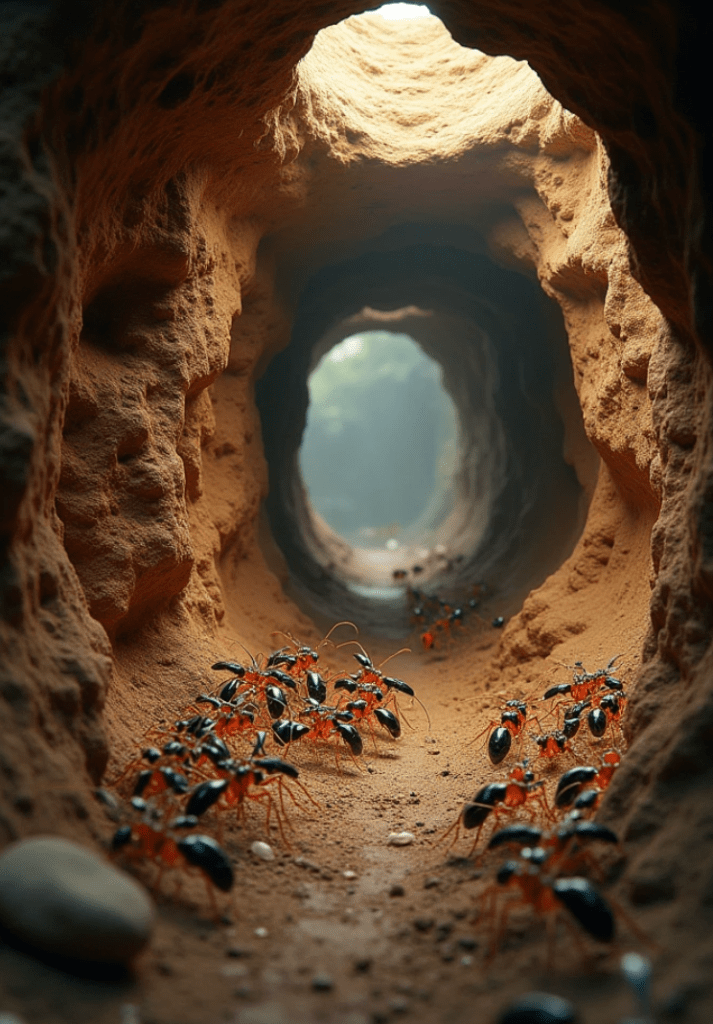
6. Fire Ants – Expanding Threat
While not historically dominant, fire ants are slowly expanding northward.
Multiple stings can cause:
- Severe pain
- Infection
- Allergic reactions
In a weakened survivor, fire ants can overwhelm quickly.
Prepper Countermeasures
- Avoid disturbed soil
- Wear boots
- Treat bites immediately
- Keep sleeping areas elevated
7. Fleas – The Disease Carriers People Forget
Fleas are more than itchy nuisances.
Historically, they were responsible for plagues that wiped out millions.
Why Fleas Matter in Collapse
- Thrive on rodents
- Spread quickly
- Carry bacterial diseases
- Multiply in unsanitary conditions
If rodent populations explode post-collapse, flea-borne illness follows.
Prepper Countermeasures
- Control rodents aggressively
- Keep bedding clean
- Use diatomaceous earth
- Maintain hygiene even when water is scarce
8. Biting Flies – The Blood Loss Factor
Horse flies and deer flies are common in Nebraska and capable of delivering painful bites that bleed.
In survival conditions:
- Open wounds invite infection
- Blood loss weakens already fragile bodies
Prepper Countermeasures
- Wear light-colored clothing
- Use head nets
- Cover exposed skin
- Clean bites immediately
Psychological Warfare: Insects Break Morale
Insects don’t just harm the body.
They attack the mind.
- Constant itching disrupts sleep
- Bites lower morale
- Fear reduces decision-making ability
In survival, mental resilience is as important as physical strength.
Nebraska Medical Preparedness: Your Anti-Insect Survival Kit

Every prepper in Nebraska should stock:
- Antihistamines
- Antiseptics
- Sterile bandages
- Tick removal tools
- Permethrin
- Natural repellents
- Antibiotic alternatives
- Wound care manuals
Knowledge weighs nothing.
Ignorance weighs lives.
Remember: Small Threats in Nebraska Can End Big Plans
History shows us a brutal truth:
Civilizations don’t just fall to war and famine. They fall to disease, infection, and neglect of small dangers.
Insects have survived every extinction event.
They will survive whatever comes next.
The question is whether you will.
The Most Dangerous Insects in the State of Nebraska That Could Really Harm You
If you live in Nebraska—or pass through it during uncertain times—you must respect these tiny threats. You must prepare for them. And you must teach others.
Because when the world goes quiet, the buzzing doesn’t stop.
Stay alert.
Stay prepared.
And never underestimate the smallest enemy.
 TheDailyChristian