Stockpile Smart: Mastering Long-Term Food Storage Techniques

First off, wake up! The world isn’t your safe little bubble anymore. The power grid can go out, trucks can stop delivering, and those fancy supermarkets? Empty shelves faster than you can blink. You want peace of mind? You build a fortress of food, not just some half-assed pantry with expired cans in the back.

But don’t get cocky thinking you can just shove a bunch of junk food in a closet and call it a day. Stockpiling smart means knowing what to store, how to store it, and for how long it’ll last. This isn’t a weekend camping trip; this is about surviving the unknown long haul. Here’s the deal:


10 Survival Skills You MUST Master for Long-Term Food Storage

  1. Food Rotation Management
    Don’t let your stockpile turn into a science experiment. Keep track of expiration dates and always rotate your supplies. Use the oldest first, replace with fresh, and mark everything clearly. No excuses.
  2. Proper Sealing Techniques
    Oxygen and moisture are your enemies. Learn to use vacuum sealers and Mylar bags with oxygen absorbers to extend shelf life. You want airtight containers that can withstand the test of time and pests.
  3. Dehydrating Food
    Drying food is a time-tested method that reduces weight and volume while locking in nutrients. Learn to dehydrate fruits, vegetables, and meats. It’s cheap, effective, and makes your stockpile last longer.
  4. Canning Mastery
    Pressure canning for low-acid foods like beans and meat is a survival skill you can’t ignore. If you botch it, you risk botulism—so get trained or study hard. Home-canned food can last years if done right.
  5. Growing Your Own Food
    Store all you want, but if the disaster drags on, you’ll need to grow your own. Get good at gardening, seed saving, and understanding your soil and climate. Stockpiling alone won’t save you forever.
  6. Foraging Knowledge
    Learn what wild plants are edible and safe. If you have to stretch your stockpile, wild greens, nuts, and berries can supplement your diet. But know them well—one wrong bite and you’re done.
  7. Food Preservation with Salt and Smoke
    If you want to keep meats and fish long-term, get familiar with salting and smoking. These old-school methods work wonders without electricity or fancy gadgets.
  8. Pest Control
    Rodents, bugs, and mold will wreck your food faster than you think. Master pest-proofing your storage area with tight containers, traps, and natural repellents.
  9. Water Purification and Storage
    Food alone won’t do you any good without clean water. Know how to store water safely and purify it on the fly with filters, boiling, or chemical treatments.
  10. Cooking with Minimal Resources
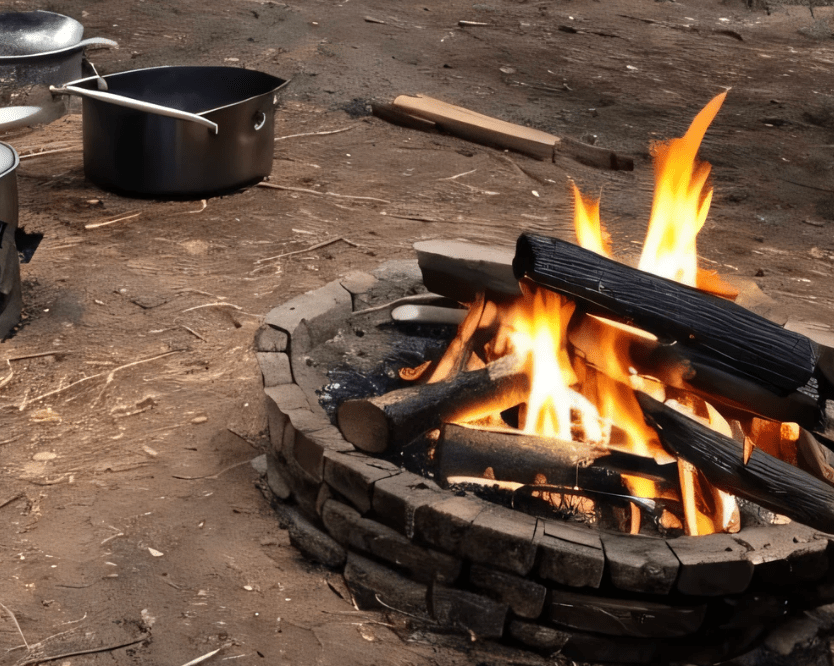
    Long-term survival means you might have to cook on a camp stove, solar oven, or even an open fire. Practice cooking from your stockpile using minimal fuel and tools.

3 DIY Survival Hacks for Smarter Food Storage

  1. DIY Mylar Bag and Oxygen Absorber System
    Don’t waste cash on pre-packaged storage. Buy food-grade Mylar bags in bulk, scoop in your dried or dehydrated food, and throw in oxygen absorbers. Seal the bag with a cheap iron from a thrift store or even a hair straightener. This DIY method will keep your food fresh and bug-free for years.
  2. Repurpose Old Buckets for Bulk Storage
    Got old 5-gallon buckets? Clean ’em out, line with Mylar bags, and store large quantities of grains, beans, or flour. Use gamma seal lids for airtight, stackable storage. This keeps pests out and food fresh. Bonus: buckets can double as water storage or emergency toilets if you’re really in a pinch.
  3. Build a Root Cellar Substitute
    No basement? No problem. Dig a small hole in a shaded, cool part of your yard, line it with bricks or wood, and cover it well with insulating materials. Store root veggies and some canned goods there to keep them cool and extend their shelf life naturally. This is old-school survival wisdom that’s dirt cheap and effective.

Now, why the hell does all this matter?

Because when SHTF, your “funny little stockpile” of expired canned beans and stale crackers won’t cut it. You need a system. A fortress. Something that works when the lights go out and the world flips upside down. If you don’t stockpile smart, you’re just delaying the inevitable starvation party.


More Angry Survivalist Truths About Food Storage

Don’t fall for the marketing crap! Freeze-dried meals and survival kits that cost you a kidney aren’t always the answer. They’re a start, sure, but building your own stockpile with bulk grains, beans, dried vegetables, and home-canned goods is where you build real resilience.

Balance nutrition, dammit! Storing only rice and beans might keep you alive, but you’ll feel like garbage. Get some powdered milk, freeze-dried fruits, nuts, honey, and salt. Your body needs variety to keep fighting.

Don’t forget your tools! You better have a manual can opener, a good knife, and a portable stove or two. If you can’t open your food, it’s worthless. No exceptions.

Label everything. No, seriously. Label every container with the contents and date stored. This is survival 101. You don’t want to waste precious calories guessing what’s inside.


Step-by-Step Stockpile Smart Plan

  1. Assess Your Needs
    Calculate how many days or months you want to cover. Factor in family size, calorie needs, and dietary restrictions.
  2. Start Small, Build Fast
    Buy staples in bulk gradually. Don’t blow your entire savings on one haul and then give up.
  3. Get Proper Containers
    Use airtight buckets, Mylar bags, vacuum sealers, and food-grade jars. Plastic bags won’t cut it.
  4. Keep It Cool and Dry
    Temperature and humidity are the enemy of food storage. Find a cool, dark, and dry place for your stockpile.
  5. Learn Preservation Skills
    Master drying, canning, fermenting, and salting. The more techniques you have, the better your chances.
  6. Regularly Inspect Your Stockpile
    Look for leaks, moisture, pests, and spoilage. Catch problems early before your food turns to garbage.
  7. Practice Using Your Stockpile
    Cook meals from your stockpile regularly to familiarize yourself with what you have and avoid surprises.

Final Warning

You want to be the one who survives? Stop whining and start doing. Stockpiling smart isn’t about paranoia; it’s about preparedness. If you wait until disaster strikes, it’ll be too late. Long-term food storage is your insurance policy against chaos.

If you haven’t mastered these skills and built your stockpile yet, you’re playing Russian roulette with your life. Get moving before the next crisis slams the door shut.


So, what are you waiting for? Start learning, start building, and stockpile smart. Because when the world goes dark, it’s not just about surviving. It’s about thriving — and that starts with your food.
Old-School Navigation: How to Read Maps and Use a Compass Like a Pro

Old-School Navigation: How to Read Maps and Use a Compass Like a Dang Pro
(An Angry Survivalist’s No-BS Guide to Not Getting Lost )


Listen up, you soft modern-day wimps addicted to GPS and your goddamn smartphones. When the grid goes down—because trust me, it will—all your fancy gadgets will be about as useful as a screen door on a submarine. If you don’t know how to navigate old-school with nothing but a paper map and a compass, you might as well kiss your survival chances goodbye.

This is a brutal reality check. Nature doesn’t care about your tech, your signals, or your selfies. Nature demands respect and knowledge. So, if you want to survive the wild, you better get off your ass and learn how to read maps and use a compass like a pro—no whining, no shortcuts, no excuses.

Here’s a no-nonsense crash course with seven survival skills and three DIY hacks to keep you from wandering lost in the hellscape that is the wild.


Survival Skill #1: Understand Your Map—Topographic Maps Are Your Bible

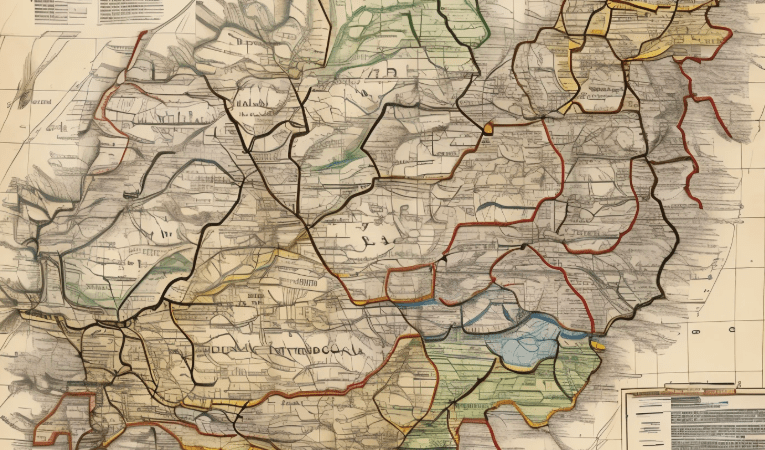
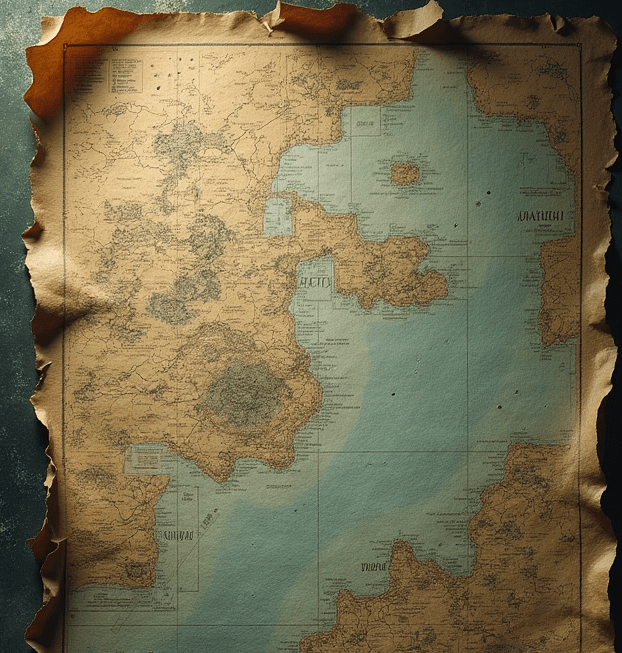
First, ditch those crappy road maps or tourist pamphlets. You want topographic maps—those beauties show elevation, terrain features, water sources, trails, and every knoll and valley you might crawl through. Learn to read contour lines: close lines mean steep terrain, wide lines mean gentle slopes. Know the symbols: trees, rivers, cliffs, roads, and trails.

If you can’t interpret your map’s legend, you’re dead meat. This isn’t a joke. Without a clear understanding, you might be aiming for a deadly cliff instead of a river crossing.


Survival Skill #2: Master Your Compass—Know Your Needle and Dial Like Your Life Depends On It

That needle doesn’t spin for fun. It points to magnetic north, which isn’t the same as true north, so you gotta learn the difference—declination—and adjust for it on your compass. If you just blindly follow the needle without accounting for declination, you’ll get lost faster than a squirrel in a maze.

Practice holding the compass flat, lining up the direction-of-travel arrow, and turning the bezel until the orienting arrow matches the magnetic needle. When that’s done, you’ve got a bearing to follow—simple but deadly effective if you screw it up.


Survival Skill #3: Taking a Bearing From the Map—Don’t Guess, Calculate

If you want to get somewhere, first figure out its bearing from your current position. Put the compass on the map with the edge connecting your position and the target. Rotate the bezel until the orienting lines align with the map’s north-south grid. Then, take that bearing off the compass and follow it.

If you skip this and just wander toward “the hill over there,” you’ll be walking in circles and starving before sunset.


Survival Skill #4: Using Landmarks to Confirm Your Position—Trust Your Eyes and Brain

Maps and compasses are useless if you don’t pay attention to the environment. Pick out landmarks—distinct hills, rivers, ridges, or roads—and match them to the map. Confirm your location often, don’t just blindly march forward.

If you’re not checking your surroundings constantly, you’re inviting disaster. Get lost once, and you’ll be lucky if you live to see a rescue.


Survival Skill #5: Pace Counting—Measure Your Distance Without Fancy Gadgets

Without GPS, you need a way to measure how far you’ve gone. Learn to count your paces—a survivalist’s best friend. Count every step for a set distance, then use that to estimate your stride length.

Yes, it’s annoying, but when you’re exhausted and starving, knowing you’ve gone two miles or ten can be the difference between hope and hopelessness.


Survival Skill #6: Back Bearings and Triangulation—Don’t Wander Blind

If you’re lost, don’t panic. Use back bearings to retrace your steps. Point your compass in the direction you came from, turn 180 degrees, and follow that bearing back.

Even better, use triangulation: take bearings on two or three distinct landmarks, draw lines on the map, and where they intersect is where you are. This is survival math—learn it or die trying.


Survival Skill #7: Night and Low-Visibility Navigation—Be Prepared to Improvise

Nightfall or fog doesn’t mean you stop moving. Know how to navigate by the stars or the moon if you lose your compass. Use natural indicators: moss growing on the north side of trees, the sun’s position at dawn or dusk.

Don’t wait for perfect conditions. The wild doesn’t care if you want to rest—it’s relentless. Keep moving with a plan.


DIY Survival Hack #1: Make Your Own Compass—Magnetize a Needle on the Fly

No compass? No problem. Find a sewing needle or small steel piece, rub it vigorously against silk, wool, or your hair to magnetize it, then float it on a leaf in still water. That needle will align north-south.

It’s crude but better than walking blind. Test this method at home before you actually need it—practice saves lives.


DIY Survival Hack #2: Create a Sundial to Approximate Direction

If you have a stick and some sun, you can create a simple sundial. Stick the stick upright in the ground, mark the tip of the shadow. Wait 15-30 minutes and mark the new position of the shadow tip. Draw a line between the two marks—this line runs approximately west-east.

From there, you can orient yourself roughly north-south. It’s not perfect but can save your ass in a pinch.


DIY Survival Hack #3: Use Natural Features as a Map Legend

When you have no map or compass, turn your environment into one. Sketch the terrain with sticks, stones, or in the dirt. Mark streams, hills, and campsites you’ve passed.

This rough “map” helps keep track of your route and prevents doubling back into dangerous spots or traps.


Final Word From the Gritty Trenches of Survival

If you think you can survive with just a phone app and a trust fall into Mother Nature’s arms, wake up. You’ll die cold, lost, and hungry. Old-school navigation isn’t just a skill—it’s a sacred survival rite.

Every survivalist worth their salt swears by the map and compass combo. It’s the purest, most reliable method known to mankind. No batteries, no satellites, just your brain, your eyes, and your hands.

Practice these skills until they’re as natural as breathing. Train yourself to respect the wilderness, to read its cues, and to never wander aimlessly. When the modern world crumbles, only the prepared will thrive.

So get off your lazy butt, print out a topo map, buy a real compass, and start drilling these skills hard. Because when the day comes, and it will come, you’ll either navigate like a pro or perish like the clueless fool you’ve been.

How Preppers in Arkansas Prepare for Natural Disasters: A Complete Guide

How Arkansas Residents Prepare for the State’s Worst Natural Disasters

As a prepper living in Arkansas, you understand the importance of being prepared for anything Mother Nature throws your way. In this state, we deal with a wide range of natural disasters, from tornadoes and severe thunderstorms to floods, wildfires, and even the occasional ice storm. Whether you’ve lived here your whole life or are just settling in, it’s critical to have a solid survival plan in place to weather these unpredictable events.

In this article, I’ll walk you through the types of natural disasters we face in Arkansas, how local preppers get ready for them, and most importantly, 10 survival tips that will help you stay safe and self-sufficient when disaster strikes.

CLICK HERE TO LEARN HOW TO SURVIVE A FAMINE

1. Tornadoes – The King of Arkansas Disasters

Tornadoes are, without a doubt, the most terrifying natural disaster we face in Arkansas. They can pop up without warning, especially during spring and early summer, wreaking havoc across towns and rural areas alike. In fact, Arkansas is in “Tornado Alley,” meaning we’re right in the path of severe storms that can produce destructive twisters.

When it comes to prepping for tornadoes, time is of the essence. The best way to survive a tornado is to be prepared ahead of time. Know the safest place in your home to seek shelter. Typically, the basement is your best option, but if you don’t have one, head to an interior room on the lowest floor, away from windows and exterior walls.

Prepper Tip #1: Get a weather radio. Tornadoes can form quickly, and having a battery-powered NOAA weather radio will alert you to an impending storm long before it hits.

Prepper Tip #2: Create a tornado kit. Your kit should include essentials like water, non-perishable food, first aid supplies, a flashlight, a multi-tool, and important documents.

2. Flooding – A Persistent Threat

Flooding is another major threat in Arkansas, especially during the wet season. Heavy rainfall can cause rivers to overflow, while flash floods can occur within hours. Arkansas has numerous rivers, including the Arkansas River, White River, and Ouachita River, all of which pose a risk during periods of excessive rain.

Preppers in Arkansas need to understand the flooding risks in their area. Flood-prone zones are more common than you might think, especially around river valleys or low-lying areas. One of the best ways to stay safe is to elevate your home, or at the very least, keep your survival gear in waterproof containers that won’t get ruined in the event of a flood.

Prepper Tip #3: Know the flood zones. If you live in a floodplain, have a plan for evacuation. Keep emergency bags packed and ready to go at all times.

Prepper Tip #4: Install sump pumps. If your home is in a low-lying area, consider installing a sump pump to prevent water from infiltrating your basement.

3. Severe Thunderstorms and Hail – Common But Dangerous

It’s no surprise that Arkansas experiences frequent thunderstorms, especially in the warmer months. These storms often bring heavy rain, lightning, high winds, and hail—sometimes large enough to cause significant damage. While we can predict thunderstorms, the severity and timing are often less predictable.

Prepper Tip #5: Fortify your home. Invest in storm shutters or window protection to minimize damage from high winds or hail.

Prepper Tip #6: Have a lightning safety plan. Lightning is a serious risk during thunderstorms. Stay indoors and avoid electrical appliances during the storm. If you’re outdoors, avoid tall trees and open fields.

4. Wildfires – A Growing Concern

Although Arkansas isn’t typically associated with wildfires, dry conditions combined with high winds can lead to the rapid spread of flames. In recent years, wildfires have become more common in certain regions, particularly in the Ozarks. Preppers need to be aware of fire risks, especially during prolonged periods of dry weather.

Prepper Tip #7: Create defensible space around your property. Clear dead vegetation, leaves, and other fire-prone debris from your yard to minimize the chance of a wildfire reaching your home.

Prepper Tip #8: Invest in a fire extinguisher. Keep multiple fire extinguishers around your property—inside your home and near the outdoor areas that could catch fire. If you’re in a rural area, it’s also smart to have a water source available for firefighting.

5. Ice Storms and Winter Weather – The Silent Killer

Arkansas isn’t known for heavy snowfall, but when we do get snow and ice, it can cause chaos. Ice storms are particularly dangerous. Power outages are common, and roads become treacherous. During these storms, staying warm and safe is a priority.

Prepper Tip #9: Stockpile firewood. If you live in a rural area, consider installing a wood-burning stove or fireplace for heat during power outages. Stockpile firewood so that you can stay warm when the grid goes down.

Prepper Tip #10: Keep extra blankets and warm clothing. If the power goes out, having enough blankets, sleeping bags, and layers of clothing can keep you and your family safe from the cold. A camp stove or propane heater can also be life-saving.

How Arkansans Are Preparing for the Worst

In Arkansas, preppers aren’t just sitting around waiting for a disaster to strike. We’re actively working to make sure we’re ready for anything. Many of us are involved in local prepper groups, where we share information and resources. We’re learning about sustainable living, emergency first aid, and how to grow our own food. We also focus on off-grid living solutions—because let’s face it, when the power goes out, it might not be back on for days.

The survival mindset here is about being self-reliant. Preppers in Arkansas have long recognized that we can’t always rely on the government or emergency responders to bail us out. Whether it’s learning how to purify water, build a shelter, or hunt and fish for food, we know that every little bit of knowledge helps when the grid goes down.

Some Arkansans are even fortifying their homes against natural disasters with storm shelters, backup generators, and solar power systems. And with a large rural population, we know that being able to live off the land can make the difference between life and death when supply chains break down.

Conclusion

Being a prepper in Arkansas means constantly thinking ahead. Whether it’s preparing for tornadoes, floods, or wildfires, we make it a point to be ready for the worst. The tips shared here will give you a strong foundation to build on as you create your own emergency plan. Remember, the key to survival isn’t just about having gear—it’s about having the knowledge and mindset to endure whatever disaster comes your way.

Surviving Connecticut’s Worst: A Prepper’s Guide to Natural Disasters

5 Ways Connecticut Preppers Survive the State’s Worst Natural Disasters

Living in Connecticut means you’ve got to be ready for anything. Whether it’s the bitter cold of winter, hurricane-force winds, or sudden floods, every prepper knows that survival isn’t about luck — it’s about preparation. As a seasoned prepper in the Nutmeg State, I’ve learned through experience that the best way to survive any natural disaster is to stay ahead of the game. Here’s how I and many other Connecticut residents get ready for the worst.

CLICK HERE TO LEARN HOW TO SURVIVE A FAMINE

1. Preparing for Severe Winter Weather

Connecticut winters are nothing to laugh about. While the coastal areas might get some respite, the rest of the state, especially inland, gets hit with heavy snow, freezing rain, and bone-chilling temperatures. To prepare for winter storms, preppers in Connecticut focus on three main priorities: heat, food, and transportation.

  • Heat: You should have multiple heat sources. A wood stove, propane heater, or kerosene heater can save your life when the power goes out during a winter storm. If you can, make sure your stove or fireplace is in good working order and has a reliable supply of wood. Invest in thermal blankets, sleeping bags rated for sub-zero temperatures, and extra fuel for heaters.
  • Food and Water: Make sure you have a minimum of three days’ worth of non-perishable food and water, but ideally, go for at least two weeks’ worth. Canned goods, freeze-dried meals, and water purification systems like a LifeStraw or Sawyer Mini filter are absolute essentials.
  • Transportation: Keep your vehicle stocked with essentials like jumper cables, blankets, food, and water. Keep it well-maintained and ensure you’ve got good winter tires, as snowstorms can make the roads treacherous.

2. Dealing with Hurricane Season

Hurricane season in Connecticut can be unpredictable, especially for coastal areas like New Haven and Bridgeport. When a storm like Hurricane Sandy hit in 2012, the devastation showed how quickly the state could be knocked off its feet. Preppers in Connecticut know it’s vital to keep a close eye on weather patterns and stay prepared.

  • Evacuation Routes: Know your local evacuation routes and have a bug-out bag ready for each member of your family, including pets. Have a go-bag with clothes, food, water, a flashlight, batteries, and important documents ready to grab in case of an evacuation order.
  • Flood Prevention: If you live near the coast or a river, investing in sump pumps, sandbags, and waterproofing your basement is crucial. You can never be too prepared for flooding. If your home isn’t in a flood zone, consider elevating critical equipment and electrical outlets at least 12 inches above the ground.

3. Preparing for Flooding

Flooding is one of Connecticut’s most common natural disasters. Heavy rainstorms, especially during the spring and fall, can cause rivers to overflow and create flash floods. You don’t need to live on the coast to be at risk — inland areas like Hartford, New London, and Torrington are often affected.

  • Flood-Resistant Gear: Keep waders, waterproof boots, and water-resistant bags in your prepper kit. These items are essential when navigating through flooded areas, especially if you have to evacuate on foot.
  • Home Floodproofing: You should have a plan for elevating your home’s essential systems. This includes moving electronics and valuables to higher ground and using sump pumps or drainage systems to minimize water intrusion. If you’re in an area prone to repeated flooding, you might want to consider installing flood barriers.

4. Tornadoes in the Quiet Corner

Tornadoes are a less common but very real threat in Connecticut. Although they don’t occur with the same frequency as in Tornado Alley, they do pop up, especially in the eastern part of the state, sometimes referred to as the “Quiet Corner.” These twisters can be extremely dangerous and unpredictable.

  • Shelter: A basement or storm cellar is your best option, but if that’s not available, an interior room with no windows (such as a closet) is the next best thing. Keep helmets, heavy-duty gloves, and blankets in your tornado kit to protect against flying debris.
  • Warning Systems: Sign up for Connecticut’s emergency alert system. The state issues tornado warnings through multiple channels, so make sure your family knows what to do when those sirens go off.

5. Earthquakes and Seismic Activity

While Connecticut is not known for major earthquakes, it does experience minor tremors. The New Madrid Fault Zone, while mainly active further west, can still send shockwaves across the region. Minor earthquakes can cause structural damage, so it’s best to prepare for the unexpected.

  • Structural Stability: Secure heavy furniture and appliances to walls, and use non-slip mats for electronics and fragile items. It’s important to make sure you have a clear exit path, as buildings may sway or crack during a tremor.
  • Emergency Plan: Make sure you have a family emergency plan that includes what to do during an earthquake. Practicing drop, cover, and hold on drills can save lives in case the ground shakes.

Top 10 Survival Prepper Tips for Connecticut’s Natural Disasters

  1. Stock Up on Essentials: Always have at least two weeks’ worth of non-perishable food and water. Don’t forget pet food and other family essentials.
  2. Build a Bug-Out Bag: Each family member should have a bug-out bag that includes clothes, food, water, first aid, and a flashlight.
  3. Know Your Local Hazards: Whether it’s floods, hurricanes, or tornadoes, research your area and prepare accordingly.
  4. Backup Power: Keep a portable generator and extra fuel on hand in case of power outages. Solar-powered chargers are a must for your devices.
  5. First Aid Skills: Learn basic first aid and CPR. You never know when you might need to treat a wound or assist someone in distress.
  6. Water Purification: Invest in a high-quality water filter or purification tablets to ensure you have access to clean water during emergencies.
  7. Plan for Pets: Make sure your pets have their own emergency kit, including food, water, and any necessary medications.
  8. Communication Plans: Set up a communication plan with your family so you can stay in contact during an emergency, even if phone lines are down.
  9. Maintain Your Vehicle: Regular maintenance is key, especially in harsh winter conditions. Keep your car well-stocked with emergency supplies.
  10. Stay Calm and Educated: The more you prepare, the calmer you’ll be when disaster strikes. Stay informed and stay calm.

Other Preparedness Resources:

  • Local Prepper Groups: Connect with other preppers in your area. Many of us share knowledge, tools, and support when things go wrong.
  • Red Cross Classes: Take a first aid and CPR course through the American Red Cross or a local community center.

In the end, Connecticut is a beautiful state, but as preppers, we know how important it is to be ready for anything. Whether it’s a blizzard, flood, or hurricane, having the right gear, knowledge, and plans in place can make all the difference when disaster strikes. Stay safe out there, and remember: It’s always better to be over-prepared than underprepared.

The Ultimate Guide to Preparing for Oklahoma’s Worst Natural Disasters

Oklahoma is a beautiful, often unpredictable state with vast plains, wide-open skies, and stunning landscapes. But with all that beauty comes a big risk: natural disasters. Tornadoes, wildfires, severe thunderstorms, floods, and ice storms are just a few of the challenges residents face. As a prepper, you need to be ready for anything, and that means understanding the risks and taking the right steps to ensure you and your loved ones stay safe in the face of disaster.

CLICK HERE TO LEARN HOW TO SURVIVE A FAMINE

When it comes to preparing for natural disasters, Oklahomans need to take into account the extreme weather conditions that can hit at any time. With the state’s location right in the heart of “Tornado Alley,” as well as its vulnerability to flooding, wildfires, and ice storms, the need for preparation has never been more critical. I’ve learned over the years that being prepared is not just about having a few extra cans of beans or water stored away—it’s about having the right mindset and a comprehensive plan in place.

Here’s a closer look at how Oklahoma residents prepare for the worst, and what you can do to keep your family safe.

1. Tornado Preparedness

Oklahoma is notorious for its tornadoes. The state is smack dab in the middle of Tornado Alley, and it’s not unusual to hear about multiple tornadoes touching down in one day during peak storm season, from late spring to early summer. To prepare for tornadoes, your number one goal should be creating a safe, accessible shelter. A basement or storm cellar is ideal, but if that’s not an option, a small interior room on the lowest level of your home with no windows, like a closet or bathroom, will do.

Make sure to have a weather radio with battery backup to stay up-to-date with any emergency alerts, and keep it in your safe space. Also, have a well-stocked emergency kit that includes first aid supplies, non-perishable food, extra water, flashlights, and a spare battery. Tornadoes can strike with little warning, so it’s critical to have these supplies on hand.

Prepper Tip #1: Secure your home by reinforcing windows and doors, and consider investing in a storm shelter or safe room. The strength of a tornado can easily tear through a house, so having a reliable shelter could be the difference between life and death.

2. Flooding Preparation

Flooding is another major concern in Oklahoma, particularly in the spring months when heavy rains fall, quickly causing rivers and streams to overflow. It’s important to know if you live in a flood-prone area and have a plan in place. Flooding can happen quickly, and roads can be impassable in minutes. If you’re at risk, ensure your house is elevated, if possible, and that your sump pump is working.

Prepper Tip #2: Invest in sandbags, which are useful for blocking water from entering your home. Also, keep important documents in waterproof containers or sealed bags. In the event of evacuation, you won’t lose your essential papers.

3. Severe Thunderstorms and Lightning

Thunderstorms are a frequent occurrence in Oklahoma, and they can quickly escalate into dangerous conditions. High winds, hail, and lightning strikes are all part of the package. Severe thunderstorms can turn deadly, and lightning is a real risk to both people and structures.

Prepper Tip #3: When a storm is coming, stay inside, away from windows and doors. Make sure your home has a lightning rod or surge protectors to safeguard electrical equipment.

4. Wildfire Preparation

While wildfires are more common in western Oklahoma, they can spread quickly through dry grasslands and forests in all parts of the state. During periods of drought, fire risk increases. To prepare, clear any brush or dry vegetation around your property and keep fire-resistant materials handy. Have a fire extinguisher in the home and know how to use it.

Prepper Tip #4: Create defensible space by maintaining at least 30 feet of cleared space around your home. This can help prevent wildfires from spreading to your property and gives you a chance to evacuate safely.

5. Ice Storms

Oklahoma ice storms are notorious for their ability to disrupt daily life. Ice can accumulate on power lines and trees, leading to widespread power outages and dangerous driving conditions. If you’re stuck at home during an ice storm, make sure you have enough supplies to get you through the cold. A generator can be a lifesaver when the power goes out, but only use it outside, as they can release deadly carbon monoxide if used indoors.

Prepper Tip #5: Keep blankets, extra clothing, and warm hats to make sure everyone stays warm during power outages. If you’re relying on a space heater, ensure that it’s not blocking any ventilation.

6. Extreme Heat and Droughts

Oklahoma is no stranger to extreme heat and drought conditions, especially in the summer. Water supplies can become scarce, and crops may fail. When you know a drought is coming, it’s important to store water and keep your air conditioning in good working order. Stay hydrated, limit outdoor activity during the hottest part of the day, and check on elderly neighbors who may struggle in the heat.

Prepper Tip #6: Invest in water storage systems, like large rain barrels or tanks, to catch and store rainwater. During a drought, this water can be invaluable for keeping your garden alive or flushing toilets.

7. Emergency Plans for Evacuation

Whether you’re facing a wildfire, flooding, or tornado, it’s crucial to have an evacuation plan. Know at least two routes out of your neighborhood and have a “go bag” packed with essentials—important documents, clothes, cash, and your emergency kit.

Prepper Tip #7: Have a family meeting place that’s outside of the danger zone, in case your home is unreachable. This ensures everyone knows where to go and avoids confusion during a disaster.

8. First Aid and Medical Preparedness

In a state like Oklahoma, you might find yourself a few miles away from emergency services in the event of a disaster. That’s why learning basic first aid skills and stocking a comprehensive first aid kit is essential.

Prepper Tip #8: Learn CPR and first aid, and keep a medical kit that includes prescription medications, bandages, antiseptics, pain relievers, and any necessary medical supplies. Make sure the whole family knows where the kit is and how to use it.

9. Survival Communication

Communication during a natural disaster can be a challenge. Cell towers may be down, and power lines may be cut. Make sure you have alternate ways to communicate, such as a battery-powered radio, satellite phone, or walkie-talkies.

Prepper Tip #9: Pre-program emergency contacts into your phone and create a printed list of important phone numbers to keep in your emergency kit. This way, even if your phone dies, you’ll still have access to vital contact information.

10. Stay Informed and Weather-Wise

As a prepper in Oklahoma, you need to stay informed. Watch the weather forecasts and sign up for local weather alerts. Technology has made it easier than ever to stay in the loop, but you need to act quickly when a warning is issued.

Prepper Tip #10: Download weather apps, and consider investing in a weather radio or NOAA radio. In emergencies, this is your direct link to critical updates and alerts, ensuring you’re always in the know.

By staying alert and prepared, you can face Oklahoma’s natural disasters head-on. Being a prepper isn’t about being paranoid—it’s about being smart and ready. With these survival tips, you’ll have a plan in place to handle the worst that Mother Nature can throw at you.

You said:

continue

ChatGPT said:

By staying prepared, you not only increase your chances of survival during an emergency, but you also give your loved ones peace of mind knowing that you’ve taken the necessary steps to keep them safe. The key is to think ahead and be proactive. If you wait until disaster is imminent, you may find yourself scrambling and unprepared, which can be dangerous.

In Oklahoma, it’s not a matter of if a disaster will strike, but when. Whether you’re dealing with tornadoes tearing through your town, floods turning streets into rivers, or wildfires consuming dry grasslands, the more prepared you are, the better off you’ll be.

It’s also important to stay connected with your community. Many Oklahomans band together when disaster strikes. Whether it’s a neighbor helping you clear debris or local volunteers providing food and water after a storm, the spirit of camaraderie in this state can be a vital lifeline when things get tough. So, build relationships with your neighbors and local emergency response teams. Knowing who to turn to can make all the difference when disaster strikes.

In addition to your immediate family, think about your pets. Animals rely on you for safety, food, and water during an emergency. Keep a pet emergency kit with food, water, medication, and other supplies, and always make sure you have a plan for them in case you need to evacuate.

Lastly, keep an eye on your mental health. Surviving a natural disaster is not just a physical challenge, but an emotional one. The stress of losing your home, possessions, or even loved ones can take a toll. Be sure to reach out to mental health professionals or support groups if you find yourself struggling to cope. Psychological resilience is just as important as physical preparedness in the face of a disaster.

In the end, preparedness is not about living in fear. It’s about living with confidence. When you know you’ve done everything you can to protect yourself, your family, and your community, you can face Oklahoma’s worst natural disasters with calm and purpose. Whether you’re a seasoned prepper or just getting started, the most important thing is to keep learning, stay flexible, and adapt your plan as you gain new knowledge and experience.

Remember: Survival is about more than just weathering the storm—it’s about thriving despite it. In Oklahoma, where the storms and natural disasters are relentless, the true strength of a prepper is measured not by the gear you have, but by the mindset you carry. Stay vigilant, stay informed, and most importantly, stay safe.

Arizona’s Most Strategic Campsites for Preppers: 20 Spots You Can’t Miss!

The Best Campsites for Arizona Survival Preppers

As a survival prepper living in the rugged desert landscapes of Arizona, it’s crucial to know where you can establish a stronghold when the SHTF (stuff hits the fan). Arizona’s diverse topography, with everything from dense forests to dry, harsh deserts, offers a variety of terrain that can test your survival skills and provide the solitude you need to thrive. Whether you’re stockpiling resources, practicing wilderness survival skills, or preparing for an emergency situation, the right campsite can make all the difference.

In this article, I’ll cover 30 of the best campsites in Arizona that cater to preppers, outdoor enthusiasts, and those who simply need to disconnect and practice self-sufficiency. These locations will give you access to water sources, strategic locations for shelter, and the type of solitude needed to hone your survival skills.

1. Tonto National Forest

Located in central Arizona, Tonto National Forest is a prepper’s dream. With over 2.9 million acres of desert and mountain terrain, you can find areas that are remote enough for long-term camping. The high desert provides ample opportunities to practice fire-starting, foraging, and shelter-building. The forest’s proximity to major water sources, such as the Salt River, makes it an ideal spot for setting up camp.

2. Mogollon Rim

The Mogollon Rim, stretching over 200 miles through the state’s northern region, is a prime spot for those who enjoy a mix of elevation and isolation. The Rim offers pine forests, alpine lakes, and cooler temperatures, which can be vital for extended survival situations. Camping in this area also offers access to dense woods that are perfect for camouflage and finding food sources.

3. Coconino National Forest

This forest, located near Flagstaff, is known for its towering pine trees and volcanic rock formations. It’s perfect for preppers seeking both shelter-building opportunities and forage. There are also several remote camping sites in Coconino, where water sources like Oak Creek can be found. It’s a haven for anyone looking to escape the desert heat.

4. Grand Canyon National Park

While it may be one of the most iconic locations in Arizona, the Grand Canyon also serves as a great prepper destination. Its vastness offers plenty of remote and isolated campsites, and the rugged terrain makes it perfect for honing your survival skills. Just remember, water is scarce in the Canyon itself, so bring your own or plan your routes to fetch it from reliable sources. The Colorado River runs along the park’s edge, providing a significant water source.

5. Saguaro National Park

If you’re a desert survivalist, Saguaro National Park offers the ultimate opportunity to practice desert navigation, shelter-building, and bushcraft. The park, located in southern Arizona, is home to the famous saguaro cacti and offers a unique blend of desert and mountain environments. Prepare for hot temperatures and minimal shade, so bring plenty of water and practice desert survival skills.

6. Lake Pleasant Regional Park

This 1,400-acre park near Phoenix is a great location for preppers who need to stay near civilization but still want a remote area to practice their skills. Lake Pleasant offers fishing, boating, and access to water, which makes it a reliable spot for long-term survivalists who want to keep a low profile while staying prepared.

7. Apache-Sitgreaves National Forest

This massive forest, located in northeastern Arizona, is the perfect place for any prepper looking to test their skills in both a forest and a high-desert environment. The dense woodlands provide ample shelter-building materials, and the many lakes in the area can supply water. This forest is more remote and less crowded, providing an opportunity for extended stays in a secluded environment.

8. Sedona Campgrounds

Sedona is known for its breathtaking views and spiritual vibe, but it’s also a fantastic location for preppers who want to learn wilderness survival in a beautiful setting. The area has multiple campsites with access to water sources, especially Oak Creek, and the surrounding red rock formations make it an excellent environment for shelter-building and stealth camping.

9. White Mountains

The White Mountains are ideal for preppers looking for high-altitude survival training. The area is remote, with thick forests and cold temperatures, which can serve as an ideal location to practice cold-weather survival. The forests offer cover for stealth camping, and the nearby lakes and streams provide an essential water source.

10. Kofa National Wildlife Refuge

Located in southwestern Arizona, Kofa is a vast wilderness area offering isolation and rugged terrain. The landscape is harsh, with temperatures rising well above 100°F in the summer months, making it the perfect place to practice extreme desert survival tactics. This area is remote, so make sure you have enough water and food stored up.

11. Catalina State Park

Situated at the base of the Santa Catalina Mountains, this park offers some of the best desert and mountain camping in the state. The area provides opportunities to practice desert survival while also allowing you to explore forests, streams, and canyons. Catalina State Park is ideal for preppers who want to mix desert survival with cooler mountain climates.

12. Sycamore Canyon Wilderness

The Sycamore Canyon Wilderness area offers rugged terrain with little human activity. This remote location provides an excellent opportunity for preppers to practice navigation, shelter-building, and resource management. The area also contains several creeks and springs that will provide vital water sources for survivalists.

13. Petrified Forest National Park

The Petrified Forest National Park, located in northeastern Arizona, offers a unique camping experience. The desert terrain and fascinating geological formations make it an excellent place to practice survival tactics in an arid environment. The park’s remoteness and lack of resources make it a great test of your self-sufficiency skills.

14. Tombstone Mountains Wilderness Area

For the hardcore prepper looking to experience Arizona’s untamed wilds, the Tombstone Mountains Wilderness area is perfect. Remote and rugged, this area offers an opportunity to live off the land and test your wilderness survival skills in the desert’s harsh conditions. It’s a place where few venture, making it a prime location for low-profile camping.

15. Lake Havasu State Park

Located along the Colorado River, Lake Havasu State Park offers preppers access to water, along with a relatively remote location to practice camping and survival techniques. The area is less crowded than many other state parks, which provides more solitude and opportunities for honing your skills.

16. Alpine Campground

Located in the White Mountains, Alpine Campground is a great spot for preppers who want to experience a higher altitude, forested environment. The area provides cool temperatures, wildlife, and water sources from nearby streams. It’s perfect for testing your cold-weather survival tactics and building shelters.

17. Baboquivari Peak Wilderness

This area offers steep mountain terrain and desert environments for an advanced survivalist who wants to test their physical endurance and tactical camping skills. The isolation here is intense, and access to water is limited, so it’s important to come fully prepared.

18. Bonita Creek Campground

Located in the southeastern part of the state, Bonita Creek offers quiet camping in a lush area of the Chiricahua Mountains. With nearby creek access, the area offers a perfect spot for practicing water purification and basic survival techniques.

19. Grand Canyon Caverns

For those who want to practice survival with a unique twist, the Grand Canyon Caverns provide a remote environment with underground camping options. It’s a great place to test your skills in an environment that is starkly different from the usual outdoor terrain.

20. Madera Canyon

Located in the Santa Rita Mountains, Madera Canyon offers diverse wildlife, cool mountain air, and a variety of hiking and camping opportunities. It’s a fantastic spot for preppers who want to practice their wilderness survival skills while enjoying cooler temperatures compared to Arizona’s desert landscapes.

Survivalist’s Guide to Connecticut’s 30 Best Campsites for Preppers

The Best Campsites for Connecticut Survival Preppers

Living in Connecticut as a survival prepper means being constantly ready to face any emergency or natural disaster. Whether you’re planning for winter storms, hurricanes, or flooding, knowing how to live off the land, stay self-sufficient, and get familiar with the terrain can be lifesaving. And for that, nothing beats getting out into the wild to practice your survival skills.

Luckily, Connecticut offers a wealth of camping options that allow preppers to get hands-on with their emergency training. From dense forests to peaceful lakesides, here are the 30 best campsites in Connecticut that every prepper should know about. These locations give you the opportunity to practice skills such as fire starting, shelter building, foraging, and even testing out your bug-out gear.

1. Hammonasset Beach State Park (Madison)
A gem along the Connecticut shoreline, Hammonasset is perfect for preppers who want to practice coastal survival techniques. Whether you’re interested in saltwater fishing or testing out your ability to secure freshwater, this spot has it all.

2. Sleeping Giant State Park (Hamden)
For those who love to hike and want to test their endurance in rocky, hilly terrain, Sleeping Giant is an ideal choice. The park offers multiple trails and plenty of wilderness for learning navigation and survival techniques.

3. Peoples State Forest (Barkhamsted)
This forest offers over 1,000 acres of wooded trails, perfect for solo camping and practicing survival skills. Its seclusion also makes it a fantastic place for stealth camping drills and bug-out practice.

CLICK HERE TO LEARN HOW TO SURVIVE A FAMINE

4. Black Rock State Park (Watertown)
With its beautiful 437-acre grounds, Black Rock offers plenty of wooded areas for camping. The park’s elevation and rugged landscape make it an excellent location for testing shelter building and survival gear.

5. Kettletown State Park (Southbury)
Located near the Housatonic River, Kettletown is known for its hiking trails and quiet campsites. This park is great for practicing survival tactics near water, whether it’s purifying the river water or testing your fishing skills.

6. Rocky Neck State Park (East Lyme)
Another coastal park, Rocky Neck provides ample opportunities for beach camping and testing out your wilderness survival techniques along the shoreline. If you’re prepping for coastal flooding, this spot offers valuable experience.

7. Meshomasic State Forest (East Hampton)
Located deep in the woods, Meshomasic offers a true backcountry camping experience. The forest’s isolation makes it ideal for long-term survival practice, including learning to build shelter from natural materials.

8. Devils Hopyard State Park (East Haddam)
For preppers who want a more rugged experience, Devils Hopyard is ideal. The park is home to waterfalls, deep woods, and varied terrain, giving you the chance to practice orienteering and building emergency shelters.

9. Stratton Brook State Park (Simsbury)
If you’re looking for a peaceful, low-traffic campsite to hone your survival skills without the distractions of crowds, Stratton Brook is a solid choice. It’s a great spot for practicing fire-starting and small-scale wilderness cooking.

10. Bluff Point State Park (Groton)
Bluff Point offers both woodland and coastal camping, providing an opportunity to practice multiple survival strategies in one place. Whether you need to find fresh water or figure out how to navigate along a coastline, this park has it all.

11. Lake Waramaug State Park (Kent)
This peaceful, quiet park features a large freshwater lake, making it a prime spot for fishing and water purification practice. It’s also a great place to practice setting up camp and cooking over a campfire.

12. Camp Columbia State Park (Columbia)
Camp Columbia offers remote wooded areas that are perfect for more extended survival practice. The park is great for learning about shelter construction, fire building, and other off-grid skills.

13. Appalachian Trail (various locations)
The Appalachian Trail runs through Connecticut, and if you want a serious survival challenge, the section through this state offers plenty of tough, rugged terrain to practice your skills. You can camp at various trailheads, working on things like navigation, water sourcing, and foraging.

14. Bigelow Hollow State Park (Union)
Located near the quiet town of Union, Bigelow Hollow offers secluded camping experiences, making it perfect for a survival prepper’s retreat. This area is known for its dense forests, quiet atmosphere, and abundant wildlife.

15. Silver Sands State Park (Milford)
Silver Sands is perfect for preppers who want to practice both coastal and wilderness survival. You’ll find tidal flats for learning about marine survival, along with quiet woods for honing your basic outdoor skills.

16. Shenipsit State Forest (Tolland)
Shenipsit is one of the largest state forests in Connecticut, and it’s a great place for campers who want to get away from the crowds and really immerse themselves in nature. Perfect for extended wilderness survival trips.

17. Saugatuck Reservoir (Weston)
The Saugatuck Reservoir offers camping along the water, which is perfect for practicing fishing, water purification, and survival swimming techniques.

18. Connecticut Audubon Society Centers (various locations)
The Connecticut Audubon Society has several centers, such as the Greenwich Audubon Center, that provide great opportunities for preppers who are interested in learning about local ecosystems, wildlife, and foraging.

19. Fort Trumbull State Park (New London)
For a mix of historical interest and practical survival skills, Fort Trumbull is a great site. You can practice shelter building and fire-starting while also enjoying the area’s rich history.

20. Housatonic Meadows State Park (Sharon)
If you’re looking to work on river survival skills, Housatonic Meadows is an ideal campsite. Learn water purification techniques and try your hand at fishing for your meals.

21. Goodwin State Forest (East Hampton)
This park provides over 800 acres of forest, perfect for backwoods camping. It’s a place where you can test your long-term survival gear and practice fire-starting skills, navigation, and trapping.

22. State Forests in Litchfield County
Litchfield County has a number of lesser-known state forests that are perfect for preppers looking to get off the beaten path. These forests are excellent for stealth camping, scouting, and wildlife tracking.

23. Natchaug State Forest (Eastford)
Located in the northeastern part of the state, Natchaug is a vast wilderness perfect for practicing navigation and stealth camping. The park is dense with trees, making it ideal for learning how to build temporary shelters.

24. Town Forest (Lyme)
The Lyme Town Forest offers a quiet, peaceful place for preppers to test out their outdoor survival skills. This is a great spot for light camping or even just day trips to practice wilderness skills.

25. Pine Acres Campground (East Killingly)
Pine Acres provides more developed camping sites but still allows preppers to practice essential survival skills, especially if you want to test your ability to live off the grid in a slightly more controlled environment.

26. Wells State Park (Sturbridge)
Though technically just outside of Connecticut, Wells State Park is a perfect location for anyone prepping for an extended wilderness adventure. The park offers multiple camping sites and backcountry areas to test your long-term survival strategies.

27. Lake McDonough Recreation Area (New Hartford)
This park offers pristine lakeside camping perfect for preppers who want to practice water purification, fishing, and shelter-building in a semi-wilderness environment.

28. Candlewood Lake (Danbury)
Candlewood Lake offers fantastic opportunities for camping and practicing water-based survival skills, including fishing and water purification. It’s also an excellent place for learning navigation techniques.

29. Clinton Crossing State Forest (Clinton)
This small, quiet forest offers perfect seclusion for prepper camping. It’s not as well-known as other parks, so it’s ideal for solo campers looking to work on their skills in isolation.

30. Mount Tom State Park (Litchfield)
If you’re up for a challenge, the steep trails and elevation changes of Mount Tom provide an excellent test for your endurance and hiking skills. This park is perfect for practicing navigation, long-distance hiking, and building shelters in varied terrain.

Wilderness Survival in Virginia: 30 Perfect Campsites for Preppers

30 Virginia Campsites That Will Help You Hone Your Survival Skills

Living in Virginia as a survival prepper offers a unique set of challenges and opportunities. This state, with its diverse terrain ranging from the Appalachian Mountains to the Atlantic coastline, provides countless opportunities for prepping, camping, and honing survival skills. Whether you’re looking to escape the chaos of everyday life or prepare for uncertain times, Virginia has a wealth of camping sites that cater to those with a survival mindset. From deep forested areas to remote mountain ridges, these sites offer the perfect blend of wilderness immersion and security.

CLICK HERE TO LEARN HOW TO SURVIVE A FAMINE

As a survival prepper, you’re likely already familiar with the importance of selecting campsites that not only provide a break from the modern world but also allow you to practice and refine critical survival skills. In Virginia, the options are endless. These campsites allow you to build your survival kit, test your shelter-building techniques, practice fire-starting, or simply connect with nature to hone your instincts. Each site presents a new opportunity to grow your prepping knowledge, and many of them are secluded enough to ensure that you’re practicing true wilderness survival techniques.

1. Grayson Highlands State Park

Located in the southwestern corner of Virginia, Grayson Highlands is famous for its rugged beauty and wild ponies. As a prepper, you can practice long-range navigation, fire-building, and shelter construction here. The park has several hiking trails that challenge your endurance and survival tactics, especially with the unpredictable weather and varied terrain. With over 4,500 acres of natural beauty, it’s an ideal spot for wilderness survival training.

2. Shenandoah National Park

Shenandoah National Park, located just two hours from Washington, D.C., offers over 200,000 acres of pristine wilderness. This park has numerous trails that vary in difficulty, making it a perfect place for survivalists to practice different skills. The Appalachian Trail runs through this park, allowing you to experience long-distance hiking and camping in one of the most rugged, remote parts of Virginia.

3. James River State Park

For those who love water-based survival skills, James River State Park is a great option. The park is located along the James River and provides various camping experiences, from backcountry camping to more accessible spots. It’s a fantastic site for practicing water purification techniques, fishing, and learning how to use the river for navigation.

4. Douthat State Park

Douthat State Park is located in the Allegheny Mountains and features over 4,500 acres of wilderness. The park’s terrain is a mix of thick forests and rugged hills, perfect for testing your survival techniques. Douthat is known for its peacefulness and isolation, making it a great spot for long-duration survival camping.

5. Mount Rogers National Recreation Area

Another gem in southwestern Virginia, Mount Rogers National Recreation Area, offers both alpine terrain and deep forests for survivalists to test their skills. It’s known for its remoteness and challenging hiking conditions. This area offers a great chance for testing your endurance while practicing wilderness navigation and shelter building.

6. George Washington and Jefferson National Forests

These vast forests in Virginia are ideal for those who want to get deep into the wilderness. The terrain includes a variety of ecosystems and challenges that will push you to hone your survival skills, from fire-starting to navigation. With thousands of miles of trails, you can easily find a secluded campsite that fits your prepper needs.

7. Gravel Hill Campground

Located in the George Washington National Forest, Gravel Hill Campground offers a more basic, no-frills camping experience. It’s perfect for preppers who want to truly disconnect and practice survival skills without the distractions of modern amenities. The campground is remote, which makes it ideal for testing your ability to be self-sufficient.

8. New River Trail State Park

This park is an excellent spot for preppers looking to practice water-based skills such as fishing and purification. The New River offers both a relaxing environment and the opportunity to learn more about using natural water sources for survival. The trails here are relatively easy, making it a good choice for beginner preppers.

9. Pocahontas State Park

Pocahontas State Park offers a large, diverse area for camping, hiking, and survival practice. The park features both primitive campsites and more modern amenities, but its more isolated areas provide an ideal environment for prepping. The park’s forested environment makes it great for learning to live off the land.

10. Fairy Stone State Park

Fairy Stone State Park is named for the rare “fairy stones” found within its boundaries. The park offers a variety of landscapes, from the quiet shores of Stuart Lake to the rugged foothills of the Blue Ridge Mountains. Preppers will find plenty of opportunity here for practicing wilderness survival techniques, from shelter building to foraging.

11. Back Bay National Wildlife Refuge

Back Bay National Wildlife Refuge is located along the Virginia Beach coastline. It offers a unique setting for preppers who want to practice survival techniques in coastal environments. The park is home to a variety of wildlife and is known for its isolation. It’s an ideal spot for practicing beach camping and water purification using saline sources.

12. Sparrow Hill Campground

Located in the Jefferson National Forest, Sparrow Hill is perfect for those who prefer a more rugged and remote camping experience. It’s isolated, ensuring you’ll be able to practice real survival scenarios like making do with minimal resources and living off the land.

13. Lake Anna State Park

For survival preppers who enjoy the mix of forest and water, Lake Anna State Park offers an excellent environment. You can practice building shelters near the water’s edge, fishing, and purifying water for drinking. The park’s secluded areas offer privacy and a great space for honing wilderness skills.

14. Luray Caverns Campground

For a unique survival challenge, consider camping at Luray Caverns Campground. The nearby caverns offer a completely different dimension to wilderness survival, with opportunities to practice navigating caves and using underground environments to your advantage.

15. Skyline Drive

Skyline Drive runs through Shenandoah National Park and offers access to some of the best wilderness areas in Virginia. It’s a prime location for survival preppers to practice long-term camping, test gear, and even engage in wild food foraging. The high-altitude areas provide additional challenges, especially during the colder months.

16. Lake Moomaw

Located in the Allegheny Highlands, Lake Moomaw is perfect for water-based prepping. With its tranquil setting, you can practice fishing, water purification, and shelter-building by the water. The area is surrounded by dense forests, which offer additional survival practice opportunities.

17. Big Survey Campground

A secluded spot within the George Washington National Forest, Big Survey Campground offers a perfect environment for wilderness survival training. With limited facilities and plenty of natural resources, this campground lets you practice being entirely self-sufficient. The surrounding forest provides ample opportunities for fire-building, shelter-making, and other key survival skills.

Additional Virginia Campsites for Preppers:

  1. Mason Neck State Park
  2. Natural Bridge State Park
  3. Claytor Lake State Park
  4. Kiptopeke State Park
  5. Belle Isle State Park
  6. Appalachian Trail Campgrounds
  7. Cedar Creek Battlefield Park
  8. Blandford Cemetery
  9. Wilderness Road State Park
  10. Chippokes Plantation State Park
  11. Piney River Campground
  12. Milboro Springs Campground
  13. Meadows of Dan
  14. Jordan’s Point Park
  15. Montpelier Estate
  16. Blue Ridge Parkway Campgrounds
  17. Hickory Hill Campground
  18. Roaring Run Natural Area
  19. Harrisonburg City Parks
  20. Cave Mountain Lake Campground

Conclusion: Virginia’s Campsites – A Preppers’ Ultimate Survival Playground

Virginia offers an impressive array of landscapes, diverse terrains, and rich wilderness areas that make it a perfect destination for survival preppers. From the wild, windswept ridges of the Appalachian Mountains to the tranquil shores of the Chesapeake Bay, the state’s vast forests, rivers, and highlands provide the ideal backdrop for honing essential survival skills. Whether you’re looking to practice shelter-building techniques, develop fire-starting proficiency, or test your ability to navigate remote trails, Virginia’s campsites deliver a variety of opportunities to strengthen your preparedness.

For a prepper, choosing the right campsite is about more than just getting away from it all – it’s about immersing yourself in nature, learning to live with less, and testing your gear and skills in real-world conditions. Many of the locations mentioned in this guide offer exactly that, allowing you to practice the vital survival skills that could one day prove indispensable in a crisis. You can learn to live off the land, purify water from natural sources, forage for food, and adapt to changing conditions – all of which are key elements of survival training.

Moreover, Virginia’s backcountry campsites offer the opportunity to disconnect from the modern world and experience true isolation, which can be crucial for preppers aiming to build resilience and self-reliance. Whether it’s navigating in dense forests, fishing in remote lakes, or surviving in the harsh elements, these campsites push you to develop the mental fortitude and practical knowledge that are the backbone of survival prepping.

The variety of campsites in Virginia – ranging from well-established parks with modern amenities to more rugged, primitive sites – ensures that you can tailor your experiences to suit your needs. Whether you’re a beginner prepper looking for safe and accessible locations or an advanced survivalist seeking remote, off-the-grid sites, Virginia has something for everyone. The parks and wilderness areas covered here offer everything from well-maintained campgrounds to completely isolated areas where you can push your skills to the limit.

Additionally, camping in Virginia allows you to test not only your physical and practical skills but also your mental preparedness. The solitude of these campsites can challenge your ability to stay calm under pressure, think critically, and adapt to unexpected situations. In a survival scenario, these qualities could be the difference between success and failure.

The natural beauty and ruggedness of Virginia’s outdoors are also a reminder of how important it is to respect nature and be prepared for anything. Prepping isn’t just about stockpiling food and gear – it’s also about understanding and respecting the environment, learning how to live sustainably, and knowing how to use nature to your advantage. Each of these campsites provides a unique opportunity to learn these crucial lessons.

As we look to the future, it’s clear that preparedness will continue to be a priority for many individuals, and Virginia’s campsites remain an invaluable resource in this journey. Whether you’re preparing for a natural disaster, a social collapse, or simply want to improve your wilderness skills, Virginia offers some of the best training grounds in the country.

The campsites mentioned in this guide are more than just places to camp – they are survival sanctuaries, each offering a chance to test and refine your skills. Take the time to explore these sites, immerse yourself in the wilderness, and challenge yourself to become a more self-sufficient prepper. In the end, the lessons learned and the skills gained in Virginia’s wilderness may very well be what helps you thrive when it matters most.

Remember, prepping isn’t about fear – it’s about preparedness, self-reliance, and being ready to face the unknown with confidence. And with the right mindset, the right skills, and the right training grounds, you’ll be ready for whatever the future holds. So, pack your gear, hit the trail, and discover the countless ways Virginia’s campgrounds can help you sharpen your survival instincts and achieve the peace of mind that comes from being truly prepared.

Maine’s Top 24 Survivalist-Friendly Campgrounds

🏕️ The 24 Best Camping Sites in Maine for Survival Preppers

Living off the grid in Maine isn’t just a lifestyle—it’s a necessity. From dense forests to rugged coastlines, the Pine Tree State offers countless opportunities for survivalists to hone their skills and connect with nature. Here’s a curated list of 24 campgrounds that cater to those seeking solitude, self-reliance, and a deep connection with the land.


1. Baxter State Park – Chimney Pond Campground

A remote base camp for those tackling Katahdin, Maine’s highest peak. Accessible only by a 3.3-mile hike, it’s ideal for seasoned backpackers. WikipediaBest Local Things

2. Allagash Wilderness Waterway

A 92-mile canoe route with 81 fire-safe campsites. Perfect for waterborne survival training and wildlife observation. Step Outside

3. Cobscook Bay State Park

Offers dramatic tides and oceanfront campsites. Great for foraging, fishing, and coastal navigation. The Dyrt+2Step Outside+2The Maine Mag+2The Maine Mag

4. Duck Harbor Campground – Isle Au Haut

Accessible only by ferry, this secluded spot within Acadia National Park is perfect for isolation and primitive camping. Wikipedia+1Condé Nast Traveler+1

5. Lily Bay State Park

Located on Moosehead Lake, offering fishing, boating, and hiking opportunities. The Maine Mag+4Camping Comparison+4Campspot+4

6. Seboomook Wilderness Campground

CLICK HERE TO LEARN HOW TO SURVIVE A FAMINE

Off-grid camping with limited electricity, ideal for those seeking a true wilderness experience. Campspot

7. Searsport Shores Oceanfront Camping

Features a private beach and tidal pools, suitable for coastal survival skills and foraging. Step Outside

8. Sagadahoc Bay Campground

Offers oceanfront sites with clamming opportunities, perfect for coastal resource gathering. The Maine Mag

9. Camden Hills State Park

Provides panoramic views and hiking trails, ideal for navigation and wilderness training.

10. Rangeley Lake State Park

Offers lakeside camping with opportunities for fishing and boating.

11. Aroostook State Park

Maine’s first state park, featuring trails and access to Quaggy Jo Mountain. Best Local Things

12. Wolfe’s Neck Oceanfront Campground

Located on a working farm, offering a mix of forest and bay camping. The Dyrt

13. Winslow City Park Campground

Family-friendly with ocean views and a pirate ship playground. Camping Comparison+4The Dyrt+4Campspot+4

14. Sebago Lake State Park

Features sandy beaches and clear waters, suitable for waterborne survival training.

15. Schoodic Woods Campground

Offers a more remote experience within Acadia National Park, with hiking and kayaking opportunities. GearJunkie

16. Blackwoods Campground

Located within Acadia National Park, offering wooded sites and proximity to hiking trails. GearJunkie

17. Seawall Campground

Provides access to the rugged Atlantic coastline and tide pools. The Dyrt

18. Chimney Pond Campground

A remote base camp for those tackling Katahdin, Maine’s highest peak. Best Local Things

19. Allagash Wilderness Waterway

A 92-mile canoe route with 81 fire-safe campsites. Step Outside

20. Cobscook Bay State Park

Offers dramatic tides and oceanfront campsites. GearJunkie+3The Maine Mag+3Step Outside+3

21. Duck Harbor Campground – Isle Au Haut

Accessible only by ferry, this secluded spot within Acadia National Park is perfect for isolation and primitive camping.

22. Lily Bay State Park

Located on Moosehead Lake, offering fishing, boating, and hiking opportunities. Best Local Things+4Campspot+4takeitfrommaine.com+4

23. Seboomook Wilderness Campground

Off-grid camping with limited electricity, ideal for those seeking a true wilderness experience. Campspot

24. Searsport Shores Oceanfront Camping

Features a private beach and tidal pools, suitable for coastal survival skills and foraging.

🏕️ Final Thoughts from the Maine Woods

When it comes to survival, it ain’t just about gear or know-how—it’s about the land. And up here in Maine, we’ve got land that’ll test your grit, hone your instincts, and remind you what it means to live raw and real. Whether you’re posting up by the Allagash for a week of solo canoe travel or hiking into Baxter’s backcountry with nothing but your pack and purpose, each of these 30 campgrounds offers more than just a place to pitch your tent—they offer you a proving ground.

Survival isn’t just preparing for the worst—it’s training in the best places to test your skills while the grid still holds. Every trip into Maine’s forests or out onto its salt-kissed shores is a lesson in resilience, resourcefulness, and respect for nature. You want to be ready for anything? Then get out there, live wild, and let the land teach you.

Stay sharp, stay strong, and above all—stay ready.

Get Ready for Anything: The 30 Best Campsites for Survival Preppers in South Carolina

South Carolina Survival Preppers: The Best Campsites for Bugging Out and Self-Sufficiency

Living in South Carolina, as a survival prepper, means preparing for anything from hurricanes to social unrest. But one of the most overlooked aspects of prepping is finding the right camping spots—places where you can escape to, practice wilderness survival skills, or just retreat when the world gets a little too chaotic. For preppers like us, finding a campsite isn’t just about a relaxing weekend in nature; it’s about preparing for the worst-case scenario. Whether it’s practicing self-sufficiency, learning how to forage, or simply building a shelter, South Carolina offers an abundance of spots perfect for prepping.

Here are 30 of the best survival-ready camping sites in South Carolina that are perfect for preppers. These spots not only provide a great wilderness experience but also the opportunity to hone your skills, test your gear, and ensure that you’re ready for whatever comes your way.


1. Table Rock State Park

Nestled in the Blue Ridge Mountains, Table Rock is one of the state’s most rugged and remote campsites. This spot is ideal for practicing long-term survival skills due to its challenging terrain. With its numerous trails, creeks, and a large lake, this place offers everything a prepper needs to stay connected to nature while testing your skills.

2. Lake Hartwell State Park

This large park offers plenty of land for exploration and shelter-building exercises. The nearby lake also provides opportunities for fishing and learning water survival techniques. There are remote camping sites where you can set up your base and practice different survival skills.

3. Francis Marion National Forest

A massive stretch of forest, this area provides an excellent location for preppers looking to practice navigation, hunting, and foraging. The remote campsites are perfect for testing your ability to live off the land for extended periods.

4. Congaree National Park

With its unique floodplain forest ecosystem, Congaree National Park is an excellent place for practicing waterborne survival skills. The swampy terrain also makes it a good place to simulate difficult survival situations. You’ll want to make sure you bring insect repellent though—this area is rich in mosquitoes!

5. Chester State Park

Located in the Piedmont region, Chester State Park provides an easily accessible, yet secluded, camping experience. It’s perfect for testing out your bug-out gear and practicing low-key survival techniques without going too far from civilization.

6. Huntington Beach State Park

Huntington Beach is ideal for coastal preppers. Not only can you practice skills related to saltwater fishing, but you can also test your ability to survive in a coastal environment. The campground is known for being quiet, giving you ample time for solo practice.

7. Sumter National Forest

Sumter National Forest spans over 370,000 acres, providing vast wilderness areas to explore. Whether you’re interested in primitive camping or practicing fire-starting techniques, this place offers plenty of space to learn and perfect essential survival skills.

8. Devils Fork State Park

For preppers who are comfortable with steep terrain and remote settings, Devils Fork is an excellent place to sharpen your survival instincts. The park also offers lakefront camping, ideal for testing water purification and fishing skills.

9. Edisto Beach State Park

Edisto Beach is another excellent spot for coastal survivalists. While it’s relatively easy to access, the beach’s wilderness area offers a great place to practice shelter-building, foraging, and water collection techniques.

10. Aiken State Park

This park is home to dense forests and a variety of wildlife. For preppers who enjoy hunting or tracking, this park is perfect for sharpening those skills. There’s also an area for primitive camping, allowing you to test your ability to survive without modern amenities.

CLICK HERE TO LEARN HOW TO NEVER STARVE WHEN DOOMSDAY HITS!


11. Oconee State Park

If you’re looking for rugged terrain and a place to build shelters in a forest environment, Oconee State Park is the perfect spot. The park’s remote feel provides a great opportunity to practice bug-out scenarios and create a long-term camp.

12. Lynch’s Woods County Park

A hidden gem in the Midlands, Lynch’s Woods offers excellent, isolated spots to practice bushcraft and survival skills. It’s a great place to disappear into nature for a while and learn how to live off the land.

13. Kings Mountain National Military Park

While known for its historical significance, Kings Mountain also offers great backwoods camping. If you’re into stealth camping or testing your ability to remain unseen in the wilderness, this park provides the perfect backdrop.

14. Myrtle Beach State Park

Don’t let the popularity of this park fool you. Myrtle Beach has plenty of secluded areas where you can practice coastal survival. Learn how to adapt to the beach environment and test your fishing skills.

15. Lake Murray State Park

Lake Murray is perfect for a long weekend of fishing, kayaking, and camping. For preppers who want to practice in a semi-remote setting but still want easy access to supplies, Lake Murray offers the best of both worlds.

16. Poinsett State Park

Poinsett is well-known for its rich history, but it’s also a great spot for primitive camping. The park’s unique topography makes it an ideal place to practice setting up shelters in various environments.

17. Santee State Park

This park, located along the shores of Lake Marion, is perfect for preppers who want to focus on water-based survival skills. It’s also an excellent location for practicing emergency water purification techniques and fishing.

18. Sand Hills State Forest

This spot is ideal for practicing survival techniques like fire-starting, foraging, and shelter-building. The area’s relatively untouched landscape is great for testing your wilderness endurance.

19. Barnwell State Park

Barnwell offers secluded camping and is perfect for preppers who want to practice bug-out drills in a forested environment. The peaceful surroundings make it an excellent place to disconnect and test your survival abilities.

20. Devil’s Backbone Nature Trail

If you’re looking for a trail that tests your ability to navigate, this 5.5-mile path is an excellent choice. Along with its hiking opportunities, it’s a great place to practice wilderness navigation and build temporary shelters.


21. Lake Jocassee

Surrounded by the Blue Ridge Mountains, Lake Jocassee is perfect for preppers who need to practice water survival. Kayaking, fishing, and foraging for food are just some of the activities you can focus on while honing your survival skills.

22. Pee Dee National Wildlife Refuge

This wildlife refuge is a great place for preppers to practice tracking, hunting, and building shelters. The diverse habitats within the refuge will keep you on your toes and teach you to adapt to various environments.

23. Lake Wylie

For those looking to practice long-term survival in a water-rich environment, Lake Wylie is the spot. Its peaceful surroundings are perfect for honing skills like water collection and purification.

24. Givhans Ferry State Park

This park, located along the Edisto River, provides a perfect environment for practicing water purification, kayaking, and shelter-building. The remote nature of the park allows you to feel truly isolated.

25. Cherokee Foothills Scenic Byway

For preppers interested in a more off-grid experience, Cherokee Foothills offers beautiful, rugged terrain ideal for survivalists. The varied landscape provides everything from streams to woodlands to practice different survival techniques.

26. Lake Keowee

Known for its stunning beauty, Lake Keowee offers many camping sites along its shoreline. It’s an excellent spot for learning freshwater fishing techniques, and the surrounding forest makes it perfect for shelter-building.

27. Congaree Swamp

For more experienced preppers, the Congaree Swamp is ideal for testing your ability to survive in wetland environments. This challenging terrain provides plenty of opportunity for practicing foraging, building shelters, and finding food.

28. Hickory Knob State Resort Park

If you want to test your skills in a less populated area, Hickory Knob State Resort Park is the perfect place to go. With its secluded spots and wooded areas, it’s ideal for practicing a variety of skills like fire-starting, shelter-building, and water purification.

29. Sesquicentennial State Park

Located near Columbia, Sesquicentennial offers secluded spots for those looking to escape the hustle and bustle of city life. It’s a great place to practice tracking, shelter-building, and living off the land.

30. Rocky Bottom

For more experienced survivalists, Rocky Bottom is a remote, isolated spot perfect for long-term survival practice. It’s ideal for testing shelter-building techniques, water purification, and stealth camping.