North Dakota is a state of extremes: bone-chilling winters, short growing seasons, intense winds, and sudden summer storms. Survival gardening here requires precision, planning, and a fearless mindset. Brooke Homestead, 2025 Female Survivalist of the Year, has mastered these challenges and knows how to thrive in the Northern Plains.
Below is her North Dakota-specific survival gardening and food storage strategy — practical, tested, and built for real-world cold-weather resilience.
🌱 Brooke Homestead Introduces Herself
“Hey friends — Brooke here.
North Dakota isn’t gentle. Winters can drop to -30°F, summers can bring violent storms, and the wind will test every seedling you plant. The first time I tried gardening here, a late frost wiped out my entire early crop. I learned quickly that in North Dakota, timing is everything.
But here’s the upside — if you respect the land and the climate, the Northern Plains can feed you reliably and even overachieve in a short growing season.”
Brooke’s Survival Gardening Strategy for North Dakota
North Dakota typically has 90–120 frost-free days, making season extension, crop selection, and soil preparation critical.
1️⃣ Cold-Hardy, High-Yield Crops
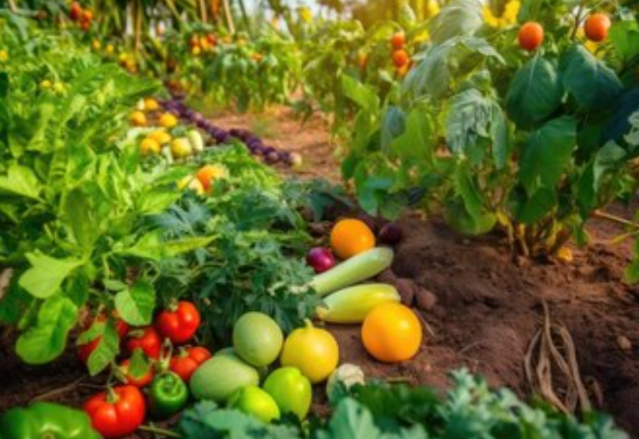
Brooke focuses on crops that withstand frost, wind, and short summers:
Potatoes
Carrots
Beets
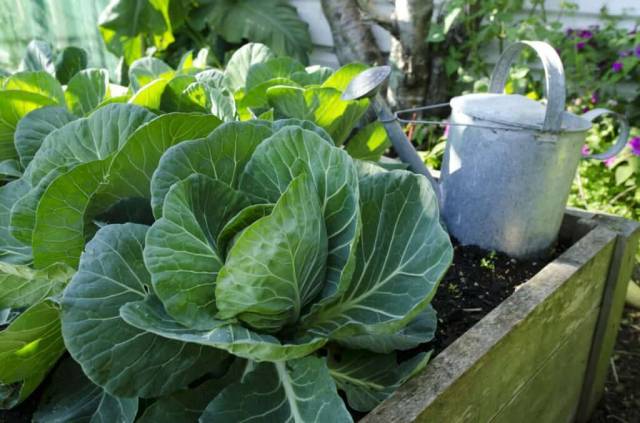
Cabbage
Kale
Spinach
Peas
Onions
Short-season squash
“These crops are resilient, store well through winter, and maximize every frost-free day.”
2️⃣ Season Extension Techniques
“With such a short growing window, season extension is everything.”
Brooke uses:
Cold frames for early spring
Hoop houses for frost protection
Floating row covers for sensitive crops
Black plastic or mulch to warm soil
“Every week counts. Start early, protect aggressively, and harvest efficiently.”
3️⃣ Wind & Weather Defense
North Dakota winds are relentless and can desiccate soil and stress plants. Brooke’s approach:
Planting windbreaks (shrubs, fencing, or natural features)
Raised beds with side protection
Mulching heavily to conserve moisture
Sturdy trellising for climbing crops
“Wind is a gardener’s silent adversary here — don’t underestimate it.”
4️⃣ Soil Preparation & Fertility
Northern Plains soils can be sandy, clay-heavy, or nutrient-poor in some areas. Brooke recommends:
Mixing native soil with compost
Adding aged manure
Cover crops during off-season to build organic matter
Raised beds to improve root depth and drainage
“Healthy soil offsets the extremes of climate.”
Brooke Breaks Her Silence On Her Family’s Silly Secret in the Below Video – Click To Watch
North Dakota Food Storage Strategy
“In North Dakota, winter isn’t a season — it’s an experience. Food storage is survival.”
Root Cellaring
Root vegetables thrive in cool, dark spaces. Brooke stores:
Potatoes
Carrots
Beets
Onions
Cabbage
Winter squash
Optimal conditions: 32–40°F with proper humidity.
🫙 Pressure Canning
Brooke preserves:
Beef
Venison
Chicken
Stews and soups
Beans
“Protein security ensures you’re prepared for frozen winters or supply disruptions.”
🌾 Long-Term Dry Storage
Staples Brooke keeps for resilience:
Hard wheat
White rice
Pinto beans
Lentils
Rolled oats
Salt and sugar
Stored in:
Mylar bags
Oxygen absorbers
Food-grade buckets
“In the Northern Plains, a well-stocked pantry is more than convenience — it’s independence.”
🌨️ Why Survival Gardening in North Dakota Matters
Brooke emphasizes:
Short growing season limits fresh produce availability
Winter storms can block rural roads for days or weeks
Strong winds and frost can wipe out poorly-prepared gardens
Economic and supply chain disruptions are amplified in rural areas
“North Dakota tests your preparedness — and rewards discipline.”
❄️ Brooke’s Final Advice for North Dakota
“Plan for frost, build wind protection, grow resilient crops, preserve early, and store smart. Timing is everything.
When the blizzard hits and your root cellar is full, your pantry is stocked, and your resilience is intact, that’s not luck — that’s preparation.”
“When I hit the water, panic tried to take over. But panic burns energy. Energy is currency.
Step one: I secured elevation. I climbed above flood lines and assessed my surroundings. I located shade, then water access.
Step two: Water filtration. I used fabric layers from my clothing as primitive filtration, then boiled water in a makeshift rock basin using heated stones. It wasn’t pretty — but it worked.
Step three: Shelter. The canyon temperature swings are brutal. Daytime heat can exceed 100°F; nighttime can drop dramatically. I built a rock-backed windbreak and used layered debris insulation.
Step four: Food. I rationed energy instead of chasing calories. Foraging selectively — cactus fruit, edible plants I positively identified — but I didn’t overexert.
Step five: Signal strategy. I built three large rock markers in triangular formation — universal distress symbol. I positioned reflective materials to catch light.
The key lesson? Slow down. Think before moving. Most survival situations collapse because people act emotionally.
For Utah specifically: desert regions, canyons, and high elevations demand respect. Carry water. Study terrain. Never underestimate flash flood potential.
But if the worst happens? Stay methodical. Stay calm. Survival is just problem-solving under pressure.”
Brooke emerged dehydrated, sunburned, but stable — located after aerial search teams spotted her rock signal formation.
Preparedness saved her life.
Brooke Spills the Tea on Her Utah Survival Garden Secrets
After surviving seven days in the wilderness near the Grand Canyon, Brooke didn’t just become a wilderness icon. She doubled down on something less flashy — but more powerful:
Sustainable food systems designed for harsh climates.
Utah presents a unique prepper equation:
High elevation
Shorter growing seasons
Hot, dry summers
Cold winters
Alkaline soil in many regions
Most gardeners fail because they garden emotionally.
Utah gardening isn’t cute. It’s tactical. If you can grow food here, you can grow food almost anywhere.
Utah teaches discipline.
1. Know Your Microclimate
“Utah ranges from USDA zones 4 to 8 depending on elevation. A garden in Salt Lake Valley is different from one in the mountains near Park City.
Track frost dates. Not just average frost dates — track your actual last and first frost over multiple seasons.
And always assume one surprise frost.”
2. Focus on Cold-Hardy, Calorie-Dense Crops
“If you’re prepping for resilience, don’t waste half your garden on decorative produce.
Grow:
Potatoes
Carrots
Beets
Onions
Winter squash
Dry beans
Hard red wheat (Utah grows excellent wheat)
Leafy greens are great — but calories matter.”
3. Soil Is Everything in Utah
“Utah soil often trends alkaline and compacted.
Add:
Compost (heavy amounts)
Aged manure
Mulch layers to retain moisture
Sulfur amendments if needed for pH balance
Healthy soil reduces water needs by up to 30%.”
4. Water Discipline
“Utah summers are dry. Evaporation is ruthless.
Use:
Drip irrigation
Deep watering early in the morning
Thick mulch barriers
Windbreak fencing
Shallow watering creates weak roots. Deep watering creates survival plants.”
5. Season Extension Is Mandatory
“Invest in:
Cold frames
Hoop houses
Row covers
In Utah, season extension can add 30–60 extra growing days. That’s the difference between fresh produce in October and food scarcity.”
6. Plant Perennials for Stability
“Raspberries. Apples. Apricots. Hardy herbs like thyme and sage.
Perennials reduce workload and provide long-term food security.”
Now let’s move to something most people neglect.
Brooke’s Best Food Storage Techniques for Utah
“Growing food is phase one. Keeping it edible through a Utah winter? That’s phase two.”
Utah’s dry climate is actually an advantage — if you store properly.
1. Root Cellaring (Utah Advantage)
“Utah’s cool winters are ideal for root storage.
Store in a basement or insulated cellar:
Potatoes (38–40°F, dark environment)
Carrots packed in sand
Beets in sawdust
Onions in mesh bags with airflow
Keep humidity around 85–95% for root crops.”
2. Dehydration (Perfect for Utah’s Dry Air)
“Utah’s low humidity makes dehydration incredibly efficient.
Dehydrate:
Apples
Zucchini
Tomatoes
Herbs
Cooked beans
Store in vacuum-sealed bags with oxygen absorbers.”
3. Pressure Canning for High-Protein Stability
“Water bath canning is fine for acidic foods.
But if you want real preparedness:
Pressure can meats
Pressure can beans
Pressure can soups
Protein storage equals resilience.”
4. Wheat & Dry Goods Storage
“Utah is wheat country. Store hard red wheat berries in:
Mylar bags
5-gallon food-grade buckets
Oxygen absorbers inside
Properly sealed, wheat lasts 20–30 years.
Add:
Rice
Lentils
Rolled oats
Build a rotating pantry. Never store what you don’t eat.”
5. Freeze-Resistant Storage Strategy
“Utah garages can freeze solid in winter. Don’t store liquids there.
Freezing can:
Break jars
Ruin canned goods
Destroy emulsified foods
Use insulated storage rooms.”
6. Inventory & Rotation System
“Preparedness without inventory tracking is hoarding.
Label everything. Date everything. Rotate every 6–12 months for canned goods.
Eat what you store. Store what you eat.”
Best Survival Garden Vegetables to Grow in Utah
Utah’s climate presents unique challenges for survival gardening. With high elevation, low humidity, hot summers, cold winters, and a shorter growing season in many areas, gardeners must prioritize cold-hardy, fast-maturing, and drought-tolerant crops.
Potatoes are one of the best survival vegetables for Utah. They tolerate cool spring temperatures, produce calorie-dense harvests, and store well for months in a cool, dark place.
Carrots and beets thrive in Utah’s cooler spring and fall seasons. Root vegetables handle light frosts and provide reliable nutrition. They also store well when properly cured.
Dry beans, particularly bush varieties, grow well during Utah’s warm summers. Beans are protein-rich, improve soil health, and store long-term once dried.
Winter squash, such as butternut and Hubbard, perform well in Utah’s hot summer days. When cured properly, they can last through winter without refrigeration.
Kale and spinach are ideal for Utah’s cooler temperatures. These leafy greens can handle frost and often produce better in spring and fall than in peak summer heat.
Onions and garlic are excellent survival staples. Utah’s dry summers help cure bulbs naturally, extending their storage life.
Peas are well-suited to Utah’s cool springs and can be planted early. They mature quickly and provide both fresh food and seeds for drying.
With proper planning—using season extension methods like row covers and cold frames—Utah gardeners can build a dependable survival vegetable garden capable of feeding a family through changing seasons.
Best Survival Garden Fruits to Grow in Utah
Utah’s high elevation and cold winters require hardy fruit varieties that can withstand frost and temperature swings. The key to a successful survival fruit garden in Utah is selecting cold-hardy, drought-tolerant, and reliable producers.
Apple trees are one of the most dependable fruit choices in Utah. Many cold-hardy varieties thrive in the state’s climate and produce abundant fall harvests that store well for months.
Peach trees, especially hardy cultivars, perform well in many parts of Utah. They require winter chill hours, which Utah provides naturally, and yield sweet summer fruit ideal for canning.
Cherry trees, both sweet and tart varieties, grow successfully in Utah’s dry climate. Tart cherries are especially reliable and excellent for preserving.
Apricots are well adapted to Utah’s conditions, although late spring frosts can affect blooms. When protected, they produce flavorful early-summer harvests.
Grapes, particularly cold-hardy and table varieties, thrive in Utah’s sunny summers and low humidity. They can be eaten fresh, dried into raisins, or juiced.
Raspberries and blackberries grow well with irrigation and provide high-yield summer fruit. They are perennial and relatively low maintenance once established.
For smaller spaces, strawberries are cold-hardy and productive, offering reliable early-season fruit.
By focusing on frost-hardy fruit trees and perennials suited to dry climates, Utah gardeners can establish a long-term survival orchard that produces dependable harvests year after year.
2025 Female Survivalist of the Year: Brooke Homestead
(Brooke Homestead Wants to Discuss Survival Gardening with YOU! Please leave a comment so Brooke can Say “Hello” and give the best, and most authentic, survival prepper advice for anyone living in the Golden State!)
Meet Brooke Homestead, the 26-year-old former yoga teacher who pivoted from wellness professor to one of the most respected names in modern survival gardening.
She doesn’t shout. She calculates.
Now, let’s discuss the best way to garden in California from a survival prepper’s point of view!.
Here’s Brooke introducing herself:
“Hi, I’m Brooke Homestead. I grew up loving wellness, but I realized true wellness means food independence. California taught me one thing: systems fail. Gardens don’t — if you build them right.”
Survival Gardening Advice for California
“California is a paradox. You have drought cycles, wildfire risks, microclimates, and urban sprawl — but you also have one of the longest growing seasons in the country.
First rule: Know your zone. Northern California differs drastically from Southern California. Study your USDA zone and track frost dates.
Second rule: Water is gold. Install drip irrigation. Collect rainwater where legal. Mulch heavily to retain soil moisture. Raised beds help control drainage.
Third rule: Grow calorie-dense crops. Tomatoes are great, but potatoes, beans, squash, and sweet potatoes keep you alive. Think survival math, not Instagram aesthetics.
Fourth rule: Perennials are your allies. Fruit trees, rosemary, artichokes — plant once, harvest for years.
Fifth rule: Layer your garden like security. Tall crops block wind. Companion plants deter pests. Diversity prevents total failure.
And finally — don’t wait for a crisis. Start small. Learn now. Make mistakes while grocery stores are still open.
Food security isn’t extreme. It’s responsible.”
Best Survival Garden Vegetables to Grow in California
California’s varied climate—from Mediterranean coastal regions to inland valleys and semi-arid zones—makes it one of the best states for year-round food production. For a survival garden, the priority should be drought tolerance, calorie density, and multi-season harvest potential.
Tomatoes are a California staple. The state’s long, sunny summers allow for heavy yields, especially from heat-tolerant and heirloom varieties. Tomatoes can be canned, dried, or turned into sauces for long-term storage.
Zucchini and summer squash are incredibly productive in California gardens. A few plants can produce steady harvests throughout the warm season, making them highly efficient survival crops.
Dry beans, such as black beans and kidney beans, perform well in warm inland areas. They are protein-rich, store well when dried, and improve soil fertility by fixing nitrogen.
Sweet potatoes thrive in Southern and Central California. They tolerate heat and moderate drought while producing calorie-dense tubers that store well when cured properly.
Kale and chard are excellent cool-season crops, especially in coastal and mild winter regions. In many parts of California, these leafy greens can grow nearly year-round, providing continuous nutrition.
Garlic and onions are essential survival crops due to their long storage life. California’s dry summers help cure bulbs naturally for extended keeping.
Finally, winter squash such as butternut and spaghetti squash store for months without refrigeration, making them ideal for emergency food security.
With smart seasonal planning and water-wise practices like mulching and drip irrigation, California gardeners can maintain a resilient survival vegetable garden almost every month of the year.
Best Survival Garden Fruits to Grow in California
California’s Mediterranean climate makes it one of the most fruit-friendly states in the country. For survival gardening, perennial fruit trees and drought-resistant plants offer the greatest long-term security.
Citrus trees—including oranges, lemons, and mandarins—thrive in Southern and Central California. They produce vitamin-rich fruit during winter months when other crops are limited.
Avocados are highly productive in frost-free regions. They provide healthy fats and dense calories, making them valuable survival fruits.
Figs grow exceptionally well in California’s dry summers. Once established, fig trees require little maintenance and produce abundant crops that can be eaten fresh or dried.
Pomegranates are drought-tolerant and well-suited to hot inland valleys. Their fruit stores well and is packed with nutrients.
Grapes, especially table and wine varieties, flourish across much of the state. They can be eaten fresh, dried into raisins, or preserved as juice.
Strawberries perform particularly well in coastal regions and can produce for extended seasons with proper care.
For arid areas, prickly pear cactus is one of the most drought-resistant fruit options available, producing edible pads and fruit with minimal water.
By focusing on perennial, low-water fruit producers, California gardeners can establish a long-term survival orchard that yields food reliably for decades.
(Leave Brooke a Comment and She will Respond within 24 Hours)
Female Survivalist of the Year: Brooke Homestead
Now let’s pivot to resilience in Texas soil.
Brooke Homestead — 26-year-old former yoga model turned preparedness authority — has adapted survival gardening to Southern and semi-arid climates, and she can really get down and dirty in the Texas soil to produce one of the most beautiful survival gardens you will ever lay your eyes upon!
Here’s Brooke introducing herself:
Brooke Homestead Speaks
“Hi, I’m Brooke Homestead. I used to live under studio lights. Now I live by sunlight and soil. Texas taught me something powerful — resilience grows fast in heat if you plan correctly.”
Brooke Homestead’s Survival Gardening Advice for Texas
Texas is one of the most productive survival gardening states in the country — but only if you respect the climate diversity.
First: know your zone. Texas ranges from USDA zones 6 to 9 depending on region. North Texas differs drastically from South Texas.
Second: plant heat-tolerant crops. Okra, sweet potatoes, cowpeas, peppers, and certain squash varieties thrive in Texas heat.
Third: water management is critical. Install drip irrigation. Mulch heavily. Water early in the morning to reduce evaporation.
Fourth: plan around extreme weather. In hurricane-prone areas, secure garden structures. In tornado regions, avoid flimsy setups.
Fifth: grow calorie-dense crops. Corn, beans, potatoes (in cooler zones), and winter squash sustain families.
Sixth: preserve aggressively. Texas growing seasons allow multiple harvests. Pressure can beans and meats. Dehydrate peppers and tomatoes.
Seventh: diversify across seasons. Use fall and early spring to grow leafy greens before peak summer heat.
Finally: store water. Extreme heat plus grid failure equals crisis. Food independence must pair with water security.
Texas rewards preparation.
But the sun punishes carelessness.
Best Survival Garden Vegetables to Grow in Texas
Texas offers a long growing season, intense summer heat, and wide climate variation from East Texas humidity to West Texas drought. A successful survival garden in Texas should focus on heat tolerance, drought resistance, and high-calorie yields.
Pinto beans and black beans are survival staples in Texas gardens. They handle heat well and store long-term when dried. As legumes, they also improve soil fertility by fixing nitrogen.
Okra thrives in brutal Texas heat when many crops fail. It produces continuously through summer and requires minimal water once established. Pods can be eaten fresh, pickled, or dehydrated.
Sweet potatoes are ideal for Texas conditions. They tolerate poor soils, heat, and drought while delivering high-calorie harvests. Both the tubers and leaves are edible, making them highly efficient survival crops.
Peppers, especially jalapeños and other hot varieties, flourish in full Texas sun. They produce heavily and preserve well by drying or pickling.
Southern peas (cowpeas and black-eyed peas) are extremely drought tolerant and dependable producers. They are a traditional Texas staple for good reason—they grow when other vegetables struggle.
For cool seasons, collard greens and kale perform well in Texas fall and winter gardens. These hardy greens tolerate mild frosts and provide steady nutrition during cooler months.
Finally, winter squash such as butternut or acorn are excellent survival crops. They store for months when cured properly and provide dense calories and vitamins.
By focusing on heat-loving, resilient vegetables and planting strategically for both spring and fall seasons, Texas gardeners can maintain food production even under challenging climate conditions.
Best Survival Garden Fruits to Grow in Texas
Texas is well-suited for a diverse survival fruit garden thanks to its long summers and generally mild winters. Choosing hardy, drought-tolerant fruit varieties ensures long-term food security.
Peaches are iconic in Texas, particularly in central regions. With proper variety selection, peach trees can provide abundant mid-summer harvests ideal for canning and preserving.
Figs thrive in Texas heat and require minimal care once established. They produce heavily and can be eaten fresh or dried for storage.
Blackberries grow exceptionally well across much of Texas. Thornless varieties are easy to manage and produce reliable early summer harvests that freeze or preserve well.
Pomegranates are excellent for hot, dry regions of Texas. They tolerate drought, resist pests, and provide antioxidant-rich fruit that stores well after harvest.
Muscadine and Mustang grapes handle heat and humidity better than traditional grape varieties. They are productive and useful for juice, jelly, or fresh eating.
For arid regions, prickly pear cactus is one of the most drought-resistant fruit options available. Both the pads and fruit are edible, making it an extremely efficient survival plant.
Finally, watermelons and cantaloupes flourish in Texas summers. While annuals, they provide hydration and calories during peak heat.
A well-planned Texas survival fruit garden built around heat tolerance and low water needs can provide dependable harvests year after year.
(2025 Female Survivalist of the Year: Brooke Homestead – Leave A Comment and Brooke Will Happily Talk to You About Your Survival Gardening Needs)
Now let’s talk survival gardening in the state of Alabama!
Brooke Homestead — 26-year-old former yoga model turned preparedness strategist — has adapted survival principles to Southern climates.
Here’s Brooke introducing herself:
“Hi, I’m Brooke Homestead. I used to live in climate-controlled studios. Alabama taught me resilience in humidity, storms, and soil. Survival isn’t extreme. It’s disciplined.”
Brooke’s Survival Gardening Advice for Alabama Preppers
Alabama is one of the best survival gardening states in the country — if you respect the heat and humidity.
Most of Alabama falls within USDA hardiness zones 7–9. That gives you a long growing season — sometimes nearly year-round for certain crops.
First: focus on succession planting. You can grow spring greens, summer vegetables, and fall root crops in one extended cycle.
Second: manage humidity carefully. Fungal diseases spread quickly in Alabama summers. Space plants properly for airflow and prune regularly.
Third: prioritize calorie-dense crops. Sweet potatoes, field peas, okra, winter squash, corn, and beans thrive here.
Fourth: water strategically. Heavy rain cycles alternate with drought periods. Install rain barrels and mulch heavily to retain moisture.
Fifth: build soil health. Alabama soil can vary from rich loam to clay-heavy red soil. Add compost annually and rotate crops.
Sixth: preserve aggressively. With long growing seasons, surplus is common. Learn pressure canning and dehydration techniques.
Seventh: storm-proof your garden. Stake plants securely and prepare for sudden high winds.
Alabama gives you opportunity.
But resilience comes from planning.
Gardening isn’t nostalgia.
It’s food security with intention.
Best Survival Garden Vegetables to Grow in Alabama
In Alabama’s warm, humid climate with a long growing season, choosing the right vegetables for a survival garden means focusing on reliable, productive crops that thrive in heat and moisture. Whether you’re preparing for emergencies, building food security, or simply maximizing your garden’s yield, these vegetables will give you dependable nutrition and storage potential.
Tomatoes are a cornerstone of any survival garden. Many heat-tolerant varieties like ‘Heatmaster’ and ‘Solar Fire’ produce abundant fruit throughout Alabama’s long summer. They’re versatile in the kitchen and can be canned whole or made into sauces for long-term use.
Peppers, both sweet and hot, flourish in Alabama’s sun. They’re rich in vitamins and store well when dried or pickled. Jalapeños and bell peppers are especially productive through warm months.
Beans are essential for survival gardens because they grow quickly and fix nitrogen in the soil, improving fertility. Bush and pole beans like purple hull peas and cowpeas are traditional Southern staples that handle heat and drought better than many other legumes. Dried beans also store exceptionally well.
Sweet potatoes are nearly tailor-made for Alabama. They tolerate heat and poor soils, yield heavily, and are rich in calories—a big advantage in a survival situation. Their slips are easy to grow, and both roots and greens are edible.
Okra thrives in heat that stunts other crops. It’s drought tolerant and prolific, providing pods for fresh eating, freezing, drying, or pickling.
Cabbage and collards bring hardy leafy nutrition. Collards, especially, withstand heat and continue producing into fall and winter. These greens are packed with vitamins and can be blanched and frozen.
Finally, winter squash (butternut, acorn) and pumpkins are high-yielding crops that store well through winter when cured properly. With thoughtful planning and succession planting, these vegetables will form a resilient backbone to any Alabama survival garden—maximizing both harvest and long-term food security.
Best Survival Garden Fruits to Grow in Alabama
Alabama’s long growing season, humid subtropical climate, and mild winters make it an excellent state for cultivating a productive survival fruit garden. When planning for food security, the key is choosing fruits that are heat-tolerant, disease-resistant, calorie-dense, and capable of producing reliably year after year.
Blueberries are one of the best fruits to focus on in Alabama. The state’s naturally acidic soils are ideal for rabbiteye varieties, which thrive in the heat and produce heavy yields. Blueberries are rich in antioxidants and can be frozen, dehydrated, or turned into preserves for long-term storage.
Figs are another powerhouse survival fruit. Hardy varieties like Celeste perform exceptionally well in Alabama’s climate. Fig trees require minimal care once established and can produce abundant harvests each summer. Figs can be eaten fresh or dried for extended shelf life.
Blackberries grow vigorously across Alabama and often thrive with little maintenance. Thornless varieties make harvesting easier, and the plants produce reliable summer crops. Berries can be canned, frozen, or made into jams for food preservation.
Muscadine grapes, native to the Southeast, are especially suited for Alabama’s humidity. Unlike many traditional grape varieties, muscadines resist fungal diseases common in hot, damp climates. They provide high yields and can be used for juice, jelly, or fresh eating.
For higher-calorie fruit, persimmons and pear trees are excellent additions. Asian and Southern pear varieties tolerate Alabama’s heat well, while native persimmons are hardy and dependable producers in late summer and fall.
Finally, don’t overlook watermelon. While technically an annual, it thrives in Alabama’s long, hot summers and provides hydration and natural sugars during peak growing season.
By focusing on perennial, heat-tolerant fruits that store or preserve well, Alabama gardeners can build a resilient survival orchard that provides nutrition, sweetness, and security for years to come.
If you have any questions at all about survival gardening in the state of Alabama, just leave a comment and we can start talking!
(Pictured Above is Brooke Homestead – 2025 Female Survivalist of the Year)
Brooke Homestead — 26-year-old former yoga model turned preparedness powerhouse — has adapted her survival philosophy to harsh climates.
Here’s Brooke introducing herself:
“Hi, I’m Brooke Homestead. I used to think survival meant escaping to the mountains. Arizona taught me something different — resilience means adapting to the land you’re on.”
Survival Gardening Advice for Arizona from Brooke Homestead
Arizona is a challenging but powerful survival gardening state — if you respect the heat.
First: understand your zone. Much of Arizona falls within USDA zones 8–10, but elevation changes everything. Always check your specific microclimate.
Second: plant for heat tolerance. Sweet potatoes, okra, cowpeas, tepary beans, and certain squash varieties thrive in high temperatures.
Third: water strategy is survival strategy. Install drip irrigation. Mulch heavily to reduce evaporation. Water early morning or late evening.
Fourth: use shade cloth. Arizona sun will scorch delicate plants. Partial shade increases yield and plant health.
Fifth: build soil with organic matter. Desert soil often lacks nutrients. Compost consistently and use raised beds when needed.
Sixth: grow during cooler seasons. Many Arizona gardeners produce major harvests in fall, winter, and early spring rather than peak summer.
Seventh: preserve water-wise crops. Dehydrate peppers. Store winter squash. Pressure can beans.
Finally: plan for grid failure. Extreme heat plus power outage equals crisis. Store water and maintain backup cooling options.
Gardening in Arizona isn’t romantic.
It’s strategic.
And strategy keeps you alive.”
Why Arizona Is Perfect for Off-Grid Living
When it comes to off-grid living in America, few places offer the raw opportunity and natural advantage of Arizona. With its wide-open landscapes, abundant sunshine, low population density in many rural regions, and a strong culture of independence, Arizona has quietly become one of the most attractive destinations for people seeking self-sufficiency and grid independence.
1. Endless Sunshine for Solar Power
Arizona is one of the sunniest states in the country. Cities like Yuma and Phoenix consistently rank among the sunniest locations in the United States. For off-grid homeowners, that means reliable solar energy production year-round.
Solar panels thrive in Arizona’s climate, producing high energy output even during winter months. With minimal cloud cover and long daylight hours, it’s easier (and often cheaper over time) to power an entire homestead using solar alone. Fewer weather disruptions also mean less strain on battery storage systems compared to states with heavy snow or prolonged overcast seasons.
2. Abundant Rural Land
One of Arizona’s biggest advantages is space. Outside of major metro areas, land is relatively affordable and widely available. Counties like Cochise County and Apache County offer large parcels suitable for homesteading, farming, and remote living.
Lower population density means more privacy and fewer zoning restrictions in many rural areas. While it’s still important to research county regulations, many parts of Arizona are friendly toward alternative building methods, including tiny homes, manufactured homes, and even earth-based construction like adobe or rammed earth.
3. Ideal Climate for Year-Round Living
Arizona’s desert climate means you won’t be dealing with blizzards, hurricanes, or months of freezing temperatures. Winters are mild in much of the state, making it easier to grow cool-season crops and maintain livestock.
In northern areas near Flagstaff, you’ll experience four seasons and cooler temperatures, which can be ideal if you prefer a mountain climate. Meanwhile, southern regions near Tucson offer warmer winters and extended growing seasons. This diversity allows off-grid residents to choose the environment that best fits their lifestyle.
4. Strong Self-Sufficiency Culture
Arizona has long attracted pioneers, retirees seeking independence, and homesteaders who value freedom. There is a growing network of off-grid communities, permaculture enthusiasts, and survival gardeners throughout the state.
From water harvesting systems to desert-adapted gardening techniques, residents have developed innovative ways to thrive in arid conditions. Rainwater collection, graywater recycling, and drought-tolerant crops are common practices. This knowledge base makes it easier for newcomers to transition successfully into off-grid life.
5. Minimal Natural Disaster Risk
Compared to coastal states prone to hurricanes or the Midwest’s tornado-heavy regions, Arizona has relatively low natural disaster risk. While monsoon storms can bring intense rainfall and lightning, they are seasonal and predictable. The absence of major earthquakes, hurricanes, and frequent flooding makes infrastructure planning more straightforward for off-grid builders.
Arizona offers sunlight, space, independence, and resilience — all key ingredients for successful off-grid living. For those willing to adapt to the desert and respect its challenges, the Grand Canyon State provides one of the most practical and empowering environments to live beyond the grid.
(Female Survivalist of the Year: Brooke Homestead Pictured Above)
Now let’s talk some New Hampshire gardening, but extreme gardening advice from Brooke Homestead!
Brooke Homestead — 26-year-old former yoga model turned preparedness authority — has taken the survival world by storm.
Here’s Brooke introducing herself:
“Hi, I’m Brooke Homestead. I used to chase perfect lighting. Now I chase food independence. New Hampshire taught me something powerful — resilience doesn’t need drama. It needs discipline.”
Brooke’s Gardening Advice for New Hampshire
“New Hampshire is one of the most gardener-friendly survival states — if you understand the seasons.
Most of the state falls within USDA hardiness zones 4–6. That gives you a solid but limited growing window.
First: maximize the shoulder seasons. Start seeds indoors in late winter. Use cold frames and row covers in early spring and late fall.
Second: focus on cold-hardy crops. Kale, cabbage, carrots, potatoes, beets, peas, and winter squash thrive here.
Third: plan for frost. Even late May frosts can damage tender crops. Always watch the forecast.
Fourth: soil building is key. Many areas have rocky or acidic soil. Test your soil and amend with compost and organic matter yearly.
Fifth: diversify your calorie crops. Potatoes and dry beans should be staples. Add garlic and onions for storage longevity.
Sixth: preserve aggressively. Dehydrate apples. Pressure can vegetables. Store root crops in cool basements.
Seventh: think long term. Plant berry bushes and fruit trees. Perennials reduce yearly labor and increase food security.
In New Hampshire, gardening isn’t extreme survivalism.
It’s common sense.
Resilience grows in layers — just like healthy soil.”
(2025 Female Survivalist of the Year: Brooke Homestead)
Now let’s talk about resilience in a New Jersey way that only a resident could understand!
Brooke Homestead.
At 26 years old, the former yoga model turned preparedness authority has redefined modern survival culture.
She blends discipline, intelligence, and grounded practicality.
Here’s Brooke introducing herself:
Brooke Homestead Speaks
“Hi, I’m Brooke Homestead. I used to measure success in likes and lighting angles. Now I measure it in food storage and soil health. New Jersey taught me something important — you can grow resilience anywhere.”
Brooke’s Survival Gardening Advice for New Jersey
“New Jersey is a survival gardener’s opportunity zone.
Most of the state falls within USDA hardiness zones 6–7. That means relatively long growing seasons compared to northern states.
First: take advantage of the season length. You can grow spring greens, summer fruiting crops, and fall root vegetables if you plan succession planting correctly.
Second: focus on calorie density. Tomatoes are great — but potatoes, beans, winter squash, and sweet potatoes sustain you.
Third: soil testing is critical. Some areas in older urban zones may have contamination risks. Use raised beds with clean soil if needed.
Fourth: manage humidity. New Jersey summers can be humid, increasing fungal disease risk. Space plants properly for airflow and prune consistently.
Fifth: storm prep your garden. Coastal storms and heavy rain can wipe out weak infrastructure. Stake plants securely. Use wind barriers where necessary.
Sixth: preserve aggressively. With a long season, you can produce large harvests. Learn water bath and pressure canning. Dehydrate surplus produce.
Finally: think small-space gardening. Even suburban yards can support raised beds, vertical gardening, and container crops.
Preparedness isn’t about moving off-grid.
It’s about using the land you have intelligently.”
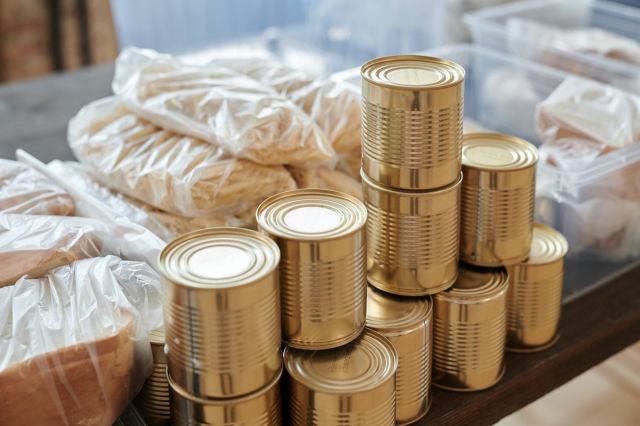
First off, wake up! The world isn’t your safe little bubble anymore. The power grid can go out, trucks can stop delivering, and those fancy supermarkets? Empty shelves faster than you can blink. You want peace of mind? You build a fortress of food, not just some half-assed pantry with expired cans in the back.
But don’t get cocky thinking you can just shove a bunch of junk food in a closet and call it a day. Stockpiling smart means knowing what to store, how to store it, and for how long it’ll last. This isn’t a weekend camping trip; this is about surviving the unknown long haul. Here’s the deal:
10 Survival Skills You MUST Master for Long-Term Food Storage
Food Rotation Management Don’t let your stockpile turn into a science experiment. Keep track of expiration dates and always rotate your supplies. Use the oldest first, replace with fresh, and mark everything clearly. No excuses.
Proper Sealing Techniques Oxygen and moisture are your enemies. Learn to use vacuum sealers and Mylar bags with oxygen absorbers to extend shelf life. You want airtight containers that can withstand the test of time and pests.
Dehydrating Food Drying food is a time-tested method that reduces weight and volume while locking in nutrients. Learn to dehydrate fruits, vegetables, and meats. It’s cheap, effective, and makes your stockpile last longer.
Canning Mastery Pressure canning for low-acid foods like beans and meat is a survival skill you can’t ignore. If you botch it, you risk botulism—so get trained or study hard. Home-canned food can last years if done right.
Growing Your Own Food Store all you want, but if the disaster drags on, you’ll need to grow your own. Get good at gardening, seed saving, and understanding your soil and climate. Stockpiling alone won’t save you forever.
Foraging Knowledge Learn what wild plants are edible and safe. If you have to stretch your stockpile, wild greens, nuts, and berries can supplement your diet. But know them well—one wrong bite and you’re done.
Food Preservation with Salt and Smoke If you want to keep meats and fish long-term, get familiar with salting and smoking. These old-school methods work wonders without electricity or fancy gadgets.
Pest Control Rodents, bugs, and mold will wreck your food faster than you think. Master pest-proofing your storage area with tight containers, traps, and natural repellents.
Water Purification and Storage Food alone won’t do you any good without clean water. Know how to store water safely and purify it on the fly with filters, boiling, or chemical treatments.
Cooking with Minimal Resources Long-term survival means you might have to cook on a camp stove, solar oven, or even an open fire. Practice cooking from your stockpile using minimal fuel and tools.
3 DIY Survival Hacks for Smarter Food Storage
DIY Mylar Bag and Oxygen Absorber System Don’t waste cash on pre-packaged storage. Buy food-grade Mylar bags in bulk, scoop in your dried or dehydrated food, and throw in oxygen absorbers. Seal the bag with a cheap iron from a thrift store or even a hair straightener. This DIY method will keep your food fresh and bug-free for years.
Repurpose Old Buckets for Bulk Storage Got old 5-gallon buckets? Clean ’em out, line with Mylar bags, and store large quantities of grains, beans, or flour. Use gamma seal lids for airtight, stackable storage. This keeps pests out and food fresh. Bonus: buckets can double as water storage or emergency toilets if you’re really in a pinch.
Build a Root Cellar Substitute No basement? No problem. Dig a small hole in a shaded, cool part of your yard, line it with bricks or wood, and cover it well with insulating materials. Store root veggies and some canned goods there to keep them cool and extend their shelf life naturally. This is old-school survival wisdom that’s dirt cheap and effective.
Now, why the hell does all this matter?
Because when SHTF, your “funny little stockpile” of expired canned beans and stale crackers won’t cut it. You need a system. A fortress. Something that works when the lights go out and the world flips upside down. If you don’t stockpile smart, you’re just delaying the inevitable starvation party.
More Angry Survivalist Truths About Food Storage
Don’t fall for the marketing crap! Freeze-dried meals and survival kits that cost you a kidney aren’t always the answer. They’re a start, sure, but building your own stockpile with bulk grains, beans, dried vegetables, and home-canned goods is where you build real resilience.
Balance nutrition, dammit! Storing only rice and beans might keep you alive, but you’ll feel like garbage. Get some powdered milk, freeze-dried fruits, nuts, honey, and salt. Your body needs variety to keep fighting.
Don’t forget your tools! You better have a manual can opener, a good knife, and a portable stove or two. If you can’t open your food, it’s worthless. No exceptions.
Label everything. No, seriously. Label every container with the contents and date stored. This is survival 101. You don’t want to waste precious calories guessing what’s inside.
Step-by-Step Stockpile Smart Plan
Assess Your Needs Calculate how many days or months you want to cover. Factor in family size, calorie needs, and dietary restrictions.
Start Small, Build Fast Buy staples in bulk gradually. Don’t blow your entire savings on one haul and then give up.
Get Proper Containers Use airtight buckets, Mylar bags, vacuum sealers, and food-grade jars. Plastic bags won’t cut it.
Keep It Cool and Dry Temperature and humidity are the enemy of food storage. Find a cool, dark, and dry place for your stockpile.
Learn Preservation Skills Master drying, canning, fermenting, and salting. The more techniques you have, the better your chances.
Regularly Inspect Your Stockpile Look for leaks, moisture, pests, and spoilage. Catch problems early before your food turns to garbage.
Practice Using Your Stockpile Cook meals from your stockpile regularly to familiarize yourself with what you have and avoid surprises.
Final Warning
You want to be the one who survives? Stop whining and start doing. Stockpiling smart isn’t about paranoia; it’s about preparedness. If you wait until disaster strikes, it’ll be too late. Long-term food storage is your insurance policy against chaos.
If you haven’t mastered these skills and built your stockpile yet, you’re playing Russian roulette with your life. Get moving before the next crisis slams the door shut.
So, what are you waiting for? Start learning, start building, and stockpile smart. Because when the world goes dark, it’s not just about surviving. It’s about thriving — and that starts with your food.