Washington Tiny Home Lifestyle: Best Cities for Downsizing (UPDATED 2026)

by Brooke Homestead — 2025 Female Survival Prepper of the Year

If there’s one thing I’ve learned from years on the trail and years off the grid, it’s that your home doesn’t need to be big to be mighty — but its location absolutely matters. Washington State offers wild landscapes, lush forests, rugged rivers, and plenty of challenges for anyone thinking about living small. Let’s break down where going tiny works best — and where it’ll test your grit.


Best City for Tiny Homes in Washington: Spokane
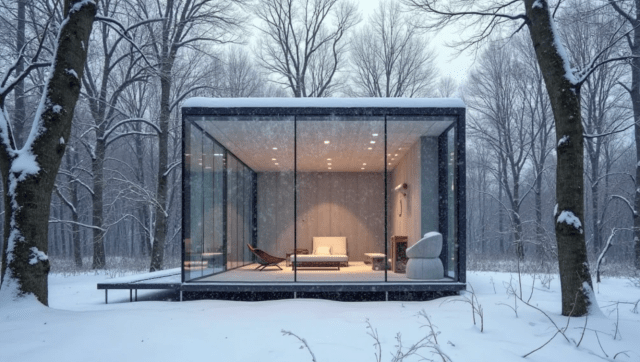
If tiny home living were a hiking trail, Spokane would be a well‑marked route with solid footing — wide enough for a pack mule and beautiful enough for long sunsets. This inland city in eastern Washington balances practical access with affordability, which is key when you’re downsizing and dreaming bigger.

🧭 Why Spokane?

  • More flexible housing paths: Unlike dense urban zones, Spokane and nearby Mead have tiny house sales and community interest, with park models and small footprints actively marketed.
  • Permitting friendly: Local planning offices can be collaboration partners, and anecdotal reports suggest city planners in Spokane are often willing to work with tiny homeowners to meet code.
  • Lower costs: Eastern Washington is generally more affordable than the Puget Sound area — land is cheaper, property taxes are friendlier, and your homestead dollar stretches farther.
  • Lifestyle perks: Access to rivers, trails, and wide open skies makes Spokane an ideal backdrop for outdoor life — whether you’re back‑to‑basics camping or setting up a rainwater catchment system.

🔧 Real‑World Tip from Brooke: If you’re planning to build tiny with a focus on self‑sufficiency, look just outside the city limits where zoning is looser, water access is easier and solar panels soak up rays without neighbor complaints.


Worst City for Tiny Homes in Washington: Seattle ⚠️

Now listen — Seattle is a stunning place. The water, the skyline, the mountains — wow. But from a tiny home practicality standpoint? Seattle can be like trying to roast marshmallows in the rain without a fire.

Here’s why Seattle isn’t ideal for tiny homes right now:

Housing market stress: Seattle is one of the most unaffordable markets in the country, which pushes land prices — and regulatory pressure — through the roof.
Strict zoning + building codes: To place a tiny home legally in Seattle, you pretty much have to integrate it as an Accessory Dwelling Unit (ADU) — meaning it needs to meet residential standards on a property that already has a primary structure.
Tiny on wheels? Tough luck: Tiny homes on wheels (THOWs) are often treated as RVs — allowed only in limited zones, parks, or temporary situations. Long‑term residential use, especially on private small lots, is increasingly difficult.
Competition for space: With powerful demand and limited land, Seattle planners focus on mid‑rise and multifamily builds — not tiny pockets of independent living.

💡 Brooke’s Advice: Don’t get me wrong — Seattle can be part of a tiny home strategy if you aim for community villages or non‑traditional housing projects. But if your vision is quiet backyard off‑grid homesteading, there are better places in this state.


Zoning Laws in Washington — The Terrain You’ve Got to Know

Washington doesn’t have a one‑size‑fits‑all tiny home zoning law. Instead, local governments — cities and counties — hold most of the cards. The statewide Growth Management Act (GMA) guides planning overall, but the specifics of tiny home living change dramatically depending on where you set up camp:

What You Need to Know:

No Statewide Tiny Law: Washington leaves zoning up to local jurisdictions. That means each county or city decides how tiny homes fit into their plans.

Accessory Dwelling Units (ADUs): Many urban and suburban areas allow tiny homes as ADUs — effectively like backyard cottages — usually with size minimums, utility connections, and design standards.

Tiny Homes on Wheels (THOWs): These are often treated as RVs. Some areas allow them in RV parks or under temporary permits, but full‑time residential use is often restricted outside specific zones or rural parcels.

Rural vs. Urban Differences: Rural counties can be more relaxed — especially if you bring your own water, septic, and off‑grid systems — but they still require permitting and meet health district rules.

Survivalist Insight: Always call the local planner before you buy land. I can’t tell you how many times a gorgeous property turned out to have septic or well limitations, or zoning that prohibits living structures under a certain square footage.


Cost of Land in Washington — What You’re Really Signing Up For

This topic is where you separate dreamers from doers. In Washington, land costs vary wildly — from rural watershed acreage that feels almost free, to urban parcels that cost more than your tiny home itself.

Eastern Washington: Land can be incredibly affordable — sometimes under $10,000 per acre in remote corners. If you like privacy and open skies, you’ll be thrilled.

Near Puget Sound: Expect prices to climb — $50,000–$100,000+ even for small lots in commuter zones. These areas are desirable, which means fewer tiny home friendly buys.

Tiny Home Communities: Some villages and eco‑communities offer land leases for tiny homes, where utilities may be shared and costs are predictable — around $150–$600/month depending on the setting.

Infrastructure Costs: Water hookups, septic approval, and utility connection fees can add thousands to the total budget. If you’re planning off‑grid solar or rainwater systems, stack that into your plan early.

Brooke’s Off‑Grid Tip: Even if you score great land, don’t underestimate the practical costs — digging a well, installing a septic, and building access roads can easily add $10,000–$50,000 depending on terrain.


Climate Considerations — What the Weather Will Throw at You

Washington’s climate is as diverse as its terrain. Tiny homes need to stand up to what Mother Nature brings:

Western Washington (Puget Sound & Coast): Mild summers, wet winters, and relentless rain mean you must plan drainage, moisture barriers, and roof design like your life depends on it — because your walls do.

Eastern Washington: Drier air and hotter summers contrast with cold winters. Insulation, well‑sealed windows, and heating systems are non‑negotiable.

Mountain Foothills: Snow loads, wind exposure, and access issues in winter months can impact building permits or insurance.

Survival Strategy: In any climate zone, tiny homes must handle water — both in and out. Off‑grid rainwater harvesting, composting toilets, solar arrays, and good ventilation will keep you comfortable year‑round.


Wrapping It Up — Tiny With Tenacity

Washington state is an incredible place to live tiny — if you go in with your eyes open and your pack stocked with knowledge. There’s solid opportunity here, especially in places like Spokane where affordability and local government cooperation can help you downsize without sacrificing livability.

But you’ll need to navigate:

  • Varying zoning laws by city and county
  • The reality of land costs and infrastructure expenses
  • Seasonal climate challenges that shape how you build and maintain your tiny home

Whether you’re dreaming of a tiny homestead with solar panels and a wood stove, or a simple starter home that gets you into sustainable living, Washington has paths worth exploring — as long as you do the planning, prep, and conversation with local regulators first.

From the mountains to the rivers and beyond — I hope you find your tiny home sweet spot.

Washington’s Worst Roads to Drive on During a Disaster

Washington’s Worst Roads During a Disaster

Some roads are always a gamble—even on a clear day. During a disaster? They can turn into a death trap.

1. I-5 Through Seattle and Tacoma
When the quake hits or the power goes out, this artery becomes a clogged vein. Overpasses are vulnerable, exits get jammed, and you’ll be boxed in by people who panic and freeze.

2. U.S. Route 2 (Stevens Pass)
A beautiful drive on a sunny day. But in winter or a landslide? It’s a cold, steep, slippery coffin. If you’re heading over the Cascades, know the risks.

3. SR 410 (Chinook Pass)
High elevation and prone to avalanches and rockslides. This scenic route turns deadly fast with little warning.

4. SR 20 (North Cascades Highway)
The long, winding remoteness of this route makes rescue nearly impossible. If you’re up there during a fire or snowstorm, you’re on your own.

5. I-90 Snoqualmie Pass
It’s the main east-west lifeline, but it clogs like bad plumbing under snow or seismic stress. Bridges could drop, and rockfall is a real hazard.

6. SR 14 Along the Columbia River Gorge
One side is rock, the other is water. Landslides, windstorms, and floods are all fair game here.

7. SR 18 Between Auburn and North Bend
It’s already notorious for fatal accidents. Add bad weather or panic evacuations, and you’ve got a mobile junkyard waiting to happen.

8. SR 530 (Oso Slide Area)
This one already proved its danger. Soft soil, heavy rain, and steep hills mean slides are always possible.

9. U.S. Route 101 on the Olympic Peninsula
One way in, one way out. If a tsunami is coming after an offshore quake, this road will be buried or jammed.

10. Any Coastal Route in Grays Harbor or Pacific Counties
These roads are flat, low, and isolated. If you’re not already headed inland when the sirens go off, you’re probably too late.


15 Survival Driving Skills to Master

Now, surviving a disaster on wheels isn’t about horsepower or luxury. It’s about grit, smarts, and skill. Here are 15 driving techniques that could save your life:

1. Off-Road Navigation Without GPS
Learn to read terrain and use topographic maps. When cell towers go down, you’ll need old-school navigation.

2. Rock Crawl With Precision
If landslides leave rubble, knowing how to ease over rocks without damaging your undercarriage is key.

3. Tire Plug and Inflation On the Go
Know how to plug a puncture and re-inflate using a portable compressor or even a CO2 inflator.

4. Water Crossing Technique
Don’t just gun it through. Learn to walk it first, gauge depth, and drive slow and steady.

5. Quick Reverse Under Pressure
Practice backing out of tight, sloped, or crumbling spaces without losing control.

6. J-Turn or Bootleg Turn
This can be a lifesaver if you need to reverse direction in a blocked or hostile road.

7. Braking Without ABS
If your systems go down or you’re in an old rig, know how to pulse-brake and steer under pressure.

8. Using Your E-Brake for Controlled Stops
In brake failure situations, the emergency brake can save your life—if you know how to feather it properly.

9. Stealth Driving at Night
Low beams, no interior lights, coasting when possible. In hostile zones, stealth wins.

10. Making a Roadblock-Ram Decision
Sometimes you don’t have time to go around. Learn to identify what you can push through with minimal damage.

11. Weight Distribution Awareness
Know what’s in your rig and how it affects your handling—especially with gear shifting during rough terrain.

12. Improvised Traction (Sand, Logs, Chains)
Use floor mats, branches, chains, or even seat cushions to gain traction in mud, ice, or snow.

13. Manual Fuel Siphoning (Legally and Ethically)
Desperate times. Learn how to do it without ingesting fumes or damaging tanks.

14. Riverbank Exits and Entry Points
Know how to scout and safely ascend or descend riverbanks in case bridges are out.

15. Group Convoy Tactics
Know how to drive in a group without becoming a liability. Signals, spacing, and roles matter.


3 DIY Gas Hacks When the Tank is Bone Dry

Running out of gas in the middle of a crisis is more common than people think. Here are three unconventional—but survival-tested—methods to get a few more miles when options run out.

1. Rubbing Alcohol Fuel Boost
In a pinch, you can mix up to 10% isopropyl alcohol (91% or higher) into a mostly full gas tank. It’s volatile enough to combust but should only be used temporarily. Don’t overdo it—this is emergency-only and works best in older engines.

2. Fuel From Lawn Equipment or ATVs
Most people overlook their shed or abandoned properties. Lawnmowers, snowmobiles, generators—they all carry small gas reserves. With a siphon hose and some patience, you can build up enough to make it to a safe zone.

3. Build a Gravity-Feed Tank From Salvage
If your vehicle’s fuel pump is shot or power is gone, rig a gravity-fed tank from an elevated container (like a 2-gallon jug). Mount it above the engine bay and run fuel directly into the carburetor or throttle body. This only works for older or modified vehicles—fuel-injected systems may require bypassing electronics.


Final Thoughts from the Road

Disasters don’t care if you drive a Tesla or a Tacoma. When the infrastructure crumbles and the roads go quiet, survival favors the prepared and the practiced.

In Washington, the odds of being stranded in a snowstorm, fire zone, or post-earthquake wasteland aren’t far-fetched—they’re forecasted. Your best asset is not just your gear, but your head and your hands.

So don’t just drive—train. Know your rig like you know your rifle. Know your route like you know your bug-out plan. And most of all, know that when rubber meets the road, it’s up to you to make it out.

Because out here, survival isn’t a hobby. It’s the reason you’re still breathing.

Hiking Trails in Washington: Danger Lurks at Every Turn

Hiking Trails in Washington: Danger Lurks at Every Turn
By a Survivalist Who’s Seen the Worst and Lives for the Wild


I’ve spent the better part of my life navigating the unrelenting terrain of the Pacific Northwest. Washington State, in particular, is both heaven and hell for hikers. Its beauty? Unmatched. Its danger? Underestimated. Every serene alpine lake or sun-dappled forest you pass could be hiding a deadly twist—slippery shale ledges, rogue bears, sudden whiteouts, or simply the slow fade of hypothermia after a surprise spring snow squall. That’s the double-edged axe of nature: the more breathtaking it is, the more brutal it can be.

So, if you think hiking in Washington is a walk in the park, think again. You’re entering the lion’s den of terrain where the Earth makes no apologies—and where being unprepared can cost you your life. But for those of us who love to hike with a go-bag and a blade, this is paradise.

Let me walk you through the top 20 hiking trails in Washington—but understand, these aren’t just trails. These are proving grounds. They’ll either harden you or humble you.


1. The Enchantments – Alpine Lakes Wilderness

You want magic? You’ll get it—with a side of misery. Permit-only and sitting high in the Cascades, this is a jagged gauntlet of granite, goat-tracked paths, and lakes so cold they’ll knock the wind out of your lungs if you dare take a dip. The elevation gain is brutal, and the weather can turn on you in seconds.

2. Mount Rainier’s Wonderland Trail

93 miles of pure punishment circling the beast that is Rainier. Glacier crossings, river fords, and swarms of mosquitoes that feast like it’s their last meal. Bring gaiters, trekking poles, and don’t skimp on the calories. You’ll earn every mile.

3. Colchuck Lake Trail

A gateway drug to the Enchantments. The views? Unreal. The crowds? Thick. But don’t let the Instagram pics fool you—those granite switchbacks bite, and early snow can ice over the trail like glass.

4. Tolmie Peak Trail – Mount Rainier NP

A short but sneaky one. Starts sweet, ends steep. Bear activity is common, and the fog here can be disorienting. If you think 6 miles is child’s play, you’ll learn humility at elevation.

5. Mount Si – North Bend

This is where Seattle’s weekend warriors try to find themselves—and sometimes lose footing. Over 3,000 feet of gain in four miles will test your lungs. Don’t underestimate this mountain just because it’s near the city.

6. Spider Gap – Glacier Peak Wilderness

Snowfields. Stream crossings. Miles from help. This loop is a wilderness crucible, and the views will sear themselves into your soul if the cold doesn’t get you first.

7. Kendall Katwalk – Pacific Crest Trail

A knife-edge trail with sheer drops and rockfalls. The exposure here is real, and if you don’t respect it, you might not come back. Pack layers—the wind cuts like a blade.

8. Rattlesnake Ledge – Rattlesnake Mountain

Short, steep, and tragically popular. The ledge has no guardrails. People have died here. That view over Rattlesnake Lake? Worth it—if you live to tell the tale.

9. Skyline Trail – Paradise, Mount Rainier

Don’t let the name fool you—it’s not all sunshine and lollipops. This loop climbs through snowfields and volcanic terrain. Glacial runoff can flood sections unpredictably.

10. Hoh River Trail – Olympic National Park

A rainforest hike with a quiet menace. Slippery boardwalks, unpredictable river crossings, and more elk and black bears than you’d think. The humidity alone can crush your will.

11. Lake Serene & Bridal Veil Falls

Rockslides are no joke here. A hike of extremes—waterfall spray on your face, then a grueling climb that tests every tendon. The lake is aptly named; the trail, not so much.

12. Mailbox Peak – North Bend

The old route is straight-up Type II fun: brutal, relentless, and demoralizing. You’ll gain 4,000 feet in 2.5 miles. Think you’re tough? Mailbox Peak will verify.

13. Blue Lake Trail – North Cascades

Short, sweet, and slippery. Rock-hopping is mandatory. Wild goats and ice on the trail even in late summer. It’s beautiful, but if you go light on gear, you’ll pay.

14. Ebey’s Landing – Whidbey Island

Looks like a beach walk, feels like a military endurance course when the wind is howling and the tide’s coming in. Cliffside erosion is real—don’t hike too close to the edge.

15. Sourdough Mountain – North Cascades

This trail doesn’t mess around. It’s one of the steepest in the state. A relentless climb with minimal water access. If you’re not ready, this trail will chew you up and spit you out.

16. Mount Pilchuck Lookout

The final scramble can be icy, even in summer. The old fire lookout is worth the trip, but you better have a good headlamp if you linger too long—you do not want to descend in the dark.

17. Goat Rocks Wilderness – Snowgrass Flat to Goat Lake

You’re hiking on a ridge with cliffs on both sides. Goats may look cute, but they’ve been known to charge. Bring bear spray. This trail feels like another planet—and it’ll test your mental game.

18. Cape Alava Loop – Ozette Triangle

The coast is no joke. Tides can trap you, seaweed-covered rocks are slicker than oil, and fog rolls in like a curtain. It’s primal out there. Don’t assume there’s a signal to call for help.

19. Maple Pass Loop – North Cascades

One of the most scenic and most deceiving loops out there. Starts easy, then kicks up with exposed ridgelines and loose scree. One wrong step and you’ll be rolling.

20. Mount Adams – South Climb

This isn’t a hike—it’s an ascent. Glacial travel, crampons, and an early start are non-negotiable. Altitude sickness can hit hard, and you’ll need every ounce of grit to summit and descend safely.


Prepper’s Pro Tips for Surviving Washington’s Wild Side

  1. Never trust the weather forecast. Mount Rainier can whip up a storm out of clear skies. Always pack for four seasons—even in July.
  2. Carry more water than you think you’ll need. Filters can fail. Rivers dry up. Dehydration doesn’t care how “fit” you are.
  3. Bear spray isn’t optional. You’re not just out for a hike—you’re stepping into bear and cougar country. They’re not scared of your trekking poles.
  4. Tell someone your route. You’re not invincible. I’ve seen SAR teams comb the woods for days over a simple misstep.
  5. Carry a map and compass—and know how to use them. GPS dies. Phones drop. Analog navigation doesn’t need a signal.
  6. Boots matter. Don’t wear bargain gear on life-or-death trails. Blisters can become infections fast.
  7. Know your limits. Pride has put more hikers in body bags than cliffs have. Turn around if it doesn’t feel right.

Washington is a wild one. She’s stunning, yes—but she’s a killer, too. Respect her, prepare for her, and she might just let you glimpse her most secret places. But forget your rain shell, wander off trail, or take her for granted? She’ll remind you who’s boss.

So, lace up, gear up, and pack like your life depends on it—because out here, it just might.