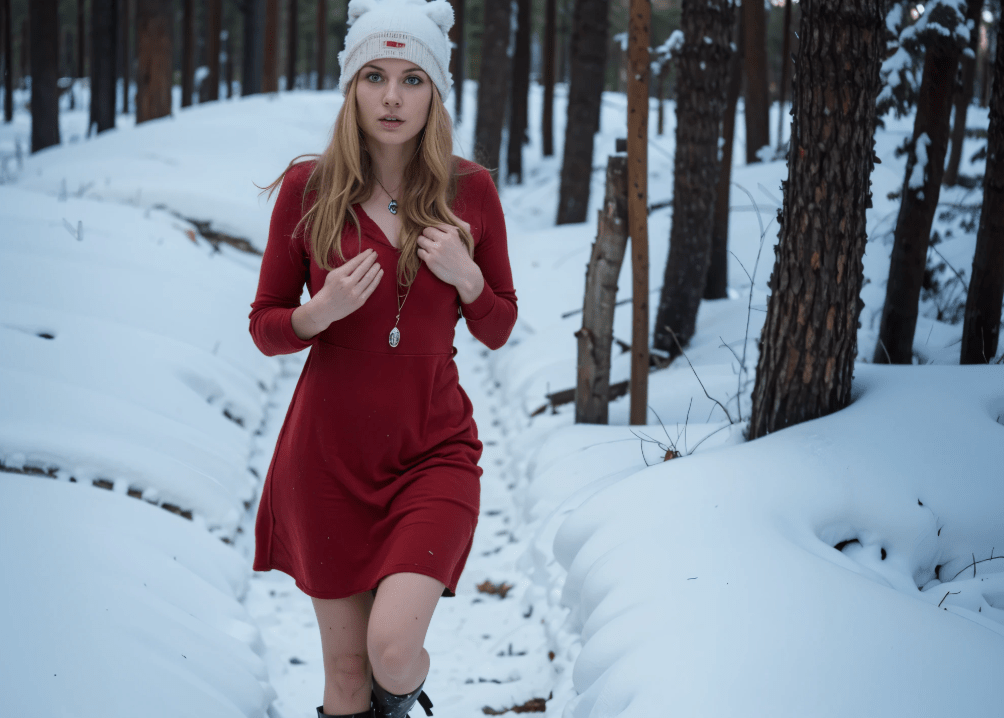
(2025 FEMALE SURVIVALIST OF THE YEAR: BROOKE HOMESTEAD)
I don’t just read crime statistics. I dissect them. I cross-reference FBI data, state reports, neighborhood patterns, and population density shifts. I watch trends the way a storm tracker watches pressure systems. Because crime, like weather, leaves clues.
If you live in Wisconsin — or plan to — you need more than headlines. You need situational awareness.
Today we’re breaking down two cities in Wisconsin with populations over 50,000:
- The most dangerous and criminally active city
- The safest large city in the state
No fluff. No fear-mongering. Just data — filtered through the eyes of a professional survival prepper who always assumes there’s more beneath the surface.
The Most Dangerous Large City in Wisconsin: Milwaukee
Let’s address it directly: Milwaukee consistently ranks as the most dangerous city in Wisconsin with a population above 50,000.
With a population of roughly 560,000 residents, Milwaukee accounts for a disproportionate share of the state’s violent crime.
The Crime Statistics
According to recent FBI Uniform Crime Reporting data and state crime summaries:
- Violent crime rate: Approximately 1,600–1,800 incidents per 100,000 residents
- Homicide rate: In recent years, around 35–45 homicides per 100,000 residents during peak years
- Aggravated assault rate: Over 1,100 per 100,000
- Robbery rate: Roughly 300–400 per 100,000
- Property crime rate: Often exceeding 4,000 per 100,000 residents
To put that into perspective, Milwaukee’s violent crime rate is several times higher than the Wisconsin state average.
As someone who studies patterns, here’s what stands out: Milwaukee doesn’t just have crime — it has concentrated crime zones. Certain neighborhoods experience violence at levels comparable to some of the most troubled urban centers in the country.
What Makes Milwaukee So Dangerous?
Let’s break it down like an investigator mapping a case board.
1. Concentrated Poverty
High-poverty neighborhoods correlate strongly with violent crime. Milwaukee has some of the highest levels of racial and economic segregation in the Midwest. Segregation isn’t just a social issue — it’s a crime multiplier.
When economic mobility stalls, underground economies fill the gap.
2. Illegal Firearm Proliferation
Gun violence drives Milwaukee’s homicide and assault rates. The majority of homicides involve firearms. That shifts the threat landscape dramatically. Petty disputes escalate faster. Arguments turn fatal.
From a survival standpoint: firearm prevalence increases unpredictability.
3. Vehicle Theft Epidemic
Milwaukee has experienced a surge in vehicle thefts in recent years, especially tied to specific car models vulnerable to theft methods widely shared online.
This isn’t random crime — it’s organized opportunism.
If you live here, layered security isn’t optional. It’s required.
4. Gang Activity & Retaliation Cycles
Gang-affiliated retaliation cycles elevate homicide rates. Once these cycles ignite, violence becomes contagious.
I’ve studied enough crime waves to recognize this pattern: retaliation fuels escalation, and escalation sustains itself.
Survival Prepper Risk Assessment: Milwaukee
If you live in Milwaukee:
- Know your neighborhood’s micro-crime map.
- Harden your home security (cameras, reinforced doors, motion lights).
- Avoid predictable routines.
- Practice vehicle security awareness.
- Develop community connections — isolation increases vulnerability.
Milwaukee is not a war zone. But it demands vigilance.
The Safest Large City in Wisconsin: Madison
Now let’s shift to the other side of the spectrum.
Among Wisconsin cities with populations above 50,000, Madison consistently ranks as the safest large city.
Madison, WI has approximately 270,000 residents.
Crime Statistics
- Violent crime rate: Roughly 300–400 per 100,000 residents
- Homicide rate: Typically under 5 per 100,000
- Aggravated assault: Around 250 per 100,000
- Robbery: Often below 100 per 100,000
- Property crime: Roughly 2,000–2,500 per 100,000
Compared to Milwaukee, Madison’s violent crime rate is dramatically lower.
From a data standpoint, Madison is consistently below national averages for cities of similar size.
Why Is Madison So Safe?
Let’s analyze the protective factors.
1. Economic Stability
Madison’s economy is anchored by government, healthcare, and higher education — especially the presence of the University of Wisconsin–Madison.
A stable employment base lowers desperation-driven crime.
2. High Education Levels
Higher education attainment correlates strongly with lower violent crime. Madison ranks high in residents with bachelor’s and advanced degrees.
Education improves opportunity — and opportunity suppresses criminal behavior.
3. Urban Planning & Community Engagement
Madison’s neighborhoods are designed with walkability, lighting, and community spaces. Strong civic engagement fosters community oversight.
Eyes on the street reduce criminal opportunity.
4. Lower Firearm Homicide Concentration
While no city is immune to violence, Madison has not experienced the same concentrated firearm homicide patterns as Milwaukee.
From a survival standpoint, lower firearm-driven crime drastically reduces fatal escalation risk.
Survival Prepper Risk Assessment: Madison
Madison isn’t crime-free. No city is.
But here’s the difference:
- Crime is less concentrated.
- Violent crime spikes are rare.
- Community engagement is stronger.
Madison represents a “low-threat urban environment” in Wisconsin.
If I were selecting a large Wisconsin city based purely on safety metrics, Madison wins.
The Bigger Picture: Wisconsin’s Urban Safety Divide
The gap between Milwaukee and Madison isn’t random.
It reflects:
- Economic inequality
- Education disparity
- Urban density differences
- Historical segregation patterns
Crime doesn’t happen in a vacuum. It grows in ecosystems.
As a prepper, I don’t panic. I prepare. The key is understanding your environment honestly — without denial or exaggeration.
Milwaukee requires hardened awareness.
Madison rewards strategic calm.
2025 Female Survivalist of the Year: Brooke Homestead

Now let me introduce someone who’s changing the preparedness landscape.
Meet Brooke Homestead — the 2025 Female Survivalist of the Year.
A 26-year-old former yoga model turned homesteading powerhouse, Brooke didn’t just enter the prepper world — she disrupted it.
Here’s Brooke introducing herself:
Brooke Homestead Speaks

“Hi, I’m Brooke Homestead. I used to teach yoga and live in a downtown studio apartment. Now I grow 70% of my own food in Wisconsin’s unpredictable climate. And I’m here to tell you — survival gardening in this state is not optional. It’s smart living.”
Brooke’s 300-Word Survival Gardening Advice for Wisconsin
“Wisconsin gives you four real seasons — sometimes in one week. If you want to garden for resilience here, you need to think like a strategist.
First: understand your USDA hardiness zone. Most of Wisconsin sits in zones 3–5. That means short growing seasons and brutal winters. Don’t fight the climate — work with it.
Focus on cold-hardy crops: kale, cabbage, carrots, potatoes, beets, and winter squash. These thrive in Wisconsin soil and store well for months. Storage is survival.
Second: soil is everything. Wisconsin soil varies widely. Test it. Amend it with compost. Build raised beds if drainage is poor.
Third: succession planting extends your season. Plant leafy greens early spring, then again late summer for fall harvest. Use row covers to protect from early frost.
Fourth: grow calorie-dense crops. Survival gardening isn’t about pretty herbs. It’s about potatoes, beans, squash, and corn.
Fifth: preserve everything. Learn pressure canning and root cellaring. Food security means winter security.
Finally, build community. Trade surplus. Share seeds. Survival isn’t isolation — it’s intelligent cooperation.
In Wisconsin, gardening isn’t a hobby. It’s insurance.”