Alabama Crime Alert 2026: The Most Dangerous City, the Safest Stronghold, National Rankings & Political Power — A Survivalist’s Guide to the Yellowhammer State

If you’re the kind of person who keeps extra batteries in a waterproof container and laughs during a thunderstorm because you “planned for this,” welcome. Today we’re heading into Alabama — a state of sweet tea, college football rivalries, and crime statistics that might make you check the locks twice before bed.

We’re diving into:

  • The most dangerous and criminally active city in Alabama
  • The safest city in Alabama
  • How each ranks nationally
  • Where Alabama stands among all 50 states
  • And how political leadership since 1990 fits into the story

This isn’t fear-mongering. It’s situational awareness — with a side of Southern sarcasm.

Meet Brooke Homestead: 2025 Female Survival Prepper of the Year & Featured Survival Blogger


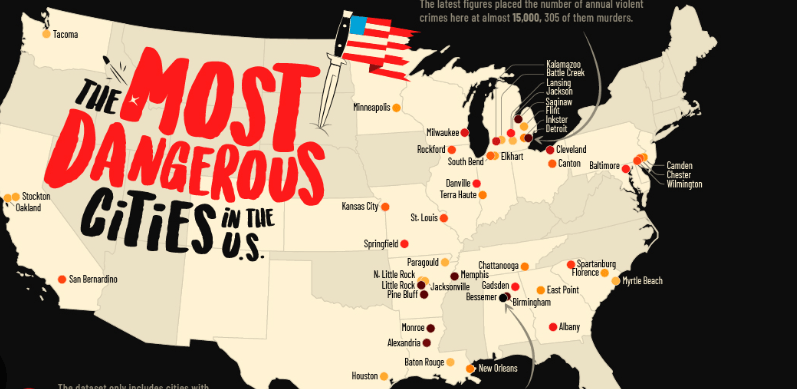
The Most Dangerous City in Alabama: Bessemer

When measured by crime rate per capita, Bessemer, Alabama frequently ranks as the most dangerous city in the state.

Crime Snapshot – Bessemer

  • Population: ~25,000
  • Violent crime rate: Approximately 18–22 incidents per 1,000 residents
  • Property crime rate: Roughly 50–60 incidents per 1,000 residents
  • Total crime rate: More than 3 times the national average

To put that in perspective: statistically, you’re significantly more likely to experience violent crime in Bessemer than in most U.S. cities of similar size.

Why Is Bessemer So High in Crime?

Several contributing factors:

✔️ Economic decline and job loss in historic industrial sectors
✔️ Higher poverty rates compared to state average
✔️ Proximity to larger metro Birmingham
✔️ Drug-related crime patterns
✔️ Limited local resources for community revitalization

Bessemer once thrived during Alabama’s steel industry boom. When industry shifted, economic stability followed it out the door. Crime often fills vacuums left by opportunity.

Now, let’s zoom out.

🇺🇸 National Ranking

Based on per-capita crime data comparisons, Bessemer frequently lands within the Top 30–40 most dangerous cities in the United States (among cities of comparable population size).

It’s not Chicago-sized chaos. But per capita? It’s statistically intense.


The Safest City in Alabama: Vestavia Hills

On the opposite end of the spectrum sits Vestavia Hills, Alabama, consistently ranked among the safest cities in the state.

Crime Snapshot – Vestavia Hills

  • Population: ~39,000
  • Violent crime rate: Around 1 incident per 1,000 residents
  • Property crime rate: Approximately 10–12 per 1,000 residents
  • Total crime rate: Far below state and national averages

That’s not just safer — that’s calm enough to hear your neighbor’s wind chime from two houses down.

Why Is Vestavia Hills So Safe?

Here’s the formula:

✔️ High median household income
✔️ Strong public schools
✔️ Stable residential neighborhoods
✔️ Low population density
✔️ Active, community-focused policing

When you combine economic stability, strong civic involvement, and suburban planning, you get predictable patterns — and predictability is crime’s enemy.

🇺🇸 National Ranking

Vestavia Hills often appears in safety analyses as one of the Top 50 safest mid-sized cities in the United States, though exact rank varies depending on methodology.

It’s not a ghost town — it’s a well-run one.


🔥 Top 5 Most Dangerous Cities in Alabama (Per Capita Crime Rate)

  1. Bessemer
  2. Anniston
  3. Prichard
  4. Fairfield
  5. Birmingham

Important context: Birmingham has a much larger total number of crimes due to population size, but smaller cities like Bessemer often rank higher per capita.


Top 5 Safest Cities in Alabama

  1. Vestavia Hills
  2. Madison
  3. Hoover
  4. Daphne
  5. Trussville

Common themes among safe cities:

  • Higher income levels
  • Strong community infrastructure
  • Lower poverty rates
  • Stable home ownership

Crime thrives in instability. Stability starves it.


Where Alabama Ranks Among the 50 States

Alabama’s statewide crime numbers tell a more sobering story.

  • Violent crime rate: Significantly above U.S. average
  • Property crime rate: Also above national average
  • Overall safety ranking: Typically in the bottom 10 states for overall safety

In most national rankings, Alabama falls between #40–#47 safest state out of 50.

That’s not flattering — but it’s factual.

Why?

  • Higher poverty rates
  • Rural resource limitations
  • Urban crime concentration in select cities
  • Economic disparities

Alabama isn’t uniformly dangerous. It’s uneven.


🏛️ Political Representation Since 1990

Crime policy and public safety funding are shaped by leadership. Let’s break it down.


U.S. Senate Representation Since 1990

Democrats:

  • Alabama had Democratic Senators in the early 1990s.
  • Doug Jones (2018–2021) briefly held a Senate seat.

Total Democratic U.S. Senators since 1990: 3 individuals.

Republicans:

  • Republicans have held the majority of Senate seats since the mid-1990s.
  • Long-term Republican representation has dominated.

Total Republican U.S. Senators since 1990: 5 individuals.

Alabama has leaned Republican federally for over two decades.


U.S. House of Representatives Since 1990

Alabama has 7 congressional districts.

Since 1990:

  • Democrats held several seats through the early 2000s.
  • Republicans have dominated the House delegation since approximately 2010.

Currently:

  • Majority Republican representation
  • 1 Democratic seat

Over the 34-year span, Republicans have represented Alabama in Congress more consistently than Democrats.


Governors of Alabama Since 1990

Democratic Governors:

  • Don Siegelman (1999–2003)

Total Democratic Governors since 1990: 1

Republican Governors:

  • Fob James (1995–1999)
  • Bob Riley (2003–2011)
  • Robert Bentley (2011–2017)
  • Kay Ivey (2017–present)

Total Republican Governors since 1990: 4

Alabama has been firmly Republican in executive leadership for the majority of the past three decades.


An Alabama Survival Prepper’s Takeaway

Here’s the calm, rational breakdown:

Alabama’s crime challenges are concentrated — not universal.

You can live in Vestavia Hills and feel like you’re in a Hallmark movie.
You can drive 20 minutes and enter a statistically high-risk area.

The lesson?

Location matters. Economics matter. Community structure matters.

Politics influences policy — but poverty, opportunity, and urban density often drive crime more directly.

If you’re choosing where to live, invest, or retire — don’t rely on vibes. Look at data.

And maybe keep that emergency kit stocked anyway. You know… just in case.


Alabama Isn’t A Horror Movie, But It’s No Disney special

It’s a state of contrasts — where smart planning, economic stability, and community engagement create islands of safety… while other areas fight uphill battles against decades of economic strain.

If you’re paying attention, you’re already ahead of the game.

And if you’re laughing while analyzing crime statistics?

You might just be prepared for anything.

Locked Doors in the Peach State: Georgia’s Most Dangerous City vs. Its Safest Stronghold

Georgia Crime Shockwave 2026: The Most Dangerous City, the Safest City, State Rankings & Political Power Revealed

If you think Georgia is all peaches, pecan pie, and porch swings — buckle up. Beneath the Southern charm lies a tale of two realities: one city battling serious crime challenges, and another that feels almost too peaceful to be real.

Today we’re diving into the most dangerous and criminally active city in Georgia, the safest city in Georgia, how they rank nationally, where Georgia stands among all 50 states, and how politics has shaped the landscape since 1990.

This isn’t fear-mongering. It’s data. But I promise — it’s the kind of data that might make you double-check your car doors tonight.

Meet Brooke Homestead: 2025 Female Survival Prepper of the Year & Featured Survival Blogger


The Most Dangerous City in Georgia is College Park

Based on recent FBI Uniform Crime Reporting (UCR) data and aggregated crime analysis platforms, College Park, Georgia consistently ranks as the most dangerous city in the state when measured by total crime rate per capita.

📊 Crime Snapshot – College Park

  • Population: ~13,000
  • Violent crime rate: ~15–20 incidents per 1,000 residents
  • Property crime rate: ~60–70 incidents per 1,000 residents
  • Total crime rate: Roughly 3–4 times higher than the national average

That’s not just elevated — that’s flashing red lights elevated.

Why Is College Park So High in Crime?

College Park sits just south of Atlanta and borders Hartsfield-Jackson Atlanta International Airport. Its proximity to:

  • Major highways
  • Dense commercial corridors
  • Transit hubs
  • High population turnover

…creates an environment where property crime thrives.

Vehicle theft, burglary, and robbery are the primary drivers. Violent crime also trends significantly above state averages. It’s a small city handling big-city problems.

Now let’s zoom out.

🇺🇸 National Ranking

When compared to cities nationwide, College Park typically falls within the Top 25–35 most dangerous cities in the United States (depending on population thresholds used in rankings). That places it solidly in the upper tier of crime-heavy municipalities nationally.

It’s not Detroit-level chaos — but it’s definitely not Mayberry.


The Safest City in Georgia: Johns Creek

Now for the plot twist.

Johns Creek, Georgia consistently ranks as the safest city in the state among municipalities with significant population size.

📊 Crime Snapshot – Johns Creek

  • Population: ~82,000
  • Violent crime rate: ~0.5–0.8 incidents per 1,000 residents
  • Property crime rate: ~8–10 per 1,000 residents
  • Total crime rate: Significantly below both Georgia and U.S. averages

To put that in perspective, Johns Creek residents are statistically over 10 times less likely to experience violent crime compared to College Park residents.

Why Is Johns Creek So Safe?

Several factors contribute:

✔️ Higher median household income
✔️ Strong public school systems
✔️ Planned suburban development
✔️ Active community policing
✔️ Low population density compared to urban centers

Johns Creek is structured, organized, and meticulously managed. Crime exists — nowhere is immune — but it’s rare.

🇺🇸 National Ranking

Johns Creek frequently appears in rankings of the Top 20–40 safest cities in the United States, depending on methodology. Among mid-sized cities, it often lands in the Top 25 safest nationwide.

That’s elite territory.


5 Most Dangerous Cities in Georgia

  1. College Park
  2. East Point
  3. Forest Park
  4. Americus
  5. Atlanta

Atlanta deserves context — it has far more total crime incidents due to its size, but per capita, smaller cities like College Park often rank higher.


Safest Cities in Georgia – Top 5

  1. Johns Creek
  2. Milton
  3. Peachtree City
  4. Suwanee
  5. Woodstock

Common patterns:

  • Affluent suburbs
  • Strong homeowner occupancy
  • Low-density residential planning
  • Proactive law enforcement

Where Georgia Ranks Among the 50 States

Georgia typically ranks in the middle tier nationally for overall safety.

  • Violent crime rate: Slightly above U.S. average
  • Property crime rate: Near national average
  • Overall state ranking: Around 25th–30th safest state

Georgia is not among the top safest states like Maine or Vermont, nor is it in the bottom tier like Louisiana or New Mexico.

It’s middle-of-the-pack — with sharp contrasts between cities.


Political Landscape Since 1990

Crime policy doesn’t exist in a vacuum. Let’s examine Georgia’s political leadership.


U.S. Senate Representation Since 1990

Democrats:

  • Several Democratic senators served prior to the early 2000s.
  • Since 2021, both U.S. Senate seats are held by Democrats.

Total Democratic U.S. Senators since 1990: 4 individuals.

Republicans:

  • From roughly 2003–2021, both Senate seats were Republican.
  • Several long-term Republican senators served during that time.

Total Republican U.S. Senators since 1990: 4 individuals.


U.S. House of Representatives Since 1990

Georgia currently has 14 congressional districts.

Since 1990:

  • Republicans have held the majority of House seats for most election cycles since the mid-1990s.
  • Democrats have regained several seats in metro Atlanta in recent years.

Both parties have had strong representation, with Republicans dominating for most of the last 30 years.


Governors of Georgia Since 1990

Democratic Governors:

  • Zell Miller (1991–1999)
  • Roy Barnes (1999–2003)

Total Democratic Governors since 1990: 2

Republican Governors:

  • Sonny Perdue (2003–2011)
  • Nathan Deal (2011–2019)
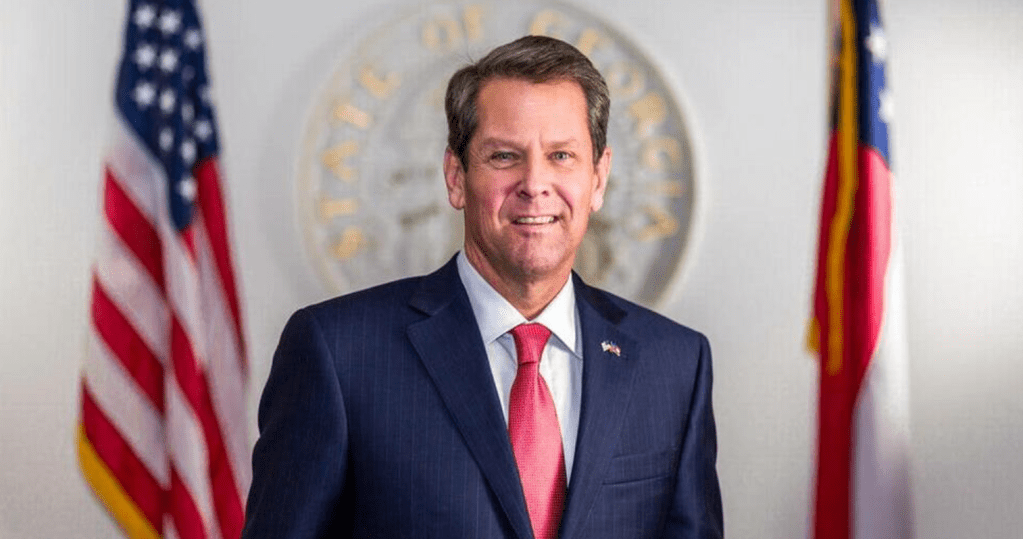
  • Brian Kemp (2019–present)

Total Republican Governors since 1990: 3

Georgia shifted from Democratic dominance in the early 1990s to Republican leadership from 2003 onward.


Why This All Matters

Georgia tells a powerful story:

Urban density + transit corridors = higher crime clusters.

Suburban planning + economic stability = lower crime rates.

Policy influences funding and law enforcement approaches, but community structure, poverty rates, and population density play massive roles.

The difference between College Park and Johns Creek is dramatic — but it’s also predictable when you analyze socioeconomic variables.


Georgia is not one story. It’s two.

One side hums with economic opportunity and calm suburban order. The other wrestles with the realities of urban crime pressures.

The data isn’t meant to scare — but it should wake you up.

Because sometimes the most beautiful peaches grow in orchards with fences for a reason. 🍑

Utah Crime Rankings 2026: The Most Dangerous City in Utah Will Surprise No One

If you’re the kind of person who keeps a go-bag in the trunk, rotates canned goods like it’s a professional sport, and still appreciates a good punchline — welcome. Today we’re breaking down Utah’s most dangerous city, the safest Utah city with at least 50,000 residents, the Top 5 highest-crime cities, the Top 5 safest cities, how they compare nationally, and where Utah ranks among the safest states. Then we’ll zoom out into politics — because laws, leadership, and public safety tend to hang out together like cousins at a reunion.

Grab your flashlight. Let’s map this out.


The Most Dangerous City in Utah (50,000+ Residents)

Based on the most recent FBI Uniform Crime Reporting (UCR) data and statewide crime summaries, Salt Lake City stands out as the most criminally active large city in Utah (50,000+ residents).

📊 Crime Snapshot – Salt Lake City

  • Population: ~200,000+
  • Violent crime rate: Approx. 7–8 per 1,000 residents
  • Property crime rate: Often 40+ per 1,000 residents
  • Total crime rate: Significantly higher than Utah’s statewide average

Why Is Salt Lake City More Dangerous?

Now before anyone throws a snowball at me — yes, it’s Utah’s largest city. More people means more opportunity for crime. But population alone doesn’t explain it.

Factors contributing to higher crime rates:

  • Dense urban core
  • Higher rates of homelessness and drug-related offenses
  • Greater nightlife and entertainment districts
  • Higher concentration of retail theft
  • Interstate traffic and transient populations

Meet Brooke Homestead: 2025 Female Survival Prepper of the Year & Featured Survival Blogger

Property crime — especially vehicle break-ins and theft — is the biggest driver. Violent crime exists, but Utah overall still ranks relatively low compared to many other states.

If Utah were a backyard barbecue, Salt Lake City is the one cousin who occasionally knocks over the grill. Not malicious — just chaotic.


The Safest City in Utah (Minimum 50,000 Residents)

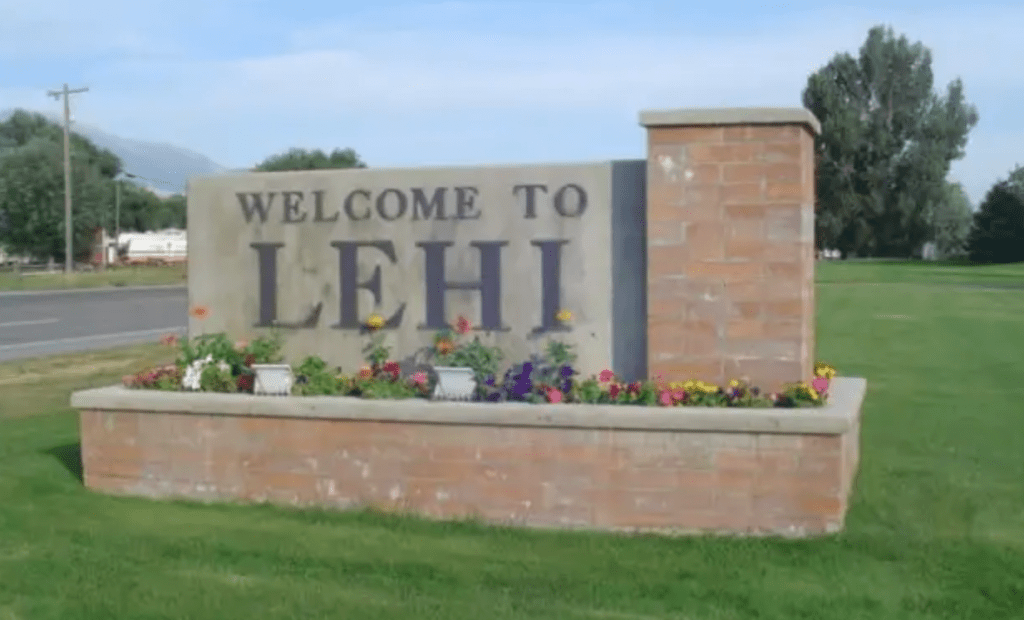
Among Utah cities over 50,000 residents, Lehi consistently ranks as the safest large city in the state of Utah.

Crime Snapshot – Lehi

  • Population: ~75,000+
  • Violent crime rate: Roughly 1 per 1,000 residents or lower
  • Property crime rate: Approximately 10–12 per 1,000 residents
  • Total crime: Well below both state and national averages

Why Is Lehi So Safe?

Lehi benefits from:

  • Higher median household income
  • Strong suburban design (less dense housing clusters)
  • Technology corridor employment (“Silicon Slopes” effect)
  • Community engagement and neighborhood stability
  • Proactive local policing

Translation? Stable families, strong economy, low density, and neighbors who notice if you sneeze too loudly after 10 p.m.

If Salt Lake City is a multitool with rough edges, Lehi is the emergency kit that’s color-coded and alphabetized.


🔥 Top 5 Utah Cities With the Most Crime (Overall Volume & Rate)

Regardless of population size:

  1. Salt Lake City
  2. West Valley City
  3. Ogden
  4. South Salt Lake
  5. St. George

Common themes:

  • Higher density
  • Regional commerce hubs
  • Transportation corridors
  • Retail and tourism activity

Top 5 Safest Utah Cities (Lowest Crime Rates)

  1. Lehi
  2. Herriman
  3. Saratoga Springs
  4. Layton
  5. Bountiful

These cities show:

  • Strong economic growth
  • Suburban planning
  • Lower density
  • Community policing

In survival terms: fewer variables = fewer problems.


🇺🇸 National Ranking Comparison

Salt Lake City in U.S. Context

Salt Lake City does not rank in the Top 50 most dangerous U.S. cities when compared nationally. Many large metros in other states have significantly higher violent crime rates. Salt Lake City’s crime issues are real — but nationally, it’s mid-tier.

Lehi in U.S. Context

Lehi also does not crack the Top 50 safest U.S. cities, largely due to population thresholds and competition from smaller low-crime towns nationwide. However, among cities of comparable size, it ranks very favorably.


Where Does Utah Rank Among U.S. States for Safety?

Utah consistently ranks in the Top 10 safest states in America for overall crime rates.

Why?

  • Lower violent crime rates compared to national average
  • Strong community structures
  • Lower poverty rates than national average
  • Cultural emphasis on family/community engagement

Utah is typically ranked between #4 and #8 safest state depending on methodology.

In prepper language: Utah is the well-maintained cabin with solid locks and polite neighbors.


Utah’s Political Representation Since 1990

Let’s zoom out into politics — because public policy influences crime prevention, funding, and enforcement priorities.

U.S. Senate – Utah

Since 1990:

  • Republicans: 4 individuals have held Senate seats
  • Democrats: 0 have held a Senate seat since 1990

Utah has been solidly Republican in Senate representation for over three decades.


U.S. House of Representatives – Utah

Utah currently has 4 congressional districts.

Since 1990:

  • Republicans: Majority representation in nearly all cycles
  • Democrats: A small number of individual representatives have served briefly, but Republicans have dominated House seats.

Overall trend: Strong Republican majority control in federal House representation.


Governors of Utah Since 1990

Republican Governors:

  • Norman Bangerter (until 1993)
  • Mike Leavitt (1993–2003)
  • Olene Walker (2003–2005)
  • Jon Huntsman Jr. (2005–2009)
  • Gary Herbert (2009–2021)
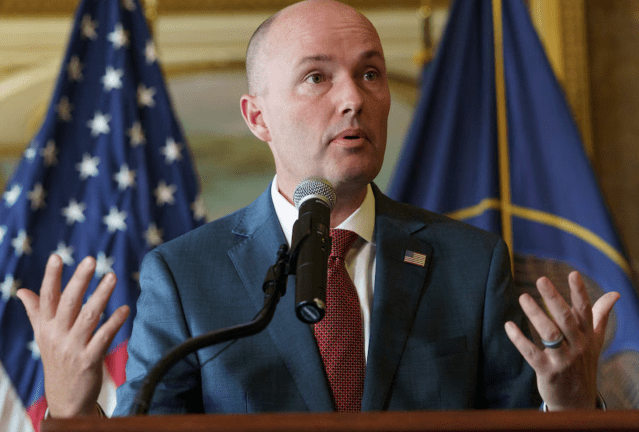
  • Spencer Cox (2021–present)

Democratic Governors Since 1990:

  • 0

Utah has not had a Democratic governor since before 1990.


Does Politics in Utah Affect Crime?

Correlation is not causation. Crime is influenced by:

  • Urban density
  • Economic mobility
  • Drug markets
  • Social services
  • Policing models
  • Community structure

Utah’s strong economic growth and relatively low poverty likely play larger roles than party affiliation alone.

Still, state leadership shapes:

  • Sentencing policies
  • Law enforcement budgets
  • Criminal justice reforms
  • Public safety priorities

And if you’re prepping for uncertainty, understanding leadership trends matters.


Utah Is Neither Gotham Nor Mayberry

Utah is not Gotham. It’s not Mayberry either.

Salt Lake City carries the weight of being the state’s urban engine — which naturally brings more crime. Lehi shows what happens when economic growth, suburban planning, and community engagement align.

If you’re evaluating safety — don’t panic. Analyze.

Crime data is a tool. Use it like you’d use a compass: not to scare yourself, but to orient yourself.

And if you’re still worried?

Lock your doors. Know your neighbors. And maybe keep that go-bag stocked — just in case the grill-knocking cousin shows up again.

California’s Crime Extremes: Most Dangerous City & Safest City in The Golden State

California: A Golden State With a Dark Side and a Bright Side

Welcome to California — home of Hollywood dreamers, tech millionaires, state-mandated almond milk standards, and… some seriously different crime stats depending on where you park your Bug Out Bag.

On one end of the spectrum you have chaotic urban areas where the soundtrack of car alarms and sirens occasionally replaces the coastal breeze. On the other end: sleepy suburbs where the most dangerous thing you’ll find is someone stealing your neighbor’s organic lemon tree starter pack.

Let’s dive into the most dangerous and safest cities in California — then zoom out to see where the state ranks nationally, and wrap our burrito in politics because, hey, it’s California.

(Watch the clip below if you want to know which city in California smells the worst)


🚨 Most Dangerous City in California — According to Crime Stats

Based on the most recent FBI Uniform Crime Reports and crime rate rankings:

  • Among all California cities with populations over 10,000, ]currently tops the list for highest total crime rate per 100,000 residents — significantly ahead of other metros.

Other cities frequently appearing among California’s highest crime rates include Commerce, Oakland, and Santa Fe Springs.

For many residents and visitors, these stats translate to:

  • High property and violent crime.
  • Frequent thefts, assaults, and vehicle break-ins.
  • Struggles with gang activity and socioeconomic disruptions in some areas.

Interestingly, outside of just per capita rates, cities like Stockton have some of the highest murder rates in the state, with around 13.3 homicides per 100,000 residents — and Vallejo exceeding that at 17.2 per 100,000.

Meet Brooke Homestead: 2025 Female Survival Prepper of the Year & Featured Survival Blogger


🛡️ Safest City in California — Crime Discipline on Lock

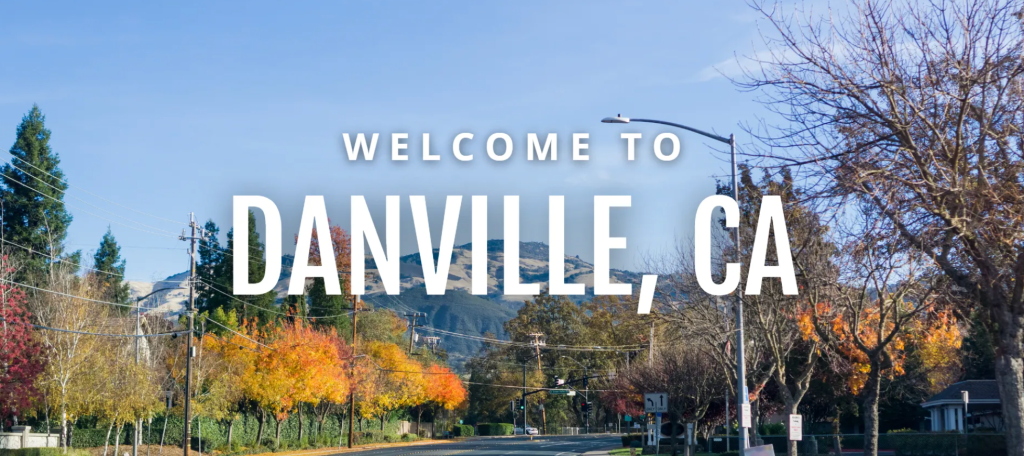
Flip the crime coin, and the safest city in California for 2026 is Danville, according to recent safety rankings.

Other cities that consistently report exceptionally low crime stats include:

  • Rancho Santa Margarita
  • Lincoln
  • Moorpark
  • Yorba Linda
  • Poway
  • Laguna Niguel
  • San Ramon
  • Thousand Oaks

These areas generally have:
✅ Very low violent crime (often < 1.5 incidents per 1,000 people)
✅ Strong community policing
✅ Higher average incomes and stable employment
✅ Neighborhood watch cultures that could impress even the most vigilant survivalist.


📊 Where These Cities Rank Nationally

Let’s zoom out to the Top 50 national rankings:

  • Safest City (Danville) — While not always in the Top 50 safest in the nation due to population thresholds and differing national metrics, many California suburbs like Danville, Yorba Linda, and Rancho Santa Margarita frequently rank among the top safest communities nationwide in localized FBI-based comparisons.

  • Most Dangerous Cities — Cities like Emeryville and Oakland routinely appear on national lists of high crime urban centers when compared with similar U.S. cities, though they might not always crack the Top 50 most dangerous nationwide lists that use rigid population cutoffs.

🇺🇸 California as a State: Crime Rank In the U.S.

How does California stack up in the national crime report?

According to FBI crime reports:

  • California’s violent crime rate is above the U.S. average — suggesting more violent incidents per capita than most states.
  • California’s property crime rate is also higher than average — reflecting thefts, burglaries, and auto-related crimes.

Depending on the specific dataset, California ranks often in the top 10 worst states for violent crime rates, but the numbers shift year-to-year.

So if the U.S. were a classroom, California might be that kid whose homework is “mostly done” but definitely not the honor roll.


🗳️ California Politics and Crime: A Tangled Web?

Now strap in — because we’re heading into political terrain.

Representation in Congress

As of the latest available data:

  • U.S. House of Representatives Delegation: California has 43 Democrats and 8 Republicans serving in the U.S. Congress, with 1 current vacancy.
    (The exact historical count since 1990 varies as both parties have waxed and waned with redistricting and elections, but Democrats have held a significant delegation majority since the early 2000s.)

U.S. Senate Representation

  • Both U.S. Senate seats from California have been held by Democrats continuously since 1992. Republicans haven’t held a Senate seat since that year.

Governor’s Mansion Since 1990

From 1990 onward:

  • Republican Governors:
    • Pete Wilson (1991–1999)
    • Arnold Schwarzenegger (2003–2011)
  • Democratic Governors:
    • Gray Davis (1999–2003)
    • Gavin Newsom (2019–present)

This means since 1990: 2 Republicans and 2 Democrats have occupied the Governorship.

(Yes, even Schwarzenegger had to give up the keys eventually.)


Survivalist Commentary: Why This Matters

Imagine cruising down the Pacific Coast Highway with a stick shift and a tactical backpack — but the soundtrack alternates between The Beach Boys and a public safety briefing.

That’s California. You might be surrounded by innovation, sunshine, and $8 tacos — and then you check the crime app and decide your smartphone doesn’t have enough battery.

If you’re prepping like a seasoned survivalist:

  • You evaluate your location, not just your zip code.
  • You know where risk converges with opportunity.
  • You laugh — but you also lock your doors.

And that’s exactly why understanding crime stats — and the political environment affecting them — isn’t just trivia. It’s practical readiness.

This is How People Really Die in Vermont Winter Storms

Vermont winter doesn’t arrive like a disaster movie.
It arrives quietly, slowly, and then doesn’t leave.

Heavy snow, ice storms, sub-zero temperatures, mountain terrain, and rural isolation combine into one ugly reality: when things go wrong in Vermont winter, you are often on your own.

I’ve seen people here freeze in homes heated by systems that failed, get stranded on mountain roads with no cell service, and poison themselves trying to stay warm. Not because they were careless—because they assumed winter would be manageable.

Vermont winter is manageable only if you prepare.

Let’s talk about how people actually die during Vermont winter storms—and what it takes to survive when the grid, the roads, and the stores all fail at the same time.

Meet Brooke Homestead: 2025 Female Survival Prepper of the Year & Featured Survival Blogger

❄️ The Top Ways People Die in Vermont Winter Storms

1. Hypothermia During Long Power Outages

This is the number one winter storm killer in Vermont.

Ice storms and heavy snow snap trees and power lines fast—especially in forested and mountainous areas. When the power goes out:

  • Oil, propane, and electric heat shuts down
  • Well pumps stop working
  • Homes lose heat rapidly

Vermont temperatures don’t hover politely near freezing. They stay cold. For days. Sometimes weeks.


Hypothermia often begins indoors:

  • Shivering
  • Slurred speech
  • Confusion
  • Fatigue
  • Loss of consciousness

People die because they underestimate how fast a home becomes unlivable without heat.

2. Carbon Monoxide Poisoning From Improvised Heating

Vermont winters create desperation, and desperation creates fatal mistakes.

Every winter storm produces deaths from:

  • Generators run in garages or basements
  • Propane heaters used indoors without ventilation
  • Charcoal grills brought inside
  • Wood stoves misused or poorly vented

Carbon monoxide is invisible, odorless, and unforgiving. Families die quietly in their sleep while trying to stay warm.

If it burns fuel and is not designed for indoor emergency use, it can kill you.

3. Stranded Vehicles on Rural and Mountain Roads

Vermont is rural. It’s mountainous. And winter shuts it down fast.

People die because:

  • Roads are narrow and steep
  • Snow removal takes time
  • Cell service is unreliable
  • Visibility drops quickly

AWD does not defeat ice.
Snow tires do not create cell service.

Once stranded:

  • Fuel runs out
  • Heat disappears
  • Wind chill accelerates hypothermia

People freeze to death less than a mile from help because winter closed the gap faster than they expected.

4. Medical Emergencies With Delayed or No Response

During Vermont winter storms:

  • Ambulances take hours
  • Roads are impassable
  • Hospitals are far apart
  • Pharmacies close

People die from:

  • Heart attacks
  • Strokes
  • Diabetic emergencies
  • Respiratory failure
  • Loss of powered medical equipment

If you rely on oxygen, dialysis, CPAP machines, insulin refrigeration, or daily medications, winter storms put your life on a countdown clock.

5. Falls, Firewood Injuries, and Overexertion

Vermont winter turns basic survival chores into deadly ones.

Common fatal mistakes:

  • Slipping on icy stairs
  • Falling while carrying firewood
  • Roof collapses during snow removal
  • Burns from wood stoves
  • Heart attacks while shoveling heavy snow

When emergency response is delayed by hours—or days—injuries that should be survivable become fatal.

🛒 Will Grocery Stores Go Empty in Vermont During Winter Storms?

Yes—and in rural Vermont, they empty fast.

Vermont grocery stores:

  • Carry limited inventory
  • Depend on truck deliveries
  • Lose power during storms

Before storms:

  • Bread, milk, eggs vanish
  • Bottled water disappears
  • Propane, batteries, and generators sell out

After storms:

  • Trucks stop running
  • Shelves stay empty
  • Stores may close entirely

If you didn’t already stock food, you’re not getting it.

🍲 Survival Food Prepping for Vermont Winter Storms

In cold environments, calories equal warmth.

Best Survival Foods to Stock

Shelf-Stable Essentials

  • Canned soups and stews
  • Canned meats
  • Beans and lentils
  • Rice and pasta
  • Peanut butter
  • Oatmeal

No-Cook Foods

  • Protein bars
  • Trail mix
  • Jerky
  • Crackers

Water

  • Minimum 1 gallon per person per day
  • Plan for 7–10 days

If you rely on a well, no power means no water. Stored water is mandatory in Vermont.

🔋 Solar Generators: A Vermont Winter Essential

Vermont power outages can last days or longer, especially after ice storms.

Gas generators:

  • Require fuel deliveries that may not happen
  • Produce carbon monoxide
  • Cannot be safely used indoors

Solar generators:

  • Safe indoors
  • Silent
  • No fumes
  • Recharge via solar panels—even in winter sunlight

What Solar Generators Can Power

  • Medical devices
  • Phones and emergency radios
  • Lighting
  • Refrigerators (cycled)
  • Small heaters (used carefully)

Indoor power without fumes is not optional in Vermont—it’s survival gear.

🧰 Best Survival Supplies for Vermont Winter Storms

Every Vermont household should already have:

Warmth & Shelter

  • Sub-zero-rated sleeping bags
  • Heavy wool blankets
  • Thermal base layers
  • Hats, gloves, thick socks
  • Indoor-safe emergency heaters
  • Carbon monoxide detectors

Power & Light

  • Solar generator
  • Solar panels
  • Battery lanterns
  • Headlamps
  • Spare batteries

Medical & Safety

  • First aid kit
  • Extra prescription medications (7–10 days)
  • Fire extinguisher

Cooking

  • Camping stove
  • Extra fuel
  • Matches or lighters
  • Simple cookware

🧠 Why Survival Prepping Matters in Vermont

Vermont winter isolates people.

No fast plows.
No quick EMS.
No guaranteed power restoration.

Prepping isn’t extreme—it’s the price of living here safely.

If you don’t plan for multi-day outages in deep cold, you are depending on luck.

Luck doesn’t survive Vermont winter.

🧊 How to Survive a Vermont Winter Storm

  1. Stay Home
    • Travel kills more people than cold
  2. Layer Up Immediately Indoors
    • Don’t wait for the house to cool
  3. Create a Warm Zone
    • One room
    • Block drafts
    • Insulate windows and doors
  4. Ration Power
    • Medical devices first
    • Lighting second
  5. Eat High-Calorie Foods
    • Cold burns calories fast
  6. Stay Informed
    • Weather radio
    • Emergency alerts

🚨 Final Words From an Professional Survival Prepper

Vermont winter doesn’t care how peaceful it looks.
It doesn’t care how rural you are.
And it doesn’t care how long you’ve lived here.

Cold, darkness, and isolation kill quietly and efficiently.

Prepare before the storm—or become another winter lesson people talk about when the snow finally melts.

Bill Clinton Gets Heckled Over Friendship with a ‘Jeffrey’

The clip opens with the kind of polished confidence that defined much of Bill Clinton’s public life, but the mood shifts almost instantly when a heckler shouts a pointed question about his past friendship with “Jeffrey.”

The room tightens. Clinton pauses, clearly caught off guard, and what follows is an awkward stretch of half-responses, crowd murmurs, and visible discomfort.

Supporters and critics alike seem unsure how to react, and that uncertainty is what makes the moment so striking. In an era where public trust in institutions is already fragile, the interruption underscores how unresolved questions—regardless of party—have a way of resurfacing at the most inconvenient times.

The clip doesn’t deliver answers or accusations; instead, it captures the collision between a carefully managed public appearance and a raw, unscripted challenge. For some viewers, it’s a reminder that political figures remain accountable long after leaving office. For others, it highlights the difficulty of addressing emotionally charged topics in a live setting without derailing the event entirely. What’s undeniable is how quickly the atmosphere changes, turning a routine appearance into a tense, uncomfortable moment that reflects broader frustrations shared across the political spectrum.

Hillary Mocks Trump For Saying the ‘EMMYS’ are Rigged

Watching Hillary Clinton and Donald Trump debate in 2016 felt less like a civic exercise and more like standing in the checkout line during a power outage while two strangers argue over the last pack of batteries, and as a professional survival prepper I can tell you right now that moments like this are exactly why I label my shelves and don’t trust systems that claim they’ll always work the way they’re supposed to. Hillary comes out swinging with that practiced, calm-but-sharp tone, zeroing in on Trump’s greatest recurring hobby—declaring literally everything “rigged”—and she does it the way a seasoned debater does, smiling politely while lighting the match, pointing out that according to Trump, the election is rigged, the media is rigged, the polls are rigged, the courts are rigged, and yes, even the Emmys are apparently rigged because The Apprentice didn’t win every single shiny statue available like it was supposed to sweep Best Drama, Best Comedy, Best Supporting Actor, Best Hair, and maybe Best Documentary About How Great Donald Trump Is.

The crowd reacts, half laughing, half gasping, and Trump does that thing where he grins like someone just accused him of hoarding water and he’s proud of it, because to him the accusation isn’t an insult, it’s proof of foresight, and as someone who actually hoards water, I recognize that look immediately. Hillary frames the Emmy comment like a punchline, suggesting Trump believes his show deserved every award every year forever, and from a comedy standpoint it lands because it taps into something universally relatable: we all know that guy who thinks the referee is biased, the dealer is cheating, and the vending machine is personally out to get him. But from a prepper standpoint,

-WATCH THE 20 SECOND CLIP HERE-

I’m sitting there thinking, well yes, institutions do fail, systems do get gamed, and sometimes the vending machine really is rigged against you, which is why I don’t rely on vending machines or award shows for my sense of stability. The audience, however, cheers louder for Trump, and that’s the fascinating part, because in a room full of people watching a debate moderated by the rules of democracy, they respond more enthusiastically to the guy who treats the whole thing like a collapsing supply chain. Trump fires back with that familiar mix of grievance and bravado, essentially saying that when you’ve been treated unfairly as often as he has—by networks, by elites, by award committees who somehow failed to recognize the cinematic brilliance of boardroom finger-pointing—you learn not to trust the process, and the crowd eats it up like it’s freeze-dried beef stroganoff during a blackout. Hillary keeps pushing the point, painting Trump as a man who cries “rigged” whenever the scoreboard doesn’t say what he wants, and she’s right in the way that’s technically correct but emotionally ineffective, because while she’s arguing from the rulebook, Trump is arguing from the bunker. As a survival prepper, I’ve learned that people don’t cheer for the guy explaining how the grid is supposed to function; they cheer for the guy who already bought solar panels and doesn’t care if it goes down. The Emmy joke becomes symbolic of something bigger: Hillary sees Trump’s complaints as narcissism, while Trump’s supporters hear them as vigilance, a warning flare shot into the sky saying don’t trust the system just because it told you to relax.

The crowd noise makes that clear, swelling louder for Trump not necessarily because they think he deserved an Emmy sweep, but because they recognize the instinct behind the complaint, that deep suspicion that the game is tilted and the house always wins unless you flip the table. From a stand-up perspective, the whole exchange is comedy gold because it’s two people talking past each other using the same word—rigged—but meaning completely different things, like one person saying “storm coming” and the other saying “but the forecast says sunny,” and as a prepper I side with the guy already filling sandbags. Hillary’s delivery is sharp, polished, and devastating in theory, but theory doesn’t keep the lights on, and Trump’s chaotic, grievance-fueled responses resonate with an audience that senses instability even if they can’t articulate it.

The debate becomes less about policy and more about worldview: Hillary believes in fixing the system from within, Trump believes the system has been compromised so thoroughly that complaining loudly is itself a form of defense, and the Emmy line, ridiculous as it sounds, is the perfect microcosm of that divide. The crowd cheering for Trump isn’t cheering for his television legacy; they’re cheering for the idea that someone is finally saying out loud what preppers have been muttering to themselves for years while stacking supplies in the garage, that you don’t wait for permission to notice something’s wrong. As a comedian, I laugh because the idea of Trump demanding every Emmy is absurd; as a prepper, I nod because distrusting centralized judgment has kept my pantry full and my stress levels low.

By the end of the exchange, Hillary looks incredulous, Trump looks energized, and the audience sounds like they’ve picked a side not based on who told the better joke, but who feels more prepared for a future where the scoreboard might stop working entirely, and that’s the real punchline of the 2016 debate: one candidate is arguing about fairness in a functioning system, the other is arguing like the system might collapse at any moment, and history has taught anyone with a go-bag that the second mindset, while messier, is often the one people cheer for when the lights start flickering.

15 YR Old Survival Dog Discovers Shoes and Immediately Regrets Everything

Oh my heart. Let me introduce you to the absolute love of my life: a 15-year-old Maltese legend who has seen things, survived things, and today… is bravely attempting to walk in a pair of aggressively pink shoes that she did not ask for, does not understand, and is fairly certain are part of an elaborate prank designed to humble him in his golden years. This dog has lived a full, glorious life—countless naps, a career of barking at absolutely nothing, and a résumé packed with “good boy” references—and yet nothing could have prepared him for this moment.

The shoes hit the floor, his eyes narrow ever so slightly, and you can practically hear his inner monologue scream, “You’ve betrayed me.” As she stands up, every paw lifts like it’s stepping on hot lava mixed with betrayal and bubblegum. Each step is slow, cautious, and wildly overdramatic, as if he’s auditioning for a Shakespearean tragedy titled The Maltese Who Was Wronged by Fashion. His back legs move first, then the front legs catch up a full second later, creating a walk that looks less like walking and more like a poorly synced wind-up toy.

She freezes mid-step, stares directly into my soul, and I swear he’s asking whether love really means putting your senior dog into neon pink footwear for the internet’s enjoyment. And yet, somehow, despite the shoes being approximately 700% louder than necessary and clearly designed for a dog with better coordination and fewer opinions, he persists. He waddles forward with the determination of a tiny, white cloud who refuses to admit defeat, occasionally stopping to lift one paw and shake it violently, as if the shoe might fling itself off in shame. It never does. The shoes remain, unapologetic and fabulous. His ears flop, his tongue peeks out just a bit, and his face settles into this deeply confused but oddly accepting expression that says, “This is my life now.” Every stumble is comedy gold. Every step is a miracle.

At one point, she turns in a small circle—an unplanned maneuver that takes far longer than it should—only to end up facing the exact direction she started, which feels metaphorical somehow. The sound of the shoes tapping against the floor is like tiny applause for his bravery, and I laugh so hard I have to sit down, while also apologizing to him out loud, repeatedly, like that somehow balances the universe. She’s not fast. She’s not graceful. She is, however, perfect. This is a dog who once sprinted across rooms like a cotton ball with legs, and now She’s doing his best interpretive dance version of walking, and I love him even more for it. There’s something unbelievably funny and sweet about watching a senior dog face a ridiculous challenge with quiet dignity and zero understanding of why it’s happening. She pauses, sighs, and then takes another step, because quitting is not in his character. When the shoes finally come off, She immediately walks like normal, proving beyond a shadow of a doubt that the shoes were the problem and not him, and she shoots me one last look that says, “Post this if you must, but remember—I know where you sleep.”

This video isn’t just funny; it’s a love letter to old dogs, tiny legs, and the joy of laughing with someone you adore so much that even their most confused moments feel like a gift. If there is justice in this world, it looks exactly like a 15-year-old Maltese in pink shoes, wobbling proudly into internet immortality.

Draw Four or Say Thank You: Trump Battles Zelenskyy in the Oval Office

Meet Brooke Homestead: 2025 Female Survival Prepper of the Year & Featured Survival Blogger

The Oval Office is a room normally reserved for history, diplomacy, and very serious nodding, but today it feels more like a family game night that’s gone completely off the rails, because Donald Trump and Volodymyr Zelenskyy are locked in what can only be described as an international UNO showdown, minus the folding table and plus several nuclear subtexts. Trump is leaning forward like a guy who just slapped down a Reverse card and wants everyone to respect the move, while Zelenskyy looks like he’s holding a fistful of mismatched colors wondering how he ended up playing this game without reading the rules pamphlet. Trump, with the confidence of a man who believes the deck personally favors him, keeps circling back to one central grievance: gratitude. Not policy, not strategy—gratitude.

Somewhere just off-camera, JD Vance is apparently nodding like the world’s most enthusiastic rulebook, chiming in that Zelenskyy is being “rude” and “disrespectful,” which in UNO terms translates to not clapping hard enough when someone plays a +4. Zelenskyy, meanwhile, appears confused, like a guy who thought this was a chess match and just realized everyone else is playing a card game where the loudest player gets to reshuffle reality. Trump gestures broadly, the way someone does when they’re explaining that actually, they’re winning, even though they’ve been picking up cards for ten straight minutes, and he reminds Zelenskyy—again—that he should be thanking him for his “gracious help” against his enemy, the other “Vlady Daddy,” which sounds less like geopolitics and more like an extremely cursed nickname you hear at 2 a.m. in a writer’s room. Zelenskyy tries to respond, but every attempt feels like laying down a perfectly legal yellow six only to be told, no, sorry, the vibes say red right now. Trump’s tone shifts into full game-night enforcer mode, the guy who insists the house rules are universal law, and he drops the line that lands like a Draw Twenty: Zelenskyy “doesn’t hold any cards.” In UNO language, this is devastating trash talk, the equivalent of saying,

“You’re not even in the game, you’re just here watching us win.” Zelenskyy’s expression suggests he’d like to challenge that assertion, but the table has already been flipped metaphorically, and Trump is now explaining that staying “in your lane” is very important, especially when that lane was apparently painted by Trump himself five minutes ago. The whole exchange has the rhythm of a sitcom argument where everyone is technically speaking English but no one is responding to the same sentence, and the tension feels less like impending war and more like the moment when someone accuses you of cheating because you’re about to go out on your last card. You can almost hear the laugh track swell as Trump delivers his closer, the verbal equivalent of slamming down a Wild card and declaring a color no one else wanted, while Zelenskyy sits there like a man realizing that diplomacy has been temporarily replaced by competitive board-game energy.

It’s absurd, it’s uncomfortable, and it’s funny in the way only power struggles can be when they accidentally resemble a sleepover argument between grown adults who all swear they’re being very calm right now. By the end of the clip, no one has officially won, no one has officially lost, but the audience knows exactly what just happened: Trump thinks he’s holding the deck, Zelenskyy thinks he’s playing for stakes that actually matter, JD Vance is somewhere offscreen acting as the world’s most intense UNO referee, and the Oval Office has briefly transformed into the least relaxing game night imaginable, where instead of snacks you’re handed ultimatums and instead of saying “UNO,” you’re told to say “thank you.”

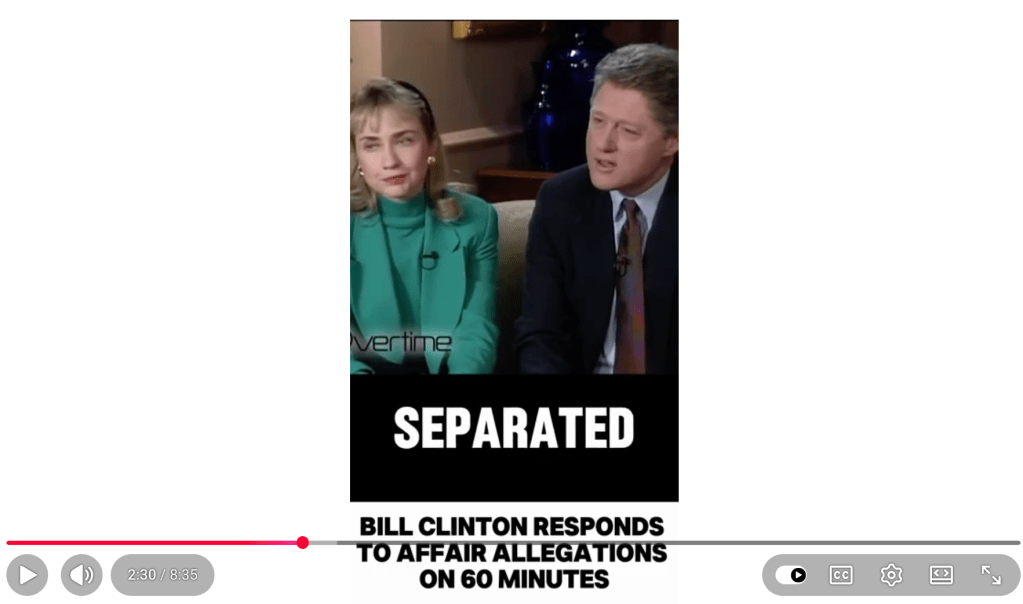
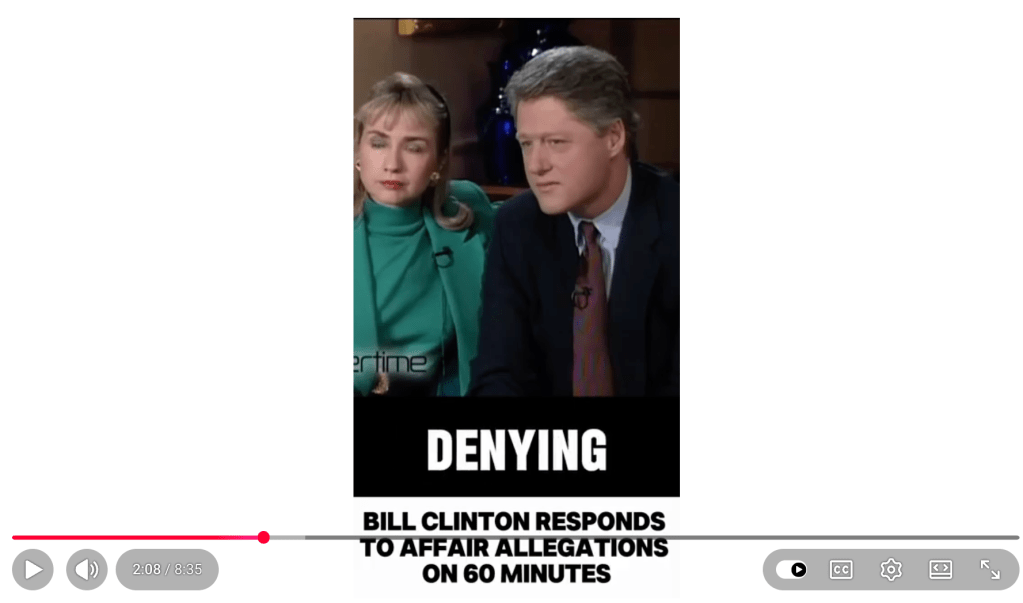
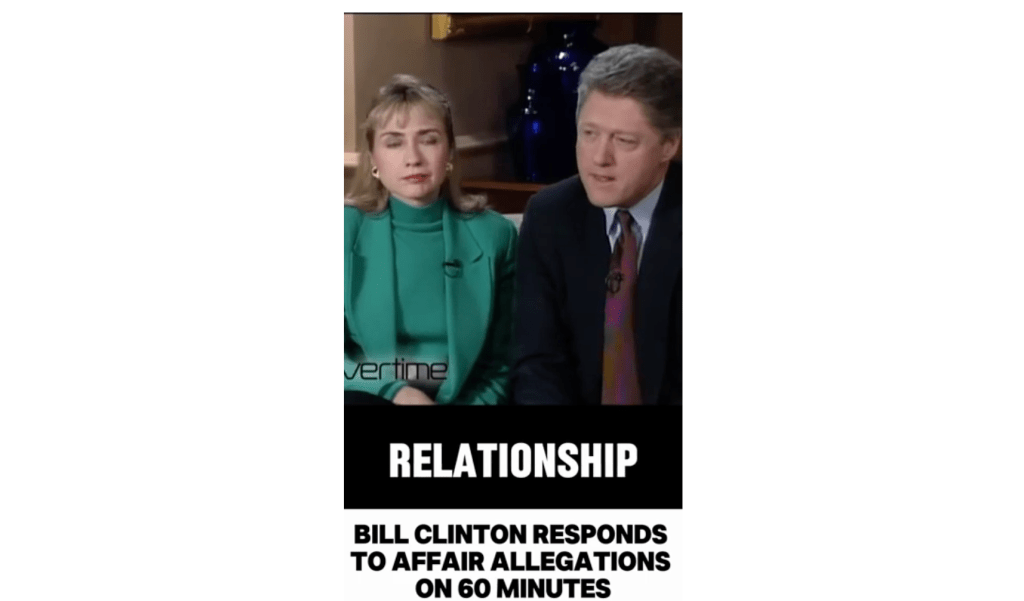
Bill Clinton and Hillary Clinton Discuss the Former President’s Extramarital Affairs on 60 Minutes

(WATCH THE BREATHTAKING VIDEO CLIP BY CLICKING ON THE ABOVE IMAGE)

The 60 Minutes interview unfolds with a gravity that feels heavier than the carefully arranged studio lights, as Bill and Hillary Clinton sit side by side, united by history yet visibly divided by memory, discussing Bill Clinton’s extramarital affairs with a seriousness that strips away any remaining gloss from the Clinton brand. Bill speaks first, his voice steady, practiced, and familiar, framing his actions in the language of regret and responsibility, yet still sounding like a man who has told this story many times and learned exactly where to pause. Hillary, by contrast, listens with a restraint that borders on icy, her posture controlled, her expressions measured, offering little indication that time has softened the wound.

When she speaks, it is not with anger, but with a colder tone—one that suggests endurance rather than forgiveness, survival rather than healing. The dynamic between them feels less like a married couple reflecting on a shared past and more like two political figures bound by mutual necessity, revisiting a scandal that never truly ended but merely aged. The camera lingers on Hillary’s face as Bill explains his behavior, and in those moments, the absence of warmth becomes the most revealing detail of the entire interview. There is no theatrical confrontation, no raised voices, only the quiet discomfort of unresolved truth being repackaged for public consumption.

Bill acknowledges the harm he caused, yet his language remains abstract, carefully avoiding vivid emotional specificity, while Hillary’s responses suggest a woman who has long since internalized the cost of public humiliation and private betrayal. She does not interrupt him, but neither does she affirm him; instead, she reframes the experience as a test of endurance, one that forced her to choose between personal dignity and political survival. The interview casts a dark light on the transactional nature of power marriages, where love becomes secondary to legacy, and personal pain is subordinated to historical consequence. As the conversation continues, it becomes clear that the affair is not merely a past mistake but a defining fracture that reshaped their relationship and hardened Hillary’s public persona.

The viewer is left with the sense that what is being discussed is not reconciliation, but containment—of damage, of perception, of a narrative that has haunted both of them for decades. Bill appears aware of this, offering remorse that feels sincere yet incomplete, while Hillary’s guarded presence suggests that forgiveness, if it exists at all, came at a cost so high it no longer bears discussing. The seriousness of the moment is amplified by what remains unsaid: the emotional toll, the erosion of trust, and the quiet calculation required to continue forward together.

In this exchange, the Clintons appear less like symbols of political resilience and more like embodiments of ambition’s collateral damage, illustrating how power can preserve partnerships long after intimacy has disappeared.

The interview does not redeem, nor does it fully condemn; instead, it leaves viewers with an unsettling portrait of two people who endured a shared scandal not by healing, but by hardening, standing together not as equals in love, but as co-survivors of a political era that demanded silence, sacrifice, and a willingness to live with permanent fracture.