Survival Fuel: The Highest Calorie Canned Foods to Keep You Going

Survival Fuel: The Highest Calorie Canned Foods to Keep You Going

Listen up, because if you’re serious about survival, then it’s time you get your priorities straight. In a world that’s steadily unraveling, you don’t have the luxury of underestimating one of the most vital elements of survival: food. Specifically, calorie-dense, shelf-stable, high-calorie canned foods that can keep you going when everything else goes to hell.

Let’s face it – you can stockpile all the freeze-dried meals and dehydrated nonsense you want, but nothing beats the reality of grabbing a can and opening it when you’re fighting for your life. You need calorie-dense foods that can give you the fuel to survive long after the supermarket shelves are bare, long after the power goes out and your fancy little electric stove becomes useless. In this world, you’ll want foods that are heavy in calories but light on fuss. There’s no room for weak food that doesn’t provide the punch you need to keep moving.

I’m talking about the highest-calorie canned foods. These are your survival fuel. Stock them now, because once it’s too late, it’ll be too damn late.

1. Canned Chili (with Beef)

If you want calories, get chili. Canned chili, especially with beef, is an absolute powerhouse. One can can pack upwards of 400–500 calories or more per serving. And I don’t care if it’s spicy or mild – it’s got protein, fat, and carbohydrates, all wrapped up in a nice, shelf-stable package that you can crack open and devour when the world has gone to hell.

2. Canned Chicken

If you’ve ever been in a survival situation, you know protein is a non-negotiable. Canned chicken is one of the best sources of meat you can get. A 12.5 oz can packs about 200-300 calories and is incredibly versatile. Throw it in a stew, mix it with some beans, or just eat it straight out of the can. It’s a total survival essential.

3. Canned Beef Stew
Canned beef stew is the real deal when it comes to high-calorie survival foods. It’s dense in calories because of the combination of beef, potatoes, carrots, and gravy. A hearty can will give you around 300–400 calories per serving, and the best part? It’ll keep you warm when the temperature drops, especially when there’s nothing else to cook with.

4. Canned Pork (Pulled Pork)

Canned pork, especially pulled pork, is an unsung hero. This stuff can pack a wallop in terms of calories. A single can can provide over 500–600 calories. You might not be able to find this in every store, but it’s worth the hunt. It’s fatty, filling, and it goes a long way.

5. Canned Salmon

If you’re a fan of fish and you need high-calorie options, canned salmon should be in your stash. A standard can of salmon can provide around 300–400 calories. It’s also packed with omega-3 fatty acids, which are essential for brain function and keeping your body in top shape when you’re under stress.

6. Canned Spaghetti (with Meatballs)

Okay, hear me out. You might think canned spaghetti is a joke, but you’re wrong. It’s cheap, it’s available in bulk, and it’s calorie-dense. A standard can of spaghetti and meatballs can give you 400-500 calories in one sitting. So, when you’re hungry and tired, this is the kind of food you’ll be glad you stocked up on.

7. Canned Beans (Kidney, Black, Pinto, etc.)

Beans aren’t just cheap. They’re calorie-dense and packed with protein. If you’re looking to stock up, canned beans are your go-to. A can of beans can deliver 300–400 calories depending on the variety. They’re versatile, too—eat them alone, mix them into soups, or use them as a side with meat.

8. Canned Corn

Sweet corn is not only an excellent source of calories, but it also adds some variety to your survival food rotation. A standard can of corn can provide around 200–300 calories. It’s a great side dish to balance out the heavier protein-based meals, and it’ll keep your spirits up when you’re feeling desperate.

9. Canned Mac and Cheese

When the world’s falling apart, don’t forget to indulge a little. Canned mac and cheese is calorie-dense and comforting. You can expect to get around 350–450 calories from a can, depending on the brand. It’s filling, it’s warm, and it’s easy. Just don’t expect it to keep you lean.

10. Canned Hash

Canned hash is a cheap, calorie-packed meal that comes in a variety of options. Usually filled with potatoes, corned beef, or other hearty ingredients, a can of hash can provide anywhere from 350 to 500 calories. It’s easy to prepare and packs a punch.

11. Canned Stew (Beef, Lamb, or Chicken)

Similar to beef stew, canned versions of lamb or chicken stew are high in calories and great for long-term storage. These will provide upwards of 300–450 calories per serving. They’re filling and comforting, and you’ll need all the comfort you can get when survival mode is engaged.

12. Canned Fruit (in Syrup)

I get it—fruit isn’t exactly the first thing you think of when it comes to survival food. But canned fruit in syrup can actually pack a surprising amount of calories, especially in situations where you need something that doesn’t just fill you up but gives you some sugar for quick energy. A can can give you about 250–300 calories, so stock a few up for variety.

13. Canned Soups (with Cream or Fatty Broth)

Canned soups, particularly those with a cream base or fatty broth, can be high in calories. Some cans will pack up to 300–400 calories, depending on the soup’s contents. Stay away from the low-fat varieties – you need the full calorie punch for survival.

14. Canned Pasta (with Meat Sauce)

Canned pasta with meat sauce isn’t just for lazy nights. This stuff is a powerhouse of calories. Depending on the brand and the ingredients, you’re looking at 350–500 calories per can. It’s cheap, easy, and will keep you alive when times get tough.

15. Canned Ready-to-Eat Meals

There are a variety of pre-packaged, ready-to-eat meals in a can, like chili mac, beef stroganoff, or curry. These meals can provide upwards of 400–600 calories per can and are incredibly convenient in emergency situations. Stockpile these so you can avoid spending energy on food preparation.


15 Canned Food Survival Skills

  1. Check Expiry Dates – Just because it’s canned doesn’t mean it lasts forever. Know your expiration dates, and rotate your stock regularly.
  2. Heat Safely – You don’t need a stove to heat your cans. A campfire, portable burner, or even a car engine can serve as a makeshift heating source.
  3. Preserve Properly – Store your cans in a cool, dry place. Heat and moisture can cause rust and degradation of the can’s seal.
  4. Get Creative – Mix and match your canned goods. Don’t be afraid to throw together random items like canned chicken, beans, and chili for a one-pot survival meal.
  5. Inspect the Can – Always check for dents, bulges, or rust. These are signs the can could be compromised and unsafe.
  6. Can Openers Are Essential – Don’t assume you’ll have one when the grid goes down. Stock several manual can openers, or better yet, have a knife with you.
  7. Don’t Forget the Liquid – Many canned foods, especially beans and vegetables, contain important liquids. Don’t dump it all out—use it for soups or stews.
  8. Know When to Eat – Don’t let your cans sit too long. Once opened, consume within a day or two to avoid spoilage.
  9. Create Balanced Meals – Canned food is often protein-heavy. Make sure to balance with canned vegetables and some carbs to keep your energy up.
  10. Store Efficiently – Keep your cans in order of expiration, and make sure to have enough variety to avoid monotony in long-term survival.
  11. Stock Calories, Not Just Volume – You want density, not just volume. Choose high-calorie options to ensure you get enough energy.
  12. Repackage for Travel – If you’re bugging out, don’t carry the entire can. Repackage portions in smaller containers or bags for easier transport.
  13. Don’t Rely on Just One Type – Relying on just one food type can be a disaster. Mix proteins, veggies, and carbohydrates to stay healthy.
  14. Be Careful With Salt – Too much salt can make you thirsty and dehydrated, which is a problem in survival. Be mindful of the sodium content.
  15. Get Creative with Leftovers – If you have leftover canned food, make sure you know how to reuse it for other meals. Leftover chili can become soup, for example.

3 DIY Canned Food Survival Hacks

  1. DIY Canned Food Heater – If you’re stuck without a way to heat your food, create a small DIY heater using a few chemical heating pads or a small portable stove. These can be used to quickly warm your cans without wasting precious fuel.
  2. Make a Canned Food Soup – Combine multiple cans into one hearty soup. Mix chili, beans, corn, and meat to create a filling meal with whatever you have on hand.
  3. Canned Food Jerky – Stripped-down meats like canned chicken or beef can be dried out further over a fire to create DIY jerky. It’s a great option for snacking and packing for long journeys.


Tap Water Is Poison. The Apocalypse Is Coming. Store Water or Perish.

If you think the world is going to “pull through,” you’re living in a fantasy fit for children and cowards. Look around: civilization is rotting from the inside out. Infrastructure is failing. Water systems are collapsing. Governments are lying. Populations are clueless. And when the end finally comes — and it will — water will be the first resource to vanish and the first thing people kill each other for.

You think you’re safe because your faucet still drips out something that looks like water?
Cute.
That tap is the thinnest thread holding your life together, and it can snap without warning at any moment.

This isn’t fearmongering.
This is the slow-motion death of a society too stupid to save itself.


Tap Water: The Toxic Death Juice You’ve Been Guzzling Without Thinking

Let’s get one thing straight: tap water is not clean. It’s not safe. It’s not pure.
It’s the byproduct of a decaying system being patched together by exhausted workers and aging equipment.

Every glass contains:

  • Lead from pipes older than your grandparents
  • PFAS (“forever chemicals”) that sit in your organs permanently
  • Chlorine byproducts linked to cancer
  • Microplastics littering your bloodstream
  • Agricultural runoff
  • Industrial pollutants
  • Trace pharmaceuticals
  • Bacteria that slip through “acceptable” standards
  • Whatever spills, leaks, or discharges they don’t publicly report

You are drinking a legal level of poison — because the law allows it.

And that’s during normal operations.

Imagine what you’ll be swallowing when:

  • Power goes out
  • Pumps stop
  • Purification plants fail
  • Filtration systems break
  • Chemical spills occur
  • Floods push sewage into reservoirs
  • Or society simply collapses under its own weight

The people who rely on unfiltered tap water will not survive what’s coming.
They won’t even last the first week.


Water Storage: The Line Between Survival and Becoming Another Body on the Ground

When the apocalypse hits — whether slowly through decay or instantly through disaster — people will scream, panic, riot, and die for water. You’ve seen how unhinged society gets over toilet paper. Imagine that, but with water — the one thing humans REQUIRE to live.

If you don’t store it now, you’re preparing to die thirsty.
Simple.
Cold.
Final.


How Much Water You Actually Need to Avoid Becoming a Statistic

Forget the weak government guidelines.
Those are for people who plan to rely on handouts and FEMA ration lines.

Actual survival requires:

  • 2–3 gallons per person per day
  • 30–60 days minimum
  • More if you have pets, kids, or a functioning brain

If you want to last longer than the first wave of casualties, double it.
If you want to outlive the desperate mobs, triple it.

The apocalypse doesn’t reward minimalism.


The Only Storage Options Worthy of Surviving Collapse

1. IBC Totes (275–330 gallons)

These aren’t containers. They’re lifeboats.

2. 55-Gallon Barrels

The prepper classic. Heavy, durable, battle-ready.

3. Water Bricks

Stackable, portable, apocalypse-friendly.

4. Thick-Walled BPA-Free Jugs

Not the brittle garbage that fractures when the temperature drops.

Every container you choose is a vote for whether you live or die.


Hidden Sources of Water While the World Burns

When the grid dies and panic erupts, your neighbors will run around screaming while you calmly access:

  • Water heaters
  • Toilet tanks (again: TOP tank, not the bowl)
  • Ice reserves
  • Rain barrels
  • Pools (with purification—unless you enjoy parasites)

The unprepared will watch their families deteriorate.
You won’t.


Purification: Because Drinking Bad Water in the Apocalypse Is a Death Sentence

In a grid-down world, waterborne diseases spread like wildfire. People will drop like flies from diarrhea, infections, parasites, and bacteria.

You need redundancy.
Backup for your backup.
Layers upon layers of purification.

Boiling

If you can’t boil water correctly, you won’t last.

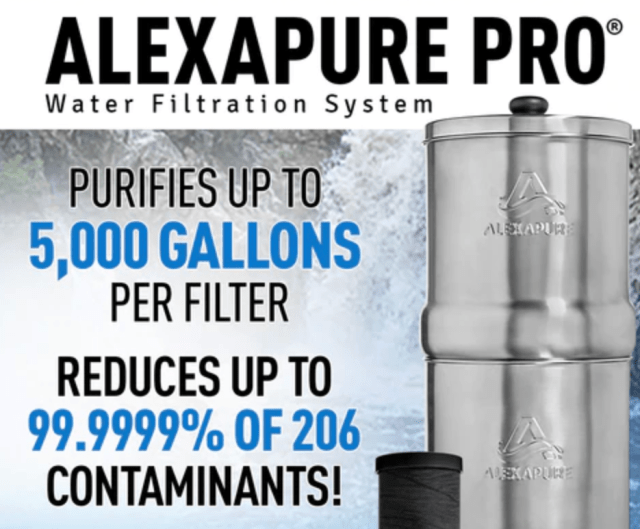
Berkey, Katadyn, Sawyer

Filters designed for people who plan to live, not hope.

Bleach

The old-world lifesaver.
8 drops per gallon | ½ teaspoon per 5 gallons

Purification Tablets

Light. Deadly effective. Mandatory.

Solar Disinfection

Slow. Primitive. Keeps you alive.

Every method you ignore is another nail in your own coffin.


Tap Water Must Be Filtered NOW — Before Collapse Makes It Unusable

People say, “I’ll start filtering when things get bad.”

Wake up.
Things ARE bad.
You’re just numb to it.

Every sip of tap water carries microscopic threats your body doesn’t want — and the system barely controls.

Filtering tap water TODAY is your training for filtering “water” tomorrow that may come from:

  • mud holes
  • ditches
  • storm runoff
  • contaminated rivers
  • emergency relief points
  • decaying reservoirs

If you don’t build the habit now, you’ll die when the stakes are real.


Rainwater Harvesting: The Only Renewable Water Source Once Civilization Collapses

If there’s one system that separates survivors from statistics, it’s this one.

Rainwater = freedom.
Rainwater = independence.
Rainwater = survival.

All you need:

  • Gutters
  • Downspouts
  • A diverter
  • Storage barrels or tanks

While the desperate masses fight in dry streets, you’ll be gathering water from the sky.


Rotate or Rot: Stored Water Doesn’t Last Forever

Rotate:

  • every 6 months (tap water)
  • every 12 months (treated water)

Label. Track. Rotate.
Sloppiness kills.


The Final Commandment: NEVER Tell Anyone How Much Water You Have

In the apocalypse, thirsty people become animals.
Starving people become predators.
Desperate people become enemies.

Your water is your lifeline.
Your water is your power.
Your water is your survival.

Protect it or lose it.
Hide it or die with it.
Silence is your shield.

If You Aren’t Prepared for the End-Times, You’re Already in Trouble

Let me be brutally honest—because sugarcoating is a luxury humanity can no longer afford. If you haven’t noticed the world unraveling, you’re living in the same delusion as the rest of the masses scrolling mindlessly through their phones. Everything around us is deteriorating: the power grid, the economy, the food supply, the moral compass, the government’s sanity—pick your poison.

People whisper about “hard times,” “instability,” and “dark days.” But let’s call it what it is: an end-times scenario brewing in real time, whether you interpret that spiritually, politically, or simply logically.

And the worst part? Nobody is prepared. Not the government. Not your neighbors. Not your coworkers who think a flashlight app on their smartphone counts as “readiness.”

Meanwhile, you’re here because you know better. You’re not waiting for a FEMA line, a miracle, or a politician to swoop in and save you. You understand the cold truth: if you don’t prepare for an end-times level event, nobody will do it for you.

This article lays out the critical preparedness items you need—not someday, not “when things get worse,” but right now. Because things are already worse.


Why End-Times Preparedness Requires a Different Mindset

Most prepping guides focus on short-term weather emergencies—storms, floods, maybe a blackout. That’s child’s play. End-times prepping requires an entirely different framework. Forget three days of food and a flashlight; we’re talking long-term survival in a world that no longer functions.

In an end-times event:

  • The grid won’t come back online.
  • Supply chains will collapse permanently.
  • Law enforcement will vanish or turn predatory.
  • Medical care will become a relic of the past.
  • Food and water become currency, power, and leverage.
  • People you thought were “nice” will turn violent in days.
If that sounds dramatic, then you’re exactly the kind of person who needs to read this twice.


1. Water Filtration and Purification Supplies

Everyone stockpiles food but forgets the most crucial resource: water. Without it, you’re dead in three days—and the tap won’t be running in the end-times. You need:

High-Quality Water Filters

Not the cheap ones. Not something meant for camping trips. You need robust, gravity-fed filters capable of handling contaminated, murky, bacteria-laden water.

Purification Tablets

Lightweight, long-lasting, and vital when filtration isn’t enough.

Rainwater Harvesting Setup

Because rivers will be contested zones, and the desperate will flock to them.

Water is life. But in the end-times, water is war.


2. Long-Term Food Storage: The Only Real Insurance Policy

Let the unprepared mock you while they fill their carts with frozen pizza and microwave dinners. In a collapse, they’ll have nothing.

You? You need:

  • Freeze-dried meals
  • Mylar-bagged grains and beans
  • Canned goods
  • Shelf-stable fats
  • Seeds for long-term sustainability

And don’t forget manual tools for food prep: grain mills, can openers, grinders. Electricity won’t save you.


3. Medical Supplies They Don’t Want You to Have

In the end-times, pharmacies become death zones—looted within hours. Hospitals become morgues. Doctors disappear. So stock up NOW:

First Aid Kits (Real Ones, Not the Cute Kind)

Tourniquets, trauma pads, hemostatic agents, sutures, splints.

Antibiotics (Legal Options Like Fish Antibiotics)

When wounds get infected—and they will—there won’t be a doctor to help you.

Pain Management Supplies

Imagine surviving starvation and violence only to die of a tooth infection. That’s the world we’re heading into.


4. Self-Defense Tools—Because Nobody Is Coming to Save You

In the end-times, violence becomes currency. The weak get stripped of everything. The prepared—or the armed—survive.

Whether you prefer firearms, crossbows, blades, or blunt tools, the point is simple: if you can’t defend your supplies, you don’t have supplies.

And don’t forget:

  • Extra ammunition
  • Weapon cleaning kits
  • Tactical training materials
  • Spare parts

The unprepared love to rely on police. But when society collapses, the police won’t be responding… they’ll be surviving, just like you.


5. Off-Grid Power Sources (Because the Grid Is Already Crumbling)

The word “grid-down” is starting to sound quaint. We’re past that. In an end-times event:

  • The grid stays down.
  • Communication dies.
  • Heat disappears.
  • Darkness wins.

So invest NOW in:

  • Solar panels
  • Manual chargers
  • Hand-crank radios
  • Portable battery banks
  • Off-grid lighting

Electricity becomes luxury. Power becomes power.


6. Clothing and Gear Built for Harsh Reality

You can’t survive the end-times in jeans from the clearance rack or shoes meant for an air-conditioned mall.

You need:

  • Waterproof boots
  • Insulated clothing
  • Wool layers
  • Durable gloves
  • Tactical headlamps
  • Multi-tools
  • Thermal blankets

And make sure it’s all rugged—because you’re not replacing anything once society collapses.


7. Communication Tools: The Last Link to Intelligence

You might not think communication matters, but it’s everything. The unprepared will sit in the dark with zero information. You? You’ll know what’s moving, where, and who’s coming.

Get:

  • HAM radios
  • Walkie-talkies
  • EMP-protected storage
  • Signal mirrors
  • Whistles

Remember: knowledge becomes currency. Silence becomes a coffin.


8. Shelter and Fire Resources

In the end-times, weather kills faster than starvation. You need to be able to stay warm, dry, and sheltered—without stores, electricity, or the comforts you’ve been conditioned to rely on.

Stock:

  • Tarps
  • Cordage
  • Tents
  • Emergency stoves
  • Fuel tablets
  • Fire starters
  • Woodcutting tools

If you can’t make fire, you can’t cook, you can’t boil water, and you can’t survive.


9. Tools for Building, Repair, and Actual Work

The modern world made people soft. Most can’t fix a broken hinge, let alone build something meaningful. But in the end-times, tools become lifelines.

Essential items include:

  • Axes
  • Hatchets
  • Saws
  • Hammers
  • Hand drills
  • Shovels
  • Wrenches
  • Pliers

Anything with no reliance on electricity is worth its weight in gold.


10. Items for Bartering—Because Money Will Be Useless

When the dollar collapses and digital money evaporates, bartering becomes the new economy. Stock items people will desperately want:

  • Salt
  • Soap
  • Alcohol
  • Coffee
  • Cigarettes
  • Ammunition
  • Medical bandages
  • Water filters
  • Lighters
  • Fuel

While the unprepared panic, you’ll be able to trade wisely—and survive.


Final Thoughts: Prepare Now, Because Time Is Already Gone

If you think you have time… you don’t. Every day the world inches closer to something irreversible. Economic instability, global tensions, moral decay, unpredictable disasters—all signs pointing to a collapse nobody wants to admit is coming.

But YOU see it.
YOU feel it.
And YOU can prepare for it.

Most people will remain blind until it’s too late. They will cling to normalcy, trusting systems that have already proven they cannot protect them. And when the end-times hit, they will suffer the consequences of their denial.

But you won’t.
Because you’re preparing right now—angry, frustrated, and awake to reality.

Stock up. Train hard. Stay aware. Because the end-times won’t wait for you to be ready.

Why Your Food Won’t Last When the Grid Fails Unless You Do This

Let’s stop pretending everything is fine. You’re smart enough to see the cracks forming. Every month, the world grows more unstable—power grids stretched to their limits, infrastructure rotting, supply chains one bad day away from snapping. And the average person? They just scroll on their phone, complaining about inconveniences while being completely dependent on a system that can’t even keep the lights on during a windy afternoon.

That’s why you, the person reading this, already know what most refuse to accept: if the grid goes down for real—whether it’s a cyberattack, an EMP, civil unrest, or just the inevitable collapse of aging infrastructure—nobody’s coming to save you. And food? Food will be the first thing to vanish, right after sanity.

So let’s talk about how to preserve food in a grid-down situation… because if you don’t take this seriously, you may as well hand your pantry over to your neighbors when they start pounding on your door.


Why You Need to Think About Food Preservation NOW

People love to mock preppers—until they’re hungry. Until they realize that grocery stores keep, on average, three days of food on the shelves. Three days. That’s it. If the trucks stop rolling, the grid dies, or the government decides to “ration” supplies, you’ll watch shelves empty faster than a politician’s promise.

And when the grid goes down?
Your fridge is useless.
Your freezer is a liability.
Your “fresh food” is now a ticking time bomb.

Most Americans can’t even go a day without DoorDash. Imagine them trying to salt a piece of meat or ferment vegetables. They won’t last a week.

But you aren’t going to be one of them. You’re here to prepare, even if the world calls you paranoid.

Good. They can stay unprepared. You’re going to stay alive.


1. Canning: The Skill the Modern World Forgot

Canning is one of the oldest, safest, and longest-lasting ways to preserve food—and I’m always amazed at how many people refuse to learn it because “it looks complicated.” You know what’s complicated? Starving.

There are two main methods:

Water Bath Canning

Perfect for high-acid foods like:

  • Tomatoes
  • Pickles
  • Fruits
  • Jams and jellies

Pressure Canning

For low-acid foods, which is basically everything else worth eating in a crisis:

  • Meat
  • Beans
  • Soups
  • Vegetables
  • Broths

If you don’t have a pressure canner, get one now, before prices skyrocket again or shelves go empty—because they absolutely will in a crisis.

Canned food can last 5+ years, and unlike a freezer, it doesn’t stop working when the power does.


2. Dehydration: Turning Fresh Food into Survival Food

You don’t need electricity to dehydrate food—though electric dehydrators certainly make life easier during “normal” times. When the grid collapses, there are alternatives:

Solar Dehydrators

These can be built from scrap wood, screen material, and a little patience. They use sunlight and airflow—nothing fancy, nothing fragile.

Air Drying

Great for herbs, some vegetables, and thin cuts of meat (jerky), if humidity isn’t a problem.

Dehydrated foods are lightweight, compact, and can last decades when stored properly. And unlike MREs or store-bought survival food, you know exactly what’s in them.


3. Fermentation: The Preservation Method Civilization Was Built On

People forget that before refrigerators, fermentation was how entire populations survived winters, plagues, and wars.

Fermentation doesn’t require electricity—just salt, time, jars, and a little common sense. You can ferment:

  • Cabbage (sauerkraut)
  • Carrots
  • Beets
  • Cucumbers
  • Radishes
  • Garlic
  • Peppers

Fermented foods are packed with probiotics, vitamins, and calories—exactly what your body needs during stress and scarcity.

And the best part?
Fermentation can’t collapse because the grid does.


4. Smoking and Salting Meat: Because Your Freezer Will Fail You

Most people hoard their freezers with food, thinking they’re prepared. They’re not. When the power dies, they’ll be trying to figure out how to keep 200 pounds of meat cold before it turns into a bacteria buffet.

The old methods still work:

Smoking

Smoke adds flavor, removes moisture, and creates a protective layer on meat and fish. Build a smokehouse or use a barrel—you don’t need a fancy setup.

Salting

Salt pulls moisture out of the meat and prevents bacterial growth. It’s one of the most reliable preservation methods in human history.

Salt is cheap now.
It won’t stay cheap.
Stock up.


5. Root Cellaring: Nature’s Refrigerator That Won’t Betray You

You don’t need electricity to store food at stable temperatures. A root cellar—whether built into your basement, buried in the ground, or improvised with barrels or coolers—can keep food fresh for months.

Foods that store well in a root cellar include:

  • Potatoes
  • Onions
  • Carrots
  • Cabbage
  • Apples
  • Beets
  • Winter squash

Imagine that—storing food naturally instead of relying on a grid that barely works on the best days.


6. The Importance of Backup Storage: Mylar, O2 Absorbers & Buckets

Screenshot

You’ve probably seen the panic buyers hoard rice and beans during every “emergency” the media announces. But guess what?

They store them wrong every time.

If you want your dry goods to last 10–30 years, you need:

  • Mylar bags
  • Oxygen absorbers
  • Food-grade buckets
  • Desiccant packs (optional but helpful)

Pack it right once, and it’ll outlive the chaos.


7. The Hard Truth: People Will Come for Your Food

No one wants to talk about this part. But as a prepper, you know it’s true: when people are hungry, they turn violent. When they’re desperate, they stop being rational.

You can have the best food stockpile on the planet, preserved every which way…
but if you don’t defend it, you’re just storing it for someone else.

So prepare quietly. Preserve your food without broadcasting it to the world. The unprepared masses will mock you today—but they’ll envy you later.

And envy becomes danger.


Final Thoughts: Don’t Rely on a System That Has Already Failed

Every year, the grid becomes less stable. Every year, disasters—natural, political, or fabricated—add more strain to the system. And every year, the average citizen becomes more helpless, more dependent, more vulnerable.

But not you.

You’re doing what the world refuses to do: learning real skills, preserving real food, and building real security. When the grid goes down—and it will—your preparations will be the only thing standing between survival and starvation.

Start today.
Because when collapse comes… you won’t get a warning.

Why You Must Organize and Rotate Your Food Supplies Before It’s Too Late

Most people think that prepping begins and ends with stockpiling cans, rice, and ramen until the garage looks like a doomsday supermarket. They brag about stacking food ten cases high, take pictures for social media, and call themselves “ready.” Meanwhile, those of us who actually understand survival know the truth: a disorganized food supply is nothing more than slow, predictable failure. And if your food storage is a chaotic mess, congratulations—you’ve built yourself a museum of future waste.

Let’s be brutally honest: organizing and rotating your food supplies isn’t optional. It’s not a “nice-to-have.” It’s not something you get around to “when you have time.” If you’re serious about survival—and not just playing pretend—then food rotation is the backbone of long-term readiness. And the sad part? Most people will never bother. They’ll wait until they’re hungry, scrambling, desperate… and then they’ll discover half their stash is expired, stale, or infested.

But hey, society is collapsing anyway. Why should we expect people to act responsibly with their food stores when they can’t even maintain basic common sense?


Food Storage Isn’t a Set-It-and-Forget-It System

You’d think this would be obvious, but apparently it’s not.

Food goes bad. Cans rust. Boxes get moisture damage. Rodents chew through bags faster than you can say “I should’ve rotated that.” And expiration dates? They’re not just decorative suggestions. Even shelf-stable foods can degrade, lose nutrients, and eventually become completely useless.

A lot of preppers proudly stack food in the back of a closet and forget about it for five years. Then when a disaster hits, they’ll open a can and wonder why it smells like metallic swamp water. Because they never rotated anything. Because they never checked. Because they thought stockpiling was the same as preparing.

Good luck surviving on expired mush and rancid pasta.


Organization Helps You Know What You Actually Have

This might sound radical to some people, but knowing what you own is kind of important.

When your food is scattered, untracked, or tossed in random bins, one of two things will happen:

  1. You’ll run out of something critical without realizing it, because you assumed you had more than you actually did.
  2. You’ll buy way too much of the wrong thing, because you forgot that you already had twenty pounds of it sitting behind a pile of old holiday decorations.

If you don’t organize your supplies, something as simple as making a meal plan during an emergency becomes a guessing game. You can’t calculate how long your food will last. You can’t budget your calories. You can’t plan your resupply strategy. You’re just blindly hoping that your pile of cans magically supports your needs.

Hope is not a strategy. And in a crisis, it’s worthless.


Rotation Ensures Nothing Goes to Waste

You worked hard for your supplies. You spent money, time, and probably a little sanity. So why let any of it go to waste?

Rotating your food prevents:

  • Expired cans
  • Stale grains
  • Nutrient loss over time
  • Pest damage
  • Redundant buying
  • Sudden shortages
  • Dangerous surprises during emergencies

This is the part that really infuriates me: people complain about inflation, shortages, and food prices—yet they let their storage rot because they’re too disorganized to manage it. That’s not prepping. That’s sabotaging your own survival.

FIFO—First In, First Out—isn’t just a cute acronym. It’s a rule. Your oldest items should be the first ones you use. Period.


A Good System Saves You During Real Emergencies

You know what happens during real survival situations? Stress. Panic. Confusion. People forget things. People make mistakes. People lose track of what they’ve consumed and what they have left. And the stakes become life-or-death.

A properly organized, rotated food supply eliminates that chaos.

When disaster hits, you should already know:

  • Exactly how many days of food you have
  • Which items need to be used first
  • What meals you can make from your inventory
  • How long each category will last
  • Where every item is located
  • What you need to replenish after the crisis ends

That level of clarity doesn’t magically appear. It’s earned through discipline—something most people lack even in peaceful times, let alone in disaster.


The World Won’t Bail You Out

I’m not sure why people still haven’t learned this, but the government isn’t coming to save you. Grocery stores won’t stay stocked. Supply chains can snap like cheap twine. If you think your neighbors are going to help you, you really haven’t paid attention to how selfish society has become.

If a crisis hits and your food storage is a neglected mess, you lose. Simple as that.

Your future meals will be determined not by luck, but by the choices you made (or ignored) months or years earlier.


Organize Now or Pay Later

You don’t rotate food later.
You don’t organize food once chaos starts.
You don’t suddenly become responsible in a crisis.

You do all of that now, when you still have the luxury of time and stability.

Because when things fall apart—and they will—the only food you can count on is the food you’ve organized, tracked, protected, and maintained.

Everything else? It’s already lost.

Self-Sufficient Living: Possible Dream or Doomed Fantasy?

People love to romanticize the idea of “self-sufficient living.” They picture themselves wandering off into the woods, building a cute cabin, milking a goat at sunrise, harvesting vegetables in perfect weather, and somehow producing everything they need without ever depending on the collapsing society they’re supposedly escaping. It sounds wonderful—if you live in a fantasy novel. Out here in the real world, the one unraveling a little more every day, true self-sufficiency is a lot closer to a mirage than a lifestyle.

Let’s cut through the delusion: self-sufficient living is possible, but only in the same way surviving a plane crash is possible. Technically. Maybe. If a long list of things go right and the universe decides to let you live another day. But for most people who imagine they can just wander off and “live off the land,” the truth is brutal—nature does not care about your feelings, your Pinterest gardening boards, or your prepper fantasies.

And honestly, neither do I. I’m too busy watching society burn itself down while people still pretend the grocery store will always magically restock itself.


The Myth of the Lone Wolf Homesteader

Let’s get this out of the way: nobody—literally nobody—has ever been fully self-sufficient by themselves. Historically, self-reliance took communities, families, groups, tribes, villages. Tools were traded. Skills were shared. Labor was pooled. Even the toughest mountain men still relied on trade posts or the occasional supply run.

But today? The average person can’t even go a week without Wi-Fi before they start to unravel. Yet somehow they think they’re going to raise livestock, manage solar power, filter water, preserve food, heat a homestead, grow crops, defend their property, and stay sane—all by themselves.

It’s delusional. And it’s exactly why the idea of total self-sufficiency triggers me like nothing else. People treat it like a lifestyle aesthetic, not the grueling, backbreaking, year-round work that it really is.


Modern Society Has Made Us Too Dependent

Even most “preppers” are lying to themselves. They stock up on rice and canned food, but they still rely on gasoline, spare parts, batteries, tools, equipment, insulation, and seed companies. Everyone depends on something. And in a world where everything is mass-produced in distant factories, good luck trying to forge your own screws or manufacture your own water pump.

People forget that real self-sufficient living means:

  • No Amazon replacements
  • No hardware store quick fixes
  • No easy food refills
  • No electricity unless you generate it
  • No medicine unless you grow or make it
  • No heat unless you cut it, haul it, and split it

It’s astonishing how many folks think they’re ready, yet couldn’t keep a tomato plant alive on their balcony if their life depended on it.


Nature Will Test You, Then Break You

Everyone wants to be “independent” until reality shows up: droughts, pests, diseases, predators, cold snaps, equipment failures, injuries—just pick one and it can wipe out your entire year of effort.

You don’t get a refund.
You don’t get a do-over.
And you definitely don’t get a second growing season.

Imagine relying on a garden for survival, only to have hornworms chew through your food supply in two nights. Or your chickens get wiped out by a raccoon because you underestimated it. Or your water source dries up because the rain stopped coming when the planet decided you weren’t important enough to hydrate.

Self-sufficiency isn’t a dream. It’s a nonstop fight against everything around you that doesn’t care whether you live or not.


So Is Self-Sufficient Living Possible?

Here’s the honest, infuriating truth:

Self-sufficiency is possible in degree, but not in totality.

You can reduce dependence.
You can grow a lot of your own food.
You can produce some of your own power.
You can store and filter your own water.
You can build resilience.

But you will still need tools.
You will still need parts.
You will still need knowledge.
You will still need community.
You will still need something from the outside world.

Anyone who claims they’re “fully self-sufficient” is either lying, delusional, or conveniently ignoring the dozens of modern resources they still rely on.


The Real Goal Isn’t Isolation—It’s Resilience

If you want to survive what’s coming—and let’s be honest, what’s already happening—don’t chase the fantasy of being 100% independent. Chase resilience. Learn skills. Reduce reliance where you can. Build community with people who actually know what they’re doing. Prepare for reality, not fantasy.

Because self-sufficient living isn’t about escaping the world.
It’s about surviving it when everyone else realizes too late that the world was never built to take care of them.

Bug-Out with Tent, Trailer, or Something Else? Why Your Choice Might Still Get You Killed

Let’s face it: most people wandering through life today think “bugging out” means grabbing a backpack, hopping in an SUV, and heading toward some fantasy cabin in the mountains like they’re starring in a low-budget survival movie. Meanwhile, those of us who actually prepare—really prepare—know that the world is teetering on the edge of collapse, and the worst part isn’t the chaos coming. It’s the crowds of clueless citizens who think they’re going to “figure it out” as everything burns.

So here’s the ugly truth: your bug-out shelter—tent, trailer, or whatever else you’ve romanticized—is probably not the miracle solution you think it is. Every option has weaknesses. Every option can fail you. And if you expect otherwise, you’ve already lost.

Still, we’re stuck in this doomed civilization together, so let’s break down the realities of the three main bug-out shelter paths and why they might, if you’re lucky, give you a microscopic edge when everything goes dark.


Option 1: The Tent — Lightweight, Portable, and Pathetically Vulnerable

Ah yes, the favorite of ultralight backpackers and YouTube survival “influencers” who pretend they know cold, hunger, and terror. The tent is the bug-out choice for those who prefer mobility—but it’s also the choice for those who are comfortable sleeping inside a nylon bag while the entire forest listens to them breathe.

But here’s why tents do matter despite their fragility:

The Pros:

  • You can move fast. Mobility is survival when the masses are fleeing like sheep without GPS.
  • No fuel requirement. Unlike trailers or RVs, you don’t become dependent on gas—something most people won’t plan for until they’re siphoning fuel in the middle of the night.
  • Cheap enough that even beginners can buy a real one. And yes, beginners will still manage to buy the wrong one, but at least they have a shot.

The Cons:

  • Zero protection. Rainfly or not, if the weather wants to punish you, it will. If wildlife wants to investigate your midnight snack, it will. If humans want your supplies, you’re done.
  • Terrible insulation. You’re a warm, edible burrito to the world.
  • Setup requires calm hands—something you won’t have on Day 3 of societal collapse.

Let’s put it simply: tents are fast, but fragile. Good for escaping the chaos, but dangerous for surviving it long-term. If your bug-out strategy relies solely on a tent, then congratulations—you’re planning for mobility, not protection.


Option 2: The Trailer — Sturdier, Heavier, and a Beacon for Desperate People

A trailer might seem like the balanced choice. It offers shelter, mobility, and storage. A place to sleep without waking up soaked from condensation or frost. A place where your food isn’t stored inches from your pillow. A place that doesn’t flap like a dying bird every time the wind blows.

But don’t fool yourself: trailers come with their own demons.

The Pros:

  • Protection from the elements. Real walls do wonders during storms, even if they’re thin aluminum.
  • More storage space. Your supplies can actually be organized instead of bursting out of a backpack like a sad garage-sale explosion.
  • You look less desperate. And in survival terms, “less desperate” often means “less likely to be targeted.”

The Cons:

  • You’re married to your vehicle. No truck, no mobility. Lose the key? You’re a stationary buffet for anyone who stumbles upon you.
  • Fuel dependency. And no—storing 20 gas cans “just in case” doesn’t magically fix this issue.
  • Visibility. Trailers scream: “I have supplies!” to anyone passing by.

Worse, navigating rough terrain with a trailer means you’ll be stuck on roads longer than someone with a tent. And roads will be where chaos lives.

Trailers are great—until you can’t move them. Then they’re nothing but a tiny metal coffin with cabinets.


Option 3: Other Options — The Fantasy Land of Improvised Survival

Some preppers swear by alternative bug-out shelters: hammocks, rooftop tents, converted school buses, vans, DIY off-grid carts, or even old hunting blinds. Innovation is great—right up until reality slaps you in the face.

The Pros:

  • Niche advantages. Hammocks are phenomenal in humid areas. Vans provide stealth. Rooftop tents keep you away from ground predators.
  • Customizability. You can tailor these setups exactly to your environment.

The Cons:

  • Specialized means limited. A hammock is useless in the desert. A rooftop tent is a liability in high winds. A van becomes your prison if people block the exit.
  • High learning curve. Most people don’t know how to use these systems correctly even in perfect conditions—much less during apocalypse-lite.
  • Maintenance. The more moving parts, the more chances something fails when you need it most.

In short, alternative shelters can be brilliant for specific environments—but they demand actual skill, discipline, and scenario planning. And let’s be real: most people won’t do any of that.


So Which Bug-Out Shelter Should You Choose?

The answer is as grim as you expect:

None of Them Are Perfect.

Because you don’t get perfection in collapse scenarios. You get trade-offs. You get compromises. You get options that are all flawed, and you choose the flaw you’re most prepared to survive.

Here’s the mindset you actually need:

  • If you expect chaos early: choose mobility. Tents win.
  • If you expect long-term off-grid living: choose protection. Trailers win.
  • If you know your terrain better than most people know their own families: choose alternatives. Specialized gear wins.

But the real truth—the one nobody likes to say out loud—is this:

Your shelter choice doesn’t save you. Your preparedness, discipline, skills, and planning save you. The shelter is just the tool.

And if society collapses tomorrow, the masses will flood the highways, destroy the forests, raid anyone with visible gear, and burn through resources like toddlers with matches. And you’ll be out there, choosing between nylon, aluminum, and creative madness.

Don’t Lie to Yourself — Your Pathetic Bug Out Bag Won’t Save You

Let’s cut the sugarcoating.
If your bug out bag is underbuilt, understocked, or underthought, you will die.
Not metaphorically… not “you’ll be uncomfortable”… not “things will get tough.”
No. You will actually die.

Exposure kills.
Dehydration kills.
Infection kills.
Stupidity kills fastest of all.

And the world is unraveling faster than you think. While most people post memes, binge shows, and pretend everything is fine, you’re one disaster away from finding out your gear is either your salvation or your coffin.

A bug out bag isn’t a hobby.
It’s not a Pinterest project.
It’s not a casual “just in case” backpack.

It is the difference between crawling into survival… or collapsing into the dirt face-first while the world burns around you.

This checklist is designed for one thing: keeping you alive when society stops pretending it’s functional.


WHY YOUR CURRENT BUG OUT BAG IS A JOKE — AND HOW IT WILL KILL YOU

Most people’s bags are overloaded with junk or missing lifesaving basics.
They pack:

  • gadgets they don’t know how to use
  • food that spoils in 24 hours
  • knives made for cartoons
  • useless “tactical” garbage they bought because it looked cool

Meanwhile, the truly essential survival gear sits forgotten on some Amazon wishlist.

Those mistakes will kill them within 72 hours of a real collapse.

If your bag fails in heat, cold, darkness, or panic…
If your water plan is wishful thinking…
If your shelter plan is “I’ll figure it out”…

You’re not a survivor. You’re a casualty waiting for its moment.

This checklist fixes that.


THE BRUTALLY HONEST BUG OUT BAG CHECKLIST (THE SURVIVOR’S VERSION)

Prepare for bluntness. Anything less is deadly.


1. WATER & PURIFICATION (FAIL THIS AND YOU DIE FIRST)

Dehydration doesn’t care about your attitude. It doesn’t wait for you to “get more prepared later.” It drops you on the ground, weak, confused, and dying in as little as three days.

You NEED:

  • Stainless steel water bottle (boil in it or don’t bother)
  • Lightweight filter (Sawyer Mini or better)
  • Purification tabs
  • Collapsible bladder
  • Metal cup

If your water system can’t handle mud, runoff, or contaminated puddles, you’ll be dead faster than you think.


2. FOOD THAT ACTUALLY KEEPS YOU ALIVE (NOT “SNACKS”)

Most people pack “food” that produces one outcome: metabolic collapse.

Your food must be:

  • lightweight
  • calorie-dense
  • idiot-proof

This means:

  • Survival bars
  • Freeze-dried meals
  • Jerky
  • Oatmeal packs
  • Electrolyte powder

Not chips.
Not granola.
Not candy.

If your food burns more calories to digest than it gives, you’re killing yourself slowly.


3. SHELTER & CLOTHING: THIS IS WHERE MOST PEOPLE DIE

Exposure kills faster than hunger and almost as fast as dehydration.
Hypothermia doesn’t care about your optimism.
Rain doesn’t care about your ego.

Pack:

  • Emergency bivy
  • 550 cord
  • Tarp
  • Mylar blankets
  • Wool or synthetic clothing
  • Spare socks
  • Weatherproof jacket

If your bug out strategy involves cotton, congratulations—you’ve built a shroud, not a survival system.


4. FIRE: WITHOUT IT YOU FREEZE, SICKEN, OR STARVE

Fire is life. Period.

You need:

  • Ferro rod
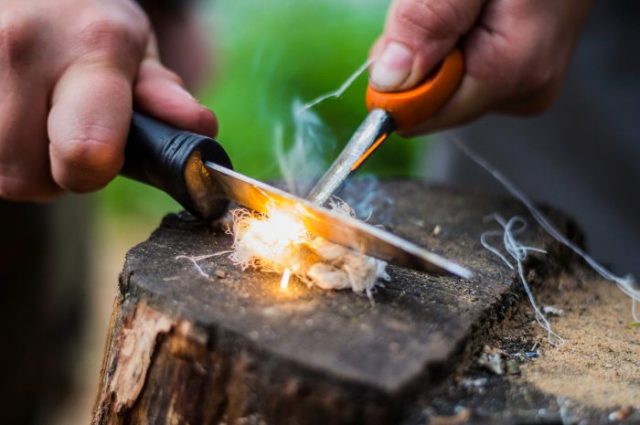
  • Stormproof matches
  • At least two Bic lighters
  • Tinder kit

If you fail to make fire in the rain, in the cold, or when your hands shake with fear… you will die shivering in a wet pile of regret.


5. TOOLS: IF THEY BREAK, SO DO YOU

Gear failure equals survival failure.

Don’t pack toys. Pack tools:

  • Full-tang fixed-blade knife
  • Multi-tool
  • Folding saw or hatchet
  • Heavy-duty duct tape
  • Headlamp + spare batteries
  • Work gloves

If your knife bends, snaps, or dulls instantly, enjoy slowly discovering how helpless a grown adult can become without tools.


6. TRAUMA-READY FIRST AID (THE “BAND-AID KIT” WILL SET YOU UP TO DIE)

Here’s a reality check:
In a disaster, there is no ambulance.
No ER.
No 911.
Just you and your gear.

You need:

  • Tourniquet
  • Israeli bandage
  • QuikClot or gauze
  • Alcohol wipes
  • Antibiotic ointment
  • Pain meds
  • Medical tape

A twisted ankle, a deep cut, an infection—these things become lethal fast if you don’t have the gear to handle them.


7. NAVIGATION: IF YOU CAN’T FIND YOUR WAY OUT, YOU’LL ROT WHERE YOU STAND

GPS dies with the grid.
Cell service collapses under panic.
Your phone becomes a sleek, useless brick.

You need:

  • Compass
  • Local maps
  • Pencil or grease marker

If you can’t navigate without electronics, the wilderness—or the city—will swallow you whole.


8. SIGNALING & COMMUNICATION: SILENCE IN A DISASTER MEANS DEATH

Ignoring this category is how people vanish.

Pack:

  • Whistle
  • Signal mirror
  • Hand-crank radio

If you can’t receive information, you’re blind.
If you can’t signal, you’re silent.
If you’re blind and silent, you’re dead.


9. SECURITY: IGNORING THIS WILL END YOU

I won’t list weapons. Laws differ. People differ. Situations differ.

But minimally:

  • Pepper spray
  • High-lumen flashlight
  • Knife (already listed)

If your bag doesn’t allow you to deter threats, protect yourself, or escape danger, you’re gambling with your life.


10. DOCUMENTS & MISC: YOU’LL BE SHOCKED HOW IMPORTANT THIS BECOMES

Include:

  • ID copies
  • Cash
  • Emergency contacts
  • Notepad
  • Sharpie
  • Bandanas
  • Zip ties
  • Trash bags

These tiny items solve massive problems.


THE COLD, UGLY, UNDENIABLE TRUTH

If your bug out bag is trash, your survival odds drop to zero.

The world is not stable.
Systems break.
People panic.
Authorities get overwhelmed.
Help never arrives.

So your choice is simple:

Build a real bug out bag now… or die wishing you had one.

There is no middle ground.
No “I’ll get to it.”
No “Maybe later.”

Later is when people die.
Later is when the unprepared panic.
Later is when the weak beg for help they’ll never receive.

Now is your only chance.

You’re Already Dead If You Haven’t Started Prepping Your Food Supply

Let’s get something straight right out of the gate: society isn’t stable, the system isn’t secure, and the people running the world couldn’t keep a chicken coop alive, much less an entire civilization. Every time you turn on the news, some new catastrophe is unfolding—food shortages, transportation shutdowns, political meltdowns, economic collapses, cyberattacks, contaminated water supplies, natural disasters. Pick your poison. The writing isn’t just on the wall; it’s spray-painted in neon letters. And yet most people walk around like clueless livestock, grazing blindly toward the slaughterhouse.

But you? You’re here because you know better. You understand what the herd refuses to admit: the only person responsible for keeping you alive is you, and that starts with long-term food storage that can actually withstand the chaos barreling straight toward us.

I’m not here to coddle you. I’m here to shake you awake. If that makes me “too pessimistic,” fine. If being angry is what it takes to survive in a world full of people who think Uber Eats will magically appear after the grid collapses, then I’ll stay angry.

Let’s talk long-term food storage. Not the fantasy version. The real stuff. The supplies that keep you alive when the world finally face-plants into the dirt.


Why Long-Term Food Storage Is Non-Negotiable

Most people hear “long-term food storage” and think it means grabbing a few extra cans of soup during a supermarket sale. Cute. If your plan is to survive a weekend power outage, that might work. If your plan is to survive actual societal collapse, supply chain failure, or an extended emergency, you’re going to need far more than a pantry full of canned ravioli.

Ask yourself this:
If grocery stores closed tomorrow—not next year, not next month, tomorrow—how long would you last?

A week?
Three days?
A few miserable hours?

Let’s be brutally honest: most people would starve faster than they could comprehend what was happening. If you refuse to be one of them, you need a real food storage strategy—something resilient, diverse, nutrient-dense, and built to last decades.


1. Freeze-Dried Foods: The Prepper’s Crown Jewel

If you want food that lasts longer than today’s political promises, freeze-dried meals are your safest bet. Shelf lives of 25–30 years are typical, assuming you store them correctly in cool, dry environments. The texture is weird, sure. The taste can be hit or miss. But none of that matters when you’re staring down a long-term collapse and everyone else is bartering shoelaces for scraps of moldy bread.

Why freeze-dried works:

  • Insanely long shelf life
  • Lightweight
  • Nutrient retention remains high
  • Easy to prepare (just add water, assuming you’ve prepped that too)

They’re expensive upfront, but so is dying. Choose wisely.


2. Bulk Staples: The Backbone of Real Food Storage

While freeze-dried meals are your convenience stock, bulk staples are your survival workhorses. These are the foods humans have relied on for centuries—foods that fed armies, settlers, and every generation before modern society made everyone soft and useless.

Your Bulk Storage Must Include:

  • Rice (white rice lasts decades; brown does not—don’t get sloppy)
  • Dry beans (the humble protein source that won’t betray you)
  • Wheat berries (if you can grind your own flour, you’re already ahead of 99% of people)
  • Oats
  • Pasta
  • Sugar
  • Salt
  • Honey (this stuff lasts basically forever)

Stored properly in mylar bags + oxygen absorbers + food-grade buckets, these staples can outlive political careers, social media trends, and most human attention spans.


3. Canned Goods: Heavy but Reliable

Canned foods aren’t glamorous. They’re heavy, clunky, and sometimes questionable in taste. But you know what? They work. And in a world where shipping systems fail and electricity doesn’t exist, reliability matters more than whatever fancy diet trend is popular this week.

Ideal canned essentials:

  • Vegetables
  • Fruits
  • Meats (tuna, chicken, Spam, beef, sardines)
  • Beans
  • Tomato products
  • Soups and stews

Canned goods give you instant calories without fuel or prep. And in a crisis, convenience is survival.


4. Fats and Oils: The Most Overlooked (and Essential) Food Group

Calories keep you alive. Fat gives you calories. A lot of preppers focus on grains and protein while forgetting that fat is necessary for both energy and health. Good luck rebuilding a collapsed society while running on low-fat starvation rations like some malnourished dieter.

Store these:

  • Ghee (15+ year shelf life)
  • Coconut oil (long-lasting and stable)
  • Olive oil (shorter shelf life but valuable)
  • Shortening
  • Peanut butter (rotate frequently)

Without fats, your long-term plans turn into long-term suffering.


5. Comfort Foods: Don’t Be a Martyr

Listen, the world might collapse, but you don’t need to collapse emotionally with it. Morale matters. A spoonful of sugar might not fix civilization, but it can fix your mood long enough to keep you focused.

Stock:

  • Chocolate
  • Coffee
  • Tea
  • Hard candies
  • Shelf-stable baking ingredients

Call it luxury if you want — but it’s actually psychology.


6. Water Storage & Food Prep Compatibility

What good is freeze-dried food if you don’t have water? None. It’s as useless as trusting the government to save you.

Your food storage MUST align with your water storage and purification systems. If you’re relying on foods that require boiling water, make sure you actually have:

  • Stored water
  • Filtration
  • Fire source
  • Fuel
  • Backup methods if those fail

Prepping isn’t about hope. It’s about redundancy.


7. Rotation, Organization & Storage Discipline

Your food storage will only work if you maintain it. I know — personal responsibility is unpopular today, but that’s exactly why society is cracking apart.

Rules to live by:

  • Label everything
  • Track expiration dates
  • Rotate regularly
  • Store in cool, dry darkness
  • Use airtight containers
  • Don’t store where pests can ruin your future

Being sloppy now means being hungry later.


Final Thoughts: The World Isn’t Going to Get Better — But You Can Be Ready

People love to accuse preppers of fear-mongering. But the truth is, the world is doing a fine job fear-mongering itself. We’re not paranoid — we just pay attention. And long-term food storage isn’t a hobby, a trend, or some quirky personality trait. It’s survival. Pure and simple.

While everyone else is arguing about nonsense online, ignoring warning signs, and trusting fragile systems and incompetent leaders, you’re building something real: security, independence, and the power to survive what others won’t.

The world may be broken beyond repair — but with the right long-term food storage, you don’t have to fall with it.


Portable Solar Generators That Actually Work When the Grid Finally Gives Up

Let’s start with a truth most people don’t want to hear: the grid is collapsing. Not today, maybe not tomorrow, but it’s happening—piece by piece, outage after outage, blackout after blackout. You can already see the cracks. Overloaded systems. Failing infrastructure. Power companies that can barely keep the lights on during a stiff breeze. And yet, somehow, the average person still lives with the delusion that electricity is eternal and guaranteed.

Meanwhile, you and I know better. When the grid finally gives up—and it will—people will panic like toddlers who lost their night-light. You’ll hear them whining about their Wi-Fi, their microwaves, their air-conditioning. They’ll stare into the darkness and wait for help that never comes.

But not you. Because you’re building your off-grid solar system now, while everyone else is wasting their time believing the grid will magically fix itself. You’re preparing for reality instead of pretending everything is fine.

This is why solar power matters—REAL solar, not the flimsy bargain-bin versions marketed to people who think a USB panel can power a house. I’m talking about off-grid solar systems, portable solar generators, and backup power sources that actually keep you alive when the world decides to cut the cord.

You’re not building for convenience.
You’re building for survival.

Let’s break down exactly what you need—and what the world keeps getting wrong.


WHY SOLAR IS NO LONGER OPTIONAL FOR PREPPERS

Relying on the grid is like relying on a rotten support beam: it might hold for now, but eventually it snaps—and when it does, it takes everything down with it.

Solar, on the other hand, gives you independence. It removes you from the mercy of corporations, power outages, brownouts, and the fragile infrastructure controlled by people who clearly don’t care if the system collapses on your head.

Solar power allows you to:

  • Run essential appliances
  • Charge critical gear
  • Power communication devices
  • Keep refrigeration functional
  • Maintain lighting and security
  • Stay stable when the grid breaks down

When everyone else is staring at dead screens and ruined food, you’ll still have power. And yes, that makes you a target—but it also makes you prepared.


THE PROBLEM: MOST PEOPLE HAVE NO IDEA HOW SOLAR REALLY WORKS

Everyone loves the idea of solar.
But actually building an off-grid solar system?
That’s where most people fail miserably.

They think it’s as simple as:

  1. Buy a panel
  2. Plug it into something
  3. Boom—free electricity forever

If only.

Real solar setups require actual planning—something society isn’t very good at anymore. And if you don’t plan ahead, you’ll end up with:

  • Panels that don’t make enough power
  • Batteries that drain in hours
  • Generators that can’t handle your load
  • Systems that fry themselves because you bought the cheap stuff

In other words: a useless pile of junk right when you need power the most.

So let’s talk about how to do it right.


HOW TO BUILD AN OFF-GRID SOLAR SYSTEM THAT DOESN’T FAIL UNDER PRESSURE

This isn’t a Pinterest fantasy list.
This is what works.


1. Solar Panels: The Foundation of Your Power System

Panels are the muscle of your system. Without enough, nothing else matters.

What you actually need:

  • Monocrystalline panels (best efficiency)
  • Rigid panels for home setups
  • Foldable panels for portable generators
  • Mounts that can handle storms and rough weather
  • Tilt brackets (critical for winter sun angles)

And here’s a fact most people hate hearing:

You need more watts than you think.
Double your estimate. Then add more.

Clouds, storms, shade, smoke, winter sun—they all cut your power production dramatically. If your system is barely enough on a sunny day, you’re already in trouble.


2. Charge Controllers: The Heart of the System

This is where amateurs mess up. They buy cheap controllers and then wonder why their batteries die.

You need an MPPT charge controller.

Not PWM.
Not “budget-friendly.”
Not whatever is on sale.

MPPT controllers:

  • Pull more energy from your panels
  • Regulate charging efficiently
  • Protect batteries from damage
  • Last longer

Don’t cut corners here. This is one of the most important components in your entire setup.


3. Battery Banks: Your Power Storage (Your Lifeline)

When the sun goes down, this is all you have. If you cheap out on batteries, your off-grid dreams die instantly.

Best options for preppers:

  • LiFePO4 batteries (long life, stable, lightweight)
  • AGM batteries (reliable but shorter lifespan)
  • Gel batteries (low-maintenance but low output)

Forget car batteries. Forget bargain scrap batteries.
Those are for hobbyists—not survivors.

Sizing rule:

Calculate your daily energy use.
Double it.
Then add 30%.

If that sounds like overkill, good—you’re finally thinking like a prepper.


4. Inverters: The Power Converter

If your inverter is weak, everything else falls apart.

You need:

  • Pure sine wave
  • High overload capacity
  • Quiet cooling fans
  • Reliable low-voltage shutoff

A strong inverter lets you run:

  • Refrigerators
  • Tools
  • Lights
  • Communication equipment
  • Medical gear

If your inverter chokes when you plug in anything more powerful than a phone charger, you didn’t buy a survival system—you bought a toy.


PORTABLE SOLAR GENERATORS: THE REALITY CHECK

Portable solar generators are NOT a full replacement for a home solar system—but they ARE one of the smartest prepper investments you can make.

Why?

Because they:

  • Work instantly
  • Require no wiring
  • Charge via solar, car, or wall
  • Are nearly silent
  • Can run critical gear
  • Are easy to carry during bug-out scenarios
  • Provide power even when your main system fails

A portable solar generator is your backup for your backup—and that’s the mindset serious preppers must have.


WHAT MAKES A GOOD PORTABLE SOLAR GENERATOR?

1. Battery Capacity

Aim for 500Wh minimum.
1,000Wh+ is better.
2,000Wh+ is ideal for off-grid homes.

2. Inverter Strength

Must handle at least 1,000W continuous power.
2,000W is excellent.

3. Solar Input

Higher input = faster charging.
Look for at least 200W–600W solar input capability.

4. Expandability

Can you add more batteries?
More panels?
If not, the device will become a limit rather than a tool.


WHY SOLAR MATTERS MORE THAN EVER

Because the world is unstable.
Because the grid is unreliable.
Because storms are becoming stronger.
Because infrastructure is aging faster than it’s being fixed.
Because countries, cities, and states are already announcing rolling blackouts like it’s normal.

And because everyone else is sleepwalking toward disaster—completely dependent on a system that can barely hold itself together.

Solar is not a luxury.
Solar is not a hobby.
Solar is not “green energy for enthusiasts.”

Solar is survival energy.
It’s the one power source you control.
The only system with no fuel dependency.
The only option that keeps producing when everything else stops.

If society keeps unraveling—and all signs point to it—it will be the people with solar who maintain a functioning home when the grid is nothing but a memory.

And that person should be you.