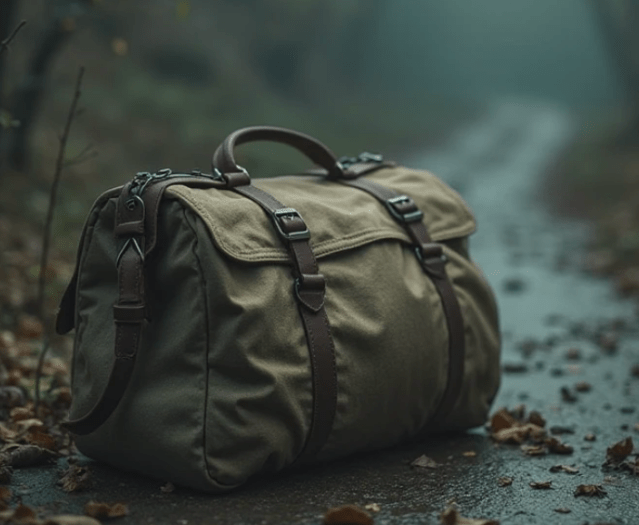
When the world finally gives up and turns into a sun-bleached junkyard, the only real currency will be WATER. Not gold, not crypto, not whatever fantasy people cling to today. Water.
And in that blasted wasteland, the unprepared become scavenger bones lying next to rusted-out cars and melted asphalt. That’s where the comfortable world is heading — straight into a desert of chaos — and most people aren’t even storing a single damned gallon.
Tap Water? That’s the Joke of the Century.
Municipal water is already a chemical circus. Drink it long enough and you’ll glow in the dark from microplastics and pharmaceuticals. The purification systems keeping it barely tolerable now? Those fail the second the grid stutters — and the grid will stutter.
When the city power dies, everyone turns into a dehydrated refugee overnight.
In the Wasteland, You Either Store Water or You Become Dust
Water storage isn’t “responsible.” It’s survival war strategy.
55-gallon barrels
Water bricks
IBC totes
Collapsible tanks
Off-grid cisterns
Stack them high enough to make your neighbors nervous.
Filtration Is the Only Thing Standing Between You and Wasteland Sickness
You need filters tougher than the wasteland itself:
Berkey-style gravity filters
Sawyer squeeze
Ceramic filters
Distillers
Iodine tabs
Portable boiling capability
The water you find in a Mad-Max future won’t be clean. It’ll be scavenged runoff, chemical soup, tainted rivers, and whatever you can wring from the air.
Become the One Thing the Wasteland Fears: A Prepared Survivor
When everything burns, the only law left is who controls water. You can be the dehydrated nobody begging for help…
Or you can be the one who prepared like the world was ending — because it will.
If you’re reading this, congratulations—you’re officially one of the very few people who haven’t been hypnotized into believing society is stable. Most folks happily scroll through their feeds while the world around them bleeds, burns, and breaks apart. But not you. You’re here because you know the truth: the system is cracking, and when it finally collapses, you’ll only survive with what’s on your back.
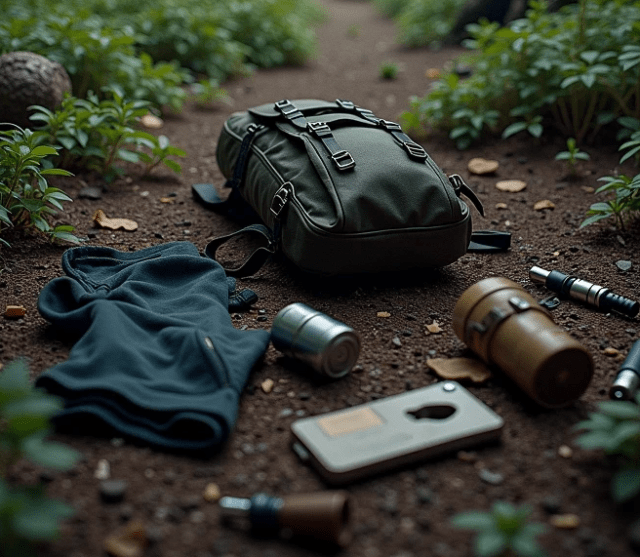
That backpack? That “bug out bag”? That’s your last line of defense against a world that’s already circling the drain.
The politicians won’t save you. The agencies won’t save you. Your neighbors definitely won’t save you—they’ll be the first ones banging on your door when everything goes dark.
That’s why your bug out bag checklist matters. And if you get it wrong, you’re not just risking discomfort—you’re signing your own death certificate.
So let’s build this bag the right way—with anger, realism, and a deep understanding that no one is coming to help.
WHY YOUR BUG OUT BAG MUST BE BRUTALLY PRACTICAL
A bug out bag isn’t a hobby project. It’s not a camping pack. It’s not a Pinterest board of “cute emergency items.” It is a survival system designed to keep you breathing for 72 hours or longer during the worst moments of your life.
When the grid fails, when water stops flowing, when hospitals lock their doors, when people panic and turn violent—your bug out bag becomes the only thing separating you from chaos.
And most people pack theirs like fools.
They bring comfort items instead of survival gear. They bring gadgets instead of durability. They bring weight instead of usefulness.
Not you. Not after this checklist.
THE ULTIMATE BUG OUT BAG CHECKLIST (NO NONSENSE, NO FLUFF)
Below is the gear that actually matters—the gear that keeps you alive. Everything else can be tossed.
1. WATER & FILTRATION (THE FIRST THING YOU’LL LOSE IN A CRISIS)
Water disappears fast. Faster than food, faster than safety, faster than logic. Within hours of a disaster, stores are empty, taps are dry, and people turn feral.
Your bag needs:
Stainless steel water bottle (boil water directly in it)
Collapsible water container
Sawyer Mini or Lifestraw filter
Water purification tablets
Small metal cup/pot for boiling
If you don’t have these, you’ll be dehydrated and delirious before the first nightfall—easy prey for anyone less prepared than you.
2. FOOD & NUTRITION (LIGHTWEIGHT AND LONG-LASTING)
You’re not eating for pleasure. You’re eating for survival.
Pack:
High-calorie survival bars
Freeze-dried meals (compact and dependable)
Instant oatmeal packs
Jerky
Electrolyte packets
Anything requiring long cooking times is dead weight. Anything requiring refrigeration is a liability.
3. SHELTER & CLOTHING (BECAUSE THE WORLD ISN’T KIND)
Exposure is one of the fastest killers in a disaster. Cold doesn’t care how tough you are. Rain doesn’t care how optimistic you are. Weather kills the unprepared.
Include:
Emergency bivy sack
Compact tarp
550 paracord
Mylar blankets
Extra socks
Wool base layers
A rugged, waterproof jacket
Cotton? Forget it. Cotton kills. High-performance synthetics and wool save lives.
4. FIRE STARTING (FLAME IS LIFE)
Fire purifies water, cooks food, warms your body, and signals for help.
You need redundancy:
Ferro rod
Stormproof matches
Bic lighters
Tinder tabs
Cotton balls soaked in petroleum jelly (in a sealed bag)
Three fire sources minimum. Anything less is gambling with your life.
5. TOOLS (THE GEAR THAT ACTUALLY DOES WORK)
Tools separate survivors from victims.
Mandatory:
Fixed-blade knife (full tang, not some flimsy folding toy)
Multi-tool
Hatchet or folding saw
Duct tape
Mini crowbar
Work gloves
Headlamp with extra batteries
You don’t rise to the occasion—you fall to the level of your tools.
6. FIRST AID (BECAUSE HELP WILL NOT BE COMING)
When you’re injured in a disaster, you aren’t getting an ambulance. You’re getting silence.
Your bag needs:
Trauma kit (not a “boo-boo kit”)
Tourniquet
Compressed gauze
Israeli bandage
Alcohol wipes
Medical tape
Pain relievers
Antibiotic ointment
Your life may depend on your ability to stop bleeding, treat infection, and stabilize yourself long enough to move.
7. NAVIGATION (THE GRID GOES DOWN—YOU DON’T)
GPS? Cute. When the towers fail, your phone is a paperweight.
You need:
Compass
Local area maps
Grease pencil for marking routes
If you can’t navigate, you’re just wandering around waiting to become a statistic.
8. COMMUNICATION & SIGNALING
Because yelling won’t cut it.
Pack:
Emergency whistle
Signal mirror
Hand-crank radio
Information is survival. Silence is death.
9. SELF-DEFENSE & SECURITY
This category is intentionally general. People have different laws, abilities, and choices.
But minimally:
Pepper spray
Heavy-duty tactical flashlight
Strong knife (listed earlier)
Your bug out bag must keep you alive—not get you arrested. Know your local laws.
10. PERSONAL DOCUMENTS & MISC ESSENTIALS
Because bureaucracy survives even when civilization doesn’t.
Include copies of:
ID
Insurance information
Emergency contacts
Cash (small bills)
Also pack:
Notepad and pen
Bandanas
Trash bags
Zip ties
The small stuff becomes big when everything else collapses.
THE BITTER TRUTH MOST PEOPLE WON’T FACE
Most people won’t build a real bug out bag. Most people won’t prepare. Most people will freeze when crisis hits.
They’ll say: “It won’t happen here.” “Everything will work out.” “The government will fix it.”
And when everything doesn’t work out, they’ll be the first ones panicking in the streets.
You? You won’t be one of them. Because you’re building a bag that doesn’t rely on fantasy.
You’re preparing for the world as it really is: fragile, unstable, and full of people who think they can freeload off the prepared.
Your bug out bag is your lifeline. Build it now. Don’t wait for permission. Don’t wait for disaster. Don’t wait for the world to finally snap—because by then, it will be too late.
I’m not proud of the man I became after everything fell apart. When people talk about SHTF scenarios, they do it with a strange mix of fear and fascination. Some even romanticize it—imagining themselves as rugged lone wolves, capable of thriving when society collapses. I used to be one of them. I thought surviving would be instinctive, automatic, part of some primal ability buried deep inside. But instincts mean nothing when reality is colder, harsher, and hungrier than your imagination ever prepared you for.
I lost everything because I thought I was smarter than the disaster that came for me. I believed I had “enough” without really knowing what enough meant. I confused optimism for readiness, and that failure cost me more than possessions—it cost me people, comfort, security, and a sense of worth I still struggle to regain.
So now I write these words not as an expert, not as a brave prepper, but as someone who learned every lesson in the most painful way possible. If you are just getting started with basic food storage preps for an SHTF moment, I hope my failures will keep you from repeating them.
Why Food Storage Matters More Than You Think
When the world is still intact, food feels like an afterthought. Grocery stores glow on every corner. Restaurants hum with life. Delivery apps bring meals to your doorstep in minutes. It all feels so permanent—until the day it isn’t.
When SHTF hit my area, the grocery stores were empty within hours. Not days. Hours. I remember walking down an aisle stripped bare, my footsteps echoing off metal shelves like the sound of a coffin lid closing. I had canned beans at home, maybe a bag of rice that I’d been ignoring in the pantry, and some stale cereal that I had forgotten to throw out. It wasn’t enough. Not even close.
If you think you have time to prepare later, you don’t. If you think you can improvise, you can’t. When everyone is scrambling, desperation destroys creativity. People who never stole a thing in their lives will fight over a dented can of tomatoes. People you trusted will become strangers. And you—if you’re like I was—will learn the meaning of regret in its rawest form.
That’s why food storage isn’t optional. It’s the foundation of survival.
Start Small—Because Small Is Still Better Than Nothing
Before everything fell apart, I always imagined prepping as something huge—stockpiling bunkers full of supplies, shelves fortified with military rations, huge five-gallon buckets lining the basement. I never started because it always felt overwhelming.
What I should have done—and what you should do—was start small. Even a single week of food stored properly can make the difference between panic and calm.
Here’s what I wish someone had told me:
1. Begin With a 7-Day Supply
A solid first step is simply making sure you can feed yourself (and your family, if you have one) for seven days without outside help. This baseline prep includes:
Rice (cheap, long-lasting, filling)
Beans (dried or canned)
Canned meat like tuna or chicken
Pasta
Tomato sauce or canned vegetables
Oatmeal
Peanut butter
A few comfort foods (your sanity will thank you later)
This isn’t glamorous. It doesn’t look like the prepper fantasy you see online. But this humble supply can hold you steady when the world begins to tilt.
2. Build Up to 30 Days
Once you have a week, build toward a month. At 30 days of food, something changes inside you. You begin to feel a kind of quiet strength. A stability. Not the loud confidence of someone bragging about their gear, but the soft, steady reassurance that you won’t starve tomorrow.
Keep Your Food Simple and Shelf-Stable
One of my big mistakes was buying “prepper food” without understanding my needs. I bought freeze-dried meals that required more water than I had available. I bought bulk grains without storing them correctly. Mice had a better feast than I did.
Focus on what lasts and what you’ll actually eat. Survival isn’t a diet—it’s nourishment.
Food Items That Last
White rice
Pasta
Rolled oats
Peanut butter
Canned tuna, chicken, and sardines
Canned vegetables
Canned soups
Honey (never spoils)
Salt and spices
Instant potatoes
Powdered drink mixes (helps fight taste fatigue)
Store It Right
This is where my downfall truly began: poor storage. No matter how much food you gather, it’s worthless if ruined by:
Moisture
Heat
Pests
Light
Poor containers
Store food in cool, dry areas. Use airtight containers for grains. Label everything with dates. Don’t let your efforts rot away in silence the way mine did.
Rotate—Or Watch Your Supplies Die in the Dark
I used to think storing food meant sealing it away and forgetting it until disaster struck. That’s how I lost half my supplies: expiration dates quietly creeping past, cans rusting behind clutter, bags of rice turning to inedible bricks.
The rule you need to tattoo onto your mind is:
“Store what you eat. Eat what you store.”
Rotation keeps your stock fresh. It keeps you used to the foods you rely on. And it stops your prepping investment from becoming a graveyard of wasted money and ruined nourishment.
Water: The Part Everyone Ignores Until It’s Too Late
I had food. Not enough—but some. But water? I had barely any. When the taps ran dry, reality hit harder than hunger ever did.
For every person, you need one gallon of water per day—minimum. Drinking, cooking, cleaning, sanitation—it all drains your supply faster than you think.
Start with:
A few cases of bottled water
Larger jugs or water bricks
A reliable filtration method (LifeStraw, Sawyer Mini, etc.)
Food will keep you alive. Water will keep you human.
Don’t Learn the Hard Way Like I Did
Prepping isn’t paranoia. It isn’t fearmongering. It isn’t overreacting.
It’s the quiet, painful understanding that no one is coming to save you when everything falls apart.
I learned too late. I lost too much. I live every day with the weight of those failures.
But you can learn from me. You can start now, with something small, something humble, something that grows over time.
And when the next disaster comes—and it will—you won’t feel that crushing panic I felt standing in an empty store staring at empty shelves. Instead, you’ll feel a sense of calm strength, knowing you took your future seriously.
I hope you prepare. I hope you start today. And I hope you never have to feel the kind of regret that still keeps me awake at night.
Imagine the world after everything collapses: a blasted wasteland of sun-scorched earth, rusted skeletons of buildings, abandoned highways littered with broken vehicles, and desperate survivors wandering like lost animals. That’s not fiction — that’s our trajectory.
The signs are everywhere: Infrastructure failing. Water systems collapsing. Cities poisoning their own tap supply. And millions sipping contaminated water while watching society rot in real time.
Most people are sleepwalking into the wasteland. A real-life Mad-Max future. A world where water becomes the only law anyone respects.
Let’s be clear: you won’t survive that world unless you start preparing now.
Tap Water? It’s Already a Toxic Joke
While people complain about grocery prices and politics, their tap water slowly fills them with microplastics, pharmaceuticals, agricultural chemicals, PFAS, and industrial waste. Cities can’t (or won’t) fix it.
And these same people think this crumbling water system will magically stay functional when the grid collapses?
The second the grid goes down:
Treatment plants stop.
Pumps stop.
Purification stops.
Distribution stops.
You’ll walk to your sink, turn the handle, and get nothing — not even a gasp of air.
The wasteland begins the moment the tap runs dry.
In a Mad-Max Collapse, Water Is the New Currency
Forget money. Forget crypto. Forget gold. Those become relics of a dead civilization.
Water is worth more than weapons. Water is worth more than fuel. Water is worth more than shelter.
In the wasteland, water is power.
Anyone who controls it controls everything else.
That’s why preppers store water — not because they’re paranoid, but because they’re paying attention.
Water Storage: Build Your Own Fortress of Hydration
Weak people think keeping a few water bottles in a cabinet is “being prepared.”
Warlords of the wasteland think like this:
55-gallon drums stacked like defensive walls
IBC totes in garages, sheds, and buried pits
Water bricks lining shelves like ammunition
Rain catchment systems feeding multiple tanks
Underground cisterns that neighbors never see
Collapsible bladders for emergency filling
You store water like you’re preparing for a siege — because collapse is a siege, and dehydration is what kills people first.
Purification: Your Last Defense in a Poisoned World
In the wasteland, clean water doesn’t exist. It must be created.
That means filtration gear tough enough to withstand the apocalypse:
Gravity filters for home base
Ceramic purifiers suitable for contaminated runoff
Portable squeeze filters for nomad survival
Iodine or chlorine dioxide for chemical kill
Boiling rigs (stoves, rocket stoves, ember cookers)
Pre-filters for sludge, ash, debris, and sediment
Distillers for water sources so toxic they make your eyes burn
When collapse happens, the natural water sources get poisoned within days.
Not by nature. By people.
Desperate people. Stupid people. Panicked people.
They will contaminate everything they touch.
Rainwater: The Sky Is Your Only Trustworthy Ally
When the surface world turns into a polluted battleground, the sky becomes your safest reservoir.
Rainwater harvesting is not optional. It’s survival engineering.
Set up:
Food-grade gutters
First-flush diverters
Barrel chains
Large overhead tanks
Ground-level sealed reservoirs
Store every drop like you’re catching liquid gold — because you are.
Mobility: Become a Nomad Who Doesn’t Die of Thirst
In a Mad-Max world, you may not stay in one place.
You must be capable of traveling with water infrastructure strapped to your back or your vehicle:
Collapsible bladders
Hydration packs
Hand pumps
Mobile filtration kits
High-capacity canteens
Boil kits with wind shields
Portable gravity filters
Nomads survive because they’re adaptable. The unprepared die because they aren’t.
Tap Water Today, Wasteland Poison Tomorrow
The people who trust tap water today are the first casualties of collapse. Their bodies are already weakened from contamination, microplastics, chemical residues, and chronic dehydration from polluted supply.
Collapse accelerates what has already begun.
The wasteland isn’t waiting for you. It’s being built right now.
Only the Prepared Control Their Fate
A Mad-Max future is an ugly place — but it’s survivable if you’re ready.
Store water. Purify water. Protect water. Defend water.
In a world where everything burns, the last resource worth fighting for is the one everyone needs and few will have.
Prepare now, or be one of the nameless piles of dust left behind.
When you’re living off the grid, society has already failed you. The power grid is unreliable, the medical system is bloated and useless, and dentists—those cheerful merchants of pain and debt—are nowhere to be found. Maybe you chose this life. Maybe you were pushed into it by economic collapse, climate chaos, or governments that couldn’t organize a bake sale without ruining lives. Either way, you’re on your own now.
And here’s the part nobody likes to talk about: your teeth.
You can survive a lot without modern conveniences, but once a tooth goes bad, it can cripple you. Infection doesn’t care how self-reliant you think you are. Pain doesn’t negotiate. And when the nearest dentist is 3,000 miles away—or buried under rubble—you’d better know how to keep your teeth intact using nothing but discipline, paranoia, and a deep distrust of everything labeled “convenient.”
This isn’t about pretty smiles. This is about survival.
Why Dental Health Matters More Than You Think
People love to romanticize off-grid living. They talk about freedom, simplicity, and “getting back to nature.” What they don’t mention is how fast a minor dental issue can spiral into a life-threatening infection when antibiotics are scarce and professional care doesn’t exist.
A cracked tooth can become an abscess. An abscess can become sepsis. And sepsis will kill you quietly while the world keeps burning.
Your teeth are bones sticking out of your skull, exposed to bacteria every time you eat. Ignore them, and they will betray you. This is not optional maintenance. This is frontline survival work.
Brushing Without a Bathroom Sink Fantasy
Forget electric toothbrushes. Forget minty gels shipped from factories that no longer exist. You need a manual toothbrush—several of them—and you need to guard them like ammunition.
If toothpaste runs out, you adapt. Baking soda works. Wood ash (from clean, untreated hardwood) can work in small amounts. Crushed eggshell powder provides mild abrasion and calcium. None of this is pleasant. None of it tastes good. That’s the point. Survival isn’t supposed to feel like a spa day.
Brush at least once a day. Ideally twice. Use boiled or filtered water. Spit away from your living area because bacteria doesn’t deserve hospitality.
And no, skipping brushing because you’re “too tired” isn’t an excuse. Pain later will be worse.
Flossing: The Most Ignored Lifesaver
People hate flossing because it’s inconvenient. That’s ironic, because inconvenience is your entire lifestyle now.
Food trapped between teeth leads to decay. Decay leads to infection. Floss prevents that. Stockpile floss while you still can. If you can’t, improvise—thin fishing line (cleaned thoroughly), plant fibers, or even fine thread in a pinch.
Is it comfortable? No. Is it effective? Yes.
If you think flossing is optional, you’re gambling with pain that will make you regret every lazy choice you ever made.
Diet: Sugar Is the Enemy You Invited In
Modern diets rot teeth because they’re built on sugar, starch, and processed garbage. Off the grid, you have an advantage—if you’re not stupid enough to recreate the same mistakes.
Avoid constant snacking. Your mouth needs time to rebalance. Eat real food: meat, fibrous plants, nuts, and whatever you can grow or hunt. Fermented foods help. Refined sugars destroy.
If you’re storing honey, dried fruit, or grains, understand this: they are luxuries with consequences. Rinse your mouth with water after eating them. Chew fibrous plants to stimulate saliva. Saliva is your first defense when toothpaste runs out and nobody’s coming to help.
Herbal Allies (Because Pharmacies Are a Memory)
Nature isn’t kind, but it does provide tools if you bother to learn them.
Clove is a powerful natural analgesic and antiseptic. Clove oil can numb pain temporarily. Peppermint has mild antibacterial properties. Sage and thyme can be used in mouth rinses. Chewing on certain bitter roots can help clean teeth mechanically.
These are not miracles. They are stopgaps. But in a world where antibiotics are finite and dentists are myths, stopgaps matter.
Learn your local plants before you need them. Ignorance is expensive out here.
Preventing Damage Is Easier Than Fixing It
Cracked teeth happen when people use their mouths like tools. Stop doing that. Don’t bite metal. Don’t crack nuts with your teeth. Don’t chew rocks because you’re bored.
Wear a mouth guard if you grind your teeth at night. Stress causes grinding, and off-grid life is nothing but stress wrapped in isolation. A cracked molar in the wilderness is a slow-motion disaster.
Protect your teeth like the irreplaceable assets they are—because they are.
Emergency Dental Reality (The Part Nobody Likes)
Let’s be honest: if a tooth becomes severely infected and you have no antibiotics, no tools, and no training, your options are grim. People have pulled their own teeth throughout history. Many died from it.
This article is not telling you how to perform medieval dentistry. It’s telling you how to avoid ever needing to.
The best dental survival plan is relentless prevention. Everything else is damage control and prayers.
The Bitter Truth
The world doesn’t care if you’re in pain. Systems collapse. Professionals vanish. And suddenly, the smallest problems become existential threats.
Keeping your teeth healthy off the grid isn’t about vanity or comfort. It’s about refusing to let something stupid take you out after you’ve already survived everything else.
Brush. Floss. Eat like an adult. Learn your herbs. Protect what you can’t replace.
Because when civilization is gone, your teeth don’t get a second chance—and neither do you.
The world is sick, the food supply is broken, and most people are eating themselves into an early grave while being told to “enjoy life.” That’s not enjoyment — that’s ignorance dressed up as convenience.
If you want to live to 100 years old, you don’t get there by accident. You get there by avoiding the garbage that modern society aggressively pushes as “normal food.” Longevity isn’t about magic superfoods or trendy supplements — it’s about not poisoning yourself every day.
The truth? Most people won’t make it anywhere near 100 because they keep eating things that quietly wreck their organs, blood vessels, hormones, and immune systems. And nobody in power seems to care — because sick people are profitable.
So here it is: 10 of the worst foods and drinks you can consume if long life is your goal. Eat them regularly, and you dramatically reduce your odds of ever seeing triple digits.
1. Ultra-Processed Junk Food
This is enemy number one.
Ultra-processed foods aren’t real food — they’re industrial products engineered for shelf life, addiction, and profit. Think packaged snacks, frozen meals, boxed “foods,” and anything with a paragraph-long ingredient list.
These products are loaded with:
Refined sugars
Industrial seed oils
Artificial flavors and preservatives
Chemical stabilizers
Your body doesn’t recognize this stuff as nourishment. It recognizes it as stress.
Long-term consumption is linked to inflammation, metabolic damage, cardiovascular disease, and accelerated aging. You can’t eat lab-created sludge every day and expect your body to survive a century.
2. Sugary Soft Drinks and Energy Drinks
Liquid sugar is one of the fastest ways to destroy long-term health.
Soft drinks and energy drinks spike blood sugar, strain the pancreas, damage blood vessels, and contribute to insulin resistance — all without providing a single useful nutrient.
They also:
Dehydrate you
Damage teeth
Disrupt appetite regulation
Drinking sugar is like mainlining metabolic chaos. People who consume these daily aren’t just shortening their lifespan — they’re degrading their quality of life decades before the end.
3. Highly Refined White Bread and Pastries
White bread, pastries, donuts, and baked desserts are longevity killers hiding in plain sight.
Refined flour has been stripped of fiber and nutrients, leaving behind a fast-digesting starch that spikes blood sugar and feeds inflammation. Add sugar and industrial fats, and you’ve got a perfect recipe for chronic disease.
These foods:
Promote fat storage
Disrupt gut health
Accelerate metabolic aging
No culture known for long life built its diet around pastries and white bread.
4. Industrial Seed Oils
This one makes people uncomfortable — good.
Industrial seed oils like soybean oil, corn oil, canola oil, and sunflower oil are everywhere. They’re cheap, unstable, and highly processed using heat and chemicals.
These oils are prone to oxidation, which contributes to:
Chronic inflammation
Cellular damage
Cardiovascular stress
They’re in restaurant food, packaged snacks, salad dressings, and fast food. If you’re eating out regularly, you’re swimming in them.
A body inflamed for decades doesn’t age gracefully — it breaks down early.
5. Processed Meats
Bacon, hot dogs, deli meats, sausages — they’re convenient, salty, and aggressively marketed.
They’re also loaded with preservatives, excess sodium, and compounds formed during processing that stress the body over time.
Regular consumption is associated with increased risk of:
Cardiovascular disease
Digestive issues
Metabolic dysfunction
This doesn’t mean never eating meat — it means avoiding factory-processed versions that prioritize shelf life over human health.
6. Excessive Alcohol
Let’s be honest: society treats alcohol like a personality trait.
Alcohol is not a health food. It’s a toxin that your liver has to neutralize before it can do anything else. Chronic consumption damages the liver, brain, heart, and immune system.
Long-term overuse:
Accelerates aging
Weakens cognition
Disrupts sleep and hormones
People who live to 100 typically don’t drink heavily — and when they do drink, it’s moderate, infrequent, and culturally grounded, not binge-based escapism.
7. Fast Food
Fast food is survival food for a system that doesn’t care if you survive long-term.
It’s high in calories, low in nutrients, and engineered for maximum palatability. Everything is fried, sugared, or drowned in industrial sauces.
Fast food diets contribute to:
Obesity
Heart disease
Early-onset chronic illness
If you rely on fast food, you’re trading years of life for minutes of convenience.
8. Artificially Sweetened “Diet” Products
Diet sodas, sugar-free snacks, and artificially sweetened foods are marketed as healthy alternatives. They’re not.
Artificial sweeteners can:
Disrupt gut bacteria
Confuse appetite signaling
Increase cravings for real sugar
You don’t trick biology. You only stress it.
Longevity isn’t built on chemical loopholes — it’s built on real food and restraint.
9. Excessively Salty Packaged Foods
Salt itself isn’t the villain — processed salt bombs are.
Packaged soups, chips, crackers, and instant meals often contain extreme sodium levels combined with preservatives and refined carbohydrates.
Over time, this contributes to:
Blood pressure issues
Kidney strain
Cardiovascular stress
Traditional long-lived cultures consumed salt in whole foods — not as a byproduct of industrial preservation.
10. Ultra-Sugary Breakfast Cereals
Colorful boxes, cartoon mascots, and “fortified” labels don’t change the truth.
Most breakfast cereals are desserts pretending to be health food. They spike blood sugar first thing in the morning and set the tone for energy crashes and cravings all day.
A daily sugar spike for decades is a terrible longevity strategy.
The Uncomfortable Truth About Living to 100
Reaching 100 isn’t about optimism. It’s about discipline, awareness, and refusing to participate in a broken system.
Most people won’t live that long — not because they’re unlucky, but because they consistently choose convenience over survival. The food environment is hostile, and pretending otherwise is denial.
Longevity requires:
Eating mostly whole, minimally processed foods
Drinking water instead of sugar
Treating food as fuel, not entertainment
Accepting that comfort today costs years tomorrow
The world won’t change for you. Corporations won’t save you. Nobody is coming to fix the food supply.
If you want to live to 100, you have to eat like someone who actually wants to survive that long.
I’m a prepper. That means I stock food, rotate water, check batteries twice a year, and assume that if something can go wrong, it will—usually at the worst possible moment.
But here’s the thing most folks don’t like to think about: the majority of Americans don’t die from mysterious diseases or dramatic movie-style disasters. They die from ordinary, everyday, painfully preventable events.
The kind that happen because someone was distracted, unprepared, or assumed “it won’t happen to me.”
This article isn’t meant to scare you (okay, maybe a little). It’s meant to make you harder to kill. Below are the top 10 most common non-health-related causes of death in the United States—and practical, prepper-approved ways to avoid each one.
Strap in. Literally. That’s tip number one.
1. Motor Vehicle Accidents (AKA: Death by Commuting)
Cars are the single most dangerous tool most Americans use daily—and we treat them like comfy metal sofas with cup holders.
Why it kills so many people:
Speeding
Distracted driving
Drunk or impaired drivers
Poor vehicle maintenance
Prepper Survival Tips:
Wear your seatbelt. Every time. No exceptions.
Assume every other driver is actively trying to kill you.
Don’t text. That meme can wait.
Keep your vehicle maintained like it’s an escape vehicle—because one day it might be.
Carry a roadside kit: flares, flashlight, water, first-aid, jumper cables.
Prepper rule: If you’re behind the wheel, you’re on patrol.
2. Accidental Poisoning & Overdose (Not Just “Drugs”)
This category includes illegal drugs, prescription misuse, household chemicals, and even carbon monoxide.
Install carbon monoxide detectors on every level of your home.
Label all chemicals clearly.
Lock meds away from kids—and adults who “just grab whatever.”
Read labels like your life depends on it… because it might.
A prepper doesn’t trust fumes, powders, or mystery pills. Ever.
3. Falls (Yes, Gravity Is Still the Enemy)
Falls kill more Americans than fires and drownings combined, especially as people age.
Common scenarios:
Ladders
Slippery stairs
Bathroom wipeouts
“I don’t need help” moments
Prepper Survival Tips:
Use ladders correctly. No standing on buckets.
Install grab bars in bathrooms. Pride heals slower than broken bones.
Wear shoes with traction.
Don’t rush. Gravity loves impatience.
Survival mindset: If you fall, you’ve surrendered the high ground—to the floor.
4. Fire and Smoke Inhalation
Fire doesn’t care how tough you are or how expensive your couch was.
Why it kills:
Faulty wiring
Unattended cooking
Candles
Smoking indoors
No escape plan
Prepper Survival Tips:
Install and test smoke detectors regularly.
Keep fire extinguishers in the kitchen and garage.
Never leave cooking unattended.
Practice fire escape routes with your family.
Rule of flame: If you smell smoke, you’re already behind schedule.
5. Firearms Accidents (Negligence, Not the Tool)
Firearms themselves aren’t the issue—carelessness is.
Common causes:
Improper storage
Failure to check chamber status
Treating firearms like toys
Prepper Survival Tips:
Store firearms locked and unloaded when not in use.
Treat every firearm as loaded.
Never point at anything you don’t intend to destroy.
Educate everyone in the household on firearm safety.
A prepper respects tools. Especially the loud ones.
6. Drowning (Even Strong Swimmers Die This Way)
You don’t need the ocean to drown. Pools, lakes, rivers, and even bathtubs qualify.
Why it happens:
Overconfidence
Alcohol
Poor supervision
No flotation devices
Prepper Survival Tips:
Never swim alone.
Wear life jackets when boating.
Supervise children constantly.
Learn basic water rescue techniques.
Remember: Water doesn’t negotiate.
7. Workplace Accidents
Construction sites, warehouses, farms, and factories are full of hazards—many ignored until it’s too late.
Common issues:
Skipping safety gear
Fatigue
Rushing
Improvised “shortcuts”
Prepper Survival Tips:
Wear PPE. All of it.
Follow lockout/tagout procedures.
Speak up about unsafe conditions.
Don’t rush—speed kills more than boredom ever will.
A prepper values fingers, limbs, and spines. Try living without them sometime.
8. Suffocation & Choking
Food, small objects, confined spaces—oxygen deprivation is fast and unforgiving.
Why it happens:
Eating too quickly
Poor chewing
Unsafe sleeping environments
Confined spaces without ventilation
Prepper Survival Tips:
Learn the Heimlich maneuver.
Cut food into manageable pieces.
Keep small objects away from children.
Never enter confined spaces without airflow testing.
Breathing is non-negotiable. Guard it fiercely.
9. Homicide (Situational Awareness Matters)
While less common than accidents, violence still claims lives every year.
Risk factors:
Poor situational awareness
Escalating confrontations
Unsafe environments
Alcohol-fueled decisions
Prepper Survival Tips:
Trust your instincts.
Avoid unnecessary confrontations.
Learn basic self-defense.
Keep your head on a swivel in public.
The best fight is the one you never show up to.
10. Extreme Weather Exposure
Heat, cold, storms, and floods kill more people than most realize.
Common mistakes:
Underestimating conditions
Lack of preparation
Ignoring warnings
Prepper Survival Tips:
Monitor weather forecasts.
Have emergency kits ready.
Dress for conditions.
Know when to shelter and when to evacuate.
Weather doesn’t care about optimism. Prepare accordingly.
Final Prepper Thoughts: Survival Is a Daily Habit
Most people imagine survival as something dramatic—zombies, EMPs, or alien invasions. But the truth is much less cinematic.
Survival is:
Wearing your seatbelt
Installing detectors
Slowing down
Paying attention
The goal isn’t to live in fear. The goal is to live long enough to enjoy the good stuff—family, freedom, and a pantry that’s always suspiciously well stocked.
Stay safe. Stay prepared. And don’t let preventable nonsense take you out early.
No ambulance. No urgent care. No orthopedic surgeon with clean scrubs and a shiny smile. Just you, whatever gear you bothered to stockpile before the world fell apart, and a broken bone that doesn’t care about your feelings.
This is the part of preparedness nobody wants to talk about because it’s ugly, painful, slow, and unforgiving. You can stock ammo, water filters, and freeze-dried food until your garage collapses, but one bad fall, one wrong step, or one unlucky encounter, and suddenly your survival fantasy gets real uncomfortable.
This article isn’t optimistic. It isn’t gentle. And it sure as hell isn’t pretending things will “work out.” This is about damage control when civilization is gone and the human body is still fragile as ever.
If that makes you uncomfortable, good. It should have motivated you years ago.
First, Accept the Brutal Reality of a Broken Bone
A broken bone in the end times is not an inconvenience. It’s a survival event.
You’re slower. Weaker. Louder. Less useful. More vulnerable. Every predator—human or otherwise—can sense weakness, and injury broadcasts it like a radio signal. Anyone telling you otherwise is lying to themselves or selling something.
Healing is possible, yes. Humans have been doing it long before hospitals existed. But healing well is not guaranteed. Infection, poor alignment, chronic pain, permanent disability—these are all on the table now.
So before we even talk about “healing,” understand the goal:
Stay alive long enough for the bone to mend.
Not “walk it off.” Not “power through.” Survival doesn’t care about your pride.
Step One: Stop Making It Worse (The Most Ignored Rule)
The moment a bone breaks, the damage isn’t finished. Every unnecessary movement, every attempt to “test it,” every stubborn step you take can turn a survivable fracture into a crippling one.
In the apocalypse, stupidity kills faster than starvation.
At a basic level, your priority is immobilization. That means keeping the injured area from moving in ways it shouldn’t. Bones heal when they’re stable. They don’t heal when you keep grinding them together because you “don’t have time to rest.”
If you break a leg and keep walking on it, congratulations—you’ve just volunteered for lifelong pain, assuming you live that long.
You don’t need fancy gear to understand the principle: movement equals damage.
Alignment: Because Crooked Healing Is Still Broken
Here’s another truth preppers hate hearing: bones heal in the position they’re held.
If a fracture heals out of alignment, that’s your new normal. No corrective surgery later. No physical therapist. No redo.
In a functioning world, doctors use imaging and traction to line bones up properly. In the end times, you’re working blind. That means gentle correction only and only if it’s obvious something is severely out of place.
This is where ego gets people killed.
Forcing bones into place without training can cause nerve damage, blood loss, or turn a closed fracture into an open one. If the limb is reasonably straight and circulation is intact, stabilizing it where it is may be the lesser evil.
Perfect healing is a luxury of civilization. Survival healing is about avoiding catastrophe.
Immobilization Without Modern Comforts
No, you won’t have a fiberglass cast and a nurse signing it in Sharpie.
You’ll have sticks, boards, torn clothing, duct tape if you were smart, and whatever else you scavenged before the shelves went bare. The principle is simple even if the execution is miserable: support the bone and limit motion above and below the break.
Immobilization isn’t about squeezing tight. It’s about support. Cut off circulation and you’ll trade a fracture for tissue death, which is a fast track to infection and amputation—assuming anyone is left who knows how.
Check circulation. Check sensation. Check color. And then check again later. The body changes, swelling happens, and what was “fine earlier” can become deadly overnight.
This is not a “set it and forget it” situation.
Infection: The Silent Killer Nobody Plans For
You don’t die from the break. You die from what comes after.
In a collapsed world, infection is the real threat. Dirt, blood, open wounds, compromised immune systems, stress, poor nutrition—it’s a perfect storm. Even a closed fracture can become a problem if swelling breaks skin or blisters form.
Cleanliness becomes sacred. Water that’s safe enough to drink is barely safe enough to clean wounds, but you use what you have. Dirty wounds kill. Period.
Antibiotics, if you have them, become priceless. But misuse them and they’re gone forever—or worse, ineffective when you truly need them. This isn’t a pharmacy with automatic refills. Every pill is a strategic decision.
If you never stocked medical supplies because they weren’t “cool,” congratulations again. You planned for gunfights and forgot about gravity.
Nutrition: You Can’t Heal on Empty
Here’s something most survival fantasies ignore: bone healing requires resources.
Calories. Protein. Minerals. Hydration.
Your body doesn’t magically fix itself because you want it to. It needs raw materials, and in the apocalypse, those materials are scarce. Healing a fracture is metabolically expensive. If you’re already malnourished, the process slows to a crawl or stops altogether.
That means food allocation matters. The injured person may need more, not less. Yes, that feels unfair when everyone is hungry. Survival isn’t fair.
Weak nutrition leads to weak healing, which leads to prolonged immobility, which leads to increased risk. Everything compounds. The world is very good at punishing mistakes.
Time: The One Resource You Can’t Rush
Bones take weeks to months to heal under ideal conditions. The apocalypse is not ideal.
There is no shortcut. No hack. No motivational speech that speeds up cellular repair. Anyone telling you otherwise is selling nonsense.
Rest is mandatory. Movement is calculated. Pain is information, not something to ignore. Every day you’re injured is a day you’re less capable of defending yourself, gathering supplies, or relocating.
This is why injury avoidance is the most underrated survival skill. You don’t get bonus points for bravery when you fall off a ladder and break your arm because you were rushing.
The end times reward caution, not heroics.
Mental Health: The Part No One Wants to Admit Matters
Lying still while the world burns does things to your head.
Anger. Depression. Paranoia. Hopelessness. All normal. All dangerous.
A broken bone doesn’t just weaken the body; it messes with morale. And morale affects decision-making. Bad decisions get you killed faster than bad luck.
Staying mentally engaged—planning, observing, maintaining routines—can matter as much as physical healing. Giving up because “what’s the point” is how people fade out quietly.
The world may be over, but you’re not done yet. Not unless you decide you are.
When Healing Isn’t Perfect (And It Often Won’t Be)
Here’s the bitter end of the truth: you may never fully recover.
Reduced mobility. Chronic pain. Limited strength. That might be the price of survival. In a functioning society, that’s tragic but manageable. In a collapsed one, it changes your role permanently.
Adaptation becomes the new survival skill. You do what you can. You stop pretending life will go back to “normal.” Normal is dead. You’re living in the aftermath.
Those who survive long-term aren’t the strongest. They’re the ones who adjust fastest to the damage they’ve taken.
Final Thoughts from an Angry, Tired Prepper
I’m not writing this to scare you. I’m writing it because most people refuse to think past the fantasy phase.
Broken bones don’t care about your political opinions, your stockpile size, or how many forums you argued on. They happen quietly, randomly, and at the worst possible time.
If the apocalypse comes—and history says something always does eventually—your survival won’t hinge on how tough you are. It will hinge on how well you prepared for being fragile.
Because in the end times, the world isn’t just dangerous.
It’s indifferent.
And it will break you without a second thought if you give it the chance.
If you’re the kind of clueless person who thinks running a gas-powered generator inside your house or garage during a blackout is a cute idea, congratulations—you’re about five seconds away from becoming another Darwin Award statistic. I don’t care if you survive or not. But for the tiny fraction of you with a shred of common sense, I’m going to lay down some brutal truths about generator safety during extended power outages. You’re welcome in advance.
First things first: generators are not toys. They are fire-breathing, fuel-guzzling machines that will kill you faster than a stampeding herd of zombies if you don’t treat them with the respect they deserve. This is especially true when the grid goes down for days—or weeks. People think they can just throw a generator in the corner of the garage, crank it up, and watch their lights come back on like nothing happened. That’s how people die. Let me be crystal clear: never, ever, under any circumstances, operate a generator indoors or in an enclosed space.
Carbon monoxide doesn’t care about your feelings. It doesn’t care that you’re trying to binge-watch TV while the rest of the neighborhood is in darkness. It’s a silent killer. The moment you inhale it, your brain gets robbed of oxygen. You collapse. You die. Your family probably does too, and the paramedics? Good luck—they won’t make it in time if the outage is widespread. So if you think it’s okay to run a generator in your basement, just do everyone a favor and stay in the house. Alone. Forever.
Now that we’ve cleared that up, let’s talk placement. Generators need to breathe. They need fresh air. They need space. Put them outside, at least 20 feet from your house, doors, and windows. Not 15. Not 19. Twenty. And make sure the exhaust is pointing away from any living area. Think of it like a dragon: you wouldn’t put a dragon in your living room and expect your furniture to survive. Treat your generator the same way.
Fuel storage is another topic that seems to blow the minds of every amateur prepper. Gasoline is a volatile, flammable nightmare waiting to explode, and somehow people think it’s fine to store five gallons in the kitchen. No. Just no. Use approved fuel containers, keep them outside, and never store them near an open flame—or your generator. And don’t even get me started on running a generator with an empty tank. These machines don’t just quit politely—they sputter, backfire, and sometimes throw flames. Keep fuel levels consistent, and refuel only when the generator is off and cooled down.
Extension cords. Yes, those flimsy pieces of crap you think are fine for a few hours of use. They’re not. If your extension cord isn’t rated for the load you’re putting on it, you might as well be lighting your house on fire yourself. Invest in heavy-duty, grounded cords. Don’t cheap out. You want to light your house with electricity, not fire. Period.
Load management is another area where people fail miserably. A generator has limits, and exceeding them is a fast track to disaster. Don’t even think about powering your entire house unless you have a monster generator designed for it. Start with essential appliances: refrigerator, freezer, a few lights, and maybe a sump pump if you live somewhere wet. Everything else can wait—or burn. You need to know what your generator can handle, and do not push it beyond its rated capacity. Overload it, and you’ll either destroy the generator or electrocute yourself. And I don’t care which happens—you won’t survive either scenario if you’re unlucky.
Maintenance is another thing people ignore until it’s too late. A generator sitting in the corner of your shed is useless if it won’t start when everything goes dark. Change the oil, clean the air filter, check the spark plug, and inspect fuel lines. Treat your generator like a war machine, because in a long-term power outage, that’s exactly what it is. A dead generator is as useful as a cardboard box filled with hope.
Noise. Yes, generators are loud. Too bad. This isn’t a spa. If someone complains, punch them. Or better yet, keep the generator as far away from neighbors as possible—because if the world has gone to hell, the last thing you need is some entitled Karen whining about noise while you’re trying to survive.
There’s one more thing most people don’t consider: security. A generator is a juicy target for looters during prolonged outages. Don’t leave it lying around like a shiny toy. Lock it up if possible, or at least make it difficult for thieves to carry it away. The last thing you need is to survive a week without power, only to have your generator stolen. If you live in a high-risk area, a chain and padlock might just save your life—or at least your ability to refrigerate that leftover food.
And for the love of whatever deity you pretend to follow, know how to operate your generator before the lights go out. Read the manual. Know the controls. Understand how to shut it down quickly in an emergency. Ignorance is not bliss—it’s a ticket to the morgue.
Let’s sum this up, because I know some of you morons need everything spelled out. Here’s the brutal checklist for surviving a prolonged power outage with a generator:
Outdoor placement only – Minimum 20 feet from structures, exhaust away from living spaces.
Never indoors – Basements, garages, or any enclosed areas are death traps.
Safe fuel storage – Approved containers, outside, away from flames, generator off and cooled before refueling.
Heavy-duty cords – Rated for the load, grounded, don’t cheap out.
Load management – Only run essential appliances, never exceed rated capacity.
Regular maintenance – Oil changes, air filter cleaning, spark plug inspection, fuel line checks.
Noise tolerance – Loud is unavoidable, so deal with it.
Security measures – Lock it up or secure it to prevent theft.
Know the machine – Learn operation and emergency shutdown before the blackout.
Carbon monoxide vigilance – If you smell exhaust, evacuate. Do not test your luck.
Take this seriously, because I don’t care about your excuses. In the end, survival isn’t about luck—it’s about preparation, smarts, and being ruthless enough to follow the rules while everyone else screws up. If you fail to respect your generator, the world will make a swift decision about your survival—and spoiler alert: it won’t be kind.
Generators are a lifeline in a SHTF scenario, but they’re also lethal weapons if mishandled. Handle them with respect. Follow the rules. Don’t be an idiot. And if you do die because you thought running a generator in your basement was a good idea… well, don’t say I didn’t warn you.
Because Humanity Has Chosen This Path — and Most People Will Go Down With It
Let’s stop pretending humanity is some noble masterpiece worth saving. Look around. Look closely.
We’re a species addicted to noise, distraction, denial, and self-destruction. We build nothing that lasts. We destroy everything we touch. We trade truth for entertainment and stability for convenience. We’ve turned intelligence into arrogance and technology into a crutch.
So yes — collapse is coming. Not as punishment. Not as tragedy. But as a natural consequence of billions of people who would rather be comfortable than conscious.
Humanity deserves the chaos roaring toward it. But you don’t have to go down with the rest of the sleepwalkers.
That’s why a real bug out bag matters: Not to save humanity. Not to restore society. But to survive the implosion you’ve been watching unfold for years.
This isn’t hope. This is resignation — weaponized.
WHY YOU NEED A BUG OUT BAG IN A WORLD THAT NO LONGER DESERVES SAVING
The average person has no idea what’s coming. They mock preparedness. They laugh at reality. They think grocery stores magically refill, that power grids last forever, that violence is something that only happens “somewhere else.”
Humanity’s arrogance will be its death sentence.
But you? You’re not here because you believe things will get better. You’re here because you see the unraveling clearly and refuse to be dragged down by the herd.
A bug out bag isn’t optimism. It’s not hope. It’s not even fear.
It’s acceptance: The acceptance that society chose collapse — and your only obligation is to outlive the consequences.
This checklist reflects that truth.
THE NIHILIST’S BUG OUT BAG CHECKLIST
Gear for When the World Finally Gets What It Deserves
1. WATER: THE RESOURCE HUMANITY TOOK FOR GRANTED UNTIL THE VERY END
Humans poisoned their own rivers, overpumped aquifers, dumped waste into oceans, and acted shocked when drought arrived.
Don’t join them.
Pack:
Stainless steel water bottle
Water filter (Sawyer Mini or equivalent)
Purification tablets
Collapsible reservoir
Metal cup for boiling
Without water, you’re done. And humanity has already proven it can’t protect a drop of it.
2. FOOD: SIMPLE FUEL FOR A SPECIES THAT COMPLICATED EVERYTHING
Humans invented food shortages in a world overflowing with resources. Now they panic when shelves run empty for 12 hours.
Your survival depends on:
Freeze-dried meals
Survival rations
Jerky
Oatmeal
Electrolyte powder
This is not about culinary joy. This is about staying alive while the world eats itself.
3. SHELTER: PROTECTION FROM THE ELEMENTS (AND HUMANITY’S MISTAKES)
People chopped down forests, paved over ecosystems, and still act surprised when weather becomes lethal.
Pack:
Tarp
Paracord
Bivy sack
Mylar blankets
Wool layers
Waterproof jacket
Spare socks
Nature isn’t the enemy. Humanity’s ignorance is.
4. FIRE: SOMETHING ANCIENT HUMANITY FORGOT HOW TO DO WITHOUT WI-FI
Fire once represented intelligence. Now people panic when their lighter runs out.
Pack redundancy:
Ferro rod
Stormproof matches
Bic lighters
Tinder
If you cannot make fire, you cannot stay alive — and the world won’t care.
5. TOOLS: FUNCTIONALITY FOR A WORLD THAT CHOSE CONVENIENCE OVER COMPETENCE
We built smartphones but forgot how to use knives. We built skyscrapers but forgot how to use rope. We built drones but forgot how to build shelter.
You need:
Fixed-blade knife
Multi-tool
Folding saw
Duct tape
Headlamp + batteries
Work gloves
Because survival will require more skill than scrolling.
6. FIRST AID: BECAUSE INFRASTRUCTURE COLLAPSES FASTER THAN DENIAL
Emergency rooms will overflow, then shut down. Supplies will vanish. Help will evaporate.
Your kit must include:
Tourniquet
Israeli bandage
Gauze
Alcohol wipes
Antibiotic ointment
Pain relievers
Medical tape
Humans ignored their own health when times were good. They’ll beg for medicine when it’s too late.
7. NAVIGATION: BECAUSE GPS DEPENDS ON A CIVILIZATION THAT’S FALLING APART
GPS requires satellites. Satellites require stability. Stability is gone.
Pack:
Compass
Maps
Grease pencil
When the world loses its direction, you won’t.
8. SIGNALING & COMMUNICATION: NOT TO BE RESCUED — BUT TO REMAIN INFORMED
You’re not signaling for help. You’re signaling for options.
Pack:
Whistle
Signal mirror
Hand-crank radio
Information becomes priceless when the world drowns in noise.
9. SECURITY: BECAUSE THE BIGGEST THREAT TO YOUR SURVIVAL ISN’T NATURE — IT’S PEOPLE
People created the collapse. People will panic. People will turn chaotic.
Minimal essentials:
Pepper spray
High-lumen flashlight
Knife (already in tools)
You don’t need to harm anyone. You just need enough distance to avoid becoming another casualty of collective stupidity.
10. DOCUMENTS & MISC: THE IRONY OF PAPERWORK IN A DYING WORLD
The world collapses, but bureaucracy still somehow survives.
Pack:
ID copies
Cash
Emergency contacts
Notepad
Pen
Zip ties
Trash bags
The old world will cling to life far longer than its people deserve.
THE FINAL TRUTH: HUMANITY BROUGHT THIS COLLAPSE ON ITSELF
Humanity won’t fall because of bad luck. It will fall because it earned it — through arrogance, apathy, and an unshakable belief that consequences don’t apply to it.
Your bug out bag isn’t a rebellion. It’s not an attempt to fix the world. It’s not even survival for the sake of survival.
It’s quiet refusal. A silent declaration that you won’t drown with the ship. A commitment to continue existing even if humanity doesn’t deserve to.
You prepare not because you believe in humanity… but because you don’t.