When disaster strikes, one of the first things that becomes critically important is food. Without food, your body won’t have the fuel it needs to survive. But when it comes to survival, it’s not just about having any food—it’s about having the right kind of food. That’s where survival food comes in.
Survival food isn’t just a convenience item. It’s an essential component of your long-term survival plan. Whether you’re preparing for a natural disaster, a societal collapse, or any other crisis that disrupts the normal supply of food, having a stockpile of nutritious and long-lasting survival food can make the difference between life and death for you and your family. Let’s break down why survival food is so crucial and how it fits into your preparedness strategy.
1. Disasters Disrupt Food Supply Chains
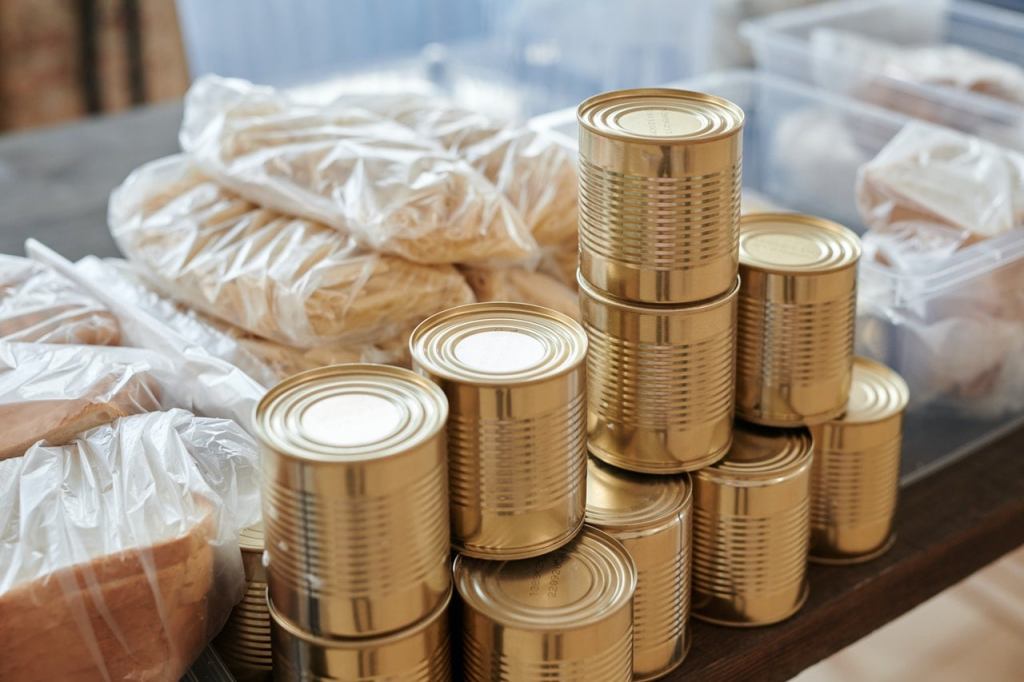
Prepper Tip #1: Stock up on non-perishable survival foods such as freeze-dried meals, canned goods, and vacuum-sealed items. Aim for a minimum of a three-month supply for your family.
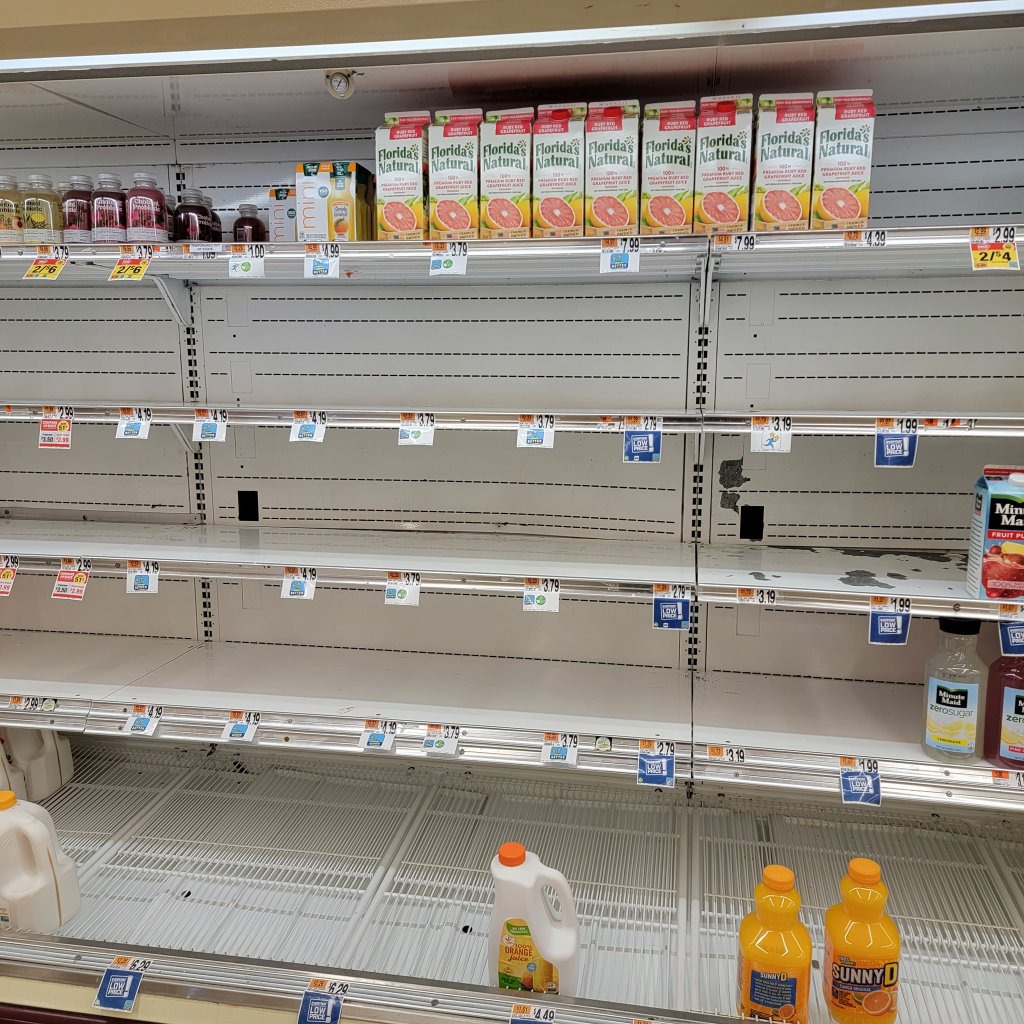
In the event of a disaster, whether it’s a natural one like a hurricane or a man-made one like an economic collapse, the food supply chain can quickly break down. Grocery stores might run out of stock within hours, and transportation systems may be disrupted, leaving you with nothing but empty shelves. During these times, having a supply of survival food allows you to feed your family without relying on the failing supply chains.
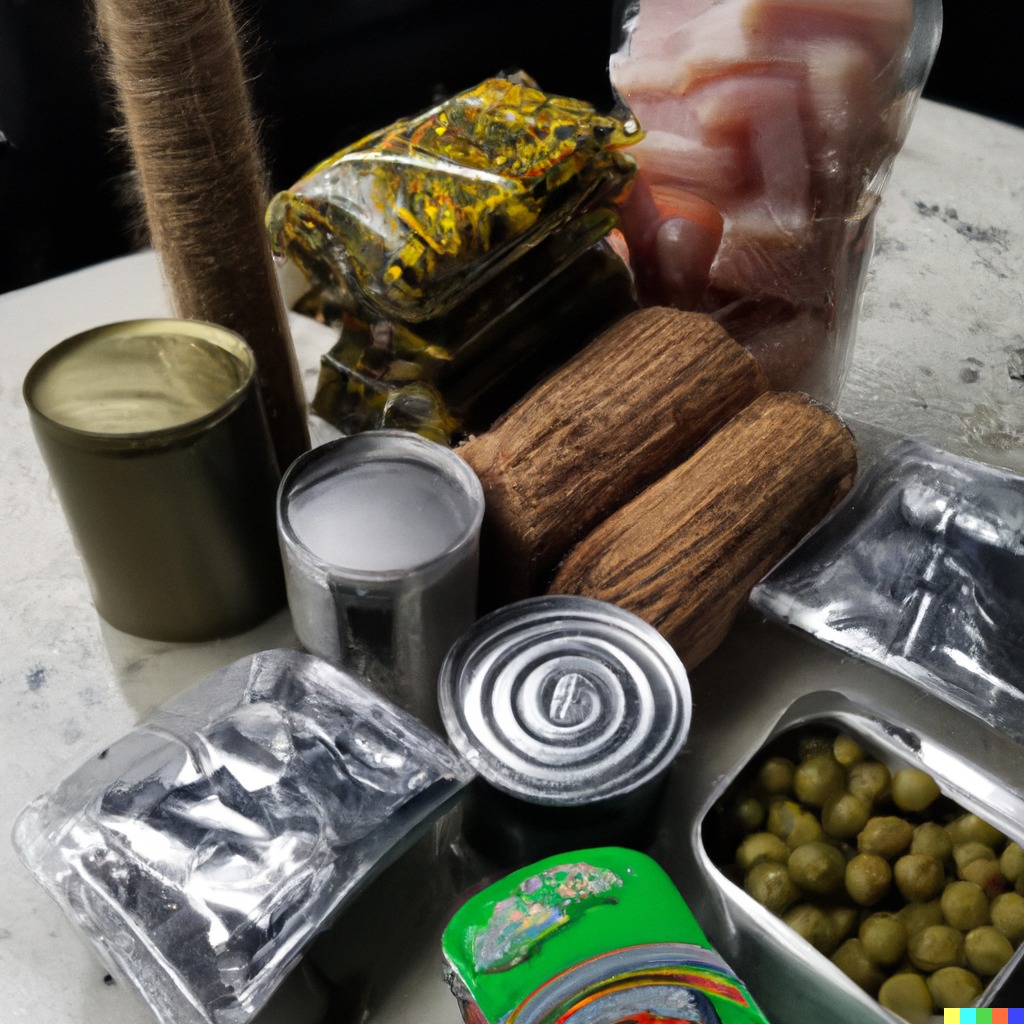
Survival food is designed for long-term storage and can withstand extreme conditions. Items like freeze-dried meals, dehydrated vegetables, and vacuum-sealed protein provide you with a reliable source of nutrients when fresh food is no longer available.
2. Nutritional Needs During Crisis Situations
Prepper Tip #2: Ensure your survival food supply includes a balanced mix of protein, carbohydrates, fats, and micronutrients. Focus on foods that are high in calories to sustain energy levels.
When a crisis hits, the last thing you want is to survive on food that’s nutrient-poor. You need food that not only fills your stomach but provides the calories and nutrients needed to keep your body functioning at its best. When you’re under stress, possibly in harsh weather or physically demanding situations, your body needs fuel to stay sharp.
Survival food is formulated with this in mind. The best survival food options include high-calorie meals that provide protein, fats, and carbohydrates—all essential for maintaining your energy levels. For example, freeze-dried meat, nut butters, instant rice, and energy bars are all great options for providing long-lasting energy and keeping your immune system strong.
3. Shelf Life of Survival Food
Prepper Tip #3: Store survival food in cool, dry places to maximize shelf life. Rotate older supplies regularly to ensure they remain fresh and usable.
One of the biggest advantages of survival food is its long shelf life. Depending on the type, survival food can last anywhere from 5 to 25 years, making it ideal for long-term storage. Canned goods, freeze-dried meals, and vacuum-sealed options can last far longer than fresh food. If stored correctly, they provide you with a security blanket in uncertain times.
However, the key to making sure your survival food lasts is to store it properly. Keep it in a cool, dry area, away from sunlight and humidity. Proper rotation is also important. Use the first-in, first-out (FIFO) method to make sure you’re always consuming the oldest stock first, ensuring your survival food stays fresh.
4. Survival Food Saves Time and Energy
Prepper Tip #4: Choose easy-to-prepare survival food like MREs (Meals Ready to Eat) or freeze-dried meals. These meals don’t require cooking and can be eaten straight out of the bag or after just adding water.
When the grid goes down, cooking becomes a challenge. The last thing you want to worry about is preparing a meal from scratch when you’re trying to keep your family safe, secure, and healthy. Survival food is designed for ease and convenience. Meals like MREs, freeze-dried soup, and instant oatmeal require minimal effort to prepare—sometimes just adding water and waiting a few minutes.
This ease of preparation allows you to focus on other critical survival tasks like securing shelter, gathering water, or defending your home, instead of worrying about how to cook a full meal from raw ingredients.
5. Peace of Mind in Uncertain Times
Prepper Tip #5: Make a family plan and discuss how you will distribute survival food during a crisis. Having a plan in place reduces stress and increases your efficiency during emergencies.
One of the most overlooked aspects of survival preparedness is the peace of mind that comes with knowing you’re ready. When you have a solid stockpile of survival food, you don’t need to panic when the lights go out or the grocery stores close. You’re prepared, and that sense of readiness can reduce anxiety and help you think clearly when everything else seems chaotic.
By having a well-stocked survival food supply, you know that if the worst happens, you’ll be able to provide for your family. This peace of mind is critical for making rational decisions during emergencies.
6. Flexibility in Meal Planning
Prepper Tip #6: Keep varied survival food options so that meals don’t become monotonous. A mix of freeze-dried meals, canned goods, and snacks can help maintain morale.
While having enough food is crucial, the variety of food you have also plays a role in survival. During long-term emergencies, eating the same thing day after day can lead to “survival fatigue,” which can impact your morale and mental health. Survival food provides the ability to mix and match meals, preventing the monotony that can come from eating nothing but canned beans or rice.
In addition to the basics, consider adding treats like jerky, dried fruit, and trail mix to your survival food stash. These foods are not only delicious, but they help lift spirits during challenging times.
7. The Role of Survival Food in Bug-Out Bags
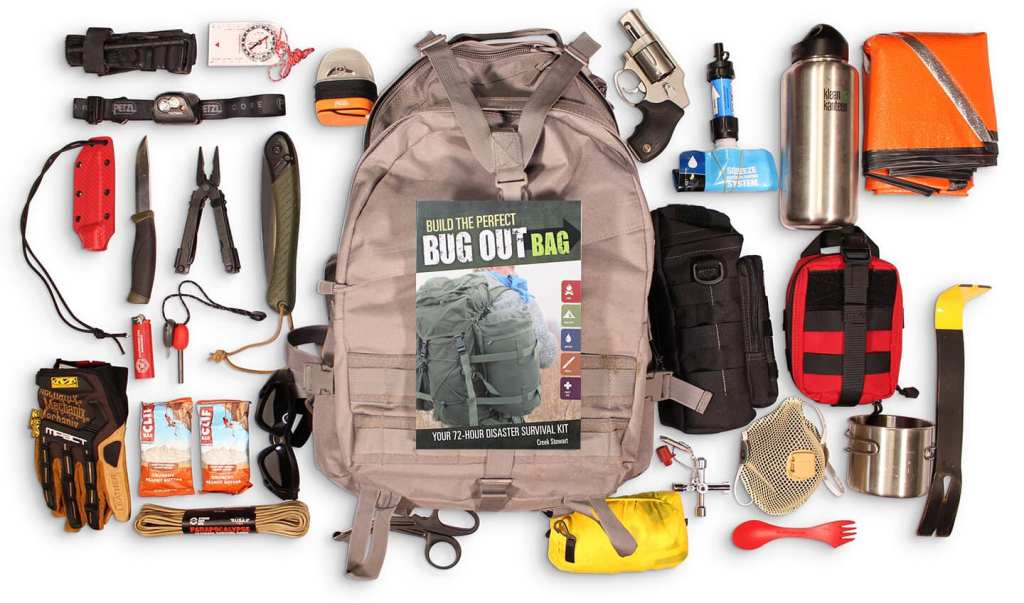
Prepper Tip #7: Always include high-calorie survival food in your bug-out bag. Compact, calorie-dense foods like granola bars or energy gels will keep you energized while on the move.
During an emergency, you may need to bug out—that is, evacuate your home and seek refuge elsewhere. Having survival food in your bug-out bag is essential. You won’t have the luxury of preparing a meal or hunting for food while you’re on the go. Carry foods that are calorie-dense, lightweight, and easy to consume.
Energy bars, nut butter packets, and high-calorie trail mix are great options that will keep you going without weighing you down.
8. Enhancing Your Survival Skills with Food
Prepper Tip #8: Learn how to forage for food and hunt in your area, but supplement these skills with stored survival food to ensure you don’t run out.
While survival food is essential, it should never be your only food source. In addition to your stockpile, learning how to forage, hunt, and fish will increase your self-reliance. Supplementing survival food with wild edibles or small game can help diversify your diet and reduce the need to dip into your emergency stockpile too quickly.
9. Keeping the Family Healthy During Crisis
Prepper Tip #9: Include vitamins and minerals in your survival food plan to keep everyone’s immune system strong, especially when fresh produce is unavailable.
During a crisis, it’s easy to forget about nutrition, especially if you’re relying on a steady diet of canned foods or dried meals. However, maintaining a healthy immune system is more important than ever when disease or injury can be much harder to treat.
Ensure your survival food supply includes multi-vitamin supplements and vitamin-rich foods to support long-term health.
10. Long-Term Sustainability of Survival Food
Prepper Tip #10: Incorporate food-growing plans into your overall prepper strategy. Consider starting a garden with non-perishable seeds for vegetables, herbs, and fruits.
In addition to stocked survival food, you should be planning for long-term sustainability. Consider integrating food-growing strategies into your survival plan. Growing your own food can help replenish your stockpiles, providing you with a renewable food source during extended crises.
Conclusion
Survival food is an essential part of any prepper’s plan, and understanding its critical role in keeping your family safe and healthy is key to successful preparedness. From providing energy and nutrients to ensuring that you can endure a long-term crisis, survival food is your lifeline during emergencies. Whether you’re facing a short-term power outage or a long-term societal collapse, a well-stocked supply of survival food will ensure that you and your loved ones are taken care of, no matter what comes your way.
By following these survival tips and maintaining a healthy stockpile, you’ll be ready to face any disaster and keep your family safe, healthy, and prepared.
It’s Day 10 since everything went sideways. The grid’s down. The streets are lawless. You’re living off what’s left of your preps and what you can scavenge in the ruins. Your family comes first—your kids eat before you do—because that’s what a real protector does.
Your gut’s been gnawing at itself for days now, that deep hunger turning into something primal. You’ve grown used to the emptiness. It becomes part of you. A constant reminder: you’re still alive.
Then it happens. You strike gold—a hidden stash of food. Maybe it was buried, maybe left behind in a rush, maybe a forgotten emergency cache. Either way, it’s yours now.
You dig in like a starving wolf. Your family devours every bite. For a moment, you taste victory.
And then—bam. Nausea. Dizziness. Weakness. Your body betrays you. What you thought was salvation turns into a full-blown emergency.
You’ve just met the silent killer called refeeding syndrome.
WHAT IS REFEEDING SYNDROME?
When you go without food for an extended time—say 10 days or more—your body hits the brakes. It slows your metabolism, conserves every last ounce of energy. You’re running on fumes, and your electrolytes (magnesium, potassium, phosphorus) get drained.
Then, you eat like it’s Thanksgiving. Your system gets shocked. That sudden spike in nutrients flips the metabolic switch, demanding electrolytes you no longer have. The result? Cardiac failure, seizures, coma—or worse.
SURVIVAL PREPPER TIPS: AVOIDING THE REFEEDING TRAP
Reintroduce food SLOWLY after extended starvation. Start with fluids or broths. Give your system time to adjust.
Focus on electrolyte-rich foods first. Bananas, bone broth, leafy greens, nuts—these can restock your depleted reserves.
Avoid carbs in the first refeeding stage. Carbs spike insulin and demand phosphorus. Go with fats and proteins first.
Keep oral rehydration salts (ORS) in your bug-out bag. They’re lightweight and can save your life during refeeding.
Know the symptoms: weakness, confusion, shortness of breath. Don’t mistake these signs for just being “tired.” It could be fatal.
Keep a stash of electrolyte tablets or powders. A little prep now can prevent a deadly crash later.
Always rotate your food preps to avoid long fasts. Prevent running out altogether by tracking expiry dates and cycling through supplies.
Train your body to adapt with occasional fasts before disaster strikes. This builds metabolic resilience and makes you more adaptable.
Teach your family about phased eating. Survival isn’t just about feeding them—it’s about feeding them smart.
Don’t let relief override discipline. Finding food isn’t the finish line—it’s just another checkpoint. Stay sharp.
Remember: In survival, it’s not always the obvious threats that take you down. Sometimes it’s the first meal after the storm that does it.
Stay vigilant. Stay smart. And for the love of all that’s sacred, don’t let your guard down just because you’ve found food. Survival is a marathon, not a sprint.
I always knew that canned foods are the one of easiest ways to make sure you always have food to eat.
However, when I looked at how much I need to stockpile, things started getting a little out of hand.
Some people say you need to store 3 to 6 months’ worth of food. Others even say a year.
This wouldn’t be a concern in the past, but with everything that’s going on lately, I simply can’t afford to shop for this much food.
Even if I shop in bulk.
So I did what any family man would do. I made them myself.
I looked into it and found several ways to make canned food.
And since I am not an experienced prepper, I used the simplest method there is. Water bath canning.
This is the exact process I followed
Gather your food. This could be anything from fresh fruits and veggies to homemade sauces or jams.
Pack the food into jars. You’ll want to use specially designed canning jars for this, and make sure there is some space at the top (referred to as ‘headspace’).
Secure the lids. Once your jars are filled, put on the lids and screw bands, ensuring they are tightly sealed.
Submerge the jars in a pot of boiling water. This is where the magic happens. The heat eliminates the bacteria, yeasts, or molds that could cause your food to spoil.
Let the jars cool. Once you’ve boiled them for the recommended time, take them out of the water and let them cool. As they cool, the lids will seal completely.
Inspect the seals. After the jars have cooled, inspect the seals to make sure they’re airtight. Any jars that haven’t been sealed properly can be reprocessed or refrigerated and used first.
The long days, the mild temperatures, the frequent rainfall
These conditions create the ideal environment for plants to flourish.
Below I’ve listed several crops that don’t just thrive during spring or late spring, but are also hardy, resilient, and packed with nutrients.
Making them excellent for this season.
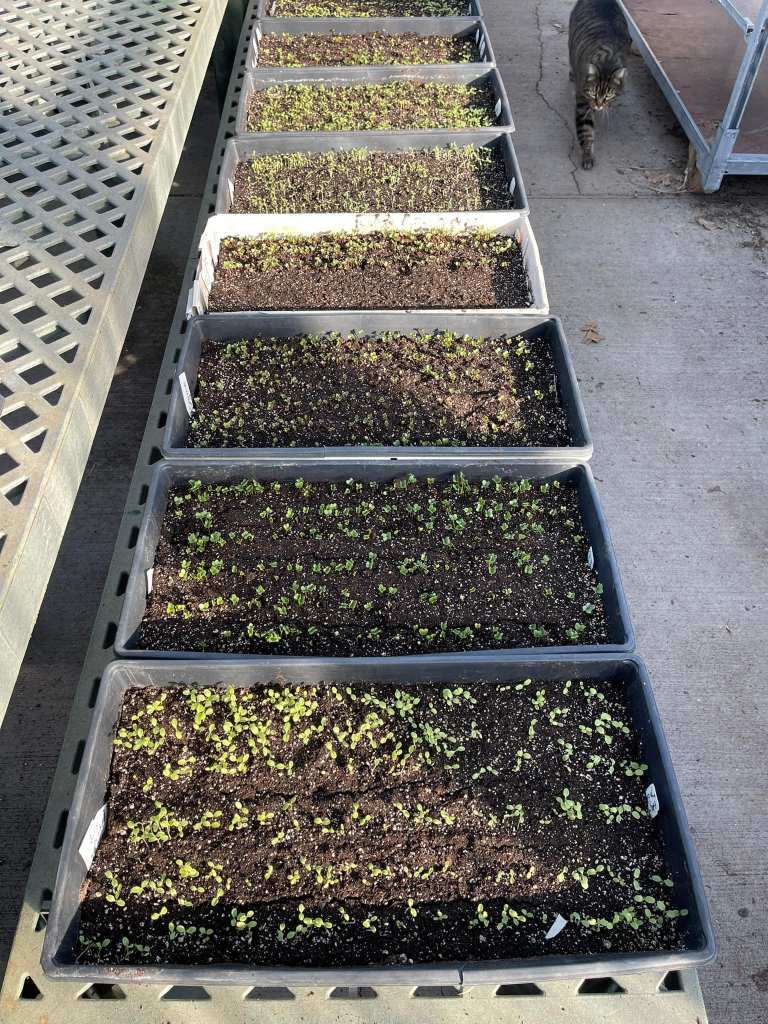
1) Tomatoes. These sunny-weather loving plants are an essential part of any survival garden. Start them indoors if there is still frost outside, and move them outdoors to soak up the spring sunshine.
2) Lettuce. Lettuce can be planted right when the soil is workable. Its quick growth cycle means you’ll have a fresh, crunchy harvest in no time.
3) Spinach. Spinach thrives in the cooler temperatures of spring. Packed with nutrients, it’s an excellent addition to your survival garden.
4) Peas. Plant these directly into the ground when the soil softens. The young shoots add a burst of green to your spring salads, and the peas are a sweet treat.
5) Radishes. Quick to mature, radishes bring a spicy crunch to your dishes. They prefer the cooler weather of spring and can be ready to harvest in just a few weeks.
6) Carrots. Carrots require a bit of patience and loose, sandy soil, but the result is worth it. They are rich in B vitamins, like niacin and B6, which are important for being able to use the energy from food.
7) Beets. Beets provide two harvests in one. Tasty, sweet roots, and leafy greens that can be used in salads or cooked like spinach.
Each of these crops brings something unique to the table.
They can ensure that your prepping garden is not just varied and vibrant, but also nutrient-dense and hardy.
If you haven’t already, why don’t you plant some?
How To Protect Your Garden From Storms
Last summer, my cousin Jimmy shared a devastating story with me.
He meticulously cared for his garden.
He spent countless hours cultivating it.
And you would always see the pride in his eyes and he talked about it.
But a sudden hurricane changed everything overnight.
The strong winds destroyed his garden.
His tough work vanished before his eyes, leaving him without a vital food source for the coming months.
I don’t want this to happen to any of you.
Your garden is more than just a hobby. It’s a vital food source and a lifeline during emergencies.
When tragedy strikes, protecting your garden is essential for ensuring your’s and your family’s safety.
An easy way to weather-proof your garden is to choose resilient plants.
Some plants are naturally more resistant to extreme weather conditions.
Look for varieties that can handle heavy winds, excessive rain, or fluctuating temperatures.
Sturdy plants with strong root systems are your safest bet.
Opt for crops like kale, collard greens, and Swiss chard.
These plants can bounce back after a storm, and regain their strength.
Once you’ve chosen your crops, you need to place them in the right places.
When designing your garden, consider the natural windbreaks and barriers on your property.
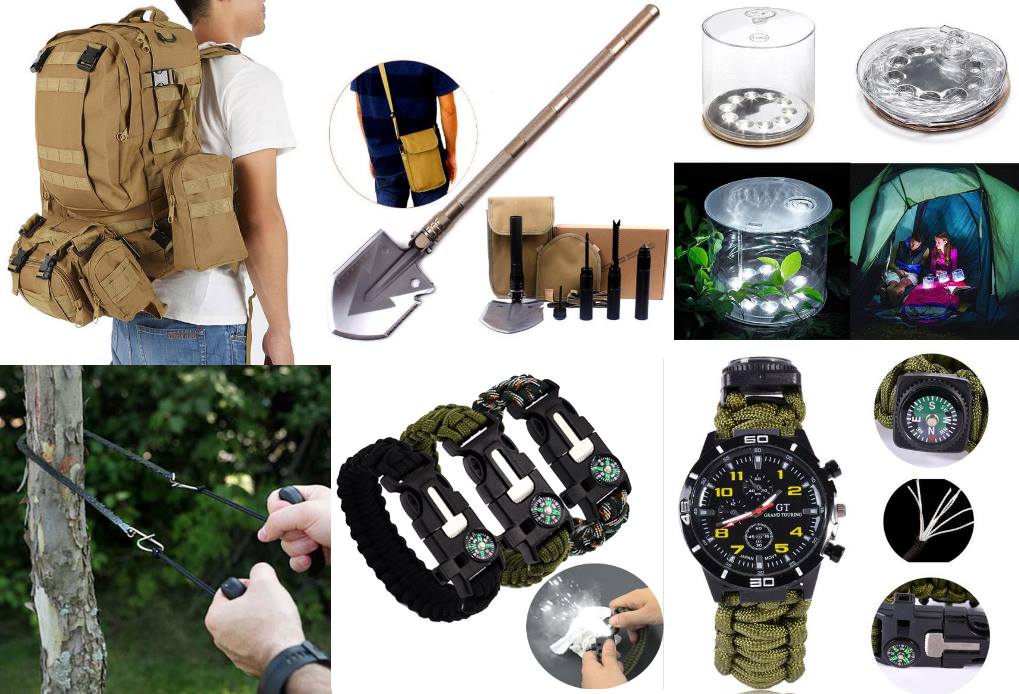
If you are ever forced to evacuate your house and bug out with your family, what you take with you is very important.
Most people pack the essentials. A first aid kit, food, water, and perhaps a sturdy tactical knife.
But there are some items you don’t usually realize you need until you actually need them.
I will share them with you in this newsletter, to make sure you are not missing anything.
Duct Tape
This might seem like an odd choice, but the versatility of duct tape in a survival situation is unmatched.
Whether it’s for makeshift repairs, sealing a shelter, or even first aid uses like securing bandages, a roll of duct tape can be a real lifesaver.
Sewing Kit
While most people don’t consider a sewing kit as a priority, in a prolonged survival situation, it can be invaluable.
The ability to mend clothing, backpacks, or even stitch up a deep cut can make a world of difference.
Physical Currency
Remember, in a grid-down situation, electronic payment methods might be unavailable.
It’s wise to have a stash of physical currency, including a good amount of smaller bills and coins, for times when digital means of payment aren’t an option.
Hard Copies of Important Documents
When we think of survival, paperwork usually isn’t the first thing that comes to mind.
But consider this, if your house becomes inaccessible, would you have copies of crucial documents like your birth certificate, passport, or essential policy plans?
Also, consider including a written list of important contact numbers in case your cellphone becomes inoperable.
Hygiene Items
In the rush of packing survival gear, personal hygiene items can often be overlooked.
However, maintaining cleanliness can help prevent infections and diseases.
Pack travel-sized items like toothpaste, soap, hand sanitizer, and wet wipes. Ladies, don’t forget about your specific needs too.
These items might seem trivial when things are good, but in the middle of a crisis, they could be the difference between struggle and survival.
So, take a moment to review your bug-out bag and see if you can make room for these underrated yet vital survival tools.
Your Bug-Out Location Checklist
If you’ve been keeping up with current events lately, you probably feel as uneasy as I do.
The world around us is becoming more unpredictable and uncertain.
And we may find ourselves in the unfortunate situation of bugging out in the near future.
You may already have a bug-out location in mind.
Or you may be looking for one.
Either way, I’ve gathered the most important factors to consider when deciding on where you will take your family to in case your house is unsafe.
Proximity
When choosing a bug-out location, it’s essential to consider its proximity to your current place.
Ideally, it should be far enough away to be safe from any potential threats but close enough to reach quickly in an emergency.
Accessibility
Your bug-out location should be easily accessible by car, foot, or other means of transportation.
Look for a place you can reach with your car or one that can be reached by foot, bike, or horseback.
Keep in mind that you may need to travel with a lot of gear, so make sure the route is safe and easy to navigate.
Water
Water is essential for survival.
Look for a location near a clean, reliable source of water such as a river, lake, or well.
Consider the quality of the water and how easily it can be purified if necessary.
Security
Some places naturally provide more security than others.
Look for a place that is concealed with natural barriers such as mountains or forests.
It should also be well away from major roads or other potential targets for looters or attackers.
Resources
The essential items you have with you might run out.
Try to find an area with ample hunting or fishing possibilities and a good supply of firewood for heating and cooking.
Finding the right bug-out location is a critical part of survival preparation.
It requires careful consideration of many factors, each one more critical than the other.
Gather ample info beforehand and try to find more than one viable location.
They usually picture something out of a dystopian movie. A sudden, widespread terror, or perhaps a catastrophic event.
But in reality, societal breakdowns don’t happen overnight.
The first sign is far subtler than that
It’s a shift in trust.
That’s right, folks.
Trust is the glue that holds our society together.
The belief that your neighbor will respect your property.
That the grocery store will have food..
That your funds are safe.
But when that trust begins to erode, we’re on a slippery slope.
When people start losing confidence in the institutions that uphold society
When faith in the authorities dwindles…
We start edging closer to a societal breakdown.
Imagine going to work one day, and noticing a huge crowd of worried individuals outside of the biggest local banks.
Everyone is suddenly trying to withdraw their funds
Why?
Are banks not to be trusted anymore?
Do you have to withdraw your savings too?
Or imagine if trust in law enforcement begins to falter, and individuals may take matters into their own hands
Leading to an increase in vigilante justice and public unrest.
I am not sharing this to scare you. Quite the opposite. Awareness is the first step towards preparation.
If we can spot the signs early enough, we can prepare, adapt, and survive.
So, what can we do?
We can keep a close eye on societal sentiment.
Pay close attention to current events, the rumblings on social media, and the worries and concerns of your neighbors and friends.
These can provide valuable insights into the state of societal trust.
Then, you can ensure you are prepared for self-sufficiency.
This means having a reliable stockpile, honing our survival skills, and fostering a close-knit community of like-minded individuals.
Societal collapse is a gradual process.
If we spot it early enough, it can give us the upper hand.
So let us stay vigilant and aware.
This Is Why Most People Will Not Make It When SHTF
Imagine you’re planning a road trip that will last a week.
You figure out where you’ll stay, what you’ll eat, and which sights you’ll see.
But what if this trip wouldn’t last a week, but an entire year
Would you be able to remain safe?
This is a real possibility, folks.
Emergencies can force us to transform our way of living for good.
Most people think about what they’ll do for an emergency that might last a couple of days or weeks.
But that’s just not enough.
To really thrive when SHTF, we need to think months, years, and even decades ahead.
The long-term, day-to-day living in a different world.
Canned food and bottled water will keep you safe for some time. Months even.
But what happens when those run out?
In the long run, skills like hunting, fishing, farming, preserving food, and sourcing clean water are essential.
This is why what we do is so important.
We constantly improve our prepping abilities and add to our skill set.
Just like our ancestors did.
They knew the land, the seasons, the plants, and the animals. They understood that prepping wasn’t a sprint, but a marathon.
We have to adopt this kind of mindset as well.
We need to think beyond the initial emergency, beyond the canned goods, and towards a future where we don’t just think about what we have, but about what we know and what we can do.
If there’s one thing that everyone has to learn how to survive during tough times…
It’s making do with what you have.
Seeing the potential in everyday items is what separates an experienced prepper from a beginner.
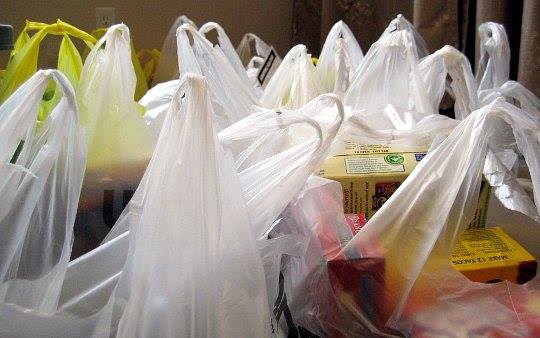
In this short letter, I want to talk to you about the surprising survival uses of a simple plastic bag.
First, let’s talk about the obvious. Carrying stuff.
Whether you’re foraging for wild edibles or just organizing your tools, a sturdy plastic bag can hold a surprising amount of weight and volume.
But let’s dig deeper, folks.
Imagine this. You’re in a pinch, and you’ve run out of clean water.
There’s a clear, beautiful stream nearby.
But we are aware of the risks of drinking directly from it, right?
Enter the plastic bag. Fill it up, then use your survival water purifier and make it safe to drink.
Another use is in food gathering. Fill a bag with lush, green, non-poisonous leaves, and you’ve got yourself a solar still that can provide you with precious drinkable water.
(There are tons of tutorials on the web on how to do that).
Or let’s say you’re caught in the rain without proper gear.
A large trash bag can easily be converted into an emergency poncho, keeping you dry and protecting you from hypothermia.
One more tip…
One that might sound a little unusual.
A black plastic bag can be used for signaling.
Fill it with air, tie it shut, and you’ve got yourself a noticeable distress signal that could attract the attention of rescuers.
I’m not saying a plastic bag is the answer to every survival need.
But in a pinch, it can serve you in ways you might not expect.
The key, as always, is to think creatively and adaptively.
The more you can see the potential in the ordinary, the easier you’ll fare when the chips are down.
So, the next time you see a discarded plastic bag, give it another look. It might just be your ticket to self-sustenance.
This Will Be Your Most Robust Tool When SHTF
Let me ask you an honest question.
When SHTF, what will be your most useful tool?
Most people think about their stockpiles or their security systems.
However, there is another important aspect of emergency readiness that is quite often overlooked.
And that’s your skills.
If everything around us crumbles to the ground, the dominant currency will shift.
And our usual means of exchanging goods and services no longer hold value.
If that happens, your unique skills become your most valuable asset.
The more diverse your skillset, the more valuable you become to your community, and the better you’ll do when everything else falls apart.
In such a world, it’s not about being the strongest or the smartest.
It’s about having a wide range of abilities that can assist you and those around you navigate through challenging times.
The more versatile you are, the more ready you’ll be for whatever comes your way.
So, what can you do to ensure that you have the most powerful tool at your disposal when SHTF?
The answer is simple.
Invest in yourself.
By learning different skills and expanding your knowledge, you become more well-rounded and capable.
You don’t have to be an expert in everything, but even a basic understanding of various skills can make a significant difference when it matters most.
This also means that everything you know so far could be useful.
Are you a good cook?
A good mechanic?
A good dentist?
When SHTF, everything could be useful?
If you can provide something that other people will need, you will be in a more advantageous position to protect your family.
You will be able to trade your skills for food, water, gear, and anything else you might need.
So think about the abilities that you currently have…
What skills you can acquire?
Where you can improve?
And try to expand your skillset as much as possible
How To Be Your Own Medic When SHTF
Imagine this…
A major emergency has struck, and people everywhere are panicking.
You find yourself alone, with no healthcare personnel in sight.
You’ve got a nasty cut that needs attention, pronto. Do you know what to do?
In situations like this, knowing how to perform first aid on yourself is crucial.
It’s a piece of knowledge that every American needs to know.
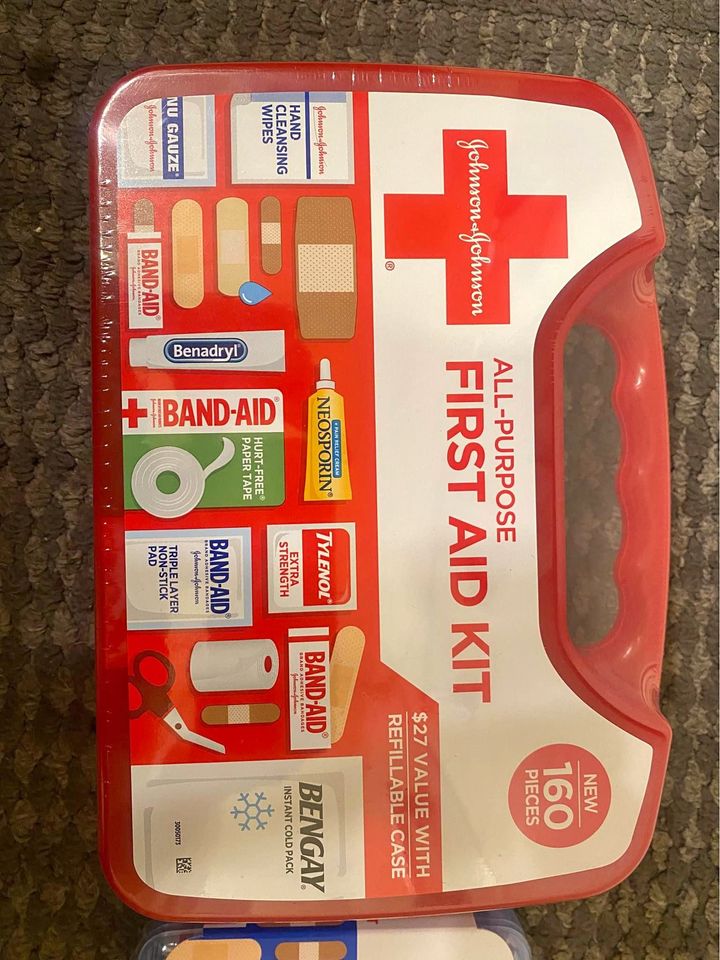
Everyone has a trusty first aid kit…
But how many of us actually know how to use everything in it properly? Knowledge is your greatest weapon, folks.
Let’s start with the basics.
First up is dealing with cuts and scrapes.
If it’s a minor one, you just need to clean it with warm water and soap, apply some antibiotic ointment, and cover it with a bandage.
However, if it’s deep, you need to take care of the bleeding first.
Apply pressure using a clean cloth until it subsides.
If it’s very severe, you might need to use a tourniquet, but this should be your last resort.
Next, let’s talk sprains.
If you’ve rolled your ankle or twisted your wrist, remember the acronym R.I.C.E.
Rest, Ice, Compression, and Elevation.
Keep the injured area immobilized, use an ice pack if available, wrap it in a bandage, and elevate it above your heart level.
How about burns?
Everyone has felt the sting of touching a hot pan. Minor burns can be soothed with cool (not cold) water and a soothing cream or aloe vera.
Severe burns, however, require immediate professional attention.
The safest thing you can do is cover it with a clean, dry cloth and try not to burst any blisters.
So far so good.
The true challenge arises when it comes to dealing with broken bones.
If you suspect a fracture, the first step is immobilization.
Use a splint or even a piece of wood to keep the injured area from moving. Then, apply a cold pack to reduce swelling.
And remember, this is a temporary fix to survive until you receive professional attention.
I know this is a lot to take in. I’m not expecting you to become an expert medic overnight.
But the reality is that in a survival scenario, we have to take on roles we might not be comfortable with.
You may have to be your own medic, nurse, and first responder rolled into one.
I suggest you start with these basics, and then keep learning.
Because in the world of survival, knowledge isn’t just power. It’s everything.
Focus On These Areas To Retain A “SHTF” Physique
You know that sinking feeling when you’ve been sitting too long and stand up, just to feel aches and stiffness in your joints?
Imagine that feeling in a high-stress emergency situation.
Not an ideal scenario, right?
When it comes to prepping, we often focus on the tools, the skills, and the items we need to endure.
However, we mustn’t overlook one of our most important assets. Our own muscles.
Physical fitness is an essential, yet often underrated, aspect of prepping
In an emergency, a strong, agile, and resilient physique can make an incredible difference.
Whether you’re bugging out on foot, chopping wood for a fire, or defending yourself and your family, your physical capabilities will play a critical role in your overall security.
To build an emergency-ready physique, focus on these key areas:
Endurance
When emergency strikes, you may have to cover long distances on foot, carrying heavy loads.
Cardiovascular exercises like running, biking, or swimming will allow you to build the stamina you need.
Strength
In a high-stakes situation, you’ll likely have to carry heavy equipment, move obstacles, or climb over barriers.
Incorporate weight training or bodyweight exercises to build overall strength.
Flexibility
Flexibility and mobility are essential for injury prevention and general well-being.
Stretching can allow you to maintain a full range of motion and reduce the risk of injury in high-stress situations.
Balance
Good balance is vital for navigating uneven terrain, crossing streams, or climbing trees.
Incorporate exercises like single-leg stands, balance board workouts, or even slacklining to improve your stability.
And if you want to make the most of your workouts, you can even train outdoors.
This will allow you to become more comfortable with various terrains and weather conditions.
Folks, remember that a fit and healthy physique is one of your most valuable assets in a high-stakes situation.
Don’t let your physical capabilities be your weakest link when it matters most.
Embrace the challenge and strive for an emergency-ready physique.
This Bug-Out “Mistake” Could Prove Fatal When SHTF
Imagine if a hurricane struck tomorrow out of the blue, and you were forced to bug out with no warning.
You grab your bug-out kit, you wake up your kids, you put them in your car
And your car doesn’t start.
What do you do then?
You’re left at God’s mercy.
Our vehicles are essential in emergency situations.
If you don’t want to find yourself in this nightmare situation, you always have to maintain your car.
I know that the probability of your vehicle failing on you at the worst possible moment is slim
But when we are talking about surviving, we have to eliminate anything that might go wrong completely.
Like any tool, your vehicle needs proper maintenance.
You have to ensure that the fluids in your vehicle are regularly maintained and filled to the appropriate level.
This includes oil, coolant, transmission fluid, and brake fluid.
Each of these fluids plays a critical role in keeping your vehicle running smoothly and preventing damage to your engine and transmission.
Another important aspect of vehicle maintenance is tire care.
Monitor your tire pressure regularly and keep them inflated to the recommended level.
Underinflated tires can cause poor gas mileage, uneven tire wear, and even blowouts on the road.
It’s also crucial to rotate your tires every 5,000 to 7,500 miles to ensure even wear.
Then there are the brakes.
If they fail on you at any point, it could lead to a car crash.
Regularly inspecting your vehicle’s brakes is essential.
This includes checking your brake pads and rotors for wear and tear, as well as your brake fluid level.
Properly functioning brakes are essential for safe driving, especially in emergency situations.
Remember, your vehicle is a vital tool for survival.
If it fails on you when you need it the most, the consequences could be catastrophic.
So always make sure it’s up to the task.
The Very First Essential Good That Will Become Extinct When SHTF
In the world of survivalism, one thing is certain. Emergencies can happen anytime, anywhere.
Natural catastrophes like earthquakes or hurricanes arrive with no warning.
And every family man and woman should be prepared for them.
A lot of people, however, don’t know how to do that.
With so many different possible scenarios, it can be overwhelming to figure out what to prepare for and what items to gather.
But even though the survival situations are essentially endless, they have one thing in common.
When SHTF, the first essential good that will become scarce will be the same. Water.
Water is the most important ingredient for survival, and yet, it will most likely be the first one to become extinct.
There are many reasons for that.
The most critical one is contamination.
When the power goes out, water treatment facilities and distribution systems may be damaged or cease to function.
When the water supply is compromised, clean water becomes scarce.
During natural emergencies, sewage and other chemicals also end up in the lakes and rivers, making them unsafe to drink.
In situations like these, people become competitive.
They flock to the remaining water sources, creating a high demand that quickly depletes the supply.
That’s why before you do anything else, you need to ensure you always have drinkable water.
Your first step should be to store water.
It’s recommended to have at least one gallon of water per person each day for drinking and hygiene purposes.
Store water in containers that are designed for long-term water storage, like heavy-duty plastic containers or water barrels.
But storing is not enough.
No matter how much you have, it might run out.
You also need to know how to purify water.
There are several methods for water purification, including boiling, using water filters, or using chemical treatments.
Take your time to learn these skills, and practice purifying water, so you’re ready for when the time comes.
During a SHTF scenario, every drop counts.
If you were looking for a way to prioritize your preps, begin with water.
How do you ensure you always have water in your household? Reply and let me know!
How To Turn On Your “SHTF Sensors”
Did you know that you have sensors that detect emergency situations, and respond to them?
And that it was thanks to these “SHTF sensors” that our ancestors managed to survive in spite of the harsh conditions?
You can turn these sensors on whenever you want, even when things are going well.
I will show you how to do that in this newsletter.
I have no idea why this is not common knowledge.
I found that information on a small Youtube page that belongs to an American biologist.
His page should have way more followers than what it currently has.
If more people knew about this, there would be less disease.
People would live longer.
And they would make it unscathed out of survival situations.
It has to do with how our systems developed ages ago.
Our ancestors did not have the abundance of food that we have nowadays.
They would eat whenever they successfully hunted an animal, or when they’d find something edible in the surrounding land.
In other words, they would eat a lot less often than us.
This might sound like a bad thing, but it’s not.
This activated their survival sensors and gave them more energy to keep hunting.
It kept them from getting sick even though they did not have houses to protect them from the cold.
And it made them feel alert.
Nowadays, however, this rarely happens.
Whenever we feel hungry, we can just have food delivered to our houses, or go out to eat.
This makes our systems feel like they have everything they need to survive.
So they become “lazy.”
They don’t expend energy to defend themselves because there is no need for it.
So our metabolism goes down.
We burn less fat.
And most importantly, we are not ready for when a real SHTF scenario occurs.
Imagine if you asked a modern man to survive in the harsh conditions of the past.
Without having food to eat, shelter, or first aid.
These conditions could occur in survival situations.
But most people are not ready for them.
However, there is an easy answer to that.
You can begin to turn on your survival sensors as early as tomorrow.
If you simply limit your eating hours, then you can trick your system into thinking there is not a lot of food around.
I am not asking you to eat fewer calories.
But to simply restrict your eating to a shorter period of time each day, such as 6-8 hours, instead of the whole time you are awake.
People nowadays refer to this as “fasting.”
This will make you feel hungry (something we rarely experience nowadays), and activate your SHTF sensors.
And it will greatly improve your health and allow you to survive emergency situations.
Why don’t you try it?
This Ancient Skill Could Protect You When SHTF
As humanity evolved, we learned to use technology to simplify our lives.
And while this made our survival easier…it gave us an “excuse” to not develop critical skills that could come in handy in emergencies.
There is a skill that our ancestors had carefully developed, that is pretty much forgotten nowadays….
Navigation.
If God forbid, you are ever caught in a survival situation, you need to know how to navigate.
Why?
Because being lost in the wilderness can be a dangerous and disorienting experience.
If your smartphone doesn’t have any signal, you need alternative ways to find your way.
Without a sense of direction, you may wander aimlessly, depleting your energy and resources.
Even worse, you may end up in a hazardous or risky situation.
That’s where navigation and orienteering come in.
These skills allow you to determine your position and plan a route to safety or civilization.
So let’s go into some practical tips for navigating and orienteering in the wilderness.
Always carry a map and a compass.
A map will give you an overview of the area you’re in and help you plan your route. A compass will help you determine your direction and stay on course.
You should teach yourself how to use them.
Familiarize yourself with the symbols and features on your map, and practice using your compass to take bearings and follow a straight line.
Use natural landmarks to orient yourself.
Look for prominent features like mountains, rivers, and valleys to help you find your bearings.
You can also mark nearby trees or rocks to make sure you are not walking in circles.
Pay attention to the sun and the stars.
The sun rises in the east and sets in the west, so you can use it to determine your general direction.
At night, look for the North Star (also known as Polaris) to find the North.
Practice “dead reckoning.”
This is a navigation technique where you estimate your position based on the distance and direction you’ve traveled.
It’s a good backup plan if you don’t have a map or compass.
Remember, being able to navigate and orienteer is a crucial survival skill.
It will help you find your way back to civilization or to a safe location.
You might need it when you least expect it.
That’s why I believe everyone should have it in their prepping skillset.
Should You Drive Away When SHTF?
I was chatting with someone at the supermarket the other day.
And at some point during our conversation he said that if SHTF, he’d just “drive away.”
This is something that I hear many people say. But the truth is, “simply driving away” isn’t always an option.
There are a lot of things to consider when bugging out on vehicle. Let’s go through them.
Road Conditions.
During emergency situations, road conditions can deteriorate rapidly.
This may be due to natural emergencies like earthquakes, floods, or landslides.
Or man-made risks like riots, roadblocks, and infrastructure damage.
Navigating such treacherous conditions will require a well-equipped, capable vehicle with sufficient fuel.
Having spare tires and a tire repair kit is also essential.
Congestion…
In emergencies, people will likely attempt to evacuate simultaneously, causing annoying bottlenecks.
This can be especially problematic in urban areas where roads are already congested.
If you don’t want to become stuck in such situations, consider alternative routes and have a backup plan in case your primary escape route becomes impassable.
Fuel Availability…
Fuel stations may run out or become inaccessible during an emergency.
To ensure your vehicle’s continuous operation, store extra fuel in safe, approved containers.
Just be mindful of the expiration dates and storage conditions of your fuel reserves.
Additionally, consider using a fuel-efficient or alternative fuel vehicle to maximize your range.
Communication and navigation…
When SHTF, traditional communication and navigation systems may become unreliable or non-functional.
Having a CB or HAM radio in your vehicle can allow you to stay informed about local conditions.
And don’t forget to keep a physical map and a compass in your vehicle as a backup.
Vehicle Security…
When things go wrong, your vehicle might become a target.
People might attempt to steal it from you. To reduce the risk, ensure your vehicle is secure and unnoticeable.
Also, consider using a steering wheel lock, a car alarm, or a concealed immobilization device to deter would-be thieves.
As you can see, evacuating by vehicle is more complicated than most people think.
There are a lot of factors at stake.
If this is too much to remember, write them down, so that you can make an informed decision when the time comes.
Imagine you’re coming back from work one day, and you receive this message.
“Emergency Alert – Hurricane Warning”
You are being instructed to evacuate as quickly as possible.
But that doesn’t scare you.
You grab your bug-out bag, gather your family, and head for the road.
Following your carefully planned escape route.
But there’s one factor you haven’t considered. Everyone else is trying to do the same thing.
The reality is, when emergency strikes, roads will be congested, gas stations will run dry, and tensions will be high.
And the approaching hurricane will not be making things any easier.
Doesn’t sound ideal, does it?
This is why having one escape route is not enough.
You need multiple options.
Begin by evaluating your escape routes and identifying less-traveled alternatives that could allow you to stay away from congested areas.
Also, consider the timing of your departure. Leaving at the first sign of trouble, before the masses clog the road, could give you a critical head start.
Additionally, it’s essential to prepare for the possibility that you may need to abandon your vehicle and continue on foot.
Ensure that your bug-out bag is equipped with the necessary items for a long trek and that your loved ones are physically prepared for such a journey.
And don’t forget to have a backup plan.
In the unpredictable world we live in, it’s essential to be adaptable and ready to alter course if your initial plan proves unfeasible.
I know people who are dead set on their emergency plans, and refuse to modify them.
However, adaptability is essential in emergency situations.
By taking the time to rethink your bug-out plan you can account for the often-overlooked risk of getting caught in the disarray of a mass evacuation.
And you can make more informed decisions when emergency strikes.
Remember, it’s not just about planning for things you can expect. It’s also about being ready to face unexpected challenges that may arise along the way.
So take the time to consider every option available.
Don’t Bug Out Unless You’ve Thought About This
Sometimes we have to make tough decisions.
Decisions that can determine the fate of our families and our own future.
One of these decisions is knowing when to bug out, and when to stay put.
Deciding whether you should bug out or not is like choosing a partner.
It can either make you or break you.
Sometimes, it can be a lifesaving choice.
But bug out when you shouldn’t, and the consequences could be catastrophic.
I will tell you everything you need to know before you make a decision.
So you can protect yourself and your family with confidence.
First and foremost, always trust your instincts.
As I’ve mentioned in previous articles, our intuition is an incredible thing that can assist in guiding us in high-stress situations.
If your gut is telling you that it’s time to bug out, take that feeling seriously.
Next, consider the severity of the hazard.
Is it something that’s likely to escalate?
Or is it a situation that may subside without causing any significant harm?
For example, if you’re facing a natural emergency like a wildfire or hurricane, bugging out might be the greatest option to escape imminent risk.
On the other hand, if it’s a temporary power outage or a localized matter, staying put might be wise.
So these are the factors that you can’t control
Let’s talk about the things you can control.
Your resources.
When deciding whether to bug out or not, take a good look at your stockpiles.
If you have enough food, water, and first aid to last you throughout the whole emergency, then might want to stay indoors.
But if you need to look elsewhere for gear and essentials, then evacuating could be a necessity.
Then there’s the condition of your vehicle.
Whether we like it or not, our cars are essential for bugging out.
Evacuating on foot can be a hundred times tougher.
Another critical factor is the well-being of your family.
If you have young children, elderly relatives, or anyone with special needs, bugging out may be more challenging.
In some cases, staying put and fortifying your house could be safer.
Making the decision to bug out or not isn’t easy.
By considering these factors, however, you can pick the correct option.
Remember, having a well-thought-out plan in place will always beat getting caught unprepared.
So think about the things that you can and can’t control, and choose wisely.
Did you know you have an incredible prepping tool in your bathroom cabinet?
It’s true. No one thinks about it.
And yet dental floss has many uses that might come in handy when the chips are down.
First and foremost, it is essential for maintaining oral hygiene.
In a post-emergency scenario, dental care may be nonexistent.
Taking care of your teeth and gums is essential for preventing infections and other health hazards.
Dental floss can allow you to maintain good oral health, even in the most challenging circumstances.
But beyond its primary use, it has a surprising number of other applications that can come in handy in an emergency situation.
Its thin yet incredibly strong nature makes it a versatile tool.
For example, dental floss can be used as a makeshift fishing line.
If you find yourself needing to catch fish for sustenance, simply attach a hook to the end of the floss and cast it into the water.
Its inconspicuous appearance makes it less likely to scare fish, and its strength ensures that it can handle the weight of your catch.
Another practical use for dental floss is as a sturdy thread for sewing.
Whether you need to mend torn clothing, stitch up a wound, or create makeshift gear, dental floss is a reliable option.
Dental floss can also be used to create a tripwire alarm system around your camp or bug-out location.
By stretching it taut between trees or other anchor points, you can create a simple perimeter that will alert you if someone or something attempts to enter your area.
Tie a few aluminum cans or other noise-making objects to the floss, and you’ll have an early warning system in place.
These are just a few examples of the many uses for dental floss in an emergency situation.
What I love the most about it is that it comes in small packaging, so it doesn’t take up any space in your bug-out bag.
As fate would have it, the hurricane changed course at the last minute, and our town was spared from its wrath.
My neighbor chuckled as he recalled my diligent preparations, suggesting that everything was a waste since the storm didn’t hit.
But was it, really?
Upon reflecting on the situation, I realized that even though the hurricane didn’t reach my house, I gained something invaluable from my preparations. Peace of mind.
You see, while everyone else was frantically scrambling and praying that the storm went away…I didn’t have to.
I knew I had done everything in my power to keep my family safe.
And I remained calm.
That, folks, is the true value of prepping.
When we invest in emergency preparedness, we’re not just planning for worst-case scenarios; we’re investing in our own mental and emotional well-being.












































 TheDailyChristian