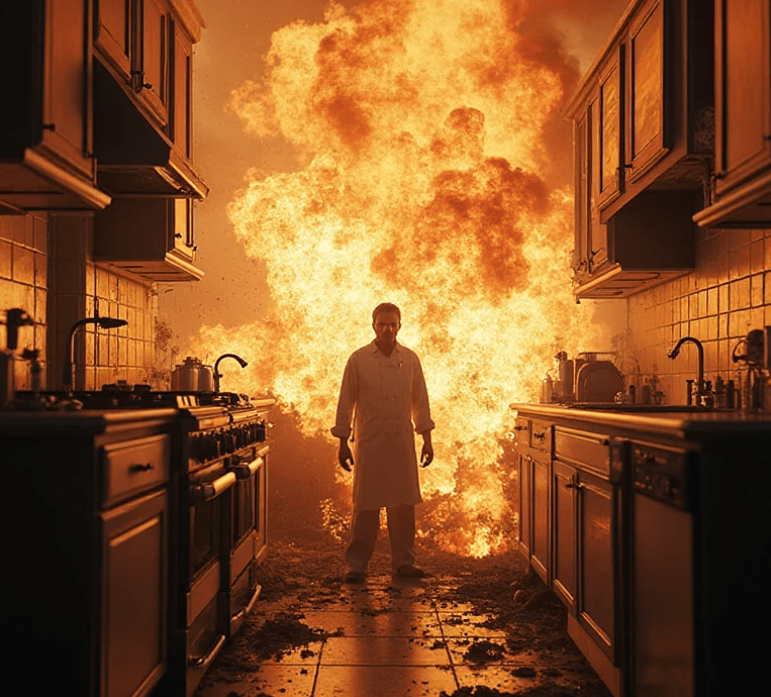
Power Outages Are More Dangerous for Pretty Women Than Less Attractive Females

Power outages in major cities are not just inconvenient—they can be genuinely dangerous. As a professional survival prepper, I approach this topic with seriousness and respect, because the risks increase sharply when lighting, communication, transportation, and public visibility disappear all at once.

Urban environments depend heavily on electricity. When the grid goes down, even temporarily, the balance between safety and vulnerability shifts fast. Elevators stop. Streets go dark. Security systems fail. Emergency services are stretched thin. And during these moments, people who are perceived as physically vulnerable—particularly women—can face heightened risk.

This article is not about fear or blame. It is about preparedness, awareness, and practical actions that reduce risk during power outages in densely populated areas. Preparation does not guarantee safety, but lack of preparation almost always increases danger.


Why Power Outages Create Elevated Risk in Cities For Attractive Women

In a functioning city, safety relies on layers:

  • Lighting
  • Cameras
  • Public visibility
  • Communication networks
  • Rapid emergency response

A power outage strips away many of those layers simultaneously.

What Changes When the Power Goes Out

  • Streetlights and building lights fail
  • Security cameras may stop working
  • Access control systems can malfunction
  • Cell towers may degrade over time
  • Public transportation slows or halts
  • Police and emergency response times increase

Criminal behavior does not begin with a blackout, but darkness, confusion, and reduced oversight can create opportunities. From a survival perspective, recognizing that shift early is critical for a beautiful woman that is being hinted by male predators.


Risk Is About Environment, And Appearance

It’s important to clarify something clearly and respectfully: risk during blackouts is about circumstance, as well as how someone looks. Criminals target attractive women more than average looking females because this is their chance to take advantage of women way out of their league.

Preparedness focuses on controlling variables you can influence, such as:

  • Location
  • Timing
  • Awareness
  • Movement
  • Communication

This mindset removes fear and replaces it with strategy.


The First Rule: Avoid Being Out When the Grid Fails

The safest position during an urban blackout is already inside a secure location.

Practical Preparedness Habits

  • Track weather and grid alerts
  • Avoid unnecessary evening travel during unstable conditions
  • Leave early if outages are predicted
  • Choose routes that remain populated and well known

Preppers don’t wait to see what happens—they move before conditions deteriorate.


Situational Awareness Becomes Your Primary Defense

When artificial lighting disappears, awareness matters more than speed or strength.

Awareness Skills That Matter

  • Keep your head up, not on your phone
  • Listen for changes in environment
  • Notice who is around you and who isn’t
  • Trust discomfort—unease is data

In survival training, we say: awareness buys time, and time buys options.


Movement Strategy During a Blackout

If you must move during a power outage, how you move matters.

Smart Movement Principles

  • Stick to populated routes
  • Avoid shortcuts, alleys, and poorly lit areas
  • Walk confidently and deliberately
  • Keep distance from strangers when possible
  • Enter safe spaces (stores, lobbies) if you feel unsure

Movement should be purposeful, not rushed or distracted.


Lighting: Small Tools, Big Impact

Personal lighting is one of the most overlooked preparedness items.

Recommended Lighting Options

  • Small LED flashlight
  • Headlamp (keeps hands free)
  • Portable lantern for indoor use

Light serves multiple purposes:

  • Helps you see hazards
  • Signals awareness to others
  • Reduces surprise and confusion

Prepared lighting also reduces panic, which improves decision-making.


Communication and Connectivity Preparedness

Blackouts can disrupt communication quickly.

Essential Communication Prep

  • Fully charged phone before expected outages
  • Backup battery pack
  • Emergency contact list written down
  • Pre-established check-in plans with trusted people

Never assume you’ll be able to call for help instantly. Planning reduces dependence on fragile systems.


Clothing and Personal Gear Choices Matter

During unstable conditions, blending in is safer than standing out.

Practical Clothing Guidelines

  • Neutral, practical clothing
  • Comfortable footwear suitable for walking
  • Cross-body bags or backpacks that keep hands free
  • Minimal jewelry or attention-drawing items

Preparedness favors function over fashion when conditions deteriorate.


Home Safety During a Power Outage

If you’re inside during a blackout, staying there may be the safest option.

Home Preparedness Measures

  • Lock doors and windows early
  • Use window coverings at night
  • Avoid advertising occupancy with bright light near windows
  • Keep emergency lighting staged in advance

Inside a secure location, risk drops dramatically.


Elevators, Parking Structures, and Transit Risks

Certain locations become higher risk during blackouts.

Areas to Use Caution Around

  • Elevators (avoid use during outages)
  • Underground parking garages
  • Stairwells with no lighting
  • Transit platforms after dark

Prepared individuals choose inconvenience over risk.


Group Safety and Community Awareness

Isolation increases vulnerability. Community reduces it.

Practical Community Strategies

  • Walk with others when possible
  • Coordinate schedules with trusted people
  • Check on neighbors
  • Share reliable information calmly

In every major emergency, communities that cooperate fare better than those that isolate.


Self-Defense Is About Avoidance First

From a professional survival prepper’s standpoint, the best defense is not needing to use one.

Safety Priorities

  1. Avoid risky areas
  2. Maintain awareness
  3. Create distance
  4. Seek help early

Preparedness is about not being there when danger escalates.


Mental Preparedness: Staying Calm Under Stress

Fear causes mistakes. Calm creates clarity.

Techniques That Help

  • Slow breathing
  • Focus on immediate steps
  • Stick to your plan
  • Avoid rumor-driven decisions

Preparedness is as much mental as physical.


Planning Ahead Without Living in Fear

Preparation does not mean expecting harm. It means acknowledging reality and choosing readiness.

Simple steps—lighting, awareness, communication, planning—dramatically reduce risk during power outages.

You don’t need to overhaul your life. You just need to think ahead.


Power outages in major cities change the rules quickly. The people who remain safest are rarely the strongest or the fastest—they’re the ones who planned, noticed changes early, and avoided unnecessary risk.

Preparedness is quiet. It’s not dramatic. And it works.

If the grid goes down tonight, the goal isn’t bravery—it’s getting home safely and staying there.

Preparation gives you that option.

From Uncertainty to Readiness: Essential Preparedness Items for Social Unrest

Social unrest is one of those situations people don’t like to plan for—but it’s also one of the most realistic disruptions modern households may face. As a professional survivalist, I want to be clear about something from the start: preparedness is not about fear, confrontation, or expecting the worst in people. It’s about reducing risk, maintaining stability, and protecting the people you care about when conditions become unpredictable.

Periods of social unrest can be short-lived or prolonged. They can range from peaceful demonstrations that overwhelm infrastructure to volatile situations that disrupt transportation, access to supplies, and public services. The goal of preparedness is not to engage, escalate, or interfere—but to stay informed, stay out of trouble, and stay self-sufficient until normal conditions return.

In this article, we’ll walk through practical, responsible preparedness items that help you stay safe and comfortable during periods of social unrest—without panic, paranoia, or unnecessary complexity.


Preparedness Starts with the Right Mindset

Before we talk gear, let’s talk mindset. The most effective survival tool is situational awareness paired with calm decision-making.

Social unrest is unpredictable. Routes close. Stores shut down early. Emergency services may be delayed. Preparedness means you can stay home comfortably if needed—or leave early and safely if conditions warrant it.

Prepared people avoid crowds, avoid conflict, and avoid becoming dependent on systems that may not be functioning normally.


Communication and Information Essentials

During unrest, information becomes fragmented. Reliable updates help you make smarter choices.

Key Preparedness Items

  • Battery-powered or hand-crank radio for emergency broadcasts
  • Backup power banks for phones
  • Printed emergency contact lists
  • Offline maps or printed local maps

Staying informed allows you to avoid problem areas instead of reacting to them. Information is a force multiplier for calm behavior.


Lighting and Power Preparedness

Power outages are common during unrest, whether from infrastructure strain or intentional shutdowns.

Practical Lighting Items

  • LED lanterns
  • Headlamps (hands-free is underrated)
  • Solar-powered lights
  • Extra batteries stored properly

Lighting is about more than convenience—it reduces stress, improves safety, and helps maintain normal routines during uncertain times.


Food Preparedness for Short-Term Disruptions

You don’t need a bunker full of supplies to ride out social unrest. A well-stocked pantry goes a long way.

Smart Food Choices

  • Shelf-stable canned foods
  • Dry staples like rice, oats, and pasta
  • Ready-to-eat meals requiring minimal preparation
  • Comfort foods that boost morale

Plan for foods that don’t require refrigeration and can be prepared with minimal cooking.


Water: The Quiet Essential

Water access can be affected by transportation disruptions or infrastructure stress.

Water Preparedness Basics

  • Stored potable water (at least one gallon per person per day)
  • Refillable containers
  • Water purification options for backup

Even short interruptions become uncomfortable without water. Preparedness here is simple and effective.


Personal Safety and De-Escalation Tools

Preparedness during social unrest is about avoidance, not confrontation. Items that support personal safety and de-escalation are valuable.

Responsible Safety Items

  • High-visibility clothing to avoid misunderstandings
  • Sturdy footwear for walking longer distances if needed
  • Basic first-aid supplies for minor injuries
  • Whistles or personal alarms for signaling help

These items support safety without escalating situations or drawing attention.


Home Preparedness and Comfort Items

If you choose to stay home during unrest, comfort and routine help maintain mental resilience.

Useful Home Items

  • Window coverings to reduce visibility at night
  • Noise-reducing options like fans or white noise
  • Extra trash bags and cleaning supplies
  • Simple entertainment (books, board games)

Preparedness isn’t just physical—it’s psychological. Keeping daily life functional reduces anxiety.


Transportation Readiness

Travel during unrest can be unpredictable. Preparation helps you avoid last-minute decisions.

Transportation Preparedness

  • Keep vehicles fueled above half-tank
  • Maintain emergency vehicle kits
  • Comfortable walking shoes stored in vehicles
  • Printed routes avoiding high-traffic areas

Sometimes the best move is leaving early—or not leaving at all. Preparedness gives you options.


Financial Preparedness

Electronic payments can fail temporarily during disruptions.

Financial Basics

  • Small amount of cash in mixed denominations
  • Important documents stored securely
  • Awareness of local store policies during emergencies

Financial preparedness reduces stress and allows flexibility.


First Aid and Health Preparedness

Emergency services may be delayed during unrest. Basic self-care capability is important.

First Aid Essentials

  • Bandages and wound care supplies
  • Over-the-counter medications
  • Personal hygiene items
  • Prescription backups if possible

These items support independence and reduce unnecessary exposure.


Clothing and Personal Gear

Simple clothing choices can make a big difference.

Practical Clothing Items

  • Neutral, non-attention-drawing colors
  • Weather-appropriate layers
  • Gloves and hats depending on climate
  • Durable backpacks for essentials

Preparedness favors blending in, not standing out.


Community Awareness and Cooperation

One of the most overlooked preparedness assets is community.

  • Know your neighbors
  • Share information calmly
  • Look out for vulnerable individuals
  • Avoid spreading rumors or panic

Prepared communities recover faster than isolated ones.


What Preparedness Is Not

Preparedness is not:

  • Stockpiling fear
  • Expecting conflict
  • Seeking confrontation
  • Assuming the worst in others

Preparedness is quiet confidence. It’s knowing you can handle disruptions without becoming part of the problem.


Practicing Preparedness Without Stress

You don’t need to buy everything at once. Start with:

  • Extra food you already eat
  • Water storage
  • Lighting
  • Information access

Preparedness grows over time. The goal is readiness, not perfection.


Social unrest doesn’t mean chaos—it means uncertainty. Preparedness turns uncertainty into manageable inconvenience.

The most prepared people are rarely noticed. They don’t rush, argue, or panic. They have supplies, they stay informed, and they make calm decisions that keep themselves and their families safe.

Preparedness items for social unrest aren’t about expecting trouble—they’re about being ready to avoid it.

Plan calmly. Prepare responsibly. And remember: readiness is peace of mind you build ahead of time.

EMP, Solar Storms, and Grid Failure: Living Without Electricity When It Matters Most

Most people think the biggest threat to the power grid comes from storms, cyberattacks, or aging infrastructure. Those risks are real—but they pale in comparison to a threat we cannot control, cannot predict precisely, and cannot stop: the sun.

A major solar event has the potential to cripple the electrical grid on a continental scale. Unlike a localized blackout, this kind of failure could last weeks, months, or longer. As a professional survival prepper, I don’t view this as science fiction or paranoia. I view it as a low-frequency, high-impact event—exactly the type of scenario preparedness is meant to address.

The question isn’t whether modern society could function without electricity. It can’t. The real question is whether you can.

This article breaks down the real risks posed by solar events, how they affect the power grid, and—most importantly—how to survive off the grid without electricity when the switch doesn’t come back on.


Understanding Solar Events: What Are We Really Talking About?

Solar events that threaten the power grid usually fall into two categories:

  • Solar Flares
  • Coronal Mass Ejections (CMEs)

Solar flares release bursts of radiation that can disrupt communications, while CMEs eject massive clouds of charged particles toward Earth. When a CME hits our planet, it can induce powerful electrical currents in long conductors—like power lines, pipelines, and transformers.

This phenomenon, known as geomagnetic induced current, is what damages the grid.

The most cited historical example is the Carrington Event of 1859, which caused telegraph systems to spark, fail, and in some cases catch fire. That was in a world with primitive electrical infrastructure. Today’s grid is vastly more complex—and far more vulnerable.


Why the Modern Power Grid Is Extremely Fragile

The electrical grid is not a single machine. It’s a vast, interconnected system dependent on timing, balance, and specialized components.

The weakest link? High-voltage transformers.

These transformers:

  • Are custom-built
  • Weigh hundreds of tons
  • Take months or years to replace
  • Are not stockpiled in large numbers

A severe solar storm could damage hundreds of these transformers simultaneously. If that happens, power doesn’t come back in a few days. It comes back when replacements are manufactured and installed—assuming factories are still operational.

As a prepper, I assume long-term grid failure as the baseline scenario, not the exception.


What Happens When the Grid Goes Down Long-Term

Electricity is the backbone of modern life. When it fails, secondary systems collapse rapidly.

Within hours:

  • Cellular networks degrade
  • Internet access disappears
  • ATMs stop working

Within days:

  • Fuel pumps fail
  • Grocery stores empty
  • Water pressure drops or stops
  • Refrigeration is lost

Within weeks:

  • Municipal water treatment fails
  • Medical services become overwhelmed
  • Civil order deteriorates

In a grid-down scenario caused by a solar event, recovery is slow because the damage is widespread and infrastructure-dependent.

That’s why survival planning focuses on self-sufficiency, not restoration timelines.


Off-the-Grid Survival Principle #1: Water Comes First

Without electricity, municipal water systems eventually fail. Gravity-fed systems last longer, but pumping stations and treatment plants rely on power.

Every prepper plan starts with water.

Survival Water Strategies

  • Store potable water (minimum one gallon per person per day)
  • Learn water purification methods:
    • Boiling
    • Gravity filters
    • Chemical treatment
  • Identify nearby water sources before disaster strikes

If you can’t secure water, nothing else matters.


Off-the-Grid Survival Principle #2: Food Without Refrigeration

Modern food systems assume constant refrigeration. When power goes out, perishables are the first to spoil.

Surviving without electricity requires food that doesn’t depend on cold storage.

Grid-Down Food Options

  • Canned foods
  • Dehydrated foods
  • Freeze-dried meals
  • Dry staples (rice, beans, pasta)
  • Home-preserved foods (if properly stored)

Cooking also becomes a consideration. Without electricity, you’ll need:

  • Propane stoves
  • Wood-burning stoves
  • Rocket stoves
  • Solar ovens

Fuel planning is just as important as food planning.


Off-the-Grid Survival Principle #3: Heating and Cooling Without Power

Climate control is one of the hardest adjustments for people used to electricity.

Cold Weather Survival

  • Wood stoves or fireplaces
  • Insulated living spaces
  • Layered clothing and sleeping systems
  • Passive solar heat (south-facing windows)

Hot Weather Survival

  • Shade and ventilation
  • Evaporative cooling methods
  • Adjusted activity schedules
  • Hydration discipline

Survival means adapting your routine—not fighting the environment.


Lighting Without Electricity

Darkness affects morale, security, and productivity.

Reliable Lighting Options

  • Oil lamps
  • Candles (with fire safety discipline)
  • Battery-powered lanterns
  • Solar-charged lights

Light discipline matters. In unstable conditions, light makes you visible.


Communication in a Grid-Down World

Without electricity, modern communication disappears almost instantly.

Preppers rely on:

  • Hand-crank radios
  • Battery-powered emergency radios
  • Amateur (ham) radio equipment

Even limited information can be the difference between reacting blindly and making informed decisions.


Sanitation Without Running Water

This is where many unprepared households fail.

Without power:

  • Sewage systems can back up
  • Toilets stop functioning
  • Hygiene deteriorates quickly

Preparedness solutions include:

  • Composting toilets
  • Portable toilets
  • Waste management plans
  • Hygiene discipline

Disease spreads faster than panic in grid-down scenarios.


Security and Community Considerations

When the grid fails long-term, social stability becomes uncertain.

Survival priorities shift to:

  • Situational awareness
  • Low-profile living
  • Community cooperation
  • Conflict avoidance

In most cases, being unnoticed is safer than being well-equipped and visible.


The Role of Generators: Helpful but Limited

Generators can provide a temporary advantage, but they are not a complete solution.

Generator Limitations

  • Fuel dependency
  • Noise and visibility
  • Mechanical failure
  • Limited runtime

If you use a generator, treat it as a tool, not a lifeline. Use it sparingly for critical tasks like water pumping or medical equipment.

The goal is to survive without electricity—not recreate modern convenience.


Mental Adaptation: The Real Survival Skill

The hardest part of off-grid survival isn’t physical—it’s psychological.

Electricity trains us to expect instant solutions. Grid-down living demands:

  • Patience
  • Planning
  • Routine
  • Adaptability

Those who survive long-term disruptions aren’t the strongest or the best-equipped. They’re the ones who adapt fastest.


Final Thoughts from a Professional Prepper

A solar event capable of knocking out the power grid doesn’t announce itself with sirens. It happens quietly, then the lights don’t come back on.

Preparedness isn’t about fear of the sun—it’s about understanding dependence. Electricity is a tool, not a guarantee.

If the grid fails tomorrow, your survival won’t depend on government response or repair timelines. It will depend on what you’ve already put in place.

Learn to live without electricity now—by choice—so you’re not forced to learn later under pressure.

Because when the grid goes down for real, the people who planned ahead won’t panic.

They’ll adapt.

Bug-Out Shelter Choices Explained: Tent vs Trailer vs Mobile Alternatives

Every survival plan eventually runs headfirst into one unavoidable question: Where are you going to sleep when you bug out? Food, water, security, and mobility all matter, but shelter is what keeps you alive long enough to use the rest of your skills.

As a professional survival prepper, I approach bug-out shelter decisions with a simple mindset—assume nothing works perfectly, assume time is limited, and assume conditions will be worse than expected. Whether you’re evacuating due to wildfire, flooding, civil unrest, or a long-term grid failure, the shelter you choose determines how mobile, visible, and resilient you’ll be once you’re on the move.

So what’s the right choice? A tent? A trailer? Something else entirely?

The honest answer is that there is no universal solution—but there is a correct solution for your situation. This article breaks down the advantages, limitations, and real-world survival implications of each bug-out shelter option so you can make a decision before it’s too late.


The Core Bug-Out Question: Mobility vs Comfort

Every bug-out shelter falls somewhere on a sliding scale between mobility and comfort.

  • Highly mobile options sacrifice comfort and security
  • Comfortable options sacrifice stealth and flexibility

The biggest mistake preppers make is choosing shelter based on convenience instead of scenario planning. Your shelter must match:

  • Your physical ability
  • Your terrain
  • Your evacuation distance
  • Your threat environment
  • Your time window

Let’s break down the major shelter options from a survival-first perspective.


Bugging Out with a Tent: Maximum Mobility, Minimum Margin

A tent is the most common bug-out shelter—and for good reason. It’s lightweight, affordable, and adaptable. But it’s also unforgiving if you underestimate conditions.

Advantages of a Tent

  • Lightweight and portable
  • Can be carried on foot if vehicles fail
  • Inexpensive compared to trailers or RVs
  • Allows stealth camping if properly used
  • Works in remote or inaccessible terrain

For scenarios where roads are blocked, fuel is unavailable, or you’re forced to move on foot, a tent may be your only realistic option.

Disadvantages of a Tent

  • Minimal protection from extreme weather
  • Little to no security against wildlife or people
  • Limited insulation in cold conditions
  • Requires skill to select safe camp locations
  • Physically demanding over long periods

From a prepper’s standpoint, a tent is not a comfort solution—it’s a survival stopgap. It assumes you can manage exposure, fire, water purification, and security simultaneously.

Prepper Insight

If your plan includes a tent, you must also plan for:

  • Cold-weather sleeping systems
  • Rain and wind management
  • Low-visibility camping techniques
  • Rapid teardown and relocation

A tent is only as good as the person using it.


Bugging Out with a Trailer: Comfort with Constraints

Trailers—whether cargo trailers, camper trailers, or teardrop setups—offer a massive upgrade in comfort and storage. But they also come with serious trade-offs.

Advantages of a Trailer

  • Hard-shell protection from weather
  • Elevated sleeping area
  • Increased storage capacity
  • Easier long-term living
  • Better morale during extended displacement

For family bug-outs or long-duration evacuations, trailers can dramatically improve survivability if movement is possible.

Disadvantages of a Trailer

  • Dependent on a functioning vehicle
  • Reduced maneuverability
  • Increased fuel consumption
  • High visibility
  • Vulnerable to roadblocks and congestion

In real-world disasters, trailers often become liabilities when evacuation routes clog or infrastructure fails. A trailer that can’t move becomes a stationary target.

Prepper Insight

Trailers work best when:

  • You bug out early
  • You know your routes
  • You have multiple destination options
  • You can detach and abandon if necessary

Never let your trailer become a psychological anchor.


Vehicle-Based Bug-Out: The Middle Ground

Somewhere between tents and trailers sits vehicle-based shelter—sleeping in or on your vehicle.

Examples include:

  • SUV sleep platforms
  • Truck bed campers
  • Rooftop tents
  • Van conversions

Advantages

  • Faster setup than tents
  • More security than ground sleeping
  • Rapid relocation capability
  • Integrated storage and mobility
  • Reduced footprint compared to trailers

This option appeals to many preppers because it balances mobility with protection.

Disadvantages

  • Still dependent on fuel
  • Limited space
  • Mechanical failure risks
  • Difficult in extreme weather without modifications

From a prepper perspective, vehicle-based shelter is often the most practical option for short- to medium-term bug-outs.


Other Bug-Out Shelter Options Worth Considering

Hammocks

  • Lightweight and stealthy
  • Excellent in wet or uneven terrain
  • Requires trees and insulation planning
  • Poor choice in cold or treeless environments

Tarp Shelters

  • Ultra-light and versatile
  • Highly dependent on skill
  • Minimal protection for inexperienced users

Pre-Staged Retreats

  • Cabins, sheds, or remote structures
  • High security if undiscovered
  • Requires long-term planning and maintenance
  • Not always accessible during emergencies

Experienced preppers often combine multiple shelter options rather than relying on a single solution.


Terrain Dictates Shelter More Than Preference

One of the most overlooked aspects of bug-out shelter selection is terrain.

  • Forested areas favor tents, hammocks, and tarps
  • Open plains expose ground shelters to wind and visibility
  • Urban environments limit camping options entirely
  • Mountain regions demand insulation and weather resistance

If your shelter doesn’t match your terrain, it becomes a liability instead of an asset.


Time and Distance Matter More Than Gear

Ask yourself:

  • How far do I realistically need to travel?
  • How fast will conditions deteriorate?
  • Will I be moving continuously or staying put?

Short evacuations favor vehicles and trailers. Long-distance or unpredictable evacuations favor lightweight, portable shelter.

A professional prepper plans for failure of the primary plan, not just success of the preferred one.


Layered Shelter Strategy: The Prepper Standard

Experienced preppers don’t choose one shelter—they choose layers.

A solid bug-out plan often includes:

  • Primary shelter (trailer or vehicle)
  • Secondary shelter (tent or hammock)
  • Emergency shelter (tarp or bivy)

This layered approach ensures that no single failure ends your ability to rest, recover, and survive.


Security Considerations Most People Ignore

Shelter choice affects:

  • Noise discipline
  • Light discipline
  • Visibility
  • Defensive positioning

Trailers and vehicles draw attention. Tents disappear. Choose based on threat level, not convenience.

In unstable environments, the best shelter is often the one no one notices.


Final Prepper Assessment: Which Should You Choose?

Choose a tent if:

  • You may need to travel on foot
  • Stealth is critical
  • Terrain limits vehicle access

Choose a trailer if:

  • You can evacuate early
  • Roads are reliable
  • Comfort supports long-term survival

Choose vehicle-based shelter if:

  • Mobility and speed are priorities
  • You want flexibility without towing
  • You expect short- to medium-term displacement

Most importantly, train with what you plan to use. Shelter that hasn’t been tested under stress is just theory.

Closing Thoughts from a Survival Prepper

Bugging out is not about gear—it’s about decisions made under pressure. Your shelter choice reflects your priorities, your environment, and your willingness to adapt when conditions change.

The right answer isn’t tent, trailer, or other.

The right answer is the one you’ve prepared for, practiced with, and can abandon without hesitation if survival demands it.

Plan accordingly.

If You’re Not Storing Water, You’re Volunteering to Die First

Let me be blunt: if you’re still drinking unfiltered tap water after 2025, you’re already volunteering to be the first casualty when things fall apart. And if you haven’t started storing emergency water, you’re basically writing your own obituary in advance.

This world is collapsing — slowly, loudly, and stupidly — and most people are so distracted by their screens and cheap conveniences that they don’t even realize the danger sloshing around inside their own pipes. You think your municipal water is “perfectly safe”? You think the government is “taking care of it”?

Yeah. And the Titanic was “unsinkable.”

I’ll say it again: water is the FIRST system to fail and the LAST thing anyone prepares for. And it’s going to be the thing that kills more people than any blackout, riot, or storm ever will.


Tap Water Isn’t Clean — It’s a Chemical Cocktail with a Fancy Label

Here’s what nobody wants to admit: tap water is not pure. Not even close.

Municipalities pump it full of:

  • Chlorine
  • Chloramines
  • Fluoride
  • Heavy metals from ancient pipes
  • Microplastics
  • Agricultural runoff
  • Pharmaceuticals (yes, people’s flushed medications show up in trace levels)
  • And God knows what else during a “minor contamination event” they don’t bother telling you about

If you can drink that without filtering it, congratulations — you have a stronger stomach than most people have brains.

And that’s BEFORE the system collapses. That’s the “good times.” Imagine what you’ll be drinking when the purification plants shut down, the pumps stop working, or some chemical spill turns your local reservoir into a toxic soup.

Unfiltered tap water is a liability during normal life.
During an emergency, it becomes a threat.


Water Storage: Because Society Is Too Dumb to Plan Ahead

Ask the average American how much water they have stored.
Go ahead. Ask.

You’ll hear:

  • “I have a case of bottled water somewhere.”
  • “I’ll just fill the bathtub if something happens.”
  • “The government will help.”
  • “My tap always works.”

It would be funny if it weren’t so tragic.

Meanwhile, one power outage, one cyberattack, one chemical spill, one grid failure — and the entire water system collapses like a cheap lawn chair.

If you’re not storing water, you’re preparing to be a victim.

Plain and simple.


How Much Water You REALLY Need

Forget the government’s ridiculous “1 gallon per person per day” nonsense. That’s enough to barely keep you alive, as long as you don’t plan on cooking, cleaning, sweating, or thinking.

Actual prepper minimum:

  • 2–3 gallons per person per day
  • A 30-day supply for each person
  • More if you live somewhere hot, crowded, or stupidly dependent on the grid

Do the math.
Then triple it.
Then start storing.


Best Water Storage Options (aka: The Stuff That Won’t Fail When Everything Else Does)

1. Water Bricks

Stackable. Durable. Practically apocalypse-proof.

2. 55-Gallon Barrels

Old-school but reliable.
Store them off concrete unless you enjoy slow chemical leaching.

3. IBC Totes (275–330 gallons)

If you’re serious about survival, you need at least one.
If you’re REALLY serious, you have three.

4. Proper Rotating Jugs

Not the bargain-bin trash that cracks in winter.
Real, thick-walled, BPA-free containers.


Hidden Water Sources (If You’re Smart Enough to Spot Them)

When the grid fails, your clueless neighbors will stampede toward Costco. You, meanwhile, will calmly access:

  • Water heaters
  • Toilet tanks (TOP tank, not the bowl… this shouldn’t have to be explained)
  • Rain barrels
  • Ice
  • Backyard pools (spoiler: it needs purification)

But if you think you can just drink any of this straight, you’re delusional. Dirty water kills faster than dehydration.


Purification: The Stuff That Actually Keeps You Alive

1. Filters

Not optional.
Not “nice to have.”
Mandatory.

Best options:

  • Berkey (the king of home filtration)
  • Sawyer Mini (the pocket workhorse)
  • LifeStraw (good, but not a replacement for actual storage)
  • Katadyn (rugged, dependable, built like a tank)

These remove bacteria, protozoa, and sediment — but don’t depend on one method alone.
Chemical contamination? Microplastics? Heavy metals?
Filters aren’t miracle workers.


2. Boiling

If you can boil water and still screw it up, I don’t know how to help you.
Rolling boil for one minute. Done.


3. Purification Tablets

Lightweight. Long shelf life.
Perfect backup.


4. Bleach

Oh yes, your grandmother’s favorite disinfectant is still one of the most effective tools in your prepper arsenal — IF you use the right kind.

8 drops per gallon
½ teaspoon per 5 gallons
Wait 30 minutes.
Then filter taste, smell, and leftover debris.

Just make sure it’s:

  • Unscented
  • Regular chlorine bleach
  • No additives
  • Replaced every 6–12 months

5. UV Purification & Solar Disinfection

Slow, but it works. Especially when the sun is the only thing still working in this dysfunctional world.


Why You Must Filter Tap Water NOW — Not “Later”

There’s this fantasy floating around that tap water is “safe enough until an emergency.”
Wrong. Very wrong.

Tap water today already carries:

  • Lead from aging pipes
  • Microplastics from industrial waste
  • PFAS (“forever chemicals”) linked to cancer and hormonal issues
  • Chlorine byproducts
  • Bacteria that pass through when filtration plants get lazy

If you think drinking unfiltered tap water is harmless, just wait until your body starts disagreeing.

A disaster won’t suddenly make you smarter.
A filter will.


Rainwater Harvesting: If You’re Not Doing It, You’re Losing

If you have a roof, you have the ability to generate your own water supply — for FREE. And yet most people let thousands of gallons pour into the dirt while they line up at Walmart to fight over bottled water like medieval peasants.

All you need:

  • Gutters
  • Downspouts
  • A first-flush diverter
  • Barrels or tanks

Congratulations — you’ve just become more self-sufficient than 90% of the country.


Rotate Your Water or Watch It Become Useless

Stored water does NOT last forever unless properly sealed and treated.
Rotate:

  • Every 6 months for untreated tap water
  • Every 12 months for treated, sealed containers

Label everything like your life depends on it — because it does.


Final Rule: NEVER Tell Anyone How Much Water You Have

People are friendly…
Until they’re thirsty.

A person without water is irrational.
Dangerous.
Desperate.
Willing to do anything.

Your water supply is sacred.
Silent.
Private.
Non-negotiable.

Keep it that way or lose it.

From Harvest to Vault: How Survivalists Save Heirloom Tomato Seeds

In any long-term survival strategy, food security is not optional—it’s foundational. While stockpiling freeze-dried meals and canned goods has its place, true independence comes from the ability to grow food year after year without relying on external supply chains. That’s where heirloom tomato seed saving becomes a critical skill.

As a survival prepper, I don’t view seed saving as a hobby. I treat it as insurance. Heirloom tomato seeds, when properly saved, can remain viable for years and provide a renewable food source no matter what disruptions come down the line. Unlike hybrid seeds, heirloom varieties grow true to type, meaning the seeds you save will reliably produce the same plant next season.

This guide walks you through the entire process of saving heirloom tomato seeds—from selecting the right fruit to long-term storage—using methods proven by gardeners and survivalists alike.


Why Heirloom Tomato Seeds Matter in Survival Planning

Heirloom tomatoes are open-pollinated varieties that have been passed down for generations. In a preparedness context, they offer several advantages:

  • Seed reliability: Saved seeds grow true, unlike hybrids.
  • Adaptation: Over time, your saved seeds adapt to your local climate.
  • Barter value: Seeds are lightweight, compact, and valuable trade items.
  • Food resilience: Tomatoes provide calories, vitamins, and preservation options.

In a grid-down or supply-chain collapse scenario, the ability to reproduce your own food becomes priceless. Saving heirloom tomato seeds is a low-cost, high-return investment in resilience.


Step One: Choose the Right Tomato for Seed Saving

Seed quality starts in the garden. Don’t save seeds from weak or diseased plants. Survival gardening demands selectivity.

What to Look For

Choose tomatoes that are:

  • Fully ripe (overripe is better)
  • From the healthiest plant in your garden
  • Free from disease, cracking, or pest damage
  • Representative of the variety’s best traits

If you’re serious about seed security, consider dedicating specific plants strictly for seed saving. These plants should receive optimal care and isolation if possible.


Step Two: Understand Tomato Seed Fermentation

Tomato seeds are naturally encased in a gel that contains germination inhibitors. In nature, this gel breaks down through fermentation as the fruit rots. To save seeds properly, we replicate this process under controlled conditions.

Fermentation is not optional. Skipping it reduces seed viability and increases the risk of disease transmission.


Step Three: Extracting the Seeds

Tools You’ll Need

  • A ripe heirloom tomato
  • A clean knife
  • A spoon
  • A glass jar or cup
  • Water
  • Paper towel or coffee filter
  • Permanent marker

Extraction Process

  1. Slice the tomato across its equator.
  2. Scoop the seed pulp into a clean jar.
  3. Add a small amount of water—just enough to cover the pulp.
  4. Label the container with the tomato variety and date.

At this point, the mixture should look unappealing. That’s normal. In survival work, comfort takes a back seat to results.


Step Four: Fermentation (The Critical Stage)

Place the jar in a warm area out of direct sunlight. Ideal temperatures range between 70–85°F.

What to Expect

  • Fermentation lasts 2–5 days.
  • A mold layer may form on top—this is normal.
  • Seeds that sink are viable; floating seeds are usually not.

Stir the mixture once daily. When the gel surrounding the seeds has dissolved and fermentation odor is noticeable, it’s time to move on.

Do not exceed five days. Over-fermentation can damage seeds.


Step Five: Cleaning the Seeds

Once fermentation is complete:

  1. Add more water to the jar.
  2. Stir vigorously.
  3. Pour off floating debris and bad seeds.
  4. Repeat until the water runs clear and only clean seeds remain at the bottom.

This step ensures you’re storing only viable seeds—critical when every planting cycle matters.


Step Six: Drying the Seeds Properly

Improper drying is one of the most common reasons seed stock fails.

Drying Method

  • Spread seeds in a single layer on a paper plate, coffee filter, or fine mesh screen.
  • Avoid paper towels; seeds stick to fibers.
  • Place in a warm, dry, well-ventilated area out of direct sunlight.
  • Stir seeds daily to prevent clumping.

Drying typically takes 7–14 days. Seeds should snap rather than bend when fully dry.

Do not rush this step. Moisture is the enemy of long-term storage.


Step Seven: Long-Term Storage for Survival Readiness

Once seeds are completely dry, storage determines how long they remain viable.

Best Storage Conditions

  • Cool: Ideally below 50°F
  • Dark: Light degrades seed quality
  • Dry: Humidity kills seeds faster than age

Recommended Containers

  • Paper envelopes (short-term)
  • Glass jars with silica gel packets
  • Vacuum-sealed Mylar bags
  • Ammo cans with desiccants for extreme preparedness

Label everything clearly:

  • Tomato variety
  • Year harvested
  • Any notes on plant performance

Properly stored heirloom tomato seeds can remain viable for 5–10 years, sometimes longer.


Preventing Cross-Pollination (Advanced Prepper Tip)

Tomatoes are mostly self-pollinating, but cross-pollination can occur. If you’re saving multiple varieties and want genetic purity:

  • Space varieties at least 10–20 feet apart
  • Use physical barriers like mesh bags over flowers
  • Save seeds from isolated plants

In a survival garden, consistency matters. You want to know exactly what you’re planting.


Testing Seed Viability Before You Need Them

Never assume stored seeds are good. Test them annually.

Simple Germination Test

  1. Place 10 seeds between damp paper towels.
  2. Seal in a plastic bag.
  3. Keep warm for 7–10 days.
  4. Count how many sprout.

If fewer than 70% germinate, it’s time to grow fresh seed stock.


Heirloom Tomato Seeds as a Survival Asset

In preparedness circles, we often talk about “skills that compound.” Seed saving is one of them. Each growing season increases your food security, your independence, and your ability to help others.

In a long-term emergency, seeds become currency. Knowledge becomes leverage. And those who planned ahead don’t just survive—they rebuild.

Saving heirloom tomato seeds isn’t complicated, but it does require discipline. Treat your seed stock like any other survival asset: protect it, document it, and refresh it regularly.

When supply chains fail and store shelves empty, a small envelope of seeds can mean the difference between scarcity and sustainability.


Final Thoughts from a Prepper’s Perspective

Preparedness isn’t about fear—it’s about responsibility. Saving heirloom tomato seeds is one of the simplest, most effective ways to take control of your food future.

Start now. Practice every season. Pass the knowledge on.

Because when things go wrong, the people who planned ahead don’t panic—they plant.

10 Deadliest Insects in North America That Can Kill You If You’re Not Paying Attention

People love to pretend North America is “safe.” Safe neighborhoods. Safe hiking trails. Safe backyards. That lie falls apart the second you realize how many things here can kill you without making a sound. No growl. No warning. Just a sting, a bite, or a microscopic parasite riding in on six legs.

Insects don’t care about your politics, your optimism, or your belief that “it won’t happen to me.” They’ve been killing humans long before cities existed, and they’ll keep doing it long after society collapses under its own stupidity.

Below are 10 of the most dangerous insects in North America—where they live, how they kill, and how you might survive if you stop being careless and start paying attention.


1. Mosquito

Location: Everywhere. Literally everywhere.
Why It’s Deadly: Disease transmission

If you think mosquitoes are just annoying, you’re already behind. Mosquitoes kill more humans than any other creature on the planet, and North America is no exception. West Nile virus, Eastern Equine Encephalitis, Zika—take your pick. You don’t feel the danger until it’s already in your bloodstream.

How to Survive:

  • Eliminate standing water around your home
  • Wear long sleeves at dusk and dawn
  • Use real insect repellent, not “natural” nonsense
  • Install window screens and actually maintain them

Ignore mosquitoes, and you’re gambling with your nervous system.


2. Africanized Honey Bee (“Killer Bee”)

Location: Southwest U.S., spreading north
Why It’s Deadly: Mass stings and venom overload

One bee sting won’t kill most people. Hundreds will. Africanized honey bees don’t stop when you run. They don’t warn you politely. They attack in swarms and chase victims for long distances.

How to Survive:

  • Run immediately if attacked—do not stand your ground
  • Cover your face and airway
  • Get indoors or into a vehicle fast
  • Seek medical attention after multiple stings

These bees don’t care that humans “own” the land now.


3. Brown Recluse Spider

Location: Midwest and Southern U.S.
Why It’s Deadly: Necrotic venom

This spider doesn’t kill everyone it bites—but when it does, it does it slowly and horribly. The venom destroys tissue, causing wounds that rot from the inside out. Infection and organ failure follow if untreated.

How to Survive:

  • Shake out shoes, gloves, and clothing
  • Seal cracks in walls and foundations
  • Seek medical help immediately after a suspected bite

Brown recluses thrive in clutter. Clean your environment or pay for it.


4. Black Widow Spider

Location: Throughout North America
Why It’s Deadly: Neurotoxic venom

Black widow venom attacks the nervous system, causing muscle paralysis, severe pain, and respiratory distress. Children, elderly adults, and people with weak health are especially vulnerable.

How to Survive:

  • Wear gloves when working in sheds or woodpiles
  • Reduce insect populations that attract spiders
  • Get medical treatment quickly—antivenom exists

Ignoring pain because you “don’t want to overreact” is how people die.


5. Fire Ant

Location: Southern U.S.
Why It’s Deadly: Venom and allergic reactions

Fire ants don’t sting once. They swarm, latch on, and inject venom repeatedly. For people with allergies, this can trigger fatal anaphylaxis. Even without allergies, massive stings can lead to infection and systemic reactions.

How to Survive:

  • Avoid ant mounds—watch where you step
  • Treat property infestations aggressively
  • Carry antihistamines or an EpiPen if allergic

Fire ants are proof that size doesn’t matter when numbers are on your enemy’s side.


6. Tsetse Fly (Rare but Documented Risk)

Location: Extremely rare, imported cases
Why It’s Deadly: African sleeping sickness

This isn’t common—but globalization keeps bringing foreign threats home. The tsetse fly transmits parasites that cause neurological collapse if untreated.

How to Survive:

  • Seek medical attention after unexplained fevers post-travel
  • Avoid complacency with imported insects

Nature doesn’t respect borders. Neither should your preparedness.


7. Kissing Bug (Triatomine Bug)

Location: Southern and Southwestern U.S.
Why It’s Deadly: Chagas disease

This insect feeds on blood and defecates near the bite wound. That waste carries parasites that enter the body and quietly destroy the heart over years.

How to Survive:

  • Seal cracks in homes
  • Keep pets indoors at night
  • Get tested if bitten

Some deaths don’t happen fast. They happen quietly while you’re busy ignoring reality.


8. Deer Fly

Location: Forests, wetlands, rural areas
Why It’s Deadly: Disease transmission

Deer flies deliver painful bites and can spread tularemia, a potentially fatal bacterial infection.

How to Survive:

  • Wear light-colored clothing
  • Use head nets in heavy fly areas
  • Clean and disinfect bites immediately

One infected bite can spiral into organ failure if untreated.


9. Fleas

Location: Anywhere mammals live
Why It’s Deadly: Plague and typhus

Yes, plague still exists. Fleas don’t care that it’s “medieval.” When sanitation breaks down, fleas become efficient killers again.

How to Survive:

  • Control rodents
  • Treat pets regularly
  • Maintain hygiene even when society doesn’t

History repeats itself because people refuse to learn.


10. Velvet Ant (Cow Killer Ant)

Location: Southern and Central U.S.
Why It’s Deadly: Extreme venom, allergic reactions

Despite the name, it’s a wasp. Its sting is legendary—intense pain that can cause shock, heart issues, or fatal allergic responses.

How to Survive:

  • Don’t handle unfamiliar insects
  • Wear protective footwear outdoors
  • Treat stings immediately

Curiosity is not a survival trait.


Final Reality Check

The world is not built for your comfort. It’s built to test whether you adapt or die. Insects don’t need claws, teeth, or intelligence. They just need you to stay ignorant long enough.

Preparedness isn’t paranoia—it’s the bare minimum. Learn where these insects live. Learn how they kill. Learn how to respond. Because help won’t always come in time, and nature doesn’t give second chances.

Stay alert. Stay angry. Stay alive.

Bugs That Murder: 12 Insects That Can, and Will, End You

the world is not safe, nature is not your friend, and the idea that the biggest threats come with teeth and claws is a lie sold to keep people comfortable. Some of the deadliest killers on this planet have wings, six legs, and zero mercy.

Insects don’t roar. They don’t warn you. They don’t care if you’re innocent, prepared, or just unlucky. They exist to feed, reproduce, and survive—and your body is just another resource.

Below are 12 of the most dangerous insects on Earth. Not scary because they look monstrous—but because they quietly end lives every single year. Know where they live. Know how they kill. And most importantly, know how to survive them, because no one is coming to save you.


1. Mosquito – The Deadliest Animal on Earth

Location: Worldwide (especially tropical and subtropical regions)
Why It’s Deadly: Malaria, dengue, Zika, West Nile virus, yellow fever

Mosquitoes kill more humans than any other animal on Earth, and yet people still laugh them off like they’re a summer inconvenience. That’s ignorance bordering on suicidal.

They don’t need venom. They outsource the killing to viruses and parasites that rot societies from the inside. Entire regions have been destabilized because of mosquito-borne disease.

How to Survive:

  • Use insect repellent like your life depends on it—because it does
  • Sleep under mosquito nets in high-risk areas
  • Eliminate standing water near where you live
  • Cover exposed skin, even when it’s uncomfortable

Comfort is temporary. Disease is permanent.


2. Tsetse Fly – Africa’s Silent Executioner

Location: Sub-Saharan Africa
Why It’s Deadly: African trypanosomiasis (sleeping sickness)

The tsetse fly doesn’t bite often—but when it does, it can deliver a parasite that slowly shuts down your nervous system. Untreated, it’s fatal. Even treated, it can permanently damage you.

It’s the kind of death that doesn’t make headlines, just graves.

How to Survive:

  • Avoid bushy, shaded areas in endemic regions
  • Wear neutral-colored, long-sleeved clothing
  • Use traps and repellents designed for tsetse flies

Ignoring regional threats is how travelers become statistics.


3. Kissing Bug (Assassin Bug) – The Disease Delivery System

Location: Central and South America, parts of the southern U.S.
Why It’s Deadly: Chagas disease

This insect feeds on your blood while you sleep and leaves behind parasites that can destroy your heart over decades. Slow death. Long suffering. Perfect for a world that doesn’t care.

How to Survive:

  • Seal cracks in walls and roofs
  • Avoid sleeping in poorly constructed housing
  • Use bed nets and insecticides

If your shelter isn’t secure, neither are you.


4. Africanized Honey Bee – The Swarm That Hates You

Location: Americas, especially the southern U.S.
Why It’s Deadly: Massive envenomation from swarm attacks

One bee sting isn’t deadly. A thousand stings absolutely are. Africanized bees don’t warn, don’t retreat, and don’t forgive.

How to Survive:

  • Run immediately—do not fight
  • Cover your face and airways
  • Get indoors or into a vehicle
  • Seek medical help immediately

Heroics get people killed.


5. Asian Giant Hornet – Nature’s Flying Hatchet

Location: East Asia (rare but spreading)
Why It’s Deadly: Potent venom, multiple stings

This hornet isn’t dangerous because it’s common—it’s dangerous because when it attacks, it means business.

How to Survive:

  • Avoid nests at all costs
  • Do not provoke or investigate
  • Wear protective clothing in known regions

Curiosity is fatal in the wild.


6. Fire Ant – Death by Numbers

Location: Americas, Australia, parts of Asia
Why It’s Deadly: Venom, allergic reactions, mass attacks

Fire ants swarm, sting repeatedly, and inject venom that can kill vulnerable individuals. They don’t stop when you scream.

How to Survive:

  • Avoid disturbed mounds
  • Treat nests around living areas
  • Remove ants immediately if attacked

Small enemies win by overwhelming you.


7. Driver Ants (Siafu Ants) – The Marching Nightmare

Location: Central and East Africa
Why It’s Deadly: Massive swarm attacks

Driver ants don’t hunt individuals—they consume everything in their path. Infants, livestock, incapacitated adults. No malice. Just hunger.

How to Survive:

  • Evacuate immediately when swarms are detected
  • Elevate sleeping areas
  • Seal entry points

Mob mentality applies to nature too.


8. Sandfly – The Parasite Courier

Location: Tropics, subtropics, Mediterranean regions
Why It’s Deadly: Leishmaniasis

This disease eats away at the body and can become fatal if untreated. Another reminder that the smallest things bring the longest suffering.

How to Survive:

  • Use fine-mesh bed nets
  • Apply insect repellent consistently
  • Avoid outdoor exposure at dusk and dawn

Routine prevention beats desperate treatment.


9. Flea – The Medieval Killer That Never Left

Location: Worldwide
Why It’s Deadly: Plague, typhus

Fleas helped wipe out a third of Europe once. They’re still here. Still biting. Still capable of spreading deadly disease.

How to Survive:

  • Control rodents
  • Treat pets regularly
  • Maintain clean living spaces

History repeats when people forget.


10. Lonomia Caterpillar – Beauty That Kills

Location: South America
Why It’s Deadly: Venom causing internal bleeding

Touching this caterpillar can lead to organ failure. No bite. No sting. Just contact.

How to Survive:

  • Never touch unfamiliar insects
  • Wear gloves in forested areas
  • Seek immediate medical attention

Nature doesn’t label its poisons.


11. Blister Beetle – Toxic by Design

Location: Worldwide
Why It’s Deadly: Cantharidin poisoning

Crushing this beetle releases toxins that can be lethal if ingested or absorbed.

How to Survive:

  • Don’t handle beetles barehanded
  • Wash thoroughly after exposure
  • Avoid contaminated food sources

Carelessness is poison’s best ally.


12. Botfly – The Parasite You Carry

Location: Central and South America
Why It’s Deadly: Secondary infections

Botflies use mosquitoes to deposit larvae under your skin. Left untreated, infections can turn deadly.

How to Survive:

  • Prevent mosquito bites
  • Treat infestations early
  • Seek professional medical removal

If something doesn’t belong in your body, get it out.


Final Thought: Survival Is Awareness

The world isn’t designed for your comfort. It’s designed for competition, and insects have been playing this game longer than humanity ever will.

You don’t survive by pretending danger doesn’t exist.
You survive by acknowledging it, respecting it, and preparing for it.

Stay alert. Stay informed. And stop assuming the smallest threats are harmless.

They never were.

Don’t Cry When Your House Gets Ransacked If You Didn’t Reinforce Your Windows With Plywood

Let me guess—you’re one of those people who thinks your cute little vinyl windows are going to protect you when everything finally collapses? You probably think your double-pane glass is tough. Maybe you think your HOA-approved shutters are going to keep the chaos out. Well, let me be the one to slap you verbally across the face: your windows are the weakest, most laughably fragile point in your entire home, and if you haven’t already figured that out, then I sincerely hope you enjoy being a future cautionary tale.

I’m not writing this because I care whether you make it through the next disaster, blackout, riot, hurricane, or whatever insanity is coming down the pipeline next. Frankly, I’ve been warning people for years and I’m tired of wasting breath. But every now and then some poor soul with two brain cells still rubbing together asks me how to keep their home from becoming an open buffet for intruders and flying debris when things go bad. And despite being furious at society as a whole, I don’t want to watch every clueless homeowner get swallowed by chaos.

So here it is. Plywood window barriers—your last-minute, low-tech, brutally effective line of defense when the world turns stupid (which at this point is practically every Tuesday). If you don’t build them now, you’ll wish you had.


Why Plywood Window Barriers Matter (Assuming You Still Care About Living)

Look, I get it. The hardware store isn’t glamorous. A sheet of plywood doesn’t sparkle. It’s not a magical electronic security system that talks to your phone. Instead it’s a giant slab of dead tree—heavy, ugly, and absolutely essential when people (or Mother Nature) are about to come crashing through your windows.

Your glass windows were designed for “normal civilization.” That means none of these:

  • Angry mobs
  • Looters
  • Hurricane winds
  • Flying debris
  • Idiots throwing bricks
  • The general collapse of law and order

Plywood doesn’t care about any of that. It laughs in the face of chaos.

You slap up a solid 5/8″ or 3/4″ sheet over your window frame, and suddenly that breakable, flimsy portal into your home becomes a wall. Sure, it’s not perfect. Nothing is. But compared to bare glass? It’s the difference between getting hit by a pickup truck versus getting hit by a Nerf ball. One ruins your week. The other ruins your life.

And don’t even start with, “I’ll put it up when I need it.” No, you won’t. Because you’ll be the one running to Home Depot with a crowd of panicked civilians, fighting over the last sheets like it’s Black Friday at the apocalypse. And then—shocker—there won’t be any left.


What Kind of Plywood You Should Use (If You Want It to Actually Work)

Most people wouldn’t know the difference between OSB and plywood if their survival depended on it—which, ironically, someday it might. So listen up:

Use real plywood, not OSB.

OSB flakes apart when exposed to rain or moisture for too long. It’s cheaper, sure. But we’re talking about emergency security here, not crafting a treehouse. Get exterior-grade plywood.

Thickness matters.

  • 1/2″ is the bare minimum.
  • 5/8″ or 3/4″ is ideal.

If you can’t lift a sheet without struggling, congratulations—you’re on the right track.

Pre-cut it before you need it.

But hey, if you want to be that person trying to measure windows during a storm warning, don’t let me stop you from winning a Darwin Award.


Anchoring the Plywood: Do NOT Half-Do This

I swear, the number of people who think they can just “nail it to the siding” makes me lose sleep. That’s not how this works, and if that’s your plan, you might as well tape a “Please Break In Here” sign to your window.

Screw it into the framing.

Yes, the actual structural framing around the window—not the flimsy molding. Use heavy-duty exterior screws. If you don’t hit stud wood, you’re just screwing plywood into air and praying it holds. Great strategy if you’re an optimist. I’m not.

Use washers.

Without washers, your screws can rip through the plywood under stress. And if that happens during a storm or riot, I hope you have good insurance.

Hurricane clips or brackets are even better.

Not required, but if you want your plywood to stay put even when someone’s pushing on it, kicking it, or the wind is trying to tear it off, brackets turn a flimsy board into a shield.


Advanced Reinforcement for People Who Actually Want to Survive

Most of you won’t bother doing any of this, but here’s what the smarter (or more paranoid) among us do:

1. Pre-drill and label everything

Every board gets:

  • A label (“Kitchen Window Left,” etc.)
  • Pre-drilled screw holes
  • Marked orientation

This shaves minutes off installation time. Minutes matter when the world is falling apart.

2. Add a crossbeam brace inside your home

Not everyone can do this, but if you want next-level reinforcement, place a 2×4 inside the window frame, pushing against the plywood from the interior. It adds insane resistance to forced entry without violating any laws or going full bunker mode.

3. Store the plywood INSIDE, not in your damp garage

Moisture warps wood. Warped plywood doesn’t fit. Then you cry. End of story.


When Should You Install Your Plywood Barriers?

If your answer is, “When things start getting bad,” then congratulations—you’re already too late. The whole point of preparedness is doing things before the crisis, not during it while your neighbors are panicking and your dog is eating drywall from stress.

Here are times when you should already have your boards ready to go:

  • Hurricane season
  • Widespread civil unrest
  • Extended power outages
  • Bad weather warnings
  • Empty store shelves
  • Basically any time society looks shakier than usual, which lately is always

You don’t have to mount them permanently (unless you want your home to look like a fortress, which honestly might be an upgrade). But at least pre-cut them, store them, and have the screws and drill ready.

People panic when the world wobbles. You shouldn’t.


Final Thoughts (You Won’t Like Them)

Look, if you’re the type who thinks “things will work themselves out,” then you probably won’t make it through the next major crisis anyway. Life rewards the prepared and punishes the complacent. I’m not here to coddle anyone. I’m here to tell you what works.

Plywood window barriers WORK.
They’re cheap. They’re fast. They’re strong.
And they can turn your fragile suburban fishbowl into something resembling a defensible structure.

If you want to ignore this advice, go ahead. But don’t come crying when your windows explode inward and the world invites itself right into your living room. Some of us will be fine—because we prepared. The rest can learn the hard way.

Still Drinking Tap Water? Then You’re Already Poisoning Yourself

Let’s cut the nonsense: if you haven’t started storing water, you are sleepwalking straight into your own extinction. And if you’re still drinking tap water without filtering it, then congratulations — you’re basically sipping slow poison every day and calling it “hydration.”

People love pretending the world is stable. They love believing the tap will run forever. They love thinking the government is quietly babysitting them with clean water and safety nets.

Newsflash: no one is coming to save you.
Not the government.
Not the city.
Not your clueless neighbors.
Not your TikTok “experts.”

When everything finally collapses — and it will — the very first thing that disappears is the one thing you cannot live three days without: water.

And before the collapse? You’re already drinking garbage.


Tap Water: The “Legal Contamination” You Chug Every Day

The delusion around tap water is insane. People genuinely believe that because it comes from a faucet, it must be safe.

Here’s the reality you don’t want to hear:

Tap water is a government-approved cocktail of trash, including:

  • Chlorine and chloramines
  • Fluoride
  • Rust and heavy metals from 50+ year-old pipes
  • Lead flakes (delicious!)
  • Pesticides
  • PFAS (“forever chemicals” that stick in your body)
  • Pharmaceuticals from people’s flushed meds
  • Nitrates from farm runoff
  • Microplastics
  • Unknown contaminants from “events” they don’t bother reporting

You’re not drinking “safe” water.
You’re drinking filtered sewage, “treated” with sterilizers and pumped back into your home with a smiley-face label slapped on it.

And that’s during normal life.

When the system collapses?
That same tap will spit out:

  • brown sludge
  • chemical-laced runoff
  • bacteria soup
  • or nothing at all

But sure — keep trusting the tap.
It makes thinning out the population easier.


You Need Stored Water. Not “Later.” Not “Someday.” NOW.

Most people won’t store water until it’s too late.
Some excuse themselves with:

  • “I don’t have space.”
  • “The tap has always worked.”
  • “I’ll fill the bathtub if something happens.”
  • “I have bottled water in the pantry.”

Pathetic.

When the grid goes down, thousands of people will sprint to stores like panicked livestock. The shelves will be empty in under 45 minutes.
The herd will be screaming.
Fighting.
Stealing.
Begging.

You?
You will sit comfortably — if you’re smart enough to prepare now.


How Much Water You Need — The Real Numbers, Not the Government Fantasy

The laughable “1 gallon per person per day” guideline is designed for helpless citizens who will end up begging FEMA for sips of muddy water.

A real prepper needs:

  • 2–3 gallons per person per day minimum
  • At least 30 days stored
  • More if you have kids, pets, heat, or a pulse

Water for:

  • drinking
  • cooking
  • hygiene
  • medical washing
  • cleaning wounds
  • not dying

If that sounds like a lot, tough.
Reality doesn’t care about your storage closet.


Storage Options That Won’t Fail Like Everything Else in Society

1. Water Bricks

Stackable. Tough. Secure.
They make you feel like you’re building fortifications — because you are.

2. 55-Gallon Barrels

Buy quality.
Store them properly.
Never on concrete unless you enjoy chemical leaching.

3. IBC Totes (275–330 gallons)

These make you a god among preppers.
With one tote you survive.
With two you thrive.
With three you become untouchable.

4. Heavy-Duty Jugs

Not the flimsy garbage that cracks the first time the temperature shifts by two degrees.


Hidden Water Sources the Average Idiot Never Thinks About

When the crisis hits, your neighbors will be losing their minds.
You will be calmly extracting water from:

  • Water heaters (40–80 gallons)
  • Toilet tanks (TOP tank — if you need this explained, stop reading)
  • Rain barrels
  • Ice
  • Backyards pools (with purification)

The difference between you and them?
You prepared.
They panicked.
You survive.
They become an example.


Purification: Because Bad Water Doesn’t Just Make You Sick — It Kills Fast

After the collapse, waterborne diseases skyrocket.
The weak will drink contaminated water and vanish from the gene pool within days.

You won’t — because you’ll have:

1. Filters

Real ones. Not cheap toys.

  • Berkey
  • Katadyn
  • Sawyer Mini
  • LifeStraw (as backup)

Filters remove pathogens.
Some remove chemicals.
None remove stupidity.


2. Boiling

If you can’t boil water correctly, you deserve the consequences.
Rolling boil. One minute. Done.


3. Bleach

The original survival classic.

8 drops per gallon
½ teaspoon per 5 gallons
Wait 30 minutes
Filter afterwards if needed

And NO — scented bleach, splashless bleach, or any “fancy” bleach does NOT work.
Use plain chlorine bleach only.


4. Tablets

Perfect when fuel is scarce or fire is impossible.


5. Solar Disinfection

Slow.
Simple.
Better than dying from diarrhea.


Tap Water Must Be Filtered Even BEFORE Disaster Hits

People think they’ll “start filtering when things get bad.”

Here’s a hint: things are already bad.
Your tap water is already contaminated.
Your city pipes are ancient.
Your water plant is overworked, understaffed, and barely meeting minimum legal standards.

If you aren’t filtering every drop you drink, you’re playing Russian roulette with chemicals and microbes.

A tap filter is cheaper than:

  • hospital visits
  • kidney damage
  • long-term chemical exposure
  • cancer
  • neurological issues
  • infertility
  • chronic inflammation

But hey — keep rolling the dice.
The population is overcrowded anyway.


Rainwater Harvesting: Free Water for the Intelligent Few

If you have a roof and you’re not capturing rainwater, you’re wasting a survival resource that literally falls from the sky.

All you need:

  • Gutters
  • Downspouts
  • First-flush diverter
  • Barrels or tanks

It’s legal in most states.
And where it isn’t?
Well… ask yourself why your government doesn’t want you collecting your own water.


Rotate Stored Water or Watch It Become Useless

Stored water won’t magically stay fresh forever.

Rotate:

  • 6 months for untreated tap water
  • 12 months for treated, sealed water

Label the dates.
Track the containers.
Be smarter than the people who will be pounding on your door when they’re thirsty.


Final Rule: NEVER Mention Your Water Supply to Anyone

Water is life — which means it turns desperate people into monsters.

When the taps go dry:

  • Your friendly neighbor becomes a threat
  • Your coworker becomes a beggar
  • Your relative becomes desperate
  • Strangers become dangerous

Your water supply is classified information.
Speak of it to no one.
Not now.
Not later.
Not ever.