They die because they didn’t see it coming, didn’t respect risk, or assumed it wouldn’t happen to them.
I’ve spent years studying survival—real survival, not Hollywood nonsense. The kind that happens on highways, job sites, back roads, lakes, neighborhoods, and during ordinary days that turn deadly fast.
If you live in Georgia, this article is for you.
Not because Georgia is uniquely dangerous—but because Georgia has a very specific risk profile shaped by:
• Heavy vehicle traffic • Rural and urban overlap • Heat and humidity • Firearm prevalence • Severe weather • Outdoor culture • Long commutes • Industrial and construction work
This article covers the top 10 non-disease, non-age-related ways people die in Georgia, why those deaths happen, and—most importantly—how to stay alive.
This is about personal responsibility, situational awareness, and stacking the odds in your favor.
Let’s get into it.
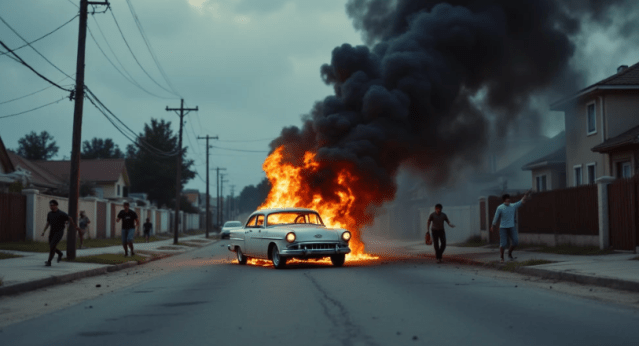
#1 Motor Vehicle Crashes (Cars, Trucks, Motorcycles)
Why This Is the #1 Killer
If there’s one thing that quietly kills more Georgians than anything else on this list, it’s traffic accidents.
High-speed interstates. Long commutes. Distracted driving. Rural roads with poor lighting. Aggressive driving culture. Motorcycle fatalities. Large trucks.
Cars are weapons when handled carelessly.
People die because: • Speed is normalized • Phones steal attention • Fatigue is ignored • Seatbelts aren’t used consistently • Motorcycles are treated as invisible • Weather is underestimated
Survival truth: Most crashes happen close to home, during routine drives.
How to Survive Georgia Roads
Adopt the survival driver mindset: • Drive like everyone else is distracted—because they are • Leave space. Space equals reaction time • Never assume someone sees you • Slow down in rain (Georgia roads get slick fast) • Treat intersections as danger zones
Non-negotiables: • Seatbelt. Every time. No excuses. • No phone use—not even “quick checks” • Don’t drive tired. Fatigue kills like alcohol. • Motorcyclists: wear full protective gear, not just a helmet
Life coach reminder: You don’t get bonus points for arriving fast. You only win by arriving alive.
#2 Firearm-Related Deaths (Accidental, Homicide, and Self-Inflicted)
People die because: • Firearms are handled casually • Guns are stored improperly • Safety rules are ignored • Emotional moments escalate • Alcohol mixes with firearms
This category includes accidents, violence, and self-inflicted harm. Each one is preventable.
How to Stay Alive Around Firearms
If you own a gun: • Treat every firearm as loaded • Secure firearms from unauthorized access • Separate guns and ammunition when not in use • Never mix alcohol or drugs with firearms
If you don’t own a gun: • Be aware of your environment • Avoid emotionally charged confrontations • Leave situations that feel unstable
Life coach perspective: Strength isn’t pulling a trigger—it’s walking away when your ego wants control.
If you’re struggling emotionally, survival sometimes means asking for help. That’s not weakness. That’s leadership over your own life.
#3 Accidental Poisoning & Drug Overdose
Why This Happens So Often
Overdoses don’t just happen to “addicts.”
They happen because: • Dosages are misunderstood • Substances are mixed • Pills are shared • Tolerance changes • Illicit substances are unpredictable
Survival rules: • Never mix substances without medical guidance • Store medications locked and labeled • Install carbon monoxide detectors • Ventilate fuel-burning appliances • Avoid using generators indoors or in garages
Life coach truth: Your body is not a testing ground. Respect it like the survival asset it is.
#4 Falls (Construction, Ladders, Heights, and Work-Related Accidents)
Why Falls Kill Younger People Than You Think
Falls aren’t just “old people problems.”
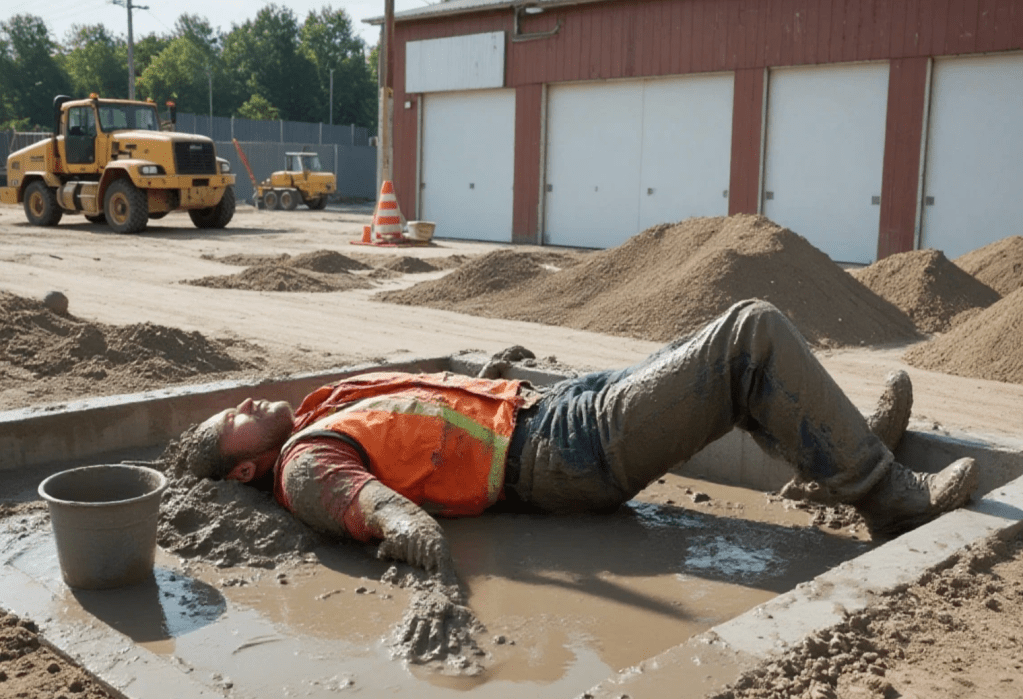
In Georgia, they happen on: • Construction sites • Roofing jobs • Ladders • Trees • Warehouses
People die because: • Safety gear is skipped • Heights are underestimated • Fatigue sets in • “I’ve done this a hundred times” mentality
How to Stay Vertical and Alive
Non-negotiables: • Use proper fall protection • Inspect ladders and scaffolding • Don’t rush jobs at height • Stop when tired
Life coach reminder: Experience doesn’t make you immune—it makes you responsible.
If you live in Ohio, congratulations—you’ve survived winter potholes, construction season that lasts 11 months, and at least one awkward conversation about college football allegiance. But surviving Ohio life requires more than avoiding Buckeye arguments and Skyline Chili debates.
As a professional survivalist prepper (and someone who owns more flashlights than friends), I study how people actually die—not in movies, not in zombie fantasies, but in real, boring, tragically preventable ways. And let me tell you something that should wake you up faster than a tornado siren at 3 a.m.:
Most people don’t die from rare disasters. They die from everyday stupidity, complacency, and underestimating risk.
This article breaks down the Top 10 most common non-disease, non-old-age causes of death in Ohio, why they happen, and what you must do to survive them—with a little humor, because if we can’t laugh while preparing to live, what’s the point?
1. Motor Vehicle Accidents (a.k.a. Ohio’s Most Popular Contact Sport)
Why People Die This Way
Ohio drivers are brave. Too brave. Texting, speeding, drunk driving, winter ice, farm equipment on highways, and “I’ll just beat that yellow light” optimism combine into a perfect storm of steel and regret.
Rural roads are especially deadly—less lighting, higher speeds, and longer emergency response times.
How to Survive It
Drive like everyone else is actively trying to kill you
Put the phone down (TikTok will survive without you)
Keep winter survival gear in your car (blanket, water, flashlight)
Slow down on back roads—deer don’t use crosswalks
Never drive impaired. Ever. Not even “just buzzed”
Prepper Rule: The most dangerous place you’ll ever be is inside a moving vehicle operated by a human.
2. Drug Overdoses (The Silent Epidemic)
Why People Die This Way
Ohio has been hit hard by opioids, fentanyl, and polysubstance use. Many overdoses happen accidentally—people don’t know what they’re taking or how strong it is.
This isn’t about moral failure. It’s about chemistry, addiction, and misinformation.
How to Survive It
Carry naloxone (Narcan)—yes, even if you “don’t know anyone who uses”
Prepper Rule: Survival is about harm reduction, not judgment.
3. Suicide (The One We Don’t Talk About Enough)
Why People Die This Way
Stress, financial pressure, isolation, untreated mental health issues, and lack of support push people past a breaking point. Ohio’s economic and seasonal stressors don’t help.
This is not weakness. This is human overload.
How to Survive It
Talk. Seriously. Silence kills.
Build community—even awkward, imperfect community
Remove immediate means during emotional crises
Seek professional help early, not as a last resort
Check on people who “seem fine”
Prepper Rule: Mental resilience is survival gear.
If you or someone you know is struggling, call or text 988 in the U.S. Help is there.
4. Firearms Accidents & Violence
Why People Die This Way
Unsafe storage, lack of training, emotional decisions, and escalation of conflicts turn firearms from tools into tragedies.
Most accidental shootings happen at home.
How to Survive It
Get trained—seriously trained
Lock firearms and store ammo separately
Use safes, especially with kids present
De-escalate conflicts; walk away
Treat every firearm as loaded (because it might be)
Prepper Rule: Responsibility is the real safety switch.
5. Falls (No, You Don’t Have to Be Elderly)
Why People Die This Way
Ladders, roofs, icy sidewalks, workplace accidents, and alcohol combine into gravity doing what gravity does best.
Falls are especially deadly in construction, farming, and DIY home projects.
How to Survive It
Use proper ladders (not chairs… not buckets… not vibes)
Wear slip-resistant footwear in winter
Don’t work alone on risky tasks
Use harnesses and rails
Respect heights—your bones do
Prepper Rule: Gravity never takes a day off.
6. Drowning (Yes, Even in Ohio)
Why People Die This Way
Lakes, rivers, flooded creeks, boating accidents, alcohol use, and underestimating water currents cause more drownings than people expect.
Ohio rivers look calm—until they’re not.
How to Survive It
Wear life jackets (fashion is temporary, breathing is forever)
Never swim alone
Avoid alcohol when boating or swimming
Respect floodwaters—don’t drive through them
Learn basic water rescue techniques
Prepper Rule: Water doesn’t care how tough you are.
7. Fires & Carbon Monoxide Poisoning
Why People Die This Way
Faulty heaters, candles, overloaded outlets, and poor ventilation kill silently—especially during Ohio winters.
Carbon monoxide is invisible, odorless, and rude.
How to Survive It
Install CO and smoke detectors on every level
Test alarms monthly
Never use grills or generators indoors
Keep fire extinguishers accessible
Practice fire escape plans
Prepper Rule: If you can’t smell the danger, detect it electronically.
8. Workplace & Industrial Accidents
Why People Die This Way
Ohio has heavy industry, agriculture, logistics, and manufacturing. Fatigue, shortcuts, poor training, and outdated equipment turn jobs into hazards.
How to Survive It
Follow safety protocols—even when no one’s watching
Wear PPE (it’s cheaper than a funeral)
Report unsafe conditions
Take breaks—fatigue kills
Get trained and retrained
Prepper Rule: Productivity means nothing if you don’t live to enjoy it.
9. Extreme Weather (Ohio Is Sneaky Like That)
Why People Die This Way
Tornadoes, flash floods, heat waves, winter storms, and power outages catch people unprepared.
Speed, alcohol, lack of helmets, poor training, and overconfidence turn fun into tragedy.
Most accidents happen close to home.
How to Survive It
Wear helmets and protective gear
Get trained and licensed
Don’t mix alcohol with machines
Inspect equipment
Hunt safely and visibly
Prepper Rule: Fun should not require a coroner.
Final Thoughts from Your Friendly Neighborhood Survivalist
Survival isn’t about fear—it’s about awareness, preparation, and humility. Ohio isn’t dangerous because it’s wild; it’s dangerous because people assume nothing bad will happen today.
Bad things don’t need permission.
If you take anything from this article, let it be this:
Prepared people don’t panic. They adapt. And they live.
Stay safe. Stay sharp. And please—put the phone down while driving.
I’m a professional survivalist prepper. I believe in preparedness, redundancy, situational awareness, and the radical idea that you should wake up alive tomorrow. I’m also a stand-up comedian, which means I cope with reality by making jokes while quietly checking my emergency kit.
This article isn’t about fear. It’s about probability.
Most people don’t die because they’re old. They die because something preventable went wrong, they underestimated a risk, or they assumed “it won’t happen to me.”
California has a unique risk profile. Some dangers are obvious. Others wear yoga pants and look harmless until they ruin your life.
Below are the Top 10 non-old-age-related ways people commonly die in California, why they happen, and what you can do to stay alive, functional, and sarcastically optimistic.
Let’s begin.
1. Motor Vehicle Accidents (AKA: The California Freeway Hunger Games)
Why People Die This Way
California traffic isn’t traffic — it’s a social experiment in impatience.
People die in vehicle accidents due to:
Speeding (especially on freeways and rural highways)
Driving under the influence (alcohol, drugs, or exhaustion)
Motorcycles versus physics (physics always wins)
Aggressive driving combined with fragile egos
The problem isn’t just accidents — it’s reaction time, speed, and mass. A two-ton vehicle moving at 70 mph doesn’t care about your intentions.
How to Survive It
Drive like everyone else is drunk, angry, and late — because statistically, some of them are.
Leave more following distance than you think you need. Then double it.
Don’t race. The finish line is a red light.
Avoid peak DUI hours (late night, weekends).
If you ride a motorcycle, assume you are invisible and fragile — because you are.
Keep emergency supplies in your vehicle: water, first aid kit, flashlight, phone charger.
Survival Rule: The goal of driving is not to be right. The goal is to be alive.
2. Drug Overdoses (The Silent, Relentless Killer)
Why People Die This Way
Overdoses don’t just happen in dark alleys. They happen in:
Suburban homes
Apartments
Bathrooms
Bedrooms
“One last time” scenarios
California has been hit hard by opioid overdoses, especially fentanyl contamination. People often don’t know what they’re taking, how strong it is, or how their tolerance has changed.
Add isolation, shame, and delayed medical response — and it becomes fatal.
How to Survive It
Never use alone. Ever. Pride kills.
Carry Naloxone (Narcan) if you or someone you know uses opioids.
Test substances when possible. Street drugs lie.
If you’re prescribed medication, follow dosage instructions like your life depends on it — because it does.
If someone is unresponsive, call 911 immediately. California’s Good Samaritan laws protect callers.
Survival Rule: Shame is deadlier than drugs. Call for help.
3. Suicide (The Most Preventable Cause of Death)
Why People Die This Way
This isn’t about weakness. It’s about:
Untreated depression
Chronic stress
Financial pressure
Isolation
Loss of meaning
Access to lethal means during a temporary crisis
Many suicides happen during short emotional storms, not lifelong decisions.
How to Survive It
If you’re struggling, talk to someone before the crisis peaks.
Remove or lock away lethal means during hard periods.
Build routines: sleep, movement, sunlight.
If someone you know is withdrawing or giving things away, take it seriously.
Call or text 988 (Suicide & Crisis Lifeline) if needed.
Survival Rule: Feelings are temporary. Death is not. Stay.
4. Accidental Falls (Not Just an “Old People” Thing)
Why People Die This Way
Falls kill people of all ages due to:
Head injuries
Ladder accidents
Alcohol impairment
Slippery surfaces
Overconfidence and under-footwear
California’s DIY culture alone accounts for half of this category.
How to Survive It
Use proper ladders. No chairs. No crates. No vibes.
Wear shoes with traction.
Install handrails and adequate lighting.
Don’t mix alcohol and heights.
If you hit your head and feel “off,” seek medical attention.
Survival Rule: Gravity has never lost a fight. Respect it.
5. Fire & Smoke Inhalation (Wildfires and Home Fires)
Why People Die This Way
Fire doesn’t kill most victims — smoke does.
In California, deaths occur from:
Wildfires overtaking homes or vehicles
Smoke inhalation during evacuations
House fires caused by cooking, candles, or faulty wiring
Smoke incapacitates fast. You don’t get heroic last words.
How to Survive It
Install and maintain smoke detectors.
Have an evacuation plan. Practice it.
Keep a “go bag” ready during fire season.
Close doors when evacuating to slow fire spread.
If there’s heavy smoke, stay low and get out immediately.
Survival Rule: You don’t outrun fire. You out-plan it.
6. Homicide (Violence, Firearms, and Bad Decisions)
Why People Die This Way
Most homicides involve:
Firearms
People who know each other
Escalated arguments
Alcohol or drugs
Poor conflict management
Random violence exists, but predictable violence is more common.
How to Survive It
Avoid confrontations with strangers.
De-escalate. Ego is not bulletproof.
Be aware of your surroundings.
Secure firearms safely and responsibly.
Trust your instincts and leave bad situations early.
Survival Rule: Winning an argument isn’t worth dying for.
7. Drowning (Oceans, Rivers, Pools, and “I Got This”)
Why People Die This Way
California water deaths happen due to:
Rip currents
Cold shock
Alcohol
Overestimating swimming ability
No life jackets
The ocean doesn’t care if you’re fit.
How to Survive It
Learn how rip currents work.
Never swim alone.
Wear life jackets when boating.
Don’t fight the current — float and signal.
Avoid alcohol near water.
Survival Rule: Water is patient. It waits for mistakes.
8. Workplace Accidents (Especially Construction & Agriculture)
Why People Die This Way
Common causes include:
Falls from heights
Heavy machinery
Electrical hazards
Fatigue
Cutting corners to save time
California’s economy runs on people who work hard — sometimes too hard.
How to Survive It
Follow safety protocols, even when annoying.
Use protective equipment.
Report unsafe conditions.
Rest. Fatigue kills.
Speak up — your life outranks productivity.
Survival Rule: No job is worth a funeral.
9. Extreme Heat (Yes, Even in California)
Why People Die This Way
Heat kills via:
Dehydration
Heat exhaustion
Heat stroke
Organ failure
It sneaks up, especially on people without access to cooling or water.
How to Survive It
Hydrate constantly.
Avoid peak heat hours.
Use cooling centers.
Check on vulnerable neighbors.
Never leave people or pets in cars.
Survival Rule: If you feel “off,” you’re already in trouble.
10. Carbon Monoxide Poisoning (The Invisible Assassin)
Why People Die This Way
Carbon monoxide is odorless, colorless, and lethal. Causes include:
Faulty heaters
Generators indoors
Grills in enclosed spaces
Blocked vents
People fall asleep and never wake up.
How to Survive It
Install CO detectors.
Maintain appliances.
Never run engines indoors.
Ventilate properly.
Take alarms seriously.
Survival Rule: If you can’t smell the danger, detect it.
Final Survivalist Thoughts
California is not trying to kill you. Complacency is.
Most deaths aren’t freak accidents. They’re patterns — predictable, preventable, and survivable with awareness and preparation.
And remember: The goal isn’t to live forever. It’s to not die stupidly.
Stay sharp. Stay ready. Stay alive.
California is beautiful. It has beaches, mountains, deserts, forests, sunshine, earthquakes, traffic, wildfires, and enough stress to make a yoga instructor cry in a Trader Joe’s parking lot.
I’m a professional survivalist prepper. I believe in preparedness, redundancy, situational awareness, and the radical idea that you should wake up alive tomorrow. I’m also a stand-up comedian, which means I cope with reality by making jokes while quietly checking my emergency kit.
This article isn’t about fear. It’s about probability.
Most people don’t die because they’re old. They die because something preventable went wrong, they underestimated a risk, or they assumed “it won’t happen to me.”
California has a unique risk profile. Some dangers are obvious. Others wear yoga pants and look harmless until they ruin your life.
Below are the Top 10 non-old-age-related ways people commonly die in California, why they happen, and what you can do to stay alive, functional, and sarcastically optimistic.
Let’s begin.
1. Motor Vehicle Accidents (AKA: The California Freeway Hunger Games)
Why People Die This Way
California traffic isn’t traffic — it’s a social experiment in impatience.
People die in vehicle accidents due to:
Speeding (especially on freeways and rural highways)
Driving under the influence (alcohol, drugs, or exhaustion)
Motorcycles versus physics (physics always wins)
Aggressive driving combined with fragile egos
The problem isn’t just accidents — it’s reaction time, speed, and mass. A two-ton vehicle moving at 70 mph doesn’t care about your intentions.
How to Survive It
Drive like everyone else is drunk, angry, and late — because statistically, some of them are.
Leave more following distance than you think you need. Then double it.
Don’t race. The finish line is a red light.
Avoid peak DUI hours (late night, weekends).
If you ride a motorcycle, assume you are invisible and fragile — because you are.
Keep emergency supplies in your vehicle: water, first aid kit, flashlight, phone charger.
Survival Rule: The goal of driving is not to be right. The goal is to be alive.
2. Drug Overdoses (The Silent, Relentless Killer)
Why People Die This Way
Overdoses don’t just happen in dark alleys. They happen in:
Suburban homes
Apartments
Bathrooms
Bedrooms
“One last time” scenarios
California has been hit hard by opioid overdoses, especially fentanyl contamination. People often don’t know what they’re taking, how strong it is, or how their tolerance has changed.
Add isolation, shame, and delayed medical response — and it becomes fatal.
How to Survive It
Never use alone. Ever. Pride kills.
Carry Naloxone (Narcan) if you or someone you know uses opioids.
Test substances when possible. Street drugs lie.
If you’re prescribed medication, follow dosage instructions like your life depends on it — because it does.
If someone is unresponsive, call 911 immediately. California’s Good Samaritan laws protect callers.
Survival Rule: Shame is deadlier than drugs. Call for help.
3. Suicide (The Most Preventable Cause of Death)
Why People Die This Way
This isn’t about weakness. It’s about:
Untreated depression
Chronic stress
Financial pressure
Isolation
Loss of meaning
Access to lethal means during a temporary crisis
Many suicides happen during short emotional storms, not lifelong decisions.
How to Survive It
If you’re struggling, talk to someone before the crisis peaks.
Remove or lock away lethal means during hard periods.
Build routines: sleep, movement, sunlight.
If someone you know is withdrawing or giving things away, take it seriously.
Call or text 988 (Suicide & Crisis Lifeline) if needed.
Survival Rule: Feelings are temporary. Death is not. Stay.
4. Accidental Falls (Not Just an “Old People” Thing)
Why People Die This Way
Falls kill people of all ages due to:
Head injuries
Ladder accidents
Alcohol impairment
Slippery surfaces
Overconfidence and under-footwear
California’s DIY culture alone accounts for half of this category.
How to Survive It
Use proper ladders. No chairs. No crates. No vibes.
Wear shoes with traction.
Install handrails and adequate lighting.
Don’t mix alcohol and heights.
If you hit your head and feel “off,” seek medical attention.
Survival Rule: Gravity has never lost a fight. Respect it.
5. Fire & Smoke Inhalation (Wildfires and Home Fires)
Why People Die This Way
Fire doesn’t kill most victims — smoke does.
In California, deaths occur from:
Wildfires overtaking homes or vehicles
Smoke inhalation during evacuations
House fires caused by cooking, candles, or faulty wiring
Smoke incapacitates fast. You don’t get heroic last words.
How to Survive It
Install and maintain smoke detectors.
Have an evacuation plan. Practice it.
Keep a “go bag” ready during fire season.
Close doors when evacuating to slow fire spread.
If there’s heavy smoke, stay low and get out immediately.
Survival Rule: You don’t outrun fire. You out-plan it.
6. Homicide (Violence, Firearms, and Bad Decisions)
Why People Die This Way
Most homicides involve:
Firearms
People who know each other
Escalated arguments
Alcohol or drugs
Poor conflict management
Random violence exists, but predictable violence is more common.
How to Survive It
Avoid confrontations with strangers.
De-escalate. Ego is not bulletproof.
Be aware of your surroundings.
Secure firearms safely and responsibly.
Trust your instincts and leave bad situations early.
Survival Rule: Winning an argument isn’t worth dying for.
7. Drowning (Oceans, Rivers, Pools, and “I Got This”)
Why People Die This Way
California water deaths happen due to:
Rip currents
Cold shock
Alcohol
Overestimating swimming ability
No life jackets
The ocean doesn’t care if you’re fit.
How to Survive It
Learn how rip currents work.
Never swim alone.
Wear life jackets when boating.
Don’t fight the current — float and signal.
Avoid alcohol near water.
Survival Rule: Water is patient. It waits for mistakes.
8. Workplace Accidents (Especially Construction & Agriculture)
Why People Die This Way
Common causes include:
Falls from heights
Heavy machinery
Electrical hazards
Fatigue
Cutting corners to save time
California’s economy runs on people who work hard — sometimes too hard.
How to Survive It
Follow safety protocols, even when annoying.
Use protective equipment.
Report unsafe conditions.
Rest. Fatigue kills.
Speak up — your life outranks productivity.
Survival Rule: No job is worth a funeral.
9. Extreme Heat (Yes, Even in California)
Why People Die This Way
Heat kills via:
Dehydration
Heat exhaustion
Heat stroke
Organ failure
It sneaks up, especially on people without access to cooling or water.
How to Survive It
Hydrate constantly.
Avoid peak heat hours.
Use cooling centers.
Check on vulnerable neighbors.
Never leave people or pets in cars.
Survival Rule: If you feel “off,” you’re already in trouble.
10. Carbon Monoxide Poisoning (The Invisible Assassin)
Why People Die This Way
Carbon monoxide is odorless, colorless, and lethal. Causes include:
Faulty heaters
Generators indoors
Grills in enclosed spaces
Blocked vents
People fall asleep and never wake up.
How to Survive It
Install CO detectors.
Maintain appliances.
Never run engines indoors.
Ventilate properly.
Take alarms seriously.
Survival Rule: If you can’t smell the danger, detect it.
Final Survivalist Thoughts
California is not trying to kill you. Complacency is.
Most deaths aren’t freak accidents. They’re patterns — predictable, preventable, and survivable with awareness and preparation.
And remember: The goal isn’t to live forever. It’s to not die stupidly.
Stay sharp. Stay ready. Stay alive.
California is beautiful. It has beaches, mountains, deserts, forests, sunshine, earthquakes, traffic, wildfires, and enough stress to make a yoga instructor cry in a Trader Joe’s parking lot.
I’m a professional survivalist prepper. I believe in preparedness, redundancy, situational awareness, and the radical idea that you should wake up alive tomorrow. I’m also a stand-up comedian, which means I cope with reality by making jokes while quietly checking my emergency kit.
This article isn’t about fear. It’s about probability.
Most people don’t die because they’re old. They die because something preventable went wrong, they underestimated a risk, or they assumed “it won’t happen to me.”
California has a unique risk profile. Some dangers are obvious. Others wear yoga pants and look harmless until they ruin your life.
Below are the Top 10 non-old-age-related ways people commonly die in California, why they happen, and what you can do to stay alive, functional, and sarcastically optimistic.
Let’s begin.
1. Motor Vehicle Accidents (AKA: The California Freeway Hunger Games)
Why People Die This Way
California traffic isn’t traffic — it’s a social experiment in impatience.
People die in vehicle accidents due to:
Speeding (especially on freeways and rural highways)
Driving under the influence (alcohol, drugs, or exhaustion)
Motorcycles versus physics (physics always wins)
Aggressive driving combined with fragile egos
The problem isn’t just accidents — it’s reaction time, speed, and mass. A two-ton vehicle moving at 70 mph doesn’t care about your intentions.
How to Survive It
Drive like everyone else is drunk, angry, and late — because statistically, some of them are.
Leave more following distance than you think you need. Then double it.
Don’t race. The finish line is a red light.
Avoid peak DUI hours (late night, weekends).
If you ride a motorcycle, assume you are invisible and fragile — because you are.
Keep emergency supplies in your vehicle: water, first aid kit, flashlight, phone charger.
Survival Rule: The goal of driving is not to be right. The goal is to be alive.
2. Drug Overdoses (The Silent, Relentless Killer)
Why People Die This Way
Overdoses don’t just happen in dark alleys. They happen in:
Suburban homes
Apartments
Bathrooms
Bedrooms
“One last time” scenarios
California has been hit hard by opioid overdoses, especially fentanyl contamination. People often don’t know what they’re taking, how strong it is, or how their tolerance has changed.
Add isolation, shame, and delayed medical response — and it becomes fatal.
How to Survive It
Never use alone. Ever. Pride kills.
Carry Naloxone (Narcan) if you or someone you know uses opioids.
Test substances when possible. Street drugs lie.
If you’re prescribed medication, follow dosage instructions like your life depends on it — because it does.
If someone is unresponsive, call 911 immediately. California’s Good Samaritan laws protect callers.
Survival Rule: Shame is deadlier than drugs. Call for help.
3. Suicide (The Most Preventable Cause of Death)
Why People Die This Way
This isn’t about weakness. It’s about:
Untreated depression
Chronic stress
Financial pressure
Isolation
Loss of meaning
Access to lethal means during a temporary crisis
Many suicides happen during short emotional storms, not lifelong decisions.
How to Survive It
If you’re struggling, talk to someone before the crisis peaks.
Remove or lock away lethal means during hard periods.
Build routines: sleep, movement, sunlight.
If someone you know is withdrawing or giving things away, take it seriously.
Call or text 988 (Suicide & Crisis Lifeline) if needed.
Survival Rule: Feelings are temporary. Death is not. Stay.
4. Accidental Falls (Not Just an “Old People” Thing)
Why People Die This Way
Falls kill people of all ages due to:
Head injuries
Ladder accidents
Alcohol impairment
Slippery surfaces
Overconfidence and under-footwear
California’s DIY culture alone accounts for half of this category.
How to Survive It
Use proper ladders. No chairs. No crates. No vibes.
Wear shoes with traction.
Install handrails and adequate lighting.
Don’t mix alcohol and heights.
If you hit your head and feel “off,” seek medical attention.
Survival Rule: Gravity has never lost a fight. Respect it.
5. Fire & Smoke Inhalation (Wildfires and Home Fires)
Why People Die This Way
Fire doesn’t kill most victims — smoke does.
In California, deaths occur from:
Wildfires overtaking homes or vehicles
Smoke inhalation during evacuations
House fires caused by cooking, candles, or faulty wiring
Smoke incapacitates fast. You don’t get heroic last words.
How to Survive It
Install and maintain smoke detectors.
Have an evacuation plan. Practice it.
Keep a “go bag” ready during fire season.
Close doors when evacuating to slow fire spread.
If there’s heavy smoke, stay low and get out immediately.
Survival Rule: You don’t outrun fire. You out-plan it.
6. Homicide (Violence, Firearms, and Bad Decisions)
Why People Die This Way
Most homicides involve:
Firearms
People who know each other
Escalated arguments
Alcohol or drugs
Poor conflict management
Random violence exists, but predictable violence is more common.
How to Survive It
Avoid confrontations with strangers.
De-escalate. Ego is not bulletproof.
Be aware of your surroundings.
Secure firearms safely and responsibly.
Trust your instincts and leave bad situations early.
Survival Rule: Winning an argument isn’t worth dying for.
7. Drowning (Oceans, Rivers, Pools, and “I Got This”)
Why People Die This Way
California water deaths happen due to:
Rip currents
Cold shock
Alcohol
Overestimating swimming ability
No life jackets
The ocean doesn’t care if you’re fit.
How to Survive It
Learn how rip currents work.
Never swim alone.
Wear life jackets when boating.
Don’t fight the current — float and signal.
Avoid alcohol near water.
Survival Rule: Water is patient. It waits for mistakes.
8. Workplace Accidents (Especially Construction & Agriculture)
Why People Die This Way
Common causes include:
Falls from heights
Heavy machinery
Electrical hazards
Fatigue
Cutting corners to save time
California’s economy runs on people who work hard — sometimes too hard.
How to Survive It
Follow safety protocols, even when annoying.
Use protective equipment.
Report unsafe conditions.
Rest. Fatigue kills.
Speak up — your life outranks productivity.
Survival Rule: No job is worth a funeral.
9. Extreme Heat (Yes, Even in California)
Why People Die This Way
Heat kills via:
Dehydration
Heat exhaustion
Heat stroke
Organ failure
It sneaks up, especially on people without access to cooling or water.
How to Survive It
Hydrate constantly.
Avoid peak heat hours.
Use cooling centers.
Check on vulnerable neighbors.
Never leave people or pets in cars.
Survival Rule: If you feel “off,” you’re already in trouble.
10. Carbon Monoxide Poisoning (The Invisible Assassin)
Why People Die This Way
Carbon monoxide is odorless, colorless, and lethal. Causes include:
Faulty heaters
Generators indoors
Grills in enclosed spaces
Blocked vents
People fall asleep and never wake up.
How to Survive It
Install CO detectors.
Maintain appliances.
Never run engines indoors.
Ventilate properly.
Take alarms seriously.
Survival Rule: If you can’t smell the danger, detect it.
Final Survivalist Thoughts
California is not trying to kill you. Complacency is.
Most deaths aren’t freak accidents. They’re patterns — predictable, preventable, and survivable with awareness and preparation.
I’m a prepper. That means I stock food, rotate water, check batteries twice a year, and assume that if something can go wrong, it will—usually at the worst possible moment.
But here’s the thing most folks don’t like to think about: the majority of Americans don’t die from mysterious diseases or dramatic movie-style disasters. They die from ordinary, everyday, painfully preventable events.
The kind that happen because someone was distracted, unprepared, or assumed “it won’t happen to me.”
This article isn’t meant to scare you (okay, maybe a little). It’s meant to make you harder to kill. Below are the top 10 most common non-health-related causes of death in the United States—and practical, prepper-approved ways to avoid each one.
Strap in. Literally. That’s tip number one.
1. Motor Vehicle Accidents (AKA: Death by Commuting)
Cars are the single most dangerous tool most Americans use daily—and we treat them like comfy metal sofas with cup holders.
Why it kills so many people:
Speeding
Distracted driving
Drunk or impaired drivers
Poor vehicle maintenance
Prepper Survival Tips:
Wear your seatbelt. Every time. No exceptions.
Assume every other driver is actively trying to kill you.
Don’t text. That meme can wait.
Keep your vehicle maintained like it’s an escape vehicle—because one day it might be.
Carry a roadside kit: flares, flashlight, water, first-aid, jumper cables.
Prepper rule: If you’re behind the wheel, you’re on patrol.
2. Accidental Poisoning & Overdose (Not Just “Drugs”)
This category includes illegal drugs, prescription misuse, household chemicals, and even carbon monoxide.
Install carbon monoxide detectors on every level of your home.
Label all chemicals clearly.
Lock meds away from kids—and adults who “just grab whatever.”
Read labels like your life depends on it… because it might.
A prepper doesn’t trust fumes, powders, or mystery pills. Ever.
3. Falls (Yes, Gravity Is Still the Enemy)
Falls kill more Americans than fires and drownings combined, especially as people age.
Common scenarios:
Ladders
Slippery stairs
Bathroom wipeouts
“I don’t need help” moments
Prepper Survival Tips:
Use ladders correctly. No standing on buckets.
Install grab bars in bathrooms. Pride heals slower than broken bones.
Wear shoes with traction.
Don’t rush. Gravity loves impatience.
Survival mindset: If you fall, you’ve surrendered the high ground—to the floor.
4. Fire and Smoke Inhalation
Fire doesn’t care how tough you are or how expensive your couch was.
Why it kills:
Faulty wiring
Unattended cooking
Candles
Smoking indoors
No escape plan
Prepper Survival Tips:
Install and test smoke detectors regularly.
Keep fire extinguishers in the kitchen and garage.
Never leave cooking unattended.
Practice fire escape routes with your family.
Rule of flame: If you smell smoke, you’re already behind schedule.
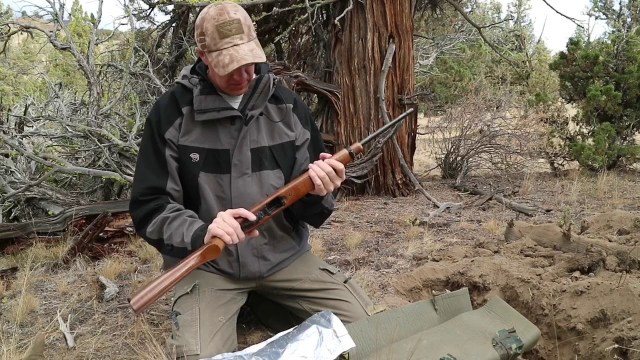
5. Firearms Accidents (Negligence, Not the Tool)
Firearms themselves aren’t the issue—carelessness is.
Common causes:
Improper storage
Failure to check chamber status
Treating firearms like toys
Prepper Survival Tips:
Store firearms locked and unloaded when not in use.
Treat every firearm as loaded.
Never point at anything you don’t intend to destroy.
Educate everyone in the household on firearm safety.
A prepper respects tools. Especially the loud ones.
6. Drowning (Even Strong Swimmers Die This Way)
You don’t need the ocean to drown. Pools, lakes, rivers, and even bathtubs qualify.
Why it happens:
Overconfidence
Alcohol
Poor supervision
No flotation devices
Prepper Survival Tips:
Never swim alone.
Wear life jackets when boating.
Supervise children constantly.
Learn basic water rescue techniques.
Remember: Water doesn’t negotiate.
7. Workplace Accidents
Construction sites, warehouses, farms, and factories are full of hazards—many ignored until it’s too late.
Common issues:
Skipping safety gear
Fatigue
Rushing
Improvised “shortcuts”
Prepper Survival Tips:
Wear PPE. All of it.
Follow lockout/tagout procedures.
Speak up about unsafe conditions.
Don’t rush—speed kills more than boredom ever will.
A prepper values fingers, limbs, and spines. Try living without them sometime.
8. Suffocation & Choking
Food, small objects, confined spaces—oxygen deprivation is fast and unforgiving.
Why it happens:
Eating too quickly
Poor chewing
Unsafe sleeping environments
Confined spaces without ventilation
Prepper Survival Tips:
Learn the Heimlich maneuver.
Cut food into manageable pieces.
Keep small objects away from children.
Never enter confined spaces without airflow testing.
Breathing is non-negotiable. Guard it fiercely.
9. Homicide (Situational Awareness Matters)
While less common than accidents, violence still claims lives every year.
Risk factors:
Poor situational awareness
Escalating confrontations
Unsafe environments
Alcohol-fueled decisions
Prepper Survival Tips:
Trust your instincts.
Avoid unnecessary confrontations.
Learn basic self-defense.
Keep your head on a swivel in public.
The best fight is the one you never show up to.
10. Extreme Weather Exposure
Heat, cold, storms, and floods kill more people than most realize.
Common mistakes:
Underestimating conditions
Lack of preparation
Ignoring warnings
Prepper Survival Tips:
Monitor weather forecasts.
Have emergency kits ready.
Dress for conditions.
Know when to shelter and when to evacuate.
Weather doesn’t care about optimism. Prepare accordingly.
Final Prepper Thoughts: Survival Is a Daily Habit
Most people imagine survival as something dramatic—zombies, EMPs, or alien invasions. But the truth is much less cinematic.
Survival is:
Wearing your seatbelt
Installing detectors
Slowing down
Paying attention
The goal isn’t to live in fear. The goal is to live long enough to enjoy the good stuff—family, freedom, and a pantry that’s always suspiciously well stocked.
Stay safe. Stay prepared. And don’t let preventable nonsense take you out early.

























 TheDailyChristian