Arizona’s Deadliest Insects – What Can Kill You and How to Stay Alive

Arizona is one of the most beautiful and unforgiving landscapes in the United States. As a survival prepper, I respect the desert not because it is harsh—but because it is efficient. Everything here is designed to survive, defend itself, or kill. While most people worry about snakes or extreme heat, some of the greatest threats in Arizona come in very small packages.

Insects and insect-like arthropods are responsible for more serious injuries, allergic reactions, and deaths worldwide than nearly any other group of animals. In Arizona, several species can end your life quickly if you’re unprepared, unaware, or slow to respond.

This article is not meant to scare you—it’s meant to prepare you. Survival always favors the informed.


First, a Survival Reality Check

Before diving in, understand this critical principle:

Most people don’t die from the insect itself—they die from delayed reaction, ignorance, or panic.

Preparation, awareness, and fast action are what separate survival from tragedy.


1. Arizona Bark Scorpion (Centruroides sculpturatus)
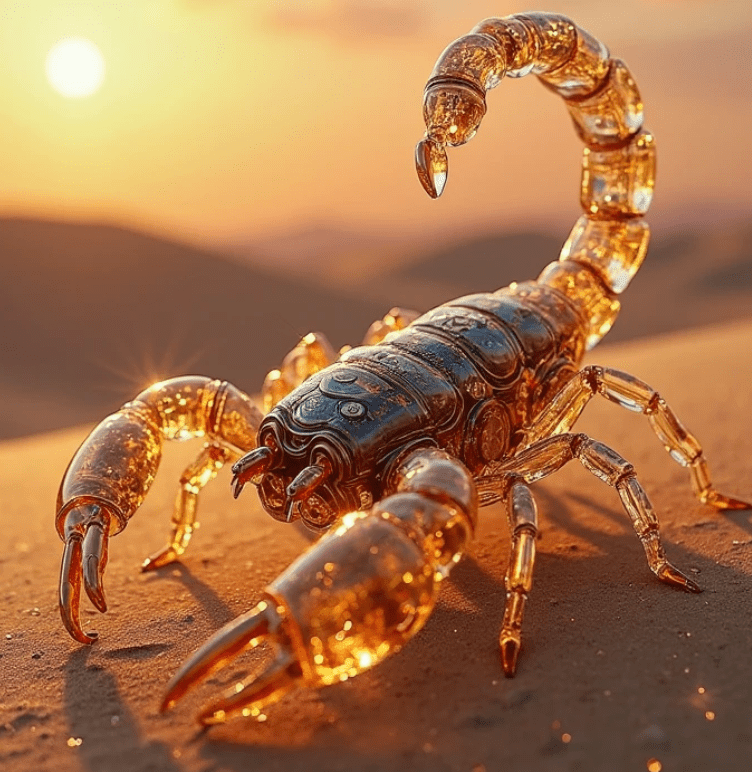
The Arizona bark scorpion is the most venomous scorpion in North America and one of the most dangerous creatures you’ll encounter in the state.

Why It’s Deadly

  • Its venom attacks the nervous system
  • Children, elderly individuals, and those with compromised health are at highest risk
  • Stings can cause breathing difficulty, convulsions, and severe neurological reactions

While healthy adults often survive, underestimating this scorpion is a mistake.

Survival Prepper Tips

  • Shake out shoes, clothing, and bedding—especially at night
  • Seal cracks in walls, baseboards, and door frames
  • Use blacklights at night; bark scorpions glow under UV light
  • Seek medical help immediately if a sting causes intense pain, muscle spasms, or breathing issues

Rule of survival: Never assume a sting is “minor.”


2. Africanized Honey Bees (“Killer Bees”)
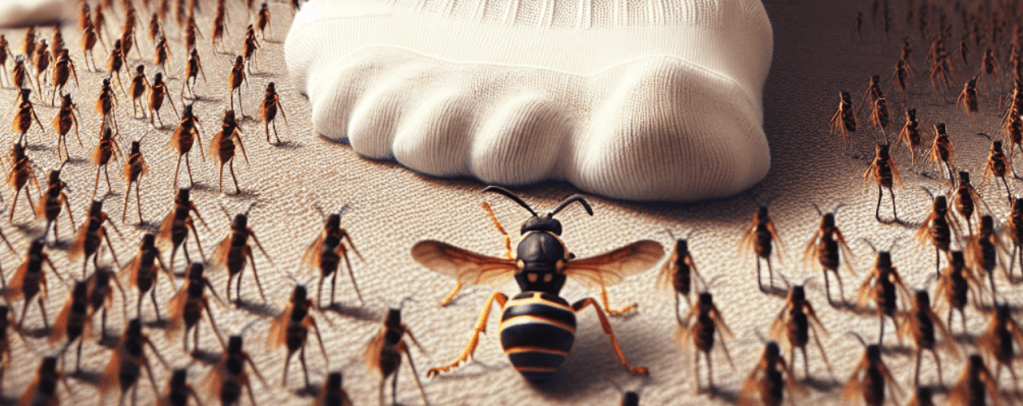
Africanized honey bees are established throughout Arizona and pose a very real threat.

Why They’re Deadly

  • They attack in large numbers
  • They pursue threats for long distances
  • Multiple stings can overwhelm the body, even without an allergy

Deaths usually occur from mass envenomation, not a single sting.

Survival Prepper Tips

  • Never disturb hives or swarms
  • If attacked, run immediately and cover your face
  • Do not swat—movement triggers further aggression
  • Seek shelter inside a vehicle or building as fast as possible
  • Call emergency services after reaching safety

Prepper mindset: Distance equals survival.


3. Black Widow Spider (Latrodectus species)

While technically an arachnid, the black widow is often grouped with insects due to its threat level.

Why It’s Dangerous

  • Venom causes severe muscle pain and cramping
  • Can lead to respiratory distress in vulnerable individuals
  • Bites often occur in garages, woodpiles, and storage areas

Deaths are rare, but serious complications are possible.

Survival Prepper Tips

  • Wear gloves when working in dark or cluttered areas
  • Keep storage spaces clean and well-lit
  • Seek medical attention if pain spreads or worsens over time

Survival truth: Small bites can become big problems.


4. Kissing Bugs (Triatomine Bugs)

Kissing bugs are present in Arizona and are known carriers of Chagas disease, a potentially fatal illness.

Why They’re Deadly

  • They feed on human blood at night
  • Infection can occur when parasite-containing feces enter the body
  • Chagas disease may cause fatal heart complications years later

This is a long-term survival threat many people ignore.

Survival Prepper Tips

  • Seal cracks in homes and sleeping areas
  • Use bed nets in rural or desert environments
  • Reduce rodent populations near dwellings
  • Monitor unexplained swelling or illness after bites

Prepper rule: Not all threats kill fast—but they still kill.


5. Mosquitoes (Disease Vectors)

Mosquitoes may seem harmless, but they are statistically among the deadliest creatures on Earth.

Why They’re Deadly

  • Transmit diseases such as West Nile virus
  • Infections can cause severe neurological damage
  • Children and elderly individuals face higher risks

Arizona’s warm climate allows mosquitoes to thrive.

Survival Prepper Tips

  • Eliminate standing water around your home
  • Use window screens and protective clothing
  • Apply insect repellent when outdoors
  • Take symptoms seriously after mosquito exposure

Survival mindset: Disease is a weapon of nature.


6. Fleas (Plague Risk)

Yes—plague still exists in Arizona.

Why They’re Dangerous

  • Fleas can carry bubonic plague
  • Often transmitted via rodents and pets
  • Symptoms can escalate rapidly if untreated

Arizona reports plague cases more often than most states.

Survival Prepper Tips

  • Control rodents around living spaces
  • Use flea prevention on pets
  • Avoid contact with wild animals
  • Seek medical care immediately for fever after flea exposure

Preparedness equals early action.


General Survival Rules for Arizona Insect Threats

A survival prepper lives by systems, not luck. Follow these principles:

  1. Awareness beats strength – Know what lives where you live
  2. Speed beats venom – Fast response saves lives
  3. Prevention beats treatment – Secure your environment
  4. Education beats panic – Calm decisions keep you alive

The Most Dangerous Insects in the State of Arizona That Can Easily End Your Life—and What You Can Do to Survive
Arizona doesn’t care how tough you are. It rewards preparation and punishes complacency.

The insects and arthropods of this state don’t hunt you—but they will defend themselves, spread disease, and exploit your mistakes. Survival isn’t about fear. It’s about respect, knowledge, and readiness.

Stay alert. Stay prepared. And never underestimate something just because it’s small.
Arizona Power Outages and How to Stay Safe With No Electricity During SHTF

When the power goes out, life changes fast. If you’re in Arizona—especially during a heatwave or monsoon season—a blackout isn’t just an inconvenience. It can quickly become a life-threatening situation. Whether it’s a short-term grid failure or part of a larger SHTF (Sh*t Hits the Fan) scenario, being prepared is more than just smart—it’s essential.

As a survivalist who’s spent years studying off-grid living, I’m here to help you approach these challenges with calm, wisdom, and practical know-how. Let’s walk through five essential survival skills you need when the grid goes down, three DIY electricity hacks to keep you powered up, and the top survival items no Arizonan should be without. We’ll also discuss which cities in Arizona are the riskiest places to be during a power outage—and why.


Five Critical Survival Skills When You Have No Electricity

1. Water Sourcing and Purification

Without electricity, municipal water systems can fail. Arizona’s arid climate means you must plan for water storage and purification long before an emergency hits. Store at least one gallon per person per day for two weeks minimum.

Skill to learn: Make a DIY gravity-fed water filtration system using activated charcoal, sand, gravel, and a five-gallon bucket. Learn to identify safe natural sources like rainwater or dew collection, and always purify water using filters, boiling, or purification tablets.

2. Cooking Without Power

When your electric stove or microwave is out of commission, you need reliable off-grid cooking methods.

Skill to learn: Build a solar oven from a cardboard box, aluminum foil, and a glass cover. It’s surprisingly effective in Arizona’s intense sunlight. Alternatively, use a propane camping stove or rocket stove, and learn to cook with cast iron over an open flame.

3. Home Cooling and Heat Regulation

In Arizona, especially southern cities like Phoenix or Yuma, heat can become deadly without AC. You’ll need to understand passive cooling techniques.

Skill to learn: Create cross-breezes using windows and reflective window covers. Learn to set up thermal mass (like water barrels or adobe walls) that absorb heat during the day and cool at night. Make DIY swamp coolers using a fan, ice, and damp towels for evaporative cooling if humidity allows.

4. Food Preservation

Refrigeration is out during a blackout. You’ll need ways to preserve meat, fruits, and vegetables without electricity.

Skill to learn: Master dehydration using solar dehydrators. Learn to salt, smoke, and ferment food safely. Canning is also essential; invest in a pressure canner that can be used on a propane stove or open fire.

5. Security and Situational Awareness

With no power, streetlights and alarm systems stop working. Desperation breeds danger. You need to secure your home and be aware of who’s coming and going.

Skill to learn: Practice perimeter checks, set up noise alarms with string and tin cans, and learn the basics of self-defense. Build strong community ties before disaster hits—trusted neighbors are your best asset when things go dark.


Three DIY Electricity Hacks During a Blackout

Even if the grid is down, a little ingenuity goes a long way. Here are three clever DIY hacks to generate limited electricity when you need it most:

1. Bike-Powered Generator

Convert an old bicycle into a pedal-powered generator. All you need is a bike, a car alternator, a belt, and a battery to store the energy.

How it helps: You can charge phones, small radios, or LED lights with a bit of pedaling. It’s a great cardio workout and can be a lifesaver in prolonged outages.

2. Solar Panel Battery Bank

You don’t need a massive solar setup to stay afloat. A couple of 100-watt panels, a deep-cycle battery, and a charge controller can keep essential electronics running.

DIY tip: Mount the panels on a piece of plywood or lean them on your roof or yard. Even in partial sun, Arizona gives you more than enough solar exposure for this to work year-round.

3. Hand-Crank Power Chargers

Make a hand-crank charger from an old cordless drill and a voltage regulator. It’s not easy work, but it provides essential power for radios or emergency LED lights.

Why it matters: In a communication blackout, staying informed could mean the difference between safety and disaster.


The 3 Most Important Survival Products for a No-Electricity Scenario

When you’re forced off-grid, having the right gear on hand can make all the difference.

1. Solar Generator Kit (Portable Power Station)

A solar generator provides silent, renewable energy. Unlike gas generators, you won’t need fuel—which may be unavailable or dangerous to store. Look for systems with USB ports, AC outlets, and solar panel compatibility.

2. Gravity-Fed Water Filter (Like a Berkey or DIY Equivalent)

Clean water is non-negotiable. A gravity filter works without electricity and can purify hundreds of gallons before the filters need replacing. In Arizona’s dry climate, safe hydration is top priority.

3. LED Headlamps and Lanterns (Rechargeable)

Light equals safety, comfort, and productivity. Rechargeable headlamps and solar lanterns are compact, lightweight, and highly functional. Always have a backup battery bank charged.


The 5 Worst Cities in Arizona to Experience a Power Outage

Arizona’s climate, population density, and infrastructure make certain cities more dangerous during blackouts. Here’s where you’d least want to be without power—and why.

1. Phoenix, AZ

Population: ~1.6 million
Why it’s risky: Phoenix can reach 115°F+ in summer. With high-rise apartments, concrete sprawl, and dense population, a power outage can quickly overwhelm emergency services. Lack of AC in the summer is a genuine health threat.

2. Yuma, AZ

Population: ~100,000
Why it’s risky: Yuma is one of the hottest cities in the U.S., with over 100 days a year above 100°F. Blackouts in July or August here could result in heatstroke or death for those without cooling options.

3. Tucson, AZ

Population: ~550,000
Why it’s risky: Tucson is surrounded by desert and experiences monsoon storms that already cause frequent blackouts. Its aging electrical infrastructure and large elderly population make outages particularly dangerous.

4. Lake Havasu City, AZ

Population: ~57,000
Why it’s risky: Isolated location and brutal summer heat make this resort town vulnerable. Limited hospital and cooling center access make extended outages problematic, especially for seniors and tourists.

5. Casa Grande, AZ

Population: ~60,000
Why it’s risky: Located between Phoenix and Tucson, this fast-growing town doesn’t have the infrastructure to handle prolonged blackouts. Water access and emergency services can get strained quickly, especially during peak summer.


Final Thoughts: Stay Calm, Stay Ready

Surviving without electricity isn’t just about gear—it’s about mindset. The truth is, no one can predict when the grid might go down, whether from cyberattack, wildfire, monsoon storms, or system overload. But when you’re mentally prepared and practically skilled, you become a source of strength for yourself and others.

Practice your skills before the lights go out. Run weekend drills. Cook dinner using only solar or off-grid tools. Try going 48 hours without power. Take notes. Improve. Encourage your family or neighbors to do the same.

As preppers, we don’t live in fear—we live in preparedness. And in doing so, we find resilience, independence, and even joy in the challenge. You’ve got this.

Stay safe. Stay strong. And never stop learning.