Hiking Trails in South Carolina That Could End Your Journey—and Your Life By A South Carolina Survivalist Who Trusts Nature, but Never Underestimates It
Let me tell you something straight—when you lace up your boots and head into the South Carolina wilderness, you’re entering a realm that doesn’t care about your fitness tracker, social media posts, or backcountry swagger. It’s just you, your gear, your grit—and Mother Nature, who doesn’t give second chances.
I’m not saying this to scare you. I say it because I love hiking. I’ve spent decades bushwhacking through Carolina thickets, trekking Blue Ridge ridgelines, and surviving conditions that would make your average weekend warrior cry for their phone signal. South Carolina is a land of deep woods, swift water, sharp drop-offs, and creatures that don’t take kindly to being cornered.
This list isn’t a guide for your average stroll. This is a rundown of the 20 hiking trails in South Carolina that, if you’re not prepared, could absolutely end your journey—and your life. I’ve walked them. I’ve sweated over them. And I respect every single one of them like a loaded rifle.
1. Foothills Trail (77 miles)
Don’t be fooled by the beauty—this trail covers remote wilderness, serious elevation changes, and long stretches without help. It’s a rite of passage and a potential death trap for the unprepared.
2. Table Rock Trail – Table Rock State Park
Straight up for 3.5 miles, and if you’re not conditioned, it’s like climbing a vertical tomb. Slick rocks, steep grades, and sudden storms turn this postcard into a peril.
3. Raven Cliff Falls Trail – Caesars Head State Park
Stunning views, sure—but one wrong step near the overlook or suspension bridge, and gravity will do the rest. The mist makes rocks slippery year-round.
4. Pinnacle Mountain Trail – Table Rock State Park
Think the views are worth it? They are. But at 2,000 feet elevation gain in under five miles, your lungs and legs better be ready—or you’ll tap out hard.
5. Dismal Trail – Caesars Head State Park
They named it Dismal for a reason. It’s brutal. You’re going to lose elevation fast and climb back harder. You fall here, and you’ll be crawling out.
6. Sassafras Mountain Trail
South Carolina’s highest point draws all types—but don’t be the guy who wanders off-trail. It’s easy to get disoriented, and you’ll be out of range in a heartbeat.
7. Chattooga Trail
Follow the same river that claimed lives in Deliverance. This wild and scenic river is no joke—floods, slippery river crossings, and no help for miles.
8. Jones Gap Trail
Don’t let the waterfalls distract you. Wet, rooty trails, unstable bridges, and venomous snakes are waiting. The water’s cold year-round if you slip in.
9. Ellicott Rock Wilderness
Where the borders of Georgia, North Carolina, and South Carolina meet—so does the wilderness. No blaze marks, no help, and no mercy for folks without map and compass.
10. Middle Saluda Passage – Palmetto Trail
Rugged, remote, and riddled with water crossings that swell fast in storms. Flash floods in this corridor have swept folks away before.
11. Rainbow Falls Trail – Jones Gap State Park
This ain’t a trail—it’s a 1,000-foot climb over 1.5 miles of slick granite and tight switchbacks. You want heart rate training? Try not dying.
12. Hospital Rock Trail – Jones Gap
Irony in the name—because if you trip on one of those rock scrambles, the hospital is miles and hours away. Falls are common and rescues are rare.
13. Palmetto Trail: Oconee Passage
This one lulls you in with pretty forest and solitude, but it’s remote enough that a twisted ankle could be a multi-day ordeal.
14. King Creek Falls Trail
Short and deadly if you ignore signs. People try to scramble past the overlook for a selfie and end up getting airlifted—or worse.
15. Laurel Fork Falls Trail
Hidden gem with high consequences. Poison ivy, ticks, slick crossings, and it’s easy to get turned around without GPS.
16. Lake Jocassee Gorges Trails
This wild gorge system can be breathtaking and bone-breaking. Weather changes fast, and visibility drops like a hammer in fog.
17. Congaree National Park – Kingsnake Trail
Swamp hiking is for the mentally strong. Gators, snakes, and knee-deep muck make this a test of endurance and nerve. The boardwalk isn’t the trail—you are.
18. Issaqueena Falls Trail
Tourist trail? Maybe. But folks go off the trail every year, chasing selfies and slipping down mossy rocks. Don’t be the next stat.
19. Firebreak Trail – Harbison State Forest
It’s urban, yes. But when temps hit triple digits in summer, you’re basically hiking in a convection oven. Dehydration knocks folks out quick here.
20. Sulphur Springs Trail – Paris Mountain State Park
Looks tame—until you hit that relentless climb in humid heat. People underestimate it and get taken out by heatstroke or heart strain.
Rules That Will Keep You Alive
Now, I know what some of you are thinking. “I’ve hiked tougher terrain.” Maybe you have. But overconfidence gets more hikers killed than mountain lions ever will.
Let me give you the Prepper’s Rule of Three for hiking:
Three Mistakes = Death – You forget your water, lose your map, ignore the weather report. Boom. You’re on a body recovery list.
Three Hours Without Shelter – In summer heat or winter chill, your body will fail you faster than you think.
Three Days Without Water – It won’t matter how expensive your pack is if you didn’t pack a purifier.
Gear Checklist from Someone Who’s Carried Corpses (Figuratively Speaking)
Topo map & compass (yes, even with GPS)
3L water minimum, purification tablets/filters
Trauma kit, not just a boo-boo bag
Bear spray (it works on people too)
Solid boots—not sneakers
Whistle, signal mirror, headlamp (even for day hikes)
Emergency bivvy or tarp
Calorie-dense food (you’ll burn through 1,000+ kcal fast)
Knife + multi-tool
Backup phone power source
In Conclusion: You’re Not Invincible
These South Carolina trails are not just scenic walks—they’re tests. Tests of endurance, mental toughness, and preparedness. Nature doesn’t want to kill you. But it will if you insult it with ignorance or arrogance.
You step onto one of these trails thinking it’s a simple walk, and you could be writing your own obituary. Or worse—making someone else carry your pack out.
Respect the land, train your body, prep your gear, and always—always—hike like your life depends on it. Because it does.
As a seasoned survival prepper and avid hiker, I’ve traversed many of California’s rugged terrains. While the state’s trails offer breathtaking views and challenging adventures, some paths come with inherent dangers that demand respect and preparation. Here’s a comprehensive guide to the top 20 most perilous hiking trails in California—routes that could very well be your last hike if you’re not adequately prepared.
Starting from Palm Springs at 520 feet, this 21-mile trail ascends over 10,000 feet to San Jacinto Peak. It’s one of the steepest and most grueling hikes in the U.S., with extreme temperature variations and seasonal hazards like snow and ice. Summer heat can exceed 110°F, while early spring still has icy, dangerous conditions at higher elevations. Rescue operations are frequent due to heat-related incidents.
2. Half Dome – Yosemite National Park
The final 400-foot ascent involves a steep climb using steel cables. Since 1919, there have been 10 confirmed deaths on this section, with the latest fatality occurring in July 2024. Most accidents happen when the rock is wet, and hikers are advised to check the weather before attempting the summit.
3. Tenaya Canyon – Yosemite National Park
This route is notorious for its steep, polished granite walls and fast-moving water. Hiking here involves dangerous exposure to heights, mandatory swims, and slippery surfaces. The canyon has claimed lives due to its challenging conditions. Wikipedia
4. Mist Trail – Yosemite National Park
While popular, this trail is treacherous during spring runoff. The mist from Vernal and Nevada Falls creates slippery conditions, leading to numerous falls and fatalities. Hikers should exercise extreme caution, especially when the trail is wet.
5. Sam Merrill Trail – San Gabriel Mountains
This trail has seen multiple fatalities, including hikers who collapsed or fell off the trail. Its steep terrain and challenging conditions make it a hazardous route for the unprepared.
6. John Muir Trail – Sierra Nevada
Spanning 211 miles through high-altitude wilderness, this trail poses risks such as altitude sickness, swift water crossings, and unpredictable weather. Thru-hikers must be well-prepared for extended isolation and challenging conditions. Wikipedia
7. Rubicon Trail – Lake Tahoe
Known for its challenging terrain, the Rubicon Trail has been the site of search and rescue operations due to its difficult access and technical nature. A recent incident involved a 70-year-old man going missing after venturing off-trail. People.com
8. Mossbrae Falls – Northern California
Despite its beauty, accessing Mossbrae Falls involves walking along active train tracks, leading to fatalities from train collisions. The lack of a legal trail makes this a dangerous and illegal route. New York Post
9. Mount Baldy – San Gabriel Mountains
The Baldy Bowl Trail is steep and exposed, with high winds and rapidly changing weather conditions. Several hikers have died here due to falls and exposure.
10. Mount Whitney – Eastern Sierra
As the highest peak in the contiguous U.S., Mount Whitney attracts many hikers. The trail is long and strenuous, with risks including altitude sickness, dehydration, and sudden weather changes.Wikipedia
11. Devil’s Backbone – Santa Monica Mountains
This narrow ridge trail offers steep drop-offs and limited shade. Heat-related illnesses and falls are common hazards.
12. Mount Shasta – Avalanche Gulch Route
A popular route for climbers, Avalanche Gulch is prone to avalanches and sudden storms. Climbers have died due to falls and exposure.
13. Lost Coast Trail – Humboldt County
This remote coastal trail is challenging due to its isolation, unpredictable tides, and lack of water sources. Hikers must be self-sufficient and prepared for emergencies.
14. Glen Alpine Trail – Desolation Wilderness
This trail involves steep ascents and descents, with risks including water crossings and exposure. Hikers have reported accidents due to slippery rocks and swift currents.New York Post+1Wikipedia+1
15. Big Sur Coast Trail – Ventana Wilderness
The rugged terrain and unpredictable weather make this trail hazardous. Hikers have faced challenges with navigation and exposure to the elements.
16. Mount Langley – Eastern Sierra
A high-altitude peak, Mount Langley presents risks such as altitude sickness and sudden weather changes. Climbers should be prepared for strenuous conditions.
17. Bishop Pass Trail – Eastern Sierra
This trail involves steep ascents and high elevations, with risks including altitude sickness and rapid weather changes. Proper acclimatization is essential.
18. Cottonwood Lakes Trail – Inyo National Forest
While scenic, this trail presents challenges such as water crossings and exposure. Hikers should be cautious of slippery rocks and swift currents.
19. Kearsarge Pass Trail – Inyo National Forest
This trail involves steep climbs and high elevations, with risks including altitude sickness and sudden weather changes. Proper preparation is crucial.
20. Mount Tom – Eastern Sierra
This relatively lesser-known peak in the Eastern Sierra can be deceptively dangerous due to its remote nature and rugged terrain. While the ascent is challenging and strenuous, what makes it particularly hazardous is the unpredictable weather and lack of easy access for rescue teams. The steep rock faces, narrow ridgelines, and frequent rockfall make it a trail that demands respect. Several hikers have encountered trouble here due to poor route-finding or sudden storms, and it’s not uncommon for people to become disoriented in the high-altitude environment.
Preparing for the Worst: A Survivalist’s Mindset
While these trails are undeniably breathtaking and offer unparalleled adventure, they also present very real and dangerous risks that should not be underestimated. As a survival prepper, I always approach these trails with the mindset that my life may depend on the gear I carry, my knowledge of the terrain, and my ability to make decisions under pressure. Here are some survival prepper tips that could very well save your life if you find yourself on one of these deadly hiking trails:
1. Know Your Limits
Don’t overestimate your abilities. These trails aren’t the places to push your boundaries. Many of these hikes require expert-level fitness, endurance, and mental toughness. If you’re not in peak physical condition, you might want to reconsider or choose a less challenging trail.
2. Weather Check
Weather can be your worst enemy, especially on California’s most deadly trails. Check forecasts not only for the day of your hike but for several days before. Some trails are in areas prone to sudden, severe weather changes—like Mount Whitney, where storms can brew quickly.
3. Proper Gear
Your gear can mean the difference between life and death. Waterproof clothing, layered outfits, emergency blankets, a first-aid kit, and adequate food and water are all necessities. I always recommend carrying more than you think you’ll need. A lightweight survival kit with fire-starting tools, an emergency whistle, and a headlamp can be lifesavers in an unexpected situation.
4. Water Management
Many of these trails, such as the Lost Coast Trail or Tenaya Canyon, lack reliable water sources. Carry enough water to last you the entire hike, and always bring a portable water filter or purification tablets in case you need to rely on streams or lakes.
5. Track Your Progress
There’s no shame in using a GPS device or a trail map. In remote areas, like the Rubicon Trail or Bishop Pass Trail, getting lost can be a death sentence. Many hikers underestimate the importance of navigation skills and end up in dangerous situations due to disorientation.
6. Tell Someone Your Plan
Before tackling one of these hikes, make sure someone knows your planned route and expected return time. Having a point of contact can be crucial if you get into trouble. I always make it a point to check in every 12-24 hours on long hikes to ensure that help can be dispatched if something goes wrong.
7. Altitude Awareness
Many of California’s deadliest hiking trails are in high-altitude areas, such as Mount Whitney or Mount Baldy. Altitude sickness can incapacitate you without warning. If you’re not accustomed to hiking at high elevations, take the time to acclimatize. This will give your body the time it needs to adjust to the reduced oxygen levels.
8. Know When to Turn Back
No matter how close you are to the summit, or how determined you are to complete the hike, always know when to turn back. The descent is often more dangerous than the ascent, and pushing too hard can lead to exhaustion, dehydration, or even fatal mistakes.
9. Safety in Numbers
Hiking with a partner is a good idea, especially on longer or more hazardous trails. If something goes wrong, having someone with you can make all the difference in the world. Additionally, if you’re inexperienced, consider hiking with someone who has more knowledge of the terrain.
10. Search and Rescue Awareness
Even in areas where Search and Rescue (SAR) teams are common, getting help isn’t always guaranteed. Many of the most perilous trails, like the Half Dome or Cactus to Clouds, are located in remote areas, and SAR operations can take hours or even days. Make sure you have the means to help yourself out of dangerous situations. Know how to use your gear effectively, and always err on the side of caution.
Conclusion: Respecting the Terrain
Hiking in California is a rite of passage for many outdoor enthusiasts, but it’s crucial to understand that not all trails are created equal. The rugged beauty of trails like Yosemite’s Half Dome, the Mount Whitney ascent, or the brutal climb up San Jacinto Peak may be alluring, but these routes should be taken seriously. Don’t let the call of adventure override your instinct to stay safe. With proper planning, gear, and mindset, you can experience the majesty of these trails without falling victim to their deadly challenges.
Remember: it’s not just about surviving the trail, but knowing when to turn back. No summit is worth risking your life for. Plan accordingly, prepare diligently, and always hike with respect for the unforgiving landscapes of California. Your life might depend on it.
Let me be clear: hiking isn’t just a hobby—it’s a test. A crucible. A simulation of survival, wrapped up in the illusion of leisure. And when it comes to North Dakota? You’d better come prepared, because these trails don’t play nice. The wind cuts, the terrain shifts under your feet, and the sun doesn’t care how far you are from the next water source. These aren’t your gentle strolls through the woods. These are battlegrounds. And I’m here to walk you through them.
I’ve hiked across most of the Lower 48, and I’ve bugged out in more states than some people have even driven through. But North Dakota… it gets under your skin. Wide skies, rugged land, and North Dakota Hiking that will chew you up and spit you out if you come unprepared. So lace up your boots, pack like it’s the end of days, and pay attention.
1. Maah Daah Hey Trail — 144 Miles of Character Building
You want a challenge? This is it. One hundred and forty-four miles through the heart of the Badlands, where rattlesnakes sunbathe on your path and the wind will strip the moisture from your bones. The Maah Daah Hey isn’t just long—it’s relentless. Expect rolling buttes, deep coulees, river crossings, and solitude so thick you’ll forget the rest of the world exists.
There are designated campgrounds, sure—but don’t count on them. Learn to dig a cat hole. Filter every drop you drink. Carry iodine tabs even if you’ve got a Sawyer filter, because redundancy isn’t optional—it’s survival.
Pro Tip: Wildfires can sweep through here in the summer like hell on wheels. Bring a radio, keep your head on a swivel, and know your exit points. This trail weeds out the soft.
2. Theodore Roosevelt National Park Trails — Beauty with Teeth
This park is split into North and South Units, both riddled with trails that snake through some of the wildest terrain in the state. You’ll see bison, you’ll see feral horses, and if you’re unlucky, you might just step between a cow and her calf. That’s a mistake you won’t make twice—if you make it at all.
My go-to? The Petrified Forest Loop. It’s about 10 miles and features terrain that swings from desolate moon-crater badlands to eerie stands of fossilized wood. You’ll feel like you’re walking through ancient history—and maybe you are. But don’t lose focus. A twisted ankle out here with no cell service is a one-way ticket to a real-life evacuation.
Gear Checklist:
GPS with offline maps
Satellite communicator (I use a Garmin InReach—worth every penny)
3 liters of water minimum
High-calorie trail food (jerky, nuts, and pemmican—none of that energy gel crap)
3. North Country National Scenic Trail (ND Segment) — For the Long-Haulers
Most folks don’t even know the North Country Trail exists, let alone that it runs through North Dakota. But it does—over 400 miles of it, winding through the Sheyenne National Grassland and beyond. This trail will test your mental game more than your legs. Endless prairie. Minimal shade. Monotonous terrain that can turn your brain to mush if you’re not grounded.
But that’s where the survivalist thrives. Boredom is a killer just like dehydration or exposure. If you can hike this stretch solo and keep your wits, you’re a cut above. Bring a journal. Sharpen your awareness. Practice mental discipline.
Warning: Lightning storms roll in fast here, and there’s nowhere to hide. Get low, stay off ridgelines, and never be the tallest thing in the field.
4. Pembina Gorge — North Dakota’s Secret Weapon
Most people think of North Dakota as flat and dry. But then they stumble across the Pembina Gorge, up in the northeast, and it flips their script. Think forested hills, steep ravines, and rivers that don’t care if your boots are waterproof. It’s lush. It’s wild. And it’s a perfect place to lose your bearings if you’re not tracking every step.
The Pembina Gorge State Recreation Area has about 12 miles of designated trails, but the real training starts when you step off them. This is bushcraft territory. Test your fire-making skills, practice shelter-building, and track game sign—not to hunt, but to understand the land. You never know when the lessons will matter.
5. Little Missouri State Park — Erosion as a Lifestyle
If erosion had a capital city, it’d be here. This place is a maze of steep, cracked trails and deep drainages carved by the Little Missouri River. Horses use these trails too, so don’t be surprised if you step into a hoof print big enough to swallow your boot.
The park has over 45 miles of trail, and most of them feel like you’re hiking on the spine of a giant fossil. One wrong step and you’re sliding 40 feet into a ravine. I recommend trekking poles and a sense of humility. This isn’t a park that forgives arrogance.
Situational Awareness Tip: Weather turns quick out here. A dry trail in the morning turns into a clay slip-n-slide by afternoon. If the clouds roll in, bail early. Pride doesn’t taste as good as dinner back at basecamp.
Final Thoughts: The Prepper’s Mindset Wins
If you take one thing away from this, let it be this: Hiking in North Dakota is less about scenery and more about strategy. The views are a bonus. Survival is the mission.
Don’t trust your phone. Bring a compass, and know how to use it. Don’t trust the weather. Bring a poncho, an emergency bivy, and a change of socks in a dry bag. Don’t trust your body. Bring blister kits, spare laces, and enough electrolytes to revive a camel.
I don’t hike to escape the world. I hike to prepare for it. Every step on these trails is a step toward self-reliance, grit, and readiness. North Dakota’s wilderness doesn’t coddle—it clarifies. It strips away the noise and leaves only the truth: Can you survive this?
If yes, you earn the view. If no? Well, the land doesn’t care. It was here before you. It’ll be here after.
So pack right, tread smart, and respect the terrain.
Survive these hiking trails in North Dakota—or don’t survive at all.
Let me be clear right out of the gate: if you’re looking for a leisurely stroll in the park, this article ain’t for you. I’m not talking about manicured trails with convenient benches and ice cream stands at the end. I’m talking about real hiking. The kind that puts blisters on your feet, mud in your teeth, and grit in your soul. The kind that tests your mettle and forces you to confront just how prepared—or not—you really are.
Idaho isn’t just potatoes and pickup trucks. It’s raw, rugged, and gloriously unforgiving. It’s a state built for survivalists and hard-core hikers like me who live for the burn in the legs and the pounding of the heart as you climb higher, push further, and prove to yourself that you still have what it takes.
So if you’re ready to leave the weak behind and embrace the wilderness, here are the Idaho hiking trails that’ll chew you up and spit you out—unless you’re prepared.
Location: Central Idaho Distance: ~11 miles Elevation Gain: 2,500+ ft
You want drama? The Sawtooths will give it to you. Towering jagged peaks, alpine lakes as cold as your ex’s heart, and trails that seem to vanish just when you need them most. The Alpine Lake Loop isn’t your average Sunday hike. You’re climbing hard, sometimes scrambling, sometimes wading through snow in June.
Here’s the kicker: you’re deep in bear country. Grizzlies, black bears—you name it. This trail forces you to think like a survivor. Can you navigate without markers? Can you keep your food secure overnight? Do you know how to respond to a bear encounter? If not, you’d better learn, fast.
Pro tip: Don’t even think about hitting this trail without a solid map, a working GPS (with offline maps), and a bear canister. Also, water filtration is a must—those crystal-clear lakes can still pack a microbial punch.
2. Borah Peak – Idaho’s Tallest Beast
Location: Lost River Range Distance: ~7.5 miles round trip Elevation Gain: Over 5,200 ft Summit: 12,662 ft
Borah Peak is the heavyweight champ of Idaho hiking. You want altitude? You got it. But it’s not just the thin air that’ll mess with you. It’s the route itself. The infamous “Chickenout Ridge” has claimed more than a few nerves—and injuries. It’s exposed, narrow, and if you slip, you will fall a long way. This is mountaineering more than hiking.
There’s no water up there. No cover. No mercy. If you’re not acclimated, if you’re not carrying the right gear, and if you don’t know how to self-rescue, Borah will beat you.
Pack layers—it gets frigid at the top even in August. Helmet for the ridge. Gloves with grip. And enough endurance to climb over a vertical mile and still descend safely. This one isn’t about the view (though it’s spectacular); it’s about proving you’ve got the chops to survive the climb.
3. Seven Devils Loop – Hells Canyon National Recreation Area
Location: Western Idaho Distance: ~28 miles loop Elevation Gain: 7,800+ ft
This trail is an exercise in extremes. The Seven Devils loom above the deepest gorge in North America—yes, deeper than the Grand Canyon. The trail wraps around the devils, offering epic vistas and brutal ascents.
Remote? You bet. Cell signal? Forget it. You’re relying on your map, your instincts, and your survival training.
The trail network is complex, and snow can linger into late summer. Thunderstorms come out of nowhere. Water sources are limited in dry months. And if you twist an ankle out here, you’re looking at a long, painful hike out—or worse, a night in the wild with only what you’ve packed.
Test your gear before you come out here. Your tent, your stove, your boots—all of it. If anything fails, there’s no REI just around the corner. It’s just you, your pack, and whatever you can carry.
4. Imogene Lake via Hell Roaring Creek
Location: Sawtooth National Forest Distance: ~17 miles round trip Elevation Gain: 2,200 ft
Don’t let the whimsical name fool you—Hell Roaring Creek earns it. Water crossings can get sketchy during high runoff. You’ll navigate boulder fields, washouts, and the ever-present threat of thunderstorms that roll in like clockwork at 3 p.m.
The reward is one of the most remote and breathtaking alpine lakes in the Sawtooths—Imogene Lake. But don’t expect to have it all to yourself unless you’re willing to push in deeper than most people dare. Bushwhacking might be necessary if sections of the trail are washed out, which happens more often than the maps suggest.
Bug netting is a game-changer here. In the summer, the mosquitoes are relentless. And don’t underestimate the psychological challenge of a long hike out after a high-altitude night. Cold, tired, and sore—this is where mental toughness separates the survivors from the tourists.
5. Big Creek to Chamberlain Basin – Frank Church Wilderness
Location: Central Idaho Distance: 40+ miles Elevation Gain: 5,000+ ft
Now we’re talking real backcountry. The Frank Church—River of No Return Wilderness is the largest contiguous wilderness in the Lower 48. This isn’t a weekend hike; it’s a multi-day test of endurance, planning, and bushcraft.
You’ll cross creeks, navigate poorly maintained trails, and possibly run into wolves, elk, or even mountain lions. The remoteness means you carry everything—and I mean everything. Satellite communicator? Non-negotiable. Redundancy in your water filtration? Yes. Backup fire starter? You bet your life.
The Chamberlain Basin offers solitude and silence that’s hard to find anywhere else. But it demands total respect. Complacency kills in the Frank Church.
10 Hiking Trail Wilderness Skills for the State of Idaho
Idaho’s backcountry is as beautiful as it is brutal. With its towering peaks, deep canyons, and remote wilderness, hiking here isn’t just recreation—it’s a test of skill and preparedness. If you’re heading into Idaho’s rugged terrain, these ten wilderness skills are essential for staying safe, self-reliant, and ready for whatever the trail throws your way.
1. Map and Compass Navigation
GPS is great—until it dies. Idaho’s remote trails often lack signal, so knowing how to read a topographic map and use a compass is non-negotiable. Practice before you head out.
2. Water Purification
From glacial lakes to fast-moving creeks, Idaho offers plenty of water sources. But don’t drink untreated. Learn how to use filters, iodine tablets, or boil water to kill pathogens like giardia and cryptosporidium.
3. Wildlife Awareness
You’re in bear, moose, and mountain lion country. Know how to store food in bear-proof containers, when to use bear spray, and how to avoid triggering dangerous encounters.
4. Leave No Trace Practices
Respect Idaho’s fragile ecosystems. Know how to properly dispose of waste, minimize campfire impact, and leave what you find to preserve the wild for others.
5. First Aid and Trauma Response
With long evacuation times in remote areas, knowing how to handle sprains, cuts, dehydration, and hypothermia is critical. Take a wilderness first aid course—you might save a life.
6. Fire Craft
Whether you’re fighting cold or cooking food, being able to build and safely maintain a fire is a vital skill. Always know the current fire restrictions before striking a match.
7. Backcountry Navigation Apps (Offline)
Gaia GPS, AllTrails, and OnX can be lifesavers—if you download your maps offline before entering a no-service zone. Don’t rely solely on them, but use them wisely.
8. Shelter Setup
Storms hit fast in the Idaho high country. Know how to pitch a tent quickly or rig a tarp with paracord. Shelter can mean the difference between comfort and hypothermia.
9. Trail Weather Reading
Learn how to read the clouds and changes in wind. Thunderstorms roll in fast in the Sawtooths and Bitterroots—knowing when to turn back can save your life.
10. Self-Reliance Mindset
Ultimately, your best tool is your mindset. In Idaho’s wilderness, you can’t count on rescue. Plan, train, and hike like you’re on your own—because you just might be.
7 Survival Items to Always Take on a Hike in the State of Idaho
Idaho’s wilderness is vast, rugged, and unforgiving. Whether you’re tackling the granite spires of the Sawtooths or venturing into the deep canyons of the Frank Church Wilderness, being prepared is more than just good practice—it’s a necessity. Weather turns fast, trails vanish, and help can be days away. That’s why every hiker venturing into Idaho’s backcountry should carry these 7 survival essentials—every single time.
1. Map and Compass (and Know How to Use Them)
Digital navigation tools are helpful, but batteries die and signals fail. A detailed topographic map of your route and a compass can save your life if you get lost. But don’t just carry them—practice using them regularly. In Idaho’s vast trail systems, it’s easy to get turned around.
2. Water Filtration System
Water is plentiful in Idaho, but drinking it untreated is a gamble. A lightweight filter, purification tablets, or a UV purifier can turn questionable water into a safe resource. Dehydration can sneak up fast, especially at elevation.
3. Fire Starter Kit
Hypothermia can strike even in summer. Always pack waterproof matches, a lighter, and a fire starter like cotton balls soaked in petroleum jelly. Idaho’s weather can turn cold and wet in a matter of hours—fire is comfort, warmth, and safety.
4. Shelter
Even on a day hike, carrying an emergency bivvy sack or lightweight tarp is a smart move. If you’re injured, lost, or stuck overnight, having shelter from wind and rain could be the difference between life and death.
5. First Aid Kit
Customize your first aid kit for Idaho’s hazards—blisters, sprains, insect bites, and altitude issues. Add items like tweezers (for ticks), antihistamines, and extra bandages. Don’t forget to include any personal medications.
6. Multi-tool or Knife
A quality multi-tool or survival knife is indispensable. Use it to repair gear, make kindling, cut cordage, or in rare cases, defend yourself. It’s the ultimate piece of wilderness utility.
7. Headlamp with Extra Batteries
Idaho’s remote trails are dark and disorienting after sunset. A headlamp keeps your hands free, and spare batteries ensure you’re not stuck navigating by moonlight.
The Idaho wild doesn’t forgive unpreparedness. Bring these items. Every hike. Every time.
Final Thoughts from a Trail-Hardened Prepper
I hike because it hones the edge. Every footstep out there teaches me something about myself—and about the wild. It teaches patience, resilience, and above all, preparation. The woods don’t care about your ego. Idaho certainly doesn’t. It rewards those who come ready. Those who train. Those who plan. And those who respect the land.
So if you’re thinking about tackling one of these brutal beauties, do yourself a favor: prep like your life depends on it. Because out there, it just might.
Gear up. Train hard. Hike smart. And remember: survival isn’t a slogan. It’s a skill.
Let me guess—you think the movie theatre is a place to relax, check your phone, drown in popcorn, and escape reality for two hours. WRONG. That kind of soft, head-in-the-sand thinking will get you dead. If you walk into any enclosed public space—like a movie theatre—without knowing your exits, your cover options, and your defensive posture, you’ve already lost.
I’m not here to scare you. I’m here to wake you up.
Emergency situations—including active shooters, fires, structural collapse, or crowd panic—can and DO happen in theatres. You don’t get to control if it happens, but you sure as hell can control how prepared you are.
Let’s talk about where to sit—and how to think—so you walk out alive if it all goes to hell.
🎯 First Rule of Survival: Get Your Head on a Swivel
Complacency kills. That’s not a catchphrase. That’s a fact. If you’re walking into a theatre with your eyes glued to your phone and your AirPods in, you’re a liability to yourself and everyone around you. Situational awareness is your best friend. Act like it.
🪑 Where to Sit: The Only Seats That Make Sense
🔻Back Row, Aisle Seat (Exit Side)
This is your throne. You’ve got your back to the wall, a full view of the audience, and quick access to the exit. You’re not boxed in, and nobody can sneak up behind you. In a threat scenario, this position allows observation, escape, and even ambush if needed.
🔻Mid-Theatre, Aisle Seat Near Emergency Exit
If the back row is full or doesn’t exist, go for an aisle seat in the mid-section, near the emergency doors. Not only can you GTFO fast, but you can also drag others with you if you’re trained and willing.
🚫Avoid:
Dead center of the theatre. You’ll be trapped like a rat in a maze.
Front rows. Limited view, slow to react, you’re first in the line of fire if anything comes in from the front.
Middle of any row. Slows your escape. You’ll be crawling over weaklings frozen in fear.
🎒15 Survival Movie Theatre Skills You Need to Master
Situational Awareness Drills Clock every exit. Watch people. Spot the loners. Recognize body language that says “I’m about to snap.”
Pathfinding Under Pressure Know multiple paths to the exit, including crawling routes under seats.
Use of Improvised Cover Seats, trash cans, stair rails—use anything to shield yourself or others from line of sight.
Low Light Navigation Memorize your seat path on the way in. Phones might not work when panic breaks out.
Rapid Exit Without Causing Stampede Move fast but smart. Yelling “FIRE!” creates chaos. Lead by example, not hysteria.
Hand-to-Hand Combat in Tight Spaces If you’re trained, be ready. Tight quarters mean elbows, knees, and improvised weapons.
Self-Tourniquet Application Bleeding out from a leg wound in row 8 is preventable—if you practiced.
People Herding Can you calm the people around you and move them fast? That’s leadership.
Improvised Weapon Use Belt buckles, keys, flashlight, or your damn soda cup lid—anything can be a weapon.
Silent Communication Finger-pointing, hand signals. Talking makes noise. Learn quiet teamwork.
Quick Inventory Assessment What do you have on you that’s useful? What does your group have? Check mentally.
Cover vs. Concealment Differentiation A movie seat hides you. It doesn’t stop bullets. Learn the damn difference.
Emergency Aid for Strangers CPR, pressure bandaging, or at least dragging someone out who’s frozen.
Panic Response Control You can’t help anyone if you’re screaming. Train your breath, train your mind.
Exit Dominance If you’re first to the door, secure it. Don’t let others funnel you into a worse situation.
🔧3 DIY Survival Theatre Hacks
1. The Tactical Popcorn Bucket
Line your popcorn bucket with a folded mylar blanket, a tourniquet, mini flashlight, and earplugs. It looks innocent, but you’ve just smuggled a micro go-bag past security. Boom.
2. Shoelace Rescue Tool
Your laces? Not just for fashion. Use them to tie off wounds, trip hazards, or as hand ties if someone’s a threat. Paracord shoelaces? Even better.
3. The Jacket Decoy
Leave your jacket on a seat as a decoy if you’re being hunted or followed. Gives them a false lead. Bonus: heavy jackets can also act as low-level cover or distraction tools if thrown.
💣What You’re Up Against
Let’s be blunt: active shooters go for soft targets, and theatres are prime real estate. Dark, loud, distracted people. That’s candyland for a psycho. You’ve got seconds to react, and your training—or lack of it—makes the difference.
Most people freeze. You? You don’t get that luxury. You move. You assess. You lead. Or at least, you get the hell out without making it someone else’s job to drag you.
🧠Mindset Is Survival
The average American has lost the survival instinct. Spoiled by climate control and delivery apps, they’ve forgotten that danger doesn’t care how comfortable you are. If you think I’m being “paranoid,” good. That means you’re still soft. Harden up.
There’s a difference between living in fear and living with awareness. You can eat your popcorn and still be watching those exit doors. You can enjoy a film and still plan the path out. It’s not paranoia. It’s preparedness.
🔚Final Word
If you remember one thing, remember this: You’re your own first responder.
In the time it takes law enforcement to breach the building, identify the threat, and reach you, you’ll either be:
Alive and helping others,
Crawling and bleeding, or
A damn statistic.
Choose. Train. Sit smart. Be ready.
You don’t get to schedule emergencies—but you sure as hell get to be prepared for them.
The Best Camp Sites for Colorado Survival Preppers!
As a prepper living in Colorado, you know that being ready for any situation means more than just having food, water, and supplies stocked up. The rugged mountains, deep forests, and remote wilderness areas of Colorado offer the perfect training grounds for testing your survival skills. Whether you’re prepping for a grid-down scenario, or simply looking for a peaceful retreat where you can practice your outdoor skills, Colorado has some of the best campsites for self-sufficiency, stealth, and survival.
Being a prepper in Colorado means being in tune with the land and its changing conditions. The state’s high elevation, unpredictable weather, and diverse ecosystems make it an ideal location for testing your survival gear and abilities. From learning how to purify water to building shelter, the right camping spots can offer both challenges and rewards. Here’s a guide to 30 of the best campgrounds in Colorado that survival preppers should consider for their next adventure.
1. San Juan National Forest
San Juan National Forest is a treasure trove of rugged wilderness and is perfect for preppers who want to test their skills in a remote environment. With over 1.8 million acres, it offers endless possibilities for solo camping and survival training. The dense forests, high-altitude lakes, and steep mountains provide the ideal landscape for honing your wilderness survival techniques.
2. Great Sand Dunes National Park
For those looking for a unique and challenging landscape, Great Sand Dunes National Park provides a desert-like environment with towering sand dunes and isolated campsites. This remote location is perfect for learning desert survival skills while being close to the Colorado Springs area for resupply.
3. Rocky Mountain National Park
Located near Estes Park, Rocky Mountain National Park is one of the most iconic places in Colorado. The park’s diverse terrain, from alpine lakes to thick forests, makes it ideal for practicing various survival tactics. High-altitude campsites like Timber Lake are remote and offer opportunities to work on cold-weather prepping, especially with its unpredictable mountain weather.
4. Black Canyon of the Gunnison National Park
This park is a hidden gem in Colorado and is a fantastic spot for advanced survivalists. Its deep, narrow canyon walls make it difficult to access, which means you’ll get some solitude while practicing your prepping skills. You’ll also be far from the noise of civilization.
5. Buffalo Peaks Wilderness Area
Buffalo Peaks offers a mix of open meadows and forested areas that provide a variety of survival challenges. Its higher elevation makes it ideal for those who want to test their cold-weather gear and skills.
6. Pike National Forest
Pike National Forest is a vast area with plenty of room for survivalists to explore. The forest is home to a variety of wildlife, and the remote campsites offer complete isolation for those who wish to practice their self-sufficiency techniques.
7. Flatirons Vista
Just outside of Boulder, Flatirons Vista is a great choice for survivalists looking to test their skills in semi-urban proximity. It’s a place where you can enjoy the benefits of wilderness, but if things go wrong, resupply is only a short drive away.
8. Uncompahgre National Forest
This forest is perfect for preppers who want to get deep into the wilderness. The Uncompahgre region offers solitude, rugged terrain, and enough space for any prepper to truly disconnect from society. You’ll also find several survival-worthy campsites that allow for self-sufficiency in a true wild environment.
9. Boulder Open Space and Mountain Parks
Perfect for urban preppers in the Boulder area, this park system provides a great mix of forest, grasslands, and mountainous terrain. It’s a great place for practice runs, teaching kids how to build a fire, and prepping for short-term survival situations.
10. Gore Creek Campground
Gore Creek offers fantastic fishing and hiking opportunities for preppers who need to keep their skills sharp. It’s remote enough to provide solitude, and the nearby creek makes it a perfect location to practice water purification and fishing for food.
11. Brainard Lake Recreation Area
Located in the Indian Peaks Wilderness, Brainard Lake offers fantastic camping with stunning mountain views. Preppers can practice shelter building, fire starting, and fishing, all within reach of nature’s toughest elements.
12. Maroon Bells-Snowmass Wilderness
This is one of the most scenic areas in Colorado, and it’s perfect for preppers who want to practice their wilderness survival skills in some of the most picturesque landscapes in the state. While there, practice your wilderness navigation skills, hunting, and fishing.
13. Mount Evans Wilderness Area
For preppers looking for high-altitude survival training, the Mount Evans Wilderness offers some of the most challenging terrain in the state. You’ll be testing your skills in a tough environment, from snow-capped peaks to deep forests.
14. Big Thompson Canyon
Big Thompson Canyon offers rugged camping experiences for those who want to test their outdoor survival gear in varied terrain. It’s an ideal location to work on both your navigation and shelter-building skills.
15. Rio Grande National Forest
With nearly 2 million acres of wilderness, Rio Grande National Forest is an exceptional place to practice long-term survival strategies. Remote campgrounds in this area offer peace, quiet, and true isolation for any prepper.
16. Telluride Ski Resort Wilderness Area
For the serious survivalist, Telluride’s wild areas beyond the resort offer plenty of opportunities to explore and practice survival skills while immersed in Colorado’s backcountry.
17. Cross Creek Trail
Located in the Eagles Nest Wilderness, Cross Creek Trail provides the perfect place for preppers who need a challenge. You’ll be surrounded by rugged terrain and pristine nature, ideal for building up your survival toolkit.
18. South Platte River Basin
Perfect for practicing water purification and fishing, the South Platte River Basin is a fantastic camping spot that’s a little less traveled. It offers solitude and practice for both river and forest survival.
19. Colorado National Monument
The vast, wild landscapes of the Colorado National Monument provide a challenging environment to put your survival skills to the test. It’s a less-trodden area and provides a unique experience for preppers.
20. Canyons of the Ancients National Monument
For preppers interested in history as well as wilderness survival, Canyons of the Ancients offers a blend of natural beauty and ancient ruins. The location is perfect for long-term survival practice.
21. Indian Peaks Wilderness
This wilderness area offers endless opportunities for preppers to practice in a variety of terrains, from high-altitude alpine lakes to dense forests.
22. High Lonesome Ranch
Located in western Colorado, this ranch is a great location for practicing long-term survival techniques, including hunting, shelter building, and off-the-grid living.
23. Mesa Verde National Park
For a unique blend of ancient ruins and wilderness survival, head to Mesa Verde. The combination of desert and forest landscapes offers preppers the chance to work on desert survival, along with canyon navigation.
24. Cuchara Valley
With its remote campsites and rolling hills, Cuchara Valley is an excellent location to practice living off the grid. It’s great for preppers who want to refine their wilderness survival skills.
25. Aspen Creek Campground
Aspen Creek offers beautiful wooded campsites and a great location for learning fishing, foraging, and building a wilderness shelter.
26. The Flat Tops Wilderness Area
Located in northwest Colorado, the Flat Tops offers some of the best terrain for survivalists looking for solitude and a challenge.
27. Dinosaur National Monument
For preppers looking to get serious about long-term survival, Dinosaur National Monument is the ultimate choice. It combines rugged terrain and prehistoric landscapes, making it ideal for wilderness survival practice.
28. Yampa River State Park
A great place for learning water-based survival skills, Yampa River State Park offers excellent fishing and water purification training. The location is remote, making it ideal for prepper-focused campsites.
29. Grand Mesa National Forest
The Grand Mesa offers a variety of survival opportunities for preppers. Dense forests, lakes, and meadows offer plenty of space for honing your wilderness skills.
30. Eldorado Canyon State Park
Known for its rock climbing, Eldorado Canyon is perfect for preppers who want to hone their climbing and navigation skills while camping in a rugged, isolated environment.
The Best Campsites for Missouri Survival Preppers!
When you live in Missouri, you’re surrounded by rich wilderness, rugged terrain, and diverse ecosystems perfect for survival prepping. From the rolling hills of the Ozarks to the dense forests and sprawling rivers, this state offers some of the most practical and scenic locations for campers and survivalists alike. If you’re gearing up for the possibility of having to rely on your survival skills, knowing where to camp, what to pack, and how to prepare is crucial. This is a guide to 30 of the best camping sites for Missouri survival preppers. Each of these sites offers unique features that make them ideal for long-term camping, bugging out, or honing your wilderness skills.
Survival prep isn’t just about having the right gear; it’s about practicing in the environment where you’ll need to use it. In Missouri, the unpredictable weather and diverse terrain will give you ample opportunity to sharpen your skills.
Let’s dive into the best camping spots you need to consider. These locations aren’t just about beautiful views or easy access to amenities. They’ll test your survival tactics, help you learn to forage, and offer opportunities for water purification, shelter-building, and tactical navigation. Whether you’re a seasoned prepper or a newcomer, these sites should be on your radar.
Located in the Ozark Highlands, Current River State Park offers a scenic setting with numerous camping options, including primitive sites that are perfect for survivalists. It’s ideal for prepping due to its proximity to the river, making it perfect for water filtration training. In addition, the thick woods give you the chance to practice building shelters, foraging, and even fire-starting techniques.
2. Ha Ha Tonka State Park
This park, situated on the Lake of the Ozarks, offers rugged cliffs, caves, and a wide variety of terrain. The primitive camping sites here are isolated, which makes them excellent for honing your survival skills in a more challenging environment. There’s also ample wildlife, giving you the chance to practice hunting and tracking.
3. Sam A. Baker State Park
Nestled along the St. Francois Mountains, this park has an extensive network of trails through rugged, hilly terrain. If you’re looking to practice navigating difficult terrain and improve your wilderness skills, Sam A. Baker is the spot. It’s remote, and the primitive campsites are perfect for prepping in seclusion.
4. Meramec State Park
With its large caves, rugged terrain, and proximity to the Meramec River, this park is a great spot for preppers to practice everything from fire-starting to shelter-building. The river also provides an excellent opportunity for water purification exercises. The remote campsites give you a chance to experience isolation while still having some access to resources.
5. Rocky Falls
This area features a scenic waterfall and dense forest, making it a prime location for a prepper looking to practice resourcefulness. The primitive campsites here are more isolated than you might expect, providing the perfect environment for honing your wilderness survival skills. Be sure to pack in your supplies since there are no modern amenities here.
6. Big Piney Campground
This Missouri treasure is situated in the Ozarks, and the Big Piney River provides water for purification exercises. This location is fantastic for those looking to practice fishing, hunting, and living off the land. The primitive campsites give you a chance to test your preparedness and survive in a challenging environment.
7. Table Rock State Park
Not far from Branson, this park has numerous remote campsites surrounded by dense forests and access to the Table Rock Lake. Preppers can take advantage of the surrounding wilderness for learning how to set up shelter, gather resources, and create traps. If you’re looking for a more rugged environment, the backcountry campsites here are perfect.
8. Elephant Rocks State Park
Known for its large, ancient granite boulders, Elephant Rocks offers rugged terrain perfect for training survivalists in how to navigate tricky rocky environments. There are a number of primitive campsites that give you just enough seclusion while also keeping you close to natural resources like water.
9. Lake of the Ozarks State Park
This sprawling park features more than 100 miles of shoreline and vast wilderness, making it an ideal spot for preppers. The dense forests provide cover for setting up survival shelters, while the lake offers opportunities for water-based survival skills. The primitive campsites will challenge you to make the most out of limited resources.
10. Washington State Park
With its deep, forested areas and rocky terrain, Washington State Park gives survival preppers the chance to practice building shelters and finding food in a wooded environment. There’s a river here for water purification practice, and the park’s remote campsites allow you to practice being self-reliant.
11. Johnson’s Shut-Ins State Park
If you’re seeking a more unique experience, Johnson’s Shut-Ins features rugged river gorges, waterfalls, and large rocks to navigate. The primitive campsites allow preppers to practice all the basic survival skills, including shelter construction and food gathering. The river offers water purification practice as well.
12. Pine Ridge Campground
Located in the Ozarks, Pine Ridge is an excellent location for learning to live off the land. The area features dense woods and streams, offering opportunities to practice foraging, purifying water, and hunting. The campsite is remote and quiet, making it ideal for prepper training.
13. Mark Twain National Forest
For the ultimate prepper experience, the Mark Twain National Forest offers over 1.5 million acres of wilderness. It’s a massive space with diverse ecosystems, providing ample room for all kinds of survival training. You’ll find primitive campsites that give you a true wilderness experience. From deep forests to mountainous terrain, it’s perfect for honing your skills in isolation.
14. Shannon County Campground
The Shannon County Campground is a peaceful, off-the-beaten-path camping spot with river access and great natural surroundings. This location offers solitude and seclusion, which is perfect for preppers who want to simulate real-world bug-out situations.
15. Bennett Spring State Park
Known for its spring-fed stream, Bennett Spring is a prime location for survivalists looking to practice fishing and other food procurement methods. The park’s primitive campsites provide a challenging yet rewarding environment for survival preppers.
16. Chouteau’s Island
Located near St. Charles, Chouteau’s Island is an ideal location for practicing navigation and wilderness skills. The island’s remote setting and diverse vegetation make it a perfect spot for honing your survival strategies.
17. Missouri River Campground
For water-based survival training, the Missouri River Campground offers access to one of the state’s major waterways. This campground is ideal for practicing water purification, fishing, and using the river as a survival resource.
18. Niawauk Campground
Located near the Ozark region, Niawauk offers a secluded campsite, perfect for practicing survival techniques in a less-traveled area. You can practice food foraging, water purification, and navigation in this wild and remote location.
19. Cuivre River State Park
This park offers rugged terrain and dense forests, making it a fantastic training ground for preppers. It’s a great spot to practice shelter-building, food gathering, and navigating through thick woods.
20. Prairie State Park
For preppers who want to simulate living in an open, flat environment, Prairie State Park offers wide open spaces and grasslands perfect for practicing fire-building and creating shelter under challenging circumstances.
In conclusion, Missouri offers a wide variety of camping locations that are ideal for survival preppers looking to hone their skills. Whether you’re learning how to navigate dense forests, purify water from a river, or build a shelter from scratch, these campsites provide the perfect backdrop for real-world training. Survival prepping isn’t just about acquiring the right gear—it’s about developing the mindset and practical skills to survive in any situation, and Missouri’s diverse landscapes give you the opportunity to practice all of it.
As a prepper, you must be proficient in a variety of skills, including fire-starting, shelter construction, water purification, navigation, and food procurement. Camping in Missouri’s remote sites helps simulate real-life scenarios where access to modern conveniences is limited. The state’s rugged terrain and unpredictable weather will challenge you to adapt and test your resourcefulness.
In addition to survival basics, these locations also allow for tactical training, such as practicing stealth movement through dense woods or using natural materials for camouflage. Wilderness first aid, mental toughness, and managing your supplies are all key aspects that you’ll develop when spending extended periods in Missouri’s wild places.
No matter your level of experience, these campsites offer valuable opportunities for growth. So, whether you’re a beginner prepping for an emergency or an experienced survivalist refining your skills, Missouri has the perfect spots to help you prepare for whatever the future may hold. By regularly camping in these areas, you’ll not only sharpen your practical survival skills but also build a deeper connection with nature—a crucial mindset for any prepper looking to thrive in a post-collapse world.
As a survival prepper living in the great state of Kansas, you know the importance of preparation. From tornadoes to unpredictable weather shifts, Kansas can test the mettle of even the most seasoned survivalists. That’s why it’s crucial to know where to camp, train, and test your skills in the wilderness. Whether you’re preparing for the worst or just getting out into nature to hone your survival skills, Kansas offers some of the best and most accessible campsites for preppers.
Here’s a guide to 20 of the best camping sites in Kansas that will get you prepared for anything, all while offering a great chance to experience the heart of the Midwest in its most raw and natural form.
1. Tuttle Creek State Park
Tuttle Creek State Park, located near Manhattan, offers 1,200 acres of pristine camping grounds. If you’re looking to practice water purification techniques or just enjoy the outdoors, Tuttle Creek’s proximity to the Kansas River makes it an ideal location. The park is large enough to escape the crowds, but not so remote that you’ll find yourself totally off the grid. Whether you’re testing your shelter-building skills or practicing fire-starting, Tuttle Creek provides everything a prepper needs in a campsite.
2. Wilson State Park
For those who want a rugged, isolated environment for survival training, Wilson State Park is an excellent choice. The park’s secluded campgrounds by the scenic Wilson Lake are ideal for honing your navigation and wilderness survival skills. If you’re concerned about potential threats or simply want to simulate real-world survival conditions, this site offers all the elements you need, including nearby dense woods and open plains.
3. Perry State Park
Perry State Park is a must-visit for Kansas preppers who enjoy a combination of water and land survival. This park, located near the Perry Reservoir, offers abundant opportunities for water-based survival training, such as water filtration, fishing, and kayaking. The thick forests surrounding the park provide plenty of cover for practicing stealth and tactical movements.
4. Lake Scott State Park
If you’re preparing for survival in a semi-arid environment, Lake Scott State Park, located in western Kansas, is a prime destination. Known for its dry, rugged landscape and rocky terrain, this park simulates the challenges that can arise in extreme conditions. From shelter-building techniques to the need for water conservation, Lake Scott provides the perfect environment for learning how to thrive in tough, desert-like conditions.
5. Elk City State Park
This is one of the best spots in Kansas for preppers who are looking to build a solid foundation in wilderness survival. Elk City State Park is located in the southeastern part of the state and offers a great mix of forest and lake environments. It’s perfect for practicing shelter-building, gathering resources, and water collection. The thick woods offer great cover for stealth movements and tactical exercises.
6. Big Hill Lake
Nestled in the southeast corner of Kansas, Big Hill Lake is a hidden gem for preppers looking to escape into nature and practice survival techniques. Whether you’re perfecting your fire-starting skills or experimenting with hunting and fishing, Big Hill Lake provides a diverse landscape to work with. The wooded areas surrounding the lake offer great opportunities for practicing stealth, navigation, and resource management.
7. Kansan State Park
Kansan State Park is known for its rugged terrain and seclusion, making it a prime spot for preppers looking to train in wilderness survival. With plenty of hiking trails and an abundance of wildlife, this park offers a mix of environments that will keep you on your toes. Its isolation also offers the chance to simulate real-world survival conditions with minimal human interference.
8. Cedar Bluff State Park
Cedar Bluff State Park is one of Kansas’ hidden treasures, located in the western part of the state. The park is home to a series of bluffs, canyons, and creeks that make it a perfect place for testing your survival knowledge. It’s a great spot for practicing water filtration, purifying food, and testing various wilderness techniques. Its remote location provides the solitude you need to hone your skills and perfect your self-reliance.
9. Flint Hills National Wildlife Refuge
For preppers looking for a truly wild experience, the Flint Hills National Wildlife Refuge offers expansive prairie lands and is home to a wide variety of wildlife. The vast, open spaces are perfect for practicing long-range navigation, identifying natural resources, and testing your skills in camouflage and survival tactics. The absence of many man-made structures in the area also gives you a genuine “off-the-grid” experience.
10. Rock Creek Station State Park
Rock Creek Station State Park, located in the heart of the state, offers a variety of terrain perfect for prepping. It’s great for survivalists who want to practice camping in diverse conditions, from forests to grasslands. The park also has historical significance, making it an excellent choice for preppers interested in learning about early American survival tactics while testing modern skills.
11. Kanopolis State Park
Kanopolis State Park is known for its picturesque scenery and diverse wildlife. It offers rugged, hilly terrain that will challenge even the most experienced preppers. Whether you’re working on land navigation, wilderness shelter building, or honing your fishing skills, Kanopolis State Park provides the space and variety to test a variety of techniques.
12. Cheyenne Bottoms Wildlife Area
Cheyenne Bottoms is a natural wetland area in central Kansas, making it a prime spot for learning and practicing water-based survival skills. It’s perfect for testing your knowledge of survival tactics that require access to water, including fishing, water purification, and navigation. This area is great for preppers who are focused on developing their knowledge of aquatic survival.
13. Wilson Lake Shoreline
If you’re looking for a secluded place to practice everything from shelter building to water purification, the Wilson Lake Shoreline is one of the best options in Kansas. This area is perfect for preppers who want to stay close to water while honing their outdoor survival skills. With miles of shoreline and plenty of natural cover, this spot offers a perfect balance of challenge and accessibility.
14. Sand Hills State Park
Located in central Kansas, Sand Hills State Park offers a unique opportunity to practice survival techniques in an arid, desert-like environment. The park’s sandy terrain, dry brush, and scarce water make it an excellent place for testing your skills in managing resources and adapting to tough conditions. Whether you’re practicing basic survival skills or working on long-term sustainability, this park is a challenging environment that will put your preparation to the test.
15. Smoky Hill River State Park
Situated in central Kansas, Smoky Hill River State Park is an ideal location for preppers who want to test their wilderness survival skills in a rugged, rocky environment. The terrain varies from wide open grasslands to tree-filled areas along the river, offering opportunities to work on shelter-building, water purification, and general survival tactics.
16. Troy City Park
If you’re looking for a smaller, more intimate setting to practice survival, Troy City Park offers a peaceful, less crowded environment for honing your skills. Located in the northeast part of the state, this park offers hiking trails, wildlife, and water features that make it ideal for preppers to practice essential survival techniques like navigation, water collection, and fishing.
17. Hillsdale Lake
Hillsdale Lake is another great spot for survival preppers in Kansas, especially if you want to practice water-based survival skills. The lake offers plenty of opportunities for fishing, water filtration, and other aquatic survival techniques. The surrounding area is wooded, making it an excellent place for setting up camp and practicing your wilderness skills.
18. Lake Melvern
Melvern Lake, located in eastern Kansas, offers a peaceful setting for preppers looking to practice everything from fishing and water purification to shelter building and navigation. The wooded areas surrounding the lake provide plenty of natural cover, while the lake itself offers ample opportunities for testing water survival techniques.
19. Meade State Park
Meade State Park is perfect for preppers who want to get away from it all and practice essential survival techniques. Located in the southwestern part of the state, this park features rugged, isolated terrain that provides the ideal setting for building shelters, gathering resources, and learning survival skills without distractions.
20. Lakeside Hills
Lakeside Hills is a quiet, secluded campground in the northeastern part of the state, offering wooded terrain and ample opportunities for preppers to practice basic wilderness survival skills. It’s a great spot for those looking to set up camp in a remote setting and simulate survival conditions in a low-stress environment.
Conclusion: Mastering Survival in Kansas’ Best Campsites
As a survival prepper in Kansas, you understand the critical need to stay prepared for a wide range of scenarios, from severe weather events like tornadoes to grid failures or even a longer-term survival situation. The state of Kansas, with its unique mix of prairies, forests, lakes, and rugged terrain, offers a perfect training ground for honing survival skills that could make all the difference when disaster strikes. Whether you’re practicing fire-starting techniques, perfecting your shelter-building abilities, or learning how to purify water from nearby lakes and rivers, Kansas’ diverse campsites provide the ideal environment to push your survival abilities to their limits.
Each of the campsites featured in this guide represents an opportunity to immerse yourself in nature and practice life-saving skills that are essential for every prepper. From the dense forests of Perry State Park to the arid, rugged beauty of Lake Scott State Park, these sites allow you to test your resourcefulness, adaptability, and ability to thrive in a variety of environments. Whether you’re looking for seclusion, water-based survival training, or a combination of both, Kansas offers diverse landscapes to meet every prepper’s needs.
Moreover, many of these parks and campsites are situated in remote or semi-remote areas, which gives you the opportunity to simulate real-world survival conditions where communication and outside help may not be readily available. Practicing in these isolated locations will help you refine critical skills like navigation, food procurement, water sourcing, and creating effective shelter — all fundamental aspects of survival that can be relied upon in an emergency.
While these campsites are perfect for honing your individual survival skills, they also offer valuable opportunities to train with family or fellow preppers. The knowledge and skills you gain in these natural environments can also be shared with others, helping you build a community of like-minded individuals who are just as focused on self-sufficiency and preparedness.
Kansas’ camping destinations also offer an added benefit that’s often overlooked in survival preparation: they allow for rest and mental clarity. A survival situation isn’t just about physical endurance — it’s about mental strength and the ability to make clear decisions under pressure. By taking the time to camp in these beautiful yet challenging locations, you can improve your focus, adaptability, and ability to stay calm in high-pressure situations. This mental toughness will be invaluable when faced with unexpected crises.
Ultimately, the key to survival lies in the ability to adapt and respond to the unexpected. As a prepper in Kansas, these campsites are your testing ground. They allow you to simulate various disaster scenarios, practice emergency protocols, and prepare yourself for whatever comes your way. From long-term camping to quick weekend getaways, these campsites provide the perfect backdrop to keep sharpening your skills, testing new gear, and continuously improving your preparedness plan.
Whether you’re just starting your prepper journey or are an experienced survivalist looking for new training grounds, Kansas offers some of the best and most versatile campsites for your needs. So grab your gear, prepare for the unexpected, and head out to one of these top campsites to start building the skills that will ensure you’re ready for whatever the future holds. Remember, survival isn’t just about having the right tools — it’s about the knowledge, skills, and experience you acquire along the way. Make the most of these Kansas camping sites, and you’ll be better prepared for anything the world may throw at you.
Master Survival Techniques at These 30 Maryland Campsites
Living in Maryland, a state rich in diverse landscapes, from the Allegheny Mountains to the Chesapeake Bay, presents a unique opportunity for survival preppers to practice their skills in real-world conditions. Whether you’re looking for a place to test your wilderness survival abilities or just want to disconnect and enjoy nature, Maryland offers some of the best camping sites to explore. These sites provide everything from remote, rugged terrain to well-maintained campgrounds with facilities, allowing you to sharpen your skills in various environments. As survival preppers, we know that being prepared in the wilderness is more than just setting up a tent; it’s about understanding your surroundings, honing your self-reliance, and learning how to thrive in the wild.
Here are 30 of the best campsites across Maryland that offer the perfect setting for survival prepper training.
1. Catoctin Mountain Park
Located in the northern part of the state, this area offers challenging terrain and isolation. Ideal for testing your navigation and shelter-building skills, Catoctin Mountain Park provides an authentic wilderness experience.
2. Patapsco Valley State Park
With its dense woods and rugged terrain, Patapsco is perfect for long hikes, shelter building, and foraging practice. It also offers excellent river access for water purification and fishing.
3. Green Ridge State Forest
Green Ridge is a secluded and vast forest, ideal for a full survival test. The area is known for its remote campsites, diverse wildlife, and trails that are perfect for wilderness navigation.
4. Seneca Creek State Park
This park has a variety of landscapes, from woodlands to wetlands, providing a great opportunity to practice your water purification techniques and wildlife tracking.
5. Piney Run Park
A hidden gem located in Carroll County, this park is perfect for fishing, survival hunting practice, and learning how to navigate through dense woods.
6. Assateague State Park
Famous for its wild horses, Assateague offers unique beach survival scenarios. Learn how to gather food from the sea, purify saltwater, and set up camp in coastal conditions.
7. Gathland State Park
Located in the Appalachian Mountains, Gathland offers scenic views and challenging terrain, making it a perfect location for advanced survivalists to practice their skills in elevation and weather awareness.
8. New Germany State Park
In the Alleghenies, New Germany is a great location for those wanting to practice cold-weather survival. It offers trails, a lake for water purification practice, and dense woods for shelter-building.
9. Rocky Gap State Park
This park provides the perfect combination of hiking, fishing, and survival training in the mountainous terrain of western Maryland. You’ll find plenty of areas for shelter practice and an abundance of wildlife to study.
10. Cascade Falls
Cascade Falls in the Patapsco Valley is a more secluded area, offering great opportunities for stealth camping and honing your skills in creating fire in wet conditions.
11. Savage River State Forest
This vast forest offers secluded areas for you to practice advanced survival techniques like trapping, foraging, and building a fire in harsh conditions.
12. Herrington Manor State Park
In the western part of the state, Herrington Manor offers colder, rugged terrain perfect for winter survival. The area’s remote environment allows for practice in true isolation.
13. Calvert Cliffs State Park
For those who want to learn about coastal survival, Calvert Cliffs offers access to cliffs and beaches, providing the perfect location for shell fishing, saltwater purification, and practicing watercraft navigation.
14. Tuckahoe State Park
Located on the Eastern Shore, Tuckahoe provides a rich opportunity to practice freshwater survival and fishing skills, alongside deep woodlands to practice navigation.
15. Elk Neck State Park
With stunning views of the Chesapeake Bay and plenty of terrain to explore, this park allows for both coastal and woodland survival training, making it a great spot for practicing shelter construction and navigation.
16. Youghiogheny River Lake
This remote area, perfect for water survival skills, is situated in western Maryland. Here, you’ll find an abundance of water bodies, providing both fishing and freshwater purification opportunities.
17. Big Run State Park
Known for its dense forests and peaceful surroundings, Big Run is perfect for solitude and honing your survival techniques, especially in dense, hard-to-navigate environments.
18. Fort Frederick State Park
A historical park with a rich history, it also offers extensive areas of wilderness for survival training. This is a perfect place for practicing long-term survival skills.
19. Sandy Point State Park
Located on the shores of the Chesapeake Bay, this park offers both wooded areas and beaches. It’s ideal for survivalists looking to train in diverse environments.
20. Western Maryland Rail Trail
For preppers wanting to mix hiking with survival training, the Western Maryland Rail Trail provides miles of natural landscape perfect for navigation practice.
21. Cunningham Falls State Park
Known for its waterfall and steep terrain, Cunningham Falls provides a challenge for hikers and survivalists who need to practice advanced survival skills such as wilderness first aid and building makeshift shelters.
22. Deep Creek Lake State Park
The largest freshwater lake in Maryland, Deep Creek offers ample space for fishing, canoeing, and water survival training. The surrounding woods provide plenty of areas for shelter-building practice.
23. Rock Creek Park
Located near Washington, D.C., Rock Creek Park offers a more urban option for those looking to practice survival skills without venturing far from the city. Great for stealth camping and creating a bug-out location.
24. Blackwater National Wildlife Refuge
This sprawling wetland area is perfect for waterfowl hunting practice, tracking wildlife, and learning how to handle swampy, lowland areas that could serve as potential survival zones in an emergency.
25. Bristow Park
Bristow offers dense woodlands and secluded trails that are perfect for learning navigation, shelter building, and wildlife tracking.
26. Manassas National Battlefield Park
For preppers interested in practicing their skills in a historical setting, this park offers both a tactical environment for movement and shelters in a wooded area for solitude.
27. Sideling Hill
Located in the Appalachian Mountains, this area offers rugged terrain with limited accessibility. It’s great for testing your ability to survive in tough conditions, especially high altitudes.
28. Pocomoke River State Park
A swampy, lowland area perfect for testing water purification and fishing skills. Pocomoke is great for preppers looking to practice survival in wet conditions.
29. Point Lookout State Park
This park offers a mix of coastal and forested areas, ideal for waterborne survival, beach camping, and practicing shelter building with limited resources.
30. Charles County Regional Park
A little-known park in southern Maryland, it offers diverse terrain, wooded areas, and open fields that are perfect for survival training.
Conclusion: The Perfect Survival Prepper Locations
Maryland offers a diverse range of landscapes for survival preppers to hone their skills. Whether you’re practicing water purification along the Chesapeake Bay, building shelters in dense forests, or hiking through the mountains, these 30 campsites provide everything a prepper needs to build self-reliance and thrive in the wilderness. Each location offers unique challenges, and the variety of terrains ensures that you’ll be able to practice all aspects of survival, from hunting and fishing to shelter building and navigation.
These camping sites aren’t just great places to visit—they’re the perfect testing grounds for anyone serious about being prepared for anything that comes their way.
As a survival prepper living in the rugged and diverse state of Washington, I’ve spent countless hours scouting, hiking, and camping in some of the most remote and pristine locations this place has to offer. Whether it’s for bug-out scenarios, wilderness survival training, or just finding a peaceful retreat from the chaos of modern life, Washington is one of the best places to embrace self-reliance. With its temperate rainforests, high mountain peaks, dense woods, and sweeping coastlines, the Evergreen State has everything you need for honing your survival skills while also taking in the sheer beauty of the Pacific Northwest.
As a prepper, your priority is likely to find campsites that offer seclusion, safety, access to natural resources, and proximity to essential survival elements—whether that be water sources, wild game, or terrain conducive to building shelter. The campsites in Washington offer all of this, and many of them provide incredible wilderness experiences that will leave you prepared for anything.
Here’s my list of 30 of the best camping sites in Washington that any survivalist or prepper should consider.
A true hidden gem, the North Cascades offer untamed wilderness and remote campsites that are perfect for anyone looking to truly test their survival skills. You’ll find an abundance of fresh water, wildlife, and towering mountains. The challenging terrain will ensure you feel far from civilization.
Viral Tags: survival prepper, off-grid living, North Cascades, wilderness skills, remote camping, survivalists Washington
2. Mount Rainier National Park
This park’s rugged terrain and stunning alpine lakes provide numerous opportunities for wilderness camping. The diverse ecosystems range from temperate rainforests to subalpine meadows, and it’s a great place for both long-term camping and emergency bug-out scenarios.
With its combination of dense rainforests, mountain ridges, and dramatic coastlines, this park provides everything a prepper could want. You’ll find campsites that allow for both short stays and extended survival training experiences.
Viral Tags: Olympic National Park, Washington prepper, coastal camping, wilderness survival, bug-out location
4. Lake Wenatchee State Park
If you’re looking for a campsite close to both water and highland terrain, Lake Wenatchee provides a solid base for anyone learning to live off the land. It offers both forest and lakefront sites, and access to fishing, firewood, and water.
Viral Tags: Lake Wenatchee, survival prepper site, water access, fishing, off-grid camping Washington
5. Deception Pass State Park
Known for its stunning views and strategic location, Deception Pass offers excellent coastal terrain. With saltwater access and diverse wildlife, this park is ideal for anyone who wants to practice fishing and foraging while preparing for any scenario.
A massive forest offering everything from high mountain meadows to thick old-growth forests, Gifford Pinchot is perfect for preppers seeking seclusion. There are miles of trails, streams for water, and abundant wildlife.
For those interested in island living, the San Juans are a prime choice. These islands are a quiet retreat, and many of them have campsites that give you access to fishing, kayaking, and exploring remote beaches.
Viral Tags: San Juan Islands, prepper escape, island camping, Washington survivalist
8. Mount St. Helens National Volcanic Monument
After the eruption of 1980, this area was transformed into a rugged and dynamic wilderness. It’s a unique place for camping, offering challenging terrain that’ll put your survival skills to the test.
Viral Tags: Mount St. Helens, volcanic camping, survival challenges, Washington prepping, rugged terrain
9. Snoqualmie Pass
For winter survivalists, Snoqualmie Pass provides year-round opportunities for outdoor activities. Camping in this area offers mountain views, fresh streams, and wild game, making it perfect for honing cold-weather survival skills.
Viral Tags: Snoqualmie Pass, cold-weather survival, winter prepper, camping Washington state
10. Stevenson
A hidden gem tucked into the Gorge, Stevenson’s campsites are great for both beginner and advanced preppers. The lush forests and streams provide ample resources, and it’s a great spot to practice wilderness skills without straying too far from civilization.
A stunning location for both hiking and camping, this area provides abundant resources such as water, game, and diverse landscapes. Whether you’re building shelter or perfecting your fire-starting techniques, the Gorge has a lot to offer.
Viral Tags: Columbia River Gorge, prepper locations, wilderness camping Washington, survival training
12. Mount Hood National Forest
Just across the border in Oregon, Mount Hood National Forest is a great spot for Washington preppers to explore. The forest offers high elevation camping, fishing, and plenty of wilderness areas to practice your survival skills.
Viral Tags: Mount Hood, forest camping, Washington prepper, wilderness survival
13. Rasar State Park
A quieter park with a variety of outdoor activities, Rasar offers river access and a peaceful atmosphere. It’s perfect for long-term camping and learning to live off the land.
Viral Tags: Rasar State Park, prepper retreat, survival camping Washington, river access
14. Bellingham
For those closer to the northern border, Bellingham offers rugged coastline and forested campsites. It’s a great place for prepping for cold-weather scenarios with its coastal climate.
Viral Tags: Bellingham, Washington coastal camping, prepping north Washington, wilderness survival
15. Larch Mountain
For high elevation camping with panoramic views, Larch Mountain provides excellent terrain for scouting and long-term survival skills. The steep inclines and alpine lakes make it a challenging but rewarding experience.
A beautiful and relatively secluded area, perfect for primitive camping. The Yakima River offers excellent water resources, while the surrounding desert-like terrain teaches survivalists how to thrive in dry conditions.
Nestled in the Okanogan Highlands, this park is ideal for anyone preparing for a long-term bug-out scenario. The combination of water access and remote location offers a great survivalist challenge.
For preppers looking to embrace the wetter side of Washington, the Quinault Rainforest is a beautiful and abundant spot. With numerous streams, abundant plant life, and various animal species, it’s a perfect place for learning about foraging.
Viral Tags: Quinault Rainforest, Washington rainforest camping, survival in the rain, foraging prepper
19. Okanogan-Wenatchee National Forest
A diverse forest system offering access to valleys, rivers, and mountain ridges. It’s ideal for long-term camping and honing self-reliance skills, particularly when it comes to water sources and game tracking.
A remote and highly tranquil camping destination, the Hoh Rainforest offers all the elements needed for self-sufficiency. There are ample resources for food, shelter, and water, making it a perfect test for your skills.
A hidden gem for prepper camping, Teanaway offers a remote, vast wilderness with clear water, lots of wildlife, and varied terrain. This spot offers all the elements you need for an extended survival trip.
Viral Tags: Teanaway Community Forest, wilderness camping, prepper resources, survival Washington
22. Palouse Falls State Park
For those wanting a challenge, Palouse Falls provides remote terrain and stunning views. The waterfall offers an amazing backdrop to any wilderness training and is perfect for prepper enthusiasts.
The perfect place for any prepper looking to hone their wilderness survival skills, from fire starting to shelter building, this forest has plenty of resources to keep you self-sufficient for long stretches of time.
Viral Tags: Snoqualmie National Forest, Washington prepper, wilderness survival, outdoor adventure
24. Tahuya State Forest
A pristine forest area near the Hood Canal, Tahuya is a great spot for stealth camping. Its seclusion offers the perfect opportunity to practice the skills needed for bug-out living.
This remote area has everything a prepper could need: thick forests, open plains, and access to water. Its isolation makes it perfect for learning to live off the land.
Viral Tags: Klickitat County, remote camping Washington, prepping, wilderness skills
26. Mima Mounds
A unique terrain known for its mysterious mounds and flat landscape, Mima Mounds offers ample space for both outdoor training and recreational survival activities.
Viral Tags: Mima Mounds, Washington prepper, survival training, unique terrain, off-grid living
27. Mount Adams
Located near the Gifford Pinchot National Forest, Mount Adams is perfect for advanced preppers. It offers high-altitude terrain, a harsh environment, and the resources needed for survival.
Viral Tags: Mount Adams, survivalist camping, high-altitude prepper, wilderness survival Washington
28. Loon Lake
A peaceful lake-side camping site for those who enjoy solitude and close proximity to nature, ideal for prepping with ample natural resources.
Viral Tags: Loon Lake, peaceful camping, prepping with water, Washington survival skills
29. Snoqualmie Pass
A prime location for winter survival, it provides year-round camping and opportunities for cold-weather training in a rugged setting.
Although a bit on the remote side, Wallowa-Whitman is a treasure trove of nature and resources. The rugged terrain and natural beauty offer an ideal environment for building resilience and honing wilderness survival skills.
The Importance of Staying Warm While Camping in Washington
When it comes to camping in Washington, staying warm is not just a comfort—it’s a matter of survival. The diverse climate across the state means that you could find yourself in a variety of temperature conditions, from the wet, cool coastal weather of the Olympic Peninsula to the snowy, freezing temperatures in the Cascades or high deserts of Eastern Washington. For survival preppers, understanding how to stay warm in all these environments is absolutely crucial.
Unpredictable Weather
Washington is known for its unpredictable and rapidly changing weather. The western part of the state, especially around the Olympic Rainforest and the Cascades, sees frequent rain, high humidity, and temperatures that can quickly drop once the sun sets. On the other hand, the eastern part of the state, with its high-desert landscapes and rolling hills, can experience blistering hot days followed by bone-chilling nights. In both cases, staying warm can be the difference between a pleasant trip and a dangerous one.
The key to preparedness is always being ready for the unexpected. Even during the summer months, nights in the mountains or along the coast can get surprisingly cold. Sudden storms, especially in the mountains or wilderness areas, can turn a warm day into a cold, wet, and dangerous scenario. If you’re not prepared for these changes, you could easily fall into hypothermia, dehydration, or worse, and in some areas, help might be hours or even days away.
Hypothermia and Cold-Weather Risks
Hypothermia is a real threat when camping in Washington, and it can strike even when the temperatures aren’t freezing. It can develop when the body loses heat faster than it can produce it, and it can be triggered by wet conditions, wind, and inadequate clothing. Even temperatures above 50°F (10°C) can result in hypothermia if you’re exposed to rain and wind. Preppers in Washington need to be aware of the signs of hypothermia—shivering, confusion, slurred speech, and lack of coordination—and know how to prevent it by staying dry and layered.
For survivalists, having the right gear is non-negotiable. Inadequate sleeping bags, improper shelter, and poor clothing choices are often the leading causes of cold-related injuries or fatalities. Even a thin layer of moisture on your clothing, whether from sweat, rain, or fog, can strip away your body heat and leave you vulnerable to hypothermia.
Building and Maintaining Warmth
The ability to build and maintain a fire is one of the fundamental survival skills in Washington’s wilderness. Fire not only provides warmth, but it also serves as a beacon for rescue operations, a tool for cooking, and a psychological morale booster in the cold and damp. In Washington, you might need to get creative with fire-starting, especially if you find yourself in a wet environment. Knowing how to find dry tinder, build a shelter to protect your fire from rain, and use fire-starting methods such as flint and steel or magnesium fire starters can be lifesaving.
When temperatures drop, your sleeping system also plays a major role in keeping you warm. Washington’s weather can vary greatly by region, so it’s important to choose the appropriate sleeping bag and mat. For winter or high-elevation camping, a four-season sleeping bag is necessary, while even in mild conditions, an insulated pad or air mattress will help keep you off the cold ground. Packing extra clothing, such as warm hats, gloves, and socks, ensures that your core temperature remains regulated during the night.
The Role of Shelter in Maintaining Warmth
In Washington’s wilderness, shelter is a top priority in any camping or survival situation. The wind and rain can quickly sap your body heat, and without a proper shelter, staying warm can be nearly impossible. Whether you’re using a tent, hammock, or tarp, the key is to create a barrier against the elements. A four-season tent with a rainfly, or a shelter that shields you from wind and rain, will keep you insulated from the harsh outdoors.
For more experienced preppers, building your own shelter—like a lean-to, debris hut, or snow cave—can provide better insulation and greater warmth, as well as give you the satisfaction of being fully self-reliant. These shelters, while not always the easiest to construct, can be lifesaving in emergencies and provide better heat retention than an average tent.
The Importance of Layering
Layering is the fundamental principle for regulating body temperature in any weather conditions, but especially in Washington’s fluctuating climate. The key to staying warm in Washington is to wear multiple layers that can be added or removed as needed. Start with moisture-wicking base layers to keep sweat off your skin, add an insulating middle layer, such as fleece or down, and then finish with an outer layer that is waterproof and windproof.
In wet conditions, it’s critical to keep your feet dry, as cold, wet feet can lead to frostbite or other serious conditions. Waterproof boots, gaiters, and even an extra pair of socks can make a huge difference in your ability to stay warm and healthy in Washington’s wilderness.
Warmth as a Mental and Physical Tool
Staying warm isn’t just about physical health; it’s also a mental necessity. Washington’s wilderness can be harsh, and when you’re cold, tired, and uncomfortable, it can affect your morale. Warmth brings comfort, and comfort is an essential part of staying focused, thinking clearly, and making survival decisions when you need them most.
In a survival situation, it’s easy to panic if you’re cold and uncomfortable, but with the right mindset and preparation, you can overcome this challenge. Whether you’re camping for leisure or in a prepper mindset, maintaining warmth helps you stay alert and functional, which is crucial for problem-solving, setting up camp, and staying


























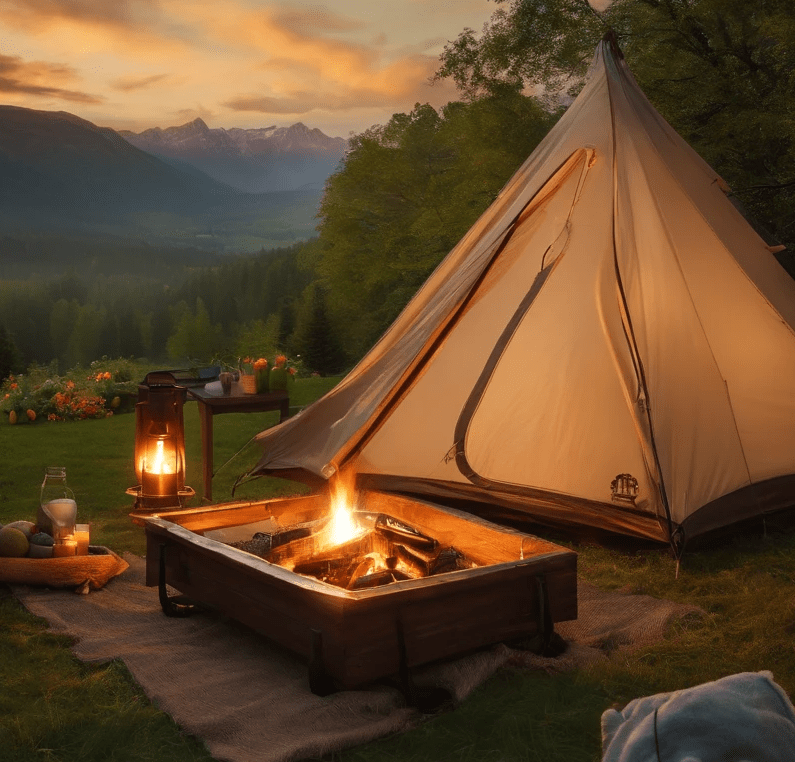
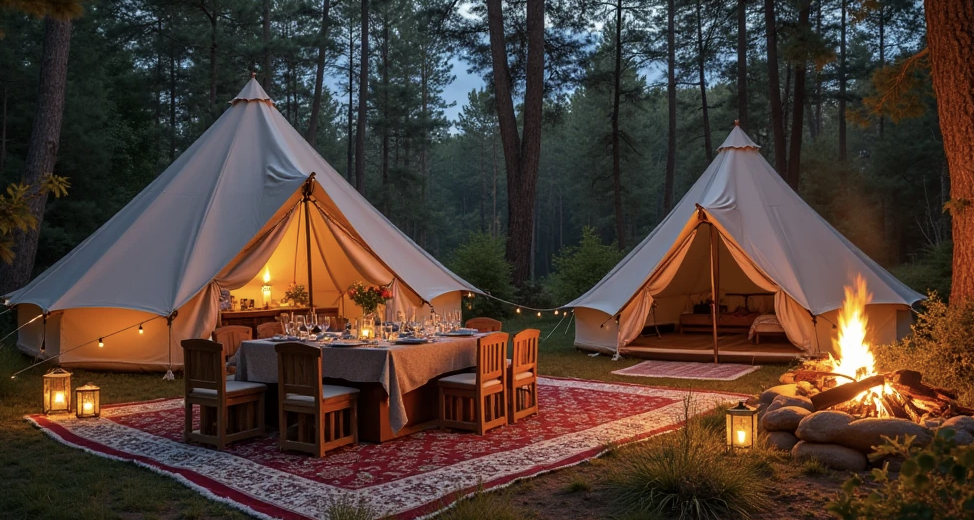






 TheDailyChristian