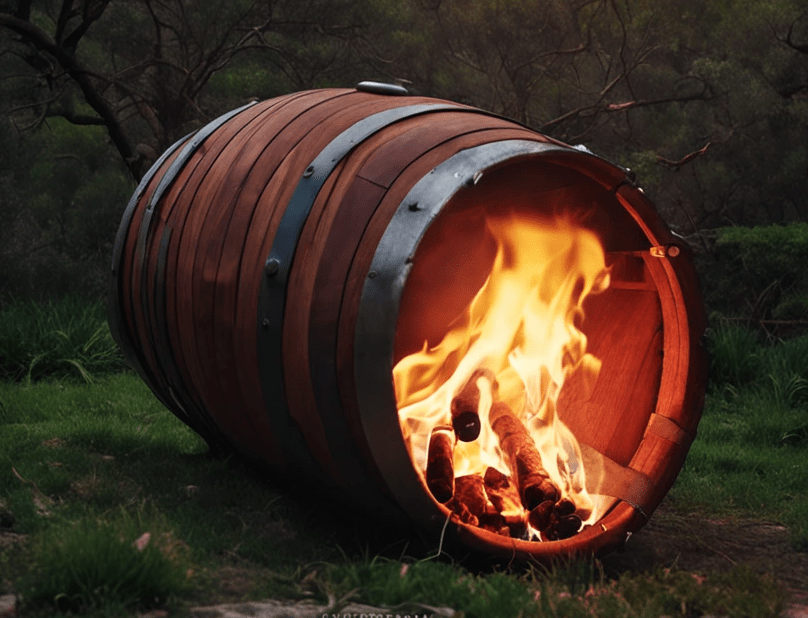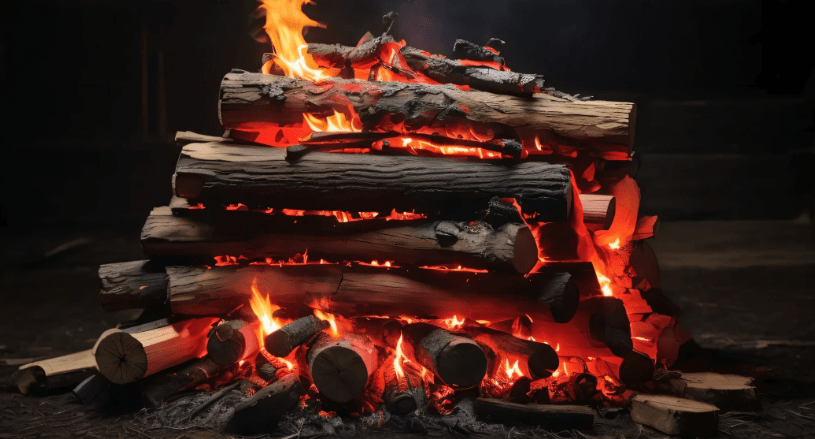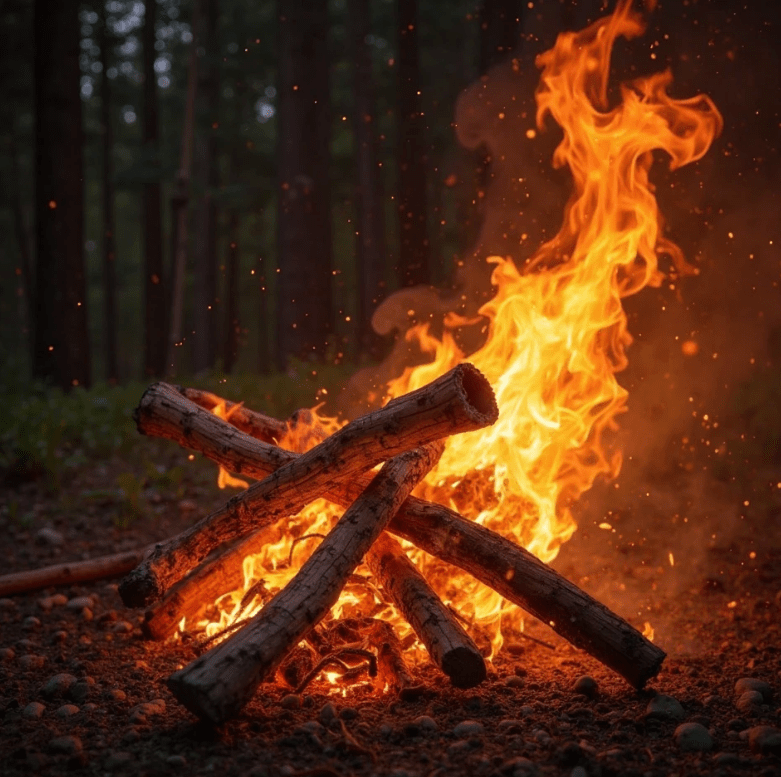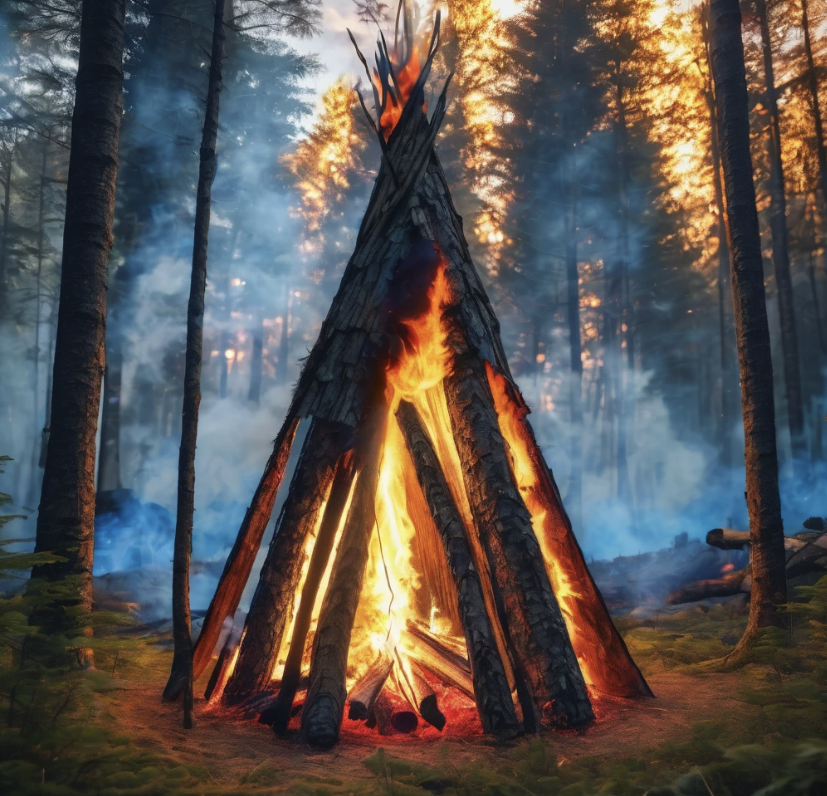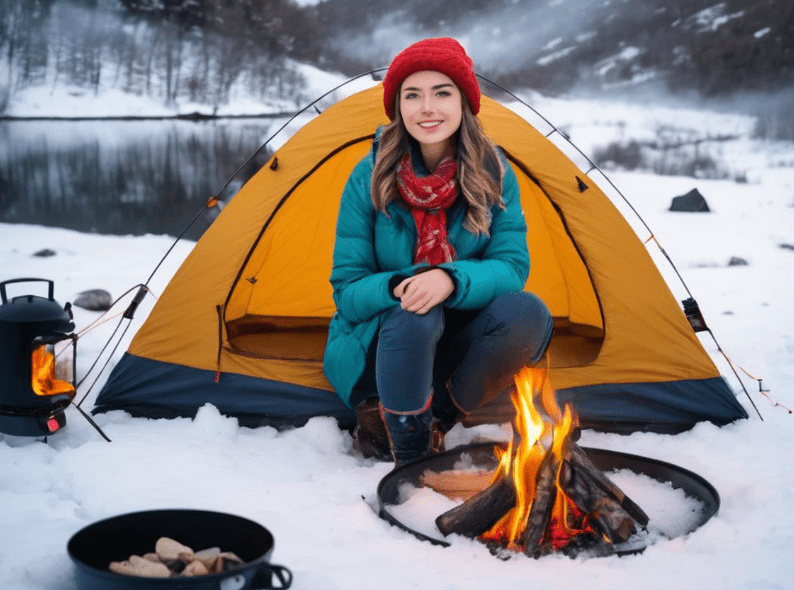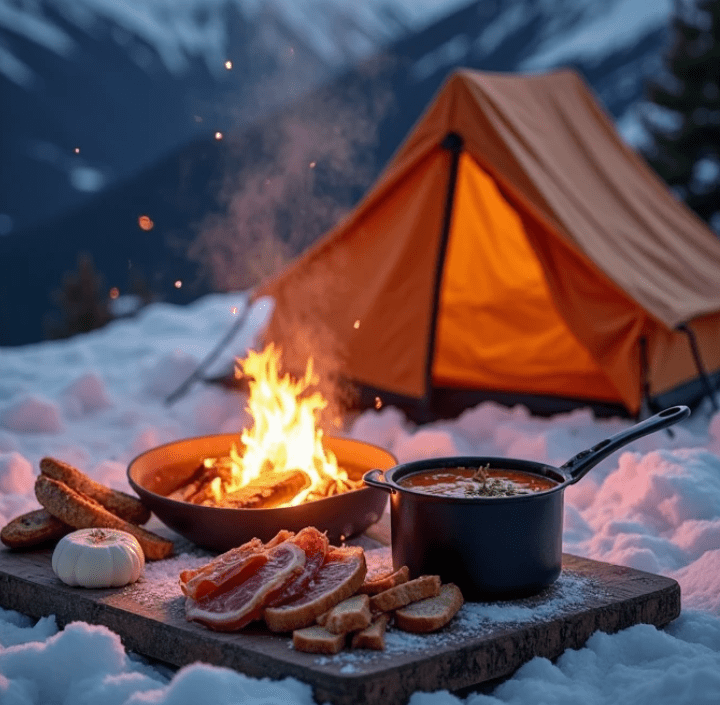
From Spark to Flame: 10 Essential Fire Starting Techniques

You think you’re ready for the collapse? You think those fancy gadgets and your YouTube education are going to save you when the grid goes dark, the food trucks stop rolling, and the weak start begging for warmth? Think again. Fire is life, and if you can’t conjure a flame out of cold dirt and sweat, you’re just another statistic waiting to happen.

Let me tell you something that’ll stick: Mastering fire isn’t optional. It’s mandatory. It’s the backbone of any real survival setup. You can’t purify water, cook food, stay warm, fend off predators, or signal for rescue without it.

So strap in, sit down, and shut up. This is the only fire-starting lesson you’re getting before the world chews you up.


🔥 10 Essential Fire Starting Techniques

1. Ferro Rod and Striker

This ain’t your grandpa’s Bic lighter. A ferrocerium rod throws sparks hot enough to melt steel—5,500°F. Pair it with a carbon steel striker or the back of your knife and aim for a decent tinder bundle. It’s weatherproof, idiot-proof, and guaranteed to work if you know how to use it.

Survival Skill #1: Know your ferro rod angles. 45-degree strike, consistent pressure, and keep that wrist steady.

2. Flint and Steel

Older than your bloodline and twice as reliable. Strike steel against flint to shower sparks onto char cloth or dry fungus. This is old-world firecraft, and if you can’t manage it, you’re not ready.

Survival Skill #2: Make char cloth at home using cotton scraps and an Altoids tin. If you can’t DIY that, go home.

3. Bow Drill

Yeah, it’s primitive. Yeah, it’s hard. But when your gear fails and your pack’s lost, this baby will still save your skin. You need spindle, hearthboard, bow, and bearing block. No room for weakness or laziness here.

Survival Skill #3: Learn wood types—poplar spindle, cedar board. Get it wrong and you’ll smoke without fire.

4. Fire Plough

Rub a softwood stick into a groove on a hardwood base. Friction builds. Ember forms. Labor-intensive? Hell yes. But in a survival pinch, it’s a lifesaver.

Survival Skill #4: Endurance. If your arms quit, so do you. Keep grinding.

5. Magnesium Block

Scrape off magnesium shavings, then hit it with a spark. It burns hotter than your ex’s temper. Windproof. Wet-proof. Apocalypse-proof.

Survival Skill #5: Always scrape into a pile. Don’t scatter like a fool.

6. Solar Fire (Magnifying Glass or Fresnel Lens)

Use the sun like the burning eye of judgment. Focus that beam onto dry tinder and wait. It’s clean, silent, and free—just like you should be.

Survival Skill #6: Understand sunlight angles. No sun? No dice. Back it up with other methods.

7. Battery and Steel Wool

Touch steel wool to both battery terminals and watch it ignite. Fast and furious. 9-volt works best, but AA will do in a pinch.

Survival Skill #7: Keep steel wool in a Ziploc. Moisture kills this method dead.

8. Lighter

Yeah, I said it. Carry a damn Bic. But don’t trust it. Lighters break. They leak. They lie. But as a backup, it’s a must.

Survival Skill #8: Refillable Zippos are better in the long haul. Learn to repack the cotton and replace the flint.

9. Matches (Stormproof Preferred)

Stockpile the good ones. Dip regular matches in wax for homemade stormproofing. Keep them dry, sealed, and accessible.

Survival Skill #9: Know how to strike with frozen fingers. Practice in the cold.

10. Fire Piston

Science meets caveman. Rapid air compression ignites char cloth in a sealed piston. It’s exotic, but efficient. Just don’t be the idiot who loses the O-ring.

Survival Skill #10: Practice piston technique. This tool punishes the clumsy.


🛠️ 3 DIY Survival Fire Hacks

Hack #1: Vaseline Cotton Balls

Cotton balls soaked in petroleum jelly. Stuff them in an old film canister or pill bottle. Light one spark and you’ve got a 10-minute firestarter. Cheap, lightweight, and rainproof.

Hack #2: Egg Carton Fire Bombs

Take a cardboard egg carton, fill each cup with dryer lint or sawdust, pour in melted wax. When cool, rip off a section and light it. Better than commercial cubes, and made from trash.

Hack #3: Crayon Candles

Out of candles? Break out the kid’s art kit. A single crayon burns 15–30 minutes. Stack three and wrap in foil with a wick, and boom—emergency heat source.


🔥 Why Fire Is Your First and Last Line of Defense

Let me be brutally clear: fire is the only thing between you and death in a real collapse. If you can’t start a fire in 60 seconds under pressure, cold rain, and exhaustion, you’re not a survivor—you’re a liability.

Think the government will save you? That your neighbors will share? That your bug-out bag will somehow work itself? Wake up. The wild doesn’t care. Fire does.

Fire signals to rescue. Fire sterilizes your water. Fire cooks the bacteria out of squirrel meat. Fire scares off predators—man and beast. Fire gives you light when the dark swallows everything.


💥 Final Warning from the Edge

You don’t rise to the occasion. You fall to your level of training. The time to practice isn’t when your fingers are numb and your lungs are wheezing from panic. It’s right now—before the grid fails, before the looters roam, before the cold comes creeping.

Master these 10 techniques like your life depends on it—because it does. Load your bag with the right tools. Memorize the hacks. Drill the skills until they’re muscle memory.

If you’re not building fires weekly, you’re playing with fantasy, not prepping for reality. Don’t be the guy with the $300 knife and no clue how to make a coal.

Get angry. Get obsessed. Get ready.

Built to Survive: Shelter Tactics Using Nature and Know-How

You think that store-bought tent is gonna save your sorry butt when the grid crashes? Think again. When the world turns upside-down—and trust me, it will—you better have more than a nylon cocoon and YouTube tutorials to protect you from Mother Nature’s full-blown wrath. If you’re not learning how to build your shelter from dirt, sticks, and brains, you’re not surviving—you’re delaying your expiration date.

Let me be blunt: your comfort zone is a kill zone. The wild doesn’t care about your feelings. The cold will strip the warmth from your bones like a butcher skinning a deer, and the rain will seep into your soul. Shelter isn’t optional—it’s survival Priority Number One right after you can breathe and not bleed out.

So listen up. You want to live? You better start learning like your life depends on it—because it does.


10 Survival Skills for Building Natural Shelters

1. Terrain Scouting

Don’t just plop down in a pretty clearing like some clueless city hiker. Learn to read the land. Avoid valleys where cold air pools and floods form. Stay clear of ridgelines where wind turns your tarp into a damn parachute. Pick elevated, flat ground near resources—but not too near water, unless you’re asking to be eaten alive by mosquitoes or flash-flooded into the afterlife.

2. Natural Windbreaks

Wind will suck the heat out of you faster than a thief in the night. Find natural windbreaks—thick brush, rock walls, or tree lines—or build your own using stacked logs, woven branches, or even your backpack if you’re desperate.

3. Insulation Gathering

Don’t build a shelter and sleep on bare earth like a fool. You need insulation—pine needles, leaves, moss, bark. Pile it thick—at least six inches—to keep ground chill from eating you alive. Better itchy than dead.

4. Framework Building

If you can’t build a solid frame, you’re gonna wake up with the roof on your chest or, worse, hypothermic. Learn to latch, lash, and lean. Use a basic A-frame or lean-to. No nails? No excuses. Use paracord, vines, inner bark strips—whatever it takes.

5. Water Runoff Management

Ever slept in a puddle? It’s a bad time. Angle your roof steep and make a trench around your shelter. Don’t be lazy unless you want rainwater spooning you at 2 a.m.

6. Camouflage Construction

Not every threat in the wild walks on four legs. Sometimes it walks on two—and it’s armed. Blend in. Use mud, foliage, bark. Don’t light up your shelter like a Vegas sign. Stay hidden, stay alive.

7. Fire Integration

Learn how to build a reflector wall to bounce fire heat into your shelter. And yeah, don’t set the damn place on fire. Keep flames at a safe distance, use a fire pit, and always have your fire on the windward side.

8. Moisture Barrier Creation

You want to stay dry? Layer bark and large leaves to create a water-resistant roof. Hell, you can even line the outside with trash bags if you’re lucky enough to find one. Smart survivors repurpose everything.

9. Emergency Cordage

Cordage isn’t a luxury—it’s a lifeline. If you didn’t bring paracord, shame on you. But you can make rope from inner tree bark (like basswood), dry grasses, or even plastic trash. Twist, braid, tie—it better hold your weight, or your broken leg will be the least of your problems.

10. Structural Adaptability

No two scenarios are the same. Snow cave in winter. Debris hut in the fall. Jungle platform in the wet season. Desert rock shelter when the sun’s trying to kill you. If you can’t adapt, nature’s going to crush you like a bug.


3 DIY Survival Hacks from a Realist, Not a Blogger

1. The Trash Tarp Trick

You ever find an old plastic sheet or trash bags in the woods? Jackpot. Stitch them together with thorny branches or tie with bark cordage to make a waterproof tarp. Reinforce the corners with stones or folded sticks. It’s ugly, but it keeps you dry—and that keeps you alive.

2. Pine Sap Glue

Need to stick something? Make glue. Heat pine sap over fire till it bubbles, mix with crushed charcoal and a bit of animal dung or powdered bark. Let it cool, and boom—you’ve got nature’s epoxy. Use it to patch holes, fix tools, even seal cracks in your shelter roof.

3. Bark Paneling

Got trees? You’ve got shelter walls. Use a sharp rock or knife to peel large bark sheets off dead trees (don’t kill healthy ones—you’re not a moron). Stack them like shingles, lash to your frame, and you’ve got windproof, semi-waterproof walls. Way better than freezing behind a blue tarp some weekend warrior left behind.


Hard Truth: You’re Not Ready

If your plan for “bugging out” includes a REI shopping spree and wishful thinking, you’re already dead. Gear fails. Batteries die. Comfort ends. You need knowledge that lives in your hands—not in your gear bag.

Start now. Practice in the woods. Sleep without your tent. Build with your hands, bleed a little, screw up, and fix it. Get your body and mind used to discomfort, cold, and exhaustion. Shelter building is dirty, it’s hard, and it’s necessary.

Don’t be the idiot who panics because their zipper broke or their app didn’t load. You want to survive? Learn to fight the cold, the rain, the wind—and your own softness.


Final Word

Shelter is more than a roof—it’s your battle line against the wild. If you can master nature’s tools, if you can build with sticks and instinct, you can endure damn near anything. But if you’re waiting for someone to come rescue you, you’re already part of the forest floor.

Get smart. Get skilled. Get angry enough to outlast anything. Because when it all goes down, it won’t be the richest, the strongest, or the best equipped who survive—it’ll be the ones who refused to die stupid.

So build like your life depends on it. Because one day, it just might.

Is Louisiana’s Drinking Water Safe

Alright, buckle up. You want the truth about Louisiana’s drinking water? You want it raw, unfiltered, no sugarcoating? Then listen up, because I’m about to lay it down straight, survivalist style—angry, unapologetic, and armed with the cold hard facts and skills you need to keep your family from becoming a bunch of sick, water-poisoned zombies.


Is Louisiana’s Drinking Water Safe? Hell No.

You’ve probably heard the official line: “Our water meets EPA standards.” Yeah, right. That’s bureaucratic bullshit designed to keep you calm while you’re drinking chemicals, heavy metals, pesticides, and god knows what else. Louisiana’s water infrastructure is a ticking time bomb, riddled with old pipes, contamination, and pollution from oil refineries, agricultural runoff, and industrial waste. You don’t need me to tell you the state has had numerous boil-water advisories and contamination incidents. The Mississippi River, which supplies a huge chunk of Louisiana’s water, is one of the most polluted rivers in America.

So if you think you’re safe just filling up your glass and sipping away, you’re dead wrong. You’re gambling with your health and the health of your loved ones. If you care even one bit about survival and self-reliance, you better learn how to filter, purify, and secure your water NOW.


15 Water Filtration Survival Skills You Need to Master NOW

  1. Boiling Water — The simplest and oldest method. Boil water for at least 1 minute (3 minutes if you’re above 6,500 feet) to kill bacteria, viruses, and parasites. No fancy gear needed, just fire and a pot.
  2. Using a Portable Water Filter — Get a solid survival filter like the Sawyer Mini or LifeStraw. These remove protozoa and bacteria, but remember: most don’t kill viruses.
  3. DIY Charcoal Filter — Crush hardwood charcoal, layer it with sand and gravel in a container. Pour water through to reduce chemicals and improve taste. It’s basic, but effective for sediment and some impurities.
  4. Solar Disinfection (SODIS) — Fill clear plastic bottles with water, place them in direct sunlight for 6 hours. UV rays kill pathogens. It’s slow, but a good backup.
  5. Chemical Purification with Iodine or Chlorine Tablets — Lightweight and portable, tablets kill most pathogens. But beware of taste and allergies.
  6. Distillation — Boil water and capture the steam on a cold surface, collecting pure water. It removes almost everything, including heavy metals and salts.
  7. Using Coffee Filters or Bandanas — Not for purification but for removing large sediments and debris before filtering or boiling.
  8. Creating a Sand and Gravel Filter — Layer sand, fine gravel, and coarse gravel in a container to remove suspended particles. This is a good pre-filter.
  9. Using Zeolite or Activated Carbon — These materials bind chemicals and heavy metals. Activated carbon filters are essential to remove chlorine, pesticides, and VOCs.
  10. Making a Solar Still — Dig a hole, place a container in the center, cover the hole with plastic, and place a rock to create a low point. Condensation collects pure water. Great for emergency situations.
  11. Water Bag Filtration — Use specialized survival water bags with built-in filters when hiking or bugging out.
  12. DIY Ceramic Filters — Porous ceramic blocks filter out bacteria and protozoa. They require regular cleaning but can be made at home if you know how.
  13. Magnetic Water Treatment — Some survivalists swear by magnets to reduce scale and contaminants; it’s controversial but worth researching.
  14. Finding and Using Natural Spring Water — Locate and test natural springs. Spring water is usually cleaner but must still be filtered.
  15. Using UV Water Purifiers — Battery-powered UV purifiers zap pathogens. They’re fast but rely on power, so keep backup options.

3 DIY Survival Drinking Water Hacks to Save Your Life

Hack 1: Make Your Own Water Filter from a Plastic Bottle

Cut the bottom off a clean plastic bottle. Invert it like a funnel. Layer the inside with cotton balls, activated charcoal (charcoal from a campfire will work if crushed), sand, and gravel—top to bottom. Pour murky water through it slowly. This filters out sediment and some toxins. It won’t purify water, so boil or chemically treat it afterward. This simple hack turns trash into life-saving tech.

Hack 2: Use Household Bleach as a Water Purifier

In a survival pinch, plain unscented household bleach can disinfect water. Add 8 drops (about 1/8 teaspoon) of bleach per gallon of clear water. Stir and let it sit for 30 minutes. If the water smells strongly of bleach after that, let it air out. This kills most pathogens. Don’t use scented or splashless bleach — those have chemicals that can poison you.

Hack 3: Solar Still from Household Items

If you’re stuck with salty or contaminated water, create a solar still. Use a wide bowl, put a cup in the center, cover with plastic wrap, and place a small weight in the center to create a dip. Sunlight evaporates the water; condensation drips into the cup. This produces drinkable water even from swampy or salty sources. It’s slow but reliable.


Why You Can’t Trust Louisiana’s Tap Water

Let’s get real: Louisiana’s tap water has been exposed to everything from industrial pollution, agricultural chemicals, lead leaching from old pipes, to algal blooms fueled by nutrient runoff. The Gulf Coast’s flooding disasters regularly contaminate municipal water supplies with sewage and chemical waste. And the state’s infrastructure? Aging, underfunded, and vulnerable.

Don’t expect the government or water companies to admit these problems openly or fix them fast. Your survival depends on your readiness to take water filtration and purification into your own hands. Nobody else is coming to save you when the water turns toxic.


How to Prepare NOW

  • Stock up on filtration gear. No excuses.
  • Learn how to boil and distill water.
  • Gather materials for DIY filters: charcoal, sand, gravel, cotton.
  • Keep bleach and iodine tablets handy.
  • Scout natural water sources near you and test them.
  • Practice water purification methods regularly. In a real crisis, you won’t have time to fumble.

Final Warning

If you don’t have survival water skills, you’re playing Russian roulette with your health. Louisiana’s drinking water is not a sure bet — it’s a gamble with serious consequences. Prepare to filter, purify, and treat your water every single time you drink it. Otherwise, you’re inviting sickness, disease, and disaster.

I don’t sugarcoat this because people die when they ignore the truth. Be smart. Be ready. Be self-reliant.


If you want, I can help you make a full survival water kit checklist, or guide you step-by-step through building your own filters and purification setups. Just say the word.

Stay sharp and stay hydrated—the right way.

Top 30 Oklahoma Campsites Every Prepper Must Visit

The Best Campsites for Oklahoma Survival Preppers

As survival preppers in Oklahoma, we know that being prepared for anything is the key to survival. Whether it’s the unpredictable weather, the occasional tornado, or just wanting to disconnect from modern society and hone our self-reliance skills, finding the right camping spots is essential. This state, with its vast wilderness, hidden lakes, dense forests, and rugged terrain, offers plenty of opportunities to practice bushcraft, test your gear, or just get away from it all. Here’s a breakdown of the 30 best campsites in Oklahoma that every survivalist should check out, along with some tips on how they can be used for prepper training.

1. Beavers Bend State Park

CLICK HERE TO LEARN HOW TO SURVIVE A FAMINE

Located in southeastern Oklahoma, Beavers Bend is an ideal spot for survivalists who are interested in honing their skills around water. The park has two pristine lakes and the Mountain Fork River, giving preppers the opportunity to practice fishing, water filtration, and building shelters near water sources. Its dense woods also provide great opportunities to learn how to forage and create hidden campsites.

2. Robbers Cave State Park

Robbers Cave is famous for its rugged terrain and historical significance. The park, located in the Ouachita Mountains, is perfect for anyone who wants to practice navigation in difficult terrain. There are plenty of caves, rocky outcrops, and thick woods to explore. This is a great place to practice creating stealthy hideouts, learning to blend in with the environment, and improving overall bushcraft skills.

3. Oxley Nature Center

For those who prefer a more minimalist approach to survival prep, Oxley Nature Center in Tulsa’s Oxley Nature Preserve is a good spot. It has a great mix of woodland, prairie, and wetland environments. The park is perfect for learning how to purify water, find edible plants, and build shelter in diverse ecosystems.

4. Lake Murray State Park

This massive park located in southern Oklahoma offers access to camping sites near both forest and water. It’s a great place to practice long-term survival skills, such as food storage, campfire maintenance, and wilderness navigation. With over 12,500 acres to explore, you’ll have the space to test different survival strategies.

5. Wichita Mountains Wildlife Refuge

The Wichita Mountains are some of the most challenging and rewarding terrains in Oklahoma. This area offers plenty of diverse ecosystems, from grasslands to dense forests and rocky hills. A true test for any prepper, it provides everything you need to practice water collection, building shelters in harsh conditions, and survival in a mountainous environment. It’s ideal for longer trips as you can practice long-term preparedness.

6. Quartz Mountain Nature Park

Quartz Mountain, located in southwestern Oklahoma, is a beautiful spot for practicing bushcraft in rocky, mountainous terrain. The area is known for its sharp cliffs, caves, and abundant wildlife. Perfect for learning rock climbing, creating improvised shelters from natural materials, and simulating scenarios where you might need to survive in the wilderness for extended periods.

7. Red Rock Canyon State Park

Just north of Oklahoma’s border with Texas, this park has dramatic red rock formations, rugged terrain, and plenty of opportunities to practice desert survival skills. It’s a great spot for testing your ability to find and purify water, build fires in windblown areas, and create sun shelters. You’ll also have the chance to experiment with a variety of food procurement methods, from fishing to trapping.

8. Roman Nose State Park

Roman Nose, located in the northwest part of the state, is a great place to practice water survival. The park features a deep canyon with a freshwater lake, making it an ideal location to practice water purification techniques, setting up primitive shelters, and learning how to use the terrain to your advantage. With its diverse terrain, Roman Nose is a fantastic place to put your skills to the test.

9. Beavers Bend Wilderness Area

Separate from the state park itself, the Beavers Bend Wilderness Area is a remote location within the Ouachita Mountains. This area is far from any major highways and is perfect for those looking to disappear off the grid for a while. Its isolation makes it an excellent spot for learning survival in solitude, honing fire-starting techniques, and practicing stealthy movement in thick forests.

10. Great Salt Plains State Park

Located in northwestern Oklahoma, the Great Salt Plains is a truly unique environment. It’s perfect for learning how to survive in a desert-like landscape, with little shade, limited fresh water, and harsh conditions. Preppers can practice saltwater filtration, trapping, and testing their resilience in extreme weather conditions.


30 More Oklahoma Camping Sites for Survival Preppers

  1. Little Sahara State Park
  2. Talimena State Park
  3. Lake Thunderbird State Park
  4. Sequoyah State Park
  5. Hefner Lake Park
  6. Tenkiller State Park
  7. Spavinaw Hills State Park
  8. Broken Bow Lake
  9. Grand Lake State Park
  10. Copan Point
  11. Murray Hills Trail
  12. Turner Falls Park
  13. Pinnacle Hills Campground
  14. Chickasaw National Recreation Area
  15. Boiling Springs State Park
  16. Cedar Lake Campground
  17. Greenleaf State Park
  18. Chickasha Lake Park
  19. Sulphur Creek Campground
  20. Kerr Lake
  21. Lake Eufaula State Park
  22. Wister State Park
  23. Beaver’s Bend Wilderness
  24. Cherokee Landing State Park
  25. Wichita Mountains
  26. Red Slough Wildlife Management Area
  27. Oklahoma City Lake Overholser
  28. Lake Hudson
  29. The Three Rivers Area
  30. Rock Creek Campground

How Preppers Can Utilize These Campsites for Training

Each of these campsites offers unique survival training opportunities. Here’s how preppers can use them to build their skills:

  • Water Procurement & Filtration: Many parks, like Beavers Bend and Wichita Mountains, feature natural water sources where preppers can practice collecting and purifying water using different methods. Knowing how to filter and store clean water is one of the most important survival skills.
  • Shelter Building: Robbers Cave and Lake Murray offer dense woods that make for great areas to build shelters using natural materials. Knowing how to construct a shelter that can protect you from the elements, especially in harsh weather, is critical for long-term survival.
  • Firecraft: Practicing fire-starting in areas with harsh winds and damp conditions, like Roman Nose or the Wichita Mountains, will ensure you know how to start a fire under less-than-ideal circumstances. Firecraft is an essential skill for warmth, cooking, and signaling for help.
  • Foraging & Hunting: Oklahoma’s parks are teeming with edible plants, fruits, and wild animals. Whether you’re foraging for mushrooms in the forests of Robbers Cave or hunting small game at Tenkiller State Park, these sites provide real-world opportunities to hone your foraging and hunting skills.
  • Navigation & Mapping: Remote locations like the Beavers Bend Wilderness Area or the Great Salt Plains State Park are excellent for practicing navigation using a map and compass. Knowing how to navigate in the wilderness is critical in case you ever get lost.

Conclusion

For survival preppers living in Oklahoma, the state offers a wide range of natural environments to practice essential survival skills. Whether you’re an experienced prepper or just getting started, Oklahoma’s diverse terrains—from rugged mountains to dense forests to open plains—provide the perfect training ground for all your survival needs. Plan your next camping trip wisely, and remember that each of these campsites offers something unique that can be utilized in your survival training.

The 20 Best Missouri Campsites

The Best Campsites for Missouri Survival Preppers!

When you live in Missouri, you’re surrounded by rich wilderness, rugged terrain, and diverse ecosystems perfect for survival prepping. From the rolling hills of the Ozarks to the dense forests and sprawling rivers, this state offers some of the most practical and scenic locations for campers and survivalists alike. If you’re gearing up for the possibility of having to rely on your survival skills, knowing where to camp, what to pack, and how to prepare is crucial. This is a guide to 30 of the best camping sites for Missouri survival preppers. Each of these sites offers unique features that make them ideal for long-term camping, bugging out, or honing your wilderness skills.

Survival prep isn’t just about having the right gear; it’s about practicing in the environment where you’ll need to use it. In Missouri, the unpredictable weather and diverse terrain will give you ample opportunity to sharpen your skills.

Let’s dive into the best camping spots you need to consider. These locations aren’t just about beautiful views or easy access to amenities. They’ll test your survival tactics, help you learn to forage, and offer opportunities for water purification, shelter-building, and tactical navigation. Whether you’re a seasoned prepper or a newcomer, these sites should be on your radar.

CLICK HERE TO LEARN HOW TO SURVIVE A FAMINE

1. Current River State Park

Located in the Ozark Highlands, Current River State Park offers a scenic setting with numerous camping options, including primitive sites that are perfect for survivalists. It’s ideal for prepping due to its proximity to the river, making it perfect for water filtration training. In addition, the thick woods give you the chance to practice building shelters, foraging, and even fire-starting techniques.

2. Ha Ha Tonka State Park

This park, situated on the Lake of the Ozarks, offers rugged cliffs, caves, and a wide variety of terrain. The primitive camping sites here are isolated, which makes them excellent for honing your survival skills in a more challenging environment. There’s also ample wildlife, giving you the chance to practice hunting and tracking.

3. Sam A. Baker State Park

Nestled along the St. Francois Mountains, this park has an extensive network of trails through rugged, hilly terrain. If you’re looking to practice navigating difficult terrain and improve your wilderness skills, Sam A. Baker is the spot. It’s remote, and the primitive campsites are perfect for prepping in seclusion.

4. Meramec State Park

With its large caves, rugged terrain, and proximity to the Meramec River, this park is a great spot for preppers to practice everything from fire-starting to shelter-building. The river also provides an excellent opportunity for water purification exercises. The remote campsites give you a chance to experience isolation while still having some access to resources.

5. Rocky Falls

This area features a scenic waterfall and dense forest, making it a prime location for a prepper looking to practice resourcefulness. The primitive campsites here are more isolated than you might expect, providing the perfect environment for honing your wilderness survival skills. Be sure to pack in your supplies since there are no modern amenities here.

6. Big Piney Campground

This Missouri treasure is situated in the Ozarks, and the Big Piney River provides water for purification exercises. This location is fantastic for those looking to practice fishing, hunting, and living off the land. The primitive campsites give you a chance to test your preparedness and survive in a challenging environment.

7. Table Rock State Park

Not far from Branson, this park has numerous remote campsites surrounded by dense forests and access to the Table Rock Lake. Preppers can take advantage of the surrounding wilderness for learning how to set up shelter, gather resources, and create traps. If you’re looking for a more rugged environment, the backcountry campsites here are perfect.

8. Elephant Rocks State Park

Known for its large, ancient granite boulders, Elephant Rocks offers rugged terrain perfect for training survivalists in how to navigate tricky rocky environments. There are a number of primitive campsites that give you just enough seclusion while also keeping you close to natural resources like water.

9. Lake of the Ozarks State Park

This sprawling park features more than 100 miles of shoreline and vast wilderness, making it an ideal spot for preppers. The dense forests provide cover for setting up survival shelters, while the lake offers opportunities for water-based survival skills. The primitive campsites will challenge you to make the most out of limited resources.

10. Washington State Park

With its deep, forested areas and rocky terrain, Washington State Park gives survival preppers the chance to practice building shelters and finding food in a wooded environment. There’s a river here for water purification practice, and the park’s remote campsites allow you to practice being self-reliant.

11. Johnson’s Shut-Ins State Park

If you’re seeking a more unique experience, Johnson’s Shut-Ins features rugged river gorges, waterfalls, and large rocks to navigate. The primitive campsites allow preppers to practice all the basic survival skills, including shelter construction and food gathering. The river offers water purification practice as well.

12. Pine Ridge Campground

Located in the Ozarks, Pine Ridge is an excellent location for learning to live off the land. The area features dense woods and streams, offering opportunities to practice foraging, purifying water, and hunting. The campsite is remote and quiet, making it ideal for prepper training.

13. Mark Twain National Forest

For the ultimate prepper experience, the Mark Twain National Forest offers over 1.5 million acres of wilderness. It’s a massive space with diverse ecosystems, providing ample room for all kinds of survival training. You’ll find primitive campsites that give you a true wilderness experience. From deep forests to mountainous terrain, it’s perfect for honing your skills in isolation.

14. Shannon County Campground

The Shannon County Campground is a peaceful, off-the-beaten-path camping spot with river access and great natural surroundings. This location offers solitude and seclusion, which is perfect for preppers who want to simulate real-world bug-out situations.

15. Bennett Spring State Park

Known for its spring-fed stream, Bennett Spring is a prime location for survivalists looking to practice fishing and other food procurement methods. The park’s primitive campsites provide a challenging yet rewarding environment for survival preppers.

16. Chouteau’s Island

Located near St. Charles, Chouteau’s Island is an ideal location for practicing navigation and wilderness skills. The island’s remote setting and diverse vegetation make it a perfect spot for honing your survival strategies.

17. Missouri River Campground

For water-based survival training, the Missouri River Campground offers access to one of the state’s major waterways. This campground is ideal for practicing water purification, fishing, and using the river as a survival resource.

18. Niawauk Campground

Located near the Ozark region, Niawauk offers a secluded campsite, perfect for practicing survival techniques in a less-traveled area. You can practice food foraging, water purification, and navigation in this wild and remote location.

19. Cuivre River State Park

This park offers rugged terrain and dense forests, making it a fantastic training ground for preppers. It’s a great spot to practice shelter-building, food gathering, and navigating through thick woods.

20. Prairie State Park

For preppers who want to simulate living in an open, flat environment, Prairie State Park offers wide open spaces and grasslands perfect for practicing fire-building and creating shelter under challenging circumstances.

In conclusion, Missouri offers a wide variety of camping locations that are ideal for survival preppers looking to hone their skills. Whether you’re learning how to navigate dense forests, purify water from a river, or build a shelter from scratch, these campsites provide the perfect backdrop for real-world training. Survival prepping isn’t just about acquiring the right gear—it’s about developing the mindset and practical skills to survive in any situation, and Missouri’s diverse landscapes give you the opportunity to practice all of it.

As a prepper, you must be proficient in a variety of skills, including fire-starting, shelter construction, water purification, navigation, and food procurement. Camping in Missouri’s remote sites helps simulate real-life scenarios where access to modern conveniences is limited. The state’s rugged terrain and unpredictable weather will challenge you to adapt and test your resourcefulness.

In addition to survival basics, these locations also allow for tactical training, such as practicing stealth movement through dense woods or using natural materials for camouflage. Wilderness first aid, mental toughness, and managing your supplies are all key aspects that you’ll develop when spending extended periods in Missouri’s wild places.

No matter your level of experience, these campsites offer valuable opportunities for growth. So, whether you’re a beginner prepping for an emergency or an experienced survivalist refining your skills, Missouri has the perfect spots to help you prepare for whatever the future may hold. By regularly camping in these areas, you’ll not only sharpen your practical survival skills but also build a deeper connection with nature—a crucial mindset for any prepper looking to thrive in a post-collapse world.

Alabama’s Toughest Natural Disasters and How to Survive Them

Surviving the Worst: How Alabama Residents Prep for Natural Disasters

In Alabama, we’re no strangers to the wrath of Mother Nature. From tornadoes ripping through the flatlands to the scorching summer heat and the occasional hurricane, we’ve learned how to be ready for whatever comes our way. As a survivalist, it’s not just about having a stocked pantry and a few bottles of water; it’s about being mentally, physically, and emotionally prepared for any disaster that strikes. In the Heart of Dixie, preparation is a way of life. If you’re thinking about surviving the worst natural disasters in Alabama, here’s how we get ready for the chaos.

CLICK HERE TO LEARN HOW TO SURVIVE A FAMINE

Tornadoes: The Silent Killers of the South

Alabama ranks high on the list for tornado activity in the United States. We’re in what’s known as “Tornado Alley,” where these violent storms can strike with little to no warning. The biggest threat isn’t the twister itself, but the debris it throws around like a giant blender. To prep for a tornado, we follow a few golden rules:

  1. Have a Safe Room – Most Alabamians have a basement or a fortified closet, but if you’re in a mobile home or a home with no basement, make sure you have access to a safe room. In your safe space, include a helmet (to protect your head from flying debris), a flashlight, a battery-powered radio, and a first aid kit.
  2. Weather Radio – This one’s non-negotiable. A NOAA weather radio will give you alerts on weather changes, giving you that crucial warning before disaster strikes. I’ve got mine next to my bed, so I know exactly when to get ready.
  3. Keep Emergency Kits Ready – Have a bug-out bag for each member of the family, including pets. Non-perishable food, water, a knife, and survival gear can keep you alive long enough to make it to safety.

Hurricanes: The Gulf Coast Beast

Although hurricanes are most commonly associated with the Gulf Coast, they often hit Alabama as well. The state’s southern coastline faces the full brunt of these storms, which means storm surge, flooding, and high winds are serious risks. You need to prepare long before the storm is on the horizon.

  1. Have an Evacuation Plan – If a hurricane is on the way, you don’t have time to plan. I’ve got multiple routes mapped out for evacuating the area. It’s also a good idea to know which evacuation shelters in your area will take pets, as not all of them do.
  2. Flood Protection – Alabama is prone to flooding during hurricanes, and you’ll want to protect your property. Sandbags, water barriers, and even plastic sheeting can help divert water away from your home. Elevating your critical equipment, like generators and fuel, is another way to keep everything dry when the rains come down hard.
  3. Water Filtration – I can’t stress this enough. If the storm takes out the power, you can lose access to clean water. Having a portable water filter or water purification tablets in your kit is a must. It’s worth investing in a good filtration system or a stockpile of bottled water to get you through the first few days of the storm.

Flooding: More Than Just a Summer Shower

Alabama’s mountainous terrain and heavy rainfall create a perfect storm for flooding. Even a few inches of rain can overwhelm drainage systems and flood roads in rural areas. Flash floods are an unpredictable and dangerous risk, so it’s important to be aware of your surroundings.

  1. Know Your Flood Zone – If you live in a flood-prone area, know the elevation of your home. If the rains start, and the water rises, you need to know if you’re at risk. If you are in a flood zone, having sandbags and a plan to evacuate is critical.
  2. Elevate Your Belongings – If you’re in a flood zone, invest in flood barriers, and elevate your important supplies. In my case, I’ve moved valuable gear and documents to higher shelves or even upper floors to keep them dry during heavy rains.

Droughts: Alabama’s Silent Disaster

The scorching Alabama sun can turn the landscape dry and barren, especially in the middle of summer. Droughts are becoming more frequent, putting pressure on water supplies, farming, and personal water use. Here’s how we stay ready for extended dry spells:

  1. Conserve Water – Alabamians who live through a drought know the importance of water. We conserve rainwater using barrels or stock up on bottled water during dry spells. When possible, I harvest rainwater for non-potable uses, like watering the garden or flushing toilets.
  2. Grow Your Own Food – In Alabama, a good crop is one of the most important things you can rely on during a drought. Planting drought-resistant crops like okra, sweet potatoes, and beans is key. And, having a solar-powered irrigation system can keep your crops alive during dry spells.

Wildfires: A Growing Threat

In the dry months, the risk of wildfires increases, especially in the wooded areas of Alabama. While the state isn’t as wildfire-prone as other parts of the U.S., it’s still a danger that shouldn’t be underestimated.

  1. Create Defensible Space – A defensible space is an area around your home that’s cleared of vegetation and other fire hazards. If you live in an area with lots of trees or brush, clearing out dry leaves and brush, and using fire-resistant materials on your home can help protect against wildfires.
  2. Fire Extinguishers and Fire Tools – Keep a fire extinguisher handy, and if you’re in an area prone to wildfires, have fire-starting tools, water, and hoses to put out small flames before they spread.

10 Additional Survival Prepper Tips for Alabama’s Disasters:

  1. Keep a full gas tank – Never let your car’s gas tank dip below half, especially during storm season, as you never know when evacuation or travel will become necessary.
  2. Maintain a 72-hour kit – This kit should contain everything you need for 72 hours, including food, water, clothing, and hygiene products.
  3. Check your insurance coverage – Review your homeowner’s insurance to ensure it covers natural disasters, especially tornadoes and floods.
  4. Secure your home – Install storm shutters, reinforce doors, and make sure windows are able to withstand high winds.
  5. Keep important documents safe – Store all critical documents (ID, insurance papers, etc.) in waterproof containers.
  6. Stockpile essentials – Non-perishable food, medical supplies, and other emergency gear will make a huge difference if you lose access to stores.
  7. Train your family – Everyone should know what to do in case of an emergency, including how to use a fire extinguisher, where to shelter, and how to stay calm.
  8. Back up important data – Store vital data like medical records and family contacts on a portable hard drive or in the cloud.
  9. Keep a multi-tool – A good, sharp multi-tool can be invaluable in an emergency. I never leave home without mine.
  10. Join a community prepper group – Networking with others who are prepping for disasters can offer tips, resources, and a safety net in case the worst happens.

Final Thoughts

Living in Alabama means living with the threat of natural disasters, but we don’t just sit around and wait for the next big one. Instead, we’re always prepared. Whether it’s a tornado or hurricane or even an unexpected flood, we’ve got our bases covered. The key to surviving Alabama’s worst disasters isn’t just about having a stockpile of food or a basement full of supplies. It’s about knowing how to adapt, having the right mindset, and being part of a community that’s always prepared to survive and thrive.

Arizona Disaster Survival: Top 10 Tips for Prepping in the Desert

10 Survival Prepper Tips for Natural Disasters in Arizona:

CLICK HERE TO LEARN HOW TO SURVIVE A FAMINE

  1. Prepare for Extreme Heat:
    Arizona is notorious for its scorching summer temperatures. Ensure your home is equipped with reliable air conditioning and invest in portable fans. Always have extra water stored, and create a plan for cooling off during heat waves.
  2. Stay Ready for Monsoon Season:
    From late June to September, Arizona experiences intense monsoons. Keep sandbags on hand, check your roof for leaks, and ensure proper drainage around your home to prevent flooding. Have an emergency kit ready in case of power outages.
  3. Fire-Proof Your Property:
    Wildfires are a significant concern, especially in rural and wooded areas. Clear brush and dry vegetation around your home, create defensible space, and keep hoses and fire extinguishers accessible. Consider installing fire-resistant roofing.
  4. Prepare for Flash Flooding:
    Arizona’s desert terrain can lead to sudden, dangerous flash floods. Stay informed by watching weather forecasts, and know the flood-prone areas in your region. Avoid driving during heavy rain, and always have an emergency escape plan.
  5. Create a Home Emergency Kit:
    Ensure you have a comprehensive emergency kit with essentials like food, water, first aid supplies, medications, flashlights, and a multi-tool. Consider including a solar-powered charger for communication during power outages.
  6. Learn How to Handle Dust Storms:
    Arizona is no stranger to dust storms (or “haboobs”). Have a dust mask or bandana on hand, and if you’re driving, pull over and turn off the vehicle. It’s also smart to keep windows tightly sealed and the AC on recirculate mode during a storm.
  7. Secure Your Home Against Earthquakes:
    While Arizona isn’t a major earthquake zone, temblors do occur. Secure heavy furniture and objects, reinforce foundations, and ensure you have a basic understanding of earthquake safety, such as “Drop, Cover, and Hold On.”
  8. Stock Up on Long-Term Food and Water:
    In Arizona, it’s essential to have a long-term supply of food and water, especially in areas where resources may be cut off due to wildfires, floods, or heatwaves. Focus on non-perishable, high-calorie foods like canned goods and freeze-dried meals.
  9. Stay Informed with a Weather Radio:
    Arizona’s unpredictable weather means you need to stay updated. A battery-powered or hand-crank weather radio can keep you informed about emergency alerts and weather warnings, even during power outages.
  10. Establish an Evacuation Plan:
    Arizona residents should have an evacuation plan in case of wildfires, floods, or extreme weather. Ensure your family knows multiple routes to evacuation points, and have a “go-bag” ready with essentials like identification, cash, and a portable power bank.

Top 20 Survival Campsites in Kansas for Preppers

As a survival prepper living in the great state of Kansas, you know the importance of preparation. From tornadoes to unpredictable weather shifts, Kansas can test the mettle of even the most seasoned survivalists. That’s why it’s crucial to know where to camp, train, and test your skills in the wilderness. Whether you’re preparing for the worst or just getting out into nature to hone your survival skills, Kansas offers some of the best and most accessible campsites for preppers.

CLICK HERE TO LEARN HOW TO SURVIVE A FAMINE

Here’s a guide to 20 of the best camping sites in Kansas that will get you prepared for anything, all while offering a great chance to experience the heart of the Midwest in its most raw and natural form.


1. Tuttle Creek State Park

Tuttle Creek State Park, located near Manhattan, offers 1,200 acres of pristine camping grounds. If you’re looking to practice water purification techniques or just enjoy the outdoors, Tuttle Creek’s proximity to the Kansas River makes it an ideal location. The park is large enough to escape the crowds, but not so remote that you’ll find yourself totally off the grid. Whether you’re testing your shelter-building skills or practicing fire-starting, Tuttle Creek provides everything a prepper needs in a campsite.


2. Wilson State Park

For those who want a rugged, isolated environment for survival training, Wilson State Park is an excellent choice. The park’s secluded campgrounds by the scenic Wilson Lake are ideal for honing your navigation and wilderness survival skills. If you’re concerned about potential threats or simply want to simulate real-world survival conditions, this site offers all the elements you need, including nearby dense woods and open plains.


3. Perry State Park

Perry State Park is a must-visit for Kansas preppers who enjoy a combination of water and land survival. This park, located near the Perry Reservoir, offers abundant opportunities for water-based survival training, such as water filtration, fishing, and kayaking. The thick forests surrounding the park provide plenty of cover for practicing stealth and tactical movements.


4. Lake Scott State Park

If you’re preparing for survival in a semi-arid environment, Lake Scott State Park, located in western Kansas, is a prime destination. Known for its dry, rugged landscape and rocky terrain, this park simulates the challenges that can arise in extreme conditions. From shelter-building techniques to the need for water conservation, Lake Scott provides the perfect environment for learning how to thrive in tough, desert-like conditions.


5. Elk City State Park

This is one of the best spots in Kansas for preppers who are looking to build a solid foundation in wilderness survival. Elk City State Park is located in the southeastern part of the state and offers a great mix of forest and lake environments. It’s perfect for practicing shelter-building, gathering resources, and water collection. The thick woods offer great cover for stealth movements and tactical exercises.


6. Big Hill Lake

Nestled in the southeast corner of Kansas, Big Hill Lake is a hidden gem for preppers looking to escape into nature and practice survival techniques. Whether you’re perfecting your fire-starting skills or experimenting with hunting and fishing, Big Hill Lake provides a diverse landscape to work with. The wooded areas surrounding the lake offer great opportunities for practicing stealth, navigation, and resource management.


7. Kansan State Park

Kansan State Park is known for its rugged terrain and seclusion, making it a prime spot for preppers looking to train in wilderness survival. With plenty of hiking trails and an abundance of wildlife, this park offers a mix of environments that will keep you on your toes. Its isolation also offers the chance to simulate real-world survival conditions with minimal human interference.


8. Cedar Bluff State Park

Cedar Bluff State Park is one of Kansas’ hidden treasures, located in the western part of the state. The park is home to a series of bluffs, canyons, and creeks that make it a perfect place for testing your survival knowledge. It’s a great spot for practicing water filtration, purifying food, and testing various wilderness techniques. Its remote location provides the solitude you need to hone your skills and perfect your self-reliance.


9. Flint Hills National Wildlife Refuge

For preppers looking for a truly wild experience, the Flint Hills National Wildlife Refuge offers expansive prairie lands and is home to a wide variety of wildlife. The vast, open spaces are perfect for practicing long-range navigation, identifying natural resources, and testing your skills in camouflage and survival tactics. The absence of many man-made structures in the area also gives you a genuine “off-the-grid” experience.


10. Rock Creek Station State Park

Rock Creek Station State Park, located in the heart of the state, offers a variety of terrain perfect for prepping. It’s great for survivalists who want to practice camping in diverse conditions, from forests to grasslands. The park also has historical significance, making it an excellent choice for preppers interested in learning about early American survival tactics while testing modern skills.


11. Kanopolis State Park

Kanopolis State Park is known for its picturesque scenery and diverse wildlife. It offers rugged, hilly terrain that will challenge even the most experienced preppers. Whether you’re working on land navigation, wilderness shelter building, or honing your fishing skills, Kanopolis State Park provides the space and variety to test a variety of techniques.


12. Cheyenne Bottoms Wildlife Area

Cheyenne Bottoms is a natural wetland area in central Kansas, making it a prime spot for learning and practicing water-based survival skills. It’s perfect for testing your knowledge of survival tactics that require access to water, including fishing, water purification, and navigation. This area is great for preppers who are focused on developing their knowledge of aquatic survival.


13. Wilson Lake Shoreline

If you’re looking for a secluded place to practice everything from shelter building to water purification, the Wilson Lake Shoreline is one of the best options in Kansas. This area is perfect for preppers who want to stay close to water while honing their outdoor survival skills. With miles of shoreline and plenty of natural cover, this spot offers a perfect balance of challenge and accessibility.


14. Sand Hills State Park

Located in central Kansas, Sand Hills State Park offers a unique opportunity to practice survival techniques in an arid, desert-like environment. The park’s sandy terrain, dry brush, and scarce water make it an excellent place for testing your skills in managing resources and adapting to tough conditions. Whether you’re practicing basic survival skills or working on long-term sustainability, this park is a challenging environment that will put your preparation to the test.


15. Smoky Hill River State Park

Situated in central Kansas, Smoky Hill River State Park is an ideal location for preppers who want to test their wilderness survival skills in a rugged, rocky environment. The terrain varies from wide open grasslands to tree-filled areas along the river, offering opportunities to work on shelter-building, water purification, and general survival tactics.


16. Troy City Park

If you’re looking for a smaller, more intimate setting to practice survival, Troy City Park offers a peaceful, less crowded environment for honing your skills. Located in the northeast part of the state, this park offers hiking trails, wildlife, and water features that make it ideal for preppers to practice essential survival techniques like navigation, water collection, and fishing.


17. Hillsdale Lake

Hillsdale Lake is another great spot for survival preppers in Kansas, especially if you want to practice water-based survival skills. The lake offers plenty of opportunities for fishing, water filtration, and other aquatic survival techniques. The surrounding area is wooded, making it an excellent place for setting up camp and practicing your wilderness skills.


18. Lake Melvern

Melvern Lake, located in eastern Kansas, offers a peaceful setting for preppers looking to practice everything from fishing and water purification to shelter building and navigation. The wooded areas surrounding the lake provide plenty of natural cover, while the lake itself offers ample opportunities for testing water survival techniques.


19. Meade State Park

Meade State Park is perfect for preppers who want to get away from it all and practice essential survival techniques. Located in the southwestern part of the state, this park features rugged, isolated terrain that provides the ideal setting for building shelters, gathering resources, and learning survival skills without distractions.


20. Lakeside Hills

Lakeside Hills is a quiet, secluded campground in the northeastern part of the state, offering wooded terrain and ample opportunities for preppers to practice basic wilderness survival skills. It’s a great spot for those looking to set up camp in a remote setting and simulate survival conditions in a low-stress environment.

Conclusion: Mastering Survival in Kansas’ Best Campsites

As a survival prepper in Kansas, you understand the critical need to stay prepared for a wide range of scenarios, from severe weather events like tornadoes to grid failures or even a longer-term survival situation. The state of Kansas, with its unique mix of prairies, forests, lakes, and rugged terrain, offers a perfect training ground for honing survival skills that could make all the difference when disaster strikes. Whether you’re practicing fire-starting techniques, perfecting your shelter-building abilities, or learning how to purify water from nearby lakes and rivers, Kansas’ diverse campsites provide the ideal environment to push your survival abilities to their limits.

Each of the campsites featured in this guide represents an opportunity to immerse yourself in nature and practice life-saving skills that are essential for every prepper. From the dense forests of Perry State Park to the arid, rugged beauty of Lake Scott State Park, these sites allow you to test your resourcefulness, adaptability, and ability to thrive in a variety of environments. Whether you’re looking for seclusion, water-based survival training, or a combination of both, Kansas offers diverse landscapes to meet every prepper’s needs.

Moreover, many of these parks and campsites are situated in remote or semi-remote areas, which gives you the opportunity to simulate real-world survival conditions where communication and outside help may not be readily available. Practicing in these isolated locations will help you refine critical skills like navigation, food procurement, water sourcing, and creating effective shelter — all fundamental aspects of survival that can be relied upon in an emergency.

While these campsites are perfect for honing your individual survival skills, they also offer valuable opportunities to train with family or fellow preppers. The knowledge and skills you gain in these natural environments can also be shared with others, helping you build a community of like-minded individuals who are just as focused on self-sufficiency and preparedness.

Kansas’ camping destinations also offer an added benefit that’s often overlooked in survival preparation: they allow for rest and mental clarity. A survival situation isn’t just about physical endurance — it’s about mental strength and the ability to make clear decisions under pressure. By taking the time to camp in these beautiful yet challenging locations, you can improve your focus, adaptability, and ability to stay calm in high-pressure situations. This mental toughness will be invaluable when faced with unexpected crises.

Ultimately, the key to survival lies in the ability to adapt and respond to the unexpected. As a prepper in Kansas, these campsites are your testing ground. They allow you to simulate various disaster scenarios, practice emergency protocols, and prepare yourself for whatever comes your way. From long-term camping to quick weekend getaways, these campsites provide the perfect backdrop to keep sharpening your skills, testing new gear, and continuously improving your preparedness plan.

Whether you’re just starting your prepper journey or are an experienced survivalist looking for new training grounds, Kansas offers some of the best and most versatile campsites for your needs. So grab your gear, prepare for the unexpected, and head out to one of these top campsites to start building the skills that will ensure you’re ready for whatever the future holds. Remember, survival isn’t just about having the right tools — it’s about the knowledge, skills, and experience you acquire along the way. Make the most of these Kansas camping sites, and you’ll be better prepared for anything the world may throw at you.

30 Amazing Survival Campsites in Maryland for Your Next Off-Grid Adventure

Master Survival Techniques at These 30 Maryland Campsites

Living in Maryland, a state rich in diverse landscapes, from the Allegheny Mountains to the Chesapeake Bay, presents a unique opportunity for survival preppers to practice their skills in real-world conditions. Whether you’re looking for a place to test your wilderness survival abilities or just want to disconnect and enjoy nature, Maryland offers some of the best camping sites to explore. These sites provide everything from remote, rugged terrain to well-maintained campgrounds with facilities, allowing you to sharpen your skills in various environments. As survival preppers, we know that being prepared in the wilderness is more than just setting up a tent; it’s about understanding your surroundings, honing your self-reliance, and learning how to thrive in the wild.

CLICK HERE TO LEARN HOW TO SURVIVE A FAMINE

Here are 30 of the best campsites across Maryland that offer the perfect setting for survival prepper training.


1. Catoctin Mountain Park

Located in the northern part of the state, this area offers challenging terrain and isolation. Ideal for testing your navigation and shelter-building skills, Catoctin Mountain Park provides an authentic wilderness experience.

2. Patapsco Valley State Park

With its dense woods and rugged terrain, Patapsco is perfect for long hikes, shelter building, and foraging practice. It also offers excellent river access for water purification and fishing.

3. Green Ridge State Forest

Green Ridge is a secluded and vast forest, ideal for a full survival test. The area is known for its remote campsites, diverse wildlife, and trails that are perfect for wilderness navigation.

4. Seneca Creek State Park

This park has a variety of landscapes, from woodlands to wetlands, providing a great opportunity to practice your water purification techniques and wildlife tracking.

5. Piney Run Park

A hidden gem located in Carroll County, this park is perfect for fishing, survival hunting practice, and learning how to navigate through dense woods.

6. Assateague State Park

Famous for its wild horses, Assateague offers unique beach survival scenarios. Learn how to gather food from the sea, purify saltwater, and set up camp in coastal conditions.

7. Gathland State Park

Located in the Appalachian Mountains, Gathland offers scenic views and challenging terrain, making it a perfect location for advanced survivalists to practice their skills in elevation and weather awareness.

8. New Germany State Park

In the Alleghenies, New Germany is a great location for those wanting to practice cold-weather survival. It offers trails, a lake for water purification practice, and dense woods for shelter-building.

9. Rocky Gap State Park

This park provides the perfect combination of hiking, fishing, and survival training in the mountainous terrain of western Maryland. You’ll find plenty of areas for shelter practice and an abundance of wildlife to study.

10. Cascade Falls

Cascade Falls in the Patapsco Valley is a more secluded area, offering great opportunities for stealth camping and honing your skills in creating fire in wet conditions.

11. Savage River State Forest

This vast forest offers secluded areas for you to practice advanced survival techniques like trapping, foraging, and building a fire in harsh conditions.

12. Herrington Manor State Park

In the western part of the state, Herrington Manor offers colder, rugged terrain perfect for winter survival. The area’s remote environment allows for practice in true isolation.

13. Calvert Cliffs State Park

For those who want to learn about coastal survival, Calvert Cliffs offers access to cliffs and beaches, providing the perfect location for shell fishing, saltwater purification, and practicing watercraft navigation.

14. Tuckahoe State Park

Located on the Eastern Shore, Tuckahoe provides a rich opportunity to practice freshwater survival and fishing skills, alongside deep woodlands to practice navigation.

15. Elk Neck State Park

With stunning views of the Chesapeake Bay and plenty of terrain to explore, this park allows for both coastal and woodland survival training, making it a great spot for practicing shelter construction and navigation.

16. Youghiogheny River Lake

This remote area, perfect for water survival skills, is situated in western Maryland. Here, you’ll find an abundance of water bodies, providing both fishing and freshwater purification opportunities.

17. Big Run State Park

Known for its dense forests and peaceful surroundings, Big Run is perfect for solitude and honing your survival techniques, especially in dense, hard-to-navigate environments.

18. Fort Frederick State Park

A historical park with a rich history, it also offers extensive areas of wilderness for survival training. This is a perfect place for practicing long-term survival skills.

19. Sandy Point State Park

Located on the shores of the Chesapeake Bay, this park offers both wooded areas and beaches. It’s ideal for survivalists looking to train in diverse environments.

20. Western Maryland Rail Trail

For preppers wanting to mix hiking with survival training, the Western Maryland Rail Trail provides miles of natural landscape perfect for navigation practice.

21. Cunningham Falls State Park

Known for its waterfall and steep terrain, Cunningham Falls provides a challenge for hikers and survivalists who need to practice advanced survival skills such as wilderness first aid and building makeshift shelters.

22. Deep Creek Lake State Park

The largest freshwater lake in Maryland, Deep Creek offers ample space for fishing, canoeing, and water survival training. The surrounding woods provide plenty of areas for shelter-building practice.

23. Rock Creek Park

Located near Washington, D.C., Rock Creek Park offers a more urban option for those looking to practice survival skills without venturing far from the city. Great for stealth camping and creating a bug-out location.

24. Blackwater National Wildlife Refuge

This sprawling wetland area is perfect for waterfowl hunting practice, tracking wildlife, and learning how to handle swampy, lowland areas that could serve as potential survival zones in an emergency.

25. Bristow Park

Bristow offers dense woodlands and secluded trails that are perfect for learning navigation, shelter building, and wildlife tracking.

26. Manassas National Battlefield Park

For preppers interested in practicing their skills in a historical setting, this park offers both a tactical environment for movement and shelters in a wooded area for solitude.

27. Sideling Hill

Located in the Appalachian Mountains, this area offers rugged terrain with limited accessibility. It’s great for testing your ability to survive in tough conditions, especially high altitudes.

28. Pocomoke River State Park

A swampy, lowland area perfect for testing water purification and fishing skills. Pocomoke is great for preppers looking to practice survival in wet conditions.

29. Point Lookout State Park

This park offers a mix of coastal and forested areas, ideal for waterborne survival, beach camping, and practicing shelter building with limited resources.

30. Charles County Regional Park

A little-known park in southern Maryland, it offers diverse terrain, wooded areas, and open fields that are perfect for survival training.


Conclusion: The Perfect Survival Prepper Locations

Maryland offers a diverse range of landscapes for survival preppers to hone their skills. Whether you’re practicing water purification along the Chesapeake Bay, building shelters in dense forests, or hiking through the mountains, these 30 campsites provide everything a prepper needs to build self-reliance and thrive in the wilderness. Each location offers unique challenges, and the variety of terrains ensures that you’ll be able to practice all aspects of survival, from hunting and fishing to shelter building and navigation.

These camping sites aren’t just great places to visit—they’re the perfect testing grounds for anyone serious about being prepared for anything that comes their way.