

Florida Tiny Home Living: The Best Cities and the Most Difficult Areas
by Brooke Homestead — 2025 Female Survival Prepper of the Year
Florida is a state of contrasts — sprawling beaches, humid subtropical climates, bustling cities, and rural countryside. For tiny home enthusiasts, the Sunshine State can be both a paradise and a challenge. Downsizing here isn’t just about saving money or simplifying life; it’s about navigating zoning, weather hazards, and seasonal extremes. I’m Brooke Homestead, and after years of building tiny homes, living off-grid, and surviving in extreme environments, I know what it takes to thrive in Florida in a small, sustainable home.
Best Cities for Tiny Homes in Florida: Gainesville and Ocala
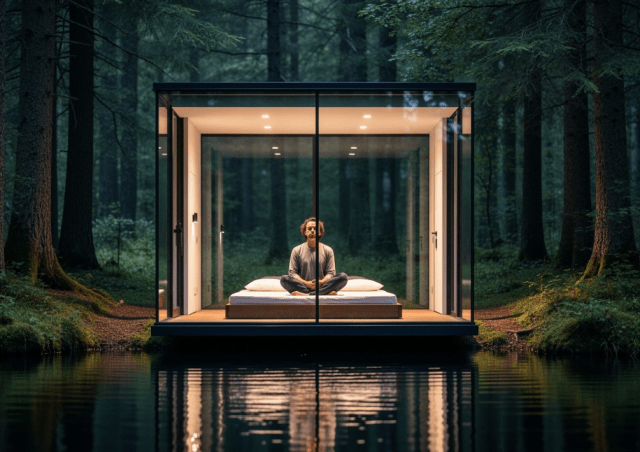
Gainesville — College Town, Progressive, and Tiny Home Friendly
Gainesville offers urban convenience with rural accessibility, making it ideal for tiny homes:
- Flexible zoning in outskirts: County parcels often allow tiny homes as primary residences or ADUs, especially outside city limits.
- Affordable land: Lots in surrounding Alachua County typically range from $20,000–$50,000 per acre.
- Community support: Progressive, environmentally conscious residents embrace downsizing, co-housing, and sustainable lifestyles.
💡 Brooke Tip: Look for parcels slightly outside the city center — you get larger lots, fewer restrictions, and better opportunities for solar panels or rainwater systems.
Ocala — Rural Freedom and Outdoor Living
Ocala, in central Florida, is a gem for those who want space, greenery, and off-grid potential:
- Rural zoning: Marion County allows tiny homes on private lots in low-density areas.
- Outdoor access: Farmland, trails, and forests make gardening, solar, and water catchment feasible.
- Affordable land: Parcels often range from $15,000–$40,000 per acre.
Brooke Survival Insight: Florida heat, humidity, and storms require ventilation, moisture-resistant materials, and hurricane-safe construction practices.
Most Difficult Areas for Tiny Homes in Florida: Miami & Fort Lauderdale
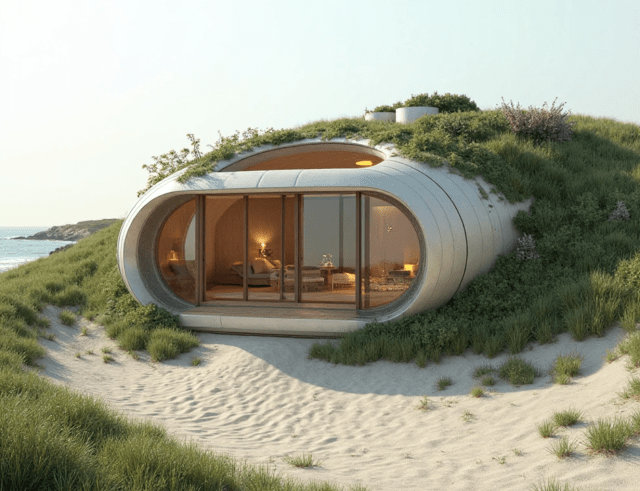
Urban coastal areas pose several challenges:
- Zoning restrictions: Minimum lot sizes, HOA rules, and historic district regulations limit tiny home placement.
- High land costs: Urban lots often exceed $150,000–$300,000, reducing the financial advantage of downsizing.
- Climate risk: Hurricanes, flooding, and high humidity require reinforced construction, hurricane straps, and elevated foundations.
💡 Brooke Tip: Tiny homes in Miami or Fort Lauderdale are mostly feasible as ADUs behind existing houses or in planned eco-communities designed for modular small homes.
Zoning Laws in Florida — Tiny Home Considerations
Florida does not have a statewide tiny home law; local regulations vary:
- Accessory Dwelling Units (ADUs): Increasingly allowed in progressive towns, usually 200–500 sq. ft.
- Tiny Homes on Wheels (THOWs): Treated as RVs; often allowed on private rural land or in permitted RV parks.
- Foundation-based Tiny Homes: Must meet state and local building codes, including wind-load, electrical, plumbing, and insulation standards.
Brooke Advice: Always check with the county zoning and planning office before purchasing land. Even neighboring parcels can have different rules.
Cost of Land in Florida — Budgeting for Tiny Homes
Land costs vary widely:
- Gainesville outskirts: $20,000–$50,000 per acre — great for off-grid or semi-rural tiny homes.
- Ocala rural lots: $15,000–$40,000 per acre — affordable with plenty of space for off-grid living.
- Miami & Fort Lauderdale: $150,000+ per lot — tiny homes mostly feasible as ADUs or secondary dwellings.
- Northern Florida small towns: $10,000–$30,000 per acre — excellent for off-grid setups.
Additional costs: hurricane straps, elevated foundations, solar panels, septic systems, and driveway/road access.
Climate Considerations — Florida Weather for Tiny Homes
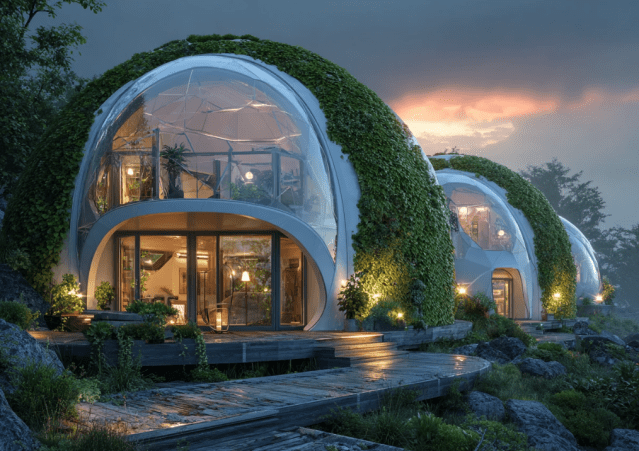
Florida has hot, humid summers, mild winters, and hurricane risk, which affects tiny home design:
- Summer: High heat and humidity require ventilation, shade, and energy-efficient cooling.
- Winter: Mild, but off-grid heating may still be needed in northern counties.
- Storms/Hurricanes: Reinforced foundations, hurricane straps, and elevated structures are essential.
- Rain & Flooding: Proper drainage, waterproofing, and raised sites are critical for safety.
Brooke Survival Insight: Tiny homes are compact — poor ventilation, inadequate storm prep, or flooding risk can quickly create unsafe conditions.
Final Homestead Thoughts
Florida offers amazing opportunities for tiny home living if you plan carefully:
- Best Cities: Gainesville for progressive policies and suburban-rural access; Ocala for rural freedom and off-grid potential.
- Most Difficult Areas: Miami and Fort Lauderdale due to zoning, high costs, and hurricane risk.
- Planning Essentials: Verify zoning, design for storms and heat, and prepare for off-grid capabilities where possible.
Tiny home living in Florida is about resilience, minimalism, and planning for extreme weather. Choose the right city, prepare your home for storms, and you can thrive in a small, sustainable home surrounded by nature, trails, and sunny skies.
— Brooke Homestead

