Delaware Tiny Home Lifestyle: Cities Friendly to Small Homes
by Brooke Homestead — 2025 Female Survival Prepper of the Year
Delaware may be small, but it offers big opportunities for tiny home living. With coastal towns, rural farmland, and easy access to major East Coast cities, the First State can be an attractive option for downsizing. I’m Brooke Homestead, and after years of building tiny homes, living off-grid, and helping others simplify their lives, I’ll walk you through Delaware’s best cities for small homes, zoning realities, land costs, and coastal climate considerations.
Best Cities for Tiny Homes in Delaware: Dover and Milford
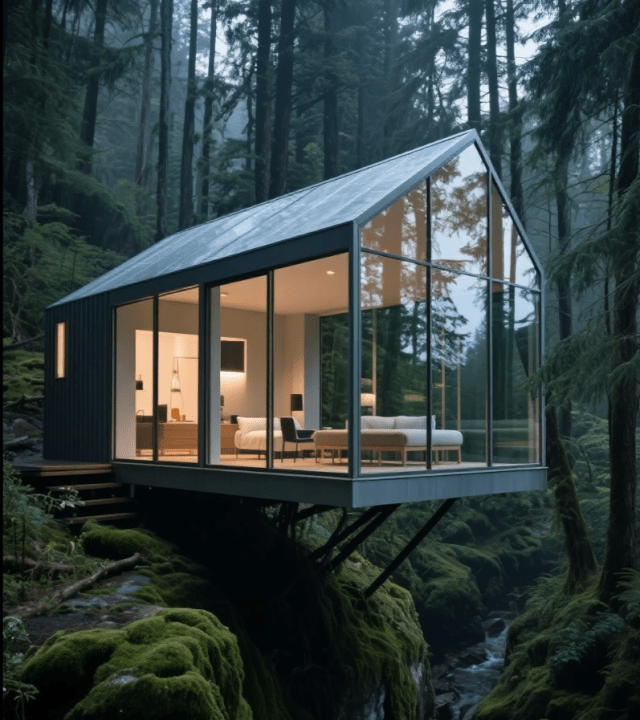
Dover — Capital City with Rural Opportunities
Dover offers a unique mix of small-city living and surrounding farmland that can work well for tiny home enthusiasts.
Why Dover works for tiny living:
Rural flexibility nearby: Kent County parcels outside city limits often provide more flexible zoning for small homes, especially those built on permanent foundations.
Moderate land costs: Land on the outskirts typically ranges from $25,000–$60,000 per acre, depending on utilities and road access.
Central location: Dover sits between northern Delaware and the beaches, offering access to jobs, services, and agriculture while maintaining a quieter lifestyle.
💡 Brooke Tip: Look for agricultural or low-density residential parcels just outside city limits. They often provide more room for gardens, rainwater collection, and solar panels.
Milford — Small-Town Charm with Coastal Access
Milford is one of Delaware’s most appealing towns for those wanting a quiet lifestyle without giving up proximity to the coast.
Why Milford is tiny-home friendly:
Lower-density zoning: Sussex County areas surrounding Milford often allow small homes on foundations and sometimes permit RV-style tiny homes with fewer restrictions.
Affordable rural land: Parcels typically range from $20,000–$50,000 per acre, depending on proximity to utilities and the beach corridor.
Community character: Milford has a laid-back culture that appreciates practicality, homesteading, and self-sufficient lifestyles.
Brooke Survival Insight: Being closer to the coast means planning for salt air, humidity, and hurricane-season storms.
Challenging Areas for Tiny Homes in Delaware: Wilmington & Coastal Resort Towns
Some parts of Delaware make tiny home placement more difficult.
Wilmington Metro Area
Wilmington has stricter urban zoning and higher land costs.
Key challenges:
- Minimum square-foot requirements often exceed typical tiny home sizes
- Higher land costs: Urban lots frequently exceed $80,000–$200,000
- Limited off-grid options due to dense development
Tiny homes here are usually possible only as Accessory Dwelling Units (ADUs) behind existing homes.
Coastal Resort Communities
Popular beach areas such as Rehoboth Beach and Lewes tend to have:
- Strict development regulations
- High property values
- HOA restrictions in many neighborhoods
💡 Brooke Tip: If beach living is your dream, consider inland towns 10–20 miles from the coast where zoning and land prices are more flexible.
Zoning Laws in Delaware — Tiny Home Considerations
Delaware does not have a statewide law specifically regulating tiny homes, so local governments set their own rules.
Common regulatory patterns include:
Accessory Dwelling Units (ADUs):
Many municipalities allow small backyard dwellings, usually 300–600 sq. ft., though permits are required.
Tiny Homes on Wheels (THOWs):
Typically classified as RVs, meaning they may be limited to RV parks or temporary placement unless local rules allow otherwise.
Foundation-Based Tiny Homes:
Must comply with Delaware building codes covering structure, plumbing, electrical, and insulation standards.
Brooke Advice: Always confirm regulations with the county planning office. In Delaware, rules can change drastically between neighboring counties or even individual towns.
Cost of Land in Delaware — Budgeting for Tiny Homes
Delaware land prices vary widely depending on proximity to the coast and major cities.
Typical ranges include:
- Dover outskirts: $25,000–$60,000 per acre
- Milford rural areas: $20,000–$50,000 per acre
- Northern Delaware suburbs: $70,000–$150,000+ per acre
- Coastal communities: $100,000+ for small residential lots
Additional expenses often include:
- Well drilling or water hookup
- Septic installation
- Driveway access
- Solar systems for off-grid living
- Storm-resistant construction
Climate Considerations — Delaware Weather for Tiny Homes
Delaware’s humid coastal climate plays a major role in tiny home design.
Winter:
Generally mild but damp. Good insulation and moisture control are essential.
Summer:
Hot and humid. Ventilation, shade, and efficient cooling systems are important.
Storm risk:
Coastal storms and occasional hurricanes can bring heavy rain and wind.
Flooding:
Low-lying areas, especially near rivers and coastal zones, may require elevated foundations.
Brooke Survival Insight: Tiny homes heat and cool quickly, which is great for efficiency—but poor humidity control can cause mold problems fast.
Brooke Homestead’s Final Thoughts About Delaware’s Tiny Home Lifestyle

Delaware may be the second-smallest state, but it offers a surprising amount of potential for tiny home living.
Best Cities:
- Dover for central location and surrounding rural land
- Milford for affordability and small-town character
Challenging Areas:
- Wilmington due to stricter zoning and higher costs
- Beach towns like Rehoboth Beach and Lewes due to regulations and expensive land
Planning Essentials:
Verify local zoning, prepare for coastal humidity and storms, and consider inland locations if affordability and flexibility are priorities.
Tiny home living in Delaware is about balancing simplicity with smart planning. With the right parcel of land and thoughtful design, you can build a comfortable, efficient home while enjoying farmland views, historic towns, and easy access to the Atlantic coast.