
Montana Survival Gardening Advice, Tricks, and the Best Emergency Food Storage Preparedness Tips Around

2025 Survivalist of the Year: Brooke Homestead’s Montana Survival Blueprint

When you talk about rugged living in the American West, you cannot ignore Montana. Vast distances. Bitter winters. Short growing seasons. Wildlife that does not negotiate.

And according to Brooke Homestead, that’s exactly why Montana is one of the most empowering places in America to build real self-reliance.

Below, Brooke shares her Montana survival gardening and food storage strategy — in her own words.


Brooke Homestead Introduces Herself

“Hey friends — Brooke here.

Montana doesn’t whisper. It tests you.

The first time I tried growing food here, I lost half my seedlings to a late June frost and the other half to wind that felt like it came straight off a glacier. That’s when I realized something important:

Montana isn’t hard. It’s honest.

If you prepare correctly, it will provide more abundance than almost anywhere in the country. But you must respect the land, the cold, and the calendar.”


Brooke’s Survival Gardening Strategy for Montana
Montana’s growing season can range from 60–120 frost-free days depending on elevation. Winters are long, dry, and often severe. Brooke’s approach is precision-based.


Grow What Thrives — Not What Looks Good on Instagram

“In Montana, ego gardening gets you humbled.”

Her go-to survival crops:

  • Yukon Gold and Russet potatoes
  • Carrots
  • Beets
  • Cabbage
  • Kale
  • Spinach
  • Peas
  • Turnips
  • Short-season winter squash

“These crops tolerate cold soil and light frost. They store beautifully. That’s survival value.”


2️⃣ Season Extension Is Mandatory

Brooke uses:

  • Heavy-duty hoop houses
  • Cold frames
  • Floating row covers
  • Black mulch to warm soil early

“I start seeds indoors 8 weeks early. And I never trust the ‘average last frost date.’ Montana laughs at averages.”


3️⃣ Wind & Wildlife Defense

Montana brings two major threats beyond frost:

  • Relentless wind
  • Deer, elk, and even moose

Her solution:

  • Strong fencing (minimum 8 feet for deer)
  • Windbreaks (shrubs or temporary fencing panels)
  • Deep mulch to retain soil moisture

“Out here, your garden is part farm, part fortress.”


4️⃣ Build Soil Like You Mean It
Montana soils can vary — sandy plains to rocky mountain ground.

Brooke’s survival soil mix:

  • Native soil
  • Aged manure
  • Compost
  • Leaf mold
  • Bone meal

“You can’t control the weather. But you can control your soil health.”


Montana Food Storage — Brooke’s System

“Montana winters are not cute. They are operational tests.”

Snowstorms can isolate rural properties for days. Brooke’s rule:

Store six months of calories minimum.


🧊 Root Cellar Power

Montana’s climate is perfect for underground storage.

Brooke stores:

  • Potatoes
  • Carrots
  • Beets
  • Onions
  • Cabbage
  • Apples

Ideal temp: 32–40°F

“With proper curing, root crops become winter insurance.”


🫙 Pressure Canning for Protein Security
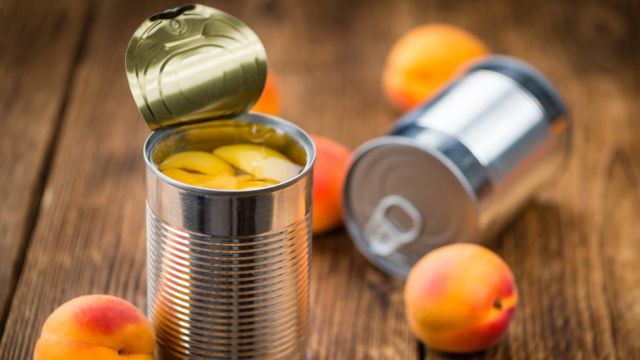
She pressure cans:

  • Venison
  • Elk
  • Beef
  • Bone broth
  • Stews

“Protein is the hardest thing to secure long-term. That’s why I preserve it aggressively.”


🌾 Long-Term Dry Storage

Brooke keeps:

  • Hard red wheat
  • White rice
  • Pinto beans
  • Lentils
  • Rolled oats

Stored in:

  • Mylar bags
  • Oxygen absorbers
  • Food-grade buckets

“In rural Montana, one bad winter storm can empty store shelves fast. I prefer independence over panic.”


❄️ Why Survival Gardening in Montana Is Critical
Brooke explains:

  • Long winters limit fresh food access.
  • Rural isolation means long supply chains.
  • Severe storms can block highways.
  • Wildlife can damage commercial crops and supply lines.
  • Economic shifts in agricultural regions impact food pricing.

“If you live in Montana and you’re not building some level of food independence, you’re gambling.”


🌄 Brooke’s Final Montana Advice

Study your microclimate. Elevation changes everything here.

Plant windbreaks early.
Build raised beds.
Compost year-round.
Store more calories than you think you need.

And don’t be intimidated by the cold.

Montana will reward discipline with abundance.

When the snow is falling sideways and your pantry shelves are full — that’s real peace.

Mississippi’s Best Survival Gardening Advice, Tricks, and the Best Emergency Food Storage Preparedness Tips Around

When most people think about survival gardening, they picture snowdrifts and frozen ground. But let me tell you something — the Deep South brings its own battlefield. Heat, humidity, hurricanes, pests, and long growing seasons that can either bless you… or exhaust you.

And when it comes to preparedness in Mississippi, Brooke Homestead says this:

“Mississippi doesn’t freeze you out. It wears you down.”

Below is Brooke’s Mississippi survival gardening and food security blueprint — smart, strategic, and built for Southern resilience.


🌾 Brooke Homestead Introduces Herself

“Hey friends — Brooke here.

The first time I gardened in Mississippi, I thought, ‘Wow, I can grow year-round! This will be easy.’

Then the humidity hit.
Then the bugs came.
Then a summer storm flattened half my tomatoes in one afternoon.

That’s when I realized — Mississippi isn’t hard because it’s cold. It’s hard because it’s relentless.

But if you understand this climate? It can feed you almost all year long.”


Brooke’s Survival Gardening Strategy for Mississippi

Mississippi offers a long growing season — often 200+ frost-free days. That’s a survival advantage if managed correctly.


1 – Grow in Seasons — Not Just Summer

“In Mississippi, summer gardening can actually be the hardest season.”

Brooke divides the year into:

Cool Season (Fall/Winter/Early Spring):

  • Kale
  • Collards
  • Spinach
  • Carrots
  • Beets
  • Cabbage
  • Broccoli
  • Lettuce

Warm Season (Late Spring/Summer):

  • Okra
  • Sweet potatoes
  • Field peas
  • Southern beans
  • Corn
  • Squash
  • Peppers

“Cool-season crops are your secret weapon in Mississippi. You can harvest when much of the country is frozen.”


2 – Heat & Humidity Management

Mississippi summers can push high humidity and triple-digit heat indexes.

Brooke’s approach:

  • 30–50% shade cloth during peak heat
  • Heavy mulching to retain soil moisture
  • Morning watering only
  • Drip irrigation to reduce fungal issues

“Humidity grows food — but it also grows fungus. Airflow is everything.”


3 – Pest & Disease Pressure Is Real

Southern climates mean aggressive pests.

Brooke uses:

  • Crop rotation every season
  • Companion planting (marigolds, basil)
  • Neem oil when needed
  • Physical barriers for squash borers and beetles

“If you don’t stay proactive, bugs will eat your survival plan.”


4 – Prepare for Hurricanes & Storms

Mississippi faces tropical storms and heavy rains.

Her strategy:

  • Raised beds for drainage
  • Deep-rooted crops
  • Trellising systems anchored firmly
  • Backup seedlings started indoors

“Storm resilience is just as important as crop selection.”


Mississippi Food Storage Strategy

“Here’s the blessing: Mississippi grows abundance.

Here’s the challenge: You must preserve that abundance.”


Pressure Canning & Water Bath Canning

Brooke cans:

  • Green beans
  • Field peas
  • Okra
  • Tomato sauce
  • Chicken
  • Broth

“Summer harvests must become winter security.”


Root Storage (Modified for the South)

Traditional root cellars can struggle in humid climates.

Brooke recommends:

  • Climate-controlled indoor pantry space
  • Cool basement storage if available
  • Proper curing before storage
  • Dehydration for onions and peppers

“Humidity control matters more than cold in Mississippi.”


Long-Term Staples

She stores:

  • White rice
  • Pinto beans
  • Cornmeal
  • Oats
  • Salt
  • Sugar
  • Flour

Stored in:

  • Mylar bags
  • Oxygen absorbers
  • Airtight food-grade buckets

“Hurricanes can empty shelves fast. I don’t gamble with food security.”


Why Survival Gardening in Mississippi Is So Important

Brooke lays it out clearly:

  • Hurricane season can disrupt supply chains.
  • Rural areas may have limited grocery access.
  • Power outages can last days or weeks.
  • Heat waves can impact commercial agriculture.
  • Food prices fluctuate heavily in storm seasons.

“In Mississippi, preparedness isn’t dramatic. It’s practical.”


Brooke’s Final Mississippi Advice

Use the long growing season to your advantage.

Grow in fall.
Grow in spring.
Preserve in summer.
Store for storms.

Build shade systems.
Control moisture.
Stay ahead of pests.

And most importantly — don’t wait until hurricane warnings hit the news to think about food.

Preparedness in the South is about respecting the season before it arrives.

If your pantry is full before storm clouds form, you’ve already won.