Illinois’ Killer Bugs: How to Survive the Deadliest Insects in Your Backyard

Alright, buckle up, my bug-fearing friends. Today we’re going on a terrifying safari—but don’t worry, you won’t need a plane ticket, a safari hat, or a guide who mysteriously disappears halfway through the trip. Nope. All you need is a healthy dose of paranoia, some bug spray, and maybe a faint memory of your last camping trip when you realized mosquitoes were basically tiny vampires with bad attitudes.

Yes, we’re talking about Illinois. Land of corn, Cubs fans, and… insects that could end your life if you’re unlucky enough to catch their attention. Illinois isn’t exactly the Amazon rainforest, but don’t let that lull you into a false sense of security. Our state has its share of tiny killers, and they’re sneaky. Today, I’ll introduce you to the most dangerous insects in Illinois and, because I am basically the survivalist version of a dad-joke enthusiast, I’ll tell you how to survive them without looking like a screaming amateur in your own backyard.


1. The Mosquito is Possibly a Secret Assassin

Let’s start with the classic. Mosquitoes: the insect that makes you question all your life choices in summer. You think they’re just annoying, but think again. Some Illinois mosquitoes carry West Nile Virus, which, if you’re unlucky, can be serious—or worse. They are basically little flying syringes looking to turn your blood into their next cocktail. And they’re everywhere. Rivers, ponds, puddles, your forgotten lemonade spill from three days ago—they don’t discriminate.

Why They’re Deadly

  • West Nile Virus (WNV): Most Illinois cases come from Culex mosquitoes. Symptoms can range from fever and headaches to neurological issues. Rare, but terrifying.
  • La Crosse Encephalitis: A smaller, yet still scary threat carried by the treehole mosquito. Mostly affects children.

Survival Tips

  1. Bug Spray is Your Friend: DEET, picaridin, oil of lemon eucalyptus. If you don’t have it, you might as well try screaming at them. Spoiler: It doesn’t work.
  2. Avoid Dawn and Dusk: Mosquitoes love to party at these times. Think of it as their preferred cocktail hour. You don’t want an invite.
  3. Eliminate Standing Water: This is their nursery. Empty it, and you’re basically evicting the tenants before the lease is up.

Honestly, mosquitoes are the insect equivalent of that one relative who overstays their welcome—except they bring disease and probably hate you.


2. Ticks Are Nature’s Tiny, Eight-Legged Vampires

Ticks are the sneaky ninjas of the insect world. Unlike mosquitoes, they don’t buzz obnoxiously to announce their presence. They just crawl up your leg and latch on, like that awkward stranger at a high school dance who refuses to let go.

Why They’re Deadly

  • Lyme Disease: Caused by the bacterium Borrelia burgdorferi, spread by black-legged (deer) ticks. Early symptoms include fever, chills, fatigue, and a telltale bullseye rash. If untreated, it can lead to arthritis, neurological issues, and heart problems.
  • Anaplasmosis and Ehrlichiosis: Other bacterial diseases carried by ticks. Rare, but real.

Survival Tips

  1. Check Yourself: Every time you go outside, do a full-body tick inspection. Yes, even in weird places. You might look ridiculous, but you’ll thank yourself later.
  2. Clothing is Armor: Light-colored clothing, tucked pants, and boots. Ticks hate making contact with humans… mostly because it’s hard to find soft, warm skin through a thick boot.
  3. Repellents Work Here Too: DEET and permethrin-treated clothing are a tick’s worst nightmare.

Ticks are like tiny saboteurs sent from nature’s board of death. Except they’re silent and patient. And incredibly annoying.


3. The Killer Wasp: Yellowjackets and Bald-Faced Hornets

Illinois isn’t exactly home to hornets the size of your fist (we leave that to other parts of the U.S.), but we do have some nasties: yellowjackets, bald-faced hornets, and paper wasps. These insects are not subtle. They sting, they hurt, and some people are allergic enough that one sting could send them to the ER.

Why They’re Deadly

  • Allergic Reactions: Anaphylaxis can occur within minutes. If you’ve never had a severe allergy, congratulations. Don’t get cocky.
  • Multiple Stings: Unlike a bee, yellowjackets and hornets can sting repeatedly. Imagine someone hitting you with tiny hot darts multiple times. Painful.

Survival Tips

  1. Don’t Swat (Unless You Want More Trouble): Swatting an angry yellowjacket is basically waving a red flag at a bull. They call in friends.
  2. Avoid Nests: Bald-faced hornets can be aggressive if their nest is disturbed. Keep an eye out for paper-like hives.
  3. Know Your Exit Routes: If you get swarmed, run to shelter indoors. Pretend you’re training for the Olympics’ sprint events.

Honestly, these guys are like nature’s tiny bodyguards for nothing important. Annoying, painful, and deadly to the unprepared.


4. The Brown Recluse and Black Widow: Spiders That Are Basically Insect Cousins

Okay, technically spiders aren’t insects—they’re arachnids—but in survival land, I lump them together because your mortality depends on knowing them. Illinois has a small population of brown recluse spiders and black widows.

Why They’re Deadly

  • Brown Recluse: Its bite can destroy tissue over time. Pain might be delayed, but the consequences are real.
  • Black Widow: Their venom attacks the nervous system. Muscle pain, cramping, and, in rare cases, death.

Survival Tips

  1. Inspect Dark, Undisturbed Spaces: Attics, basements, closets—these are prime spider real estate.
  2. Gloves Are Life: Handling boxes or firewood? Gloves aren’t just a fashion statement—they’re your first line of defense.
  3. Antivenom Exists: But prevention is way cheaper than an ER visit.

Remember, these guys aren’t aggressive unless provoked, but they’re the kind of roommates you don’t want to meet unexpectedly.


5. The Asian Giant Hornet: Not in Illinois… Yet
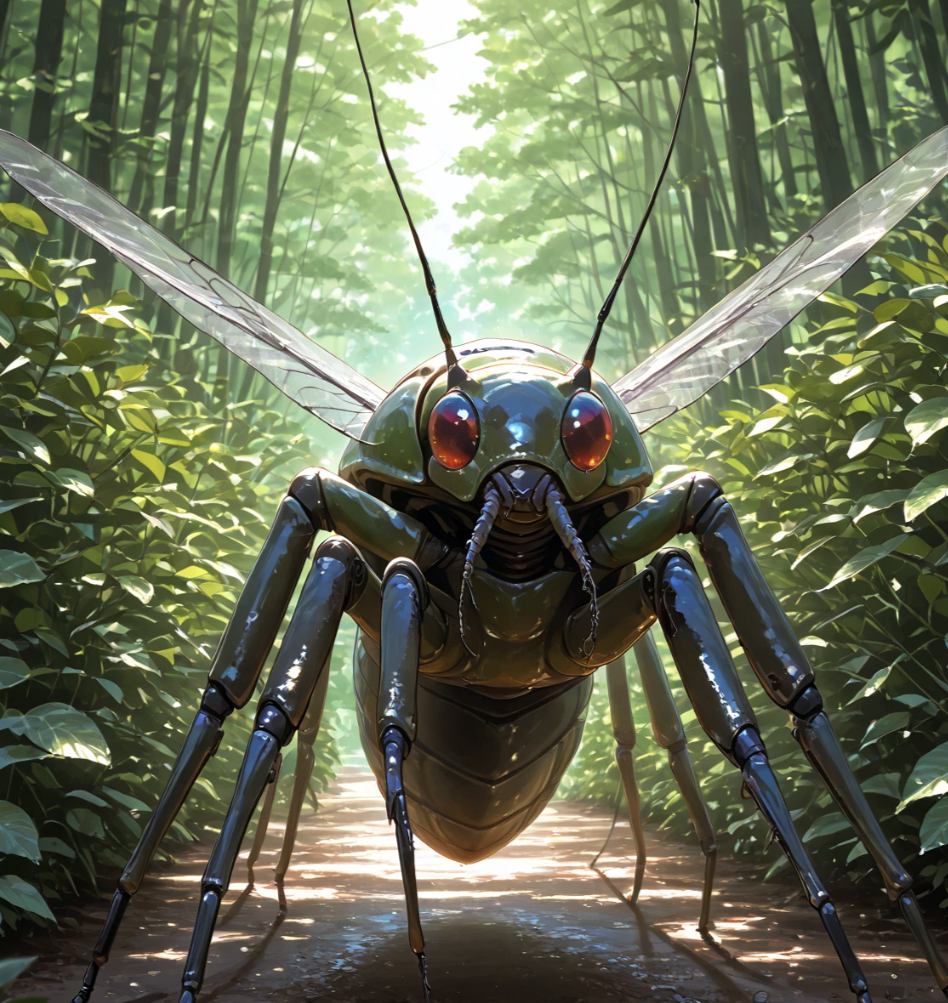
Okay, let’s clarify: as of 2026, there’s no confirmed permanent population of Asian giant hornets in Illinois. But news reports keep them in the headlines. If you like living on the edge, imagine a hornet the size of a human thumb with a venomous sting that can kill in rare cases.

Why They’re Deadly

  • Multiple Stings Are Fatal: Their venom is far more potent than local wasps.
  • Aggressive Behavior: Unlike native hornets, they can swarm without provocation.

Survival Tips

  1. Stay Informed: If sightings increase, local authorities will issue warnings. Listen.
  2. Don’t Approach: Seriously. If it looks like it belongs in a Godzilla movie, it probably does.

While you likely won’t encounter them in Illinois, a prepper never ignores a potential threat.


6. Fire Ants: Tiny Ninjas of Pain
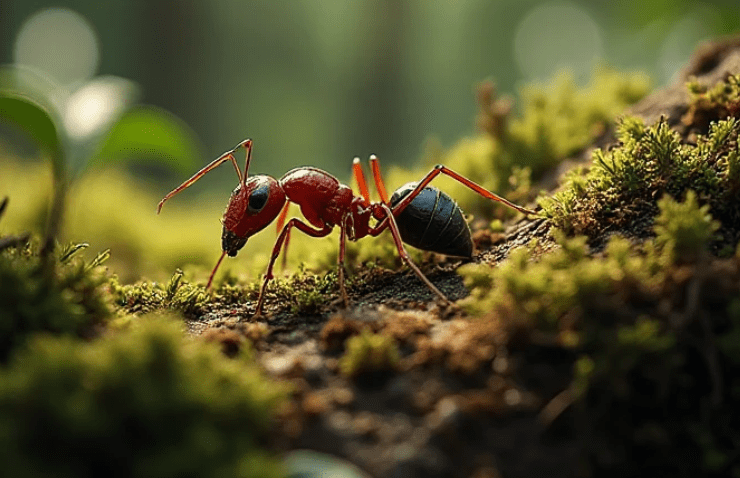
Southern Illinois is technically within fire ant territory. These little guys are small, red, and have a venomous sting that can cause severe allergic reactions.

Why They’re Deadly

  • Venom Can Cause Allergic Shock: Similar to wasps, some people are at serious risk.
  • Swarming Behavior: If disturbed, they attack in numbers, delivering multiple stings in seconds.

Survival Tips

  1. Avoid Disturbing Mounds: Seriously. Just look, don’t touch.
  2. Protective Clothing Helps: Boots and long pants save lives—and egos.
  3. Treat Stings Quickly: Wash, ice, and monitor for signs of anaphylaxis.

Fire ants are basically the insect world’s version of a bad roommate that moves in without asking. Painful, unrelenting, and extremely irritating.


7. General Survival Tips for Illinois Insect Encounters
Alright, you’ve survived the tour of Illinois’ deadliest bugs. But survival isn’t just about knowing names and looking at pictures like it’s a creepy coffee table book. Here’s a prepper’s guide to surviving all insects… with a touch of my patented humor.

Personal Protective Equipment (PPE)

  • Long sleeves and pants. You want your skin like Fort Knox—impenetrable.
  • Gloves for gardening, handling firewood, or investigating mysterious crawl spaces.

Repellents and Treatments

  • DEET, picaridin, permethrin, lemon eucalyptus oil. Pick your poison… but not literally.
  • First aid kits are mandatory. Ice packs, antihistamines, and basic wound care are lifesavers.

Environmental Control

  • Empty standing water. Mosquito nurseries are everywhere.
  • Remove trash, debris, and fallen logs that attract insects.
  • Seal cracks and entry points in homes to keep them out.

Mental Preparedness

  • Keep calm. Panicking is the #1 reason humans get bitten, stung, or chased by insects.
  • Learn to identify high-risk species. Knowledge = survival + bragging rights.

Emergency Procedures

  • Allergic reactions: Epinephrine auto-injectors (EpiPens) can save lives.
  • Multiple stings or bites: Seek medical attention immediately.
  • Severe infections: Clean, monitor, and get professional help.

Conclusion: Illinois Bugs Are No Joke—But Humor Helps

Illinois’ insects aren’t out to get you personally… unless you’re a mosquito, a tick, or a hornet, in which case, yes, congratulations—you’re on the menu. The key to survival is preparation, awareness, and taking the threats seriously, even while cracking jokes that might make your friends roll their eyes.

So next time you’re enjoying an Illinois sunset, remember: your backyard may look peaceful, but lurking in the grass, under rocks, and in your favorite hammock are tiny assassins just waiting for you to make a mistake. Know them. Respect them. And laugh at yourself before they make you cry—or itch uncontrollably.

Stay vigilant, stay prepared, and keep your bug spray handy. Illinois may not have lions or tigers or bears (oh my!), but we’ve got mosquitoes, ticks, hornets, and spiders that can turn a pleasant evening into a survival scenario faster than you can say, “Is that a mosquito on my eyebrow?”

Remember, survival isn’t just about strength—it’s about knowledge, preparation, and yes, a terrible sense of humor. Now go forth, Illinois residents, and live another day… preferably without being a bug’s dinner.

How To Survive to 100 Years Old During the Post Apocalypse

The post apocalypse isn’t a movie montage with acoustic guitars and found families. It’s starvation, stupidity, betrayal, and the slow grinding realization that most people were dead weight before the world ended.

If you want to live to 100 years old after everything collapses, you’ll need to accept one harsh truth: survival is lonely, bitter, and unforgiving. The weak die early. The careless die loudly. And the optimistic usually die first.

This isn’t about heroics. This is about outlasting everyone else.

Step One: Accept That Civilization Is Gone (For Good)

One of the biggest killers in a post-apocalyptic world is denial. People cling to the idea that “things will go back to normal.” They wait for governments that no longer exist, rescue teams that were never coming, and systems that collapsed under their own incompetence.

You don’t survive to 100 by waiting.

You survive by understanding that civilization was fragile, bloated, and overdue for collapse. There is no cavalry. There is no reset button. The faster you accept that the old world is dead, the faster you stop making fatal decisions based on nostalgia.

Survivors adapt. Everyone else reminisces until they starve.

Step Two: Stop Trusting People Blindly

Before the apocalypse, people were already selfish, short-sighted, and dangerously ignorant. Remove laws, comfort, and consequences, and you don’t get cooperation—you get predators.

If you think “community” will save you, ask yourself this: how many people around you were useful before everything fell apart? How many could grow food, purify water, repair tools, or shut up when silence mattered?

Exactly.

Living to 100 means being selective. Alliances should be temporary, transactional, and constantly reassessed. Trust is earned through consistency, not shared misery. Anyone who talks too much about unity usually wants something from you.

Keep your circle small. Keep your expectations smaller.

Step Three: Master Boring Skills (They Keep You Alive)

Forget tactical fantasies. Survival to old age depends on boring, repetitive, unglamorous skills that never trend on social media.

You need to know how to:

  • Grow calorie-dense food in poor soil
  • Preserve food without electricity
  • Filter and boil water endlessly
  • Repair clothing, tools, and shelter
  • Treat basic injuries without hospitals
  • Walk long distances without destroying your joints

Living to 100 isn’t about being dangerous—it’s about being durable.

The apocalypse rewards people who can wake up every day and do the same miserable tasks without complaint. If you need excitement, you won’t last.

Step Four: Calories Are Everything (Moral High Ground Is Optional)

You don’t live to 100 by eating “clean.” You live to 100 by eating enough.

Calories are survival currency. Fat is not your enemy. Protein is not optional. Anyone who wastes food to prove a point will be dead long before old age becomes a concern.

You should prioritize:

  • Long-term calorie storage
  • Animals that reproduce quickly
  • Crops that don’t require constant babysitting
  • Eating parts of animals people used to throw away

Ethics change when hunger is permanent. That’s not cruelty—that’s reality.

Step Five: Avoid Violence When Possible (But Be Capable of It)

Violence shortens lifespans. Every fight risks injury, infection, and retaliation. People who glorify combat usually don’t live long enough to regret it.

That said, weakness invites violence.

If you want to reach 100, you must project capability without constantly proving it. Know how to defend yourself. Know how to escape. Know when to disappear rather than “win.”

The smartest survivors are the ones nobody notices until it’s too late to bother them.

Step Six: Build for the Long Haul, Not the Headlines

Temporary shelters kill people slowly. Exposure, bad posture, and untreated injuries compound over decades. You don’t need luxury—but you need sustainability.

Focus on:

  • Weather-resistant shelter
  • Proper sleeping arrangements
  • Warmth without constant fuel consumption
  • Redundancy in tools and systems
  • Minimal reliance on scavenging

Scavenging is a young person’s game. If you want to be alive at 80, you’d better have systems in place by 40.

Step Seven: Protect Your Body Like It’s the Last One You’ll Ever Have

Because it is.

There are no replacements. No surgeries. No miracle drugs. Every injury is permanent damage to your timeline.

Stretch. Rest. Avoid unnecessary strain. Learn how to lift, carry, and work efficiently. Pain ignored today becomes disability tomorrow.

Survivors who last decades treat their bodies like irreplaceable machinery, not expendable tools.

Step Eight: Prepare for Mental Decay (It’s Coming)

Longevity isn’t just physical. Isolation, grief, and monotony erode the mind. People crack. They take risks. They stop caring.

You need structure. Routine. Purpose—even if it’s arbitrary.

Read. Write. Track seasons. Teach yourself something pointless just to keep thinking. A dull mind makes fatal mistakes.

The apocalypse doesn’t just kill bodies—it rots attention spans.

Step Nine: Expect to Be Disappointed Constantly

People will fail you. Plans will collapse. Crops will fail. Weather will ruin everything you worked for.

If you expect fairness, you’ll break.

Living to 100 requires emotional calluses. You don’t rage at reality. You adapt, adjust, and keep going. Anger is fuel—but only if you aim it inward as discipline, not outward as chaos.

Step Ten: Outlive the Noise

Most people won’t make it 10 years. Fewer will make it 20. By the time you’re old, the world will be quieter—not because it’s peaceful, but because most voices are gone.

That’s when patience pays off.

You survive to 100 not by being special, but by being relentless, cautious, and deeply unimpressed by human nature.

The post apocalypse doesn’t reward optimism. It rewards preparation, stubbornness, and the refusal to die just because the world thinks you should.

If that makes you bitter, good.

Bitterness lasts longer than hope.

The Dirty Water Drinking Crisis No One Takes Seriously

I keep saying it, and nobody listens: water is the first thing that will vanish when society finally collapses. Not your Wi-Fi. Not your gasoline. Not your overpriced organic snack bars. Water. The same stuff everyone wastes every day as if the tap is some magical, eternal fountain. Spoiler alert: it isn’t.

And when the taps run dry, the unprepared masses will panic, trample each other in grocery stores, and fight over the last case of bottled water like feral animals. It’s predictable. It’s avoidable. But people love ignoring reality — right up to the moment reality wipes the floor with them.

So, if you’re one of the rare people who actually gets it, let’s talk about water storage and purification before the world proves (yet again) how fragile it really is.


Why Water Will Fail First (And Why It’s Your Problem)

Most people don’t realize how unbelievably delicate the water grid is. A power outage, a chemical spill, a cyberattack, or a natural disaster is all it takes for the water system to crumble like wet cardboard. Municipal water plants rely on electricity, skilled staff, and supply chains — three things our society has proven it cannot reliably maintain even on a good day.

Yet people trust the system blindly.

They actually believe that if something goes wrong, the government will “step in and help.”

Yeah. Sure. The same government that told you to expect a 72-hour emergency kit while they stockpile years’ worth of supplies in their bunkers.

If you want water in an emergency, you’d better secure it yourself.


How Much Water You Actually Need (Not the Ridiculous Bare Minimums)

The official recommendations say one gallon per person per day. Cute. That’s enough to keep you technically alive but miserable, dehydrated, filthy, and nonfunctional.

A prepper needs at least:

  • 2–3 gallons per person per day (drinking, cooking, minimal hygiene)
  • At least 14–30 days stored — minimum

If you think that sounds excessive, congratulations — you’re thinking like the average person who ends up on the news crying because they had “no idea something like this could happen.”


The Best Water Storage Containers (For People Who Don’t Trust Cheap Plastic Junk)

1. Thick-Walled BPA-Free Water Jugs

These are good, but only if you buy quality. Not the dollar-store garbage that cracks when the temperature changes by five degrees.

2. Water Bricks

Stackable. Durable. Practically indestructible. If everything else collapses, these will still be standing like tiny blue monuments to your sanity.

3. 55-Gallon Drums

A classic. Store them in a cool area, put them on a platform (never directly on concrete), and use a hand pump. You’ll feel like a pioneer, except smarter and better prepared.

4. IBC Totes (For the Serious Prepper)

275–330 gallons of glorious security. A single tote can keep a family hydrated through weeks of chaos. Just don’t brag about it — desperate neighbors have a funny habit of suddenly remembering where you live.


Hidden Water Sources Everyone Else Is Too Stupid to Notice

When the grid goes down and your neighbors start panicking, you’ll see them sprinting to stores instead of using common sense. Meanwhile, you’ll be collecting from:

  • Water heaters (40–80 gallons sitting right there)
  • Toilet tanks (the top tank, not the bowl — obviously)
  • Rain barrels
  • Ice in the freezer
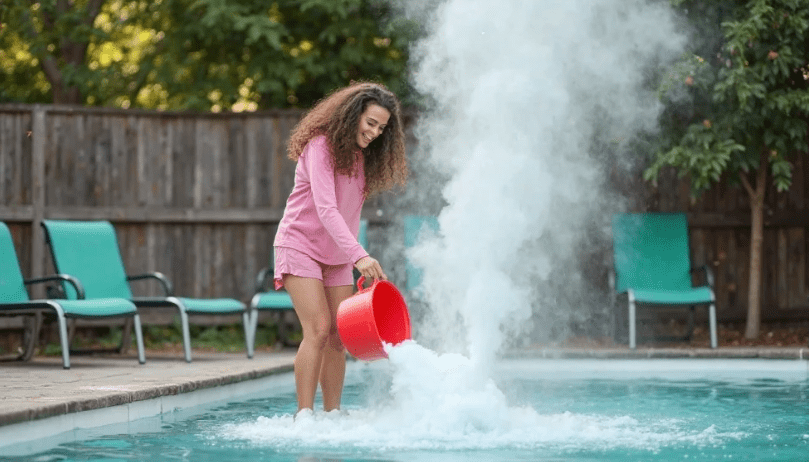
  • Backyard pools
    (Purify it first — it’s full of chemicals and child pee)

People walk around surrounded by hundreds of gallons of emergency water and never think twice. That’s why preparing feels like shouting into the wind.


Purification Methods (Because Dirty Water Will End You Faster Than Thirst)

1. Boiling

The simplest and most reliable method. Bring it to a rolling boil for one minute. That’s it.
And yet, somehow, people still mess this up.

2. Water Filter Systems

  • Sawyer Mini – small, cheap, reliable
  • LifeStraw – good for individuals
  • Berkey – the gold standard for home preppers
  • Katadyn – rugged and long-lasting

Filters remove pathogens and debris, but not all chemicals, so pair them with other methods when dealing with questionable sources.

3. Water Purification Tablets

Lightweight, long-lasting, and perfect when boiling isn’t an option.
If the taste bothers you, good — it means you’re alive enough to complain.

4. Unscented Household Bleach

Yes, bleach.
Use only unscented, plain chlorine bleach, and replace your bottles every 6–12 months.

8 drops per gallon
½ teaspoon per 5 gallons
Wait 30 minutes.
If it still smells weird? Filter it again.

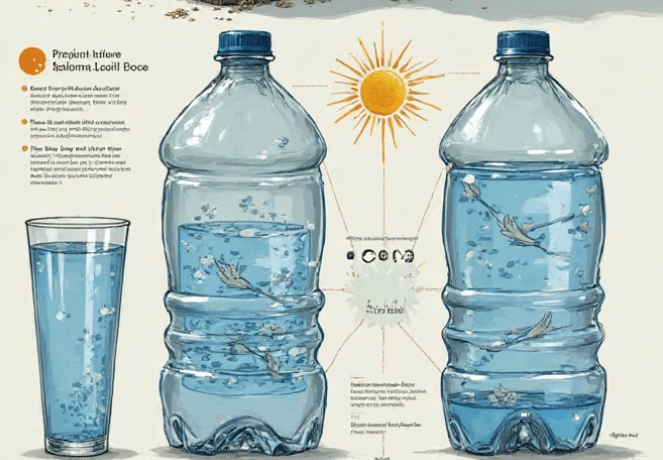
5. Solar Disinfection (SODIS)

Put water in a clear bottle, leave it in the sun for six hours.
Slow but effective, especially when you’re out of options.


Rotating Water Storage (Because Nothing Lasts Forever — Especially Not Tap Water)

Stored water isn’t immortal. Rotate it every:

  • 6 months for basic tap water
  • 12 months for treated, sealed containers

Mark dates. Keep records. Don’t guess. Guessing is for people who die first in every disaster movie.


Rainwater Harvesting: The Prepper’s Secret Weapon

If you aren’t harvesting rainwater yet, start immediately.

All it takes is:

  • A roof
  • Gutters
  • A first-flush diverter
  • A few storage barrels or tanks

And suddenly you’re producing your own water supply while everyone else is begging FEMA for a case of Dasani.

In many places it’s legal. In some places it’s restricted. Either way — water falling from the sky belongs to you. I’m not telling you to break laws… I’m just saying governments love regulating things they don’t provide themselves.


Final Prepper Tip: Never Tell Anyone How Much Water You Have

People are friendly right up until they’re thirsty.

When desperation hits:

  • Friends become competitors
  • Neighbors become threats
  • The unprepared become dangerous

Your water supply is nobody’s business. The less people know, the safer you are.

From Spark to Flame: 10 Essential Fire Starting Techniques

You think you’re ready for the collapse? You think those fancy gadgets and your YouTube education are going to save you when the grid goes dark, the food trucks stop rolling, and the weak start begging for warmth? Think again. Fire is life, and if you can’t conjure a flame out of cold dirt and sweat, you’re just another statistic waiting to happen.

Let me tell you something that’ll stick: Mastering fire isn’t optional. It’s mandatory. It’s the backbone of any real survival setup. You can’t purify water, cook food, stay warm, fend off predators, or signal for rescue without it.

So strap in, sit down, and shut up. This is the only fire-starting lesson you’re getting before the world chews you up.


🔥 10 Essential Fire Starting Techniques

1. Ferro Rod and Striker

This ain’t your grandpa’s Bic lighter. A ferrocerium rod throws sparks hot enough to melt steel—5,500°F. Pair it with a carbon steel striker or the back of your knife and aim for a decent tinder bundle. It’s weatherproof, idiot-proof, and guaranteed to work if you know how to use it.

Survival Skill #1: Know your ferro rod angles. 45-degree strike, consistent pressure, and keep that wrist steady.

2. Flint and Steel

Older than your bloodline and twice as reliable. Strike steel against flint to shower sparks onto char cloth or dry fungus. This is old-world firecraft, and if you can’t manage it, you’re not ready.

Survival Skill #2: Make char cloth at home using cotton scraps and an Altoids tin. If you can’t DIY that, go home.

3. Bow Drill

Yeah, it’s primitive. Yeah, it’s hard. But when your gear fails and your pack’s lost, this baby will still save your skin. You need spindle, hearthboard, bow, and bearing block. No room for weakness or laziness here.

Survival Skill #3: Learn wood types—poplar spindle, cedar board. Get it wrong and you’ll smoke without fire.

4. Fire Plough

Rub a softwood stick into a groove on a hardwood base. Friction builds. Ember forms. Labor-intensive? Hell yes. But in a survival pinch, it’s a lifesaver.

Survival Skill #4: Endurance. If your arms quit, so do you. Keep grinding.

5. Magnesium Block

Scrape off magnesium shavings, then hit it with a spark. It burns hotter than your ex’s temper. Windproof. Wet-proof. Apocalypse-proof.

Survival Skill #5: Always scrape into a pile. Don’t scatter like a fool.

6. Solar Fire (Magnifying Glass or Fresnel Lens)

Use the sun like the burning eye of judgment. Focus that beam onto dry tinder and wait. It’s clean, silent, and free—just like you should be.

Survival Skill #6: Understand sunlight angles. No sun? No dice. Back it up with other methods.

7. Battery and Steel Wool

Touch steel wool to both battery terminals and watch it ignite. Fast and furious. 9-volt works best, but AA will do in a pinch.

Survival Skill #7: Keep steel wool in a Ziploc. Moisture kills this method dead.

8. Lighter

Yeah, I said it. Carry a damn Bic. But don’t trust it. Lighters break. They leak. They lie. But as a backup, it’s a must.

Survival Skill #8: Refillable Zippos are better in the long haul. Learn to repack the cotton and replace the flint.

9. Matches (Stormproof Preferred)

Stockpile the good ones. Dip regular matches in wax for homemade stormproofing. Keep them dry, sealed, and accessible.

Survival Skill #9: Know how to strike with frozen fingers. Practice in the cold.

10. Fire Piston

Science meets caveman. Rapid air compression ignites char cloth in a sealed piston. It’s exotic, but efficient. Just don’t be the idiot who loses the O-ring.

Survival Skill #10: Practice piston technique. This tool punishes the clumsy.


🛠️ 3 DIY Survival Fire Hacks

Hack #1: Vaseline Cotton Balls

Cotton balls soaked in petroleum jelly. Stuff them in an old film canister or pill bottle. Light one spark and you’ve got a 10-minute firestarter. Cheap, lightweight, and rainproof.

Hack #2: Egg Carton Fire Bombs

Take a cardboard egg carton, fill each cup with dryer lint or sawdust, pour in melted wax. When cool, rip off a section and light it. Better than commercial cubes, and made from trash.

Hack #3: Crayon Candles

Out of candles? Break out the kid’s art kit. A single crayon burns 15–30 minutes. Stack three and wrap in foil with a wick, and boom—emergency heat source.


🔥 Why Fire Is Your First and Last Line of Defense

Let me be brutally clear: fire is the only thing between you and death in a real collapse. If you can’t start a fire in 60 seconds under pressure, cold rain, and exhaustion, you’re not a survivor—you’re a liability.

Think the government will save you? That your neighbors will share? That your bug-out bag will somehow work itself? Wake up. The wild doesn’t care. Fire does.

Fire signals to rescue. Fire sterilizes your water. Fire cooks the bacteria out of squirrel meat. Fire scares off predators—man and beast. Fire gives you light when the dark swallows everything.


💥 Final Warning from the Edge

You don’t rise to the occasion. You fall to your level of training. The time to practice isn’t when your fingers are numb and your lungs are wheezing from panic. It’s right now—before the grid fails, before the looters roam, before the cold comes creeping.

Master these 10 techniques like your life depends on it—because it does. Load your bag with the right tools. Memorize the hacks. Drill the skills until they’re muscle memory.

If you’re not building fires weekly, you’re playing with fantasy, not prepping for reality. Don’t be the guy with the $300 knife and no clue how to make a coal.

Get angry. Get obsessed. Get ready.

Caught to Survive: The Prepper’s Guide to Traps and Snares

Alright, listen up, because I’m only gonna say this once. If you’re dumb enough to think survival is just about stocking up on canned beans and pretending that’ll keep you alive when the world goes sideways, then this rant isn’t for you. Survival is about doing — using your brain, your hands, and yes, your grit — to catch what you can, snare what you need, and make it through whatever hellhole we find ourselves dropped into.

Welcome to Caught to Survive: The Prepper’s Guide to Traps and Snares — a no-BS blueprint for anyone who refuses to be just another dead body left behind when the grid goes dark. If you don’t know how to make a trap or a snare, you might as well start digging your grave now.


15 Survival Skills Every Prepper Should Master — Or Die Trying

1. Basic Knot Tying
If you don’t know a bowline from a granny knot, you’re already screwed. Traps and snares depend on strong, reliable knots. Practice until you can tie them blindfolded and with one hand tied behind your back.

2. Crafting Deadfall Traps
This ain’t your grandpa’s picnic. Knowing how to build a deadfall trap using logs and rocks can catch rabbits, squirrels, or whatever dumb critter walks into your line.

3. Snare Making
Wire snares are the backbone of stealth trapping. Know how to twist, set tension, and place snares where animals naturally run — otherwise, you’re wasting time.

4. Camouflage and Concealment
A trap that’s obvious gets disabled or avoided. Learn to hide your gear in plain sight with branches, leaves, or dirt. If your traps aren’t invisible, they’re useless.

5. Tracking Animal Behavior
Study animal trails, feeding spots, and habits. Set traps where animals will be, not where you wish they’d show up. If you’re just hoping for luck, you’ll be eating dirt.

6. Fire Starting Under Any Conditions
You’ll need fire to cook your catch, sterilize traps, and keep warm. Practice friction, flint, and modern methods until you can start a blaze in a rainstorm with nothing but grit.

7. Knotless Snares and Loop Placement
Sometimes animals are wary of wire loops with knots. Master creating smooth, sliding loops to increase your catch rate.

8. Butchering Small Game
Trapping isn’t just about capture — you’ve got to know how to clean and prepare your kill fast and sanitary. You’re not hunting dinner for fancy; you’re hunting survival.

9. Using Natural Materials for Traps
Wire might run out. Learn to use vines, strips of bark, and wood for snares and triggers.

10. Primitive Tools Making
Carve your own hooks, spears, and trap components from stone, bone, or wood. If you don’t have gear, make it. No excuses.

11. Emergency Shelter Building
Trapping is useless if you freeze to death. Know how to build shelters with minimal materials while you lay traps and prepare food.

12. Water Sourcing and Purification
Without water, you’re dead in 3 days. Find and purify water near your trap zones. Don’t poison your own food source with careless water mistakes.

13. First Aid for Trapping Injuries
Cut yourself setting a snare? Step on a rusty nail? Know basic first aid to keep infection from killing you.

14. Disguise Your Scent
Animals smell better than you think. Use mud, leaves, or natural scents to hide your human odor near trap lines.

15. Understanding Local Wildlife Laws and Ethics
Yeah, when society is functioning, respect the laws and the animals. But when survival’s on the line, knowing the legal boundaries beforehand saves you headaches later.


3 DIY Survival Hacks to Boost Your Trap and Snare Game

Hack #1: The “Tripwire Alarm”
Use a length of thin wire or strong cord connected to a can filled with rocks or anything noisy. Place it across a path where you expect an animal. When triggered, it alerts you without you having to stay glued to the trap all day. No more missing your catch because you were distracted or sleeping.

Hack #2: The “Improvised Spring Snare”
If you don’t have steel wire or springs, carve a Y-shaped flexible sapling branch. Attach a loop of vine or wire to the top and set the snare with the bent sapling tensioned. When the animal steps into the loop, the sapling snaps back, tightening the noose. It’s noisy but effective if you can’t get your hands on commercial gear.

Hack #3: The “Natural Glue Trap”
Mix pine resin with charcoal or crushed leaves to make a sticky, natural glue. Spread it on a flat surface or a small stick and place near bait. Small rodents get their paws stuck, making capture easier. It’s messy but works when you’re desperate and wire’s not an option.


Here’s Why This Matters — And Why You Should Be Mad Too

When disaster strikes, the entire system you rely on falls apart. Power? Gone. Grocery stores? Looted or empty. Police? Who knows. The only reliable source of food will be your hands and your wit. If you’re not trapping and snaring, you’re begging for scraps or starvation. And no one’s gonna hand you a sandwich when chaos rules the day.

Get angry. Get serious. This is not a game. Every second you waste scrolling your phone or buying more junk you don’t need, someone else is learning to survive without it. The animals don’t care about your excuses. If you can’t catch food, you die.

Traps and snares are the silent soldiers of survival — no loud guns, no wasting ammo, just pure skill and patience. They’re the tools that will keep your belly full when the world crumbles. Master them or prepare to be a statistic.


Final Warning: If You’re Not Willing to Get Dirty, Stay Home

Setting traps isn’t glamorous. It’s tedious, frustrating, and sometimes downright gross. You’ll get bitten by bugs, scratched by thorns, and spend hours just watching a snare you set. But that’s the price of survival — patience and resilience.

Get angry at the world for making survival necessary. Get angry at yourself for not preparing sooner. But channel that anger into action. Learn every skill, practice every hack, and build traps until they’re second nature.

Because when the grid goes dark and the streets fill with chaos, no one’s coming to save you. You’re on your own. And if you don’t catch to survive, you won’t.


There. Now stop whining and start doing. What do you want me to break down first — setting snares? Finding the best trap locations? Or maybe how to butcher a rabbit clean in under five minutes?

Is Louisiana’s Drinking Water Safe

Alright, buckle up. You want the truth about Louisiana’s drinking water? You want it raw, unfiltered, no sugarcoating? Then listen up, because I’m about to lay it down straight, survivalist style—angry, unapologetic, and armed with the cold hard facts and skills you need to keep your family from becoming a bunch of sick, water-poisoned zombies.


Is Louisiana’s Drinking Water Safe? Hell No.

You’ve probably heard the official line: “Our water meets EPA standards.” Yeah, right. That’s bureaucratic bullshit designed to keep you calm while you’re drinking chemicals, heavy metals, pesticides, and god knows what else. Louisiana’s water infrastructure is a ticking time bomb, riddled with old pipes, contamination, and pollution from oil refineries, agricultural runoff, and industrial waste. You don’t need me to tell you the state has had numerous boil-water advisories and contamination incidents. The Mississippi River, which supplies a huge chunk of Louisiana’s water, is one of the most polluted rivers in America.

So if you think you’re safe just filling up your glass and sipping away, you’re dead wrong. You’re gambling with your health and the health of your loved ones. If you care even one bit about survival and self-reliance, you better learn how to filter, purify, and secure your water NOW.


15 Water Filtration Survival Skills You Need to Master NOW

  1. Boiling Water — The simplest and oldest method. Boil water for at least 1 minute (3 minutes if you’re above 6,500 feet) to kill bacteria, viruses, and parasites. No fancy gear needed, just fire and a pot.
  2. Using a Portable Water Filter — Get a solid survival filter like the Sawyer Mini or LifeStraw. These remove protozoa and bacteria, but remember: most don’t kill viruses.
  3. DIY Charcoal Filter — Crush hardwood charcoal, layer it with sand and gravel in a container. Pour water through to reduce chemicals and improve taste. It’s basic, but effective for sediment and some impurities.

  4. Solar Disinfection (SODIS) — Fill clear plastic bottles with water, place them in direct sunlight for 6 hours. UV rays kill pathogens. It’s slow, but a good backup.
  5. Chemical Purification with Iodine or Chlorine Tablets — Lightweight and portable, tablets kill most pathogens. But beware of taste and allergies.
  6. Distillation — Boil water and capture the steam on a cold surface, collecting pure water. It removes almost everything, including heavy metals and salts.
  7. Using Coffee Filters or Bandanas — Not for purification but for removing large sediments and debris before filtering or boiling.
  8. Creating a Sand and Gravel Filter — Layer sand, fine gravel, and coarse gravel in a container to remove suspended particles. This is a good pre-filter.
  9. Using Zeolite or Activated Carbon — These materials bind chemicals and heavy metals. Activated carbon filters are essential to remove chlorine, pesticides, and VOCs.
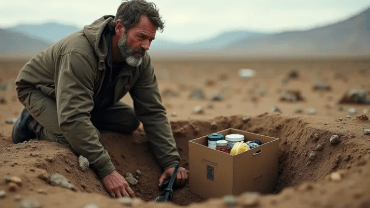
  10. Making a Solar Still — Dig a hole, place a container in the center, cover the hole with plastic, and place a rock to create a low point. Condensation collects pure water. Great for emergency situations.
  11. Water Bag Filtration — Use specialized survival water bags with built-in filters when hiking or bugging out.
  12. DIY Ceramic Filters — Porous ceramic blocks filter out bacteria and protozoa. They require regular cleaning but can be made at home if you know how.
  13. Magnetic Water Treatment — Some survivalists swear by magnets to reduce scale and contaminants; it’s controversial but worth researching.
  14. Finding and Using Natural Spring Water — Locate and test natural springs. Spring water is usually cleaner but must still be filtered.
  15. Using UV Water Purifiers — Battery-powered UV purifiers zap pathogens. They’re fast but rely on power, so keep backup options.

3 DIY Survival Drinking Water Hacks to Save Your Life

Hack 1: Make Your Own Water Filter from a Plastic Bottle

Cut the bottom off a clean plastic bottle. Invert it like a funnel. Layer the inside with cotton balls, activated charcoal (charcoal from a campfire will work if crushed), sand, and gravel—top to bottom. Pour murky water through it slowly. This filters out sediment and some toxins. It won’t purify water, so boil or chemically treat it afterward. This simple hack turns trash into life-saving tech.

Hack 2: Use Household Bleach as a Water Purifier

In a survival pinch, plain unscented household bleach can disinfect water. Add 8 drops (about 1/8 teaspoon) of bleach per gallon of clear water. Stir and let it sit for 30 minutes. If the water smells strongly of bleach after that, let it air out. This kills most pathogens. Don’t use scented or splashless bleach — those have chemicals that can poison you.

Hack 3: Solar Still from Household Items

If you’re stuck with salty or contaminated water, create a solar still. Use a wide bowl, put a cup in the center, cover with plastic wrap, and place a small weight in the center to create a dip. Sunlight evaporates the water; condensation drips into the cup. This produces drinkable water even from swampy or salty sources. It’s slow but reliable.


Why You Can’t Trust Louisiana’s Tap Water

Let’s get real: Louisiana’s tap water has been exposed to everything from industrial pollution, agricultural chemicals, lead leaching from old pipes, to algal blooms fueled by nutrient runoff. The Gulf Coast’s flooding disasters regularly contaminate municipal water supplies with sewage and chemical waste. And the state’s infrastructure? Aging, underfunded, and vulnerable.

Don’t expect the government or water companies to admit these problems openly or fix them fast. Your survival depends on your readiness to take water filtration and purification into your own hands. Nobody else is coming to save you when the water turns toxic.


How to Prepare NOW

  • Stock up on filtration gear. No excuses.
  • Learn how to boil and distill water.
  • Gather materials for DIY filters: charcoal, sand, gravel, cotton.
  • Keep bleach and iodine tablets handy.
  • Scout natural water sources near you and test them.
  • Practice water purification methods regularly. In a real crisis, you won’t have time to fumble.

Final Warning

If you don’t have survival water skills, you’re playing Russian roulette with your health. Louisiana’s drinking water is not a sure bet — it’s a gamble with serious consequences. Prepare to filter, purify, and treat your water every single time you drink it. Otherwise, you’re inviting sickness, disease, and disaster.

I don’t sugarcoat this because people die when they ignore the truth. Be smart. Be ready. Be self-reliant.


If you want, I can help you make a full survival water kit checklist, or guide you step-by-step through building your own filters and purification setups. Just say the word.

Stay sharp and stay hydrated—the right way.

Is Maine’s Drinking Water Safe

Is Maine’s Drinking Water Safe? Hell No—Not for the Prepared Survivalist!

Listen up, because I’m about to tell you exactly why Maine’s drinking water—despite what the so-called “experts” say—is NOT safe enough for you or your family, especially if you’re serious about survival. I don’t care what the glowing brochures from some government agency or utility company say. You want the truth? Here it is, raw and unfiltered:

Maine’s water system is a ticking time bomb. You got aging infrastructure, contamination from industrial runoff, agricultural chemicals, and even hidden pathogens that slip through the cracks. This isn’t some conspiracy; it’s the reality of a state with beautiful lakes and rivers that have been poisoned by careless human activity.

You think because the water tastes “fine” or meets EPA standards it’s safe? I’ve been in the trenches of survival prepping long enough to know that “safe” is a relative term. When the grid goes down, or when a natural disaster hits, your pristine tap water can turn into a biological nightmare in seconds.

If you’re serious about staying alive, you better learn how to filter, purify, and make that water safe with your own hands, without relying on anyone else’s system or fancy labels. So buckle up—I’m giving you 15 critical water filtration survival skills you NEED, plus 3 DIY survival drinking water hacks you can whip up with stuff in your own home or out in the wild.


15 Water Filtration Survival Skills Every Prepared Person MUST Know

  1. Boiling Water Correctly: Don’t just simmer, bring water to a full, rolling boil for at least 1 minute (3 minutes above 6,500 ft elevation) to kill bacteria, viruses, and parasites.
  2. Using a Portable Water Filter: Know how to use a reliable ceramic, hollow fiber, or carbon water filter that removes protozoa and bacteria but realize most don’t filter out viruses.
  3. Improvised Sand and Charcoal Filter: Layer sand, charcoal (activated if possible), and gravel in a container to create a basic filter that removes sediments and some contaminants.
  4. Solar Disinfection (SODIS): Fill clear plastic bottles with water and leave them in direct sunlight for 6+ hours; UV rays kill pathogens but don’t remove chemicals.
  5. Chemical Purification: Use water purification tablets or household bleach (unscented, 8 drops per gallon, stir and wait 30 minutes) to disinfect water.
  6. Distillation: Use a homemade solar still or boil water and collect condensed steam to remove heavy metals and salts, not just pathogens.
  7. Using Cloth for Pre-Filtering: Pour water through a clean cloth or bandana to remove large debris and sediment before further treatment.
  8. Finding Natural Water Sources: Learn to identify reliable sources like springs, moving streams, or rainwater rather than stagnant ponds.
  9. Recognizing Contaminated Water: Know the warning signs—cloudiness, foul smell, dead animals nearby, or chemical odors mean avoid unless you can treat it properly.
  10. Testing Water with DIY Kits: Carry or make simple water testing kits for pH, turbidity, or bacteria presence for quick assessments.
  11. Using Bio-Sand Filters: Build a slow sand filter that uses biological layers to reduce pathogens over time.
  12. Emergency Water Collection: Learn to harvest dew, rainwater, or even plant transpiration in survival situations.
  13. Understanding Filtration Limits: Know what your filtration method can and can’t remove (viruses, heavy metals, chemical toxins) and combine methods accordingly.
  14. Storage of Filtered Water: Use clean, sealed containers to store water after filtration and purification to prevent recontamination.
  15. Portable UV Purifiers: Utilize handheld UV light devices that zap viruses and bacteria instantly when batteries hold up.

3 DIY Survival Drinking Water Hacks You Can Use TODAY

Hack #1: The Charcoal Coffee Filter Trick

Take some clean charcoal from your campfire or barbecue grill. Crush it into small pieces but not dust. Place it inside a clean coffee filter or cloth pouch. Pour suspicious water slowly through it. The charcoal adsorbs chemicals, bad odors, and some pathogens. Follow this with boiling or chemical purification.

Hack #2: The Plastic Bottle Solar Purifier

Fill a clear plastic bottle with water. Place it on a reflective surface (like a piece of aluminum foil or a car hood) in direct sunlight. Leave it there for 6+ hours. The sun’s UV rays kill off pathogens without any gear. Great when you’ve got nothing but a bottle and the sun.

Hack #3: The DIY Solar Still

Dig a hole about 3 feet wide and 2 feet deep in the dirt. Place a container in the center to catch distilled water. Cover the hole with a plastic sheet, anchor it down with dirt, and place a small rock in the center to create a dip so condensed water drips into the container. You can extract moisture from soil or plants this way when no water source is available.


Why You Can’t Trust Maine’s Water System Blindly

Maine is famous for its pristine wilderness, but the reality is far messier under the surface. You’ve got towns and cities dumping industrial pollutants into rivers, agricultural nitrates seeping into groundwater, and more recently, reports of PFAS (per- and polyfluoroalkyl substances)—the so-called “forever chemicals”—showing up in local wells. These aren’t your garden-variety contaminants. PFAS are linked to serious health problems, and they do NOT just go away by boiling or simple filtration.

Municipal water treatment plants are limited in their capability to deal with such advanced contaminants. They focus on bacteria and common chemicals, not long-term toxins that accumulate in your body. That’s why you need to be your own first line of defense.

Natural disasters? You bet. Maine faces heavy rains, floods, and freezing winters that stress pipes and water systems. After any disaster, the water quality can plummet overnight. You don’t want to be caught drinking water with sewage or chemical runoff when every drop counts.


How To Protect Yourself and Your Family

The solution? Don’t rely on the city or the tap. Prepare NOW. Train yourself in the filtration survival skills above, get the right gear (portable filters, UV purifiers, chemical tablets), and learn how to create your own DIY filtration devices from what’s available around you.

When disaster strikes or the grid fails, you don’t want to be the one scrambling to figure out how to make water safe. This is basic survival, and frankly, anyone who ignores water safety is courting sickness, dehydration, or worse.


Final Warning

Maine’s water may look clear, but that’s only skin deep. There’s a battlefield underneath filled with microscopic enemies and invisible toxins. Trusting the government or utility companies with your health? That’s a fool’s game.

Be angry if you want, be skeptical if you must, but be prepared. Your life depends on it.

Remember these words:

Safe water isn’t given—it’s earned through skill, preparation, and relentless vigilance.

How to Survive in the Wilderness When SHTF (And Everything You Love is Gone)

Let’s get one thing damn clear: when the world burns, your smartphone won’t save you. Amazon ain’t dropping packages in the forest, and nobody’s coming to rescue your soft, GPS-dependent backside. You either learn to live or lie down and rot. That’s the brutal truth. Now pull your head out of your ass and listen up.

Out there in the wilderness, everything is trying to kill you: the weather, the wildlife, and most of all, your own ignorance. If you don’t know what the hell you’re doing, nature will chew you up and spit your bones into the dirt. But if you learn the skills — real survival skills — you can make it. You can thrive. You can be the last one standing when SHTF.

Here’s how. This is survival, not a damn camping trip.


🔥 15 WILDERNESS SURVIVAL SKILLS YOU’D BETTER KNOW IF YOU WANT TO STAY ALIVE:

  1. Fire Starting (Without a Lighter)
    Your Bic won’t last forever, cupcake. Learn how to start a fire with flint and steel, a bow drill, or even a battery and steel wool. Fire is warmth, food, safety, and morale.
  2. Water Purification
    If you drink straight from a river, you’re inviting giardia and dysentery to your apocalypse party. Boil it. Filter it. Solar still it. Know your options or die thirsty with a belly full of parasites.
  3. Shelter Building
    Tarps rip. Tents rot. Know how to build a debris hut, a lean-to, or a log shelter. Hypothermia is a silent, smug son of a bitch.
  4. Navigating Without Tech
    Compasses don’t need batteries. Learn celestial navigation and terrain association. Don’t trust landmarks — memorize the land itself.
  5. Hunting and Trapping
    No more Uber Eats. Set snares. Make deadfall traps. Know how to gut and clean game without puking your guts up.
  6. Fishing Without Gear
    Improvised hooks, fish traps, spearfishing. Learn it. You can’t live off berries forever — unless you enjoy starvation and hallucinations.
  7. Edible Plant Identification
    One wrong leaf and you’re crapping blood for days. Learn what’s safe to eat in your region. Make a damn notebook and memorize it.
  8. Improvised First Aid
    Nobody’s coming with morphine and a gurney. Learn how to close wounds, stop bleeding, and fight infection with natural resources and basic kits.
  9. Stealth and Camouflage
    You’ll need to hide — from people, from animals, from your own mistakes. Learn how to move unseen and build camo shelters.
  10. Signaling for Help
    If you do want rescue, you’d better know smoke signals, mirrored flashes, and ground-to-air symbols. Yelling won’t cut it.
  11. Tool Making
    Can’t buy a new knife out here. Learn to knap stone, carve wood, lash together gear. Primitive tools keep you alive.
  12. Cordage Crafting
    Paracord runs out. Learn to twist plant fibers into strong cord. Without rope, you’re just a well-fed caveman.
  13. Food Preservation
    Salt. Smoke. Drying. Fermentation. Without preservation, every good kill goes rotten before you can say “wasted calories.”
  14. Mental Fortitude
    You will be cold, tired, scared, and alone. Crying won’t help. Mental toughness is as critical as any blade on your belt.
  15. Weather Prediction
    If you can’t read the sky, you’ll freeze in your sleep or get swept downriver. Clouds, winds, bird movement — nature whispers before it screams.

🔧 3 DIY WILDERNESS SURVIVAL HACKS

  1. Soda Can Rocket Stove
    Don’t waste time or fuel. Cut a soda can, create a rocket stove with just a few snips and a nail. Efficient. Light. Packs easy. Great for boiling water or cooking game in tight spots.
  2. Char Cloth Fire Starter
    Take old cotton cloth (yes, your ratty T-shirt), char it over a flame in a tin until it’s black but not burned. That stuff will catch the smallest spark. Gold in wet conditions.
  3. Pine Sap Bandages
    Got a wound? Pine sap is nature’s antiseptic glue. Slap it on, cover with clean cloth or moss. It stops bleeding and helps heal. You’re welcome.

WHY YOU NEED TO TAKE THIS SERIOUSLY

Let me say this loud for the folks in the back who still think DoorDash is gonna work when the grid goes down: You are on your own.

No police.
No hospitals.
No grocery stores.
No laws except the ones you enforce yourself.

People will turn on each other faster than a pack of wild dogs. And the weak — the clueless, the ones who never practiced a damn thing, who thought “roughing it” meant no WiFi — they’ll die first. Not maybe. Definitely.

You think a three-day REI survival course makes you a bush god? Think again. You need months in the wild, not weekends. You need cuts, bruises, freezing nights, burnt food, failed shelters, and near-death experiences to even start learning what it really takes.


YOU WANT A FIGHTING CHANCE? THEN DO THIS:

  • Train. Every week. Go outside. Practice fire making in the rain. Sleep in your DIY shelter. Cook a squirrel over an open flame. Live the way you’ll need to.
  • Stock up, but train without it. Yes, buy gear. But assume it’ll all break or vanish. Know how to survive with nothing.
  • Build your mental armor. This isn’t about six-pack abs. It’s about grit. Fearless, furious, never-quit grit.

Final Words Before the World Ends (Again)

This isn’t a hobby. It’s not a YouTube trend or something you learn from a TikTok prepper doing spoon reviews. This is life and death. This is teeth-gritting, frostbitten, gut-rumbling SURVIVAL in its rawest form.

The wilderness doesn’t give a damn about your excuses. But if you respect it, if you learn its rules and play harder, smarter, meaner than it does — you can beat it.

When SHTF, the soft will cry. The wise will run. But the prepared?
The prepared will rule.

So sharpen that blade, strip off your weakness, and get to work.

You’ve been warned.

Fire Starting Techniques – The Survivalist’s Guide to Fire Starting Techniques

Let me spell it out for you—if you can’t start a fire in a survival situation, you might as well dig your own damn grave and lie down in it. There is no excuse in the world for not knowing how to get a flame going when your life depends on it. Fire is not a luxury. It’s not a camping bonus. It’s life and death. And if you’re the kind of person who thinks a Bic lighter is a complete fire plan, then congratulations—you’re the first one to freeze, starve, or get eaten when the grid goes down.

So buckle up, buttercup. I’m not here to coddle. I’m here to prepare you for the real world, where Mother Nature doesn’t care about your excuses or your dead cell phone. This is the fire-starting gospel, and you’re going to memorize it like your life depends on it—because one day, it just might.


First, Understand This: Fire is Life

Fire gives you warmth, light, cooked food, safe water, and protection. It boosts morale. It keeps wild animals at bay. It disinfects. It even sends signals. Without fire, you’re basically camping with death.

So let’s talk about the four big fire-starting methods every survivalist should master—and I mean MASTER, not “tried once at Boy Scout camp.”


🔥 The Four Core Fire Starting Methods

1. Ferro Rod (Ferrocerium Rod) – The Realist’s Tool

This is the go-to for serious preppers. A ferro rod throws sparks hotter than 3,000°F and laughs in the face of wind and water. All you need is a striker (knife spine, dedicated scraper, whatever) and good tinder.

How to Use:

  • Scrape off some of the rod to make a fine pile.
  • Place tinder close.
  • Scrape hard and fast for sparks to ignite the pile.

If you don’t have a ferro rod in your bug out bag, your EDC kit, your vehicle, your cabin, and your nightstand—you’re doing it wrong.


2. Lighter – The Lazy Man’s Savior

Lighters are great. You press a button and boom—fire. But if it’s wet, cold, out of fuel, or cheap? You’re screwed.

Pro Tip: Carry multiple Bics, vacuum-sealed. And store a Zippo with extra flints and lighter fluid.

Lighters fail. Period. Which is why they should be backup, not primary.


3. Magnifying Glass – The Solar Way

Sunlight is free, baby. And you’d be amazed how well a cheap magnifier or Fresnel lens can work if the sun is shining.

How to Use:

  • Direct sunlight through the lens to a fine point.
  • Focus on dark, dry material—char cloth, dry leaves, even a bit of paper.
  • Hold it steady. Don’t blink. And pray to the sun gods.

This method is quiet, smokeless, and renewable, but only works if you have direct sun.


4. Primitive Methods – The Caveman’s Trial

If you can’t make fire with sticks, you’re not truly prepared. Period.

Two methods worth knowing:

  • Bow Drill: A classic. Requires coordination, patience, and good materials.
  • Hand Drill: Pure misery. Do it just to know you can.

Practice now while your fingers aren’t frozen off. Primitive methods are the last resort—but they can save your life.


💥 15 Fire Starting Survival Skills Every Prepper Must Know

  1. Tinder Mastery – Know what burns fast and hot. Cotton balls + Vaseline, birch bark, fatwood, char cloth, etc.
  2. Feather Sticking – Shaving curls into wood to make kindling more flammable.
  3. Tinder Collection – Always be gathering. Don’t wait for crisis mode.
  4. Waterproofing Your Fire Kit – Ziplocks, tins, vacuum seals. Fire gear MUST stay dry.
  5. Creating Char Cloth – Burn cotton in a sealed tin to make catch-easy embers.
  6. One-Handed Ferro Use – Practice in case you’re injured. You’ll thank me.
  7. Lighting a Fire in the Wind – Shield the flame, build a windbreak, use dense kindling.
  8. Fire Reflector Walls – Reflect heat back into your shelter.
  9. Fire Pit Construction – Dig, ring with rocks, control your flame.
  10. Fire in the Rain – Use dry inner wood, bark shavings, and a solid platform.
  11. Using a Flint and Steel – Classic method, reliable when practiced.
  12. Knowing Local Tinder Sources – Cattail fluff, pine needles, dry moss, etc.
  13. Starting a Fire with Steel Wool and Battery – Touch the terminals with wool. It ignites instantly.
  14. Maintaining Fire Through the Night – Bank coals, add dense fuel, reduce oxygen exposure.
  15. Emergency Fire from Gunpowder – Break a round, use the powder (carefully) with a spark source.

🛠️ 3 DIY Survival Fire Starting Hacks (That Actually Work)

1. Vaseline Cotton Balls in a Straw

  • Stuff cotton balls soaked in Vaseline into a cut plastic straw.
  • Seal the ends with a lighter to make waterproof fire starters.
  • Lightweight, clean, and burns like a torch.

2. Crayon Fire Starter

  • A single crayon will burn for 5–10 minutes.
  • Wrap several in foil and store them in your pack.
  • Great for when all else fails and you need to dry wet tinder.

3. Dryer Lint & Egg Carton Bombs

  • Pack dryer lint into cardboard egg cups.
  • Pour melted wax over them.
  • Let them dry, then cut and store.
  • One of these will burn long and hot—perfect for starting stubborn fires.

Final Words (And You’d Better Listen)

If you think you’ll “figure it out when the time comes,” you’re already dead. Survival isn’t romantic. It’s not a Hollywood movie. It’s harsh, it’s cold, it’s dirty—and without fire, it’s a short ride to hypothermia and regret.

Practice now. Fail now. Learn now. Do not wait until your fingers are numb and the wolves are howling to discover that you don’t know how to make a damn flame.

Fire isn’t optional. It’s mandatory. And in a true survival scenario, it’s the line between you and death.

So get off your ass, get your gear together, and train until it’s second nature. Fire should be your servant—not your weakness.

This isn’t a game. This is life. And if you’re not serious, then you’re a liability—not a survivor.

Now go make a fire—and do it without cheating.

Bleed, Breathe, Survive: A Prepper’s Guide to Emergency Care

Bleed, Breathe, Survive: A Prepper’s Guide to Emergency Care

Listen up. When the world goes sideways — whether it’s a natural disaster, a collapse, or some unholy mix of both — the one thing that’ll separate you from the rotting herd is how fast and sharp you act when it comes to emergency care. I’m talking real, raw, in-your-face survival knowledge, not some PC classroom fluff. You’re bleeding out, choking on dust, or gasping for air — you don’t have time for pansy medical training or waiting for an ambulance that ain’t coming. You fix it. You keep yourself or your people alive. Period.

If you don’t get this, you’re dead meat. So pay attention, because I’m about to drop some serious survival wisdom. Here’s your no-bullshit, angry survivalist guide to handling emergency care when it counts the most.


Survival Skill #1: Stop the Bleed – FAST and HARD

Bleeding out is the number one killer in any emergency scenario. If you don’t stop the blood, your body goes into shock and you’re toast. I’m not just talking about a small scrape; I mean a serious artery gushing blood like a busted fire hydrant.

Skill: Master the tourniquet and pressure bandage like your life depends on it — because it does.

  • Tourniquet — This ain’t just a fancy word. A tourniquet is a lifesaver when a limb is bleeding uncontrollably. Wrap it above the wound tight enough to stop the flow of blood, but not so tight you tear skin or nerves. Get a proper commercial one, but if you don’t have it, make one out of a sturdy belt or cloth and twist it with a stick or pen to tighten.
  • Pressure bandage — If the wound’s on your torso or can’t be tourniquetted, apply direct pressure with clean cloth or gauze. Don’t let up for a minute. If you don’t have gauze, use a T-shirt, towel, or anything clean-ish.

Pro Tip: Always carry a compact trauma kit with a tourniquet, pressure bandages, and hemostatic agents. Hemostatic agents are powders or dressings that make blood clot faster. If you don’t have those, improvise but prioritize stopping the bleeding first.


Survival Skill #2: Control Your Airway – Clear It, Keep It Open

What good is stopping the bleeding if you can’t breathe? When disaster strikes, choking on blood, vomit, or debris is a very real threat. If you don’t keep that airway open, you’re dead before you even get a chance to bleed out.

Skill: Learn to do the Head-Tilt Chin-Lift maneuver and the Heimlich maneuver.

  • Head-Tilt Chin-Lift — If someone’s unconscious or semi-conscious, tilt their head back and lift the chin to open the airway. Clear any visible obstruction with your fingers or a tool.
  • Heimlich Maneuver — If someone’s choking on food or debris, hit that abdomen hard just above the belly button until the obstruction pops out.

Pro Tip: Don’t wait to be a medic to learn CPR. That’s your bread and butter when someone stops breathing or their heart stops. Get certified or at least watch good tutorials and practice.


Survival Skill #3: Build and Use a Splint

Broken bones are no joke in the wild or disaster zones. Without proper immobilization, you risk further injury, bleeding, or infection. You can’t call an ambulance — you are the ambulance.

Skill: Use what you have — sticks, branches, metal, or anything rigid — to immobilize broken or sprained limbs.

  • Find two strong sticks or any sturdy straight object.
  • Pad them with cloth to prevent cutting into the skin.
  • Secure them tightly with rope, tape, strips of cloth, or even shoelaces.
  • Make sure the splint immobilizes the joints above and below the injury.

Pro Tip: Practice making a splint now, so when you need it, you don’t fumble like a scared city slicker.


Survival Skill #4: Improvise a Breathing Filter or Mask

Smoke, chemical fumes, dust, and toxic air can kill you just as fast as a bullet. If you don’t have a gas mask or proper respirator, don’t sit there choking. Use your brain and improvise.

Skill: Make a basic filter using materials around you.

  • Take a clean cloth or bandana and wet it.
  • Layer it with activated charcoal (if you have it) or charcoal from a campfire crushed finely.
  • Fold it to cover nose and mouth tightly.
  • Breathe through it — it won’t be perfect, but it’ll filter out much of the dust and chemicals.

Pro Tip: Store activated charcoal tablets or powder in your survival kit. If you can’t get charcoal, use multiple layers of damp fabric as a minimum barrier.


Survival Skill #5: Keep Calm and Prioritize Care

You can’t do anything if you lose your head. Panic is the biggest killer after injury or trauma. Your body’s adrenaline will spike, but your brain needs to stay cold and tactical.

Skill: Train yourself mentally to triage and act swiftly.

  • Assess the situation quickly: who needs the most urgent care?
  • Stop the bleeding first.
  • Keep the airway clear second.
  • Immobilize injuries third.
  • Prevent shock by keeping the patient warm and calm.

Pro Tip: Practice these steps under pressure with your group or family. If you freeze up in a real disaster, your survival odds drop drastically.


DIY Survival Hack #1: Make a Field Dressing from Household Items

You don’t need fancy medical gear to make a functional dressing.

  • Take clean cotton T-shirts, towels, or even sanitary napkins (they’re sterile and absorbent).
  • Fold them thickly.
  • Use duct tape or strips of cloth to secure them over wounds.
  • If you have honey, rub a thin layer on the wound before dressing. Honey is a natural antibacterial agent and helps prevent infection.

This field dressing will buy you time to get serious care or stabilize someone long enough for evacuation.


DIY Survival Hack #2: Create a DIY Splint from Magazine Pages and Tape

No sticks handy? No problem.

  • Fold several pages of a magazine tightly into a thick, rigid strip.
  • Use duct tape or cloth to secure it firmly around the injured limb.
  • This crude splint isn’t perfect but will stabilize a sprain or minor fracture enough to prevent further damage.

Practice this now so you can whip one out in a pinch.


DIY Survival Hack #3: Homemade Mouth-to-Mouth Shield

If someone’s unconscious and not breathing, you’ll need to perform rescue breaths safely.

  • Cut a small piece of plastic from a sandwich bag or cling wrap.
  • Poke a small hole in the middle (about the size of a dime).
  • Use this as a barrier between your mouth and theirs to reduce infection risk while doing mouth-to-mouth.

This simple device is cheap, easy, and could save a life without risking your own health.


Bottom Line: Bleed, Breathe, Survive

If you think emergency care is something only doctors or medics should worry about, you’re already dead. This survival game is brutal, and you will get hurt — maybe badly. The difference between life and death is having the skills, guts, and knowledge to act immediately and decisively.

You stop the bleeding, clear the airway, immobilize injuries, protect yourself from toxic air, and keep a cool head under pressure. Every second wasted is a second closer to the grave. Get the right gear, practice these skills, and learn these hacks now. Because when SHTF, the world won’t be handing out Band-Aids and breathing masks. You’ll have to be your own damn EMT.

Remember: Bleed, Breathe, Survive. It’s that simple. Or not at all.