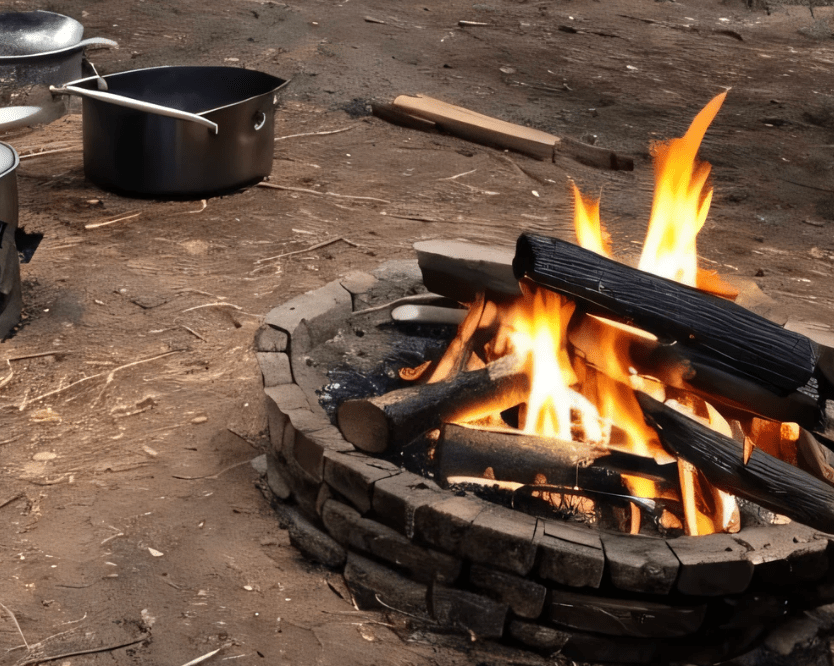
West Virginia’s Most Dangerous Insects and the Off-Grid Survival Tactics That Can Save Your Life

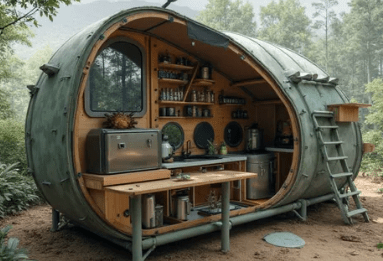
I live in a tiny house tucked deep in the West Virginia hills. No power lines. No grid. No phone service most days. When the sun goes down, the lights go out. When something bites you, there’s no hospital five minutes away. No ambulance screaming down a paved road. Out here, nature doesn’t apologize and it doesn’t wait.

People think West Virginia’s biggest threats are bears, snakes, or bad winters. Those are rookie assumptions. The real killers are small. Quiet. Crawling. Flying. Waiting. Insects don’t need claws or teeth. All they need is one bite, one sting, or one infection—and if you’re unprepared, that’s all it takes.

This article isn’t written from a desk. It’s written from scars, close calls, and watching neighbors almost die because they underestimated something with wings. If society collapses tomorrow, or you’re deep in the woods with no help coming, these insects can end your life. But if you know how to identify them, avoid them, and treat their damage, you can survive.

Let’s talk about the real dangers crawling through West Virginia.


Why Insects Are a Major Survival Threat in West Virginia
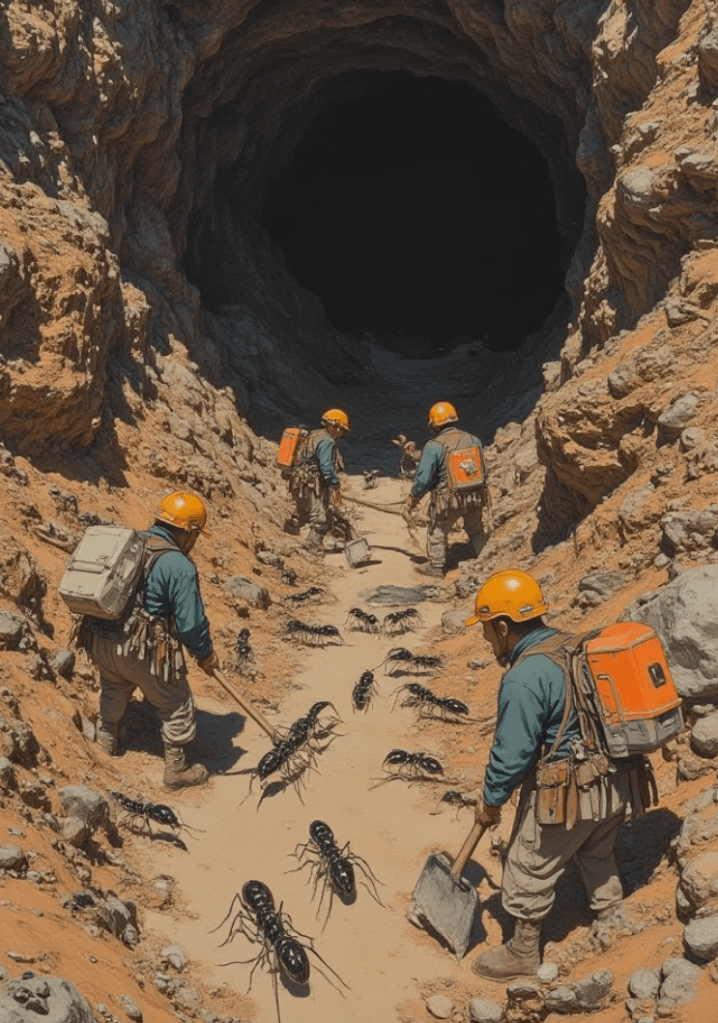
West Virginia is humid. Forested. Wet. That’s paradise for insects. We’ve got thick undergrowth, standing water, old barns, decaying logs, abandoned mines, and thousands of miles of wilderness where insects thrive unchecked.

Insects kill people in three main ways:

  1. Venom and Toxic Reactions
  2. Disease Transmission
  3. Secondary Infections and Delayed Death

You don’t have to drop dead instantly for an insect to kill you. Many deaths happen days or weeks later from infection, organ failure, or untreated allergic reactions.

Now let’s break down the worst offenders.


1. Deer Ticks (Blacklegged Ticks): The Silent Killers of Appalachia

If I had to pick one insect that scares me more than any snake, it’s the deer tick.

Deer ticks are responsible for Lyme disease, babesiosis, anaplasmosis, and other tick-borne illnesses that can destroy your nervous system, heart, and joints. In a grid-down scenario, these diseases can be a death sentence.

Why Deer Ticks Are So Dangerous

  • You often don’t feel the bite
  • Symptoms can take weeks to appear
  • Untreated infections can cause heart failure
  • Chronic Lyme can cripple you permanently

Ticks don’t hunt like predators. They wait. They cling to tall grass and brush, sensing body heat and carbon dioxide. You walk by, they latch on.

Real Survival Risk

Out here, I’ve seen strong men lose the ability to walk after untreated Lyme. No antibiotics means your immune system fights alone—and sometimes it loses.

Survival Tactics

  • Wear light-colored clothing to spot ticks
  • Tuck pants into socks
  • Perform full body checks daily
  • Remove ticks immediately with fine tweezers
  • Disinfect the bite site
  • Watch for bullseye rashes and flu-like symptoms

In a world without doctors, prevention is survival.


2. Mosquitoes: More Dangerous Than Any Animal in West Virginia

Mosquitoes kill more people worldwide than any other creature—and West Virginia is not exempt.

Diseases Carried by Mosquitoes

  • West Nile Virus
  • Eastern Equine Encephalitis (EEE)
  • La Crosse Encephalitis

EEE in particular has a high fatality rate and survivors often suffer permanent brain damage.

Why Mosquitoes Are a Grid-Down Nightmare

Without hospitals, antivirals, or IV fluids, mosquito-borne illnesses become deadly fast. Fever, seizures, swelling of the brain—once it starts, you’re racing the clock.

Survival Strategies

  • Eliminate standing water
  • Sleep under mosquito netting
  • Wear long sleeves at dawn and dusk
  • Use natural repellents like oil of lemon eucalyptus
  • Burn smoky fires to repel them

Never ignore mosquito swarms. They aren’t annoying—they’re biological weapons.


3. Bald-Faced Hornets: The Flying Landmines

These black-and-white hornets are aggressive, territorial, and capable of killing you without mercy.

Why Bald-Faced Hornets Are Lethal

  • They attack in groups
  • Their venom causes intense pain and swelling
  • Multiple stings can cause systemic toxicity
  • They can trigger fatal anaphylaxis

One disturbed nest can mean dozens of stings in seconds.

Off-Grid Reality

I once watched a man stumble into a nest while clearing brush. He didn’t make it to the road. The swelling closed his airway before help arrived.

Survival Protocol

  • Learn to identify aerial nests
  • Never approach or throw objects at nests
  • Wear protective clothing when clearing land
  • Run in a straight line if attacked
  • Get to water if possible (they won’t follow underwater)

Hornets don’t warn. They punish.


4. Fire Ants: A Southern Invasion Moving North

Fire ants are spreading into West Virginia, and they bring chaos with them.

Why Fire Ants Are Deadly

  • Attack in massive numbers
  • Each ant stings repeatedly
  • Venom causes severe allergic reactions
  • Secondary infections from pustules are common

People have died from hundreds of stings in minutes.

Survival Measures

  • Watch for mound formations
  • Never stand still in infested areas
  • Wash stings immediately
  • Apply antiseptic
  • Monitor for allergic reactions

Underestimate them once and you may not get a second chance.


5. Brown Recluse Spiders: Flesh-Eating Venom

Yes, brown recluses exist in parts of West Virginia.

Why Brown Recluse Bites Are So Dangerous

  • Necrotic venom kills tissue
  • Wounds can become infected
  • Severe cases lead to sepsis
  • Healing can take months

Survival Tips

  • Shake out clothing and boots
  • Keep living areas clean
  • Treat bites immediately
  • Watch for expanding wounds

Left untreated, a small bite can become a life-threatening infection.


6. Yellow Jackets: Aggression Without Mercy

Yellow jackets are responsible for more insect sting deaths than bees.

Why They’re So Deadly

  • Highly aggressive
  • Nest underground (easy to disturb)
  • Attack in swarms
  • Stings cause severe reactions

Survival Rules

  • Listen for buzzing near the ground
  • Avoid sweet smells outdoors
  • Carry antihistamines if possible
  • Move fast if attacked

One misstep can trigger a nightmare.


7. Kissing Bugs: The Hidden Disease Vector

These insects carry Chagas disease, which attacks the heart.

Why Chagas Is Deadly

  • Often asymptomatic for years
  • Causes heart failure
  • No cure once damage sets in

Survival Awareness

  • Seal cracks in shelters
  • Use bed netting
  • Inspect sleeping areas

This is a slow killer—and slow killers are the worst.


8. Fleas: The Plague Carriers People Forget

Fleas still carry dangerous bacteria.

Diseases Fleas Spread

  • Murine typhus
  • Plague (rare but possible)

Survival Strategy

  • Control rodents
  • Clean bedding
  • Treat bites immediately

History proves fleas can collapse civilizations.


9. Wasps: Pain Is Only the Beginning

Paper wasps and mud daubers are common and dangerous.

Risk Factors

  • Multiple stings
  • Allergic reactions
  • Falls caused by panic

Survival Tactics

  • Learn nest locations
  • Keep distance
  • Treat stings fast

Pain makes people careless. Carelessness kills.


10. Maggots and Blowflies: Death by Infection

Open wounds attract flies.

Why They’re Dangerous

  • Lay eggs in wounds
  • Cause tissue damage
  • Lead to sepsis

Survival Rule

  • Clean all wounds immediately
  • Cover injuries
  • Monitor for infestation

Infections end lives quietly.


Survival Prepper Truth from an Off-Grid Life
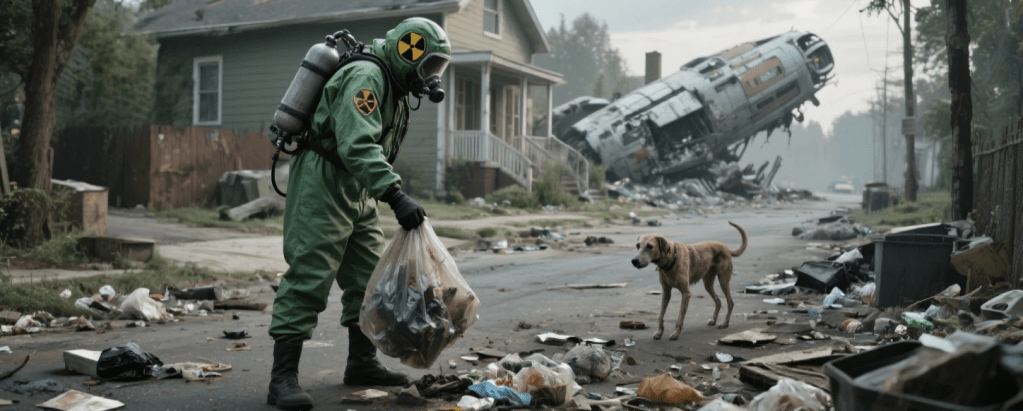
Out here, I don’t have emergency rooms or 911. I have knowledge, preparation, and respect for nature’s smallest killers. Insects don’t need bad intentions. They just do what they’ve always done.

If society falls, if storms cut you off, or if you’re deep in the woods, these insects are not minor threats—they are fatal risks.

Survival isn’t about fear. It’s about awareness.

The smallest things kill the unprepared.

And the prepared?
We live another day.

Surviving Ohio: The 10 Most Dangerous Things That Could Kill You at Any Moment

The state of Ohio, with its cornfields, sleepy suburbs, and so-called “friendly people,” is quietly plotting your demise. Most of the population strolls around blind to the fact that death is lurking behind seemingly innocent facades—your local forest, a quiet pond, even the air you breathe. I’m done watching idiots get themselves killed while pretending everything is “fine.”

Here’s a cold, unfiltered rundown of the top 10 most dangerous things in Ohio that can easily end your life, and what you absolutely must do to survive them. Spoiler alert: if you think luck or a polite smile will save you, you’re already halfway to the morgue.


1. Tornadoes

Ohio isn’t Oklahoma, but don’t let that fool you—tornadoes are unpredictable, brutal, and they love Ohio in spring. These rotating death funnels can obliterate homes in seconds, hurl cars like toys, and turn your entire life into a nightmare in minutes.

How to survive:

  • Never, ever ignore tornado warnings. Your “I’ll wait it out” mentality will get you killed.
  • Have a storm cellar or a reinforced basement stocked with essentials.
  • Keep helmets and heavy blankets on hand—anything to protect your skull from flying debris.

Ignoring tornadoes is like challenging a bear to a thumb war. You’ll lose.


2. Rattlesnakes and Other Venomous Critters

Ohio is home to the Eastern Massasauga rattlesnake. Cute? Sure. Deadly? Absolutely. Most people never see them until it’s too late. Combine that with aggressive bees, spiders, and other venomous creatures, and your backyard can quickly become a death trap.

How to survive:

  • Watch your step in tall grass or near rivers.
  • Keep a snakebite kit handy and know how to use it.
  • Do NOT try to handle any venomous animals. You are not a superhero.

3. Flooding

Flooding in Ohio is subtle and sinister. A seemingly calm river can swell in hours, destroying homes, sweeping cars away, and drowning the unprepared. Many deaths happen not because people can’t swim, but because they underestimate water power.

How to survive:

  • Monitor local flood alerts—this isn’t optional.
  • Never drive or walk through floodwaters. A few inches can turn into a swift, deadly current.
  • Elevate critical items in your home and have an evacuation plan.

4. Poisonous Plants

Yes, you read that right. Ohio’s forests are full of plants that can slowly, painfully kill you if ingested or touched. Poison hemlock, wild parsnip, and deadly mushrooms aren’t folklore—they’re real, and they’re everywhere.

How to survive:

  • Learn to identify toxic flora. Ignorance is fatal.
  • Never eat foraged plants unless you are 100% sure they are safe.
  • Protect your skin when walking through thick vegetation.

5. The Ohio Highways

Forget bears, snakes, or tornadoes—humans on the road are just as deadly. Ohio’s highways are crawling with reckless drivers, distracted teenagers, and commuters fueled by coffee and rage. Statistics show thousands die in car accidents each year, many preventable.

How to survive:

  • Defensive driving isn’t optional. Assume every driver is trying to kill you.
  • Avoid driving at night on rural roads; wildlife is just waiting to plow into your car.
  • Seatbelts are the bare minimum—think of them as life insurance, not a suggestion.

6. Extreme Weather

Ohio doesn’t just have tornadoes. Winters bring bone-chilling cold, ice storms, and hypothermia-inducing blizzards. Summers are sweltering, humid, and perfect for heatstroke. Nature here will test your body, patience, and survival skills.

How to survive:

  • Stock layered clothing for winter and hydration strategies for summer.
  • Never underestimate exposure—frostbite and heatstroke are silent killers.
  • Have backup heat sources and cooling methods in case the grid fails.

7. Drowning in Lakes and Rivers

Ohio has thousands of lakes, rivers, and ponds. People go to swim, fish, or boat without realizing that water can end their life in moments. Currents, cold water shock, or even just poor swimming skills can kill you faster than you think.

How to survive:

  • Always wear a life jacket while boating or fishing.
  • Swim only in designated areas with lifeguards if possible.
  • Never underestimate cold water—it can incapacitate you in minutes.

8. Rabid Animals

Rabies isn’t a legend here; it’s a very real and very deadly threat. Bats, raccoons, and even stray dogs can carry the virus. A single bite can be fatal if not treated immediately.

How to survive:

  • Avoid wild animals, especially if they are acting unusually aggressive or tame.
  • Vaccinate pets and keep them away from wildlife.
  • Seek immediate medical attention if bitten—time is critical.

9. Foodborne Illnesses

You think dying in Ohio means a tornado or snakebite? Think again. Contaminated food, whether from local farms, restaurants, or your own kitchen, kills hundreds every year. Bacteria like E. coli and Salmonella are stealthy killers.

How to survive:

  • Wash hands, cook meat thoroughly, and store food properly.
  • Be skeptical of “fresh” produce from unknown sources.
  • When in doubt, throw it out. Your life is worth more than a moldy tomato.

10. The Complacent Mindset

Finally, the most lethal danger of all is your own ignorance. People assume Ohio is “safe” because it’s not New Orleans, not California, not Alaska. That complacency kills more than snakes, floods, and tornadoes combined.

How to survive:

  • Always be aware of your surroundings.
  • Learn survival skills, first aid, and basic self-defense.
  • Never trust that luck will keep you alive. It won’t.

Conclusion

Ohio might look peaceful with its rolling hills, cornfields, and “friendly” neighborhoods, but underneath lurks a deadly cocktail of natural, human, and environmental hazards. Tornadoes, floods, venomous creatures, and your own stupidity are waiting to end your life.

If you want to survive, you need to wake up. Be vigilant, be prepared, and respect every threat like it has a vendetta against your sorry existence—because, honestly, it does. Don’t wait until it’s too late. In Ohio, death doesn’t send a warning; it just comes for you quietly, and often, ruthlessly.

You’ve been warned.

Don’t Be a Sitting Duck: How to Survive a Nuclear Disaster in the U.S.

I’m not here to sugarcoat anything: the United States is sitting on a goddamn ticking nuclear time bomb. And no, your elected clowns in Washington won’t save you. They’re too busy arguing over budget sheets and selfies while our country’s nuclear reactors age like moldy cheese. You want to live when—no, if—a meltdown hits? Then you better start paying attention, because your life, and anyone dumb enough to rely on Uncle Sam, is on the line.

First, let’s get something straight: nuclear reactors are NOT invincible. They are massive piles of metal, concrete, and radioactive fuel rods that can and do fail. Look at Chernobyl, Fukushima, Three Mile Island… these weren’t fairy tale disasters; they were very real, very deadly, and entirely preventable if someone had been paying attention. In America, we like to tell ourselves, “Oh, that could never happen here.” Wrong. Complacency is the fastest path to being irradiated like a rotisserie chicken.

Here’s a little secret the government won’t shout from the rooftops: most U.S. nuclear plants were designed decades ago. Maintenance is patchy at best, corners are cut, and the same engineers who warn about risks are often ignored because the suits don’t want to spend a dime on safety. So yes, the risk of a nuclear meltdown in the United States is higher than you think. Higher than you care to admit. And if you’re one of those people whining about the stock market or the latest TikTok trend, congratulations—you’re about to become radioactive dust.

Let’s talk reality. In the event of a meltdown, you’re looking at catastrophic radiation exposure. I’m not talking a little rash or feeling woozy. I’m talking immediate sickness, death, and a slow, painful decay if you survive the initial blast. Fallout spreads with the wind, contaminating water, soil, and food for miles. Your average grocery store is a death trap, your city is a ghost town before you even figure out which way to run. And don’t expect FEMA or the National Guard to swoop in like heroes—they’re more likely to be evacuating their own sorry asses while you scramble in the dust.

So, what do you do if you actually have the guts to survive instead of whining about it? Step one: knowledge. Know where the nearest nuclear reactors are. There are over 90 operating in the United States, and they aren’t all tucked away in “safe” places. If you live within 50 miles of one, consider that a death zone in case of meltdown. Check evacuation routes, understand wind patterns, and never assume authorities will guide you safely—they won’t.

Step two: shelter. You think your flimsy suburban home will stop radiation? Wrong. You need a fallout shelter. If you don’t have one, improvise. Basements, storm cellars, or even the center of large, concrete buildings can provide partial protection. The goal is to put as much dense material between you and the radioactive particles outside as possible. Lead, concrete, dirt—stack it up. If you can, stockpile at least two weeks’ worth of food, water, and medical supplies inside that shelter. You’ll be too busy praying to the gods that you remembered your potassium iodide tablets to complain about taste or boredom.

Step three: gear up. This isn’t optional. A proper gas mask or respirator is your first line of defense against inhaling radioactive dust. Thick gloves, protective clothing, and sturdy boots are next. You need to be ready to step outside to gather supplies without turning yourself into a walking beacon of gamma radiation. Forget the latest fashion trends; if you’re not coated like a hazmat zombie, you’re toast.

Step four: water and food. Radiation contamination isn’t just about the air. Streams, lakes, and even tap water can become dangerous within hours of a meltdown. Store at least a month of clean water per person if you can manage it. Canned goods, freeze-dried meals, and anything shelf-stable is your friend. And for the love of all that’s holy, don’t trust anything grown in contaminated soil unless you have a damn Geiger counter to test it.

Step five: radiation monitoring. If you can afford it, invest in a Geiger counter or a dosimeter. No, your phone’s app doesn’t count. You need hard data to know if it’s safe to leave your shelter or not. Radiation doesn’t care if you feel fine—it’s silent, invisible, and deadly. And the longer you expose yourself, the faster your body turns into a glowing skeleton. That’s not hyperbole. That’s nuclear reality.

Here’s the part most people won’t tell you: a meltdown isn’t a one-day event. Fallout lingers. Weeks, months, maybe even years. Your survival isn’t about sprinting to the nearest bunker and calling it a day; it’s about long-term planning. Rotate food, purify water, maintain ventilation in your shelter, and be ready for the psychological toll of isolation. Most people won’t survive the panic, depression, and sheer boredom. But the ones who prepare will have a fighting chance.

And let’s get one thing crystal clear: if you don’t act, you’re a liability. You’re not just risking your own skin; you’re endangering others who might count on you. Families, neighbors, coworkers—they can be collateral damage if you run around clueless. Don’t be that guy. Take responsibility. Stop whining about politics or waiting for the “government to handle it.” They’re too busy pretending everything is fine while you rot.

If there’s one last nugget of truth I can shove down your oblivious throat, it’s this: survival is brutal, selfish, and ugly. You have to accept that. Caring about others in a nuclear meltdown is a luxury. You need to think: “How do I stay alive?” because if you’re dead, your moral high ground is meaningless. Prepare ruthlessly. Protect yourself. Ignore the weak-willed naysayers. And when the fallout settles, only the prepared, smart, and ruthless will be left standing.

So stop reading this and start acting. Buy your supplies, fortify your shelter, learn your escape routes, and practice your radiation drills. Because one day, maybe soon, you’re going to wish you had listened. And if you don’t, don’t come crying to anyone. Survival isn’t for everyone, but if you follow this advice, at least you’ll have a chance. And that, my friends, is more than half the battle in this radioactive nightmare we call America.

New York’s Worst Roads to Drive on During a Disaster

New York’s Worst Roads to Drive on During a Disaster—and How to Survive Them Behind the Wheel
By a Well-Traveled Survivalist

I’ve driven across deserts on three gallons of diesel, crawled through hurricane-flooded streets in Louisiana, and pushed a rusted-out pickup across half of Bolivia. But nothing quite tests your nerve like driving through New York during a full-blown disaster—be it a blackout, blizzard, flash flood, or something worse. The Empire State has beauty and bite in equal measure, and if you’re not prepared when things go sideways, you’re either stuck or someone else’s burden.

Let’s talk survival. Specifically, survival behind the wheel.

The Most Treacherous Roads in New York During a Disaster

Before I get into the skills and hacks that’ll keep your rig moving, you need to know which roads are a deathtrap when crisis hits.

1. BQE (Brooklyn-Queens Expressway)

This is a tight, crumbling mess in the best of times. During a disaster? It turns into a concrete coffin. It floods easily, has limited exits, and the elevated portions make for slow and exposed travel.

2. Major Deegan Expressway (I-87)

Running through the Bronx, this stretch clogs up with the smallest incident. Add an evacuation order or a flash flood, and you’re locked in.

3. Cross Bronx Expressway

I call this one “the artery of misery.” In gridlock, there’s no escape—bridges, overpasses, and concrete all around. It’s the first to freeze and the last to be cleared.

4. FDR Drive

Scenic, sure, but sandwiched between the East River and Manhattan’s east side, you’ve got water on one side, high-rises on the other. When the storm surge hits, it’s underwater faster than you can turn around.

5. I-278 Staten Island

A critical connector that’s exposed, easily bottlenecked, and prone to wind damage. If the bridges shut down, you’re stranded on the island.

6. Route 17 in the Catskills

Beautiful drive—until snow buries it or a landslide turns it into a hiking trail. Cell service is spotty and help is hours away.

7. Taconic State Parkway

This one’s narrow, winding, and has overpasses too low for trucks. Come winter, it’s a slippery chute lined with trees and ditches.

8. I-84

Heavy truck traffic, frequent fog, and icy hills. It’s a freight artery that jams fast in bad weather.

9. Southern State Parkway

Winding, fast, and crowded with commuters—when panic hits, this becomes a NASCAR track full of amateurs.

10. The Thruway (I-90) between Buffalo and Rochester

Snow, wind, and whiteout conditions make this stretch notorious in winter. If you’re not driving something with clearance and chains, you’re a hood ornament.

Now, just because you’re on one of these roads doesn’t mean you’re doomed. You’ve got the advantage of knowledge, and if you can master a few critical survival driving skills, you’ll do more than survive—you’ll thrive.


15 Survival Driving Skills for Disaster Scenarios

  1. Situational Awareness
    Always know what’s ahead, behind, and around you. Scan exits, spot alternative routes, and watch people—crowds give away danger.
  2. Off-Road Navigation
    Know how to steer a 2WD sedan through mud, fields, or gravel. In an emergency, the shoulder or forest trail might be your only option.
  3. Flood Water Judgment
    Six inches of water can stall a sedan. A foot can carry off a car. Learn to judge depth by fixed objects like mailboxes or tires on other vehicles.
  4. Manual Transmission Mastery
    If you ever have to steal—I mean, “borrow”—a vehicle in a crisis, it might be stick. Learn it.
  5. Driving Without Headlights
    Use parking lights or no lights at all during nighttime evasion. Stay unseen, avoid attracting trouble.
  6. Engine Cooling Tricks
    If you’re overheating and there’s no coolant? Crank the heater to full blast. It’ll draw heat off the engine enough to limp another mile or two.
  7. Tire Patch & Plug on the Go
    Learn to plug a tire with a kit—no jack needed. Saved me from spending the night in a ditch outside Syracuse.
  8. Hotwiring Basics
    I’m not saying break the law. But if it’s between you and freezing to death in a blizzard, a basic understanding of ignition wiring might save you.
  9. Driving in Reverse
    Some exits are only back the way you came. Practice controlled, confident reverse driving.
  10. Braking Without ABS
    If the system fails or you’re in an older vehicle, pump those brakes on ice or water. Learn cadence braking.
  11. Evading Roadblocks
    Know how to U-turn on narrow roads, cut across medians, or drive through soft barriers like fences or ditches.
  12. Fuel Efficiency Driving
    Learn hypermiling techniques. Coast in neutral. Minimize braking. Every drop counts in a gas-dead world.
  13. Reading Smoke and Sky
    Dark plumes mean fires. Yellow-gray? Chemical. Learn to read clouds, smoke direction, and wind. It’ll inform your next move.
  14. Quick Vehicle Concealment
    Know where to stash a vehicle: under tree canopy, behind structures, or under bridges. Visibility is vulnerability.
  15. Portable GPS with Topo Maps
    Cell towers die fast. GPS units with offline topographic maps are gold. Know how to use grid coordinates, not just “turn left at Starbucks.”

3 DIY Hacks When You Run Out of Gas

If you’re out of gas, you’re not out of options. I’ve used all three of these in the wild. They’re field-tested and road-worn.

1. Siphon from Abandoned Vehicles

Carry clear vinyl tubing, at least 6 feet. Push it into the tank of a vehicle parked nose-up. If you can’t get suction, use a squeeze bulb or create a siphon starter with a plastic bottle. Works best with older cars that don’t have anti-siphon filters.

2. DIY Ethanol Boost

If you can find pure grain alcohol or even high-proof vodka, you can mix it with your fuel in emergencies. Small engines will tolerate it in a pinch. Ratio? Start low—10% max.

3. Scavenge Small Engine Fuel

Lawnmowers, chainsaws, and generators often sit untouched. Their gas may be old, but if it’s not varnished or contaminated, it’ll burn. Filter through a T-shirt or coffee filter. Desperate? It’ll run.


Final Thoughts from the Road

Look, survival isn’t about gadgets and gear—it’s about grit, knowledge, and the will to move when others freeze. New York’s worst roads will chew up the unprepared. But you? You’ll see the jam and take the field. You’ll smell floodwater on the wind and know when to cut and run.

There’s no cavalry coming in a gridlocked city or a frozen mountain pass. You’re the cavalry. Your tires are your boots. Your car? It’s your last shelter, your battering ram, your ride-or-die.

Know your vehicle. Pack it like your life depends on it—because one day, it just might.


Fire Starting Techniques – The Survivalist’s Guide to Fire Starting Techniques

Let me spell it out for you—if you can’t start a fire in a survival situation, you might as well dig your own damn grave and lie down in it. There is no excuse in the world for not knowing how to get a flame going when your life depends on it. Fire is not a luxury. It’s not a camping bonus. It’s life and death. And if you’re the kind of person who thinks a Bic lighter is a complete fire plan, then congratulations—you’re the first one to freeze, starve, or get eaten when the grid goes down.

So buckle up, buttercup. I’m not here to coddle. I’m here to prepare you for the real world, where Mother Nature doesn’t care about your excuses or your dead cell phone. This is the fire-starting gospel, and you’re going to memorize it like your life depends on it—because one day, it just might.


First, Understand This: Fire is Life

Fire gives you warmth, light, cooked food, safe water, and protection. It boosts morale. It keeps wild animals at bay. It disinfects. It even sends signals. Without fire, you’re basically camping with death.

So let’s talk about the four big fire-starting methods every survivalist should master—and I mean MASTER, not “tried once at Boy Scout camp.”


🔥 The Four Core Fire Starting Methods

1. Ferro Rod (Ferrocerium Rod) – The Realist’s Tool

This is the go-to for serious preppers. A ferro rod throws sparks hotter than 3,000°F and laughs in the face of wind and water. All you need is a striker (knife spine, dedicated scraper, whatever) and good tinder.

How to Use:

  • Scrape off some of the rod to make a fine pile.
  • Place tinder close.
  • Scrape hard and fast for sparks to ignite the pile.

If you don’t have a ferro rod in your bug out bag, your EDC kit, your vehicle, your cabin, and your nightstand—you’re doing it wrong.


2. Lighter – The Lazy Man’s Savior

Lighters are great. You press a button and boom—fire. But if it’s wet, cold, out of fuel, or cheap? You’re screwed.

Pro Tip: Carry multiple Bics, vacuum-sealed. And store a Zippo with extra flints and lighter fluid.

Lighters fail. Period. Which is why they should be backup, not primary.


3. Magnifying Glass – The Solar Way

Sunlight is free, baby. And you’d be amazed how well a cheap magnifier or Fresnel lens can work if the sun is shining.

How to Use:

  • Direct sunlight through the lens to a fine point.
  • Focus on dark, dry material—char cloth, dry leaves, even a bit of paper.
  • Hold it steady. Don’t blink. And pray to the sun gods.

This method is quiet, smokeless, and renewable, but only works if you have direct sun.


4. Primitive Methods – The Caveman’s Trial

If you can’t make fire with sticks, you’re not truly prepared. Period.

Two methods worth knowing:

  • Bow Drill: A classic. Requires coordination, patience, and good materials.
  • Hand Drill: Pure misery. Do it just to know you can.

Practice now while your fingers aren’t frozen off. Primitive methods are the last resort—but they can save your life.


💥 15 Fire Starting Survival Skills Every Prepper Must Know

  1. Tinder Mastery – Know what burns fast and hot. Cotton balls + Vaseline, birch bark, fatwood, char cloth, etc.
  2. Feather Sticking – Shaving curls into wood to make kindling more flammable.
  3. Tinder Collection – Always be gathering. Don’t wait for crisis mode.
  4. Waterproofing Your Fire Kit – Ziplocks, tins, vacuum seals. Fire gear MUST stay dry.
  5. Creating Char Cloth – Burn cotton in a sealed tin to make catch-easy embers.
  6. One-Handed Ferro Use – Practice in case you’re injured. You’ll thank me.
  7. Lighting a Fire in the Wind – Shield the flame, build a windbreak, use dense kindling.
  8. Fire Reflector Walls – Reflect heat back into your shelter.
  9. Fire Pit Construction – Dig, ring with rocks, control your flame.
  10. Fire in the Rain – Use dry inner wood, bark shavings, and a solid platform.
  11. Using a Flint and Steel – Classic method, reliable when practiced.
  12. Knowing Local Tinder Sources – Cattail fluff, pine needles, dry moss, etc.
  13. Starting a Fire with Steel Wool and Battery – Touch the terminals with wool. It ignites instantly.
  14. Maintaining Fire Through the Night – Bank coals, add dense fuel, reduce oxygen exposure.
  15. Emergency Fire from Gunpowder – Break a round, use the powder (carefully) with a spark source.

🛠️ 3 DIY Survival Fire Starting Hacks (That Actually Work)

1. Vaseline Cotton Balls in a Straw

  • Stuff cotton balls soaked in Vaseline into a cut plastic straw.
  • Seal the ends with a lighter to make waterproof fire starters.
  • Lightweight, clean, and burns like a torch.

2. Crayon Fire Starter

  • A single crayon will burn for 5–10 minutes.
  • Wrap several in foil and store them in your pack.
  • Great for when all else fails and you need to dry wet tinder.

3. Dryer Lint & Egg Carton Bombs

  • Pack dryer lint into cardboard egg cups.
  • Pour melted wax over them.
  • Let them dry, then cut and store.
  • One of these will burn long and hot—perfect for starting stubborn fires.

Final Words (And You’d Better Listen)

If you think you’ll “figure it out when the time comes,” you’re already dead. Survival isn’t romantic. It’s not a Hollywood movie. It’s harsh, it’s cold, it’s dirty—and without fire, it’s a short ride to hypothermia and regret.

Practice now. Fail now. Learn now. Do not wait until your fingers are numb and the wolves are howling to discover that you don’t know how to make a damn flame.

Fire isn’t optional. It’s mandatory. And in a true survival scenario, it’s the line between you and death.

So get off your ass, get your gear together, and train until it’s second nature. Fire should be your servant—not your weakness.

This isn’t a game. This is life. And if you’re not serious, then you’re a liability—not a survivor.

Now go make a fire—and do it without cheating.

The Safest Seats in a Movie Theatre During an Emergency

Let me guess—you think the movie theatre is a place to relax, check your phone, drown in popcorn, and escape reality for two hours. WRONG. That kind of soft, head-in-the-sand thinking will get you dead. If you walk into any enclosed public space—like a movie theatre—without knowing your exits, your cover options, and your defensive posture, you’ve already lost.

I’m not here to scare you. I’m here to wake you up.

Emergency situations—including active shooters, fires, structural collapse, or crowd panic—can and DO happen in theatres. You don’t get to control if it happens, but you sure as hell can control how prepared you are.

Let’s talk about where to sit—and how to think—so you walk out alive if it all goes to hell.


🎯 First Rule of Survival: Get Your Head on a Swivel

Complacency kills. That’s not a catchphrase. That’s a fact. If you’re walking into a theatre with your eyes glued to your phone and your AirPods in, you’re a liability to yourself and everyone around you. Situational awareness is your best friend. Act like it.


🪑 Where to Sit: The Only Seats That Make Sense

🔻Back Row, Aisle Seat (Exit Side)

This is your throne. You’ve got your back to the wall, a full view of the audience, and quick access to the exit. You’re not boxed in, and nobody can sneak up behind you. In a threat scenario, this position allows observation, escape, and even ambush if needed.

🔻Mid-Theatre, Aisle Seat Near Emergency Exit

If the back row is full or doesn’t exist, go for an aisle seat in the mid-section, near the emergency doors. Not only can you GTFO fast, but you can also drag others with you if you’re trained and willing.

🚫Avoid:

  • Dead center of the theatre. You’ll be trapped like a rat in a maze.
  • Front rows. Limited view, slow to react, you’re first in the line of fire if anything comes in from the front.
  • Middle of any row. Slows your escape. You’ll be crawling over weaklings frozen in fear.

🎒15 Survival Movie Theatre Skills You Need to Master

  1. Situational Awareness Drills
    Clock every exit. Watch people. Spot the loners. Recognize body language that says “I’m about to snap.”
  2. Pathfinding Under Pressure
    Know multiple paths to the exit, including crawling routes under seats.
  3. Use of Improvised Cover
    Seats, trash cans, stair rails—use anything to shield yourself or others from line of sight.
  4. Low Light Navigation
    Memorize your seat path on the way in. Phones might not work when panic breaks out.
  5. Rapid Exit Without Causing Stampede
    Move fast but smart. Yelling “FIRE!” creates chaos. Lead by example, not hysteria.
  6. Hand-to-Hand Combat in Tight Spaces
    If you’re trained, be ready. Tight quarters mean elbows, knees, and improvised weapons.
  7. Self-Tourniquet Application
    Bleeding out from a leg wound in row 8 is preventable—if you practiced.
  8. People Herding
    Can you calm the people around you and move them fast? That’s leadership.
  9. Improvised Weapon Use
    Belt buckles, keys, flashlight, or your damn soda cup lid—anything can be a weapon.
  10. Silent Communication
    Finger-pointing, hand signals. Talking makes noise. Learn quiet teamwork.
  11. Quick Inventory Assessment
    What do you have on you that’s useful? What does your group have? Check mentally.
  12. Cover vs. Concealment Differentiation
    A movie seat hides you. It doesn’t stop bullets. Learn the damn difference.
  13. Emergency Aid for Strangers
    CPR, pressure bandaging, or at least dragging someone out who’s frozen.
  14. Panic Response Control
    You can’t help anyone if you’re screaming. Train your breath, train your mind.
  15. Exit Dominance
    If you’re first to the door, secure it. Don’t let others funnel you into a worse situation.

🔧3 DIY Survival Theatre Hacks

1. The Tactical Popcorn Bucket

Line your popcorn bucket with a folded mylar blanket, a tourniquet, mini flashlight, and earplugs. It looks innocent, but you’ve just smuggled a micro go-bag past security. Boom.

2. Shoelace Rescue Tool

Your laces? Not just for fashion. Use them to tie off wounds, trip hazards, or as hand ties if someone’s a threat. Paracord shoelaces? Even better.

3. The Jacket Decoy

Leave your jacket on a seat as a decoy if you’re being hunted or followed. Gives them a false lead. Bonus: heavy jackets can also act as low-level cover or distraction tools if thrown.


💣What You’re Up Against

Let’s be blunt: active shooters go for soft targets, and theatres are prime real estate. Dark, loud, distracted people. That’s candyland for a psycho. You’ve got seconds to react, and your training—or lack of it—makes the difference.

Most people freeze. You? You don’t get that luxury. You move. You assess. You lead. Or at least, you get the hell out without making it someone else’s job to drag you.


🧠Mindset Is Survival

The average American has lost the survival instinct. Spoiled by climate control and delivery apps, they’ve forgotten that danger doesn’t care how comfortable you are. If you think I’m being “paranoid,” good. That means you’re still soft. Harden up.

There’s a difference between living in fear and living with awareness. You can eat your popcorn and still be watching those exit doors. You can enjoy a film and still plan the path out. It’s not paranoia. It’s preparedness.


🔚Final Word

If you remember one thing, remember this: You’re your own first responder.

In the time it takes law enforcement to breach the building, identify the threat, and reach you, you’ll either be:

  • Alive and helping others,
  • Crawling and bleeding, or
  • A damn statistic.

Choose. Train. Sit smart. Be ready.

You don’t get to schedule emergencies—but you sure as hell get to be prepared for them.


Bug-Out Bases in the First State: Top 30 Survivalist Campgrounds in Delaware

Top 30 Delaware Campgrounds Every Survival Prepper Should Know

As a seasoned survival prepper in Delaware, I’ve scouted the state for campsites that offer more than just a place to pitch a tent. Whether you’re preparing for an emergency bug-out or seeking a weekend retreat to hone your skills, these 30 campgrounds provide the perfect blend of seclusion, natural resources, and accessibility.

CLICK HERE TO LEARN HOW TO SURVIVE A FAMINE

1. Cape Henlopen State Park
Located in Lewes, this park offers over 150 campsites nestled among pine forests and dunes. With access to the beach and fishing piers, it’s ideal for coastal survival training.

2. Delaware Seashore State Park
Situated between Rehoboth and Bethany Beach, this park features campgrounds with ocean views, providing opportunities for saltwater fishing and marine survival practice. The Outbound+4Wikipedia+4VacationIdea+4

3. Killens Pond State Park
In Felton, this park offers 17 walk-in primitive campsites surrounded by hardwood forests. The 66-acre millpond is perfect for freshwater fishing and canoeing. The Tech Edvocate+3Delaware Today+3Outdoor With J+3

4. Lums Pond State Park
Near Bear, this park features the largest freshwater pond in Delaware. With 17 miles of hiking trails and opportunities for boating, it’s a great spot for practicing waterborne survival skills. Wikipedia+1Only In Your State+1

5. Trap Pond State Park
Located in Laurel, this park is home to the northernmost stand of bald cypress trees in the U.S. It offers canoeing, hiking, and primitive camping experiences. campinglife101.com+1Only In Your State+1

6. Redden State Forest
Spanning over 12,400 acres, this forest in Georgetown provides free primitive camping and 44 miles of trails for hiking and biking. The Outbound+1Outdoor With J+1

7. Blackbird State Forest
Located north of Smyrna, this 6,000-acre forest offers primitive camping and diverse trails for hiking and horseback riding. Wikipedia

8. Holts Landing State Park
Near Bethany Beach, this 205-acre park features a crabbing pier and boat ramp, making it ideal for practicing water-based survival techniques. Wikipedia

9. Gulls Way Campground
This family-friendly campground offers tent and RV sites, providing a balance between comfort and wilderness exposure.

10. Cape Henlopen State Park
Beyond its main campground, this park offers additional primitive sites for those seeking a more rugged experience.

11. Pine Tree Campground
Located in Lincoln, this campground offers a variety of sites, including some that are more secluded, suitable for prepping practice.

12. Tuckahoe Acres
Situated in Rehoboth Beach, this campground offers a mix of amenities and natural surroundings, perfect for weekend getaways. VacationIdea

13. Historic Blueberry Farm
This unique site offers a blend of history and nature, providing a different perspective on survival camping. The Tech Edvocate

14. Holly Lake Campsites
Located in Lincoln, this campground offers a variety of amenities and natural settings, suitable for both beginners and seasoned preppers.

15. Homestead Campground
Situated in Lincoln, this campground offers a mix of amenities and natural surroundings, ideal for prepping practice.

16. Lost Lands RV Park
Located in Delmar, this park offers RV sites and is close to natural areas for exploration. VacationIdea

17. Tall Pines Campground Resort
In Lewes, this resort offers a mix of amenities and natural settings, suitable for both relaxation and prepping practice.

18. Treasure Beach RV Park & Campground
Located in Selbyville, this park offers RV sites and is close to natural areas for exploration. VacationIdea

19. Deep Branch Family Campground
Situated in Lincoln, this campground offers a variety of amenities and natural settings, ideal for family outings and prepping practice.

20. Sun Outdoors Rehoboth Bay
Located in Ocean View, this campground offers a mix of amenities and natural surroundings, suitable for both relaxation and prepping practice.

21. G & R Recreation Campground
Situated in Dagsboro, this campground offers a variety of amenities and natural settings, ideal for family outings and prepping practice. VacationIdea

22. Pine Haven Campground
Located in Lincoln, this campground offers a mix of amenities and natural surroundings, suitable for famalies!

23. Brumbley Family Park
A smaller, lesser-known site in Greenwood, this quiet family campground is ideal for those seeking solitude, with good tree coverage and open space for skills training and shelter building.

24. Cozy Acres Campground
Tucked away in Delmar, this spot lives up to its name. While it offers some comforts, it’s remote enough to double as a great location for practicing self-sufficiency and off-grid living.

25. Lums Pond Equestrian Camping Area
Separate from the main campground, this equestrian area at Lums Pond is a hidden gem for preppers. Less crowded and more rustic, it’s excellent for testing gear or staging survival scenarios.

26. Killens Pond Primitive Area
Beyond the main camping loops, Killens Pond features primitive sites that are secluded and wooded. Great for solo training weekends or trying your hand at no-fire, no-tools shelter building.

27. Fort DuPont State Park (Scout Camping Area)
This historical site near Delaware City isn’t widely known for camping, but scouts and survivalist groups sometimes use it. Ideal for group training, especially in urban survival simulation.

28. Possum Hill Camping Area (Blackbird Forest)
An isolated and forested location, Possum Hill offers backcountry-style camping with minimal services. It’s perfect for those wanting to get as close to wilderness prep as Delaware allows.

29. Redden Lodge Area (Redden State Forest)
Adjacent to Redden Lodge, this zone allows for both organized group camping and more rugged tent setups in the surrounding forest. Wildlife sightings here are common—great for tracking and foraging.

30. Big Oak County Park (Kent County)
A lesser-known park in Smyrna, Big Oak has open fields and wooded areas that are ideal for stealth camping or group drills. The area’s remoteness makes it a valuable asset for preppers who need training space with minimal foot traffic.

Conclusion: Where Preparedness Meets the First State’s Wild Heart

When you live in Delaware and think like a prepper, you start seeing the land differently. You don’t just look for beauty—you look for utility. You assess every grove, field, and pond for its survival value. And the truth is, while Delaware might be one of the smaller states in the country, it’s packed with high-value locations for anyone serious about readiness, resilience, and rugged living.

These 30 campgrounds aren’t just vacation spots—they’re training grounds. Each one offers something different: Killens Pond is your water purification classroom. Redden State Forest is your stealth movement and shelter-craft zone. Cape Henlopen? That’s coastal survival at its finest. Whether you’re practicing bug-out drills, sharpening your foraging skills, or testing your bug-out bag over a long weekend, these spots give you controlled environments to fail, learn, and improve before the real test ever comes.

And let’s be honest—complacency is a prepper’s biggest enemy. If you’re just stocking food in a basement and calling it preparedness, you’re missing the point. Skills > gear. Practice > theory. That’s why getting into the wild—Delaware’s wild—is mission-critical.

These parks, forests, and family-run campgrounds let you train solo, run weekend missions with your MAG (Mutual Assistance Group), or introduce your family to off-grid living. Some are perfect for bow hunting and small-game tracking. Others are ideal for bushcraft, water navigation, or signaling practice. Heck, a few even push you close to the edge of urban zones, which gives you the chance to prep for worst-case scenarios like civil unrest or supply line collapse.

I’ve spent years hiking these trails, sleeping under tarps, digging catholes in the cold, and learning how Delaware’s changing seasons shape both challenge and opportunity. I’ve tested my fire-making skills in Blackbird Forest during a February freeze, and I’ve learned the hard way how swarming mosquitos in Trap Pond can destroy your morale faster than an empty canteen.

That’s the real takeaway here: Preparedness isn’t a destination—it’s a lifestyle.

The good news? Delaware is quietly one of the most prepper-friendly states on the East Coast if you know where to look. From beachside sand dunes to cypress swamps, from pine forests to rolling meadows—you’ve got terrain variety and tactical options all within driving distance. And with so many under-the-radar camping areas, you can find solitude without needing to go hundreds of miles out west.

So pack your gear, load up your med kits, run your checklists, and get out there. The time to train isn’t when things fall apart—it’s right now, when the grid’s still humming and the skies are still clear.

Because when the power goes out, when the food stops showing up at stores, or when you need to move your family fast—you’ll either be the one who trained, or the one who wished they had.

Delaware is more than enough to make you dangerous—in the best possible way.

Stay sharp. Stay quiet. Stay ready.

Arizona’s Most Strategic Campsites for Preppers: 20 Spots You Can’t Miss!

The Best Campsites for Arizona Survival Preppers

As a survival prepper living in the rugged desert landscapes of Arizona, it’s crucial to know where you can establish a stronghold when the SHTF (stuff hits the fan). Arizona’s diverse topography, with everything from dense forests to dry, harsh deserts, offers a variety of terrain that can test your survival skills and provide the solitude you need to thrive. Whether you’re stockpiling resources, practicing wilderness survival skills, or preparing for an emergency situation, the right campsite can make all the difference.

In this article, I’ll cover 30 of the best campsites in Arizona that cater to preppers, outdoor enthusiasts, and those who simply need to disconnect and practice self-sufficiency. These locations will give you access to water sources, strategic locations for shelter, and the type of solitude needed to hone your survival skills.

1. Tonto National Forest

Located in central Arizona, Tonto National Forest is a prepper’s dream. With over 2.9 million acres of desert and mountain terrain, you can find areas that are remote enough for long-term camping. The high desert provides ample opportunities to practice fire-starting, foraging, and shelter-building. The forest’s proximity to major water sources, such as the Salt River, makes it an ideal spot for setting up camp.

2. Mogollon Rim

The Mogollon Rim, stretching over 200 miles through the state’s northern region, is a prime spot for those who enjoy a mix of elevation and isolation. The Rim offers pine forests, alpine lakes, and cooler temperatures, which can be vital for extended survival situations. Camping in this area also offers access to dense woods that are perfect for camouflage and finding food sources.

3. Coconino National Forest

This forest, located near Flagstaff, is known for its towering pine trees and volcanic rock formations. It’s perfect for preppers seeking both shelter-building opportunities and forage. There are also several remote camping sites in Coconino, where water sources like Oak Creek can be found. It’s a haven for anyone looking to escape the desert heat.

4. Grand Canyon National Park

While it may be one of the most iconic locations in Arizona, the Grand Canyon also serves as a great prepper destination. Its vastness offers plenty of remote and isolated campsites, and the rugged terrain makes it perfect for honing your survival skills. Just remember, water is scarce in the Canyon itself, so bring your own or plan your routes to fetch it from reliable sources. The Colorado River runs along the park’s edge, providing a significant water source.

5. Saguaro National Park

If you’re a desert survivalist, Saguaro National Park offers the ultimate opportunity to practice desert navigation, shelter-building, and bushcraft. The park, located in southern Arizona, is home to the famous saguaro cacti and offers a unique blend of desert and mountain environments. Prepare for hot temperatures and minimal shade, so bring plenty of water and practice desert survival skills.

6. Lake Pleasant Regional Park

This 1,400-acre park near Phoenix is a great location for preppers who need to stay near civilization but still want a remote area to practice their skills. Lake Pleasant offers fishing, boating, and access to water, which makes it a reliable spot for long-term survivalists who want to keep a low profile while staying prepared.

7. Apache-Sitgreaves National Forest

This massive forest, located in northeastern Arizona, is the perfect place for any prepper looking to test their skills in both a forest and a high-desert environment. The dense woodlands provide ample shelter-building materials, and the many lakes in the area can supply water. This forest is more remote and less crowded, providing an opportunity for extended stays in a secluded environment.

8. Sedona Campgrounds

Sedona is known for its breathtaking views and spiritual vibe, but it’s also a fantastic location for preppers who want to learn wilderness survival in a beautiful setting. The area has multiple campsites with access to water sources, especially Oak Creek, and the surrounding red rock formations make it an excellent environment for shelter-building and stealth camping.

9. White Mountains

The White Mountains are ideal for preppers looking for high-altitude survival training. The area is remote, with thick forests and cold temperatures, which can serve as an ideal location to practice cold-weather survival. The forests offer cover for stealth camping, and the nearby lakes and streams provide an essential water source.

10. Kofa National Wildlife Refuge

Located in southwestern Arizona, Kofa is a vast wilderness area offering isolation and rugged terrain. The landscape is harsh, with temperatures rising well above 100°F in the summer months, making it the perfect place to practice extreme desert survival tactics. This area is remote, so make sure you have enough water and food stored up.

11. Catalina State Park

Situated at the base of the Santa Catalina Mountains, this park offers some of the best desert and mountain camping in the state. The area provides opportunities to practice desert survival while also allowing you to explore forests, streams, and canyons. Catalina State Park is ideal for preppers who want to mix desert survival with cooler mountain climates.

12. Sycamore Canyon Wilderness

The Sycamore Canyon Wilderness area offers rugged terrain with little human activity. This remote location provides an excellent opportunity for preppers to practice navigation, shelter-building, and resource management. The area also contains several creeks and springs that will provide vital water sources for survivalists.

13. Petrified Forest National Park

The Petrified Forest National Park, located in northeastern Arizona, offers a unique camping experience. The desert terrain and fascinating geological formations make it an excellent place to practice survival tactics in an arid environment. The park’s remoteness and lack of resources make it a great test of your self-sufficiency skills.

14. Tombstone Mountains Wilderness Area

For the hardcore prepper looking to experience Arizona’s untamed wilds, the Tombstone Mountains Wilderness area is perfect. Remote and rugged, this area offers an opportunity to live off the land and test your wilderness survival skills in the desert’s harsh conditions. It’s a place where few venture, making it a prime location for low-profile camping.

15. Lake Havasu State Park

Located along the Colorado River, Lake Havasu State Park offers preppers access to water, along with a relatively remote location to practice camping and survival techniques. The area is less crowded than many other state parks, which provides more solitude and opportunities for honing your skills.

16. Alpine Campground

Located in the White Mountains, Alpine Campground is a great spot for preppers who want to experience a higher altitude, forested environment. The area provides cool temperatures, wildlife, and water sources from nearby streams. It’s perfect for testing your cold-weather survival tactics and building shelters.

17. Baboquivari Peak Wilderness

This area offers steep mountain terrain and desert environments for an advanced survivalist who wants to test their physical endurance and tactical camping skills. The isolation here is intense, and access to water is limited, so it’s important to come fully prepared.

18. Bonita Creek Campground

Located in the southeastern part of the state, Bonita Creek offers quiet camping in a lush area of the Chiricahua Mountains. With nearby creek access, the area offers a perfect spot for practicing water purification and basic survival techniques.

19. Grand Canyon Caverns

For those who want to practice survival with a unique twist, the Grand Canyon Caverns provide a remote environment with underground camping options. It’s a great place to test your skills in an environment that is starkly different from the usual outdoor terrain.

20. Madera Canyon

Located in the Santa Rita Mountains, Madera Canyon offers diverse wildlife, cool mountain air, and a variety of hiking and camping opportunities. It’s a fantastic spot for preppers who want to practice their wilderness survival skills while enjoying cooler temperatures compared to Arizona’s desert landscapes.

Survivalist’s Guide to Connecticut’s 30 Best Campsites for Preppers

The Best Campsites for Connecticut Survival Preppers

Living in Connecticut as a survival prepper means being constantly ready to face any emergency or natural disaster. Whether you’re planning for winter storms, hurricanes, or flooding, knowing how to live off the land, stay self-sufficient, and get familiar with the terrain can be lifesaving. And for that, nothing beats getting out into the wild to practice your survival skills.

Luckily, Connecticut offers a wealth of camping options that allow preppers to get hands-on with their emergency training. From dense forests to peaceful lakesides, here are the 30 best campsites in Connecticut that every prepper should know about. These locations give you the opportunity to practice skills such as fire starting, shelter building, foraging, and even testing out your bug-out gear.

1. Hammonasset Beach State Park (Madison)
A gem along the Connecticut shoreline, Hammonasset is perfect for preppers who want to practice coastal survival techniques. Whether you’re interested in saltwater fishing or testing out your ability to secure freshwater, this spot has it all.

2. Sleeping Giant State Park (Hamden)
For those who love to hike and want to test their endurance in rocky, hilly terrain, Sleeping Giant is an ideal choice. The park offers multiple trails and plenty of wilderness for learning navigation and survival techniques.

3. Peoples State Forest (Barkhamsted)
This forest offers over 1,000 acres of wooded trails, perfect for solo camping and practicing survival skills. Its seclusion also makes it a fantastic place for stealth camping drills and bug-out practice.

CLICK HERE TO LEARN HOW TO SURVIVE A FAMINE

4. Black Rock State Park (Watertown)
With its beautiful 437-acre grounds, Black Rock offers plenty of wooded areas for camping. The park’s elevation and rugged landscape make it an excellent location for testing shelter building and survival gear.

5. Kettletown State Park (Southbury)
Located near the Housatonic River, Kettletown is known for its hiking trails and quiet campsites. This park is great for practicing survival tactics near water, whether it’s purifying the river water or testing your fishing skills.

6. Rocky Neck State Park (East Lyme)
Another coastal park, Rocky Neck provides ample opportunities for beach camping and testing out your wilderness survival techniques along the shoreline. If you’re prepping for coastal flooding, this spot offers valuable experience.

7. Meshomasic State Forest (East Hampton)
Located deep in the woods, Meshomasic offers a true backcountry camping experience. The forest’s isolation makes it ideal for long-term survival practice, including learning to build shelter from natural materials.

8. Devils Hopyard State Park (East Haddam)
For preppers who want a more rugged experience, Devils Hopyard is ideal. The park is home to waterfalls, deep woods, and varied terrain, giving you the chance to practice orienteering and building emergency shelters.

9. Stratton Brook State Park (Simsbury)
If you’re looking for a peaceful, low-traffic campsite to hone your survival skills without the distractions of crowds, Stratton Brook is a solid choice. It’s a great spot for practicing fire-starting and small-scale wilderness cooking.

10. Bluff Point State Park (Groton)
Bluff Point offers both woodland and coastal camping, providing an opportunity to practice multiple survival strategies in one place. Whether you need to find fresh water or figure out how to navigate along a coastline, this park has it all.

11. Lake Waramaug State Park (Kent)
This peaceful, quiet park features a large freshwater lake, making it a prime spot for fishing and water purification practice. It’s also a great place to practice setting up camp and cooking over a campfire.

12. Camp Columbia State Park (Columbia)
Camp Columbia offers remote wooded areas that are perfect for more extended survival practice. The park is great for learning about shelter construction, fire building, and other off-grid skills.

13. Appalachian Trail (various locations)
The Appalachian Trail runs through Connecticut, and if you want a serious survival challenge, the section through this state offers plenty of tough, rugged terrain to practice your skills. You can camp at various trailheads, working on things like navigation, water sourcing, and foraging.

14. Bigelow Hollow State Park (Union)
Located near the quiet town of Union, Bigelow Hollow offers secluded camping experiences, making it perfect for a survival prepper’s retreat. This area is known for its dense forests, quiet atmosphere, and abundant wildlife.

15. Silver Sands State Park (Milford)
Silver Sands is perfect for preppers who want to practice both coastal and wilderness survival. You’ll find tidal flats for learning about marine survival, along with quiet woods for honing your basic outdoor skills.

16. Shenipsit State Forest (Tolland)
Shenipsit is one of the largest state forests in Connecticut, and it’s a great place for campers who want to get away from the crowds and really immerse themselves in nature. Perfect for extended wilderness survival trips.

17. Saugatuck Reservoir (Weston)
The Saugatuck Reservoir offers camping along the water, which is perfect for practicing fishing, water purification, and survival swimming techniques.

18. Connecticut Audubon Society Centers (various locations)
The Connecticut Audubon Society has several centers, such as the Greenwich Audubon Center, that provide great opportunities for preppers who are interested in learning about local ecosystems, wildlife, and foraging.

19. Fort Trumbull State Park (New London)
For a mix of historical interest and practical survival skills, Fort Trumbull is a great site. You can practice shelter building and fire-starting while also enjoying the area’s rich history.

20. Housatonic Meadows State Park (Sharon)
If you’re looking to work on river survival skills, Housatonic Meadows is an ideal campsite. Learn water purification techniques and try your hand at fishing for your meals.

21. Goodwin State Forest (East Hampton)
This park provides over 800 acres of forest, perfect for backwoods camping. It’s a place where you can test your long-term survival gear and practice fire-starting skills, navigation, and trapping.

22. State Forests in Litchfield County
Litchfield County has a number of lesser-known state forests that are perfect for preppers looking to get off the beaten path. These forests are excellent for stealth camping, scouting, and wildlife tracking.

23. Natchaug State Forest (Eastford)
Located in the northeastern part of the state, Natchaug is a vast wilderness perfect for practicing navigation and stealth camping. The park is dense with trees, making it ideal for learning how to build temporary shelters.

24. Town Forest (Lyme)
The Lyme Town Forest offers a quiet, peaceful place for preppers to test out their outdoor survival skills. This is a great spot for light camping or even just day trips to practice wilderness skills.

25. Pine Acres Campground (East Killingly)
Pine Acres provides more developed camping sites but still allows preppers to practice essential survival skills, especially if you want to test your ability to live off the grid in a slightly more controlled environment.

26. Wells State Park (Sturbridge)
Though technically just outside of Connecticut, Wells State Park is a perfect location for anyone prepping for an extended wilderness adventure. The park offers multiple camping sites and backcountry areas to test your long-term survival strategies.

27. Lake McDonough Recreation Area (New Hartford)
This park offers pristine lakeside camping perfect for preppers who want to practice water purification, fishing, and shelter-building in a semi-wilderness environment.

28. Candlewood Lake (Danbury)
Candlewood Lake offers fantastic opportunities for camping and practicing water-based survival skills, including fishing and water purification. It’s also an excellent place for learning navigation techniques.

29. Clinton Crossing State Forest (Clinton)
This small, quiet forest offers perfect seclusion for prepper camping. It’s not as well-known as other parks, so it’s ideal for solo campers looking to work on their skills in isolation.

30. Mount Tom State Park (Litchfield)
If you’re up for a challenge, the steep trails and elevation changes of Mount Tom provide an excellent test for your endurance and hiking skills. This park is perfect for practicing navigation, long-distance hiking, and building shelters in varied terrain.

Wilderness Survival in Virginia: 30 Perfect Campsites for Preppers

30 Virginia Campsites That Will Help You Hone Your Survival Skills

Living in Virginia as a survival prepper offers a unique set of challenges and opportunities. This state, with its diverse terrain ranging from the Appalachian Mountains to the Atlantic coastline, provides countless opportunities for prepping, camping, and honing survival skills. Whether you’re looking to escape the chaos of everyday life or prepare for uncertain times, Virginia has a wealth of camping sites that cater to those with a survival mindset. From deep forested areas to remote mountain ridges, these sites offer the perfect blend of wilderness immersion and security.

CLICK HERE TO LEARN HOW TO SURVIVE A FAMINE

As a survival prepper, you’re likely already familiar with the importance of selecting campsites that not only provide a break from the modern world but also allow you to practice and refine critical survival skills. In Virginia, the options are endless. These campsites allow you to build your survival kit, test your shelter-building techniques, practice fire-starting, or simply connect with nature to hone your instincts. Each site presents a new opportunity to grow your prepping knowledge, and many of them are secluded enough to ensure that you’re practicing true wilderness survival techniques.

1. Grayson Highlands State Park

Located in the southwestern corner of Virginia, Grayson Highlands is famous for its rugged beauty and wild ponies. As a prepper, you can practice long-range navigation, fire-building, and shelter construction here. The park has several hiking trails that challenge your endurance and survival tactics, especially with the unpredictable weather and varied terrain. With over 4,500 acres of natural beauty, it’s an ideal spot for wilderness survival training.

2. Shenandoah National Park

Shenandoah National Park, located just two hours from Washington, D.C., offers over 200,000 acres of pristine wilderness. This park has numerous trails that vary in difficulty, making it a perfect place for survivalists to practice different skills. The Appalachian Trail runs through this park, allowing you to experience long-distance hiking and camping in one of the most rugged, remote parts of Virginia.

3. James River State Park

For those who love water-based survival skills, James River State Park is a great option. The park is located along the James River and provides various camping experiences, from backcountry camping to more accessible spots. It’s a fantastic site for practicing water purification techniques, fishing, and learning how to use the river for navigation.

4. Douthat State Park

Douthat State Park is located in the Allegheny Mountains and features over 4,500 acres of wilderness. The park’s terrain is a mix of thick forests and rugged hills, perfect for testing your survival techniques. Douthat is known for its peacefulness and isolation, making it a great spot for long-duration survival camping.

5. Mount Rogers National Recreation Area

Another gem in southwestern Virginia, Mount Rogers National Recreation Area, offers both alpine terrain and deep forests for survivalists to test their skills. It’s known for its remoteness and challenging hiking conditions. This area offers a great chance for testing your endurance while practicing wilderness navigation and shelter building.

6. George Washington and Jefferson National Forests

These vast forests in Virginia are ideal for those who want to get deep into the wilderness. The terrain includes a variety of ecosystems and challenges that will push you to hone your survival skills, from fire-starting to navigation. With thousands of miles of trails, you can easily find a secluded campsite that fits your prepper needs.

7. Gravel Hill Campground

Located in the George Washington National Forest, Gravel Hill Campground offers a more basic, no-frills camping experience. It’s perfect for preppers who want to truly disconnect and practice survival skills without the distractions of modern amenities. The campground is remote, which makes it ideal for testing your ability to be self-sufficient.

8. New River Trail State Park

This park is an excellent spot for preppers looking to practice water-based skills such as fishing and purification. The New River offers both a relaxing environment and the opportunity to learn more about using natural water sources for survival. The trails here are relatively easy, making it a good choice for beginner preppers.

9. Pocahontas State Park

Pocahontas State Park offers a large, diverse area for camping, hiking, and survival practice. The park features both primitive campsites and more modern amenities, but its more isolated areas provide an ideal environment for prepping. The park’s forested environment makes it great for learning to live off the land.

10. Fairy Stone State Park

Fairy Stone State Park is named for the rare “fairy stones” found within its boundaries. The park offers a variety of landscapes, from the quiet shores of Stuart Lake to the rugged foothills of the Blue Ridge Mountains. Preppers will find plenty of opportunity here for practicing wilderness survival techniques, from shelter building to foraging.

11. Back Bay National Wildlife Refuge

Back Bay National Wildlife Refuge is located along the Virginia Beach coastline. It offers a unique setting for preppers who want to practice survival techniques in coastal environments. The park is home to a variety of wildlife and is known for its isolation. It’s an ideal spot for practicing beach camping and water purification using saline sources.

12. Sparrow Hill Campground

Located in the Jefferson National Forest, Sparrow Hill is perfect for those who prefer a more rugged and remote camping experience. It’s isolated, ensuring you’ll be able to practice real survival scenarios like making do with minimal resources and living off the land.

13. Lake Anna State Park

For survival preppers who enjoy the mix of forest and water, Lake Anna State Park offers an excellent environment. You can practice building shelters near the water’s edge, fishing, and purifying water for drinking. The park’s secluded areas offer privacy and a great space for honing wilderness skills.

14. Luray Caverns Campground

For a unique survival challenge, consider camping at Luray Caverns Campground. The nearby caverns offer a completely different dimension to wilderness survival, with opportunities to practice navigating caves and using underground environments to your advantage.

15. Skyline Drive

Skyline Drive runs through Shenandoah National Park and offers access to some of the best wilderness areas in Virginia. It’s a prime location for survival preppers to practice long-term camping, test gear, and even engage in wild food foraging. The high-altitude areas provide additional challenges, especially during the colder months.

16. Lake Moomaw

Located in the Allegheny Highlands, Lake Moomaw is perfect for water-based prepping. With its tranquil setting, you can practice fishing, water purification, and shelter-building by the water. The area is surrounded by dense forests, which offer additional survival practice opportunities.

17. Big Survey Campground

A secluded spot within the George Washington National Forest, Big Survey Campground offers a perfect environment for wilderness survival training. With limited facilities and plenty of natural resources, this campground lets you practice being entirely self-sufficient. The surrounding forest provides ample opportunities for fire-building, shelter-making, and other key survival skills.

Additional Virginia Campsites for Preppers:

  1. Mason Neck State Park
  2. Natural Bridge State Park
  3. Claytor Lake State Park
  4. Kiptopeke State Park
  5. Belle Isle State Park
  6. Appalachian Trail Campgrounds
  7. Cedar Creek Battlefield Park
  8. Blandford Cemetery
  9. Wilderness Road State Park
  10. Chippokes Plantation State Park
  11. Piney River Campground
  12. Milboro Springs Campground
  13. Meadows of Dan
  14. Jordan’s Point Park
  15. Montpelier Estate
  16. Blue Ridge Parkway Campgrounds
  17. Hickory Hill Campground
  18. Roaring Run Natural Area
  19. Harrisonburg City Parks
  20. Cave Mountain Lake Campground

Conclusion: Virginia’s Campsites – A Preppers’ Ultimate Survival Playground

Virginia offers an impressive array of landscapes, diverse terrains, and rich wilderness areas that make it a perfect destination for survival preppers. From the wild, windswept ridges of the Appalachian Mountains to the tranquil shores of the Chesapeake Bay, the state’s vast forests, rivers, and highlands provide the ideal backdrop for honing essential survival skills. Whether you’re looking to practice shelter-building techniques, develop fire-starting proficiency, or test your ability to navigate remote trails, Virginia’s campsites deliver a variety of opportunities to strengthen your preparedness.

For a prepper, choosing the right campsite is about more than just getting away from it all – it’s about immersing yourself in nature, learning to live with less, and testing your gear and skills in real-world conditions. Many of the locations mentioned in this guide offer exactly that, allowing you to practice the vital survival skills that could one day prove indispensable in a crisis. You can learn to live off the land, purify water from natural sources, forage for food, and adapt to changing conditions – all of which are key elements of survival training.

Moreover, Virginia’s backcountry campsites offer the opportunity to disconnect from the modern world and experience true isolation, which can be crucial for preppers aiming to build resilience and self-reliance. Whether it’s navigating in dense forests, fishing in remote lakes, or surviving in the harsh elements, these campsites push you to develop the mental fortitude and practical knowledge that are the backbone of survival prepping.

The variety of campsites in Virginia – ranging from well-established parks with modern amenities to more rugged, primitive sites – ensures that you can tailor your experiences to suit your needs. Whether you’re a beginner prepper looking for safe and accessible locations or an advanced survivalist seeking remote, off-the-grid sites, Virginia has something for everyone. The parks and wilderness areas covered here offer everything from well-maintained campgrounds to completely isolated areas where you can push your skills to the limit.

Additionally, camping in Virginia allows you to test not only your physical and practical skills but also your mental preparedness. The solitude of these campsites can challenge your ability to stay calm under pressure, think critically, and adapt to unexpected situations. In a survival scenario, these qualities could be the difference between success and failure.

The natural beauty and ruggedness of Virginia’s outdoors are also a reminder of how important it is to respect nature and be prepared for anything. Prepping isn’t just about stockpiling food and gear – it’s also about understanding and respecting the environment, learning how to live sustainably, and knowing how to use nature to your advantage. Each of these campsites provides a unique opportunity to learn these crucial lessons.

As we look to the future, it’s clear that preparedness will continue to be a priority for many individuals, and Virginia’s campsites remain an invaluable resource in this journey. Whether you’re preparing for a natural disaster, a social collapse, or simply want to improve your wilderness skills, Virginia offers some of the best training grounds in the country.

The campsites mentioned in this guide are more than just places to camp – they are survival sanctuaries, each offering a chance to test and refine your skills. Take the time to explore these sites, immerse yourself in the wilderness, and challenge yourself to become a more self-sufficient prepper. In the end, the lessons learned and the skills gained in Virginia’s wilderness may very well be what helps you thrive when it matters most.

Remember, prepping isn’t about fear – it’s about preparedness, self-reliance, and being ready to face the unknown with confidence. And with the right mindset, the right skills, and the right training grounds, you’ll be ready for whatever the future holds. So, pack your gear, hit the trail, and discover the countless ways Virginia’s campgrounds can help you sharpen your survival instincts and achieve the peace of mind that comes from being truly prepared.