

Is Michigan’s Drinking Water Safe? Hell No. Wake Up Before It’s Too Late
Alright, listen up! If you think Michigan’s drinking water is safe because the government says so or because you see those big blue signs advertising “clean lakes” or “pure Great Lakes water,” you’re playing Russian roulette with your health—and that’s a slow death sentence. I don’t care if you live in Detroit, Grand Rapids, or some tiny town in the UP, your tap water is compromised. Period.
Michigan’s water is a toxic soup of industrial waste, agricultural runoff, lead from corroded pipes, and pharmaceutical residues. And don’t get me started on the Flint water crisis—it’s a glaring, stinking proof that the system is broken beyond repair. If you want to drink that water and invite cancer, neurological damage, or god knows what else into your body, be my guest. But if you’re serious about survival, you better get mad, get smart, and start filtering like your life depends on it—because it does.
In this no-BS survival guide, I’m going to give you 15 water filtration survival skills you MUST learn, plus 3 DIY drinking water hacks that will keep you hydrated and alive no matter how screwed Michigan’s water gets. This isn’t some fluff article; it’s a survival manual for anyone who refuses to get poisoned by corrupt infrastructure and corporate greed.
Why Michigan’s Water Is a Disaster Waiting to Happen
Let’s get the facts straight before I rip into solutions. Michigan’s water contamination issues are not a secret or some wild conspiracy theory. They’re a documented nightmare.
- Lead Poisoning: Flint was just the tip of the iceberg. Old, corroded pipes leach lead into your glass every day. Lead is a neurotoxin, plain and simple. It damages brains and bodies, especially children’s.
- PFAS (Forever Chemicals): These synthetic chemicals from firefighting foam and industry are everywhere. They don’t break down, accumulate in your body, and are linked to cancer, immune disorders, and hormone disruption.
- Agricultural Runoff: Pesticides, herbicides, and fertilizers wash into lakes and rivers, turning your water into a toxic stew of nitrates and chemicals that cause birth defects and cancer.
- Industrial Pollution: Michigan’s industrial legacy means heavy metals, PCBs, and other carcinogens seep into groundwater and surface water.
- Bacterial Contamination: Aging infrastructure and sewage overflows mean bacteria and viruses are never far behind.
If you’re still drinking straight from the tap, congratulations. You’re basically volunteering as a toxic waste test subject.
15 Water Filtration Survival Skills You Need to Master Now

- Boiling Alone Won’t Cut It
Boiling kills bacteria and viruses, yes, but it does nothing against chemicals, heavy metals, or sediment. Boiling is just one step. - Build and Use a Charcoal Filter
Activated charcoal is a survivalist’s best friend. It absorbs chemicals, toxins, and improves taste. Crush charcoal from a fire, rinse it, and layer it with sand and gravel in a DIY filter. - Mechanical Filtration Using Sand and Gravel
Sand traps dirt and particulate matter. Gravel acts as a coarse pre-filter. Layer them properly to remove sediments before chemical or biological treatment. - Solar Disinfection (SODIS Method)
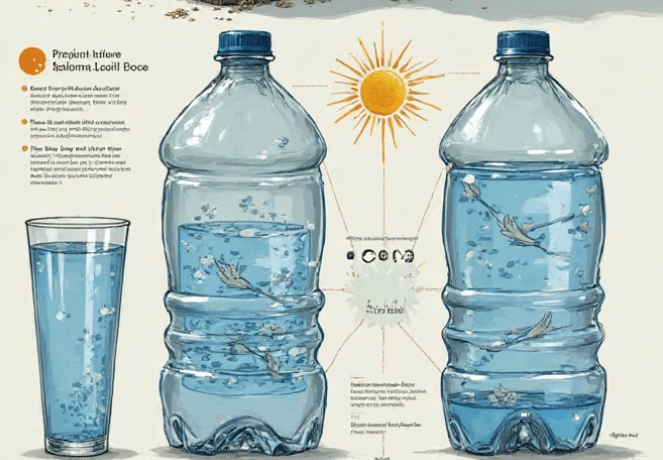
UV rays from the sun can kill many pathogens. Fill clear plastic bottles with water and place them on a reflective surface under direct sunlight for 6+ hours. - Use Portable Water Filters
Invest in a high-quality survival water filter capable of removing bacteria, protozoa, and some viruses. Familiarize yourself with filter replacement and maintenance. - Distillation for Chemical Removal
Distillation is the ultimate method to separate pure water from heavy metals, chemicals, and biological contaminants. Build a solar still or improvised distiller. - Pre-Filtration Using Cloth
Use clean cloth, coffee filters, or even bandanas to remove large particles before running water through charcoal or other filters. - Chlorination for Microbial Safety
Add household bleach (without scents or additives) carefully—8 drops per gallon for clear water, more if cloudy. Wait 30 minutes before drinking. - Iodine Treatment—Use Sparingly
Effective against microbes, but harmful in large or long-term doses. Use only in emergencies. - Build Layered Natural Filters
Use moss, grass, sand, charcoal, and gravel in succession inside a hollow container for stepwise filtration. - Test Your Water
Portable water test kits for pH, nitrates, chlorine, and heavy metals can be lifesavers. Regular testing can alert you to danger. - Know Your Water Sources
Locate natural springs, catch rainwater, and identify safe groundwater spots far from agricultural or industrial sites. - Safe Water Storage
Use clean, sealed containers away from sunlight and contaminants to store filtered water. Avoid plastic leaching by using BPA-free or glass containers. - Rainwater Harvesting Systems
Set up gutters and barrels to catch rainwater. Always filter and disinfect before consumption. - Maintain and Repair Your Filters
Carry spare parts, learn to clean or repair filters, and improvise with local materials when needed.
3 DIY Survival Drinking Water Hacks for Michigan’s Toxic Mess
Hack #1: The Inverted Plastic Bottle Charcoal and Sand Filter
Grab a clean 2-liter plastic bottle. Cut off the bottom and invert it funnel-style. Layer the inside as follows:
- Fine cloth or coffee filter at the neck
- Activated charcoal (crushed and rinsed)
- Fine sand
- Coarse sand/gravel at the top
Pour suspicious tap water slowly through this layered filter into a clean container. Then boil or chemically treat the water for full safety.
Hack #2: Solar Disinfection with Oxygenation
Fill clear plastic PET bottles with water. Shake vigorously for 20 seconds to oxygenate—this increases pathogen kill rates. Lay the bottles horizontally on reflective surfaces in full sun for 6+ hours. This UV + oxygen combo kills many pathogens. Follow up with charcoal filtration to remove chemicals.
Hack #3: The Simple Solar Still
Dig a hole in the ground, place a clean container in the center, and cover the hole with clear plastic sheeting. Use a small rock to weigh down the center of the plastic so condensation drips into the container. This distills water from moisture in soil or plants, removing most contaminants and chemicals. It’s slow but effective when nothing else is available.
Wake Up and Take Control
You think you’re safe because Michigan’s water system “meets standards”? Standards set by politicians and companies more interested in profit than people’s health. The Flint disaster should have woken everyone up, but many are still drinking poison every day because they don’t care or don’t know better.
Your survival depends on preparation and knowledge. Water is the first battle in any crisis. Without clean water, everything else is pointless. If you’re not filtering, purifying, and testing your water daily, you’re walking a death sentence.
The state won’t save you. The water company won’t save you. You have to be your own water warrior. Learn these 15 filtration skills and 3 hacks. Build your filters. Carry your water purification tools everywhere. Test your water and store clean water safely.
If you care about your family, your health, or your survival, get serious now. Water is life. Don’t let corrupt infrastructure, polluted rivers, and toxic chemicals kill you slowly. Get mad, get prepared, and never trust the tap without a fight.
Bottom line: Michigan’s drinking water is a disaster disguised as “safe.” Contaminated with lead, PFAS, agricultural poisons, and industrial waste, your tap water is a toxic cocktail. Your only defense is knowledge, filtration skills, and survival hacks.
Don’t wait for another Flint to happen. Protect your water—and protect your life—starting today.










 TheDailyChristian