Minnesota Tiny Home Living: Best Cities for Downsizing
by Brooke Homestead — 2025 Female Survival Prepper of the Year

Minnesota, the Land of 10,000 Lakes, is known for stunning landscapes, friendly communities, and a mix of urban and rural living. For tiny home enthusiasts, the state offers cities and towns where downsizing is practical, affordable, and supported by local communities. I’m Brooke Homestead, and after years of building tiny homes, living off-grid, and embracing minimalism, I’ll guide you through Minnesota’s best cities for tiny homes, zoning realities, land costs, and climate considerations.
Best Cities for Tiny Homes in Minnesota: Duluth and Rochester
Duluth — Lakeside Living and Outdoor Adventure
Duluth is ideal for tiny home enthusiasts seeking lake views, outdoor recreation, and a community open to alternative living:
- Zoning flexibility in outskirts: Many parcels outside city limits allow tiny homes as primary residences or accessory dwellings.
- Affordable land: Rural lots typically range from $15,000–$40,000 per acre — enough space for off-grid systems like solar panels, rainwater collection, and gardens.
- Community mindset: Residents value sustainability, outdoor recreation, and simple living, making tiny homes socially welcomed.
Brooke’s Tip: Look for parcels outside the main city for more freedom to set up off-grid systems while still accessing shops, services, and lakeside trails.
Rochester — Practical Living with Community Support
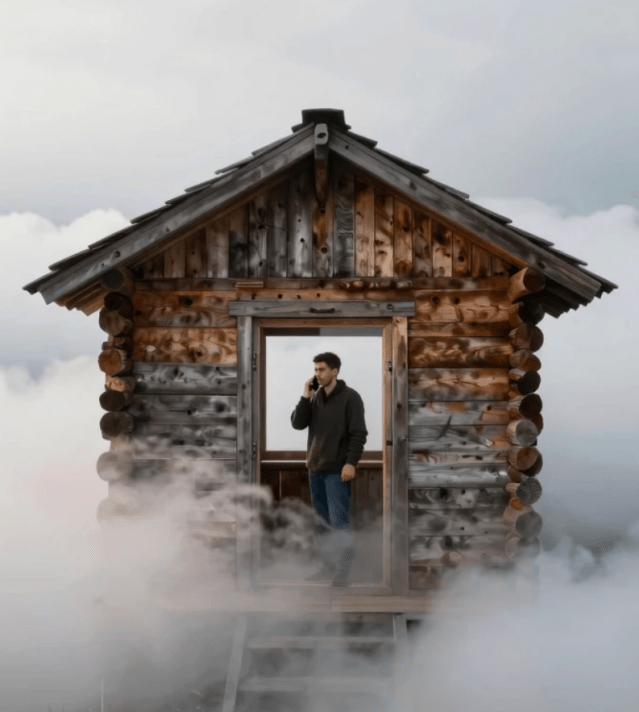
Rochester offers affordable land, good infrastructure, and a community supportive of minimalism:
- Rural-friendly zoning: Many parcels in Olmsted County allow THOWs or foundation-based tiny homes.
- Land affordability: Parcels range from $20,000–$50,000 per acre — ideal for off-grid or semi-rural tiny homes.
- Community support: Residents appreciate practicality, simplicity, and self-sufficient living.
Brooke Survival Insight: Minnesota winters are long and cold, so proper insulation, heating, and weatherproofing are essential for comfort and safety.
Challenging Areas for Tiny Homes in Minnesota: Minneapolis & Saint Paul
Urban centers come with restrictions:
- Zoning restrictions: Minimum lot sizes, historic districts, and urban codes limit tiny home placement.
- High land costs: Urban parcels often exceed $100,000 per small lot.
- Limited off-grid options: Dense development restricts solar, water, and septic independence.
Brooke Tip: Tiny homes in Minneapolis or Saint Paul are mostly feasible as ADUs behind existing homes or in planned small-home communities.
Zoning Laws in Minnesota — Tiny Home Considerations
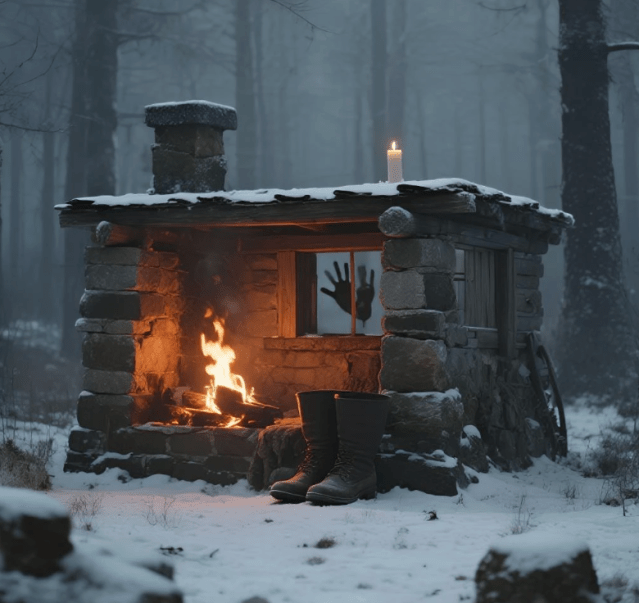
Minnesota does not have a statewide tiny home law; local regulations vary:
- Accessory Dwelling Units (ADUs): Allowed in some towns, usually 200–500 sq. ft.
- Tiny Homes on Wheels (THOWs): Treated as RVs; generally permitted on rural private land or in designated RV parks.
- Foundation-based Tiny Homes: Must meet state and local building codes, including structural, electrical, plumbing, and insulation standards.
Brooke Advice: Always check zoning with county and city planning offices before purchasing land — rules can vary significantly even between neighboring parcels.
Cost of Land in Minnesota — Budgeting for Tiny Homes

Land in Minnesota is moderately affordable, especially outside metro areas:
- Duluth outskirts: $15,000–$40,000 per acre — perfect for off-grid lakeside tiny homes.
- Rochester rural lots: $20,000–$50,000 per acre — great for THOWs or foundation-based homes.
- Minneapolis & Saint Paul metro: $100,000+ per small lot — tiny homes mostly feasible as ADUs.
- Northern and southern rural towns: $5,000–$30,000 per acre — excellent for minimalist living and off-grid setups.
Other costs include wells, septic systems, solar panels, driveway access, and winter preparedness.
Climate Considerations — Minnesota Weather for Tiny Homes
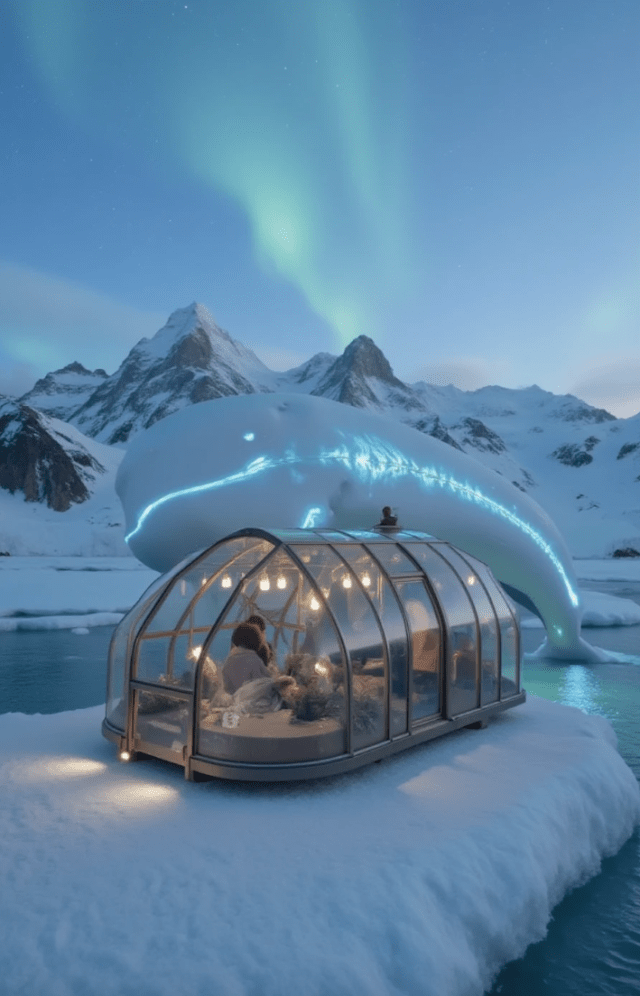
Minnesota has a continental climate with cold winters and warm summers, which affects tiny home planning:
- Winter: Long, snowy, and cold — insulation, heating systems, and snow-load roofs are essential.
- Summer: Warm and humid — ventilation, shading, and cooling systems help maintain comfort.
- Storms: Severe thunderstorms and occasional tornadoes require reinforced construction and anchoring.
- Rain & Flooding: Proper drainage and elevated foundations prevent water damage.
Brooke Survival Insight: Tiny homes are compact — without proper insulation, heating, and storm prep, winters can become harsh and unsafe.
Brooke Homestead’s Final Thoughts – Tap Video Below to Watch

Minnesota is a state where tiny home living can thrive, offering lakes, forests, and a mix of urban and rural opportunities:
- Best Cities: Duluth for lakeside living and outdoor access; Rochester for affordable land and practical zoning.
- Challenging Areas: Minneapolis and Saint Paul due to zoning, density, and higher land costs.
- Planning Essentials: Verify zoning, plan for winter, storms, and humidity, and consider off-grid systems for water and energy.
Tiny home living in Minnesota is about resilience, simplicity, and enjoying life surrounded by lakes, forests, and welcoming communities. With careful planning and the right location, you can thrive in a small, sustainable home throughout the Land of 10,000 Lakes.
— Brooke Homestead