
This is How People Really Die in Vermont Winter Storms

Vermont winter doesn’t arrive like a disaster movie.
It arrives quietly, slowly, and then doesn’t leave.

Heavy snow, ice storms, sub-zero temperatures, mountain terrain, and rural isolation combine into one ugly reality: when things go wrong in Vermont winter, you are often on your own.

I’ve seen people here freeze in homes heated by systems that failed, get stranded on mountain roads with no cell service, and poison themselves trying to stay warm. Not because they were careless—because they assumed winter would be manageable.

Vermont winter is manageable only if you prepare.

Let’s talk about how people actually die during Vermont winter storms—and what it takes to survive when the grid, the roads, and the stores all fail at the same time.

❄️ The Top Ways People Die in Vermont Winter Storms

1. Hypothermia During Long Power Outages

This is the number one winter storm killer in Vermont.

Ice storms and heavy snow snap trees and power lines fast—especially in forested and mountainous areas. When the power goes out:

  • Oil, propane, and electric heat shuts down
  • Well pumps stop working
  • Homes lose heat rapidly

Vermont temperatures don’t hover politely near freezing. They stay cold. For days. Sometimes weeks.

Hypothermia often begins indoors:

  • Shivering
  • Slurred speech
  • Confusion
  • Fatigue
  • Loss of consciousness

People die because they underestimate how fast a home becomes unlivable without heat.

2. Carbon Monoxide Poisoning From Improvised Heating

Vermont winters create desperation, and desperation creates fatal mistakes.

Every winter storm produces deaths from:

  • Generators run in garages or basements
  • Propane heaters used indoors without ventilation
  • Charcoal grills brought inside
  • Wood stoves misused or poorly vented

Carbon monoxide is invisible, odorless, and unforgiving. Families die quietly in their sleep while trying to stay warm.

If it burns fuel and is not designed for indoor emergency use, it can kill you.

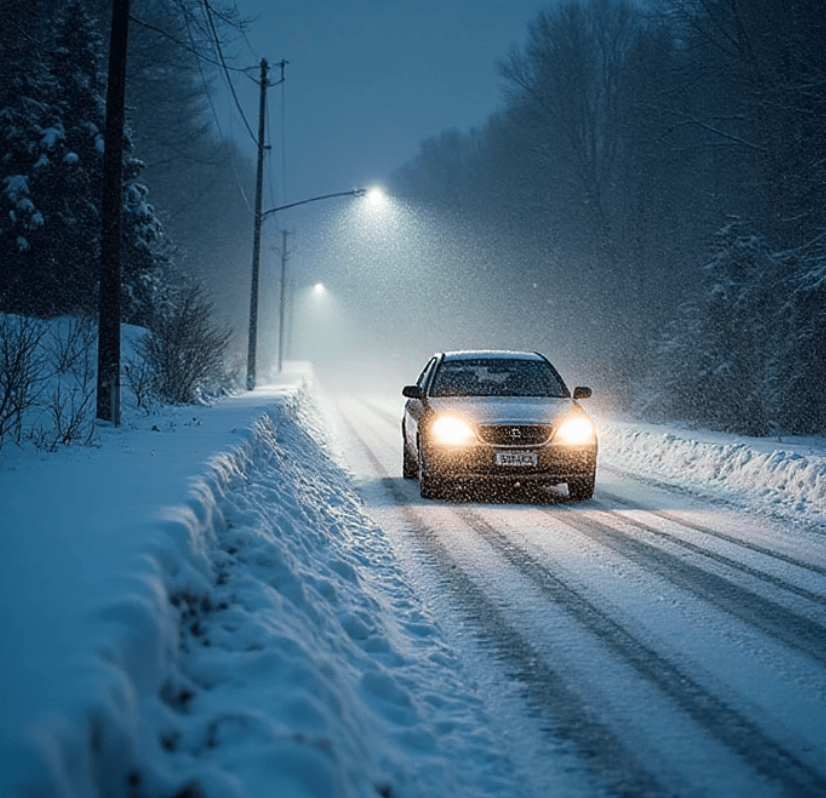
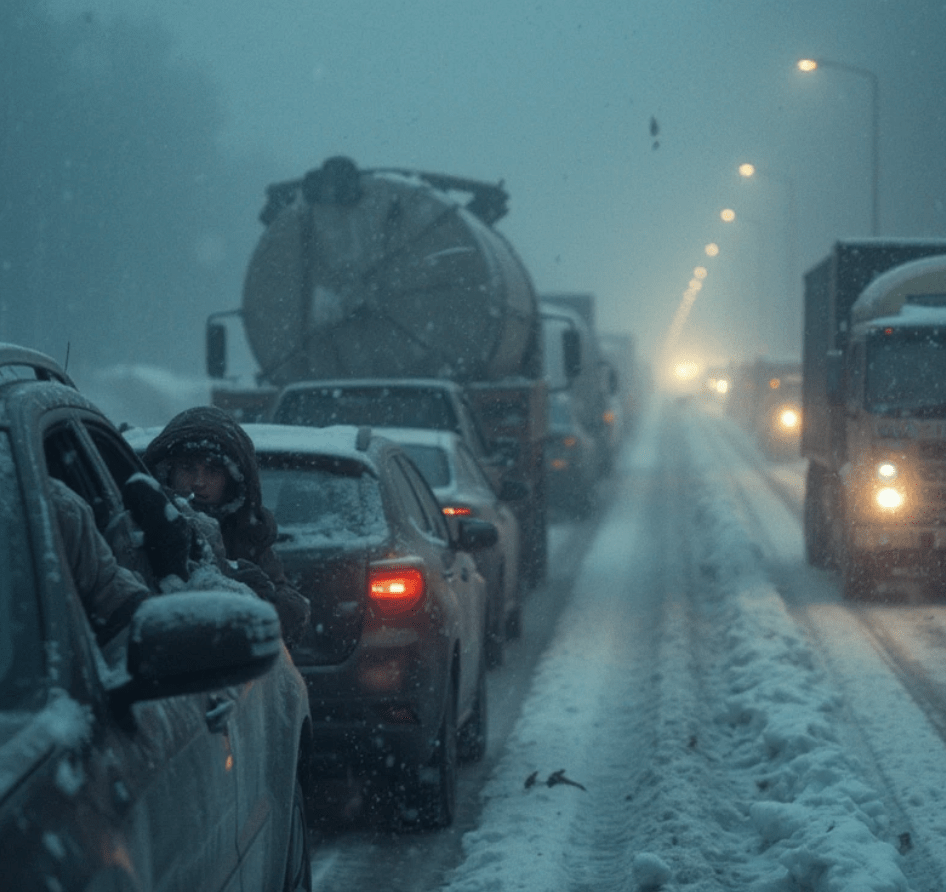
3. Stranded Vehicles on Rural and Mountain Roads

Vermont is rural. It’s mountainous. And winter shuts it down fast.

People die because:

  • Roads are narrow and steep
  • Snow removal takes time
  • Cell service is unreliable
  • Visibility drops quickly

AWD does not defeat ice.
Snow tires do not create cell service.

Once stranded:

  • Fuel runs out
  • Heat disappears
  • Wind chill accelerates hypothermia

People freeze to death less than a mile from help because winter closed the gap faster than they expected.

4. Medical Emergencies With Delayed or No Response

During Vermont winter storms:

  • Ambulances take hours
  • Roads are impassable
  • Hospitals are far apart
  • Pharmacies close

People die from:

  • Heart attacks
  • Strokes
  • Diabetic emergencies
  • Respiratory failure
  • Loss of powered medical equipment

If you rely on oxygen, dialysis, CPAP machines, insulin refrigeration, or daily medications, winter storms put your life on a countdown clock.

5. Falls, Firewood Injuries, and Overexertion

Vermont winter turns basic survival chores into deadly ones.

Common fatal mistakes:

  • Slipping on icy stairs
  • Falling while carrying firewood
  • Roof collapses during snow removal
  • Burns from wood stoves
  • Heart attacks while shoveling heavy snow

When emergency response is delayed by hours—or days—injuries that should be survivable become fatal.

🛒 Will Grocery Stores Go Empty in Vermont During Winter Storms?

Yes—and in rural Vermont, they empty fast.

Vermont grocery stores:

  • Carry limited inventory
  • Depend on truck deliveries
  • Lose power during storms

Before storms:

  • Bread, milk, eggs vanish
  • Bottled water disappears
  • Propane, batteries, and generators sell out

After storms:

  • Trucks stop running
  • Shelves stay empty
  • Stores may close entirely

If you didn’t already stock food, you’re not getting it.

🍲 Survival Food Prepping for Vermont Winter Storms

In cold environments, calories equal warmth.

Best Survival Foods to Stock

Shelf-Stable Essentials

  • Canned soups and stews
  • Canned meats
  • Beans and lentils
  • Rice and pasta
  • Peanut butter
  • Oatmeal

No-Cook Foods

  • Protein bars
  • Trail mix
  • Jerky
  • Crackers

Water

  • Minimum 1 gallon per person per day
  • Plan for 7–10 days

If you rely on a well, no power means no water. Stored water is mandatory in Vermont.

🔋 Solar Generators: A Vermont Winter Essential

Vermont power outages can last days or longer, especially after ice storms.

Gas generators:

  • Require fuel deliveries that may not happen
  • Produce carbon monoxide
  • Cannot be safely used indoors

Solar generators:

  • Safe indoors
  • Silent
  • No fumes
  • Recharge via solar panels—even in winter sunlight

What Solar Generators Can Power

  • Medical devices
  • Phones and emergency radios
  • Lighting
  • Refrigerators (cycled)
  • Small heaters (used carefully)

Indoor power without fumes is not optional in Vermont—it’s survival gear.

🧰 Best Survival Supplies for Vermont Winter Storms

Every Vermont household should already have:

Warmth & Shelter

  • Sub-zero-rated sleeping bags
  • Heavy wool blankets
  • Thermal base layers
  • Hats, gloves, thick socks
  • Indoor-safe emergency heaters
  • Carbon monoxide detectors

Power & Light

  • Solar generator
  • Solar panels
  • Battery lanterns
  • Headlamps
  • Spare batteries

Medical & Safety

  • First aid kit
  • Extra prescription medications (7–10 days)
  • Fire extinguisher

Cooking

  • Camping stove
  • Extra fuel
  • Matches or lighters
  • Simple cookware

🧠 Why Survival Prepping Matters in Vermont

Vermont winter isolates people.

No fast plows.
No quick EMS.
No guaranteed power restoration.

Prepping isn’t extreme—it’s the price of living here safely.

If you don’t plan for multi-day outages in deep cold, you are depending on luck.

Luck doesn’t survive Vermont winter.

🧊 How to Survive a Vermont Winter Storm

  1. Stay Home
    • Travel kills more people than cold
  2. Layer Up Immediately Indoors
    • Don’t wait for the house to cool
  3. Create a Warm Zone
    • One room
    • Block drafts
    • Insulate windows and doors
  4. Ration Power
    • Medical devices first
    • Lighting second
  5. Eat High-Calorie Foods
    • Cold burns calories fast
  6. Stay Informed
    • Weather radio
    • Emergency alerts

🚨 Final Words From an Professional Survival Prepper

Vermont winter doesn’t care how peaceful it looks.
It doesn’t care how rural you are.
And it doesn’t care how long you’ve lived here.

Cold, darkness, and isolation kill quietly and efficiently.

Prepare before the storm—or become another winter lesson people talk about when the snow finally melts.

Utah Winter Survival Guide: Why Stores Empty, Power Fails, and People Don’t Make It

Let’s clear something up right now:
Living in Utah does NOT mean you’re automatically good at winter.

I don’t care how long you’ve lived here. I don’t care how many snowstorms you’ve “handled.” Every winter, Utah still racks up injuries, fatalities, and near-misses because people confuse familiar with safe.

Utah winter storms aren’t cute postcard snowfalls. They’re high-altitude blizzards, whiteout canyon roads, ice storms in the valleys, and brutal cold snaps that knock out power for days.

And every single time, people are shocked.

I’m not shocked anymore. I’m angry—because most of these deaths are completely preventable.

This article breaks down:

  • The top ways people die during winter storms in Utah
  • Why grocery stores empty fast, even in “prepared” states
  • Why survival food, backup power, and planning matter more here than most places
  • What supplies actually keep you alive
  • How to survive when the storm overstays its welcome

Read it now—before you’re stuck reading it by flashlight.


Why Utah Winter Storms Are Especially Dangerous

Utah’s geography makes winter storms far more lethal than people realize.

Here’s why:

  • High elevation = colder temps and faster weather changes
  • Mountain passes close quickly and stay closed
  • Rural areas are spread out with delayed emergency response
  • Inversions trap cold air and worsen conditions
  • Heavy snow loads collapse roofs and power lines
  • Dry air accelerates dehydration and hypothermia

People think snow equals “business as usual.”

That mindset kills.


The Top Ways People Die in Winter Storms in Utah

Let’s talk reality, not fairy tales.

1. Vehicle Accidents in Snow, Ice, and Whiteouts

This is the leading cause of winter storm deaths in Utah.

  • Interstate pileups on I-15 and I-80
  • Black ice in canyon roads
  • Whiteout conditions in open areas
  • Drivers overestimating AWD and snow tires

AWD does not stop you.
Snow tires do not defy physics.
Confidence does not equal traction.

Once you’re stranded in subfreezing temps at elevation, survival becomes a countdown.


2. Exposure and Hypothermia (Even for “Tough” Utahns)

Utah cold is deceptive. Dry air makes it feel manageable—until it’s not.

People die from hypothermia:

  • While stuck in vehicles
  • Inside homes without power
  • While shoveling snow
  • While hiking or snowmobiling during storms

Hypothermia doesn’t feel dramatic. It feels sleepy. Confused. Slow.

That’s why it kills so many people who thought they were “fine.”


3. Carbon Monoxide Poisoning

Every winter, without fail.

  • Gas generators run indoors
  • Propane heaters used improperly
  • Charcoal grills inside garages
  • Poor ventilation in cabins and RVs

Carbon monoxide kills silently. No warning. No second chance.

If you don’t own a carbon monoxide detector, you are not prepared—you are reckless.


4. Avalanches and Structural Collapses

Utah’s snow is heavy. And when it stacks up, bad things happen.

  • Roof collapses on homes and sheds
  • Barns and carports fail
  • Avalanches in backcountry and canyon areas

People die because they assume:

  • “It’s not that much snow”
  • “This roof has held before”
  • “We’ve skied here a hundred times”

Nature does not care about your past experience.


5. Medical Emergencies With No Access to Help

During severe storms:

  • Ambulances are delayed
  • Mountain roads are impassable
  • Clinics close
  • Pharmacies shut down

People die from:

  • Heart attacks while shoveling
  • Missed medications
  • Asthma and respiratory distress
  • Diabetic complications

The storm doesn’t cause these—it removes your safety net.


Will Grocery Stores Go Empty in Utah?

Yes. Fast. And worse in rural areas.

I’ve watched Utah grocery stores empty in hours, not days.

Here’s what disappears first:

  • Bread
  • Milk
  • Eggs
  • Meat
  • Bottled water
  • Baby formula

Utah’s just-in-time inventory system means:

  • No back stock
  • No quick resupply
  • Delayed delivery trucks due to road closures

Mountain towns and rural communities are hit hardest—and last to recover.

If your food plan relies on “running to the store,” you don’t have a plan.


Why Survival Food Prepping Is Non-Negotiable in Utah

Utah storms can isolate communities for days or even weeks.

Survival food buys you time—and time buys you safety.

Every household should have:

  • 7–14 days of food per person
  • No refrigeration required
  • Easy preparation with minimal fuel

Best Survival Food Options

  • Freeze-dried meals (excellent for altitude)
  • Canned soups and meats
  • Rice, beans, pasta
  • Protein bars
  • Instant oatmeal
  • Peanut butter

If your food spoils when the power goes out, it’s a liability—not an asset.


Solar Generators: The Smarter Utah Power Backup

Gas generators sound great—until winter hits.

Problems with gas generators:

  • Fuel shortages
  • Frozen engines
  • Carbon monoxide danger
  • Loud, attention-drawing noise

Solar generators excel in Utah because:

  • Cold improves battery efficiency
  • High altitude = strong solar exposure
  • No fuel needed
  • Safe indoor operation

Solar generators can power:

  • Phones and radios
  • Medical devices
  • LED lights
  • Refrigeration
  • Internet routers
  • Small heaters

If you live in Utah and don’t have backup power, you’re trusting luck instead of planning.


Essential Winter Survival Supplies for Utah

Here’s the bare minimum for surviving a serious winter storm in Utah:

Power & Heat

  • Solar generator with battery storage
  • Power banks
  • Indoor-safe heater
  • Sleeping bags rated for cold weather

Clothing & Warmth

  • Thermal base layers
  • Wool socks
  • Insulated gloves and hats
  • Emergency bivy blankets

Food & Water

  • 1 gallon of water per person per day
  • Non-perishable food
  • Manual can opener

Safety & Medical

  • First aid kit
  • Prescription medication backups
  • Carbon monoxide detectors
  • Fire extinguisher

Communication & Light

  • NOAA weather radio
  • LED flashlights
  • Extra batteries
  • Headlamps

No gear. No plan. No mercy from winter.


Why Survival Prepping Matters in Utah More Than People Admit

Utah residents like to think they’re tougher than average. Sometimes that’s true. But toughness without preparation is just arrogance.

Weather is becoming:

  • More extreme
  • Less predictable
  • More disruptive

Infrastructure is aging. Power grids are strained. Emergency services are overwhelmed during storms.

Prepping isn’t fear—it’s competence.

You prepare so:

  • You don’t panic
  • You don’t risk your life driving
  • You don’t become a burden on first responders
  • You don’t become another preventable headline

Final Word From an Angry Utah Prepper

Winter storms don’t kill people because they’re unstoppable.

They kill people because:

  • People underestimate them
  • People delay preparation
  • People assume help will arrive fast

If you live in Utah, winter is not optional—it’s guaranteed.

Prepare before the storm, or learn during it.

And trust me—you don’t want to learn the hard way.

Snowed In, Frozen Out: The Truth About Winter Storm Deaths in Maine

Maine has a dangerous reputation problem. People here are proud of handling cold, snow, and ice—and that pride gets them killed. Winter storms in Maine don’t need record-breaking blizzards to be deadly. They kill through cold, isolation, power outages, and slow rescue times.

I’ve watched the same mistakes happen year after year—from coastal towns to inland forests to remote northern communities. Winter storms in Maine don’t announce themselves with drama. They just grind people down until something goes wrong.

This article breaks down:

  • The top ways people die during winter storms in Maine
  • Why grocery stores empty fast, especially in rural areas
  • Why survival food, backup power, and planning are critical here
  • What supplies actually keep you alive
  • How to survive when the grid fails and help is delayed

If you live in Maine and think “we’re used to this,” keep reading. That mindset is exactly why people die.


Why Winter Storms in Maine Are Especially Dangerous

Maine isn’t just cold—it’s remote, forested, and spread out.

Here’s what makes Maine winter storms uniquely deadly:

  • Long-lasting cold snaps
  • Heavy, wet snow that brings down power lines
  • Ice storms that shut down roads
  • Remote communities with slow emergency response
  • Coastal storms that combine snow, wind, and flooding
  • Aging infrastructure and power grids
  • Short daylight hours that limit recovery and visibility

When things go wrong in Maine, they stay wrong longer.


The Top Ways People Die in Winter Storms in Maine

Let’s talk reality—not folklore.

1. Vehicle Accidents and Stranding

This is the number one cause of winter storm deaths in Maine.

  • Snow-covered back roads
  • Icy highways like I-95 and Route 1
  • Whiteouts in rural areas
  • Drivers overestimating snow tires and experience

Getting stranded in Maine isn’t just inconvenient—it’s dangerous. Temperatures drop fast, cell service is unreliable, and help can be far away.

If you don’t carry winter survival gear in your vehicle, you’re one breakdown away from a life-threatening situation.


2. Hypothermia and Cold Exposure

Maine cold is relentless.

People die from hypothermia:

  • Inside homes without power
  • While clearing snow
  • While working outdoors too long
  • After getting wet and underestimating the danger

Hypothermia doesn’t feel dramatic. It feels manageable—until it suddenly isn’t.

Elderly residents are especially vulnerable, but cold doesn’t care how tough you think you are.


3. Carbon Monoxide Poisoning

Every winter in Maine, people die this way—and it’s always preventable.

  • Generators run inside homes or garages
  • Propane heaters misused
  • Wood stoves improperly vented
  • Gas stoves used for heat

Carbon monoxide is invisible and odorless. By the time you feel something is wrong, it’s usually too late.

If you live in Maine and don’t have carbon monoxide detectors, you are playing Russian roulette with your family.


4. Medical Emergencies With Delayed Help

Winter storms isolate Maine communities quickly.

During storms:

  • Ambulances are delayed
  • Roads are impassable
  • Clinics close
  • Pharmacies shut down

People die from:

  • Heart attacks while shoveling heavy snow
  • Missed medications
  • Respiratory complications
  • Diabetic emergencies

The storm doesn’t cause the condition—it removes access to help.


5. Structural Failures and Falling Trees

Maine’s heavy snow and ice load causes:

  • Roof collapses
  • Falling trees
  • Downed power lines
  • Barn and shed failures

People get crushed, electrocuted, or trapped. In rural areas, rescue may take hours—or longer.

Assuming “it’s held before” is how people end up buried or injured.


Will Grocery Stores Go Empty in Maine?

Yes—and faster than people expect.

Maine relies heavily on:

  • Trucked-in food
  • Long supply chains
  • Limited local inventory

Once storms hit:

  • Delivery trucks stop
  • Shelves empty
  • Stores close early or entirely

What disappears first:

  • Bread
  • Milk
  • Eggs
  • Meat
  • Bottled water
  • Baby supplies

In rural and northern Maine, stores can stay empty for days or even weeks.

If your plan is “we’ll just go to the store,” you don’t understand how fragile the system is.


Why Survival Food Prepping Is Essential in Maine

Maine storms isolate people. That’s not an opinion—it’s geography.

Survival food buys you time, and time keeps you alive.

Every household in Maine should have:

  • 10–14 days of food per person
  • No refrigeration required
  • Minimal cooking needs

Best Survival Food Options

  • Freeze-dried meals
  • Canned soups and meats
  • Rice, beans, and pasta
  • Protein bars
  • Peanut butter
  • Instant oatmeal

If your food plan relies on power or daily grocery access, it will fail.


Solar Generators: A Lifeline During Maine Power Outages

Maine loses power during winter storms more than most states.

Gas generators fail people because:

  • Fuel runs out
  • Engines struggle in extreme cold
  • Carbon monoxide risk
  • Noise attracts attention

Solar generators work well in Maine when paired with batteries:

  • Cold temperatures improve battery efficiency
  • Quiet and safe for indoor use
  • No fuel dependency
  • Works during extended outages

Solar generators can power:

  • Lights
  • Phones and radios
  • Medical devices
  • Refrigerators
  • Internet equipment

If you live in Maine without backup power, you’re relying on luck—and luck runs out.


Essential Winter Survival Supplies for Maine

Here’s the non-negotiable list for Maine winters:

Power & Heat

  • Solar generator with battery storage
  • Power banks
  • Indoor-safe heater
  • Cold-rated sleeping bags and blankets

Clothing & Warmth

  • Thermal base layers
  • Wool socks
  • Insulated gloves and hats
  • Emergency bivy blankets

Food & Water

  • 1 gallon of water per person per day
  • Non-perishable food
  • Manual can opener

Safety & Medical

  • First aid kit
  • Prescription medication backups
  • Carbon monoxide detectors
  • Fire extinguisher

Communication

  • NOAA weather radio
  • LED flashlights
  • Headlamps
  • Extra batteries

If you don’t have these, you’re not prepared—you’re exposed.


Why Survival Prepping Matters So Much in Maine

Maine has:

  • Long winters
  • Sparse population
  • Slow response times
  • Aging infrastructure

Prepping isn’t fear—it’s common sense in a hard environment.

You prepare so:

  • You don’t drive in dangerous conditions
  • You don’t freeze during outages
  • You don’t become a burden on first responders
  • You don’t become another winter fatality

One Last Word From a Maine Survival Prepper

Every winter death in Maine has the same root cause:
Someone assumed experience was enough.

Winter doesn’t care how long your family’s lived here.
It doesn’t care how many storms you’ve survived.
And it doesn’t care how tough you think you are.

Prepare early. Prepare seriously.
Because Maine winter doesn’t forgive mistakes.

New Hampshire Winter Storm Survival – Why Storms Kill and Preparation Saves Lives

If you live in New Hampshire, you already know winter isn’t a joke.
What people don’t understand is that familiarity doesn’t equal immunity.

New Hampshire winter storms are lethal because of extreme cold, rural isolation, long power outages, and mountainous terrain. When a major storm hits, help isn’t just delayed—it may not come at all for days.

I’ve watched people here freeze in homes they’ve lived in for decades, get stranded on back roads nobody plows quickly, and poison themselves trying to stay warm. Not because they were stupid—but because they assumed experience was enough.

It isn’t.

Let’s break down how people actually die in New Hampshire winter storms—and what it takes to survive when the grid collapses.


❄️ The Top Ways People Die in New Hampshire Winter Storms

1. Hypothermia in Homes During Long Power Outages

This is the number one killer, and it’s brutal in New Hampshire.

Ice storms and heavy snow take down power lines fast, especially in wooded areas. When the power goes out:

  • Oil and gas furnaces shut down
  • Well pumps stop
  • Homes lose heat rapidly

New Hampshire temperatures don’t just dip—they plunge. At night, indoor temperatures can fall into the 30s or lower within hours.

Hypothermia doesn’t announce itself. It creeps in:

  • Shivering
  • Confusion
  • Fatigue
  • Loss of consciousness

By the time people realize they’re in trouble, they’re already losing the fight.


2. Carbon Monoxide Poisoning From Desperation Heating

Every major New Hampshire winter storm produces the same headlines:

  • Generator running in a garage
  • Propane heater indoors without ventilation
  • Charcoal grill used for warmth
  • Wood stove misused or improperly vented

Carbon monoxide kills silently and quickly. Entire families die while trying to survive the cold.

Cold doesn’t kill instantly. Bad decisions do.

If you don’t have a heat source designed for indoor emergency use, you are playing Russian roulette.


3. Stranded Vehicles on Rural and Mountain Roads

New Hampshire is not flat, and it is not densely populated.

People die because:

  • Back roads aren’t plowed quickly
  • Cell service is limited
  • Weather changes rapidly in elevation
  • Wind chill drops temperatures dangerously fast

AWD and snow tires do not defeat physics.

Once you’re stranded:

  • Fuel runs out
  • Heat disappears
  • Exposure takes over

This is how people freeze to death inside vehicles less than a mile from safety.


4. Medical Emergencies With No Immediate Help

In winter storms, New Hampshire becomes isolated fast.

People die because:

  • Ambulances can’t reach rural homes
  • Hospitals are overwhelmed
  • Pharmacies close
  • Roads are impassable

Those dependent on:

  • Oxygen
  • Dialysis
  • Insulin
  • Heart medication
  • CPAP machines

are especially vulnerable when the power and roads fail.


5. Falls, Wood Stove Injuries, and Overexertion

New Hampshire winters turn routine chores into fatal events.

Common causes of death:

  • Slipping on ice
  • Falling while carrying firewood
  • Roof collapse while removing snow
  • Heart attacks from shoveling heavy snow
  • Burns from improper stove use

When emergency response is delayed by hours—or days—small mistakes become deadly.


🛒 Will Grocery Stores Go Empty in New Hampshire During Winter Storms?

Absolutely—and faster in rural areas.

New Hampshire grocery stores:

  • Carry limited inventory
  • Rely on daily deliveries
  • Are vulnerable to power outages

Before storms:

  • Bread, milk, eggs vanish
  • Water disappears
  • Propane, batteries, and generators sell out

After storms:

  • Trucks stop running
  • Stores lose power
  • Shelves stay empty for days

If you don’t already have food when the storm is coming, you’re not getting it.


🍲 Survival Food Prepping for New Hampshire Winter Storms

Food is fuel. In cold environments, calories equal survival.

Best Survival Foods to Stock

Shelf-Stable Essentials

  • Canned soups and chili
  • Canned meats
  • Rice and beans
  • Pasta
  • Peanut butter
  • Oatmeal

No-Cook Foods

  • Energy bars
  • Trail mix
  • Jerky
  • Crackers

Water

  • Minimum 1 gallon per person per day
  • Plan for 7 days

Well systems fail when power goes out. If you rely on a well, water storage is non-negotiable.


🔋 Solar Generators: A Survival Essential in New Hampshire

New Hampshire power outages are often long and widespread.

Gas generators:

  • Require fuel that may not be available
  • Produce carbon monoxide
  • Cannot be safely used indoors

Solar generators:

  • Safe indoors
  • Silent
  • No fumes
  • Recharge via solar panels

What Solar Generators Can Power

  • Medical devices
  • Phones and radios
  • Lighting
  • Refrigerators (cycled)
  • Small space heaters (carefully)

When outages last days in sub-freezing temperatures, safe indoor power isn’t a luxury—it’s survival.


🧰 Best Survival Supplies for New Hampshire Winter Storms

Every New Hampshire household should already have:

Warmth & Shelter

  • Sub-zero-rated sleeping bags
  • Wool blankets
  • Thermal base layers
  • Hats, gloves, thick socks
  • Indoor-safe emergency heaters
  • Carbon monoxide detectors

Power & Light

  • Solar generator
  • Solar panels
  • Battery lanterns
  • Headlamps
  • Spare batteries

Medical & Safety

  • First aid kit
  • Extra prescription medications
  • Fire extinguisher

Cooking & Fuel

  • Camping stove
  • Extra fuel
  • Matches/lighters
  • Simple cookware

🧠 Why Survival Prepping Is Critical in New Hampshire

Here’s the hard truth:

New Hampshire winter storms isolate people.

You are often on your own:

  • No quick plow
  • No fast EMS
  • No immediate power restoration

Prepping isn’t paranoia—it’s realism.

If you live here and don’t plan for multi-day outages in extreme cold, you are depending on luck.

Luck runs out.


🧊 How to Survive a New Hampshire Winter Storm

  1. Stay Home
    • Rural roads are deadly during storms
  2. Dress for the Cold Indoors
    • Layer up immediately when power goes out
  3. Create a Warm Zone
    • One room
    • Block drafts
    • Insulate windows and doors
  4. Ration Power
    • Prioritize medical devices and lighting
  5. Eat High-Calorie Foods
    • Cold burns calories fast
  6. Stay Informed
    • Weather radio
    • Emergency alerts

🚨 Final Words From an Angry Survival Prepper

New Hampshire winters don’t care how tough you think you are.
They don’t care how long you’ve lived here.
They don’t care if you “made it through the last one.”

Cold, darkness, and isolation kill without mercy.

Prepare before the storm—or become another winter statistic people shake their heads over when the thaw comes.

The Massachusetts Winter Reality Check: How Storms Kill and How to Stay Alive

If you live in Massachusetts, you’ve heard it all before: “We’ve seen worse,” “It’s just snow,” “The plows will handle it.”
That mindset is exactly why people die here every winter.

Massachusetts winter storms are brutal because they combine heavy snow, coastal wind, ice, flooding, and long-term power outages. Nor’easters don’t just knock things out for a few hours—they shut down entire regions for days. I’ve watched neighborhoods lose power for a week while temperatures dropped, stores emptied, and people realized too late that experience doesn’t equal preparation.

Let’s talk about how people actually die in Massachusetts winter storms—and how you survive when everything you rely on stops working.

❄️ The Top Ways People Die in Massachusetts Winter Storms

1. Hypothermia During Extended Power Outages

This is the biggest killer, and it happens every single year.

Heavy, wet snow and strong coastal winds bring down trees and power lines fast. When the power goes out:

  • Gas furnaces shut down
  • Oil burners stop
  • Electric heat is gone instantly

Older homes, triple-deckers, basements, and coastal houses lose heat quickly. Hypothermia doesn’t require sub-zero temperatures—it happens in the 40s and 50s, especially when people are exhausted, wet, or elderly.

People don’t freeze because they’re reckless. They freeze because they assume the power will come back soon.

2. Carbon Monoxide Poisoning From Improvised Heat

Nor’easters create desperation, and desperation creates deadly mistakes.

Every major Massachusetts winter storm includes deaths from:

  • Generators run in basements or garages
  • Charcoal grills used indoors
  • Propane heaters without ventilation
  • Cars running in enclosed spaces

Carbon monoxide is odorless, invisible, and ruthless. Entire families die quietly while trying to stay warm.

If it burns fuel and isn’t designed for indoor use, it does not belong inside your home.

3. Driving Accidents and Stranded Vehicles

Massachusetts roads become deadly during winter storms due to:

  • Black ice
  • Whiteout snow
  • Poor visibility
  • Coastal wind gusts

People die because:

  • They underestimate ice
  • They overestimate AWD or 4WD
  • They drive during active storms
  • They get stranded without supplies

Once your vehicle loses heat and wind cuts through it, exposure becomes fatal faster than people expect.

4. Medical Emergencies With Delayed Response

During major winter storms:

  • Ambulance response times increase
  • Hospitals become overwhelmed
  • Pharmacies close
  • Roads are impassable

People die from:

  • Heart attacks
  • Strokes
  • Respiratory failure
  • Diabetic emergencies
  • Oxygen and dialysis interruptions

If you depend on powered medical equipment or daily medication, winter storms put your life on a countdown clock.

5. Falls, Shoveling Injuries, and Delayed Care

Massachusetts winter storms turn routine tasks into deadly ones.

People die from:

  • Slips on icy stairs and sidewalks
  • Head injuries
  • Broken hips
  • Cardiac events from overexertion while shoveling snow

When EMS can’t reach you quickly, injuries that should be survivable become fatal.

🛒 Will Grocery Stores Go Empty During a Massachusetts Winter Storm?

Yes—and faster than most people believe.

Massachusetts grocery stores rely on just-in-time inventory:

  • Small back rooms
  • Daily truck deliveries
  • No storm buffer

Before the storm:

  • Bread, milk, eggs disappear
  • Bottled water is gone
  • Batteries, propane, and generators sell out

After the storm:

  • Trucks stop
  • Stores lose power
  • Shelves stay empty for days

If you wait until the forecast turns ugly, you’ve already lost.

🍲 Survival Food Prepping for Massachusetts Winter Storms

Survival food is about calories, simplicity, and shelf life—not comfort.

Best Survival Foods to Stock

Shelf-Stable Staples

  • Canned soups and stews
  • Canned meats (chicken, tuna, salmon)
  • Beans and lentils
  • Rice and pasta
  • Peanut butter
  • Protein bars

No-Cook Options

  • Trail mix
  • Crackers
  • Jerky
  • Ready-to-eat meals (MREs)

Water

  • At least 1 gallon per person per day
  • Plan for 5–7 days minimum

Winter storms can disrupt water treatment facilities. Boil advisories are common—assuming you still have power to boil.

🔋 Solar Generators: Critical for Massachusetts Winter Survival

If you live in Massachusetts and rely entirely on the grid, you’re trusting something that fails regularly.

Gas generators:

  • Require fuel (which disappears fast)
  • Produce carbon monoxide
  • Can’t be safely used indoors

Solar generators:

  • Safe for indoor use
  • No fumes
  • No fuel runs
  • Recharge with solar panels

What Solar Generators Can Power

  • Medical devices (CPAP, oxygen concentrators)
  • Phones and emergency radios
  • Lights
  • Small heaters (used carefully)
  • Refrigerators (intermittently)

During long Nor’easter outages, silent indoor power is survival.

🧰 Best Survival Supplies for Massachusetts Winter Storms

Every Massachusetts household should already have:

Warmth & Shelter

  • Cold-rated sleeping bags
  • Wool blankets
  • Thermal base layers
  • Hats, gloves, thick socks
  • Indoor-safe backup heaters
  • Carbon monoxide detectors

Power & Light

  • Solar generator
  • Solar panels
  • Battery lanterns
  • Headlamps
  • Extra batteries

Medical & Safety

  • First aid kit
  • Prescription medications (7–10 days)
  • Fire extinguisher

Cooking

  • Camping stove
  • Extra fuel
  • Matches or lighters
  • Basic cookware

🧠 Why Survival Prepping Matters in Massachusetts

Here’s the truth people hate admitting:

Massachusetts storms knock out systems for days, not hours.

Power crews get overwhelmed. Roads are blocked by snow and fallen trees. Emergency services triage calls.

Prepping isn’t fear—it’s responsibility.

If you live in Massachusetts and don’t plan for extended outages, you’re gambling with your safety.

🧊 How to Actually Survive a Massachusetts Winter Storm

  1. Stay Off the Roads
    • Nor’easters kill drivers
  2. Dress for Cold Indoors
    • Assume heat may not return quickly
  3. Consolidate Heat
    • Stay in one room
    • Block drafts
    • Use body heat and insulation
  4. Ration Power
    • Prioritize medical devices and lighting
  5. Eat and Hydrate
    • Calories help maintain body heat
  6. Stay Informed
    • Weather radio
    • Emergency alerts

Final Words From an Angry Survival Prepper

Massachusetts winter storms don’t kill because people lack experience.
They kill because people trust systems that fail every single year.

The snow will fall.
The wind will howl.
The power will go out.
The stores will empty.

Prepare now—or learn the lesson the hard way when the lights go out and the temperature drops.

Utah Power Outages And How to Stay Safe With No Electricity During SHTF

When the power goes out unexpectedly—especially for days or even weeks—many people realize just how dependent they are on electricity. As a lifelong prepper and someone who cares deeply about helping others get through tough times, I want to offer you both practical skills and compassionate guidance. Whether you live in a cozy Utah suburb or out in the red rock country, preparing for blackouts isn’t paranoia; it’s wisdom.

The truth is, Utah has unique challenges during power outages: harsh winters, vast rural areas, and increasing pressure on infrastructure from population growth and climate instability. If the power grid goes down during an SHTF (S**t Hits The Fan) event, being ready can mean the difference between discomfort and disaster—or worse.

Let’s go through five essential survival skills to help you thrive without electricity, three creative DIY power hacks, three must-have products, and the five worst cities in Utah to be stuck in during a blackout. Then, we’ll talk about how to put it all together into a sustainable plan for your household.


5 Essential Survival Skills for Living Without Electricity

1. Firecraft and Heating Without Power
If the power goes out in the middle of a Utah winter, especially in the high-elevation zones like Park City or Logan, keeping warm becomes a life-or-death priority. Learn how to safely build and maintain indoor and outdoor fires. Stockpile dry firewood, invest in a wood-burning stove or indoor-rated propane heater, and know how to ventilate properly. Always have a carbon monoxide detector on standby with backup batteries.

2. Manual Water Sourcing and Purification
Your taps won’t run forever when there’s no electricity. Wells need pumps. City water systems can lose pressure or become contaminated. Every household should have at least one gravity-fed water filtration system (like a Berkey or DIY ceramic filter). Learn to collect rainwater, find natural water sources, and purify with methods like boiling, iodine tablets, and solar stills.

3. Food Preservation and Non-Electric Cooking
Once refrigeration is gone, spoilage happens fast. Learn to can, pickle, and dehydrate food. If you haven’t tried solar ovens or rocket stoves yet, they’re efficient and perfect for Utah’s sunny days. A Dutch oven and cast-iron skillet over an open flame or hot coals will also serve you well. Don’t forget: learning to make bread from scratch using natural leavening like sourdough is both comforting and sustaining.

4. Non-Electric Communication
Cell towers may stay up for a while on backup generators—but not forever. Learn to use and maintain ham radios or CB radios for local communication. Have printed local maps and know your community’s geography in case you need to travel for help or trade.

5. Security and Situational Awareness
During a long-term blackout, desperation can grow fast in urban centers. Practice situational awareness. That means knowing your neighbors, keeping a low profile when distributing supplies, and securing your home. Training in self-defense, installing manual locks, and developing a home perimeter plan could keep your family safe when tensions run high.


3 DIY Electricity Hacks for Blackout Survival

You don’t need to rely on the grid to power a few essentials. Here are three DIY hacks to produce or store electricity in a blackout:

1. Build a Bicycle Generator
A stationary bike connected to a car alternator or small generator can be a great way to generate small amounts of power—enough to charge phones, small batteries, or LED lights. You’ll need a voltage regulator and some basic tools, but there are many tutorials online to guide you.

2. DIY Solar Power Bank
Combine a small portable solar panel (20–100 watts) with a deep-cycle marine battery, charge controller, and inverter. It’s simple and scalable. You can store enough power to run a fan, charge phones, or even keep a small fridge cold for a few hours a day.

3. Thermal Energy Conversion
Use thermoelectric generators (TEGs) to convert heat from a stove or fire into usable electricity. They don’t produce a lot, but it’s enough to power LED lights or a USB-powered device. This is particularly useful in cold climates like Utah, where you’re running heat sources daily in winter anyway.


The 3 Most Important Survival Products When There’s No Electricity

If you only had three survival products to rely on during a major grid-down event, these would give you the highest chances of staying safe and healthy:

1. Multi-Fuel Stove or Rocket Stove
Cooking, boiling water, and warmth—all without power. A rocket stove is efficient, burns small sticks, and works in all weather. Better still if it runs on multiple fuels like wood, propane, or alcohol.

2. Gravity-Fed Water Filtration System
Clean water is survival priority #1. Systems like the Berkey can filter thousands of gallons of questionable water without electricity. For long-term SHTF, this could save your life.

3. LED Lanterns with Rechargeable Batteries
Safe, long-lasting lighting is essential, especially when candles are too risky or short-lived. Use rechargeable AA or AAA batteries and charge them via solar panels or bike generators.


5 Worst Cities in Utah to Lose Power During SHTF

When considering which cities in Utah would be hardest to survive in during an extended power outage, we’re looking at population density, elevation, climate severity, infrastructure weaknesses, and social dynamics. Here are the top 5 you want to prepare especially well for:

1. Salt Lake City
High population, heavy snow in winter, and a complex urban infrastructure make SLC extremely vulnerable. If stores are looted and fuel runs dry, people will be desperate. Suburbs might fare slightly better, but urban chaos can ripple out fast.

2. West Valley City
Utah’s second-largest city, West Valley has a similar problem—high density, minimal local agriculture, and large apartment complexes that become heat traps or iceboxes without power. Security concerns are also more significant here.

3. Ogden
Known for rough winters and older infrastructure, Ogden’s electrical systems aren’t as robust as they should be. It’s also a hub city, which means traffic bottlenecks and resource shortages happen fast.

4. Provo
Though home to BYU and a somewhat community-minded population, Provo’s growing tech sector and urban sprawl make it dependent on the grid. Winters can be harsh, and there’s not a ton of backup infrastructure.

5. Park City
Tourism and wealth mask a survival challenge here: high altitude, deep winter snow, and dependence on electric heat. When vacationers leave, residents may find themselves cut off from help due to snowed-in roads and empty shelves.


How to Prepare and Stay Safe

Now that you know what skills to learn, products to get, and what areas are most at risk, it’s time to form a simple, clear plan.

Step 1: Create Layers of Redundancy
Don’t just rely on one flashlight or one water source. Have backups. If your solar panel fails, you want a hand-crank option. If your propane runs out, you want a wood option.

Step 2: Practice What You Learn
Reading about survival is great, but try going one weekend a month without electricity. Cook all your meals on a rocket stove. Use only non-electric lighting. Try to wash clothes by hand. You’ll discover weaknesses in your plan that you can fix now, while it’s still easy.

Step 3: Build a Support Network
No one survives alone forever. Get to know your neighbors. Find like-minded folks in your area who are also prepping. Build a barter system or a shared emergency plan. In Utah especially, many communities are already tight-knit—you just need to lean into that.

Step 4: Stay Calm and Lead by Example
When SHTF, people will panic. But you’ve prepared. Keep your cool. Help those who need it without putting your own household in danger. Your calm presence might be what inspires others to organize instead of descend into chaos.


Final Thoughts

Living without electricity is not only possible—it’s how humans lived for thousands of years. With a little knowledge, a few tools, and a lot of heart, you can thrive even when the lights go out. Whether you’re in a city or tucked into the mountains, your readiness could mean everything for your family and even your community.

Be wise. Be kind. Be prepared.

Naked in the Cold: How to Survive Freezing Temperatures Without Clothes

Let me paint a scenario for you, and don’t you dare shrug it off like it’s some movie plot. You’re out in the woods. Maybe you fell into a river, maybe your gear burned up in a freak accident, maybe some psycho stripped you and left you for dead. Doesn’t matter how it happened. The point is: you’re naked, it’s freezing, and you’ve got one job—stay alive.

And I hate to break it to you, but most of you wouldn’t last more than an hour. You’d panic, cry, curl into a ball, and die like a damn amateur. Not because nature is cruel (it is), but because you never trained for rock-bottom scenarios. You thought your gear would save you. You thought “that’ll never happen to me.” Well guess what? Nature doesn’t care about your fantasies. You either adapt, or you die.

So here it is. The hard, cold truth about how to survive when you’ve got nothing. No gear, no clothes, and death breathing down your neck.


First Rule: Panic Kills

You panic, you die. Simple as that. When you start hyperventilating, wasting energy pacing, or screaming for help that’s not coming—you’re burning calories and losing heat. STOP. BREATHE. ASSESS.

Your body is a machine. The moment you’re exposed to freezing temps, it goes into triage mode. Blood rushes to your core to protect vital organs. Your fingers and toes? They’re already expendable. You need to act, not freak out.


Step 1: Get Out of the Wind

Wind is the silent killer. It steals your body heat ten times faster than still air. Find a windbreak—fast. Rock outcroppings, dense bushes, downed trees, snowdrifts—use whatever you can. Dig into the earth or snow if you have to. Create a trench or burrow like your life depends on it, because it does.


Step 2: Insulate Yourself with Nature

No clothes? Fine. Nature’s full of insulation—if you’re not too soft to use it.

Stuff your body with:

  • Dead leaves
  • Dry grass
  • Pine needles
  • Moss
  • Bark shavings

Pack it everywhere: under your arms, between your legs, down your back. Build layers between you and the air. You look like a swamp monster? Who cares? Ugly people survive. Dead people don’t.


Step 3: Fire Is Non-Negotiable

If you can make fire, you make fire. I don’t care if it takes an hour. I don’t care if your hands are bleeding. Fire is warmth. Fire is life.

No tools? Then you’d better have the mental grit to make a bow drill or hand drill. Use dry wood only. Dead standing wood—not fallen, not wet.

DIY Survival Hack #1: Bark Tinder

Strip birch bark or cedar bark into fine fibers and crumple it up. It lights even when damp and burns hot.


Step 4: Shelter—Your First Home is Your Body

You can’t build a mansion out there, but you can make a microclimate.

  • Dig a pit shelter, about 2–3 feet deep.
  • Line the bottom with leaves or pine needles.
  • Build a roof with branches and more debris.
  • If you’ve got snow, use it—snow insulates, moron.

Trap your body heat. Sleep curled up in the fetal position. Don’t sprawl out like you’re on a damn beach.


Step 5: Move, But Not Too Much

You need to generate heat, but not burn calories recklessly. Marching around naked in sub-zero temps? That’s suicide.

  • Do short bursts of exercise: jumping jacks, squats, or arm circles.
  • Keep blood flowing to your extremities.
  • But don’t sweat—sweat is death in the cold. Once you’re wet, you’re done.

15 Cold Survival Skills You’d Better Learn Yesterday:

  1. Fire from friction – Make a bow drill, hand drill, or even fire plow.
  2. Primitive insulation – How to find, dry, and use natural materials to trap heat.
  3. Deadfall shelter building – Quick shelters from branches and snow.
  4. Understanding hypothermia – Recognize signs: slurred speech, shivering stops, confusion = you’re already in danger.
  5. Water purification – Snow isn’t clean; boil or filter it, or risk parasites.
  6. Snow melting without fire – Use body heat or dark containers to melt it slowly.
  7. Cold weather first aid – Treat frostbite and trench foot without a kit.
  8. Tracking wildlife – You may need to hunt or trap. Know the prints and patterns.
  9. Primitive snares – Use vines, shoelaces (if you’ve got ‘em), or bark strips.
  10. Navigating in snow – Landmarks vanish; learn sun and shadow tricks.
  11. Improvised footwear – Bark, grass, or thick moss tied with vines—protect your feet!
  12. Stone blade crafting – Shatter rocks to make usable edges.
  13. Snow cave construction – Done right, a snow cave keeps you at 32°F even if it’s -10°F outside.
  14. Mental survival conditioning – Training yourself to push through panic, pain, and despair.
  15. Signal making in snow – Contrasts with debris, fire smoke, or body tracks.

DIY Survival Hack #1: Body Heat Battery

If you’re freezing and alone, dig a depression in the snow and line it with dry material. Curl up, pee if you have to, and trap your own heat. Human urine, gross as it sounds, is warm and sterile and can raise core temp briefly. You’re not too good for it. Use everything.


DIY Survival Hack #2: Makeshift Mittens and Socks

No gloves? Wrap your hands and feet in multiple layers of natural debris, then cover that with bark or strips of flexible wood. Bind with vines or twisted grasses. It’s not pretty—but it buys you time.


Eat or Die Trying

Calories = heat. You need fat and protein, period. Look for:

  • Grubs under logs (yes, eat the damn bug)
  • Squirrels, rabbits (trap ‘em or club ‘em)
  • Edible bark (inner bark of pine and birch is chewable)
  • Fish (use sharpened sticks as spears)

If you’re too squeamish to eat a raw grub, you don’t deserve to survive. Sorry, but that’s the truth.


Final Word: This Ain’t Hollywood

You’re not Bear Grylls, and no one’s coming with a helicopter. When you’re naked in the cold, it’s just you, your wits, and your will to live.

Most people would rather die than crawl through mud, eat bugs, or sleep in a pile of leaves. They want dignity. Guess what? Dignity is for funerals. Out here, you either fight for every shivering second, or you freeze to death while whispering regrets.

So memorize this: You are not fragile. You are not helpless. You are not dead—until you give up.

You want to survive the cold with nothing? Then start acting like someone who deserves to survive.

And don’t wait for disaster to find you. Go out, strip down, and test yourself. Train. Prepare. Because the next time you’re naked in the cold, there won’t be a second chance.

You either make it out… or you become one more frozen idiot people tell stories about.