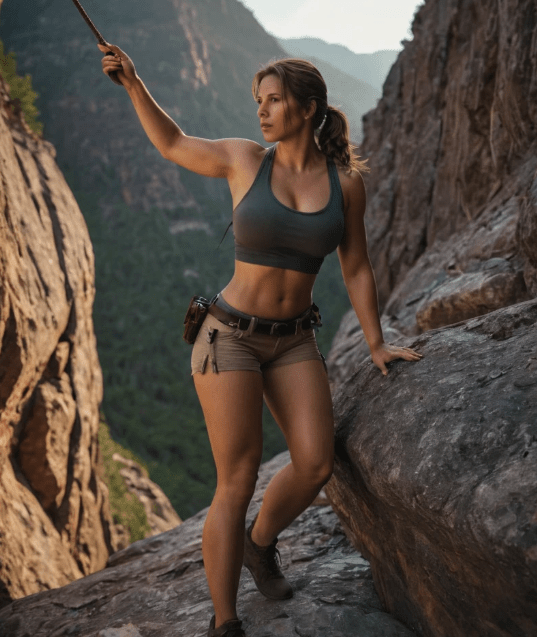
Utah Tiny Homes: Best Places for Tiny Living Near Nature

by Brooke Homestead — 2025 Female Survival Prepper of the Year

Utah is a state that tests your grit and rewards your preparation. From the red rock canyons of southern Utah to the snow-capped peaks of the Wasatch Range, this land is stunning, rugged, and wild — perfect for tiny home living if you choose your spot wisely. I’m Brooke Homestead, and I’ve lived off the grid, weathered storms in some of the harshest conditions, and built tiny, resilient homesteads where others wouldn’t dare. Today, I’m sharing my insights into the best places for tiny living near nature in Utah, along with practical survival tips for thriving in this beautiful state.


Best Places for Tiny Homes in Utah: Logan and Moab

Logan — Mountains, Rivers, and Community

Nestled in northern Utah, Logan is a gem for anyone wanting mountain views, fresh air, and a strong sense of community. Surrounded by the Wasatch-Cache National Forest, Logan provides ample opportunity for off-grid systems, hiking trails, and sustainable tiny home living.

Why Logan works:

  • Affordable land: Northern Utah generally has lower land prices than Salt Lake City, giving you more options for tiny home plots.
  • Supportive local planning: Logan and Cache County are open to small footprint homes, especially if you integrate them responsibly with utilities and septic.
  • Nature at your doorstep: You can enjoy rivers, trails, and forests without leaving your community.

Brooke Tip: Look just outside city limits where zoning is more flexible. This allows you to implement off-grid features like solar panels, rainwater capture, and composting toilets without running into bureaucratic headaches.

Moab — Desert Beauty and Adventure

If desert landscapes call your name, Moab is your spot. It’s small, welcoming, and surrounded by some of the most iconic natural scenery in the country, including Arches and Canyonlands National Parks.

Why Moab works:

  • Outdoor paradise: Your tiny home will be steps from incredible hiking, biking, and climbing adventures.
  • Tiny-friendly culture: Many residents are adventurers, artists, and off-grid enthusiasts, so communities are often supportive of alternative living arrangements.
  • Permits for small homes: Rural and small-town counties like Grand County tend to be more flexible with tiny homes on wheels or foundation-based tiny homes.

Brooke Survival Note: The desert climate is harsh — summer heat can soar past 100°F, and winters can be surprisingly cold at night. Solar energy, water storage, and insulated structures are essential.


Toughest Places for Tiny Homes in Utah: Salt Lake City Metro

Salt Lake City is a vibrant, modern city with plenty to offer — restaurants, cultural activities, and job opportunities. But if your vision is a true tiny home lifestyle with off-grid independence, Salt Lake City presents some big challenges.

Challenges:

  • High land prices: Even small plots are costly, often rivaling the price of a tiny home itself.
  • Strict zoning laws: The city primarily allows tiny homes as accessory dwelling units (ADUs), not as free-standing primary residences.
  • Limited rural access: Most parcels that could accommodate tiny homes are already developed or heavily regulated.

Brooke Advice: If Salt Lake City is a must, consider placing your tiny home as an ADU behind an existing property or joining a tiny home community or co-op. This is safer and legal while still letting you live small.


Zoning Laws in Utah — What Tiny Homesteaders Need to Know

Utah doesn’t have a statewide tiny home law. Instead, local counties and municipalities govern what’s allowed. Here’s the breakdown:

  • Accessory Dwelling Units (ADUs): Most urban areas, like Salt Lake City, allow tiny homes as ADUs — typically 200–400 square feet, attached or detached.
  • Tiny Homes on Wheels (THOWs): Rural counties often allow THOWs on private land if you comply with RV, building, and septic regulations.
  • Foundation-based Tiny Homes: Must comply with the Utah Uniform Building Code, including structural, plumbing, and electrical standards.

Brooke Tip: Always consult the local planning office before purchasing land. A parcel may look perfect for a tiny homestead, but zoning restrictions could make your dream impossible.


Cost of Land in Utah — Budget Considerations

Land prices vary dramatically depending on proximity to cities and natural attractions:

  • Northern Utah (Logan, Ogden): $5,000–$15,000 per acre for rural land. Close enough to towns to access utilities.
  • Southern Utah (Moab, Kanab): $10,000–$30,000 per acre. Desert plots offer adventure but limited water access.
  • Metro Areas (Salt Lake City, Provo): $50,000–$150,000+ per small lot. Tiny home builds often need ADUs to be legal here.

Extra Costs: Septic systems, wells, solar installations, and driveway construction can significantly add to your overall budget. Planning for these costs early will prevent surprises.


Climate Considerations — Utah Weather for Tiny Homes

Utah’s climate is diverse, and your tiny home needs to handle extremes:

  • Northern Mountains (Logan, Ogden): Cold winters with snow, mild summers. Insulation, heating, and winter-ready plumbing are critical.
  • Southern Desert (Moab, St. George): Hot summers, cold nights, occasional flash floods. Solar panels, water storage, and heat mitigation are essential.
  • Central Utah (Provo, Salt Lake Valley): Mix of mountain and valley climates. Wind, snow, and seasonal temperature swings must be considered in your build.

Brooke Survival Insight: Regardless of location, always plan for water management — Utah can be dry and unpredictable. Rainwater catchment, water conservation, and backup storage are survival essentials.


Final Tiny Home Thoughts from Brooke Homestead

Utah offers some of the most stunning backdrops in America for tiny living — but success comes down to preparation:

  • Logan and Moab: Best spots for small, nature-connected living.
  • Salt Lake City Metro: Beautiful but challenging for independent tiny homes.
  • Zoning and permits: Critical — always check before buying land.
  • Land costs and utilities: Plan realistically, especially if going off-grid.
  • Climate: Respect it, build resiliently, and your tiny home can thrive.

Tiny living is about freedom, resilience, and connection with nature. Utah rewards those who come prepared, informed, and determined.

Go build something small, strong, and sustainable — the mountains, deserts, and canyons of Utah are waiting.


Survival Gardening Advice for Utah from the 2025 Female Survivalist of the Year

(Click on any picture for a short video)

2025 Female Survivalist of the Year: Brooke Homestead

Brooke Homestead is 26. Former yoga model. Current wilderness tactician.

But what launched her into national recognition wasn’t a viral gardening video.

It was survival.

The Grand Canyon Incident

During a rafting trip near the rim of the Grand Canyon, Brooke’s raft capsized in fast-moving water after striking submerged rock.

Separated from the group.

Minimal supplies.

No phone.

Seven days.

Alone.


Brooke Homestead Speaks

“Hi, I’m Brooke. And yes — I survived the Grand Canyon with nothing but soaked clothes, a pocketknife, and stubborn optimism.

Here’s what nobody tells you: survival isn’t dramatic. It’s repetitive discipline.”


Brooke’s Wilderness Survival Breakdown

“When I hit the water, panic tried to take over. But panic burns energy. Energy is currency.

Step one: I secured elevation. I climbed above flood lines and assessed my surroundings. I located shade, then water access.

Step two: Water filtration. I used fabric layers from my clothing as primitive filtration, then boiled water in a makeshift rock basin using heated stones. It wasn’t pretty — but it worked.

Step three: Shelter. The canyon temperature swings are brutal. Daytime heat can exceed 100°F; nighttime can drop dramatically. I built a rock-backed windbreak and used layered debris insulation.

Step four: Food. I rationed energy instead of chasing calories. Foraging selectively — cactus fruit, edible plants I positively identified — but I didn’t overexert.

Step five: Signal strategy. I built three large rock markers in triangular formation — universal distress symbol. I positioned reflective materials to catch light.

The key lesson? Slow down. Think before moving. Most survival situations collapse because people act emotionally.

For Utah specifically: desert regions, canyons, and high elevations demand respect. Carry water. Study terrain. Never underestimate flash flood potential.

But if the worst happens? Stay methodical. Stay calm. Survival is just problem-solving under pressure.”

Brooke emerged dehydrated, sunburned, but stable — located after aerial search teams spotted her rock signal formation.

Preparedness saved her life.

Brooke Spills the Tea on Her Utah Survival Garden Secrets

After surviving seven days in the wilderness near the Grand Canyon, Brooke didn’t just become a wilderness icon. She doubled down on something less flashy — but more powerful:

Sustainable food systems designed for harsh climates.

Utah presents a unique prepper equation:

  • High elevation
  • Shorter growing seasons
  • Hot, dry summers
  • Cold winters
  • Alkaline soil in many regions

Most gardeners fail because they garden emotionally.

Brooke gardens strategically.


Utah Survival Gardening & Food Storage Masterclass

Utah gardening isn’t cute. It’s tactical. If you can grow food here, you can grow food almost anywhere.

Utah teaches discipline.

1. Know Your Microclimate

“Utah ranges from USDA zones 4 to 8 depending on elevation. A garden in Salt Lake Valley is different from one in the mountains near Park City.

Track frost dates. Not just average frost dates — track your actual last and first frost over multiple seasons.

And always assume one surprise frost.”

2. Focus on Cold-Hardy, Calorie-Dense Crops

“If you’re prepping for resilience, don’t waste half your garden on decorative produce.

Grow:

  • Potatoes
  • Carrots
  • Beets
  • Onions
  • Winter squash
  • Dry beans
  • Hard red wheat (Utah grows excellent wheat)

Leafy greens are great — but calories matter.”

3. Soil Is Everything in Utah

“Utah soil often trends alkaline and compacted.

Add:

  • Compost (heavy amounts)
  • Aged manure
  • Mulch layers to retain moisture
  • Sulfur amendments if needed for pH balance

Healthy soil reduces water needs by up to 30%.”

4. Water Discipline

“Utah summers are dry. Evaporation is ruthless.

Use:

  • Drip irrigation
  • Deep watering early in the morning
  • Thick mulch barriers
  • Windbreak fencing

Shallow watering creates weak roots. Deep watering creates survival plants.”

5. Season Extension Is Mandatory

“Invest in:

  • Cold frames
  • Hoop houses
  • Row covers

In Utah, season extension can add 30–60 extra growing days. That’s the difference between fresh produce in October and food scarcity.”

6. Plant Perennials for Stability

“Raspberries. Apples. Apricots. Hardy herbs like thyme and sage.

Perennials reduce workload and provide long-term food security.”

Now let’s move to something most people neglect.

Brooke’s Best Food Storage Techniques for Utah

“Growing food is phase one. Keeping it edible through a Utah winter? That’s phase two.”

Utah’s dry climate is actually an advantage — if you store properly.

1. Root Cellaring (Utah Advantage)

“Utah’s cool winters are ideal for root storage.

Store in a basement or insulated cellar:

  • Potatoes (38–40°F, dark environment)
  • Carrots packed in sand
  • Beets in sawdust
  • Onions in mesh bags with airflow

Keep humidity around 85–95% for root crops.”

2. Dehydration (Perfect for Utah’s Dry Air)

“Utah’s low humidity makes dehydration incredibly efficient.

Dehydrate:

  • Apples
  • Zucchini
  • Tomatoes
  • Herbs
  • Cooked beans

Store in vacuum-sealed bags with oxygen absorbers.”

3. Pressure Canning for High-Protein Stability

“Water bath canning is fine for acidic foods.

But if you want real preparedness:

  • Pressure can meats
  • Pressure can beans
  • Pressure can soups

Protein storage equals resilience.”

4. Wheat & Dry Goods Storage

“Utah is wheat country. Store hard red wheat berries in:

  • Mylar bags
  • 5-gallon food-grade buckets
  • Oxygen absorbers inside

Properly sealed, wheat lasts 20–30 years.

Add:

  • Rice
  • Lentils
  • Rolled oats

Build a rotating pantry. Never store what you don’t eat.”

5. Freeze-Resistant Storage Strategy

“Utah garages can freeze solid in winter. Don’t store liquids there.

Freezing can:

  • Break jars
  • Ruin canned goods
  • Destroy emulsified foods

Use insulated storage rooms.”

6. Inventory & Rotation System

“Preparedness without inventory tracking is hoarding.

Label everything.
Date everything.
Rotate every 6–12 months for canned goods.

Eat what you store.
Store what you eat.”

Best Survival Garden Vegetables to Grow in Utah

Utah’s climate presents unique challenges for survival gardening. With high elevation, low humidity, hot summers, cold winters, and a shorter growing season in many areas, gardeners must prioritize cold-hardy, fast-maturing, and drought-tolerant crops.

Potatoes are one of the best survival vegetables for Utah. They tolerate cool spring temperatures, produce calorie-dense harvests, and store well for months in a cool, dark place.

Carrots and beets thrive in Utah’s cooler spring and fall seasons. Root vegetables handle light frosts and provide reliable nutrition. They also store well when properly cured.

Dry beans, particularly bush varieties, grow well during Utah’s warm summers. Beans are protein-rich, improve soil health, and store long-term once dried.

Winter squash, such as butternut and Hubbard, perform well in Utah’s hot summer days. When cured properly, they can last through winter without refrigeration.

Kale and spinach are ideal for Utah’s cooler temperatures. These leafy greens can handle frost and often produce better in spring and fall than in peak summer heat.

Onions and garlic are excellent survival staples. Utah’s dry summers help cure bulbs naturally, extending their storage life.

Peas are well-suited to Utah’s cool springs and can be planted early. They mature quickly and provide both fresh food and seeds for drying.

With proper planning—using season extension methods like row covers and cold frames—Utah gardeners can build a dependable survival vegetable garden capable of feeding a family through changing seasons.

Best Survival Garden Fruits to Grow in Utah

Utah’s high elevation and cold winters require hardy fruit varieties that can withstand frost and temperature swings. The key to a successful survival fruit garden in Utah is selecting cold-hardy, drought-tolerant, and reliable producers.

Apple trees are one of the most dependable fruit choices in Utah. Many cold-hardy varieties thrive in the state’s climate and produce abundant fall harvests that store well for months.

Peach trees, especially hardy cultivars, perform well in many parts of Utah. They require winter chill hours, which Utah provides naturally, and yield sweet summer fruit ideal for canning.

Cherry trees, both sweet and tart varieties, grow successfully in Utah’s dry climate. Tart cherries are especially reliable and excellent for preserving.

Apricots are well adapted to Utah’s conditions, although late spring frosts can affect blooms. When protected, they produce flavorful early-summer harvests.

Grapes, particularly cold-hardy and table varieties, thrive in Utah’s sunny summers and low humidity. They can be eaten fresh, dried into raisins, or juiced.

Raspberries and blackberries grow well with irrigation and provide high-yield summer fruit. They are perennial and relatively low maintenance once established.

For smaller spaces, strawberries are cold-hardy and productive, offering reliable early-season fruit.

By focusing on frost-hardy fruit trees and perennials suited to dry climates, Utah gardeners can establish a long-term survival orchard that produces dependable harvests year after year.

Deadly Bugs of Utah: A Survival Prepper’s Guide to Avoiding Fatal Encounters

As a Utah survival prepper, I spend a lot of time helping people prepare for the dangers they don’t see coming. Most folks worry about earthquakes, winter storms, or getting lost in the mountains—and rightly so. But one of the most underestimated threats in Utah is far smaller, quieter, and often hiding right under your feet.

Insects and other biting arthropods may not look intimidating, but several species found in Utah can cause serious medical emergencies. While fatalities are rare, severe reactions, venom toxicity, and disease transmission can absolutely turn deadly if you’re unprepared or slow to act.

This article isn’t meant to scare you—it’s meant to keep you alive. Let’s talk about the most dangerous insects and insect-like pests in Utah, why they’re risky, and exactly what you should do to protect yourself and your family.


A Quick Survival Note on Terminology

Many people lump spiders, ticks, and scorpions in with insects. Technically, they’re arthropods, not insects—but from a survival perspective, what matters is the risk they pose. I’ll include them here because they’re responsible for the most serious bite- and sting-related emergencies in Utah.


1. Black Widow Spiders

Black widows are the most medically significant venomous spiders in Utah. They’re commonly found in garages, woodpiles, crawl spaces, sheds, and outdoor furniture.

Why they’re dangerous:
Black widow venom attacks the nervous system. While healthy adults usually recover with treatment, bites can cause severe muscle pain, breathing difficulty, and dangerous spikes in blood pressure. Children, seniors, and those with health conditions are at higher risk of life-threatening complications.

Survival tips:

  • Wear gloves when reaching into dark or cluttered areas.
  • Shake out shoes, boots, and outdoor gear before use.
  • Seek medical care immediately if bitten—do not “wait it out.”

2. Scorpions (Including the Arizona Bark Scorpion)

Southern Utah is home to scorpions, including the Arizona bark scorpion, the most venomous scorpion in North America.

Why they’re dangerous:
Scorpion venom can cause intense pain, numbness, breathing issues, and in rare cases, severe neurological reactions. Children are particularly vulnerable due to their smaller body size.

Survival tips:

  • Use blacklights at night to spot scorpions (they glow).
  • Seal cracks in walls, doors, and foundations.
  • Shake out bedding, clothing, and shoes in desert regions.
  • If stung and symptoms escalate, seek emergency care immediately.

3. Wasps, Hornets, and Bees

Stinging insects are responsible for more fatalities in the U.S. than any other venomous creature—and Utah is no exception.

Why they’re dangerous:
For individuals with severe allergies, a single sting can trigger anaphylaxis, a rapid and life-threatening reaction that affects breathing and blood pressure. Even non-allergic individuals can be at risk after multiple stings.

Survival tips:

  • Know if you or family members have sting allergies.
  • Carry an epinephrine auto-injector if prescribed.
  • Avoid swatting at flying insects—it increases attack risk.
  • Keep food sealed outdoors and trash covered.

4. Mosquitoes

Mosquitoes may seem like a nuisance, but they are one of the most dangerous insects in Utah due to disease transmission.

Why they’re dangerous:
Mosquitoes in Utah are known carriers of West Nile virus. While many cases are mild, severe infections can cause neurological complications and, in rare cases, death—especially in older adults.

Survival tips:

  • Eliminate standing water around your home.
  • Use EPA-approved insect repellents.
  • Wear long sleeves during peak mosquito hours (dusk and dawn).
  • Install and maintain window and door screens.

5. Fleas (Plague Risk)

This one surprises most people: fleas in Utah have historically carried plague bacteria, especially in rural areas with rodents.

Why they’re dangerous:
While modern medicine makes plague treatable, delayed treatment can be fatal. Human cases are rare, but they still occur in the western U.S.

Survival tips:

  • Avoid contact with wild rodents.
  • Treat pets with veterinarian-approved flea prevention.
  • Wear gloves when handling animals or cleaning sheds.
  • Seek immediate medical care for sudden fever after flea exposure.

6. Kissing Bugs (Western Conenose Bugs)

These insects are found in parts of Utah and are known for biting humans at night.

Why they’re dangerous:
Kissing bugs can carry parasites that cause Chagas disease, a serious illness if untreated. While transmission in Utah is uncommon, awareness is critical.

Survival tips:

  • Seal cracks around doors and windows.
  • Reduce outdoor lighting that attracts insects.
  • Keep sleeping areas clean and protected.
  • Report suspected sightings to local extension services.

7. Ticks

Ticks are becoming more common in Utah due to changing climates and increased wildlife movement.

Why they’re dangerous:
Ticks can transmit diseases such as Rocky Mountain spotted fever, which can be life-threatening if untreated.

Survival tips:

  • Perform full body tick checks after outdoor activities.
  • Wear light-colored clothing to spot ticks easily.
  • Use permethrin-treated clothing when hiking.
  • Remove ticks promptly with proper tools.

Final Prepper Advice: Awareness Saves Lives

Here’s the truth I tell every family I work with: Knowledge and preparation matter more than fear. None of these insects are out to get you—but ignorance and delay can turn a manageable situation into a medical emergency.

Stock a basic first-aid kit, know when to seek medical care, protect your home, and teach your kids what not to touch. In Utah’s wilderness and neighborhoods alike, the smallest threats are often the easiest to overlook.

Stay alert. Stay prepared. And most importantly—stay alive.

Utah Power Outages And How to Stay Safe With No Electricity During SHTF

When the power goes out unexpectedly—especially for days or even weeks—many people realize just how dependent they are on electricity. As a lifelong prepper and someone who cares deeply about helping others get through tough times, I want to offer you both practical skills and compassionate guidance. Whether you live in a cozy Utah suburb or out in the red rock country, preparing for blackouts isn’t paranoia; it’s wisdom.

The truth is, Utah has unique challenges during power outages: harsh winters, vast rural areas, and increasing pressure on infrastructure from population growth and climate instability. If the power grid goes down during an SHTF (S**t Hits The Fan) event, being ready can mean the difference between discomfort and disaster—or worse.

Let’s go through five essential survival skills to help you thrive without electricity, three creative DIY power hacks, three must-have products, and the five worst cities in Utah to be stuck in during a blackout. Then, we’ll talk about how to put it all together into a sustainable plan for your household.


5 Essential Survival Skills for Living Without Electricity

1. Firecraft and Heating Without Power
If the power goes out in the middle of a Utah winter, especially in the high-elevation zones like Park City or Logan, keeping warm becomes a life-or-death priority. Learn how to safely build and maintain indoor and outdoor fires. Stockpile dry firewood, invest in a wood-burning stove or indoor-rated propane heater, and know how to ventilate properly. Always have a carbon monoxide detector on standby with backup batteries.

2. Manual Water Sourcing and Purification
Your taps won’t run forever when there’s no electricity. Wells need pumps. City water systems can lose pressure or become contaminated. Every household should have at least one gravity-fed water filtration system (like a Berkey or DIY ceramic filter). Learn to collect rainwater, find natural water sources, and purify with methods like boiling, iodine tablets, and solar stills.

3. Food Preservation and Non-Electric Cooking
Once refrigeration is gone, spoilage happens fast. Learn to can, pickle, and dehydrate food. If you haven’t tried solar ovens or rocket stoves yet, they’re efficient and perfect for Utah’s sunny days. A Dutch oven and cast-iron skillet over an open flame or hot coals will also serve you well. Don’t forget: learning to make bread from scratch using natural leavening like sourdough is both comforting and sustaining.

4. Non-Electric Communication
Cell towers may stay up for a while on backup generators—but not forever. Learn to use and maintain ham radios or CB radios for local communication. Have printed local maps and know your community’s geography in case you need to travel for help or trade.

5. Security and Situational Awareness
During a long-term blackout, desperation can grow fast in urban centers. Practice situational awareness. That means knowing your neighbors, keeping a low profile when distributing supplies, and securing your home. Training in self-defense, installing manual locks, and developing a home perimeter plan could keep your family safe when tensions run high.


3 DIY Electricity Hacks for Blackout Survival

You don’t need to rely on the grid to power a few essentials. Here are three DIY hacks to produce or store electricity in a blackout:

1. Build a Bicycle Generator
A stationary bike connected to a car alternator or small generator can be a great way to generate small amounts of power—enough to charge phones, small batteries, or LED lights. You’ll need a voltage regulator and some basic tools, but there are many tutorials online to guide you.

2. DIY Solar Power Bank
Combine a small portable solar panel (20–100 watts) with a deep-cycle marine battery, charge controller, and inverter. It’s simple and scalable. You can store enough power to run a fan, charge phones, or even keep a small fridge cold for a few hours a day.

3. Thermal Energy Conversion
Use thermoelectric generators (TEGs) to convert heat from a stove or fire into usable electricity. They don’t produce a lot, but it’s enough to power LED lights or a USB-powered device. This is particularly useful in cold climates like Utah, where you’re running heat sources daily in winter anyway.


The 3 Most Important Survival Products When There’s No Electricity

If you only had three survival products to rely on during a major grid-down event, these would give you the highest chances of staying safe and healthy:

1. Multi-Fuel Stove or Rocket Stove
Cooking, boiling water, and warmth—all without power. A rocket stove is efficient, burns small sticks, and works in all weather. Better still if it runs on multiple fuels like wood, propane, or alcohol.

2. Gravity-Fed Water Filtration System
Clean water is survival priority #1. Systems like the Berkey can filter thousands of gallons of questionable water without electricity. For long-term SHTF, this could save your life.

3. LED Lanterns with Rechargeable Batteries
Safe, long-lasting lighting is essential, especially when candles are too risky or short-lived. Use rechargeable AA or AAA batteries and charge them via solar panels or bike generators.


5 Worst Cities in Utah to Lose Power During SHTF

When considering which cities in Utah would be hardest to survive in during an extended power outage, we’re looking at population density, elevation, climate severity, infrastructure weaknesses, and social dynamics. Here are the top 5 you want to prepare especially well for:

1. Salt Lake City
High population, heavy snow in winter, and a complex urban infrastructure make SLC extremely vulnerable. If stores are looted and fuel runs dry, people will be desperate. Suburbs might fare slightly better, but urban chaos can ripple out fast.

2. West Valley City
Utah’s second-largest city, West Valley has a similar problem—high density, minimal local agriculture, and large apartment complexes that become heat traps or iceboxes without power. Security concerns are also more significant here.

3. Ogden
Known for rough winters and older infrastructure, Ogden’s electrical systems aren’t as robust as they should be. It’s also a hub city, which means traffic bottlenecks and resource shortages happen fast.

4. Provo
Though home to BYU and a somewhat community-minded population, Provo’s growing tech sector and urban sprawl make it dependent on the grid. Winters can be harsh, and there’s not a ton of backup infrastructure.

5. Park City
Tourism and wealth mask a survival challenge here: high altitude, deep winter snow, and dependence on electric heat. When vacationers leave, residents may find themselves cut off from help due to snowed-in roads and empty shelves.


How to Prepare and Stay Safe

Now that you know what skills to learn, products to get, and what areas are most at risk, it’s time to form a simple, clear plan.

Step 1: Create Layers of Redundancy
Don’t just rely on one flashlight or one water source. Have backups. If your solar panel fails, you want a hand-crank option. If your propane runs out, you want a wood option.

Step 2: Practice What You Learn
Reading about survival is great, but try going one weekend a month without electricity. Cook all your meals on a rocket stove. Use only non-electric lighting. Try to wash clothes by hand. You’ll discover weaknesses in your plan that you can fix now, while it’s still easy.

Step 3: Build a Support Network
No one survives alone forever. Get to know your neighbors. Find like-minded folks in your area who are also prepping. Build a barter system or a shared emergency plan. In Utah especially, many communities are already tight-knit—you just need to lean into that.

Step 4: Stay Calm and Lead by Example
When SHTF, people will panic. But you’ve prepared. Keep your cool. Help those who need it without putting your own household in danger. Your calm presence might be what inspires others to organize instead of descend into chaos.


Final Thoughts

Living without electricity is not only possible—it’s how humans lived for thousands of years. With a little knowledge, a few tools, and a lot of heart, you can thrive even when the lights go out. Whether you’re in a city or tucked into the mountains, your readiness could mean everything for your family and even your community.

Be wise. Be kind. Be prepared.

Utah’s Worst Roads to Drive on During a Disaster

Driving Through Hell: Survivalist Tactics for Navigating Utah’s Worst Roads in a Disaster

I’ve crossed deserts with a leaking radiator, powered a truck with cooking oil, and once drove 60 miles with no brakes through war-torn terrain. I’ve learned one thing: survival favors the prepared, and nowhere is that truer than the remote, rugged, and often unforgiving roads of Utah. When disaster strikes—be it quake, flood, fire, or civil unrest—knowing how to drive your way out can mean the difference between life and death.

Utah is a stunning land, but don’t let the red rock beauty fool you. It can turn deadly fast. With fault lines under Salt Lake City, wildfire risks in the Wasatch, and flash floods in the canyons of Southern Utah, you need more than four-wheel drive. You need grit, knowledge, and a rig that won’t quit.

Let me walk you through the worst roads to be caught on when hell breaks loose, and the skills you’ll need to escape.


Utah’s Worst Roads in a Natural Disaster

  1. Interstate 15 through the Wasatch Front
    It’s the main artery, but that’s the problem. One quake or crash and it’s a parking lot from Ogden to Provo. Urban gridlock + panic = chaos.
  2. SR-9 into Zion National Park
    Gorgeous, but it turns into a deathtrap in flash flood season. Narrow, winding, and boxed in by canyon walls. No way out if water comes.
  3. Highway 6 through Spanish Fork Canyon
    Rockslides, poor visibility, and sudden weather shifts make this one a gamble on the best of days. In a quake or storm, you’re done.
  4. Mirror Lake Highway (SR-150)
    High-altitude and scenic, but it’s often snowbound even in early summer. Cell signal? Forget it. Landslides are common after storms.
  5. US-89 through Southern Utah
    Desolate and wide open, but prone to washouts and debris flows. If your tank’s not full or your rig’s not ready, you won’t make it.
  6. Parley’s Canyon on I-80
    Major route out of Salt Lake City, but slick in winter and vulnerable to truck crashes. A backup here can trap you for hours.
  7. La Sal Mountain Loop Road
    Remote, steep, and nearly impassable after rains or fire. Gorgeous views, but you’d be better off with wings if disaster hits.
  8. Capitol Reef’s Notom-Bullfrog Road
    Remote dirt track with clay-rich soil. When wet, it becomes pure sludge. People get stuck here on purpose trying to test themselves. Bad idea in a crisis.
  9. Kolob Terrace Road
    Twists and elevation changes make it beautiful but treacherous. Add a wildfire or landslide and you’re driving blind.
  10. Little Cottonwood Canyon Road (SR-210)
    Avalanche central in winter, and crowded with tourists year-round. One accident, and you’re locked in with nowhere to turn.

15 Survival Driving Skills That Might Save Your Life

  1. Driving Without Headlights (Night Stealth)
    Know how to navigate by moonlight or use just your running lights. Light draws attention in post-disaster chaos.
  2. Manual Transmission Mastery
    You’d be shocked how many people can’t drive stick. When automatics fail or you need to jump into an abandoned vehicle, this saves your hide.
  3. Off-Road Recovery Techniques
    Know how to rock your vehicle free, use traction boards, or build ramps from logs. Getting stuck can be fatal.
  4. Reading the Land
    Learn to read water drainage, slope lines, and road crown. It’ll help avoid flash floods, soft shoulders, or terrain that will swallow your wheels.
  5. Engine Cooling Tricks
    You may be crawling in 100-degree heat. Learn tricks like turning on the heater to bleed engine heat, or carrying aluminum foil for makeshift heat shields.
  6. Improvised Tire Repair
    Know how to use tire plugs, fix a bead break, or use duct tape and zip ties to limp on a shredded sidewall.
  7. Gas Can Handling and Fuel Transfer
    Carry a siphon kit and know how to use it. Stealing gas may be the only option when stations are empty.
  8. Driving in Reverse for Distance
    Sounds ridiculous, but if a road is blocked and turning around isn’t an option, you might need to back out a quarter mile or more.
  9. Braking with a Failed System
    Learn engine braking techniques and how to use terrain to slow down—like uphills or embankments.
  10. Vehicle Camouflage
    Paint mud on reflective surfaces, cover shiny parts, and learn how to park in shadow or brush to stay hidden.
  11. Escape Driving Under Gunfire
    Zig-zag driving, suppressing speed, using terrain like boulders or buildings for cover—this isn’t just for movies.
  12. Fuel Efficiency Tactics
    Kill A/C, slow down, coast when possible, and avoid hard acceleration. Fuel stretches longer than you think if you’re smart.
  13. Water Fording Techniques
    Know how to gauge depth and current. Enter slow, steady, and don’t stop. Know where your air intake is.
  14. Using Maps Without GPS
    Old-school paper maps and a compass never run out of batteries. Know how to read topo lines and mileage charts.
  15. Towing and Pushing Vehicles
    Chains, winches, or even using your rig to shove a dead vehicle off the road can be the difference between being trapped or getting out.

3 DIY Survival Driving Hacks When You’re Out of Gas

  1. Alcohol-Based Fuel Substitute (in an Emergency Only)
    Everclear, high-proof liquor, or rubbing alcohol can sometimes be used in small doses in older engines—especially carbureted ones. Not ideal, but enough to maybe get a few miles closer to safety.
  2. DIY Solar Oven Gasifier (Advanced)
    With metal cans, some tubing, and organic material, you can build a crude gasifier to generate burnable vapors for small engines. It’s slow and inefficient, but in the boonies, it can save you.
  3. Fuel Scavenging Rig
    Build a simple siphon setup with food-grade tubing and a primer bulb. Keep it clean, coiled, and stored in a side panel. In a pinch, you can draw from lawn equipment, boats, or other stranded vehicles.

The Survivalist’s Take

Surviving a disaster in Utah isn’t just about having the right gear—it’s about knowing the land and being mentally and mechanically ready to improvise. The desert will eat you alive if you think cell service and Google Maps are a plan. I’ve pulled families out of canyons and found hikers who were days from dying of dehydration. The consistent factor in who survives isn’t strength—it’s preparation.

You don’t need a $90,000 overlanding rig. But you do need a well-maintained vehicle, fuel on hand, food and water in your cab, and the will to do whatever it takes.

If you’re heading into the wild, or even just commuting across the Wasatch in winter, think like it’s a war zone—because sometimes, it is.


Drive smart. Drive prepared. Drive like your life depends on it—because one day, it just might.


Enough is Enough: The Raw Truth About Utah Homesteading

From One Fed-Up Homesteader to Anyone Still Paying for Store-Bought Eggs

Let me tell you something straight: if you’re out here in Utah talking about homesteading and you can’t gut a chicken, start a fire without a lighter, or preserve your own damn food, then you’re not homesteading. You’re cosplaying. And I’ve had it up to my straw hat with city folks pretending this life is all sunsets and sourdough starters.

We didn’t move out here to play pretend. We moved to get away from fragile systems, failing food chains, and the ever-suffocating noise of “convenience.” If you want to live this life—not just like it on Instagram—then roll up your sleeves. This lifestyle is brutal, beautiful, and not for the weak-minded.

Let me break it down for you with 15 skills you better learn yesterday if you’re going to make it through a winter in the Beehive State without crying into your cracked corn.


15 Homesteading Skills You Need in Utah (or Get Out of the Way)

  1. Canning and Food Preservation
    If you don’t know how to water bath or pressure can, you’re a liability. Period. Winters in Utah are unforgiving, and your garden’s not doing squat in January.
  2. Animal Husbandry
    Chickens, goats, pigs, rabbits—you need to know how to feed, breed, butcher, and heal them. If you flinch at blood, go back to Whole Foods.
  3. Seed Saving
    Buying new seeds every year? That’s not sustainable. Learn how to select, dry, and store seeds, or become dependent on the very system you claimed to reject.
  4. Composting
    You’re wasting gold if you’re tossing out scraps. Learn to compost properly and feed your soil, not the landfill.
  5. Basic Carpentry
    You’re not calling a contractor every time a coop door falls off. Learn to swing a hammer, measure twice, and build once.
  6. Firewood Cutting and Stacking
    If you heat with wood, you better start chopping in spring. You think you’re tough? Try splitting six cords by hand in July heat.
  7. Soap Making
    Your ancestors didn’t smell like lavender-vanilla nonsense. Learn to render fat, make lye, and keep your skin from falling off in the dry Utah air.
  8. Beekeeping
    If you’re not raising bees, you’re missing out on honey, wax, and crucial pollination. Plus, if you’re sweet, they’ll sting you—build character.
  9. Dutch Oven Cooking
    Campfire cooking isn’t just cute—it’s survival. If you can’t cook beans and cornbread in the wild, you’re dead weight.
  10. Fermentation
    Sauerkraut, kimchi, sourdough—these aren’t hipster trends. They’re preservation techniques, gut-health gold, and power-packed flavor.
  11. Off-Grid Power Knowledge
    Solar, wind, battery banks—you don’t get a pass when the power grid quits. Know how to run lights, charge radios, and keep the freezer cold.
  12. Irrigation and Water Management
    Utah’s dry, buddy. You better know how to move water, catch rain, and keep your soil moist without wasting a drop.
  13. Butchering and Meat Processing
    Don’t raise animals if you can’t face the knife. It’s a sacred act. Learn it, respect it, and do it right.
  14. Basic Veterinary Skills
    You don’t get to run to the vet every time a goat limps. YouTube it, stitch it, splint it—your animals depend on you.
  15. Root Cellaring
    Old school and underrated. If your carrots rot before December, you did it wrong. Build it. Use it.

3 DIY Homestead Hacks That Actually Work

Because I know not everyone’s made of money, here are three homemade solutions that actually pull their weight.

1. The Pallet Palace Chicken Coop

Don’t spend $2,000 on some prefab piece of junk. Get yourself six free pallets, a drill, and some scrap tin roofing. Line it with straw, cut out a few egg doors, and boom—you’ve got a sturdy, weather-tight coop for near-zero dollars. Bonus: it’s ugly enough to keep HOA types far away.

2. Gutter-to-Barrel Rain Catch System

Utah’s water laws are strict, but rain catchment up to 2 barrels per property is legal. So do it! Run gutters from your shed or home into a food-grade 55-gallon drum. Add a screen to keep the bugs out and a spigot at the bottom. There’s your free irrigation water.

3. The Five-Gallon Bucket Milking Stool

One old bucket, a chunk of 2×10, and some screws. Boom—you’ve got a portable milking stool and storage bucket in one. Add a lid, and your goat milk stays clean while you work.


A Word About Utah Living

Utah’s no joke. Between the high elevation, dry climate, and unpredictable seasons, it’s not the place to dabble. You need grit. Snow can hit in October and the sun can cook your garden in June. You’ll be cursing the alkaline soil, battling gophers, and praying your tomato plants hold on through late frosts.

And don’t get me started on property taxes and zoning. You want to build a tiny house or live in an RV? Good luck. You’ll need to be part attorney, part rebel, and 100% unshakable to keep your homestead legal and functional.


My Final Rant (For Now)

I don’t care if you’ve got matching enamel cookware, cute aprons, or a sourdough starter named Martha. If you’re not working every single day to feed yourself, learn a new skill, or improve your land, then you’re just playing homestead theater.

The grid is fragile. The food system is bloated and broken. If you think the grocery store will always be stocked, I hope you like powdered eggs and stale crackers. The only real security you have is what you can grow, raise, build, or fix with your own two hands.

So no more excuses. No more aesthetic photoshoots in flannel while you let your tomatoes die in the sun. Get out there. Work harder than you ever thought possible. Sweat more. Bleed a little. And earn your place in the dirt.

Because this—this raw, dusty, beautiful, back-breaking life—is the only real freedom left.

Is Utah’s Drinking Water Safe? An Angry Survivalist’s Guide to Not Dying of Thirst in the Desert

Is Utah’s Drinking Water Safe? An Angry Survivalist’s Guide to Not Dying of Thirst in the Desert

Let’s get one thing straight before we even start: if you’re asking whether Utah’s drinking water is safe, you’ve already made a mistake. You’re assuming that any government body, utility company, or faceless bureaucracy gives a damn about you or your family when the taps run dry or worse—start spewing poison. If you’re living in Utah, surrounded by deserts, red rock, and a bone-dry climate that could bleach the soul out of a rattlesnake, and you don’t have a backup plan for water, you’re not just unprepared—you’re bait.

Yeah, the officials will tell you Utah’s drinking water is “generally safe.” Go ahead, read the reports, scan through the carefully worded EPA compliance checkboxes. They’ll say things like “meets federal standards” or “low levels of contamination.” But dig just a little deeper and you’ll find trace amounts of arsenic, perchlorate, uranium, and nitrates in some of the water sources across the state. Not to mention aging infrastructure in rural areas, possible backflow events, and stormwater runoff from nearby agriculture and mining operations. You trust that tap water? Might as well start licking puddles off a gas station floor.

So what does a sane, prepared human being do in this kind of environment?

You learn to filter, purify, and hack your way to clean water—or you get left behind.

15 Water Filtration Survival Skills Every Utahn Needs (Especially if You’re Not a Sheep)

  1. Boiling – The oldest trick in the book. Bring water to a rolling boil for at least one minute (three at elevation). Kills bacteria, viruses, and parasites. Doesn’t remove chemicals, though—so don’t stop here.
  2. Activated Charcoal Filtering – You can DIY this with charcoal, sand, and gravel in a two-liter bottle. It helps remove bad taste, odor, and some chemicals. Stack it with boiling for best results.
  3. Portable Water Filter (LifeStraw, Sawyer Mini) – Lightweight, field-tested, and can be thrown in your go-bag. Don’t go anywhere without it. Seriously.
  4. Gravity-Fed Water Filter Systems – For base camps or your homestead. These can process gallons per day without electricity. Brands like Berkey or homemade bucket systems are a must.
  5. Solar Still Construction – Dig a hole, lay in green vegetation, set up a plastic sheet and a container. The sun does the rest. It’s slow, but it works—especially in a sunburned place like Utah.
  6. Bleach Purification – Unscented household bleach. Eight drops per gallon. Shake, wait 30 minutes. If it smells faintly of chlorine, it’s good. If not, dose again. Don’t drink straight after—let it breathe.
  7. Iodine Tablets or Tincture – Not tasty, but effective. Kills most pathogens. Don’t use long term—bad for thyroid. Keep it in your kit for emergencies.
  8. UV Light Pen (Steripen) – Zaps microbes using ultraviolet light. Needs batteries, so don’t count on it for the long haul, but handy in the short term.
  9. Sand and Gravel Pre-Filters – Want your fancy filter to last longer? Run your water through a bucket of sand and gravel first. Takes out sediment and debris.
  10. Clay Pot Filters – Ancient technology still kicking. Clay pots with activated charcoal inside. Slow but effective—great for a cabin or rural homestead.
  11. DIY Bio-Filter Systems – Layer sand, charcoal, and gravel in a large barrel. Great for filtering rainwater or stream water before boiling or chemical treatment.
  12. Rainwater Harvesting – It’s legal in Utah in moderation. Collect rain from your roof with a clean system. Filter it before use—bird crap and dust settle on rooftops.
  13. Stream Sediment Settling – Let muddy water sit for a few hours to allow sediment to sink before filtering. Don’t destroy your filters with silt.
  14. Pre-Filtering with Cloth – Run water through a clean T-shirt or bandana to get out the chunks before treating it further.
  15. Filtering Through Grass or Reeds – In a pinch, layering clean grass or reeds in a bottle can help filter large particles and improve taste. Primitive, but better than drinking straight swamp.

3 DIY Survival Drinking Water Hacks for the Desperate (or Just Damn Smart)

Hack #1: The Tarp + Hole Solar Still

Got plastic sheeting? Dig a hole in the ground, toss in some vegetation (or even your own urine if you’re desperate), put a cup or container in the middle, stretch the plastic over the hole, and place a rock in the center to create a dip. The sun heats the contents, moisture evaporates, condenses on the plastic, and drips into the cup. Slow as hell—but pure as snowmelt.

Hack #2: Tin Can Water Distiller

You need two cans—one full of dirty or salt water, the other empty. Connect them with aluminum foil or copper tubing if you’ve got it. Heat the full can over a fire. Steam rises, travels through the foil/tube, condenses in the second can. Boom—clean water. Basic distillation, no lab coat needed.

Hack #3: Emergency Pine Tree Filter

This is for last-resort situations. Pine trees exude sap and compounds that can act as crude water filters when passed through layers of pine bark and branches. Don’t count on it to kill viruses, but in a survival pinch, it can take the edge off cloudy water. Filter, then boil.


Back to Utah: Why You Can’t Trust the Tap

Parts of Utah rely on groundwater sources that are increasingly contaminated by agricultural runoff. Then you’ve got surface water systems that can be overwhelmed by heavy storms, wildfire ash, and algal blooms. Small towns with outdated treatment facilities? They’ve had boil orders before, and they’ll have them again. Just because your water is clear doesn’t mean it’s safe. Colorless, odorless death is still death.

Let me remind you of the St. George arsenic situation in the early 2000s—residents unknowingly drank water with high levels of arsenic for years. And that was with regulation. You think they’ll sound the alarm the second something goes wrong again? Or will they sit on it, spin it, and play PR games while your gut turns inside out?

And when the big one hits—be it earthquake, power grid collapse, drought, EMP, or social upheaval—you think clean water will just keep flowing out of that spigot like magic? Think again.

Utah is a high-desert, low-water nightmare waiting to happen. And if you’re not prepared, you’re already dead—you just don’t know it yet.


What You Need to Do Right Now

Practice using every one of the above filtration techniques. If you wait until you need them, you’re already too late.

Stockpile clean water—at least 1 gallon per person per day, for two weeks minimum.

Invest in multiple filtration methods—don’t rely on just one.

Scout local water sources—streams, springs, ponds. Learn their behavior year-round.

The Most Popular Hiking Trails in Utah, and Why They’re So Dangerous

Utah is a land of extremes — a place where red rock can burn your hands and a blue sky can cook your skull. It’s beautiful, sure. World-famous, even. But don’t let the Instagram feeds and tourist brochures fool you. Those picture-perfect trails? They’re not safe, and they definitely aren’t forgiving.

As a survival prepper who’s spent years hiking, camping, and going off-grid across this country, I’ve learned the hard way: Utah doesn’t care how much experience you think you have. It’ll chew up your boots, dry out your body, and drop you into a slot canyon that floods faster than you can say “I should’ve checked the weather.” Hiking Trails: Utah Hiking Trails

You want raw adventure? Utah’s got it. But you better pack like you’re not coming back. Because if you slip up out here — even on a so-called “popular” trail — there might not be anyone around to help.

So here it is: the top 20 most popular hiking trails in Utah, with a survivalist’s breakdown of why they’re so dangerous. If you’re headed out there, don’t say I didn’t warn you.


🔥 Top 20 Most Popular — and Dangerous — Hiking Trails in Utah


1. Angels Landing

Location: Zion National Park
Length: ~5.4 miles round trip
Why it’s dangerous: Narrow spine, 1,000-foot drop-offs, and crowded ledges. One gust of wind or misplaced foot and it’s lights out.


2. The Narrows

Location: Zion National Park
Length: Up to 16 miles
Why it’s dangerous: Flash floods. When the water rises, it rises fast — and there’s nowhere to go. Cold water and strong currents can sweep you away.


3. Delicate Arch Trail

Location: Arches National Park
Length: ~3 miles
Why it’s dangerous: Exposed terrain, slickrock, no shade. It’s beautiful… until you’re dehydrated and lost in 100-degree heat.


4. The Subway (Left Fork)

Location: Zion National Park
Length: ~9 miles (route-finding required)
Why it’s dangerous: Technical route. Water crossings, slippery boulders, and flash flood zones. Rescue access is limited.


5. Bryce Canyon Rim Trail

Location: Bryce Canyon National Park
Length: ~11 miles
Why it’s dangerous: Loose gravel near cliff edges, elevation gain, and sudden storms with lightning strikes.


6. Devils Garden Trail

Location: Arches National Park
Length: ~7.9 miles
Why it’s dangerous: Rock scrambles, steep drop-offs, poor trail markings on the Primitive Loop. Easy to get disoriented.


7. Peekaboo and Spooky Gulch

Location: Grand Staircase-Escalante
Length: ~3.5-mile loop
Why it’s dangerous: Slot canyons that get pitch black, tight squeezes, and real flood risk. Claustrophobia warning.


8. Mount Timpanogos Trail

Location: Wasatch Range
Length: 14-15 miles
Why it’s dangerous: Altitude sickness, snowfields into summer, and mountain lion territory. Weather turns brutal fast.


9. Observation Point via East Mesa Trail

Location: Zion National Park
Length: ~7 miles
Why it’s dangerous: Long drop-offs, loose rock, and the illusion of being “easy.” Heatstroke is common.


10. Red Pine Lake Trail

Location: Little Cottonwood Canyon
Length: ~7.4 miles
Why it’s dangerous: Steep ascents, sudden snow, and ice even in spring. One misstep on wet granite could be fatal.


11. Lake Blanche Trail

Location: Big Cottonwood Canyon
Length: ~6.9 miles
Why it’s dangerous: Steep incline, exposed rock faces, and moose encounters. Many underestimate the descent.


12. Kanarra Falls Trail

Location: Near Zion
Length: ~4.4 miles
Why it’s dangerous: Slippery ladders, cold water, flash flooding. Injuries are common on the climb.


13. Canyon Overlook Trail

Location: Zion National Park
Length: ~1 mile
Why it’s dangerous: Easy hike, but very exposed. No railings. Tourists love to test fate on the edges.


14. Snow Canyon Lava Tubes Trail

Location: Snow Canyon State Park
Length: ~2.5 miles
Why it’s dangerous: Collapsible lava tubes, loose footing, extreme summer heat. Headlamp is mandatory.


15. Grandstaff Canyon to Morning Glory Bridge

Location: Near Moab
Length: ~4.5 miles
Why it’s dangerous: Flash flood zone, slippery creek beds, and hidden drop-offs.


16. Coyote Gulch

Location: Grand Staircase-Escalante
Length: ~11 miles
Why it’s dangerous: Water crossings, quicksand, isolation. Permits required for a reason — it’s no joke.


17. Fisher Towers Trail

Location: Near Moab
Length: ~4.4 miles
Why it’s dangerous: Sheer cliffs, sudden storms, and desert sun that’ll dry you out like jerky.


18. Slot Canyon Loop (Willis Creek)

Location: Grand Staircase-Escalante
Length: ~5 miles
Why it’s dangerous: Flash floods and disorientation. Looks easy, but the canyon winds forever. Hard to escape fast.


19. Deseret Peak Loop

Location: Stansbury Mountains
Length: ~7.4 miles
Why it’s dangerous: High altitude, remote setting, lightning risk above treeline. Hypothermia in summer? Yep.


20. The Wave (South Coyote Buttes – technically in Arizona, but accessed via Utah)

Location: Near Kanab
Length: ~6.4 miles
Why it’s dangerous: No marked trail, extreme heat, and disorientation. GPS recommended — and even that can fail.


🧭 Survival Tips for Hiking in Utah

Let’s get one thing straight: Utah’s terrain isn’t dangerous because it hates you — it’s dangerous because it doesn’t care if you’re ready or not. And most folks? They’re not.

You’re not hiking in a theme park. You’re stepping into real-deal wilderness, often miles from help, water, or shade. Here’s my essential prep checklist before I even step onto a Utah trail:

🧰 My Non-Negotiable Loadout:

  • 3L of water minimum, with backup purification tabs
  • Fixed-blade survival knife (not your folding pocket toy)
  • First aid kit with trauma gear
  • Topographic map + compass + downloaded offline GPS maps
  • Electrolytes, jerky, hard carbs
  • Sun hat, SPF 50+, sunglasses
  • Emergency bivy or tarp shelter
  • Headlamp (even on day hikes — because you might not make it out before dark)
  • Satellite communicator or whistle/mirror combo

Bonus: I also carry a small water straw and a ferro rod, because I don’t trust tech-only gear in red rock country.


👣 Final Thoughts from a Dirt-Ready Survivalist

A lot of people come to Utah looking for adventure. And they get it. But they also get heatstroke, twisted ankles, dehydration, and in the worst cases — body bags. That’s not fear-mongering. That’s facts.

But here’s the flip side: If you go in prepared, these trails will reward you with the most unforgettable views and soul-rattling solitude you’ll find anywhere in the U.S.

The sun setting over Delicate Arch. The view from Angels Landing after a brutal climb. The silence of a slot canyon where you can hear your own heartbeat. That’s why we hike. But it’s also why we prepare — because you don’t earn those moments without risk.

Utah doesn’t want your weakness. It demands your respect. Give it, and you’ll walk away stronger, smarter, and more in tune with the wild than ever before.

Stay sharp. Stay alive. I’ll see you on the next ridgeline.