Colorado Insects That Can Kill You and Why You’re Not Ready

Let’s get one thing straight right out of the gate: nature does not care about you. Colorado doesn’t care about you. The mountains don’t care. The plains don’t care. And the insects crawling, flying, biting, and stinging their way across this state certainly don’t care. The world likes to sell you a postcard version of Colorado—clean air, blue skies, hiking trails, and sunshine. That’s the lie. The truth is that this state is crawling with small, angry, venomous, disease-carrying creatures that can ruin you—or kill you—faster than you think.

And before anyone jumps in with “technically that’s a spider, not an insect,” save it. When you’re on the ground in pain, your body shutting down, taxonomy won’t save you. Survival will.

This article isn’t here to comfort you. It’s here to warn you.


1. Wasps, Hornets, and Yellowjackets: Death by Allergy or Numbers

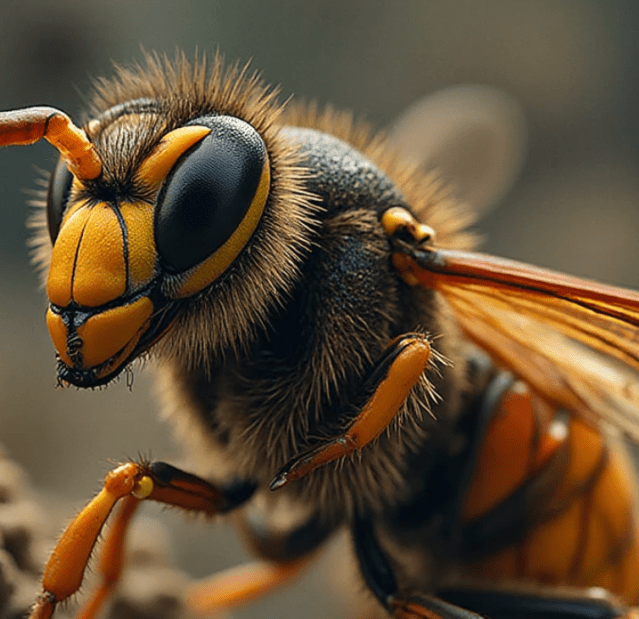
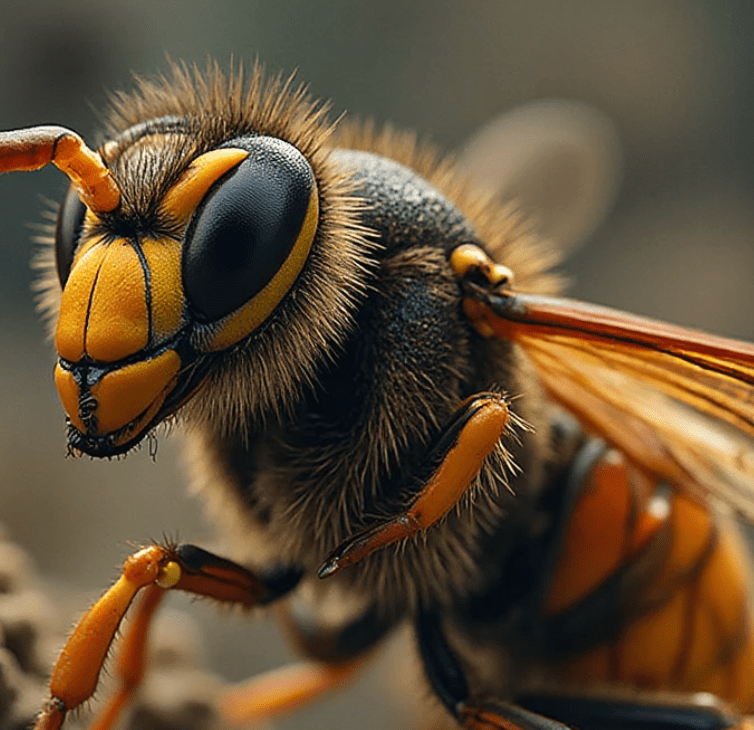
Let’s start with the obvious menace most people underestimate: stinging insects. Yellowjackets, paper wasps, hornets, and various bees are everywhere in Colorado—from urban backyards to remote campsites.

For most people, a sting is painful but survivable. For others, it’s a death sentence.

Anaphylaxis doesn’t announce itself politely. Your throat swells, your blood pressure drops, your airway closes, and panic sets in. If you don’t have immediate access to emergency treatment, you’re done. No heroics. No second chances.

Even if you’re not allergic, multiple stings can overwhelm your system. Disturb a nest while hiking or mowing the lawn, and you won’t be dealing with “one or two stings.” You’ll be dealing with dozens.

Survival Reality Check:

  • Know whether you’re allergic before you’re in the wilderness.
  • Carry emergency medication if prescribed.
  • Avoid ground nests like your life depends on it—because it might.
  • Don’t rely on cell service to save you. Out here, help is often far away.

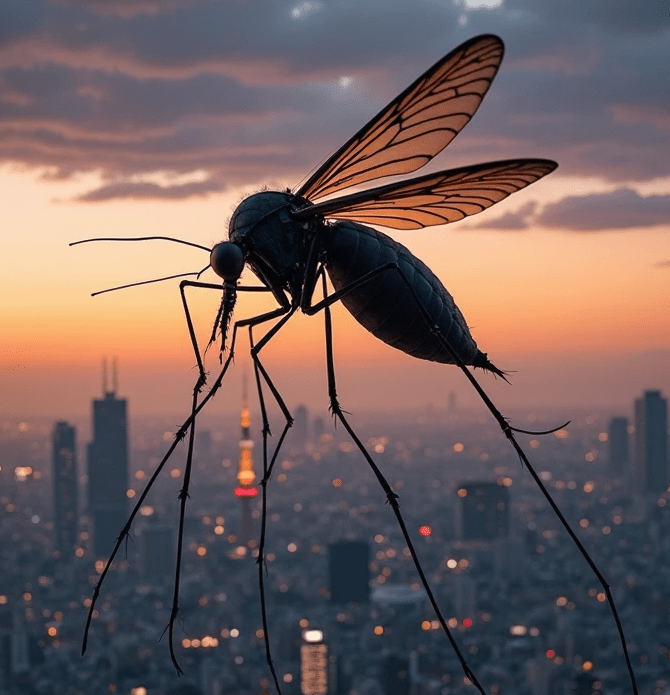
2. Mosquitoes: The Silent Disease Delivery System

People laugh at mosquitoes. They shouldn’t.

Colorado mosquitoes are known carriers of West Nile virus, which can lead to severe neurological damage or death. You don’t feel it happening. You don’t hear it coming. You get bit, you move on, and days later your body starts betraying you.

The danger here isn’t drama—it’s invisibility. No venom. No warning. Just consequences.

Survival Reality Check:

  • Use insect repellent consistently, not occasionally.
  • Avoid stagnant water areas, especially at dusk.
  • Don’t ignore flu-like symptoms after heavy mosquito exposure.
  • Prevention is the only defense—there is no fast cure.

3. Ticks: Tiny Parasites with a Long Memory

Colorado is home to several tick species, including the Rocky Mountain wood tick. These things latch on quietly and stay there, feeding while transferring bacteria and viruses into your bloodstream.

Colorado tick fever is real. So are other tick-borne illnesses that can leave you hospitalized or worse.

Ticks don’t need wilderness. They thrive in grass, brush, and even suburban yards. You don’t have to be “roughing it” to get hit.

Survival Reality Check:

  • Do full-body checks every time you’re outdoors.
  • Remove ticks properly and promptly.
  • Don’t assume symptoms will show up immediately.
  • Treat tick bites as serious business, not an inconvenience.

4. Black Widow Spiders: Venom with a Bad Attitude

Yes, spiders aren’t insects. No, that doesn’t make them less dangerous.

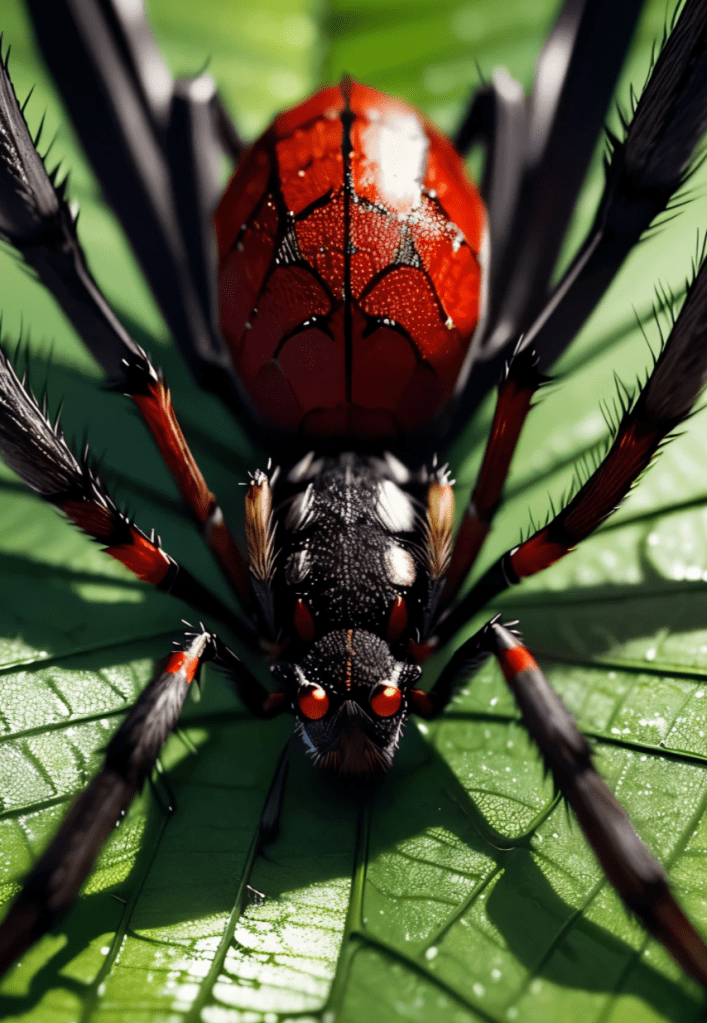
The western black widow is present in Colorado and carries neurotoxic venom that can cause severe pain, muscle spasms, breathing difficulty, and systemic reactions. While deaths are rare, “rare” doesn’t mean impossible—especially for children, older adults, or anyone with underlying conditions.

They like dark, quiet places: woodpiles, sheds, garages, and yes, sometimes your home.

Survival Reality Check:

  • Wear gloves when handling debris or firewood.
  • Shake out boots and clothing left outside.
  • Seek medical attention immediately after a bite.
  • Ignoring symptoms is how people get into real trouble.

5. Blister Beetles: Chemical Warfare in a Shell

Blister beetles don’t sting or bite, which makes them more dangerous than you think. They secrete cantharidin, a toxic chemical that causes severe skin blistering and can be deadly if ingested.

Livestock deaths from blister beetles happen every year. Humans aren’t immune to the toxin’s effects—it can damage the digestive and urinary systems.

They’re common in Colorado during warmer months, especially in agricultural areas.

Survival Reality Check:

  • Never handle unfamiliar beetles with bare hands.
  • Wash skin immediately after contact.
  • Keep them away from food and water sources.
  • “Harmless-looking” is a trap.

6. Kissing Bugs: Rare but Real

Triatomine insects—commonly called kissing bugs—have been documented in Colorado. They can carry Trypanosoma cruzi, the parasite responsible for Chagas disease.

The disease can cause long-term heart and digestive damage and may be fatal years after infection. Most people don’t even realize they’ve been infected until the damage is done.

Survival Reality Check:

  • Seal cracks in homes and sleeping areas.
  • Use screens and reduce outdoor lighting that attracts insects.
  • Don’t ignore unexplained symptoms after insect exposure.
  • Just because something is “rare” doesn’t mean it won’t be you.

Final Thoughts: Survival Is a Mindset

Here’s the part no one likes to hear: the world is not getting safer, cleaner, or more forgiving. Medical systems are strained. Response times are slow. People are distracted, complacent, and unprepared.

Insects don’t care about your optimism.

Survival in Colorado—or anywhere—requires awareness, preparation, and a healthy distrust of anything small enough to crawl under your defenses. You don’t need to panic. You need to pay attention.

Because out here, it’s never the big threats that get you.
It’s the little ones you didn’t take seriously.

A Survivalist’s Guide to New Mexico’s Most Dangerous Insects

I’ve lived in New Mexico long enough to know one undeniable truth: this land does not care if you are prepared, educated, or respectful. It will test you anyway. And if you’re one of those people who parachutes in from some soft, bug-free suburb and assumes “it’s just the desert,” you’re already behind the curve.

New Mexico is beautiful, brutal, and unapologetically lethal to the careless. The mountains, mesas, arroyos, and high desert all come with built-in security systems. Some have claws. Some have teeth. And some—small, quiet, and overlooked—can put you in the ground or the hospital before you even realize what went wrong.

This article isn’t written for tourists or armchair nature lovers. It’s written from the perspective of a survival prepper who actually lives here, sweats here, and respects the dangers that come with calling New Mexico home. These are the insects in this state that can kill you outright, or come close enough that you’ll never forget how fragile you really are.

If you don’t live here, you probably won’t take this seriously. That’s your problem. For those of us who do live here, this is just reality.


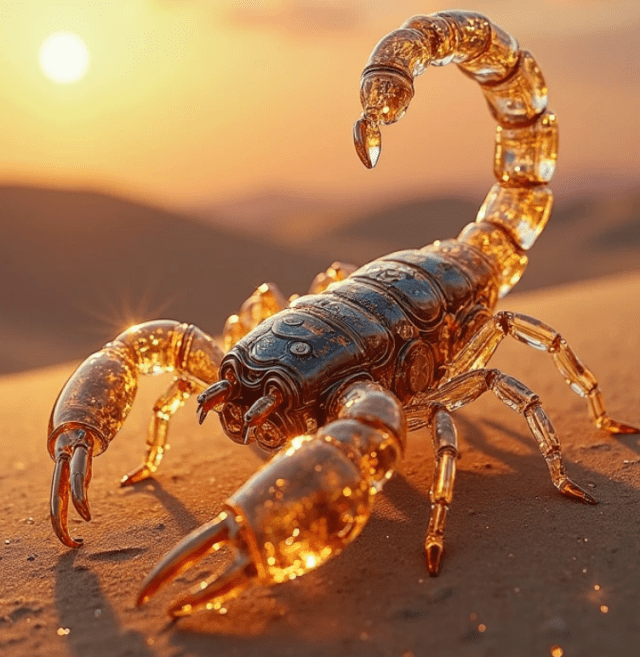
1. Arizona Bark Scorpion (Centruroides sculpturatus)

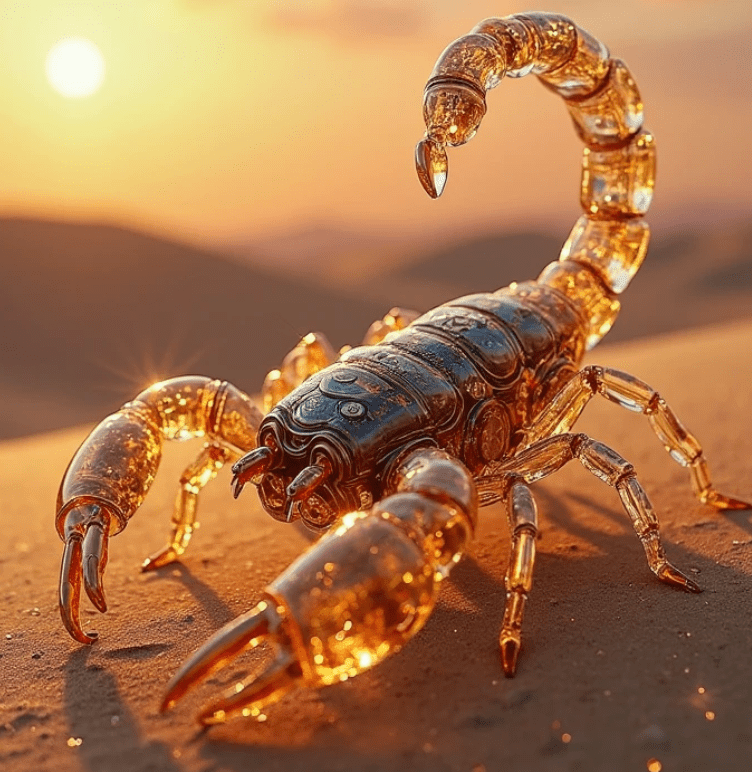
Let’s start with the most infamous insect-like threat in New Mexico: the Arizona bark scorpion. Yes, it’s technically an arachnid, but out here we lump it in with insects because it behaves like one—sneaky, fast, and absolutely unforgiving.

This scorpion is the most venomous scorpion in North America, and southern New Mexico is well within its range. Unlike the big desert scorpions people expect, bark scorpions are smaller, lighter in color, and far more dangerous.

Why It’s Deadly

For healthy adults, a sting may not always be fatal—but “not always” is not the same as “safe.” For children, the elderly, and anyone with compromised health, a bark scorpion sting can be life-threatening.

Symptoms can include:

  • Severe pain and numbness
  • Difficulty breathing
  • Muscle twitching and convulsions
  • Slurred speech and loss of coordination

Out here, emergency medical care may not be close. That’s where people die—not from the venom alone, but from distance, time, and ignorance.

Survival Reality

Bark scorpions climb walls, hide in shoes, and love woodpiles. Anyone who lives in New Mexico knows you shake your boots before putting them on. Outsiders laugh at that habit—until they stop laughing.


2. Black Widow Spider (Latrodectus spp.)

If there’s one creature that outsiders underestimate every single time, it’s the black widow spider. They’re common in New Mexico, especially around sheds, garages, irrigation boxes, and rural homes.

They are not aggressive. That’s the lie people tell themselves right before they get bitten while reaching into a dark corner without thinking.

Why It’s Dangerous

Black widow venom is a powerful neurotoxin. While fatalities are rare with modern medical care, “rare” doesn’t mean impossible—especially in remote areas.

Symptoms may include:

  • Intense muscle cramps
  • Abdominal pain that mimics appendicitis
  • Sweating and nausea
  • Elevated blood pressure

The pain alone can be debilitating. If you’re hours from medical help, that pain becomes dangerous fast.

Survival Reality

You don’t stick your hands where you can’t see in New Mexico. Period. Anyone who didn’t grow up here learns that lesson the hard way.


3. Africanized Honey Bee (Apis mellifera scutellata hybrid)

If you want to talk about insects that absolutely can kill you, Africanized honey bees—often called “killer bees”—deserve your full attention.

They are established in New Mexico, and unlike regular honey bees, they do not de-escalate. They escalate.

Why They Kill

It’s not the venom. It’s the numbers.

Africanized bees respond faster, attack in greater numbers, and chase perceived threats much farther than European honey bees. A single sting may not kill you, but dozens or hundreds absolutely can.

Fatal outcomes occur due to:

  • Massive envenomation
  • Allergic reactions
  • Respiratory distress

Survival Reality

If you disturb a hive in New Mexico, you do not “stand your ground.” You run. You don’t swat. You don’t film. You escape and get indoors. This is not negotiable.

Outsiders think bees are cute. Locals know better.


4. Kissing Bugs (Triatominae)

This one shocks people because it doesn’t look dangerous. Kissing bugs are stealth killers, and New Mexico has them.

These insects are known vectors for Chagas disease, a serious and potentially fatal illness.

Why They’re Deadly

The danger isn’t the bite—it’s what comes after. Chagas disease can cause:

  • Heart enlargement
  • Heart failure
  • Digestive system damage

Many people don’t realize they’re infected until years later, when the damage is already done.

Survival Reality

Adobe homes, rural structures, and older buildings are prime habitat. If you live in New Mexico, you seal cracks, control pests, and don’t ignore unusual bites. This is long-term survival, not immediate drama.


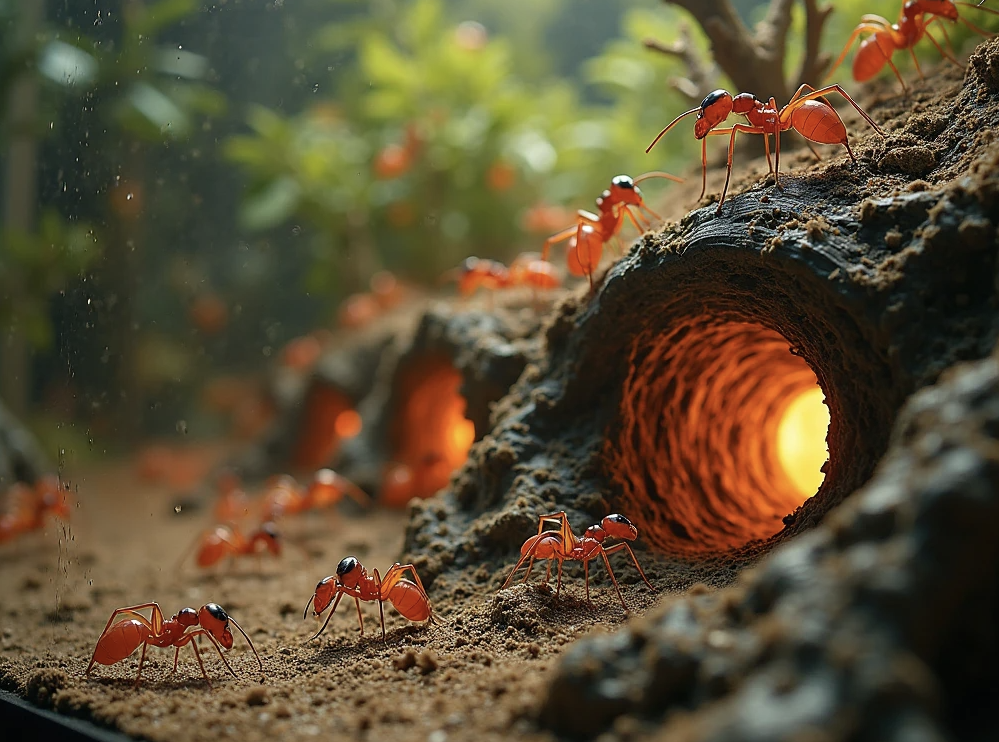
5. Fire Ants (Solenopsis species)

Fire ants are spreading, and New Mexico is not immune. While individual stings hurt, the real danger comes from swarm attacks and allergic reactions.

Why They Kill

Fire ants attack in numbers, stinging repeatedly. For people with allergies, this can lead to anaphylaxis. Even without allergies, dozens of stings can overwhelm the body.

Symptoms can include:

  • Severe swelling
  • Dizziness
  • Breathing difficulty

Survival Reality

You watch where you step. You teach your kids to recognize ant mounds. And you never assume “it’s just ants.”


6. Tarantula Hawk Wasp (Pepsis spp.)

If pain were a weapon, the tarantula hawk would be a biological masterpiece. This massive wasp is native to New Mexico and carries one of the most painful stings on Earth.

Why It’s Dangerous

While the sting is rarely fatal, the pain can incapacitate a person instantly. In desert terrain, incapacitation equals danger.

A person stung while hiking, climbing, or working alone may:

  • Collapse
  • Lose coordination
  • Be unable to seek help

Survival Reality

You give this insect space. Period. No bravado. No curiosity. New Mexico punishes arrogance.


7. Brown Recluse Spider (Loxosceles spp.)

Brown recluse spiders exist in parts of New Mexico, despite what some people claim. Their venom causes tissue damage that can become severe if untreated.

Why They’re Dangerous

Most bites heal, but some result in:

  • Necrotic wounds
  • Secondary infections
  • Systemic reactions

Left untreated, complications can become life-threatening.

Survival Reality

Clean living spaces. Reduce clutter. Pay attention to unexplained wounds. Survival is about awareness, not panic.


Final Thoughts from Someone Who Actually Lives Here

New Mexico is not for the careless. It never has been.

The insects listed above don’t need malice or intent. They don’t hunt you. They don’t care about you at all. And that’s what makes them dangerous. The desert doesn’t warn you. It educates you through consequences.

People who don’t live here like to downplay these risks. They call it fearmongering. They say, “I’ve never had a problem.” That tells me everything I need to know about how little time they’ve spent paying attention.

Survival in New Mexico isn’t about being scared—it’s about being realistic. Respect the land. Respect the creatures. And understand that out here, even the smallest things can end your story if you’re foolish enough to ignore them.

If that offends you, good. New Mexico doesn’t need your approval.

Arizona’s Deadliest Insects – What Can Kill You and How to Stay Alive

Arizona is one of the most beautiful and unforgiving landscapes in the United States. As a survival prepper, I respect the desert not because it is harsh—but because it is efficient. Everything here is designed to survive, defend itself, or kill. While most people worry about snakes or extreme heat, some of the greatest threats in Arizona come in very small packages.

Insects and insect-like arthropods are responsible for more serious injuries, allergic reactions, and deaths worldwide than nearly any other group of animals. In Arizona, several species can end your life quickly if you’re unprepared, unaware, or slow to respond.

This article is not meant to scare you—it’s meant to prepare you. Survival always favors the informed.


First, a Survival Reality Check

Before diving in, understand this critical principle:

Most people don’t die from the insect itself—they die from delayed reaction, ignorance, or panic.

Preparation, awareness, and fast action are what separate survival from tragedy.


1. Arizona Bark Scorpion (Centruroides sculpturatus)

The Arizona bark scorpion is the most venomous scorpion in North America and one of the most dangerous creatures you’ll encounter in the state.

Why It’s Deadly

  • Its venom attacks the nervous system
  • Children, elderly individuals, and those with compromised health are at highest risk
  • Stings can cause breathing difficulty, convulsions, and severe neurological reactions

While healthy adults often survive, underestimating this scorpion is a mistake.

Survival Prepper Tips

  • Shake out shoes, clothing, and bedding—especially at night
  • Seal cracks in walls, baseboards, and door frames
  • Use blacklights at night; bark scorpions glow under UV light
  • Seek medical help immediately if a sting causes intense pain, muscle spasms, or breathing issues

Rule of survival: Never assume a sting is “minor.”


2. Africanized Honey Bees (“Killer Bees”)

Africanized honey bees are established throughout Arizona and pose a very real threat.

Why They’re Deadly

  • They attack in large numbers
  • They pursue threats for long distances
  • Multiple stings can overwhelm the body, even without an allergy

Deaths usually occur from mass envenomation, not a single sting.

Survival Prepper Tips

  • Never disturb hives or swarms
  • If attacked, run immediately and cover your face
  • Do not swat—movement triggers further aggression
  • Seek shelter inside a vehicle or building as fast as possible
  • Call emergency services after reaching safety

Prepper mindset: Distance equals survival.


3. Black Widow Spider (Latrodectus species)

While technically an arachnid, the black widow is often grouped with insects due to its threat level.

Why It’s Dangerous

  • Venom causes severe muscle pain and cramping
  • Can lead to respiratory distress in vulnerable individuals
  • Bites often occur in garages, woodpiles, and storage areas

Deaths are rare, but serious complications are possible.

Survival Prepper Tips

  • Wear gloves when working in dark or cluttered areas
  • Keep storage spaces clean and well-lit
  • Seek medical attention if pain spreads or worsens over time

Survival truth: Small bites can become big problems.


4. Kissing Bugs (Triatomine Bugs)

Kissing bugs are present in Arizona and are known carriers of Chagas disease, a potentially fatal illness.

Why They’re Deadly

  • They feed on human blood at night
  • Infection can occur when parasite-containing feces enter the body
  • Chagas disease may cause fatal heart complications years later

This is a long-term survival threat many people ignore.

Survival Prepper Tips

  • Seal cracks in homes and sleeping areas
  • Use bed nets in rural or desert environments
  • Reduce rodent populations near dwellings
  • Monitor unexplained swelling or illness after bites

Prepper rule: Not all threats kill fast—but they still kill.


5. Mosquitoes (Disease Vectors)

Mosquitoes may seem harmless, but they are statistically among the deadliest creatures on Earth.

Why They’re Deadly

  • Transmit diseases such as West Nile virus
  • Infections can cause severe neurological damage
  • Children and elderly individuals face higher risks

Arizona’s warm climate allows mosquitoes to thrive.

Survival Prepper Tips

  • Eliminate standing water around your home
  • Use window screens and protective clothing
  • Apply insect repellent when outdoors
  • Take symptoms seriously after mosquito exposure

Survival mindset: Disease is a weapon of nature.


6. Fleas (Plague Risk)

Yes—plague still exists in Arizona.

Why They’re Dangerous

  • Fleas can carry bubonic plague
  • Often transmitted via rodents and pets
  • Symptoms can escalate rapidly if untreated

Arizona reports plague cases more often than most states.

Survival Prepper Tips

  • Control rodents around living spaces
  • Use flea prevention on pets
  • Avoid contact with wild animals
  • Seek medical care immediately for fever after flea exposure

Preparedness equals early action.


General Survival Rules for Arizona Insect Threats

A survival prepper lives by systems, not luck. Follow these principles:

  1. Awareness beats strength – Know what lives where you live
  2. Speed beats venom – Fast response saves lives
  3. Prevention beats treatment – Secure your environment
  4. Education beats panic – Calm decisions keep you alive

The Most Dangerous Insects in the State of Arizona That Can Easily End Your Life—and What You Can Do to Survive

Arizona doesn’t care how tough you are. It rewards preparation and punishes complacency.

The insects and arthropods of this state don’t hunt you—but they will defend themselves, spread disease, and exploit your mistakes. Survival isn’t about fear. It’s about respect, knowledge, and readiness.

Stay alert. Stay prepared. And never underestimate something just because it’s small.

10 Deadliest Insects in North America That Can Kill You If You’re Not Paying Attention

People love to pretend North America is “safe.” Safe neighborhoods. Safe hiking trails. Safe backyards. That lie falls apart the second you realize how many things here can kill you without making a sound. No growl. No warning. Just a sting, a bite, or a microscopic parasite riding in on six legs.

Insects don’t care about your politics, your optimism, or your belief that “it won’t happen to me.” They’ve been killing humans long before cities existed, and they’ll keep doing it long after society collapses under its own stupidity.

Below are 10 of the most dangerous insects in North America—where they live, how they kill, and how you might survive if you stop being careless and start paying attention.


1. Mosquito

Location: Everywhere. Literally everywhere.
Why It’s Deadly: Disease transmission

If you think mosquitoes are just annoying, you’re already behind. Mosquitoes kill more humans than any other creature on the planet, and North America is no exception. West Nile virus, Eastern Equine Encephalitis, Zika—take your pick. You don’t feel the danger until it’s already in your bloodstream.

How to Survive:

  • Eliminate standing water around your home
  • Wear long sleeves at dusk and dawn
  • Use real insect repellent, not “natural” nonsense
  • Install window screens and actually maintain them

Ignore mosquitoes, and you’re gambling with your nervous system.


2. Africanized Honey Bee (“Killer Bee”)

Location: Southwest U.S., spreading north
Why It’s Deadly: Mass stings and venom overload

One bee sting won’t kill most people. Hundreds will. Africanized honey bees don’t stop when you run. They don’t warn you politely. They attack in swarms and chase victims for long distances.

How to Survive:

  • Run immediately if attacked—do not stand your ground
  • Cover your face and airway
  • Get indoors or into a vehicle fast
  • Seek medical attention after multiple stings

These bees don’t care that humans “own” the land now.


3. Brown Recluse Spider

Location: Midwest and Southern U.S.
Why It’s Deadly: Necrotic venom

This spider doesn’t kill everyone it bites—but when it does, it does it slowly and horribly. The venom destroys tissue, causing wounds that rot from the inside out. Infection and organ failure follow if untreated.

How to Survive:

  • Shake out shoes, gloves, and clothing
  • Seal cracks in walls and foundations
  • Seek medical help immediately after a suspected bite

Brown recluses thrive in clutter. Clean your environment or pay for it.


4. Black Widow Spider

Location: Throughout North America
Why It’s Deadly: Neurotoxic venom

Black widow venom attacks the nervous system, causing muscle paralysis, severe pain, and respiratory distress. Children, elderly adults, and people with weak health are especially vulnerable.

How to Survive:

  • Wear gloves when working in sheds or woodpiles
  • Reduce insect populations that attract spiders
  • Get medical treatment quickly—antivenom exists

Ignoring pain because you “don’t want to overreact” is how people die.


5. Fire Ant

Location: Southern U.S.
Why It’s Deadly: Venom and allergic reactions

Fire ants don’t sting once. They swarm, latch on, and inject venom repeatedly. For people with allergies, this can trigger fatal anaphylaxis. Even without allergies, massive stings can lead to infection and systemic reactions.

How to Survive:

  • Avoid ant mounds—watch where you step
  • Treat property infestations aggressively
  • Carry antihistamines or an EpiPen if allergic

Fire ants are proof that size doesn’t matter when numbers are on your enemy’s side.


6. Tsetse Fly (Rare but Documented Risk)

Location: Extremely rare, imported cases
Why It’s Deadly: African sleeping sickness

This isn’t common—but globalization keeps bringing foreign threats home. The tsetse fly transmits parasites that cause neurological collapse if untreated.

How to Survive:

  • Seek medical attention after unexplained fevers post-travel
  • Avoid complacency with imported insects

Nature doesn’t respect borders. Neither should your preparedness.


7. Kissing Bug (Triatomine Bug)

Location: Southern and Southwestern U.S.
Why It’s Deadly: Chagas disease

This insect feeds on blood and defecates near the bite wound. That waste carries parasites that enter the body and quietly destroy the heart over years.

How to Survive:

  • Seal cracks in homes
  • Keep pets indoors at night
  • Get tested if bitten

Some deaths don’t happen fast. They happen quietly while you’re busy ignoring reality.


8. Deer Fly

Location: Forests, wetlands, rural areas
Why It’s Deadly: Disease transmission

Deer flies deliver painful bites and can spread tularemia, a potentially fatal bacterial infection.

How to Survive:

  • Wear light-colored clothing
  • Use head nets in heavy fly areas
  • Clean and disinfect bites immediately

One infected bite can spiral into organ failure if untreated.


9. Fleas

Location: Anywhere mammals live
Why It’s Deadly: Plague and typhus

Yes, plague still exists. Fleas don’t care that it’s “medieval.” When sanitation breaks down, fleas become efficient killers again.

How to Survive:

  • Control rodents
  • Treat pets regularly
  • Maintain hygiene even when society doesn’t

History repeats itself because people refuse to learn.


10. Velvet Ant (Cow Killer Ant)

Location: Southern and Central U.S.
Why It’s Deadly: Extreme venom, allergic reactions

Despite the name, it’s a wasp. Its sting is legendary—intense pain that can cause shock, heart issues, or fatal allergic responses.

How to Survive:

  • Don’t handle unfamiliar insects
  • Wear protective footwear outdoors
  • Treat stings immediately

Curiosity is not a survival trait.


Final Reality Check

The world is not built for your comfort. It’s built to test whether you adapt or die. Insects don’t need claws, teeth, or intelligence. They just need you to stay ignorant long enough.

Preparedness isn’t paranoia—it’s the bare minimum. Learn where these insects live. Learn how they kill. Learn how to respond. Because help won’t always come in time, and nature doesn’t give second chances.

Stay alert. Stay angry. Stay alive.

Bugs That Murder: 12 Insects That Can, and Will, End You

the world is not safe, nature is not your friend, and the idea that the biggest threats come with teeth and claws is a lie sold to keep people comfortable. Some of the deadliest killers on this planet have wings, six legs, and zero mercy.

Insects don’t roar. They don’t warn you. They don’t care if you’re innocent, prepared, or just unlucky. They exist to feed, reproduce, and survive—and your body is just another resource.

Below are 12 of the most dangerous insects on Earth. Not scary because they look monstrous—but because they quietly end lives every single year. Know where they live. Know how they kill. And most importantly, know how to survive them, because no one is coming to save you.


1. Mosquito – The Deadliest Animal on Earth

Location: Worldwide (especially tropical and subtropical regions)
Why It’s Deadly: Malaria, dengue, Zika, West Nile virus, yellow fever

Mosquitoes kill more humans than any other animal on Earth, and yet people still laugh them off like they’re a summer inconvenience. That’s ignorance bordering on suicidal.

They don’t need venom. They outsource the killing to viruses and parasites that rot societies from the inside. Entire regions have been destabilized because of mosquito-borne disease.

How to Survive:

  • Use insect repellent like your life depends on it—because it does
  • Sleep under mosquito nets in high-risk areas
  • Eliminate standing water near where you live
  • Cover exposed skin, even when it’s uncomfortable

Comfort is temporary. Disease is permanent.


2. Tsetse Fly – Africa’s Silent Executioner

Location: Sub-Saharan Africa
Why It’s Deadly: African trypanosomiasis (sleeping sickness)

The tsetse fly doesn’t bite often—but when it does, it can deliver a parasite that slowly shuts down your nervous system. Untreated, it’s fatal. Even treated, it can permanently damage you.

It’s the kind of death that doesn’t make headlines, just graves.

How to Survive:

  • Avoid bushy, shaded areas in endemic regions
  • Wear neutral-colored, long-sleeved clothing
  • Use traps and repellents designed for tsetse flies

Ignoring regional threats is how travelers become statistics.


3. Kissing Bug (Assassin Bug) – The Disease Delivery System

Location: Central and South America, parts of the southern U.S.
Why It’s Deadly: Chagas disease

This insect feeds on your blood while you sleep and leaves behind parasites that can destroy your heart over decades. Slow death. Long suffering. Perfect for a world that doesn’t care.

How to Survive:

  • Seal cracks in walls and roofs
  • Avoid sleeping in poorly constructed housing
  • Use bed nets and insecticides

If your shelter isn’t secure, neither are you.


4. Africanized Honey Bee – The Swarm That Hates You

Location: Americas, especially the southern U.S.
Why It’s Deadly: Massive envenomation from swarm attacks

One bee sting isn’t deadly. A thousand stings absolutely are. Africanized bees don’t warn, don’t retreat, and don’t forgive.

How to Survive:

  • Run immediately—do not fight
  • Cover your face and airways
  • Get indoors or into a vehicle
  • Seek medical help immediately

Heroics get people killed.


5. Asian Giant Hornet – Nature’s Flying Hatchet

Location: East Asia (rare but spreading)
Why It’s Deadly: Potent venom, multiple stings

This hornet isn’t dangerous because it’s common—it’s dangerous because when it attacks, it means business.

How to Survive:

  • Avoid nests at all costs
  • Do not provoke or investigate
  • Wear protective clothing in known regions

Curiosity is fatal in the wild.


6. Fire Ant – Death by Numbers

Location: Americas, Australia, parts of Asia
Why It’s Deadly: Venom, allergic reactions, mass attacks

Fire ants swarm, sting repeatedly, and inject venom that can kill vulnerable individuals. They don’t stop when you scream.

How to Survive:

  • Avoid disturbed mounds
  • Treat nests around living areas
  • Remove ants immediately if attacked

Small enemies win by overwhelming you.


7. Driver Ants (Siafu Ants) – The Marching Nightmare

Location: Central and East Africa
Why It’s Deadly: Massive swarm attacks

Driver ants don’t hunt individuals—they consume everything in their path. Infants, livestock, incapacitated adults. No malice. Just hunger.

How to Survive:

  • Evacuate immediately when swarms are detected
  • Elevate sleeping areas
  • Seal entry points

Mob mentality applies to nature too.


8. Sandfly – The Parasite Courier

Location: Tropics, subtropics, Mediterranean regions
Why It’s Deadly: Leishmaniasis

This disease eats away at the body and can become fatal if untreated. Another reminder that the smallest things bring the longest suffering.

How to Survive:

  • Use fine-mesh bed nets
  • Apply insect repellent consistently
  • Avoid outdoor exposure at dusk and dawn

Routine prevention beats desperate treatment.


9. Flea – The Medieval Killer That Never Left

Location: Worldwide
Why It’s Deadly: Plague, typhus

Fleas helped wipe out a third of Europe once. They’re still here. Still biting. Still capable of spreading deadly disease.

How to Survive:

  • Control rodents
  • Treat pets regularly
  • Maintain clean living spaces

History repeats when people forget.


10. Lonomia Caterpillar – Beauty That Kills

Location: South America
Why It’s Deadly: Venom causing internal bleeding

Touching this caterpillar can lead to organ failure. No bite. No sting. Just contact.

How to Survive:

  • Never touch unfamiliar insects
  • Wear gloves in forested areas
  • Seek immediate medical attention

Nature doesn’t label its poisons.


11. Blister Beetle – Toxic by Design

Location: Worldwide
Why It’s Deadly: Cantharidin poisoning

Crushing this beetle releases toxins that can be lethal if ingested or absorbed.

How to Survive:

  • Don’t handle beetles barehanded
  • Wash thoroughly after exposure
  • Avoid contaminated food sources

Carelessness is poison’s best ally.


12. Botfly – The Parasite You Carry

Location: Central and South America
Why It’s Deadly: Secondary infections

Botflies use mosquitoes to deposit larvae under your skin. Left untreated, infections can turn deadly.

How to Survive:

  • Prevent mosquito bites
  • Treat infestations early
  • Seek professional medical removal

If something doesn’t belong in your body, get it out.


Final Thought: Survival Is Awareness

The world isn’t designed for your comfort. It’s designed for competition, and insects have been playing this game longer than humanity ever will.

You don’t survive by pretending danger doesn’t exist.
You survive by acknowledging it, respecting it, and preparing for it.

Stay alert. Stay informed. And stop assuming the smallest threats are harmless.

They never were.