Illinois’ Killer Bugs: How to Survive the Deadliest Insects in Your Backyard

Alright, buckle up, my bug-fearing friends. Today we’re going on a terrifying safari—but don’t worry, you won’t need a plane ticket, a safari hat, or a guide who mysteriously disappears halfway through the trip. Nope. All you need is a healthy dose of paranoia, some bug spray, and maybe a faint memory of your last camping trip when you realized mosquitoes were basically tiny vampires with bad attitudes.

Yes, we’re talking about Illinois. Land of corn, Cubs fans, and… insects that could end your life if you’re unlucky enough to catch their attention. Illinois isn’t exactly the Amazon rainforest, but don’t let that lull you into a false sense of security. Our state has its share of tiny killers, and they’re sneaky. Today, I’ll introduce you to the most dangerous insects in Illinois and, because I am basically the survivalist version of a dad-joke enthusiast, I’ll tell you how to survive them without looking like a screaming amateur in your own backyard.


1. The Mosquito is Possibly a Secret Assassin

Let’s start with the classic. Mosquitoes: the insect that makes you question all your life choices in summer. You think they’re just annoying, but think again. Some Illinois mosquitoes carry West Nile Virus, which, if you’re unlucky, can be serious—or worse. They are basically little flying syringes looking to turn your blood into their next cocktail. And they’re everywhere. Rivers, ponds, puddles, your forgotten lemonade spill from three days ago—they don’t discriminate.

Why They’re Deadly

  • West Nile Virus (WNV): Most Illinois cases come from Culex mosquitoes. Symptoms can range from fever and headaches to neurological issues. Rare, but terrifying.
  • La Crosse Encephalitis: A smaller, yet still scary threat carried by the treehole mosquito. Mostly affects children.

Survival Tips

  1. Bug Spray is Your Friend: DEET, picaridin, oil of lemon eucalyptus. If you don’t have it, you might as well try screaming at them. Spoiler: It doesn’t work.
  2. Avoid Dawn and Dusk: Mosquitoes love to party at these times. Think of it as their preferred cocktail hour. You don’t want an invite.
  3. Eliminate Standing Water: This is their nursery. Empty it, and you’re basically evicting the tenants before the lease is up.

Honestly, mosquitoes are the insect equivalent of that one relative who overstays their welcome—except they bring disease and probably hate you.


2. Ticks Are Nature’s Tiny, Eight-Legged Vampires

Ticks are the sneaky ninjas of the insect world. Unlike mosquitoes, they don’t buzz obnoxiously to announce their presence. They just crawl up your leg and latch on, like that awkward stranger at a high school dance who refuses to let go.

Why They’re Deadly

  • Lyme Disease: Caused by the bacterium Borrelia burgdorferi, spread by black-legged (deer) ticks. Early symptoms include fever, chills, fatigue, and a telltale bullseye rash. If untreated, it can lead to arthritis, neurological issues, and heart problems.
  • Anaplasmosis and Ehrlichiosis: Other bacterial diseases carried by ticks. Rare, but real.

Survival Tips

  1. Check Yourself: Every time you go outside, do a full-body tick inspection. Yes, even in weird places. You might look ridiculous, but you’ll thank yourself later.
  2. Clothing is Armor: Light-colored clothing, tucked pants, and boots. Ticks hate making contact with humans… mostly because it’s hard to find soft, warm skin through a thick boot.
  3. Repellents Work Here Too: DEET and permethrin-treated clothing are a tick’s worst nightmare.

Ticks are like tiny saboteurs sent from nature’s board of death. Except they’re silent and patient. And incredibly annoying.


3. The Killer Wasp: Yellowjackets and Bald-Faced Hornets

Illinois isn’t exactly home to hornets the size of your fist (we leave that to other parts of the U.S.), but we do have some nasties: yellowjackets, bald-faced hornets, and paper wasps. These insects are not subtle. They sting, they hurt, and some people are allergic enough that one sting could send them to the ER.

Why They’re Deadly

  • Allergic Reactions: Anaphylaxis can occur within minutes. If you’ve never had a severe allergy, congratulations. Don’t get cocky.
  • Multiple Stings: Unlike a bee, yellowjackets and hornets can sting repeatedly. Imagine someone hitting you with tiny hot darts multiple times. Painful.

Survival Tips

  1. Don’t Swat (Unless You Want More Trouble): Swatting an angry yellowjacket is basically waving a red flag at a bull. They call in friends.
  2. Avoid Nests: Bald-faced hornets can be aggressive if their nest is disturbed. Keep an eye out for paper-like hives.
  3. Know Your Exit Routes: If you get swarmed, run to shelter indoors. Pretend you’re training for the Olympics’ sprint events.

Honestly, these guys are like nature’s tiny bodyguards for nothing important. Annoying, painful, and deadly to the unprepared.


4. The Brown Recluse and Black Widow: Spiders That Are Basically Insect Cousins

Okay, technically spiders aren’t insects—they’re arachnids—but in survival land, I lump them together because your mortality depends on knowing them. Illinois has a small population of brown recluse spiders and black widows.

Why They’re Deadly

  • Brown Recluse: Its bite can destroy tissue over time. Pain might be delayed, but the consequences are real.
  • Black Widow: Their venom attacks the nervous system. Muscle pain, cramping, and, in rare cases, death.

Survival Tips

  1. Inspect Dark, Undisturbed Spaces: Attics, basements, closets—these are prime spider real estate.
  2. Gloves Are Life: Handling boxes or firewood? Gloves aren’t just a fashion statement—they’re your first line of defense.
  3. Antivenom Exists: But prevention is way cheaper than an ER visit.

Remember, these guys aren’t aggressive unless provoked, but they’re the kind of roommates you don’t want to meet unexpectedly.


5. The Asian Giant Hornet: Not in Illinois… Yet
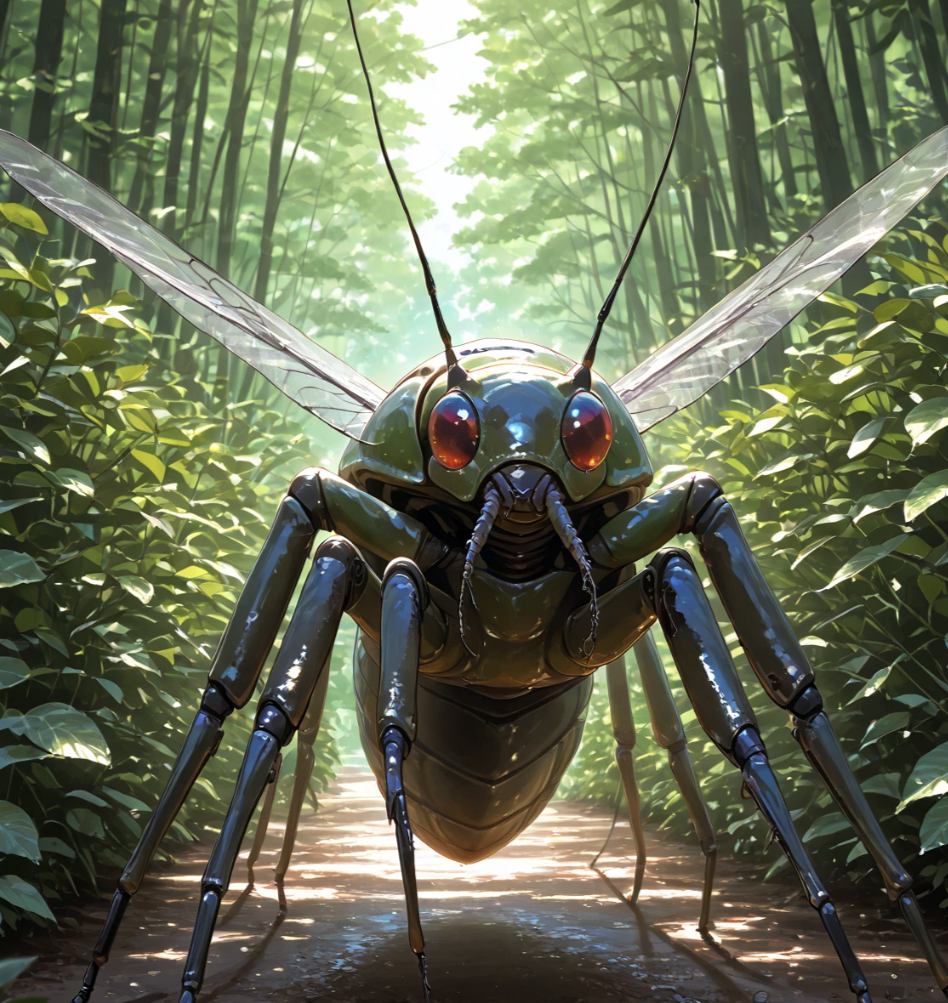
Okay, let’s clarify: as of 2026, there’s no confirmed permanent population of Asian giant hornets in Illinois. But news reports keep them in the headlines. If you like living on the edge, imagine a hornet the size of a human thumb with a venomous sting that can kill in rare cases.

Why They’re Deadly

  • Multiple Stings Are Fatal: Their venom is far more potent than local wasps.
  • Aggressive Behavior: Unlike native hornets, they can swarm without provocation.

Survival Tips

  1. Stay Informed: If sightings increase, local authorities will issue warnings. Listen.
  2. Don’t Approach: Seriously. If it looks like it belongs in a Godzilla movie, it probably does.

While you likely won’t encounter them in Illinois, a prepper never ignores a potential threat.


6. Fire Ants: Tiny Ninjas of Pain
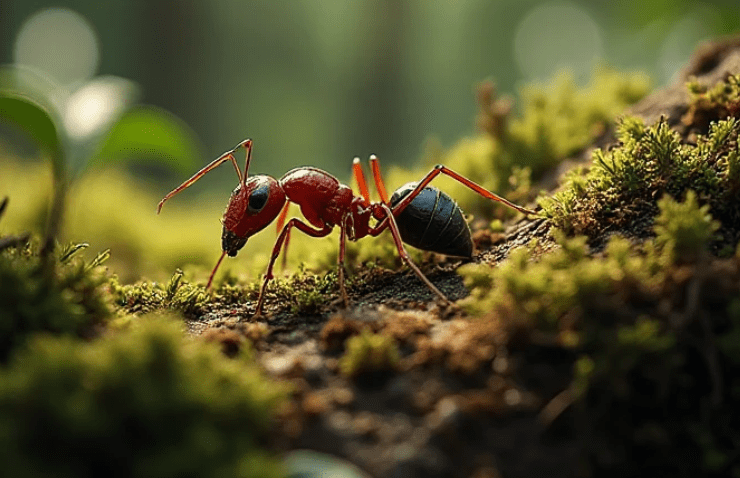
Southern Illinois is technically within fire ant territory. These little guys are small, red, and have a venomous sting that can cause severe allergic reactions.

Why They’re Deadly

  • Venom Can Cause Allergic Shock: Similar to wasps, some people are at serious risk.
  • Swarming Behavior: If disturbed, they attack in numbers, delivering multiple stings in seconds.

Survival Tips

  1. Avoid Disturbing Mounds: Seriously. Just look, don’t touch.
  2. Protective Clothing Helps: Boots and long pants save lives—and egos.
  3. Treat Stings Quickly: Wash, ice, and monitor for signs of anaphylaxis.

Fire ants are basically the insect world’s version of a bad roommate that moves in without asking. Painful, unrelenting, and extremely irritating.


7. General Survival Tips for Illinois Insect Encounters

Alright, you’ve survived the tour of Illinois’ deadliest bugs. But survival isn’t just about knowing names and looking at pictures like it’s a creepy coffee table book. Here’s a prepper’s guide to surviving all insects… with a touch of my patented humor.

Personal Protective Equipment (PPE)

  • Long sleeves and pants. You want your skin like Fort Knox—impenetrable.
  • Gloves for gardening, handling firewood, or investigating mysterious crawl spaces.

Repellents and Treatments

  • DEET, picaridin, permethrin, lemon eucalyptus oil. Pick your poison… but not literally.
  • First aid kits are mandatory. Ice packs, antihistamines, and basic wound care are lifesavers.

Environmental Control

  • Empty standing water. Mosquito nurseries are everywhere.
  • Remove trash, debris, and fallen logs that attract insects.
  • Seal cracks and entry points in homes to keep them out.

Mental Preparedness

  • Keep calm. Panicking is the #1 reason humans get bitten, stung, or chased by insects.
  • Learn to identify high-risk species. Knowledge = survival + bragging rights.

Emergency Procedures

  • Allergic reactions: Epinephrine auto-injectors (EpiPens) can save lives.
  • Multiple stings or bites: Seek medical attention immediately.
  • Severe infections: Clean, monitor, and get professional help.

Conclusion: Illinois Bugs Are No Joke—But Humor Helps

Illinois’ insects aren’t out to get you personally… unless you’re a mosquito, a tick, or a hornet, in which case, yes, congratulations—you’re on the menu. The key to survival is preparation, awareness, and taking the threats seriously, even while cracking jokes that might make your friends roll their eyes.

So next time you’re enjoying an Illinois sunset, remember: your backyard may look peaceful, but lurking in the grass, under rocks, and in your favorite hammock are tiny assassins just waiting for you to make a mistake. Know them. Respect them. And laugh at yourself before they make you cry—or itch uncontrollably.

Stay vigilant, stay prepared, and keep your bug spray handy. Illinois may not have lions or tigers or bears (oh my!), but we’ve got mosquitoes, ticks, hornets, and spiders that can turn a pleasant evening into a survival scenario faster than you can say, “Is that a mosquito on my eyebrow?”

Remember, survival isn’t just about strength—it’s about knowledge, preparation, and yes, a terrible sense of humor. Now go forth, Illinois residents, and live another day… preferably without being a bug’s dinner.


Big Bugs That Kill in Louisiana: A Survival Prepper’s Guide to Staying Alive in the Bayou State

I’m going to start with full honesty, because honesty keeps people alive.

I am a professional survival prepper. I’ve spent decades studying hostile environments, biological threats, grid-down scenarios, and how small, overlooked dangers can wipe out entire communities if people aren’t paying attention. I’ve lived in deserts, forests, mountains, and frozen wastelands.

But Louisiana?

I’ve only ever been there for Mardi Gras.

And after what I saw crawling, flying, biting, stinging, and swarming—usually while everyone else was drunk and distracted—I knew one thing for certain:

Louisiana’s insects are not playing games.

This is a state where heat, humidity, standing water, and lush vegetation create the perfect breeding ground for insects that don’t just inconvenience you. They hospitalize you, disable you, and in certain conditions, kill you outright.

In a normal world with air conditioning, hospitals, and insect control services, many people survive encounters with these creatures.

But this article is not about comfort.

This is about survival.

This is about what happens when the grid is down, emergency services are overwhelmed, storms flood entire parishes, or you find yourself stranded, bug-bitten, infected, and alone.

Let’s talk about the insects in Louisiana that can end your life—and exactly what you need to do to stay breathing.


Why Louisiana Is One of the Most Dangerous States for Insect Threats

Louisiana is an insect paradise—and a human nightmare.

Here’s why:

  • Extreme humidity allows insects to thrive year-round
  • Warm temperatures mean no real “die-off” season
  • Swamps, bayous, wetlands, and flood zones create endless breeding grounds
  • Hurricanes and floods displace insects into populated areas
  • Dense vegetation gives insects hiding places and ambush points

From a survival prepper’s perspective, Louisiana is what happens when nature stacks the deck against you.

And the insects know it.


1. Mosquitoes: Louisiana’s Most Dangerous Killer (Yes, Really)

If you think mosquitoes are just annoying, you won’t survive Louisiana.

Mosquitoes are the deadliest animals on Earth, and Louisiana is one of their strongest footholds in the United States.

Why Louisiana Mosquitoes Are So Dangerous

Louisiana mosquitoes are not just aggressive—they are biological weapons.

They transmit:

  • West Nile Virus
  • Eastern Equine Encephalitis (EEE)
  • Zika Virus
  • Dengue Fever
  • Chikungunya
  • Heartworm (fatal to animals, devastating to morale in survival scenarios)

In a grid-down situation, even a single infected bite can spiral into high fever, neurological damage, paralysis, or death.

EEE alone has a fatality rate of up to 30%, with survivors often suffering permanent brain damage.

Survival Reality Check

In Louisiana, mosquitoes:

  • Bite during the day AND night
  • Breed in bottle caps worth of water
  • Enter homes through cracks you didn’t know existed
  • Swarm after floods and storms

How to Survive Mosquitoes in Louisiana

  • Wear long sleeves and pants—even in heat
  • Use permethrin-treated clothing
  • Eliminate standing water daily
  • Sleep under mosquito netting
  • Burn natural repellents like citronella and pine resin
  • Never ignore fever after a bite

In Louisiana, mosquitoes aren’t pests.

They’re executioners with wings.


2. Fire Ants: Tiny, Ruthless, and Capable of Killing You

Fire ants are everywhere in Louisiana, and they are one of the most underestimated threats in the state.

Why Fire Ants Are Deadly

Fire ants attack in swarms. They don’t bite once—they bite dozens or hundreds of times, injecting venom with each sting.

For many people, fire ant venom causes:

  • Severe allergic reactions
  • Anaphylaxis
  • Respiratory failure
  • Cardiac shock

Children, the elderly, and those with compromised immune systems are especially vulnerable.

In survival conditions, falling into a fire ant mound can be fatal within minutes.

Survival Mistakes That Get People Killed

  • Standing still while ants climb upward
  • Trying to brush ants off instead of fleeing
  • Panicking and falling

How to Survive a Fire Ant Attack

  • Move immediately and aggressively away
  • Strip infested clothing fast
  • Wash stings with soap and water
  • Apply cold compresses
  • Carry antihistamines if possible

Fire ants don’t look dangerous.

That’s why they kill people.


3. Brown Recluse Spider: Silent Venom, Slow Death

Louisiana is within the range of the brown recluse spider, one of the most medically significant spiders in North America.

Why Brown Recluse Bites Are So Dangerous

Brown recluse venom causes:

  • Tissue necrosis (flesh literally rots away)
  • Severe infection
  • Sepsis
  • Organ failure in rare cases

Many victims don’t even feel the bite at first. By the time symptoms appear, the damage is already spreading.

Where They Hide

  • Shoes
  • Clothing piles
  • Storage boxes
  • Crawl spaces
  • Abandoned buildings

Survival Response to a Bite

  • Seek medical treatment immediately
  • Clean the wound aggressively
  • Monitor for spreading discoloration
  • Do NOT ignore minor pain

In a survival scenario, untreated necrosis can lead to amputation or death.


4. Black Widow Spider: Venom That Attacks the Nervous System

Black widows are common in Louisiana and far more dangerous than most people realize.

What Black Widow Venom Does

  • Causes severe muscle cramps
  • Triggers high blood pressure
  • Disrupts nervous system function
  • Can cause respiratory failure

Children and elderly victims are at highest risk.

Survival Tips

  • Shake out shoes and gloves
  • Wear gloves when reaching into dark areas
  • Treat bites as medical emergencies

Black widows don’t chase people.

But they don’t forgive mistakes either.


5. Assassin Bugs (Kissing Bugs): Disease-Carrying Killers

Assassin bugs are increasingly common in Louisiana—and they carry Chagas disease, a slow killer most people have never heard of.

Why Chagas Disease Is So Dangerous

  • Symptoms can take years to appear
  • Causes heart failure
  • Causes digestive system collapse
  • Often diagnosed too late

Once symptoms appear, damage is often irreversible.

How to Survive Assassin Bugs

  • Seal cracks in homes
  • Use fine mesh screens
  • Avoid sleeping near lights at night
  • Inspect bedding regularly

This is a long-game killer, and Louisiana is fertile ground.


6. Wasps, Hornets, and Yellow Jackets: Airborne Death Squads

Louisiana’s wasps are aggressive, territorial, and relentless.

Why They’re So Dangerous

  • Swarm attacks
  • Multiple stings
  • High venom load
  • Severe allergic reactions

In survival conditions, even non-allergic individuals can die from toxic envenomation.

Survival Strategy

  • Avoid nests at all costs
  • Wear neutral colors
  • Carry antihistamines
  • Retreat immediately if attacked

Wasps don’t warn twice.


7. Horseflies and Deer Flies: Blood Loss and Infection

These insects don’t inject venom—they rip flesh.

Why They’re Dangerous

  • Painful, bleeding wounds
  • Disease transmission
  • Psychological stress

In swamp environments, open wounds become infected quickly.

Survival Tactics

  • Cover exposed skin
  • Use head nets
  • Treat bites immediately

Pain is a warning.

Ignore it, and infection follows.


8. Fleas: Tiny Vectors of Big Problems

Fleas carry:

  • Typhus
  • Plague (rare but possible)
  • Tapeworms

In disaster scenarios, fleas spread rapidly among humans and animals.

Survival Measures

  • Control rodents
  • Wash clothing frequently
  • Treat pets aggressively

History proves fleas can collapse societies.


9. Scorpions: Rare, But Not Harmless

Louisiana scorpions aren’t usually fatal—but pain and infection can still kill in survival conditions.

Survival Advice

  • Shake out boots
  • Avoid sleeping on ground
  • Treat stings seriously

Pain weakens judgment.

And poor judgment kills.


Survival Reality: Louisiana Is an Insect War Zone

I’ve studied survival across the country.

Louisiana stands apart.

Not because of bears or mountains or cold—but because everything bites, everything carries disease, and everything thrives in chaos.

If you live in Louisiana—or plan to pass through when society is unstable—your survival depends on respecting the insects.

Ignore them, and they will outlast you.

Prepare for them, and you stand a fighting chance.

Because in Louisiana, it’s not the gators or hurricanes that will get you first.

It’s the things you didn’t feel bite you.

West Virginia’s Most Dangerous Insects and the Off-Grid Survival Tactics That Can Save Your Life

I live in a tiny house tucked deep in the West Virginia hills. No power lines. No grid. No phone service most days. When the sun goes down, the lights go out. When something bites you, there’s no hospital five minutes away. No ambulance screaming down a paved road. Out here, nature doesn’t apologize and it doesn’t wait.

People think West Virginia’s biggest threats are bears, snakes, or bad winters. Those are rookie assumptions. The real killers are small. Quiet. Crawling. Flying. Waiting. Insects don’t need claws or teeth. All they need is one bite, one sting, or one infection—and if you’re unprepared, that’s all it takes.

This article isn’t written from a desk. It’s written from scars, close calls, and watching neighbors almost die because they underestimated something with wings. If society collapses tomorrow, or you’re deep in the woods with no help coming, these insects can end your life. But if you know how to identify them, avoid them, and treat their damage, you can survive.

Let’s talk about the real dangers crawling through West Virginia.


Why Insects Are a Major Survival Threat in West Virginia

West Virginia is humid. Forested. Wet. That’s paradise for insects. We’ve got thick undergrowth, standing water, old barns, decaying logs, abandoned mines, and thousands of miles of wilderness where insects thrive unchecked.

Insects kill people in three main ways:

  1. Venom and Toxic Reactions
  2. Disease Transmission
  3. Secondary Infections and Delayed Death

You don’t have to drop dead instantly for an insect to kill you. Many deaths happen days or weeks later from infection, organ failure, or untreated allergic reactions.

Now let’s break down the worst offenders.


1. Deer Ticks (Blacklegged Ticks): The Silent Killers of Appalachia

If I had to pick one insect that scares me more than any snake, it’s the deer tick.

Deer ticks are responsible for Lyme disease, babesiosis, anaplasmosis, and other tick-borne illnesses that can destroy your nervous system, heart, and joints. In a grid-down scenario, these diseases can be a death sentence.

Why Deer Ticks Are So Dangerous

  • You often don’t feel the bite
  • Symptoms can take weeks to appear
  • Untreated infections can cause heart failure
  • Chronic Lyme can cripple you permanently

Ticks don’t hunt like predators. They wait. They cling to tall grass and brush, sensing body heat and carbon dioxide. You walk by, they latch on.

Real Survival Risk

Out here, I’ve seen strong men lose the ability to walk after untreated Lyme. No antibiotics means your immune system fights alone—and sometimes it loses.

Survival Tactics

  • Wear light-colored clothing to spot ticks
  • Tuck pants into socks
  • Perform full body checks daily
  • Remove ticks immediately with fine tweezers
  • Disinfect the bite site
  • Watch for bullseye rashes and flu-like symptoms

In a world without doctors, prevention is survival.


2. Mosquitoes: More Dangerous Than Any Animal in West Virginia

Mosquitoes kill more people worldwide than any other creature—and West Virginia is not exempt.

Diseases Carried by Mosquitoes

  • West Nile Virus
  • Eastern Equine Encephalitis (EEE)
  • La Crosse Encephalitis

EEE in particular has a high fatality rate and survivors often suffer permanent brain damage.

Why Mosquitoes Are a Grid-Down Nightmare

Without hospitals, antivirals, or IV fluids, mosquito-borne illnesses become deadly fast. Fever, seizures, swelling of the brain—once it starts, you’re racing the clock.

Survival Strategies

  • Eliminate standing water
  • Sleep under mosquito netting
  • Wear long sleeves at dawn and dusk
  • Use natural repellents like oil of lemon eucalyptus
  • Burn smoky fires to repel them

Never ignore mosquito swarms. They aren’t annoying—they’re biological weapons.


3. Bald-Faced Hornets: The Flying Landmines

These black-and-white hornets are aggressive, territorial, and capable of killing you without mercy.

Why Bald-Faced Hornets Are Lethal

  • They attack in groups
  • Their venom causes intense pain and swelling
  • Multiple stings can cause systemic toxicity
  • They can trigger fatal anaphylaxis

One disturbed nest can mean dozens of stings in seconds.

Off-Grid Reality

I once watched a man stumble into a nest while clearing brush. He didn’t make it to the road. The swelling closed his airway before help arrived.

Survival Protocol

  • Learn to identify aerial nests
  • Never approach or throw objects at nests
  • Wear protective clothing when clearing land
  • Run in a straight line if attacked
  • Get to water if possible (they won’t follow underwater)

Hornets don’t warn. They punish.


4. Fire Ants: A Southern Invasion Moving North

Fire ants are spreading into West Virginia, and they bring chaos with them.

Why Fire Ants Are Deadly

  • Attack in massive numbers
  • Each ant stings repeatedly
  • Venom causes severe allergic reactions
  • Secondary infections from pustules are common

People have died from hundreds of stings in minutes.

Survival Measures

  • Watch for mound formations
  • Never stand still in infested areas
  • Wash stings immediately
  • Apply antiseptic
  • Monitor for allergic reactions

Underestimate them once and you may not get a second chance.


5. Brown Recluse Spiders: Flesh-Eating Venom

Yes, brown recluses exist in parts of West Virginia.

Why Brown Recluse Bites Are So Dangerous

  • Necrotic venom kills tissue
  • Wounds can become infected
  • Severe cases lead to sepsis
  • Healing can take months

Survival Tips

  • Shake out clothing and boots
  • Keep living areas clean
  • Treat bites immediately
  • Watch for expanding wounds

Left untreated, a small bite can become a life-threatening infection.


6. Yellow Jackets: Aggression Without Mercy

Yellow jackets are responsible for more insect sting deaths than bees.

Why They’re So Deadly

  • Highly aggressive
  • Nest underground (easy to disturb)
  • Attack in swarms
  • Stings cause severe reactions

Survival Rules

  • Listen for buzzing near the ground
  • Avoid sweet smells outdoors
  • Carry antihistamines if possible
  • Move fast if attacked

One misstep can trigger a nightmare.


7. Kissing Bugs: The Hidden Disease Vector

These insects carry Chagas disease, which attacks the heart.

Why Chagas Is Deadly

  • Often asymptomatic for years
  • Causes heart failure
  • No cure once damage sets in

Survival Awareness

  • Seal cracks in shelters
  • Use bed netting
  • Inspect sleeping areas

This is a slow killer—and slow killers are the worst.


8. Fleas: The Plague Carriers People Forget

Fleas still carry dangerous bacteria.

Diseases Fleas Spread

  • Murine typhus
  • Plague (rare but possible)

Survival Strategy

  • Control rodents
  • Clean bedding
  • Treat bites immediately

History proves fleas can collapse civilizations.


9. Wasps: Pain Is Only the Beginning

Paper wasps and mud daubers are common and dangerous.

Risk Factors

  • Multiple stings
  • Allergic reactions
  • Falls caused by panic

Survival Tactics

  • Learn nest locations
  • Keep distance
  • Treat stings fast

Pain makes people careless. Carelessness kills.


10. Maggots and Blowflies: Death by Infection

Open wounds attract flies.

Why They’re Dangerous

  • Lay eggs in wounds
  • Cause tissue damage
  • Lead to sepsis

Survival Rule

  • Clean all wounds immediately
  • Cover injuries
  • Monitor for infestation

Infections end lives quietly.


Survival Prepper Truth from an Off-Grid Life

Out here, I don’t have emergency rooms or 911. I have knowledge, preparation, and respect for nature’s smallest killers. Insects don’t need bad intentions. They just do what they’ve always done.

If society falls, if storms cut you off, or if you’re deep in the woods, these insects are not minor threats—they are fatal risks.

Survival isn’t about fear. It’s about awareness.

The smallest things kill the unprepared.

And the prepared?
We live another day.

10 Deadliest Insects in North America That Can Kill You If You’re Not Paying Attention

People love to pretend North America is “safe.” Safe neighborhoods. Safe hiking trails. Safe backyards. That lie falls apart the second you realize how many things here can kill you without making a sound. No growl. No warning. Just a sting, a bite, or a microscopic parasite riding in on six legs.

Insects don’t care about your politics, your optimism, or your belief that “it won’t happen to me.” They’ve been killing humans long before cities existed, and they’ll keep doing it long after society collapses under its own stupidity.

Below are 10 of the most dangerous insects in North America—where they live, how they kill, and how you might survive if you stop being careless and start paying attention.


1. Mosquito

Location: Everywhere. Literally everywhere.
Why It’s Deadly: Disease transmission

If you think mosquitoes are just annoying, you’re already behind. Mosquitoes kill more humans than any other creature on the planet, and North America is no exception. West Nile virus, Eastern Equine Encephalitis, Zika—take your pick. You don’t feel the danger until it’s already in your bloodstream.

How to Survive:

  • Eliminate standing water around your home
  • Wear long sleeves at dusk and dawn
  • Use real insect repellent, not “natural” nonsense
  • Install window screens and actually maintain them

Ignore mosquitoes, and you’re gambling with your nervous system.


2. Africanized Honey Bee (“Killer Bee”)

Location: Southwest U.S., spreading north
Why It’s Deadly: Mass stings and venom overload

One bee sting won’t kill most people. Hundreds will. Africanized honey bees don’t stop when you run. They don’t warn you politely. They attack in swarms and chase victims for long distances.

How to Survive:

  • Run immediately if attacked—do not stand your ground
  • Cover your face and airway
  • Get indoors or into a vehicle fast
  • Seek medical attention after multiple stings

These bees don’t care that humans “own” the land now.


3. Brown Recluse Spider

Location: Midwest and Southern U.S.
Why It’s Deadly: Necrotic venom

This spider doesn’t kill everyone it bites—but when it does, it does it slowly and horribly. The venom destroys tissue, causing wounds that rot from the inside out. Infection and organ failure follow if untreated.

How to Survive:

  • Shake out shoes, gloves, and clothing
  • Seal cracks in walls and foundations
  • Seek medical help immediately after a suspected bite

Brown recluses thrive in clutter. Clean your environment or pay for it.


4. Black Widow Spider

Location: Throughout North America
Why It’s Deadly: Neurotoxic venom

Black widow venom attacks the nervous system, causing muscle paralysis, severe pain, and respiratory distress. Children, elderly adults, and people with weak health are especially vulnerable.

How to Survive:

  • Wear gloves when working in sheds or woodpiles
  • Reduce insect populations that attract spiders
  • Get medical treatment quickly—antivenom exists

Ignoring pain because you “don’t want to overreact” is how people die.


5. Fire Ant

Location: Southern U.S.
Why It’s Deadly: Venom and allergic reactions

Fire ants don’t sting once. They swarm, latch on, and inject venom repeatedly. For people with allergies, this can trigger fatal anaphylaxis. Even without allergies, massive stings can lead to infection and systemic reactions.

How to Survive:

  • Avoid ant mounds—watch where you step
  • Treat property infestations aggressively
  • Carry antihistamines or an EpiPen if allergic

Fire ants are proof that size doesn’t matter when numbers are on your enemy’s side.


6. Tsetse Fly (Rare but Documented Risk)

Location: Extremely rare, imported cases
Why It’s Deadly: African sleeping sickness

This isn’t common—but globalization keeps bringing foreign threats home. The tsetse fly transmits parasites that cause neurological collapse if untreated.

How to Survive:

  • Seek medical attention after unexplained fevers post-travel
  • Avoid complacency with imported insects

Nature doesn’t respect borders. Neither should your preparedness.


7. Kissing Bug (Triatomine Bug)

Location: Southern and Southwestern U.S.
Why It’s Deadly: Chagas disease

This insect feeds on blood and defecates near the bite wound. That waste carries parasites that enter the body and quietly destroy the heart over years.

How to Survive:

  • Seal cracks in homes
  • Keep pets indoors at night
  • Get tested if bitten

Some deaths don’t happen fast. They happen quietly while you’re busy ignoring reality.


8. Deer Fly

Location: Forests, wetlands, rural areas
Why It’s Deadly: Disease transmission

Deer flies deliver painful bites and can spread tularemia, a potentially fatal bacterial infection.

How to Survive:

  • Wear light-colored clothing
  • Use head nets in heavy fly areas
  • Clean and disinfect bites immediately

One infected bite can spiral into organ failure if untreated.


9. Fleas

Location: Anywhere mammals live
Why It’s Deadly: Plague and typhus

Yes, plague still exists. Fleas don’t care that it’s “medieval.” When sanitation breaks down, fleas become efficient killers again.

How to Survive:

  • Control rodents
  • Treat pets regularly
  • Maintain hygiene even when society doesn’t

History repeats itself because people refuse to learn.


10. Velvet Ant (Cow Killer Ant)

Location: Southern and Central U.S.
Why It’s Deadly: Extreme venom, allergic reactions

Despite the name, it’s a wasp. Its sting is legendary—intense pain that can cause shock, heart issues, or fatal allergic responses.

How to Survive:

  • Don’t handle unfamiliar insects
  • Wear protective footwear outdoors
  • Treat stings immediately

Curiosity is not a survival trait.


Final Reality Check

The world is not built for your comfort. It’s built to test whether you adapt or die. Insects don’t need claws, teeth, or intelligence. They just need you to stay ignorant long enough.

Preparedness isn’t paranoia—it’s the bare minimum. Learn where these insects live. Learn how they kill. Learn how to respond. Because help won’t always come in time, and nature doesn’t give second chances.

Stay alert. Stay angry. Stay alive.