
Introduction: Wyoming Wilderness—Beautiful, Brutal, and Bug-Infested
Wyoming is a land of vast plains, jagged mountains, and serene forests, and for many, it’s the dream of the outdoors. But let me tell you something straight: this is not just a postcard-perfect place. If you’re camping, hiking, or living in one of those tiny homes tucked into the wild, you are sharing your space with a cast of critters that can seriously ruin your life—sometimes permanently.
As a survival prepper who’s had his fair share of mishaps—yes, including that little incident with my neighbor’s gasoline, which was, admittedly, captured on his Ring camera—I can tell you one thing with certainty: respect Wyoming’s wildlife, especially the creepy-crawly kind, or pay the consequences.
The bugs here are not just annoying. They are dangerous, cunning, and sometimes lethal. Some can kill you within hours if untreated, others can leave you sick or debilitated for weeks. And unlike in big cities, emergency services might be miles away, and the cell service? Hit-or-miss.
This guide is not for the faint of heart. I’ll break down the most dangerous bugs you’ll encounter in Wyoming, explain how to protect yourself while camping or living in a tiny home, and give you a survival prepper’s approach to staying alive when Mother Nature decides to bite back.
Wyoming’s Most Dangerous Bugs: Nature’s Tiny Killers

Wyoming might look peaceful, but lurking in the grass, forests, and even your cabin are some of the deadliest bugs you’ll ever encounter. I’ve categorized them by type, lethality, and likelihood of encountering them.
1. The Western Black Widow Spider
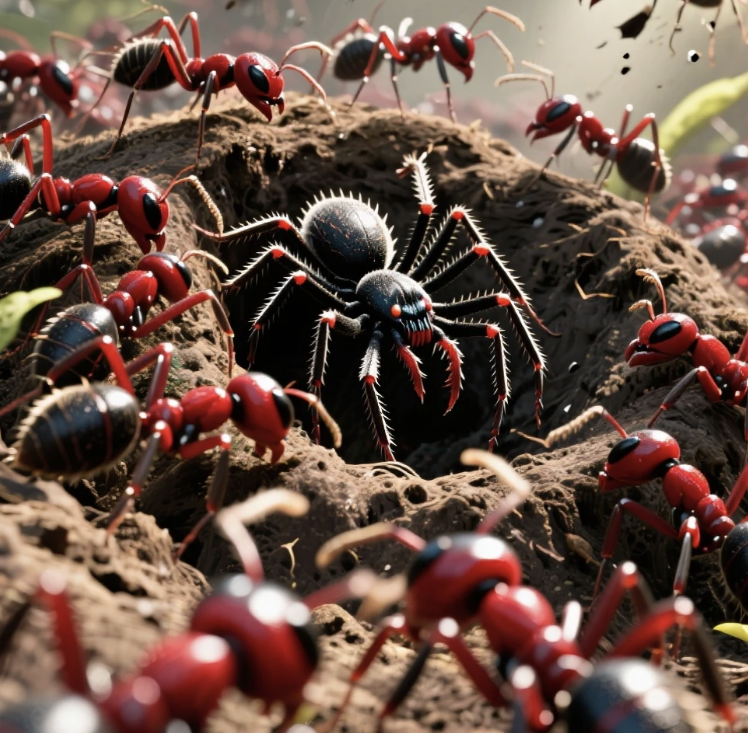
The Western Black Widow (Latrodectus hesperus) is famous for its venomous bite, which can cause severe pain, muscle cramps, and in rare cases, death—especially in children or those with compromised immune systems.
- Appearance: Shiny black body with a distinctive red hourglass under its abdomen.
- Habitat: Dark, undisturbed areas like woodpiles, sheds, garages, and sometimes corners of tiny homes.
- Risk: Bites are rare but highly painful. In some cases, bites can require hospitalization.
Prepper Advice: Always inspect firewood before bringing it inside. Keep your tiny home clutter-free, and wear gloves when reaching into dark corners or under furniture.
2. Brown Recluse Spider
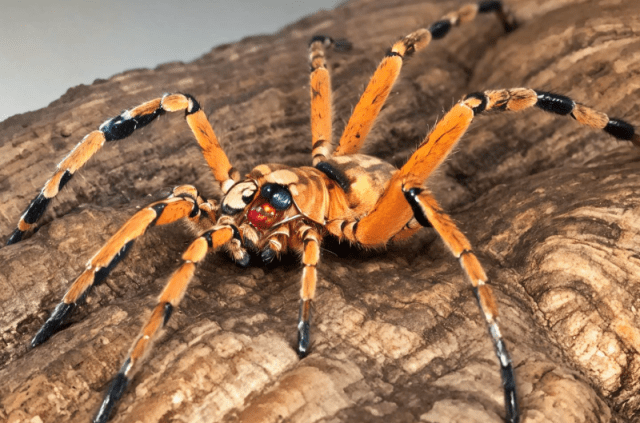
Wyoming has a growing population of brown recluse spiders. Their bites may start as small, painless punctures but can develop into necrotic wounds that eat away at tissue over days.
- Appearance: Light to medium brown, violin-shaped marking on the back.
- Habitat: Dark, dry areas—closets, attics, storage boxes.
- Risk: Moderate to high. Secondary infections can make bites life-threatening.
Prepper Advice: Shake out clothing, shoes, and bedding before use. In tiny homes, seal cracks and gaps where spiders can enter.
3. Blacklegged (Deer) Tick
Deer ticks are Wyoming’s primary vector for Lyme disease. A single tick bite can leave you bedridden for weeks, sometimes months, with fatigue, joint pain, and neurological issues.
- Appearance: Tiny, reddish-brown, almost invisible until fully engorged.
- Habitat: Grasslands, shrubs, forest edges.
- Risk: High if unprotected during hiking or camping.
- Dangerous Twist: Ticks can also carry anaplasmosis and babesiosis, deadly if untreated.
Prepper Advice: Use insect repellents with DEET or picaridin, wear long sleeves and pants tucked into socks while hiking, and check your body carefully after being outdoors.
4. Wyoming Centipedes (Scolopendra spp.)
These are not your garden-variety centipedes. Wyoming’s larger species can deliver venomous bites that are extremely painful, causing swelling, nausea, and in rare cases, systemic reactions.
- Appearance: Large, segmented body with long antennae and venomous fangs.
- Habitat: Under logs, rocks, and debris near homes or cabins.
- Risk: Moderate but painful. In small children or elderly adults, bites can be dangerous.
Prepper Advice: Always wear gloves when moving logs or debris. Keep tiny homes sealed and free of clutter where centipedes can hide.
5. Mosquitoes – The Silent Killers
Mosquitoes may seem like a minor nuisance, but Wyoming is home to species that can carry West Nile Virus and other arboviruses. While fatalities are rare, infection can leave you severely ill.
- Appearance: Small, fuzzy, often unnoticeable until biting.
- Habitat: Standing water, damp soil, marshes.
- Risk: Moderate but widespread.
Prepper Advice: Mosquito nets over sleeping areas, long sleeves, and repellents are essential for camping and tiny home patios. Don’t let a small bug make your life miserable.
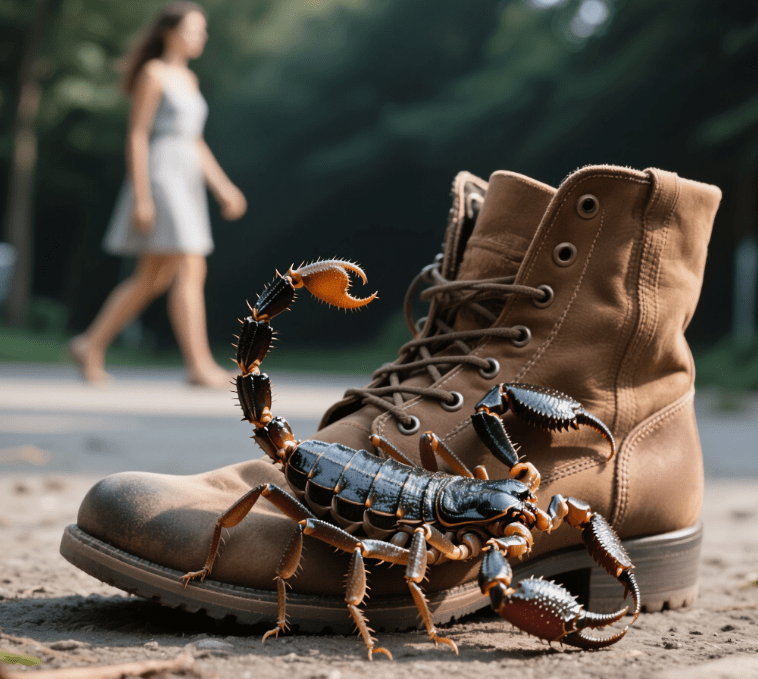
6. Scorpions (Northern Scorpion)
Yes, scorpions exist in Wyoming, though not in massive numbers. Their sting can cause severe pain, numbness, and in rare cases, allergic reactions.
- Appearance: Small to medium, brownish, curved tail with stinger.
- Habitat: Rocky areas, under debris, and occasionally tiny home foundations.
- Risk: Low but not zero. The prepper’s motto: never underestimate the sting.
Prepper Advice: Shake out bedding and clothing, and wear boots outside at night. Always check shoes before putting them on.
7. Poisonous Caterpillars
Wyoming has several species with urticating hairs, such as the Lonomia caterpillar, which can cause severe allergic reactions and internal bleeding in extreme cases.
- Appearance: Small, fuzzy, or spiny larvae, often on shrubs or trees.
- Habitat: Trees, bushes, and vegetation near campsites.
- Risk: Low but significant if touched.
Prepper Advice: Avoid touching unknown caterpillars. Use gloves when handling firewood or pruning shrubs around your tiny home.
8. Fleas
Fleas are not usually fatal, but they can transmit tularemia, a rare but potentially deadly disease. Flea infestations can also exacerbate allergies and secondary infections.
- Appearance: Tiny, wingless, dark brown insects.
- Habitat: Grasslands, forests, or homes with pets.
- Risk: Moderate; infestations can quickly spiral out of control.
Prepper Advice: Treat pets, keep floors clean, and avoid sleeping near areas where wildlife frequents. Tiny homes with high rodent activity are especially vulnerable.
9. Kissing Bugs (Triatomines)

While rare in Wyoming, these insects carry Chagas disease, which can be fatal if untreated. They bite humans at night and feed near the mouth or eyes.
- Appearance: Dark, flat bugs with long legs and a conical head.
- Habitat: Cracks in walls, attics, and under rocks.
- Risk: Low but serious.
Prepper Advice: Seal tiny home cracks, use window screens, and inspect bedding after camping outdoors.
What to Wear While Camping and Living in a Tiny Home

Surviving Wyoming’s bug population requires more than luck—it demands smart clothing and gear.
1. Long Sleeves and Pants
This is the first line of defense. Even light fabric protects against ticks, mosquitoes, and spider bites. If camping, tuck pants into socks and wear gloves when handling wood or vegetation.
2. Bug Repellent
- DEET or picaridin sprays for exposed skin.
- Permethrin-treated clothing for long-term protection.
- Mosquito nets for sleeping areas, especially in tents or tiny home porches.
3. Sturdy Boots
- Protect your feet from centipedes, scorpions, and snakes.
- Inspect shoes before wearing—they are hiding spots for spiders.
4. Gloves
Always carry durable gloves when handling wood, shrubs, or trash. Many serious bites happen because someone underestimated a tiny, venomous bug hiding in clutter.
5. Hats and Neck Protection
Some insects, like mosquitoes and ticks, are drawn to warm areas. Wearing a hat and scarf can reduce bites on your head and neck.
Tiny Home Bug Hazards

Living in a tiny home doesn’t mean you’re safe. In fact, small spaces can magnify infestations because bugs have less territory to hide in and can infest quickly.
1. Entry Points
- Cracks around doors and windows
- Vents and tiny gaps in foundation
- Holes in screens
Prepper Tip: Seal everything. Use weather stripping, caulking, and fine mesh screens.
2. Food Storage
Bugs are attracted to food. Keep all food airtight, and never leave crumbs or leftovers exposed.
3. Moisture Control
Many dangerous insects thrive in damp areas. Tiny homes with leaks or high humidity are bug magnets. Fix leaks, ventilate, and use dehumidifiers when possible.
4. Rodents and Wildlife
Rodents can carry fleas and ticks. Keep tiny homes secure from wildlife intrusion—mesh vents, solid doors, and traps where legal.
Emergency Protocols: If You Get Bitten
Despite precautions, bites can happen. Here’s the survival prepper approach:
- Identify the bug if possible (take a photo without touching).
- Clean the area with soap and water.
- Apply cold compresses to reduce swelling.
- Monitor for severe symptoms: difficulty breathing, dizziness, spreading redness, or necrosis.
- Seek medical attention immediately for bites from black widows, brown recluses, ticks showing bullseye rashes, or unexplained allergic reactions.
Pro Tip: Always carry a basic survival medical kit with antihistamines, antiseptics, and a tick removal tool.
A Wyoming Survival Prepper’s Final Thoughts

Living or camping in Wyoming isn’t just about enjoying nature—it’s about respecting the unseen dangers that lurk in the shadows. Bugs are not just pests—they are small predators with the power to ruin your day, or your life.
As a prepper, the goal is simple: avoid unnecessary risk, prepare for the worst, and stay vigilant. Gear up properly, inspect your tiny home daily, and maintain a survival mindset. And remember—if you ever find yourself caught on your neighbor’s Ring camera stealing gas, well… at least you’ll have your bug survival skills to fall back on. Yowsers indeed.
Wyoming is beautiful, wild, and deadly—but with preparation, you can thrive. Respect the bugs, protect yourself, and live to see another sunrise in the rugged heart of the American West.







 TheDailyChristian