Survival Behind the Wheel: Conquering Arizona’s Deadliest Roads in a Disaster

I’ve driven everything from a beat-up Tacoma in the Sonoran Desert to an armored Defender through washed-out jungle roads in Central America. Let me tell you, nothing quite prepares you for the unforgiving terrain of Arizona during a natural disaster. Between flash floods, wildfires, dust storms, and heat waves, the roads here turn from useful ribbons of asphalt into potential deathtraps. If you’re caught off-guard, you could find yourself stranded without help for miles.

I’ve made it my mission to study and conquer these threats. Whether you’re trying to get your family out of a wildfire zone or bugging out during a power grid collapse, mastering survival driving is your ticket to staying alive.

Arizona’s Worst Roads in a Disaster

First, let’s talk about the roads you need to be wary of. These stretches can turn catastrophic fast.

  1. I-17 Between Phoenix and Flagstaff – Twisting elevation changes, steep grades, and choke-points make this corridor a nightmare in wildfire evacuations or winter storms.
  2. State Route 88 (Apache Trail) – This scenic byway turns into a crumbling dirt trap with sharp switchbacks. One rainstorm and it becomes impassable.
  3. US-93 Between Wickenburg and Hoover Dam – A hotspot for accidents even in good conditions. In a disaster? Expect total gridlock or worse.
  4. I-10 East of Tucson – Known for dust storms that hit without warning, cutting visibility to zero.
  5. State Route 264 on the Hopi Reservation – Beautiful, but remote. In a grid-down scenario, help could be days away.
  6. US-191 in the White Mountains – Twists, turns, and limited cell service make it dicey in wildfire conditions.

Now that we’ve covered where not to be, let’s talk about how to get out if you are there.


15 Survival Driving Skills That Can Save Your Life

  1. Off-Roading Basics – Learn to read terrain and navigate soft sand, rocks, and washes. A 4WD vehicle won’t help if you don’t know how to use it.
  2. Water Crossing Techniques – Know how to gauge water depth and current before crossing washes or flooded roads. Cross at a 90-degree angle and avoid water over 6 inches deep.
  3. Escape Route Planning – Always have three exits in mind, even if you’re on a freeway. Use topo maps—not just GPS.
  4. Situational Awareness – Scan 360 degrees every few seconds. What’s the wind doing? Where’s the fire line? Any stalled vehicles ahead?
  5. Driving Without GPS – Learn to use a compass and paper map. Solar flares or cyberattacks could render GPS useless.
  6. Driving in Dust Storms – Don’t slam on the brakes. Pull off as far as you can, kill your lights, and wait it out. Visibility can drop to inches.
  7. Fuel Discipline – Top off your tank when you hit half. Never let it drop below a quarter in a crisis zone.
  8. Aggressive Maneuvering – Practice J-turns and quick evasive lane changes on dirt roads—especially if escape requires avoiding crowds or fallen debris.
  9. Vehicle Hardening – Protect your radiator with mesh, keep a second spare tire, and carry extra fluids. Heat kills engines.
  10. Night Navigation – Learn to drive in blackout mode using night vision or low beams taped down. Great for evading attention.
  11. Driving Through Fire Zones – Close all vents, keep windows up, drive with headlights on even during the day. Avoid rubberized road shoulders—they can ignite.
  12. Manual Transmission Recovery – Know how to clutch-start a vehicle with a dead battery. Push-starting can save your life in a grid-down escape.
  13. Downhill Braking Techniques – Use engine braking instead of relying solely on your brakes. Overheated brakes are common on I-17’s steep descents.
  14. Vehicle Recovery – Carry a tow strap, traction boards, and a winch if possible. Getting stuck in Arizona’s backcountry in 115°F is a death sentence.
  15. Emergency Signaling – In case you do get stuck, use mirrors, flares, and even SOS patterns with headlights or rocks to attract attention.

3 DIY Survival Driving Hacks When You Run Out of Gas

If you’re out of fuel in the middle of nowhere, you’re not out of options—yet.

1. Alcohol-Based Fuel Hack

If you’re carrying a bottle of high-proof alcohol (e.g., Everclear), it can work as an emergency fuel in small quantities—especially in older carbureted engines. You won’t get far, and performance will drop, but it might get you a few critical miles. Mix no more than 10–20% alcohol into the tank to avoid engine damage.

2. Solar Still for Water, Not Fuel

While you’re stuck, staying hydrated is top priority. Build a solar still with a plastic tarp, a container, and a few rocks. This won’t get you moving, but it’ll keep you alive long enough to wait for help or hike out.

3. Siphoning Fuel

Carry a length of food-grade tubing. Many stranded cars in a disaster still have fuel. Newer models have anti-siphon tech, but you can still access the fuel tank from underneath with basic tools. Be respectful—do it only in life-or-death scenarios.


Final Thoughts: Drive Like Your Life Depends on It (Because It Does)

You can have all the gear in the world, but if you don’t have the mindset, none of it matters. Driving in a disaster isn’t about speed. It’s about control, awareness, and adaptability. I’ve seen people die on perfectly paved roads because they panicked or didn’t understand how their vehicle worked. I’ve also seen a 20-year-old Subaru Outback make it through floodwaters because the driver kept his cool and stuck to the high ground.

Every year, more people move to Arizona without knowing the risks. If you live near Flagstaff, Sedona, Tucson, or even the outer reaches of Phoenix, you need to prepare. Nature doesn’t give warnings that make sense. One moment you’re fine, the next you’re boxed in by wildfire or stuck in a dry riverbed that suddenly becomes a torrent.

So here’s your assignment: take a weekend. Find a safe trail near you. Load your vehicle like it’s go time. Practice maneuvering. Simulate a dead GPS. Drive with purpose. Then review what went wrong.

Because someday it might not be a drill.

And when that day comes, you’ll be glad you learned to drive like a survivor.

Surviving the Inferno: Life After a Super Volcano

Let me be clear: if you’re waiting on FEMA, the government, or your local grocery store to save you when a super volcano blows, you’re already dead. You’ll be one of the clueless masses choking on ash, begging for canned beans, and wondering why Wi-Fi isn’t working. This isn’t a Hollywood movie. This is the real damn deal. A super volcano, like the one ticking under Yellowstone, won’t just mess up your weekend. It’ll wipe out global agriculture, blackout the sky, crash economies, and toss billions into survival mode—most of whom don’t have a single clue how to stay alive.

If you want to survive, listen up. Here’s the brutal truth and the survival skills you’ll need when the Inferno hits.


🔥 What Happens When a Super Volcano Erupts?

You think lava is the biggest threat? Think again. The real killers are ashfall, starvation, poisoned water, and the bitter, freezing cold that comes when sunlight can’t pierce the ash cloud for months—or even years.

Ash will collapse roofs. Kill engines. Clog your lungs. Every major crop will fail. Transportation will shut down. Grid goes down. Welcome to the new Dark Ages. Hope you enjoyed your last frappuccino.

Now let’s talk about how you stay alive.


🔪 15 Survival Skills You Better Know

1. Fire Starting – In Any Damn Condition

You need fire. For warmth. For cooking. For boiling water. If you can’t start a fire in wind, rain, or snow, enjoy hypothermia.

2. Water Purification

Ash and debris will pollute every water source. Learn how to boil, filter, and treat water with bleach or purification tablets. Or die of dysentery like it’s 1849.

3. Food Preservation

Know how to can, dehydrate, ferment, and smoke meat. If you don’t have a year’s worth of preserved food, you’ll be raiding dumpsters in three weeks.

4. Hunting & Trapping

Cows won’t fall from the sky. Learn how to hunt, clean, and cook wild game. Snares, traps, and bows aren’t hobbies—they’re lifelines.

5. Foraging

Can you tell the difference between wild carrots and poison hemlock? No? Then you better learn fast. Edible plants are out there—so are deadly ones.

6. Self-Defense

People will kill for food. Period. If you can’t protect yourself, your family, and your supplies, you’re just a walking loot box.

7. Basic First Aid

Hospitals will be overwhelmed or gone. You need to treat burns, infections, wounds, and broken bones with what you’ve got. Pain doesn’t care if you’re squeamish.

8. Navigation Without GPS

You’ll need to move without Google Maps. Learn how to use a compass, read a map, and follow natural signs. Satellites don’t care if you’re lost.

9. Ash Filtration & Air Safety

Ash will suffocate you. You need respirators, makeshift filters, and sealed spaces. Learn how to rig a clean-air zone in your home.

10. Building Temporary Shelter

If your roof collapses or you’re on the move, you better know how to construct a shelter out of anything—tarps, trees, even junk.

11. Cooking Without Power

Grid’s gone. No microwave. No gas. Learn how to cook over a fire, with solar ovens, or improvised stoves made from metal cans.

12. Bartering & Trade

Money will be toilet paper. Learn how to trade goods, skills, and information. Ammunition, antibiotics, clean water—that’s your new currency.

13. Situational Awareness

Don’t walk into danger with your head in the ash. Stay alert, watch others, and listen for threats. Sheep get eaten. Wolves survive.

14. Waste Disposal

Disease will spread fast if you don’t manage human waste and trash. Build latrines. Dig trenches. Sanitation isn’t optional—it’s survival.

15. Mental Fortitude

If you can’t keep your head straight, you won’t last a week. Panic gets you killed. Weakness gets you robbed. Harden up or shut up.


🛠️ 3 DIY Survival Hacks You Won’t Learn From TikTok

⚙️ 1. DIY Ash Respirator

Ash in your lungs = death. Take a bandana or cloth, soak it lightly with water or a baking soda solution, and strap it over your nose and mouth. It won’t stop microscopic particles, but it’ll give you a fighting chance when commercial masks are gone.

⚙️ 2. Rocket Stove from Tin Cans

When the gas is out and wood is scarce, make a rocket stove from two tin cans. It focuses the flame, uses minimal fuel, and gets hot fast. Look it up. Practice now. Don’t wing it during a blizzard.

⚙️ 3. Trash Bag Shelter

Black contractor bags aren’t just for garbage—they’re body heat lifesavers. Cut one open for a tarp. Stuff it with leaves for insulation. Wear one as an emergency poncho. Light, cheap, and lifesaving.


🧊 Cold Is Coming – And It Won’t Stop

After the eruption, the global temperature drops. Crops fail. Frostbite becomes common. If you don’t have layers, wool, mylar blankets, and a way to heat your shelter, you’re done. Stockpile fuel—wood, propane, alcohol stoves, anything. Learn how to insulate your home with blankets, bubble wrap, and even dirt. Cold doesn’t care if you’re tired.


📦 What Should You Have Stocked Yesterday?

Let me make this easy. Here’s what your dumbass should already have:

  • At least six months of food. A year is better.
  • Water filters, purification tabs, bleach.
  • Medical supplies: trauma kits, antibiotics, antiseptics.
  • Respirators or masks, plus duct tape and plastic sheeting.
  • Fuel and fire sources: lighters, flint, alcohol, propane.
  • Defense tools: firearms, blades, training.
  • Seeds for long-term sustainability.
  • Manuals and books—don’t rely on dead electronics.

🧠 Final Word: This Isn’t a Drill

I’m not here to comfort you. I’m not here to lie. I’m here to tell you that when the Inferno comes, you’re either prepared, or you’re a corpse waiting for the ash to bury you.

Don’t waste time arguing with people who think the government has a plan. Don’t wait until the supermarket shelves are empty. Train. Stock. Build. Harden.

You want to live?

Then act like it.


Bleed, Breathe, Survive: A Prepper’s Guide to Emergency Care

Bleed, Breathe, Survive: A Prepper’s Guide to Emergency Care

Listen up. When the world goes sideways — whether it’s a natural disaster, a collapse, or some unholy mix of both — the one thing that’ll separate you from the rotting herd is how fast and sharp you act when it comes to emergency care. I’m talking real, raw, in-your-face survival knowledge, not some PC classroom fluff. You’re bleeding out, choking on dust, or gasping for air — you don’t have time for pansy medical training or waiting for an ambulance that ain’t coming. You fix it. You keep yourself or your people alive. Period.

If you don’t get this, you’re dead meat. So pay attention, because I’m about to drop some serious survival wisdom. Here’s your no-bullshit, angry survivalist guide to handling emergency care when it counts the most.


Survival Skill #1: Stop the Bleed – FAST and HARD

Bleeding out is the number one killer in any emergency scenario. If you don’t stop the blood, your body goes into shock and you’re toast. I’m not just talking about a small scrape; I mean a serious artery gushing blood like a busted fire hydrant.

Skill: Master the tourniquet and pressure bandage like your life depends on it — because it does.

  • Tourniquet — This ain’t just a fancy word. A tourniquet is a lifesaver when a limb is bleeding uncontrollably. Wrap it above the wound tight enough to stop the flow of blood, but not so tight you tear skin or nerves. Get a proper commercial one, but if you don’t have it, make one out of a sturdy belt or cloth and twist it with a stick or pen to tighten.
  • Pressure bandage — If the wound’s on your torso or can’t be tourniquetted, apply direct pressure with clean cloth or gauze. Don’t let up for a minute. If you don’t have gauze, use a T-shirt, towel, or anything clean-ish.

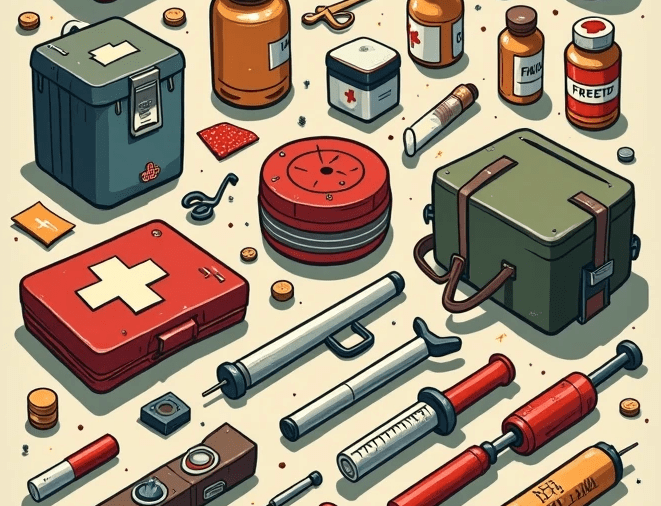
Pro Tip: Always carry a compact trauma kit with a tourniquet, pressure bandages, and hemostatic agents. Hemostatic agents are powders or dressings that make blood clot faster. If you don’t have those, improvise but prioritize stopping the bleeding first.


Survival Skill #2: Control Your Airway – Clear It, Keep It Open

What good is stopping the bleeding if you can’t breathe? When disaster strikes, choking on blood, vomit, or debris is a very real threat. If you don’t keep that airway open, you’re dead before you even get a chance to bleed out.

Skill: Learn to do the Head-Tilt Chin-Lift maneuver and the Heimlich maneuver.

  • Head-Tilt Chin-Lift — If someone’s unconscious or semi-conscious, tilt their head back and lift the chin to open the airway. Clear any visible obstruction with your fingers or a tool.
  • Heimlich Maneuver — If someone’s choking on food or debris, hit that abdomen hard just above the belly button until the obstruction pops out.

Pro Tip: Don’t wait to be a medic to learn CPR. That’s your bread and butter when someone stops breathing or their heart stops. Get certified or at least watch good tutorials and practice.


Survival Skill #3: Build and Use a Splint

Broken bones are no joke in the wild or disaster zones. Without proper immobilization, you risk further injury, bleeding, or infection. You can’t call an ambulance — you are the ambulance.

Skill: Use what you have — sticks, branches, metal, or anything rigid — to immobilize broken or sprained limbs.

  • Find two strong sticks or any sturdy straight object.
  • Pad them with cloth to prevent cutting into the skin.
  • Secure them tightly with rope, tape, strips of cloth, or even shoelaces.
  • Make sure the splint immobilizes the joints above and below the injury.

Pro Tip: Practice making a splint now, so when you need it, you don’t fumble like a scared city slicker.


Survival Skill #4: Improvise a Breathing Filter or Mask

Smoke, chemical fumes, dust, and toxic air can kill you just as fast as a bullet. If you don’t have a gas mask or proper respirator, don’t sit there choking. Use your brain and improvise.

Skill: Make a basic filter using materials around you.

  • Take a clean cloth or bandana and wet it.
  • Layer it with activated charcoal (if you have it) or charcoal from a campfire crushed finely.
  • Fold it to cover nose and mouth tightly.
  • Breathe through it — it won’t be perfect, but it’ll filter out much of the dust and chemicals.

Pro Tip: Store activated charcoal tablets or powder in your survival kit. If you can’t get charcoal, use multiple layers of damp fabric as a minimum barrier.


Survival Skill #5: Keep Calm and Prioritize Care

You can’t do anything if you lose your head. Panic is the biggest killer after injury or trauma. Your body’s adrenaline will spike, but your brain needs to stay cold and tactical.

Skill: Train yourself mentally to triage and act swiftly.

  • Assess the situation quickly: who needs the most urgent care?
  • Stop the bleeding first.
  • Keep the airway clear second.
  • Immobilize injuries third.
  • Prevent shock by keeping the patient warm and calm.

Pro Tip: Practice these steps under pressure with your group or family. If you freeze up in a real disaster, your survival odds drop drastically.


DIY Survival Hack #1: Make a Field Dressing from Household Items

You don’t need fancy medical gear to make a functional dressing.

  • Take clean cotton T-shirts, towels, or even sanitary napkins (they’re sterile and absorbent).
  • Fold them thickly.
  • Use duct tape or strips of cloth to secure them over wounds.
  • If you have honey, rub a thin layer on the wound before dressing. Honey is a natural antibacterial agent and helps prevent infection.

This field dressing will buy you time to get serious care or stabilize someone long enough for evacuation.


DIY Survival Hack #2: Create a DIY Splint from Magazine Pages and Tape

No sticks handy? No problem.

  • Fold several pages of a magazine tightly into a thick, rigid strip.
  • Use duct tape or cloth to secure it firmly around the injured limb.
  • This crude splint isn’t perfect but will stabilize a sprain or minor fracture enough to prevent further damage.

Practice this now so you can whip one out in a pinch.


DIY Survival Hack #3: Homemade Mouth-to-Mouth Shield

If someone’s unconscious and not breathing, you’ll need to perform rescue breaths safely.

  • Cut a small piece of plastic from a sandwich bag or cling wrap.
  • Poke a small hole in the middle (about the size of a dime).
  • Use this as a barrier between your mouth and theirs to reduce infection risk while doing mouth-to-mouth.

This simple device is cheap, easy, and could save a life without risking your own health.


Bottom Line: Bleed, Breathe, Survive

If you think emergency care is something only doctors or medics should worry about, you’re already dead. This survival game is brutal, and you will get hurt — maybe badly. The difference between life and death is having the skills, guts, and knowledge to act immediately and decisively.

You stop the bleeding, clear the airway, immobilize injuries, protect yourself from toxic air, and keep a cool head under pressure. Every second wasted is a second closer to the grave. Get the right gear, practice these skills, and learn these hacks now. Because when SHTF, the world won’t be handing out Band-Aids and breathing masks. You’ll have to be your own damn EMT.

Remember: Bleed, Breathe, Survive. It’s that simple. Or not at all.

Surviving Oregon: Essential Prepper Tips for the Worst Natural Disasters

Living in Oregon means you get to experience the breathtaking beauty of our mountains, forests, and coastline. But with those natural wonders come some serious challenges. From earthquakes that could shake the entire state to wildfires that sweep across vast areas, Oregon residents need to be prepared for the unexpected. Natural disasters are a reality here, and as a prepper, it’s crucial to know what to expect and how to stay alive when everything goes sideways. In this article, we’ll dive into how Oregonians can prepare for the state’s worst natural disasters.

Understanding Oregon’s Natural Disaster Risks

CLICK HERE TO LEARN HOW TO SURVIVE A FAMINE

Oregon is no stranger to natural disasters. The state’s unique geography and climate mean that we’re at risk for multiple types of catastrophic events. Here’s a breakdown of the most common disasters Oregonians face:

  1. Earthquakes: Oregon lies on the Cascadia Subduction Zone, a fault line that runs off the coast and could produce a major earthquake at any time. The Cascadia earthquake, expected to be a magnitude 9 or higher, could devastate much of the state, with significant infrastructure damage and widespread chaos.
  2. Wildfires: Oregon’s forests are a beauty to behold, but they are also highly susceptible to wildfires. These fires can start easily in the dry summer months and quickly spread across thousands of acres.
  3. Flooding: Heavy rains, especially in the winter months, can cause flooding in the Willamette Valley and along the coast. Floodwaters can wash out roads, damage homes, and create long-lasting issues for affected communities.
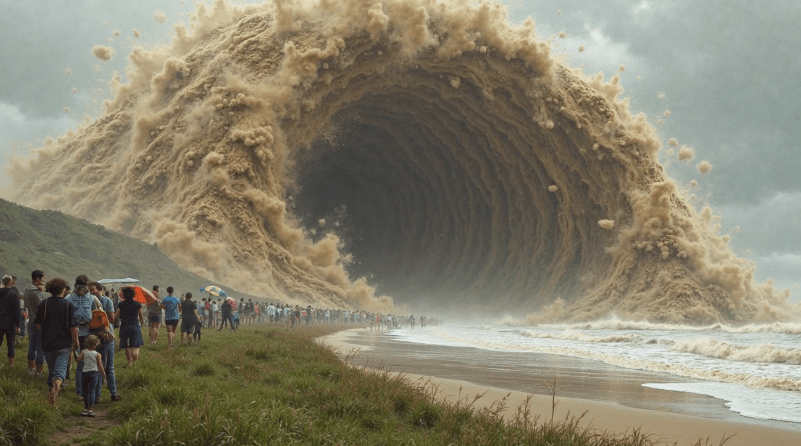
  4. Tsunamis: Living on the coast or in low-lying coastal areas means being at risk of a tsunami triggered by a major earthquake along the Cascadia fault.
  5. Severe Weather: While not as frequent, Oregon can experience extreme weather conditions, including ice storms, snowstorms, and windstorms. The mountainous regions often see heavy snowfall, and the coastal areas can be hit by intense wind events.

For those of us living here, preparing for the worst is not just an option—it’s a necessity.

How to Prepare for Oregon’s Worst Natural Disasters: A Prepper’s Guide

Now that we understand the types of natural disasters Oregon faces, it’s time to talk about how to prepare for them. Here’s a prepper’s guide to surviving these emergencies:

1. Build a Comprehensive Emergency Kit

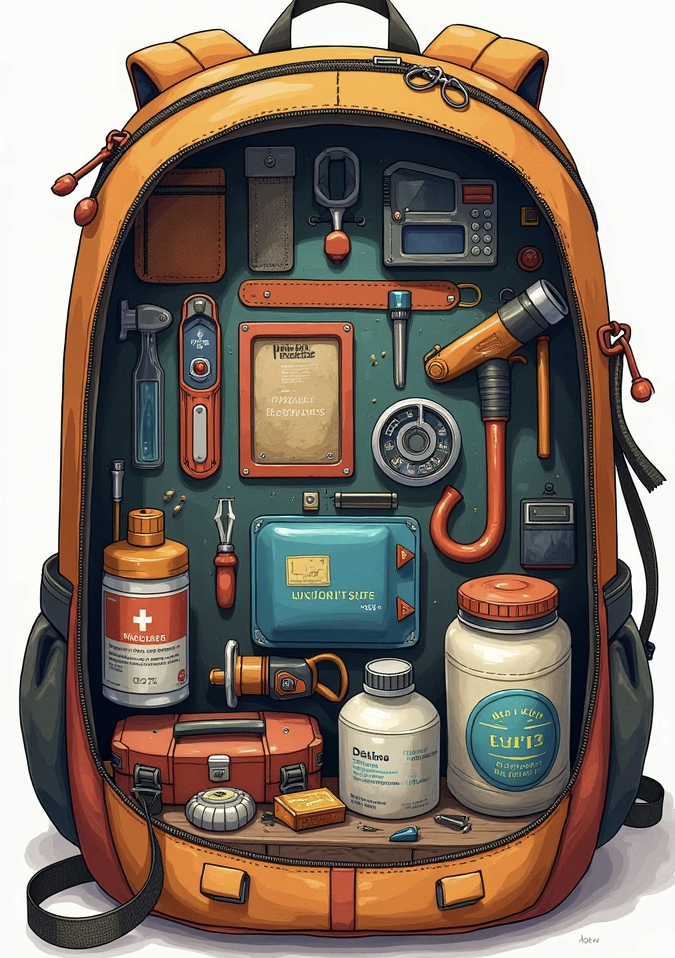
Every prepper needs an emergency kit, and it should be tailored to the specific needs of your region. For Oregon residents, this means being prepared for both earthquakes and wildfires. Your kit should include water, non-perishable food, a first aid kit, a flashlight, a radio, batteries, and essential medications. Don’t forget to include clothing suited for all weather conditions, such as rain gear, warm clothing, and sturdy boots.

Prepper Tip: Include a fire extinguisher in your kit to address wildfires that may break out near your home.

2. Plan Your Evacuation Routes

In the event of an earthquake or wildfire, evacuation could be a matter of life and death. Make sure to identify multiple evacuation routes from your home, especially if you live in a high-risk area. Know where your nearest emergency shelters are located, and practice evacuation drills with your family.

Prepper Tip: If you live in a coastal area, know your tsunami evacuation route and where high ground is.

3. Seismic Safety for Earthquakes

Oregon is prone to earthquakes, and the Cascadia Subduction Zone could produce a massive quake at any time. To prepare, secure heavy furniture and objects that could fall during a tremor. Reinforce doors, windows, and walls to withstand shaking. Make sure your home’s foundation is secure, and if you’re in a high-risk area, consider retrofitting your home for earthquake resistance.

Prepper Tip: Keep a hardhat and protective gloves in your emergency kit in case you need to navigate debris after an earthquake.

4. Create a Wildfire Defense Plan

Wildfires are a constant threat in Oregon, especially during the hot summer months. To defend your property, clear away any dead vegetation, leaves, or dry brush from around your home. Trim back trees and shrubs that could catch fire. Additionally, keep your lawn well-watered and ensure that you have access to water sources for firefighting.

Prepper Tip: Install fire-resistant roofing and siding, and always keep a hose, shovels, and fire tools handy during fire season.

5. Flood Preparedness for the Willamette Valley

The Willamette Valley is particularly susceptible to flooding, so it’s essential to have a plan in place for when waters rise. Elevate important items in your home above potential flood levels. Stockpile sandbags, and make sure your sump pump is working properly. If you live in a floodplain, consider flood insurance to protect your property.

Prepper Tip: Avoid driving through floodwaters, and have a boat or raft on standby in case of an emergency.

6. Tsunami Preparedness for Coastal Areas

If you live near the Oregon coast, tsunami preparedness is crucial. Make sure you have an evacuation plan that leads you to high ground away from the shore. Tsunamis can strike minutes after an earthquake, so it’s essential to act quickly. Always have a battery-powered weather radio to get updates on potential tsunami warnings.

Prepper Tip: Educate your family about tsunami evacuation zones and practice evacuation drills regularly.

7. Stockpile Emergency Food and Water

In the aftermath of a disaster, supplies can run out quickly. For that reason, it’s important to store at least a 72-hour supply of emergency food and water. Focus on high-calorie, non-perishable foods like freeze-dried meals, canned goods, and protein bars. Be sure to rotate your stock every six months to ensure freshness.

Prepper Tip: Keep a portable water filtration system in your kit to purify any local water sources if necessary.

8. Secure Communications

During a disaster, cell networks may go down, so it’s essential to have alternate methods of communication. Invest in two-way radios, a satellite phone, or a ham radio. Make sure everyone in your family knows how to use these devices and has a way to communicate if phone lines are down.

Prepper Tip: Have a paper copy of important phone numbers and contact information, as digital devices may not work in all situations.

9. Practice Self-Sufficiency Skills

Living in Oregon means having the skills to survive when the grid goes down. Learn how to hunt, fish, forage, and grow your own food. Understand basic first aid, fire-starting techniques, and how to purify water.

Prepper Tip: Invest in a good set of tools for gardening, hunting, and emergency repairs.

10. Keep Your Gas Tank Full

Oregon’s remote areas can become isolated during natural disasters, so always keep your vehicle’s gas tank at least half full. This ensures you’ll have enough fuel to evacuate if needed and can power your vehicle’s generator for emergencies.

Prepper Tip: Keep a spare fuel container on hand in case you need extra gas.

Conclusion: Prepare for the Worst, Hope for the Best

Living in Oregon means living with the constant possibility of natural disasters. As a prepper, it’s essential to stay vigilant and be prepared for whatever comes your way. By following these tips, you can ensure that you and your loved ones are ready to handle everything from earthquakes to wildfires to tsunamis. It’s not just about surviving; it’s about thriving in the face of disaster. Stay safe, stay prepared, and trust that your efforts will pay off when disaster strikes.


Incorporating these survival tips will give you the peace of mind knowing that, no matter what Oregon throws at you, you’ll be ready to weather the storm—literally.

The Stockpiler’s Survival Guide

In 2002, a man named Jack Whittaker from West Virginia hit the Powerball jackpot. It was the biggest prize of its time—hundreds of millions. Most folks would think he hit the ultimate jackpot. But if you dig deeper, you’ll find a cautionary tale that every prepper should take to heart.

Jack’s windfall didn’t bring joy. It brought chaos, greed, tragedy, and death. The moment people found out he was rich, they came out of the woodwork—begging, scheming, and circling like vultures. His house turned into a battleground of handouts and deception. He faced constant legal troubles, and worse, he lost both his daughter and granddaughter under tragic circumstances that many say were linked—directly or not—to the poison of sudden wealth.

Eventually, Jack said publicly that he wished he had torn up that lottery ticket.

CLICK HERE TO LEARN HOW TO NEVER STARVE WHEN DOOMSDAY HITS!

And that got me thinking.

As preppers, we’re not chasing lottery wins. But if you’re stockpiling wisely—if you’ve been planning for what others refuse to see coming—then in the eyes of the unprepared, you’re rich. Maybe not with cash, but with things that matter when the system collapses: food, water, fuel, skills, and know-how.

And just like Jack, if the wrong people find out, you become a target.

When SHTF, desperation turns good people bad. Neighbors turn into looters. Friends can become beggars. And strangers—well, don’t even count on mercy from them. It won’t matter if it’s your kid’s formula, your last bag of rice, or the meds you set aside for your spouse. If someone knows you have it, they will do anything to get it.

Lesson One: Conceal What You Have.

You don’t need to parade your supplies on social media. You don’t need to show off your stash in YouTube videos or brag about your “bug-out” plans at work. Loose lips sink ships. In a true crisis, every can of beans becomes gold. Every gallon of water becomes leverage.

Think about this: If every grocery store and supermarket shut down tonight, and folks knew you were stocked, your house might not survive the week. And that’s not paranoia—it’s math. Hungry people act fast. Starving people act violently.

Take a lesson from Jack Whittaker: if you have value—whether it’s dollars, gear, or provisions—keep it quiet. Because the more they know, the more they’ll take. And they won’t ask nicely.

Now, let’s talk about how to keep your prepping smart, quiet, and effective. Here are ten essential prepper tips every stockpiler should follow if they want to survive and stay off the radar.


10 Survival Prepper Tips for Smart Stockpiling and Stealth Survival

1. Don’t Tell, Don’t Show

It’s tempting to share your plans with friends or neighbors, especially if you’re proud of your setup. But limit your disclosures. Tell only those you trust with your life—and even then, keep details vague.

2. Diversify Your Stash

Don’t keep all your supplies in one place. Spread your stockpile across your home, vehicle, shed, and even hidden caches if possible. That way, if one area gets compromised, you’re not left high and dry.

3. Practice OPSEC

Operational Security (OPSEC) is a mindset. Don’t throw out packaging from large food purchases. Avoid bulk deliveries when neighbors are watching. Blend in. Be the “average Joe” who shops like everyone else.

4. Train, Don’t Just Store

All the gear in the world is worthless if you don’t know how to use it. Practice purifying water, making fire without matches, cooking off-grid, and self-defense. Build muscle memory.

5. Develop Community—but Quietly

Survival is easier in a group, but choose your circle carefully. Build quiet alliances with like-minded individuals. Barter, trade, and train together—but keep things low-key and never disclose your full inventory.

6. Gray Man Strategy

Look harmless, unprepared, and average. In public, don’t dress like you’re headed into the wild. When disaster strikes, don’t be the guy with the latest tactical gear walking down the street. Blend in to avoid attention.

7. Rotate and Maintain Supplies

Your food, fuel, and meds have expiration dates. Rotate stock, label everything, and use a spreadsheet if needed. The worst time to realize your food is spoiled is when your life depends on it.

8. Harden Your Home

Your house is your first line of defense. Reinforce doors, add security film to windows, set up motion lights, and consider solar cameras. You’re not being paranoid—you’re being ready.

9. Prepare for Power Loss

Most people think about food and water but forget energy. Stock up on batteries, solar chargers, hand-crank radios, and backup heating options. When the grid fails, you need to adapt quickly.

10. Have an Exit Plan

Sometimes you can’t shelter in place. Know where you’ll go, how you’ll get there, and what you’ll bring. Keep bug-out bags ready and have alternate routes. Never assume your first plan will work.


Survival Isn’t Just About Stuff—It’s About Mindset

Jack Whittaker’s story is more than a tragedy—it’s a mirror. When society collapses, the rules change. The rich won’t be the ones with stock portfolios—they’ll be the ones with clean water, warm meals, and working flashlights.

And just like Jack learned, if people know you’ve got something they don’t, they’ll come for it.

So stay sharp. Stay quiet. Stockpile smart. And remember: stealth is strength.

We prep not to boast, but to survive. And the best preppers don’t just prepare for disasters—they prepare to stay invisible when the world starts watching.

The Ultimate Survivalist In-Car Checklist: 7 Items You Need

Disaster doesn’t announce itself.

It strikes when you’re least ready—when your guard is down, and your mind is elsewhere. You might be thinking about dinner plans, your kids’ soccer game, or just getting home to a warm bed. But emergencies don’t care about your schedule.

CLICK HERE TO LEARN HOW TO NEVER STARVE WHEN DOOMSDAY HITS!

Picture this: It’s Friday evening. You’re finally off work. You’re cruising down a quiet stretch of road, miles away from the nearest gas station, thinking about how you’ll spend the weekend with your family. And then—BAM. A loud thud. Your car jerks violently. You lose control for a split second before steering to the shoulder. You get out, and there it is… a flat tire.

And just your luck—it’s raining sideways. Not a streetlamp in sight.

CLICK HERE TO LEARN HOW TO NEVER STARVE WHEN DOOMSDAY HITS!

Now let me ask you: Are you ready?

Because if you’re not, that flat tire could turn into a full-blown survival scenario. As any seasoned prepper will tell you, your vehicle isn’t just a means of transportation. It’s a mobile command center. It’s your lifeline when SHTF. Whether you’re evacuating due to wildfires, stranded in a snowstorm, or simply stuck with a mechanical failure, your car must be prepped for anything.

Here are the 7 essential items every survival-minded individual needs in their vehicle—and 10 additional prepper tips to keep you one step ahead when the unexpected hits.


1. Spare Tire, Jack, and Lug Wrench

Let’s start with the basics. A flat tire is more than just an inconvenience—it can leave you stranded for hours, or worse, overnight in the middle of nowhere. You need a fully inflated spare tire, a sturdy jack, and a reliable lug wrench.

Prepper Tip #1: Rotate and inspect your spare every three months. A flat spare is as useless as no spare at all.

Prepper Tip #2: Consider adding a tire plug kit and portable air compressor. Sometimes a quick patch and refill is all you need to get moving again.


2. Jumper Cables (or Jump Starter)

A dead battery is another common issue, especially in extreme temperatures. Having a solid pair of jumper cables can save you hours of waiting for help—or worse, being stuck in hostile conditions.

Prepper Tip #3: Upgrade to a lithium-ion jump starter. These compact power packs can jump your car without needing another vehicle. Plus, they usually have USB ports to charge your phone.


3. First-Aid Kit

This is non-negotiable. From minor cuts and scrapes to more serious injuries, a well-stocked first-aid kit can save lives.

Prepper Tip #4: Customize your kit. Add painkillers, antiseptics, trauma supplies (like a tourniquet), and allergy meds. Don’t forget a laminated card with CPR instructions and your personal medical info.


4. Flashlight and Extra Batteries

When darkness falls, you’ll need a dependable flashlight. Whether you’re checking under the hood, flagging down help, or navigating on foot, a solid light source is crucial.

Prepper Tip #5: Invest in a high-lumen LED flashlight with a strobe or SOS function. Keep extra batteries in a waterproof container, or go with a solar/crank-powered model for infinite power.


5. Emergency Blankets and Warm Clothing

Hypothermia can set in faster than you’d think, especially if your car won’t start and you’re trapped in cold weather. Emergency mylar blankets are compact, lightweight, and designed to reflect 90% of body heat.

Prepper Tip #6: Include a wool hat, gloves, socks, and a waterproof poncho. Hypothermia often starts with extremities, and you’ll be thankful for that added layer.


6. Non-Perishable Food and Water

If you’re stuck for hours—or days—you’ll need calories and hydration. Keep a stash of non-perishable, high-energy food and bottled water in your vehicle.

Prepper Tip #7: Use vacuum-sealed ration bars and emergency water pouches with a 5-year shelf life. They’re space-efficient and built for survival.

Prepper Tip #8: Toss in a LifeStraw or water purification tablets. If you run out of bottled water, these could keep you alive in a longer crisis.


7. Portable Charger or Power Bank

Your phone is your most powerful tool in a crisis—but only if it’s charged. A high-capacity portable power bank ensures you stay connected when your car battery isn’t an option.

Prepper Tip #9: Look for solar-powered models. Even if the grid’s down, you’ll still be able to charge your devices.


10 Bonus Survival Prepper Tips for Your Car

Now that you’ve got the 7 essentials, take it a step further. Hardcore preppers know that redundancy and versatility are key.

1. Multi-tool or Survival Knife

From cutting seatbelts to making repairs or defending yourself, a quality multi-tool is invaluable.

2. Duct Tape

Fix a hose, seal a window, secure gear, or even splint an injury. The uses are endless.

3. Maps and Compass

Don’t rely on GPS. If the grid’s down or you’re in a dead zone, paper maps and a compass will keep you on track.

4. Fire Starter Kit

Waterproof matches, ferro rods, or lighters—fire can provide warmth, boil water, signal for help, or keep predators away.

5. Reflective Triangle or Road Flares

Increase your visibility to other drivers, especially during night or low-visibility conditions.

6. Cash in Small Bills

ATMs might be down or inaccessible. Keep a stash of $1s, $5s, and $10s hidden in your car.

7. Toilet Paper and Hygiene Kit

Sanitation can be crucial. A small hygiene kit with TP, wipes, and hand sanitizer is easy to store and highly valuable.

8. Gloves and Safety Glasses

Whether fixing a tire or clearing debris, protect your hands and eyes.

9. Tow Strap

Help others—or get helped—without relying on a tow truck.

10. Notebook and Pencil

Record important details, leave a note if you have to leave your vehicle, or track resources. It’s old-school, but it works.


Final Word

Emergencies aren’t a matter of if, they’re a matter of when. Your vehicle is your mobile bug-out location—treat it like one. A well-stocked car can mean the difference between inconvenience and catastrophe.

So prep it now. Load it with gear. Check your supplies. Refresh items regularly.

Because when the moment comes—and it will—you won’t rise to the occasion.

You’ll fall back on your preparation.

And that, my fellow survivalist, is how you thrive when the rest of the world panics.

Maine’s Top 24 Survivalist-Friendly Campgrounds

🏕️ The 24 Best Camping Sites in Maine for Survival Preppers

Living off the grid in Maine isn’t just a lifestyle—it’s a necessity. From dense forests to rugged coastlines, the Pine Tree State offers countless opportunities for survivalists to hone their skills and connect with nature. Here’s a curated list of 24 campgrounds that cater to those seeking solitude, self-reliance, and a deep connection with the land.


1. Baxter State Park – Chimney Pond Campground

A remote base camp for those tackling Katahdin, Maine’s highest peak. Accessible only by a 3.3-mile hike, it’s ideal for seasoned backpackers. WikipediaBest Local Things

2. Allagash Wilderness Waterway

A 92-mile canoe route with 81 fire-safe campsites. Perfect for waterborne survival training and wildlife observation. Step Outside

3. Cobscook Bay State Park

Offers dramatic tides and oceanfront campsites. Great for foraging, fishing, and coastal navigation. The Dyrt+2Step Outside+2The Maine Mag+2The Maine Mag

4. Duck Harbor Campground – Isle Au Haut

Accessible only by ferry, this secluded spot within Acadia National Park is perfect for isolation and primitive camping. Wikipedia+1Condé Nast Traveler+1

5. Lily Bay State Park

Located on Moosehead Lake, offering fishing, boating, and hiking opportunities. The Maine Mag+4Camping Comparison+4Campspot+4

6. Seboomook Wilderness Campground

CLICK HERE TO LEARN HOW TO SURVIVE A FAMINE

Off-grid camping with limited electricity, ideal for those seeking a true wilderness experience. Campspot

7. Searsport Shores Oceanfront Camping

Features a private beach and tidal pools, suitable for coastal survival skills and foraging. Step Outside

8. Sagadahoc Bay Campground

Offers oceanfront sites with clamming opportunities, perfect for coastal resource gathering. The Maine Mag

9. Camden Hills State Park

Provides panoramic views and hiking trails, ideal for navigation and wilderness training.

10. Rangeley Lake State Park

Offers lakeside camping with opportunities for fishing and boating.

11. Aroostook State Park

Maine’s first state park, featuring trails and access to Quaggy Jo Mountain. Best Local Things

12. Wolfe’s Neck Oceanfront Campground

Located on a working farm, offering a mix of forest and bay camping. The Dyrt

13. Winslow City Park Campground

Family-friendly with ocean views and a pirate ship playground. Camping Comparison+4The Dyrt+4Campspot+4

14. Sebago Lake State Park

Features sandy beaches and clear waters, suitable for waterborne survival training.

15. Schoodic Woods Campground

Offers a more remote experience within Acadia National Park, with hiking and kayaking opportunities. GearJunkie

16. Blackwoods Campground

Located within Acadia National Park, offering wooded sites and proximity to hiking trails. GearJunkie

17. Seawall Campground

Provides access to the rugged Atlantic coastline and tide pools. The Dyrt

18. Chimney Pond Campground

A remote base camp for those tackling Katahdin, Maine’s highest peak. Best Local Things

19. Allagash Wilderness Waterway

A 92-mile canoe route with 81 fire-safe campsites. Step Outside

20. Cobscook Bay State Park

Offers dramatic tides and oceanfront campsites. GearJunkie+3The Maine Mag+3Step Outside+3

21. Duck Harbor Campground – Isle Au Haut

Accessible only by ferry, this secluded spot within Acadia National Park is perfect for isolation and primitive camping.

22. Lily Bay State Park

Located on Moosehead Lake, offering fishing, boating, and hiking opportunities. Best Local Things+4Campspot+4takeitfrommaine.com+4

23. Seboomook Wilderness Campground

Off-grid camping with limited electricity, ideal for those seeking a true wilderness experience. Campspot

24. Searsport Shores Oceanfront Camping

Features a private beach and tidal pools, suitable for coastal survival skills and foraging.

🏕️ Final Thoughts from the Maine Woods

When it comes to survival, it ain’t just about gear or know-how—it’s about the land. And up here in Maine, we’ve got land that’ll test your grit, hone your instincts, and remind you what it means to live raw and real. Whether you’re posting up by the Allagash for a week of solo canoe travel or hiking into Baxter’s backcountry with nothing but your pack and purpose, each of these 30 campgrounds offers more than just a place to pitch your tent—they offer you a proving ground.

Survival isn’t just preparing for the worst—it’s training in the best places to test your skills while the grid still holds. Every trip into Maine’s forests or out onto its salt-kissed shores is a lesson in resilience, resourcefulness, and respect for nature. You want to be ready for anything? Then get out there, live wild, and let the land teach you.

Stay sharp, stay strong, and above all—stay ready.

Surviving the Texas Storm: How Texans Prepare for the Worst Natural Disasters

How Texans Prepare for the State’s Worst Natural Disasters

Living in Texas, you’re no stranger to the force of nature. From blistering heatwaves to unpredictable storms, the Lone Star State has seen it all. While we love our BBQs, rodeos, and wide-open spaces, we also know that when disaster strikes, it’s not a time to panic – it’s a time to act.

In Texas, survival is a way of life. Whether you’re out in the flat plains of West Texas, nestled in the Hill Country, or living closer to the Gulf Coast, you know that natural disasters aren’t just a possibility – they’re a fact of life. Tornadoes, hurricanes, wildfires, floods, and extreme heatwaves are all common threats in the state, and preparedness is key to surviving any of them.

CLICK HERE TO LEARN HOW TO SURVIVE A FAMINE

If you want to be ready when the storm hits, you’ve got to think ahead and build a solid survival plan. But don’t worry – we’re all in this together, and there’s no need to face disaster unprepared. Here are some ways Texas residents like me prepare for the worst and keep our families safe.

1. Tornadoes: Don’t Wait for the Warning

Tornadoes are one of the most terrifying natural disasters to hit Texas. The state is part of “Tornado Alley,” meaning we are especially prone to these powerful, destructive storms. To prepare for a tornado, the first step is knowing when one might be coming. That means investing in a reliable weather radio that broadcasts emergency alerts 24/7.

Beyond the radio, every Texan should have a designated storm shelter. It doesn’t need to be fancy – even a small, windowless interior room like a bathroom or closet can provide shelter. Keep your storm kit stocked with essentials like a flashlight, batteries, a first-aid kit, and a few days’ worth of non-perishable food and water.

2. Hurricanes: Don’t Underestimate the Gulf Coast

For those of us living along the Gulf Coast, hurricanes are a serious concern. Whether you’re in Houston or Galveston, hurricanes bring strong winds, heavy rain, and the threat of flooding. The key to surviving a hurricane is early preparation and constant vigilance. Make sure you have an evacuation plan that includes a designated safe location – preferably in an area not prone to flooding.

Stock up on emergency supplies, including bottled water, canned goods, medication, and other essentials. If you live near the coast, invest in hurricane shutters or plywood to protect your windows, and make sure your roof is secure. Once a storm is headed your way, stay updated on the latest forecasts and be ready to leave if necessary.

3. Wildfires: Be Ready for the Texas Heat

While wildfires are a year-round threat, they are especially dangerous in the hotter months of summer and early fall. As Texans, we’re used to the dry spells and the scorching heat, but when combined with strong winds, they can ignite massive wildfires. If you’re in rural areas, keep defensible space around your home by clearing dead vegetation, branches, and other flammable materials. This will help protect your property from spreading flames.

A well-stocked bug-out bag is a must, and it should contain a good-quality N95 mask to protect against smoke inhalation. Keep your gutters clear, and be sure to have fire extinguishers accessible, especially in areas prone to wildfires.

4. Floods: Know Where the Water Will Go

Flooding is another significant risk, especially for those living along Texas rivers or in low-lying areas. The unpredictable rains that often come with hurricanes or spring storms can overwhelm flood control systems and cause massive damage. One of the first steps is to know if you live in a flood zone, and if you do, consider purchasing flood insurance. It’s worth the investment.

In preparation, elevate your electrical appliances and other valuables above potential flood levels. If a flood watch is issued, make sure your emergency supplies are packed and ready to go. Flashlights, extra batteries, and sturdy shoes for wading through water are essential. If the water is rising, know your evacuation routes and keep your car’s gas tank full, just in case.

5. Extreme Heat: Don’t Let the Texas Sun Get the Best of You

Texas heat can be brutal, especially in cities like Dallas, Austin, and San Antonio during the summer months. Temperatures can easily exceed 100°F, and when the humidity is high, it can be even worse. To avoid heat exhaustion or heat stroke, always have a supply of water on hand, and wear light, breathable clothing.

If you don’t have air conditioning, make sure you have fans or a way to cool your home down. Keep your body cool by using wet towels or ice packs on your pulse points, and don’t forget to check on elderly neighbors or others who may be more vulnerable to heat stress.

10 Survival Prepper Tips for Texans Facing Natural Disasters:

  1. Know Your Risk: Understand what natural disasters are most likely to affect your region, whether it’s a flood, tornado, wildfire, or hurricane.
  2. Create a Family Emergency Plan: Sit down with your family and make sure everyone knows their roles in an emergency, including evacuation routes and communication plans.
  3. Emergency Kit: Always have a stocked emergency kit with the basics: water, non-perishable food, flashlight, batteries, medications, and first-aid supplies.
  4. Backup Power: Invest in a generator or a backup power system to keep essential devices running during power outages.
  5. Water Storage: In Texas, water is a critical resource during both floods and droughts. Always store extra water to get you through an emergency.
  6. Stay Informed: Sign up for emergency alerts from local authorities and always monitor the weather.
  7. Get an Emergency Car Kit: Make sure your car is stocked with essentials such as extra water, blankets, non-perishable food, and a first-aid kit.
  8. Defend Against Wildfires: Maintain a defensible space around your property by keeping grass short, clearing debris, and trimming trees.
  9. Plan for Pets: Don’t forget your furry friends! Keep a pet emergency kit with food, water, medications, and any necessary paperwork.
  10. Insurance is Key: Ensure your home and vehicle insurance cover damage from common disasters in your area, such as floods, fires, or wind damage.

Conclusion: Preparedness is Key in Texas

The weather in Texas is unpredictable, and natural disasters can strike without warning. But with proper planning and preparation, you can face anything that comes your way. By following these tips, Texans can not only survive but thrive in the face of nature’s challenges. After all, we’re a tough breed, and we know how to handle what the wild Texas weather throws at us.

Off-Grid Survival in Maryland: Preparing for Natural Disasters

Maryland’s Off-Grid Survival Blueprint: Preparing for Nature’s Fury

Living off the grid in Maryland isn’t just a lifestyle—it’s a necessity. With the unpredictable nature of disasters like hurricanes, floods, and winter storms, being prepared isn’t optional. It’s about ensuring you and your family can withstand whatever nature throws your way. Here’s how Maryland residents can prepare for the state’s worst natural disasters.


Understanding Maryland’s Natural Disasters

Maryland’s diverse geography—from the Atlantic coastline to the Appalachian Mountains—exposes residents to various natural disasters:

  • Hurricanes: Coastal areas like Ocean City and parts of Baltimore are vulnerable to hurricanes, especially during the Atlantic hurricane season from June 1 to November 30.
  • Flooding: Heavy rains, especially during spring and summer, can lead to flash floods, particularly in areas near rivers like the Potomac and Susquehanna.
  • Winter Storms: The western part of the state, including Garrett and Allegany counties, often experiences heavy snowfall and ice storms.
  • Tornadoes: While less common, tornadoes have been reported, especially in central and eastern Maryland.
  • Heatwaves: Urban areas like Baltimore and Washington, D.C., can experience extreme heat, leading to health risks.

10 Off-Grid Survival Tips for Maryland Residents

CLICK HERE TO LEARN HOW TO SURVIVE A FAMINE

  1. Know Your Evacuation Zone: Maryland has designated evacuation zones (A, B, C) for coastal areas. Familiarize yourself with your zone and have an evacuation plan in place.
  2. Build a Comprehensive Emergency Kit: Include essentials like water (one gallon per person per day for at least three days), non-perishable food, first aid supplies, flashlight, batteries, and important documents.
  3. Secure Your Shelter: Ensure your home is fortified against storms. This includes reinforcing roofs, windows, and doors. For off-grid living, consider structures built to withstand high winds and heavy snow.
  4. Alternative Power Sources: Invest in solar panels, wind turbines, or backup generators to maintain power during outages. Store fuel safely and ensure your systems are properly maintained.
  5. Water Collection and Filtration: Set up rainwater harvesting systems and have water purification methods like filters or purification tablets on hand.
  6. Food Storage: Grow your own food and store seeds for future planting. Canning and dehydrating are excellent methods for preserving food long-term.
  7. Communication Plans: Establish a communication plan with family members. In case of evacuation, know where to meet and how to contact each other.
  8. Stay Informed: Use the Maryland Prepares app for real-time alerts and emergency information.
  9. First Aid Training: Equip yourself with basic first aid and CPR skills. Having medical supplies and knowledge can be lifesaving during emergencies.
  10. Community Engagement: Join local preparedness groups or networks. Sharing resources and knowledge strengthens community resilience.

Financial Preparedness

Beyond physical preparations, financial readiness is crucial:

  • Document Storage: Keep copies of important documents (birth certificates, insurance policies, medical records) in a waterproof and fireproof container.
  • Cash Reserves: Maintain a small amount of cash in case ATMs and credit card systems are down.
  • Insurance: Ensure your property insurance covers flood and storm damage. Regularly review and update policies.

Conclusion

Living off the grid in Maryland requires foresight, planning, and resilience. By understanding the state’s natural disaster risks and implementing these survival tips, you can ensure your safety and self-sufficiency. Remember, preparation is the key to survival.

New York’s Survival Guide: How to Prepare for Nature’s Fury

The Ultimate Prepper’s Guide to Surviving New York’s Natural Disasters

CLICK HERE TO LEARN HOW TO SURVIVE A FAMINE

From freezing winters and heavy snowfalls to hurricanes, floods, and even the occasional earthquake, the state’s residents must stay vigilant. As a prepper, being prepared is not just about collecting gear; it’s about understanding the risks, planning ahead, and ensuring you can survive and thrive when the worst happens.

New York is a diverse state, with its geography ranging from the busy streets of New York City to the remote Adirondacks and the coastal shores of Long Island. Each of these regions faces unique natural disaster threats. Whether you’re in the city, upstate, or along the coast, being ready for natural disasters is crucial. Let’s break down the major risks and some prepper tips to keep you and your family safe.

The Top Natural Disasters in New York

  1. Blizzards and Snowstorms: The cold, harsh winters of New York are famous, and with that comes the risk of heavy snowstorms and blizzards. These can trap people indoors for days or even weeks and cause power outages that leave you without heat and electricity.
  2. Flooding: New York is prone to both river and coastal flooding. Areas like the Hudson Valley and parts of New York City are particularly vulnerable to spring floods, while Long Island is threatened by hurricanes that can bring massive storm surges.
  3. Hurricanes and Tropical Storms: The Atlantic hurricane season is a significant concern for New Yorkers, especially those in coastal and low-lying areas like Long Island and the boroughs of NYC. These storms can cause widespread damage through high winds, heavy rain, and storm surges.
  4. Earthquakes: While not as frequent as other disasters, earthquakes do pose a risk in parts of New York. The state has experienced small tremors in the past, and although large quakes are rare, it’s always wise to be prepared.
  5. Tornadoes: While not as common as in the Midwest, tornadoes have been known to strike New York, particularly in the western and central parts of the state. These storms can cause significant damage, and their sudden nature makes them a true threat to residents.

10 Essential Survival Tips for New York Preppers

Now, let’s talk about how you can prepare for these natural disasters. Prepping isn’t just about having the right supplies; it’s about understanding the risks and making sure you’re prepared for any emergency.

1. Winterize Your Home and Vehicle

When snowstorms hit New York, they can cause massive disruptions. Your first priority should be to winterize your home and vehicles. Make sure your pipes are insulated, your furnace is serviced, and you have a reliable backup heat source, such as a wood stove or propane heater. Stock up on snow removal equipment like shovels and salt, and make sure your car has snow tires, a full tank of gas, and emergency supplies, including blankets, food, and water.

2. Build a Comprehensive Emergency Kit

In New York, it’s not just snow and ice you need to worry about – flooding, hurricanes, and power outages are common as well. Build a survival kit that includes:

  • Non-perishable food (at least a three-day supply for each person)
  • Water (1 gallon per person per day for at least three days)
  • Flashlights, batteries, and solar chargers
  • First-aid kit and prescription medications
  • Extra clothing and blankets
  • Important documents (in a waterproof bag)
  • Multi-tool, fire starters, and emergency blankets

3. Prepare for Power Outages

Long winter storms and hurricanes often lead to extended power outages in New York. Investing in a generator can be a lifesaver, especially if you live in a rural area. Make sure your home has enough fuel to power the generator for at least 72 hours, and always follow safety guidelines when using it. If a generator isn’t feasible, battery-operated lights and a solar-powered battery charger can keep you functional.

4. Know Your Evacuation Routes

Whether you’re in a flood zone or a high-risk area for hurricanes, it’s crucial to have an evacuation plan in place. Research routes that avoid flood-prone areas or other hazards, and make sure everyone in your household knows how to get to safety. Also, keep a “go bag” packed with essentials like a change of clothes, money, and identification.

5. Flood-Proof Your Property

If you live in an area prone to flooding, elevate essential items like your furnace, water heater, and electrical appliances above potential flood levels. Sandbags can be used to help divert water away from your home. Be prepared to move quickly and have waterproof bags or containers to keep your most important belongings safe.

6. Stay Informed

When hurricanes, snowstorms, or earthquakes are on the horizon, knowledge is power. Stay connected by having a battery-powered radio or weather alert system. Make sure you have a plan for getting updates even if the power goes out. Local emergency services often provide real-time information on evacuation orders, road closures, and shelter locations.

7. Secure Your Home’s Structure

If a tornado is a concern in your area, secure your home by reinforcing the roof and windows with storm shutters or plywood. Have a safe room designated in your home that’s as small and central as possible. For blizzards, keep walkways clear and ensure your roof is free of snow accumulation to avoid collapse.

8. Stay Hydrated and Stock Water

Water is critical for survival. In case of a natural disaster, like a hurricane or snowstorm, water supplies may be contaminated or unavailable. Stock up on bottled water and ensure that you have a filtration system or purification tablets in case you need to source water from elsewhere.

9. Establish a Communication Plan

During a disaster, communication can become difficult. Have a plan in place for how your family will stay in touch. Designate an out-of-town contact person whom everyone can check in with. Ensure that your phones are charged, and consider investing in walkie-talkies for short-range communication.

10. Take Personal Safety Precautions

If an earthquake hits, drop, cover, and hold on. In a blizzard, dress in layers and avoid exposure to freezing temperatures for extended periods. For hurricane season, know the signs of storm surges and high winds, and don’t try to drive through floodwaters. Always err on the side of caution and keep a survival mindset.

Conclusion

New York’s unpredictable weather and natural disasters can strike at any time, and being prepared can mean the difference between life and death. As a prepper, it’s not just about hoarding supplies; it’s about understanding the potential risks and having a plan in place. The key to surviving New York’s worst natural disasters is knowledge, readiness, and a strong survival mentality.

By following these prepper tips, you’ll be more confident in your ability to handle whatever nature throws your way. Whether you’re facing a blizzard in the Adirondacks or a hurricane on Long Island, these strategies can help you survive and thrive through any disaster.